
The Critical Role of Sterilization in Food Preservation
In the competitive landscape of food manufacturing, commercial sterilization stands as the definitive barrier between perishable goods and shelf-stable products that can traverse global supply chains. Nowhere is this more evident than in the sweet potato processing industry, where achieving the delicate balance of safety, preservation, and flavor retention determines market success. The retort autoclave has long been the cornerstone of this process, but technological evolution has revolutionized what these systems can achieve. This comprehensive examination explores how advanced retort machine technology, specifically water immersion systems, addresses the unique challenges of sweet potato processing while establishing new benchmarks for efficiency, quality, and scale in commercial sterilization.
The Unique Challenges of Sweet Potato Sterilization
Understanding the Product's Vulnerabilities
Sweet potatoes present a particularly complex substrate for commercial sterilization. Their high sugar content (ranging from 4-25% depending on variety and processing) makes them susceptible to caramelization when exposed to uneven or excessive heat. The vacuum-packed dried sweet potato format—increasingly popular as a healthy snack—introduces additional complications: bag integrity must be preserved, texture must remain pliable, and the distinctive earthy-sweet flavor profile must survive the sterilization process intact.
Traditional approaches using conventional steam retort machine systems often resulted in compromised products. Common failures included:
Surface wrinkling and bag deformation due to pressure differentials
Sugar migration and crystallization ("sugar analysis")
Uneven heat penetration leading to both under-processed and over-processed zones
Texture degradation from prolonged processing times
Flavor alteration through Maillard reaction extremes
These challenges necessitated a paradigm shift in sterilization technology, moving from basic steam applications to precisely controlled aqueous environments.
2: Water Immersion Retort Systems: Technological Breakthrough
The Physics of Water-Based Thermal Transfer
The fundamental advantage of water immersion systems over conventional steam retort machine technology lies in the physical properties of water as a heat transfer medium. Water possesses approximately four times the heat capacity of air at the same temperature, enabling more rapid and uniform temperature distribution throughout the sterilization chamber. For a food retort machine processing delicate products like sweet potatoes, this translates to several critical benefits:
1、Elimination of Cold Spots: The convective currents in heated water ensure continuous temperature equilibrium, with modern systems maintaining chamber temperature variations below 0.5°C.
2、Reduced Process Times: The superior heat transfer coefficient of water versus steam allows target temperatures (typically 121°C for low-acid foods) to be reached 30-40% faster than in atmospheric steam retorts.
3、Gentle Product Handling: The buoyant support of the water medium prevents physical damage to vacuum bags that might otherwise collapse or distort in steam-only environments.
System Architecture: Beyond Basic Immersion
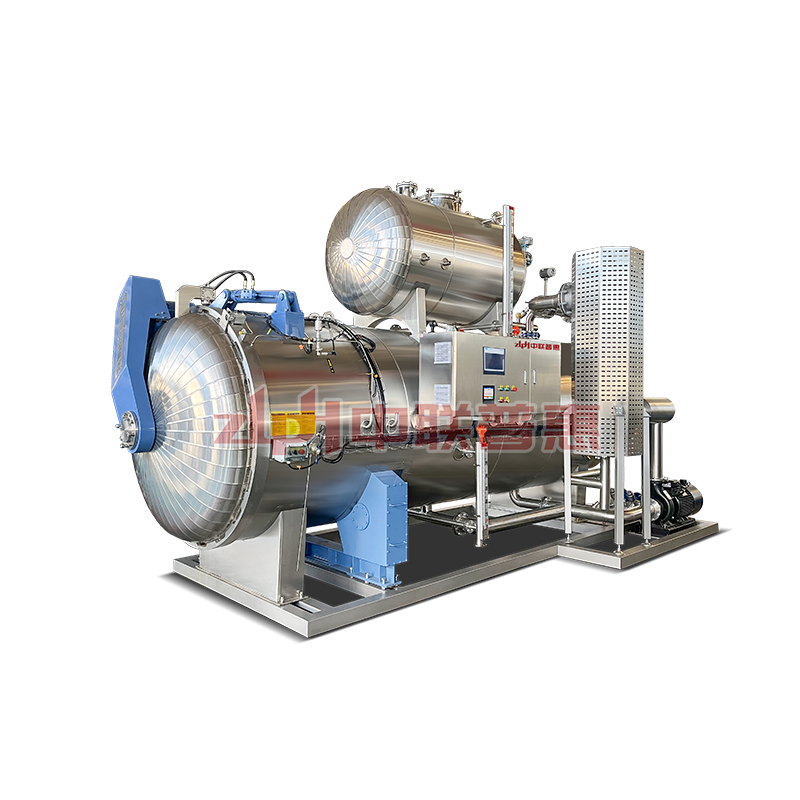
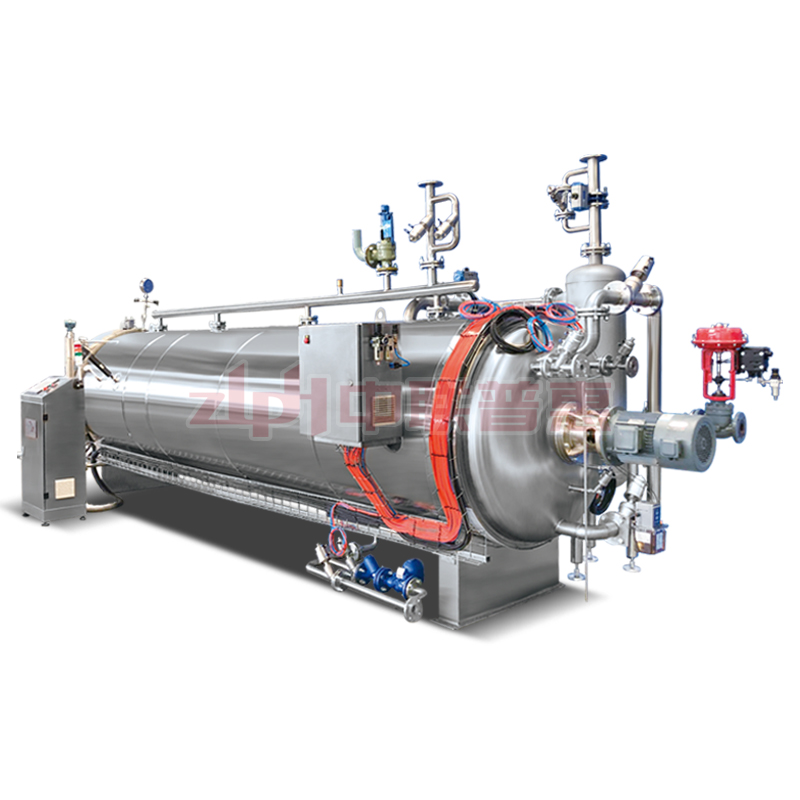
Contemporary water immersion retort autoclave systems incorporate sophisticated engineering features that distinguish them from simple hot water baths:
Multi-Zone Circulation: Strategically placed inlet/outlet manifolds create controlled flow patterns that ensure every product unit receives identical thermal treatment.
Integrated Preheating Tanks: As mentioned in industry specifications, these reservoirs maintain 85°C water between cycles, dramatically reducing energy consumption and cycle times.
Precision Back-Pressure Control: Advanced pneumatic systems maintain precise pressure differentials between the retort chamber and product interiors, preventing bag deformation throughout heating, holding, and cooling phases.
3: Quantitative Advantages in Commercial Production
Scaling for Industrial Volumes
The transition from laboratory-scale to commercial production presents formidable challenges in sterilization consistency. Modern retort machine systems designed for sweet potato processing address these through:
Capacity Optimization: The parallel tray/basket configuration mentioned in industry data (1,200mm × 3,600mm dimensions with four-basket stacking) represents just one configuration. Customizable systems can process from 200kg to over 2,000kg per cycle, accommodating the light, bulky nature of dried sweet potato products that demand high volumetric efficiency.
Energy Recovery Systems: The closed-loop hot water recycling characteristic of advanced water immersion retorts reduces energy consumption by 30-40% compared to traditional steam systems. This is achieved through:
Heat exchangers that recover thermal energy from cooling water
Insulated holding tanks that maintain water at near-sterilization temperatures
Efficient pump designs that minimize parasitic energy losses
Process Time Reduction: By starting each cycle with preheated water (85°C rather than ambient temperature), the time to reach critical 121°C sterilization temperature is reduced to 8-12 minutes. This compares favorably to the 25-40 minutes required in conventional steam retort machine systems that must heat both the chamber and the product from room temperature.
Quality Metrics: From Laboratory to Consumer
The ultimate validation of any commercial sterilization process lies in the finished product's characteristics. For vacuum-packed dried sweet potatoes processed in advanced water immersion retort autoclave systems:
Shelf-Life Extension: The combination of precise temperature control (≤0.5°C variation) and uniform heat penetration enables true commercial sterility. This extends the unrefrigerated shelf life from approximately 3 months (typical for traditionally processed products) to 12+ months without chemical preservatives—a critical advantage for e-commerce and supermarket distribution.
Visual and Textural Preservation: Properly implemented back-pressure control (typically 0.25 MPa during heating phases) maintains bag integrity, preventing the wrinkling and distortion common in conventional retorting. The finished product exhibits:
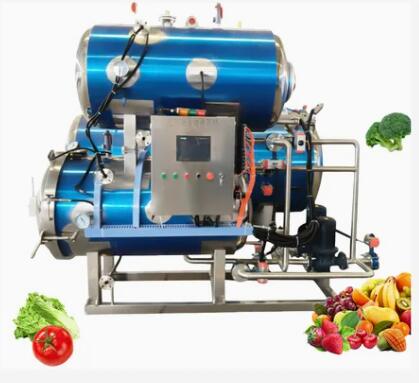
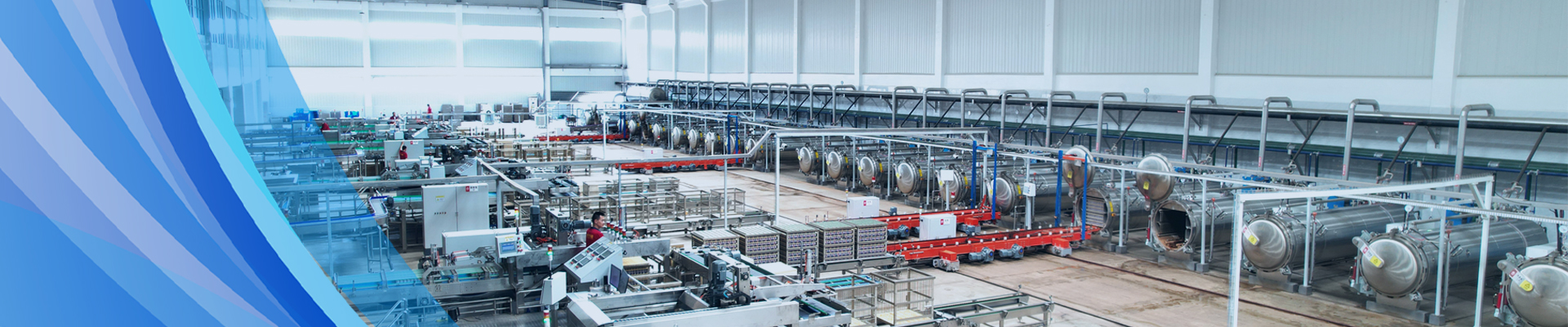
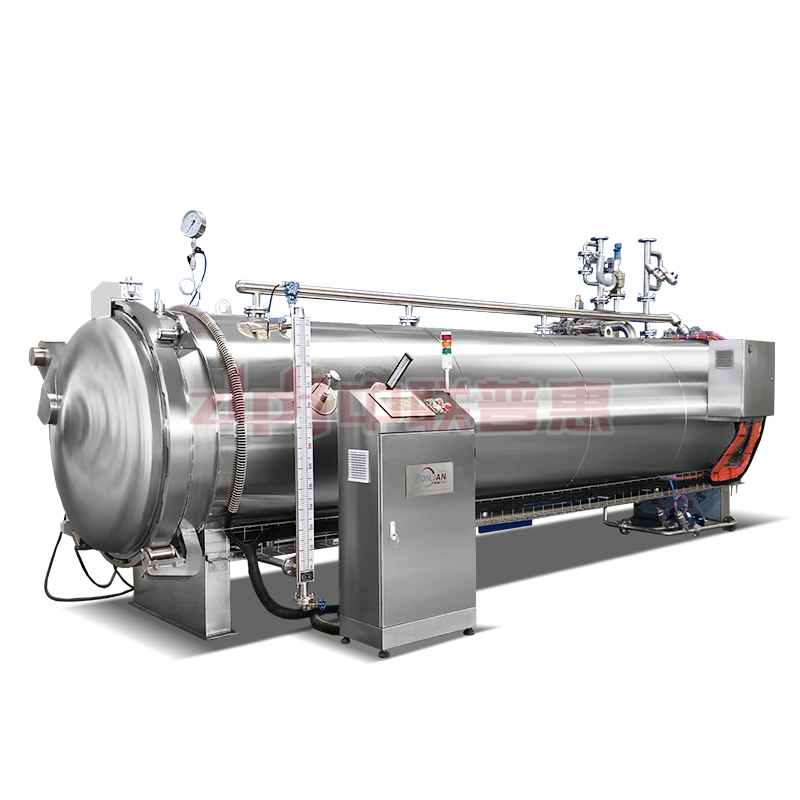
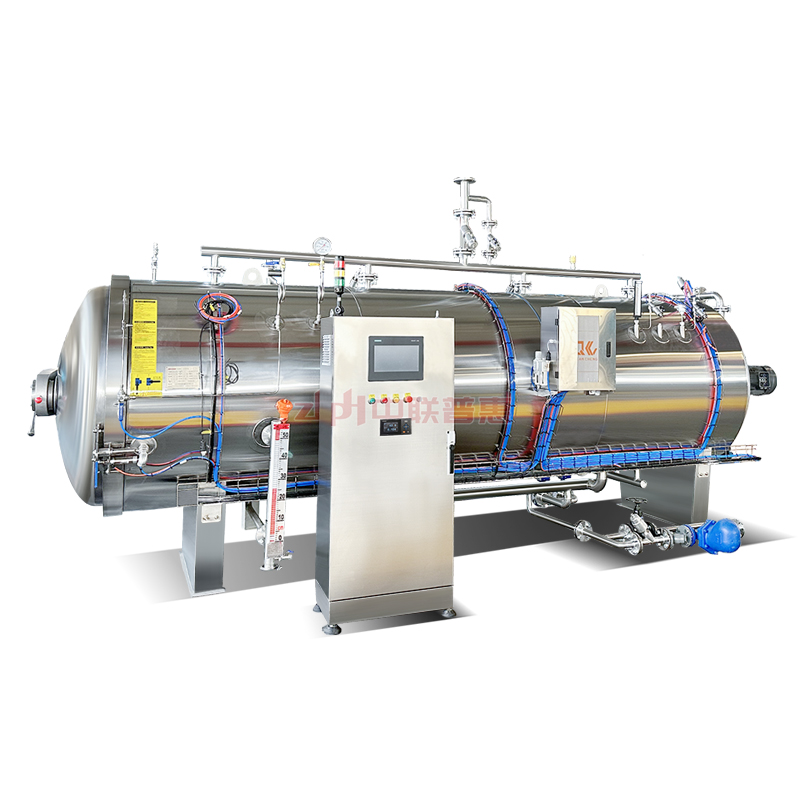
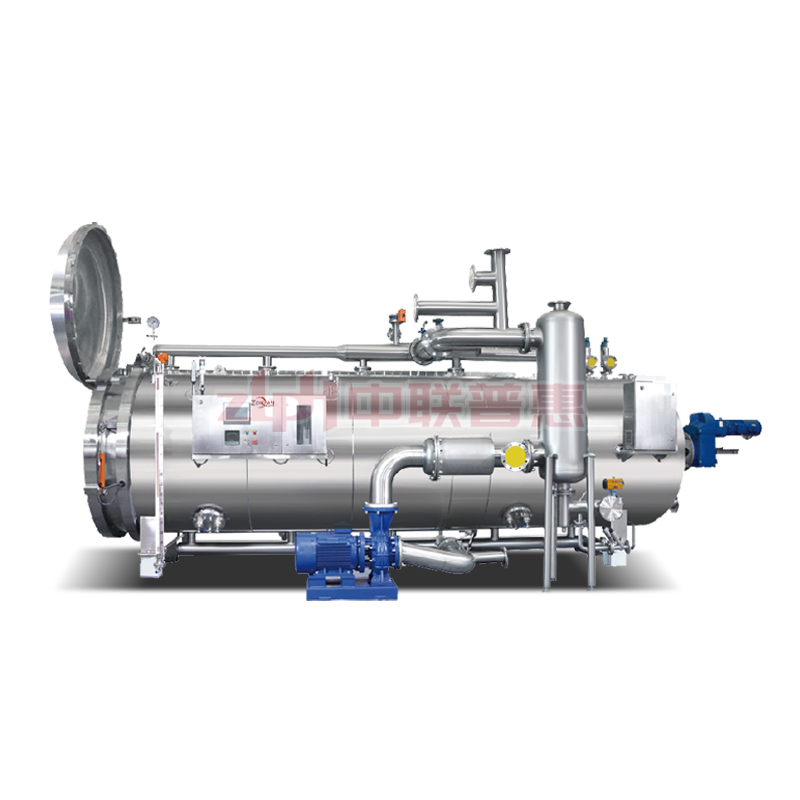
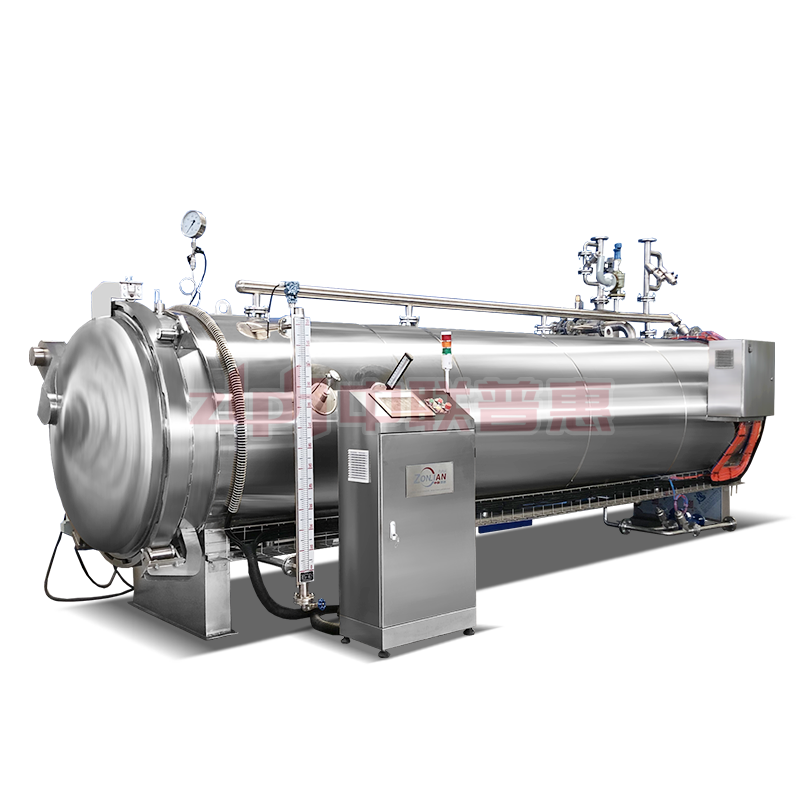
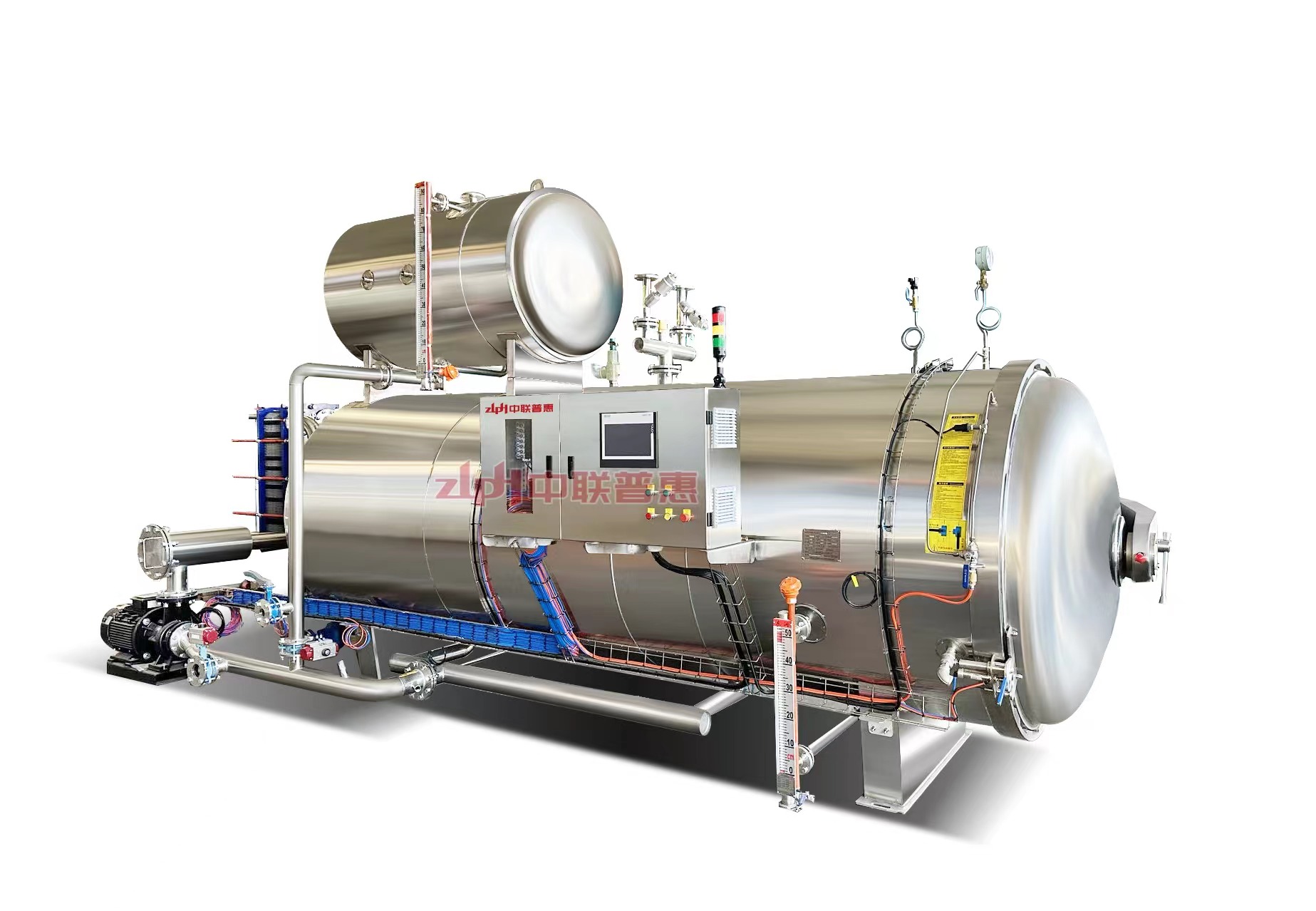
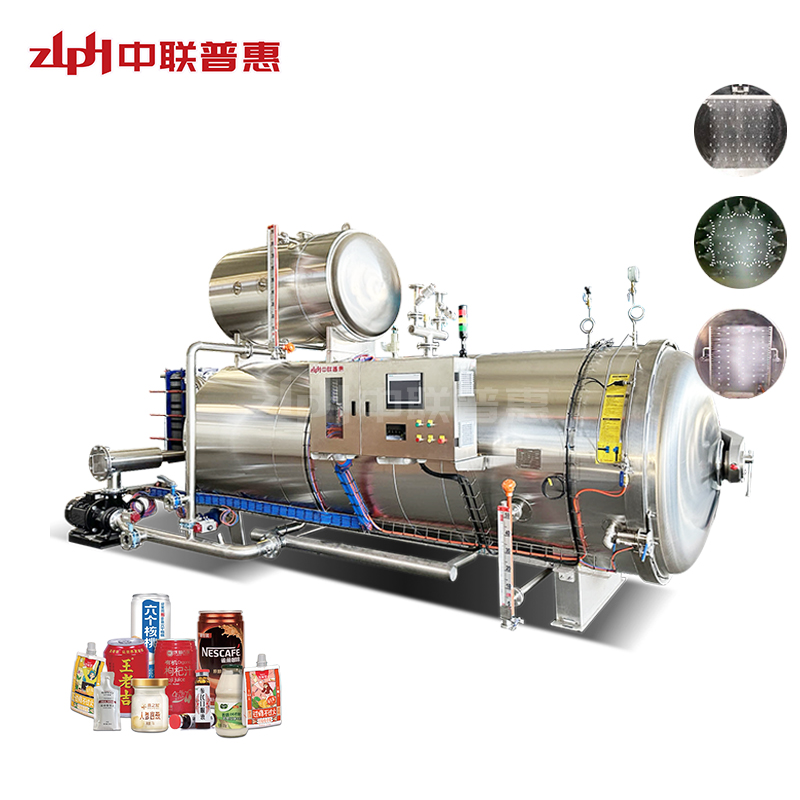
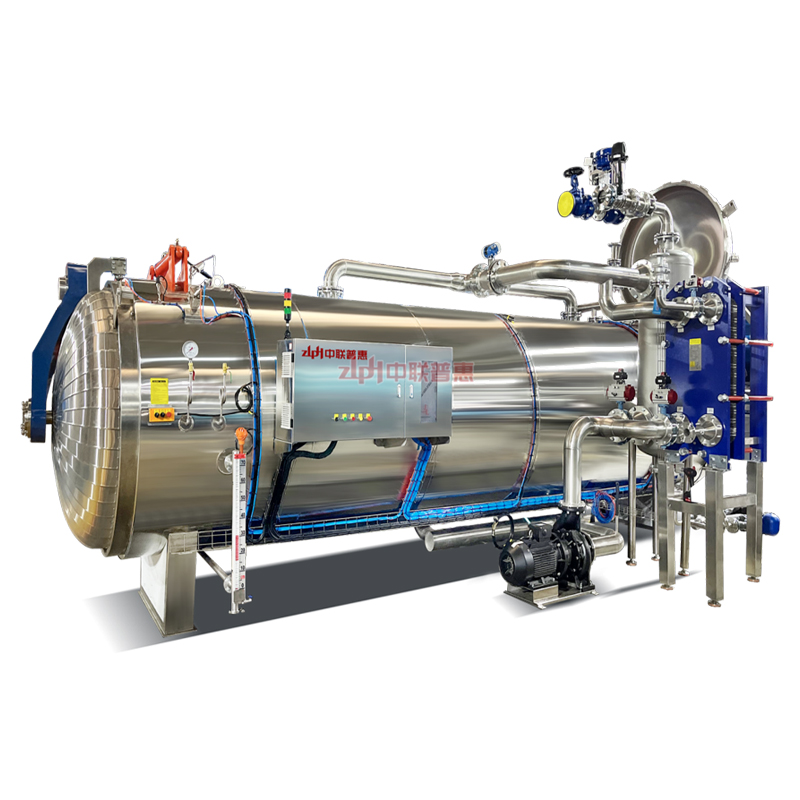
Retort Autoclave
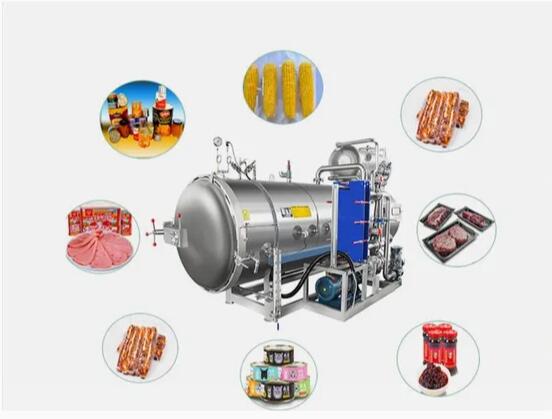
retort machine
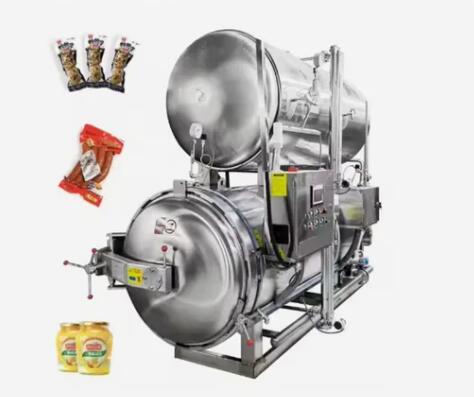
Food retort machine
Flat, smooth bag surfaces without air pockets
No leakage from sealing areas
Consistent amber coloration without caramelized dark spots
Flexible, chewy texture that retains approximately 97% of pre-sterilization sensory characteristics
Nutritional and Flavor Retention: The reduced thermal exposure time and even temperature distribution minimize nutrient degradation. Key sweet potato nutrients like beta-carotene, vitamin C, and complex carbohydrates show retention rates 15-25% higher than in products processed through conventional steam retort machine methods.
4: The Science of Precision Sterilization
Thermal Death Time Calculations for Sweet Potato Specific Microflora
The foundation of effective commercial sterilization lies in understanding the thermal resistance of target microorganisms. Sweet potatoes, being low-acid (pH > 4.6) and often containing soil-borne contaminants, require processing sufficient to destroy Clostridium botulinum spores. The standard 12D reduction (12 decimal reductions) mandates an F0 value (equivalent minutes at 121°C) of 3 minutes.
Advanced water immersion retort machine systems achieve this lethality through:
Real-Time F0 Monitoring: Integrated sensors calculate cumulative lethality throughout the process, automatically adjusting cycle times if temperature fluctuations occur. This ensures safety margins are maintained without excessive processing.
Z-Value Optimization: Different microorganisms have varying thermal sensitivities (quantified by their z-value—the temperature change required to alter the D-value by one log cycle). Modern retort autoclave controllers can adjust sterilization profiles based on the specific microbial risks associated with different sweet potato varieties or growing regions.
The Role of Water Activity (Aw) in Sterilization Efficacy
Dried sweet potatoes typically have reduced water activity (Aw < 0.85), which inherently provides some microbial inhibition. However, commercial sterilization for shelf-stable products must account for potential rehydration during storage or consumer use. Water immersion retorts process products in their final packaging, ensuring that any post-processing moisture ingress won't compromise safety.
5: Comparative Analysis: Water Immersion vs. Traditional Retort Methods
Steam Retort Limitations
Conventional steam retort machine systems, while effective for many applications, present specific challenges for sweet potato processing:
Uneven Heating Patterns: Steam condensation creates variable heat transfer rates depending on package orientation and loading configuration. This often results in "cold spots" where microbial survival is possible and "hot spots" where product quality degrades.
Pressure Management Difficulties: Maintaining precise pressure control in steam environments is challenging, frequently leading to bag distortion or seal failure in vacuum-packed products.
Energy Inefficiency: Significant latent heat is lost through condensation runoff and venting, with thermal efficiencies typically below 60% in batch steam retorts.
Water Immersion Advantages
The water immersion food retort machine alternative addresses these limitations through:
Superior Heat Distribution: Water's high specific heat capacity and convective flow eliminate temperature stratification. Multi-point temperature monitoring consistently shows variations below 0.5°C throughout the sterilization chamber.
Mechanical Protection: The buoyant support of water prevents package deformation, while programmable back-pressure control maintains optimal pressure differentials throughout the thermal cycle.
Thermal Efficiency: Closed-loop water systems with integrated preheating achieve thermal efficiencies of 85-90%, with some systems reporting 30-40% reductions in energy costs compared to steam alternatives.
6: Implementation in Commercial Sweet Potato Processing
Facility Integration Considerations
Implementing a water immersion retort autoclave system in an existing sweet potato processing line requires careful planning:
Spatial Requirements: While more compact than equivalent-capacity steam systems, water immersion retorts require approximately 15-20% more floor space than their steam counterparts due to water circulation and conditioning equipment.
Water Treatment Infrastructure: High-volume water recycling necessitates robust filtration and treatment systems to maintain water quality across thousands of cycles. Most systems incorporate multi-stage filtration (sand, carbon, and sometimes reverse osmosis) to prevent mineral buildup and microbial contamination.
Loading/Unloading Automation: To maximize the throughput advantages of rapid-cycle water immersion systems, many processors integrate automated loading/unloading systems. Robotic arms or conveyorized basket handling can reduce labor requirements by 50% while improving loading consistency.
Validation and Regulatory Compliance
All commercial sterilization equipment must undergo rigorous validation to meet FDA (for U.S. markets), EFSA (for European markets), and other international regulatory requirements. For water immersion retort machine systems, this includes:
Heat Distribution Studies: Mapping temperature variations throughout the chamber under maximum load conditions.
Heat Penetration Testing: Verifying that the coldest point within representative sweet potato packages achieves the target F0 value.
Microbiological Validation: Using biological indicators (typically Geobacillus stearothermophilus spores) to confirm sterilization efficacy.
Ongoing Monitoring: Implementing continuous data logging with automated alarm systems for any deviation from critical process parameters.
7: Economic Analysis and ROI Considerations
Capital Investment vs. Operational Savings
While the initial investment for a water immersion food retort machine system exceeds that of a comparable steam retort by approximately 20-30%, the operational savings typically yield a return on investment within 18-24 months:
Energy Cost Reduction: Documented case studies show 30-40% reductions in energy consumption, primarily through:
Elimination of boiler inefficiencies associated with steam generation
Recovery and reuse of thermal energy between cycles
Reduced water consumption (closed-loop systems use 80-90% less water than steam retorts with condensate rejection)
Increased Throughput: Faster cycle times (typically 25-35% shorter than equivalent steam processes) increase annual production capacity by 15-25% with the same equipment footprint.
Reduced Product Loss: The combination of improved package integrity and reduced over-processing decreases product rejection rates from typical 3-5% in steam systems to 0.5-1.5% in water immersion systems.
Labor Efficiency Gains
Advanced water immersion retort autoclave systems incorporate automation features that significantly reduce labor requirements:
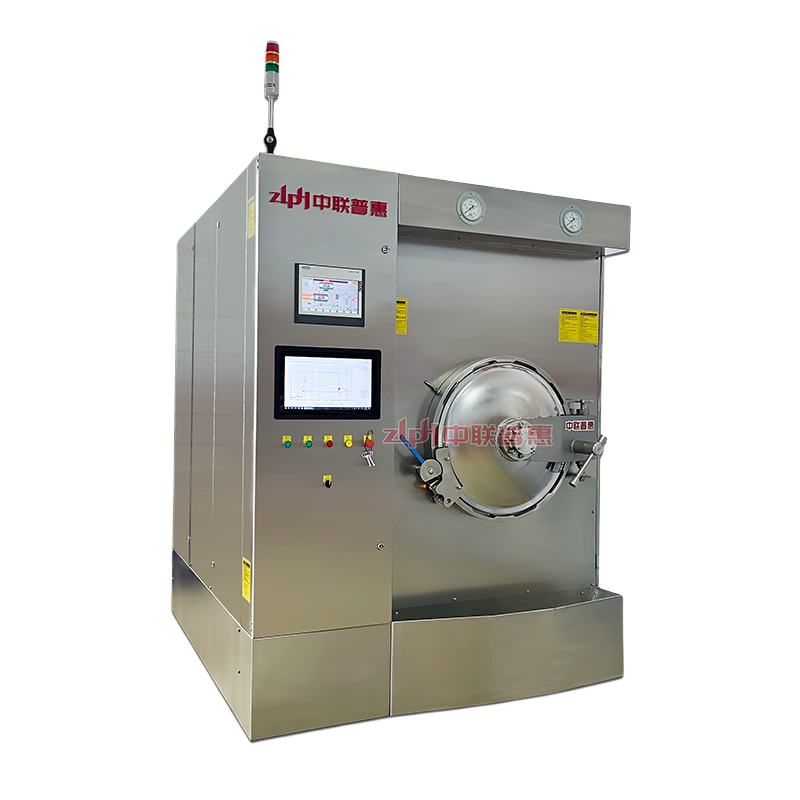
Programmable Logic Control (PLC) Systems: Modern interfaces allow operators to select from hundreds of pre-validated sterilization programs with one-touch initiation.
Automated Cycle Management: The system manages all phase transitions (heating, holding, cooling) without operator intervention, including automatic pressure and temperature adjustments.
Integrated CIP (Clean-in-Place): Automated cleaning cycles reduce sanitation labor by 60-70% compared to manual retort cleaning.
8: Future Developments in Retort Technology
Intelligent Process Control
The next generation of retort machine systems incorporates artificial intelligence and machine learning to optimize sterilization processes in real-time:
Adaptive Cycle Adjustment: Sensors monitoring product core temperature, package integrity, and heat transfer rates can automatically adjust sterilization parameters to accommodate product variations.
Predictive Maintenance: Vibration analysis, thermal imaging, and performance trending predict component failures before they occur, reducing unplanned downtime.
Blockchain Integration: Each sterilization cycle generates immutable records of all process parameters, creating complete traceability from raw material to finished product—a growing requirement in food safety protocols.
Sustainability Innovations
Environmental considerations are driving development of next-generation commercial sterilization technologies:
Water Recovery and Recycling: Advanced filtration and UV treatment systems enable near-perfect water reuse, reducing consumption to less than 5% of conventional steam retort requirements.
Waste Heat Recovery: Integration with facility heating systems or electrical generation (via organic Rankine cycle systems) converts thermal losses into useful energy.
Renewable Energy Integration: Solar thermal preheating and electric heating from renewable sources are increasingly viable as component costs decline.
9: Application Beyond Sweet Potatoes
While this analysis focuses on sweet potato processing, the advantages of water immersion retort autoclave technology extend to numerous challenging applications:
Delicate Vegetable Products: Asparagus, artichokes, and other temperature-sensitive vegetables benefit from the gentle, uniform heating.
Ready-to-Eat Meals: Multi-component meals with varying densities and thermal properties achieve more consistent sterilization.
Pet Foods: The need for texture preservation in semi-moist pet foods makes water immersion ideal.
Pharmaceutical and Medical Products: The precise control and documentation capabilities meet stringent regulatory requirements beyond food applications.
The Strategic Advantage of Advanced Retort Systems
The evolution from traditional steam retort machine technology to advanced water immersion systems represents more than incremental improvement—it constitutes a fundamental transformation in commercial sterilization capabilities. For sweet potato processors and other food manufacturers facing the dual challenges of expanding scale and elevating quality, modern retort machine technology provides a decisive competitive advantage.
The specific benefits for sweet potato processing—preservation of delicate texture, prevention of sugar migration, extension of shelf life without preservatives, and maintenance of natural color and flavor—address the precise requirements of today's health-conscious consumers. Meanwhile, the operational efficiencies—reduced energy and water consumption, increased throughput, decreased product loss, and lower labor requirements—deliver compelling economic returns.
As global demand for convenient, healthy, shelf-stable foods continues to grow, manufacturers who invest in advanced commercial sterilization technology position themselves at the forefront of their categories. The water immersion retort autoclave, with its unique combination of precision, efficiency, and gentle product handling, has emerged as the technology of choice for forward-thinking processors in the sweet potato industry and beyond.
The transition to advanced food retort machine systems represents not merely an equipment upgrade, but a strategic commitment to quality, sustainability, and market responsiveness—a commitment that discerning consumers increasingly recognize and reward with their purchasing decisions.
