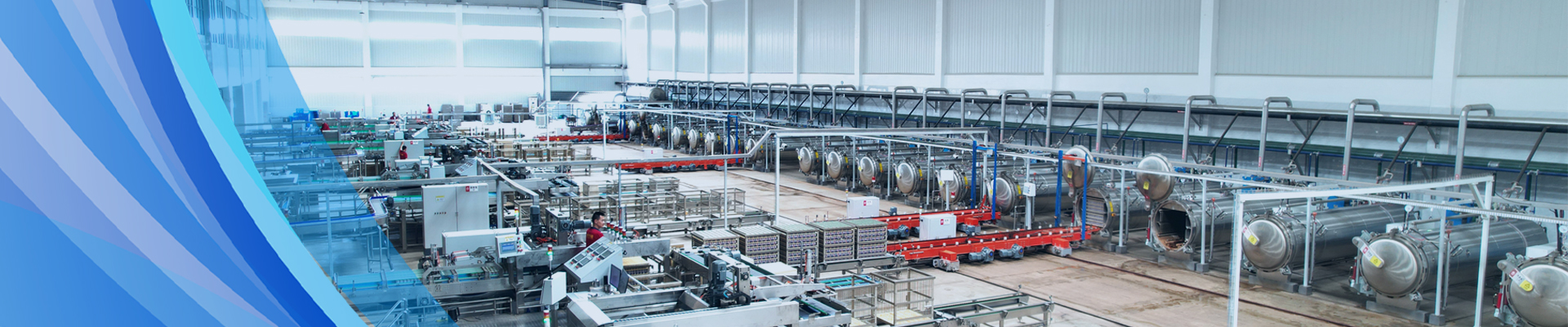

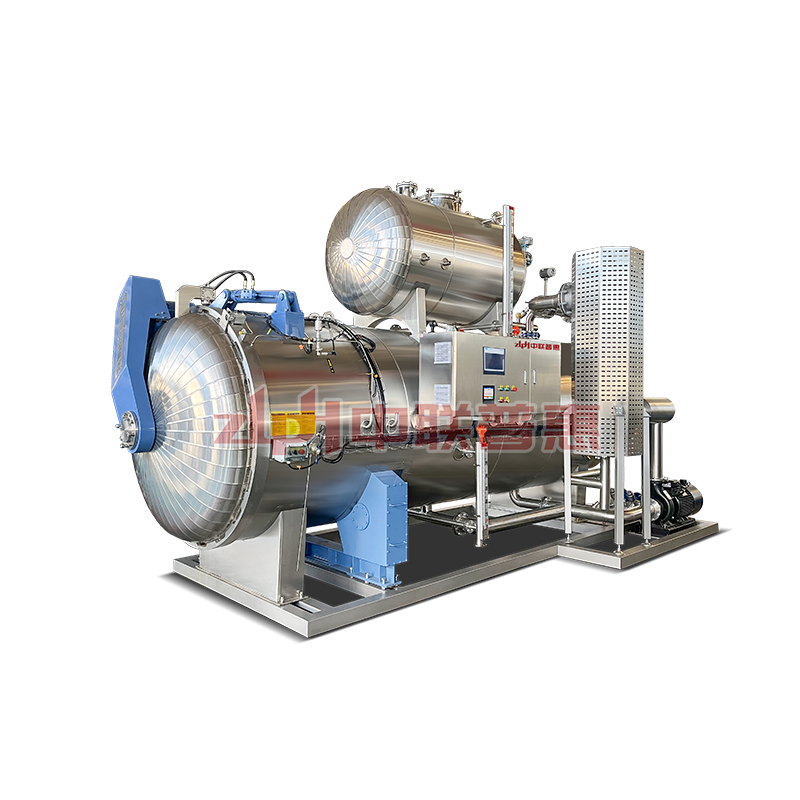
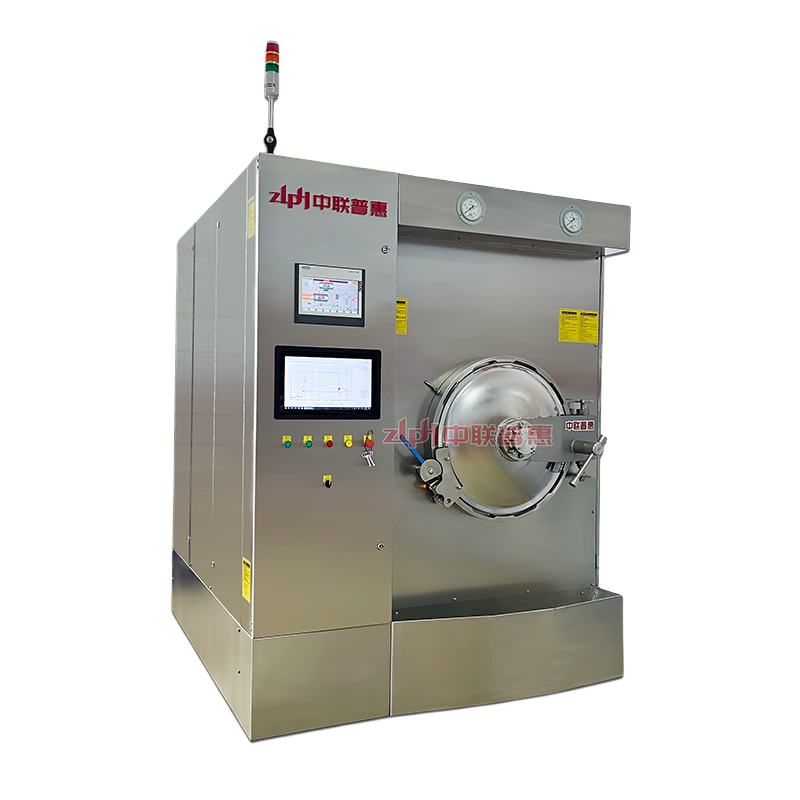
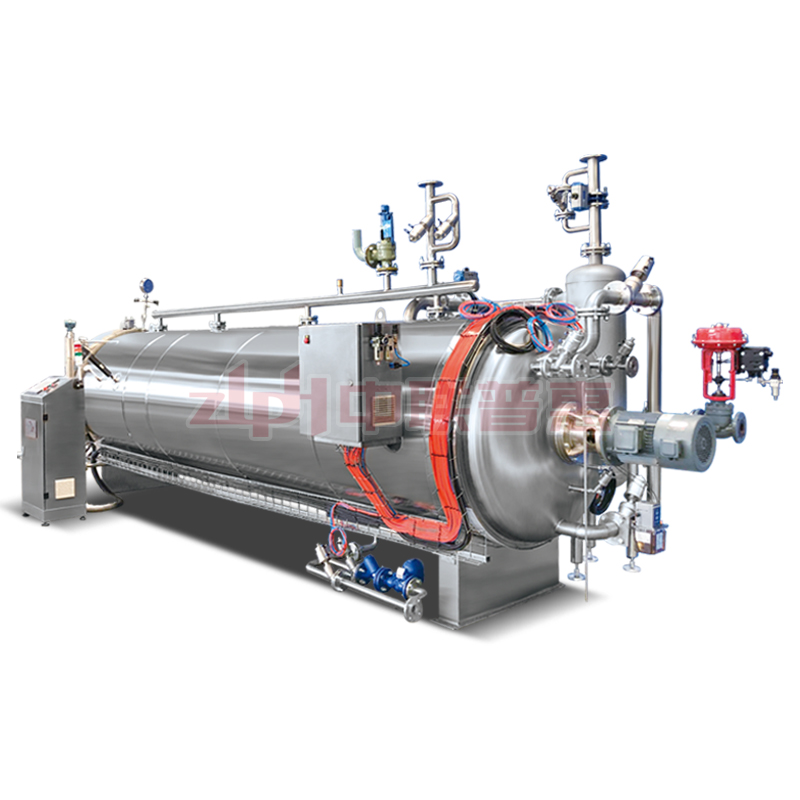
2026 marks a transformative year for Cambodia’s food processing industry, driven by the government’sAgri-Processing Upgrade Roadmap 2030 and growing demand for high-value processed foods both locally and for export. As Cambodian food producers—from small-scale rice and cashew processors to large seafood and mango processing facilities—scale their operations and pursue international markets, reliable retort sterilisation solutions have become non-negotiable. The rightretort autoclave, autoclave retort sterilizer, and food retort systems are critical to meeting Cambodia’s evolving food safety standards, Halal certification requirements, and the need for extended shelf life for export-ready products. This article focuses on 2026’s tailored B2B solutions, exploring how Retort Machine systems and retort sterilisation services are empowering Cambodian food processing facilities to thrive in a competitive regional and global market.
Cambodia’s food processing sector is undergoing a significant shift, moving beyond primary commodity export (such as unprocessed cashews and paddy rice) to high-value深加工 products—including canned mango, cashew butter, processed seafood, and Halal-ready meals. This transition demands retort sterilisation solutions that are not only efficient and cost-effective but also tailored to the unique needs of Cambodian facilities, which often range from small to medium-sized enterprises (SMEs) with limited technical resources. A high-quality retort autoclave designed for Cambodian food processing facilities must accommodate local raw materials, align with Halal processing standards, and support export compliance with regional markets like China, ASEAN, and the EU—all while remaining accessible for businesses with modest budgets.
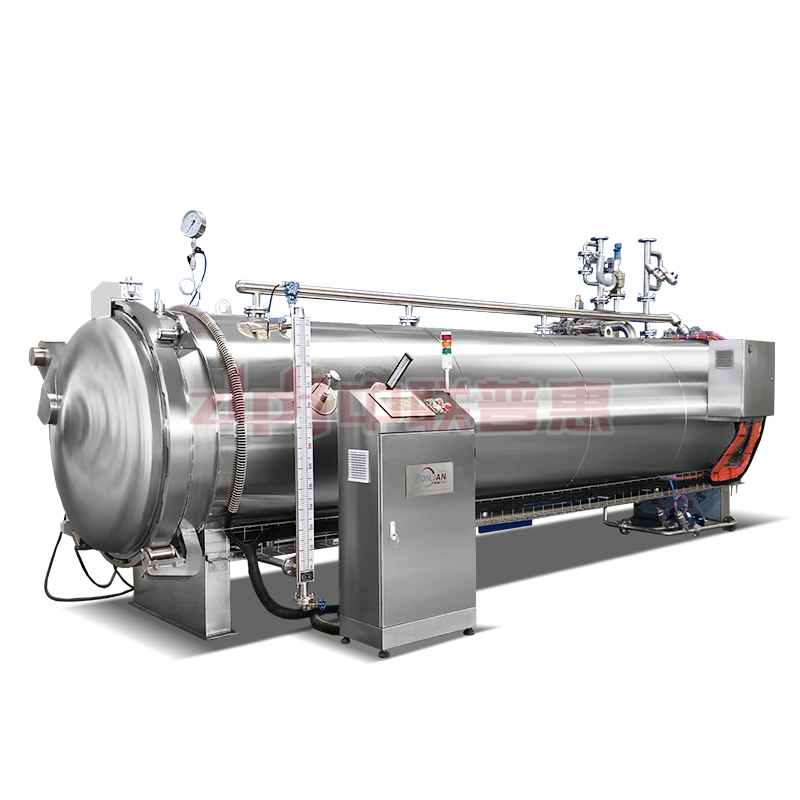
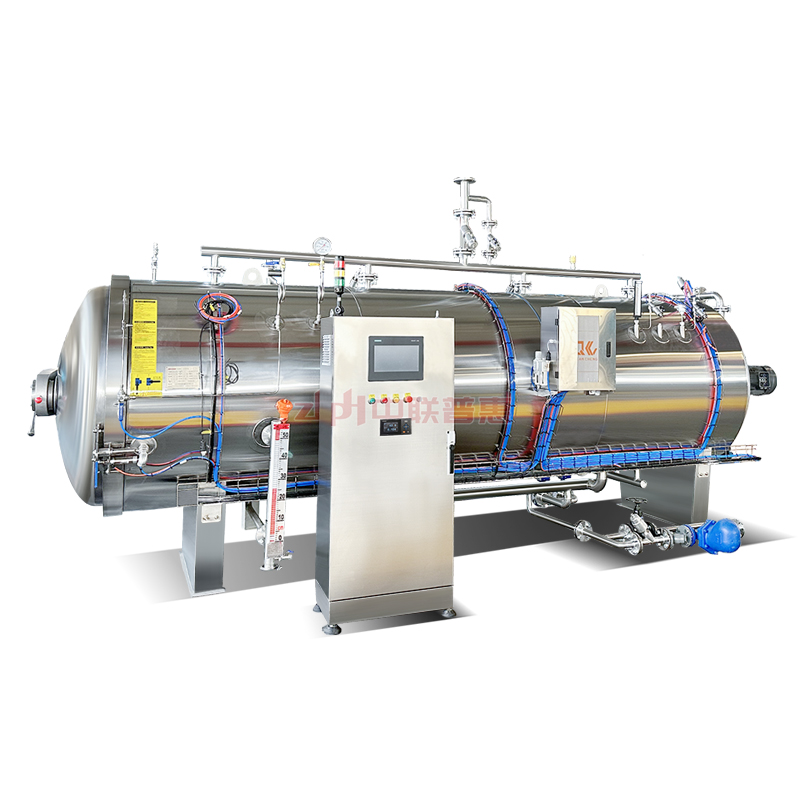
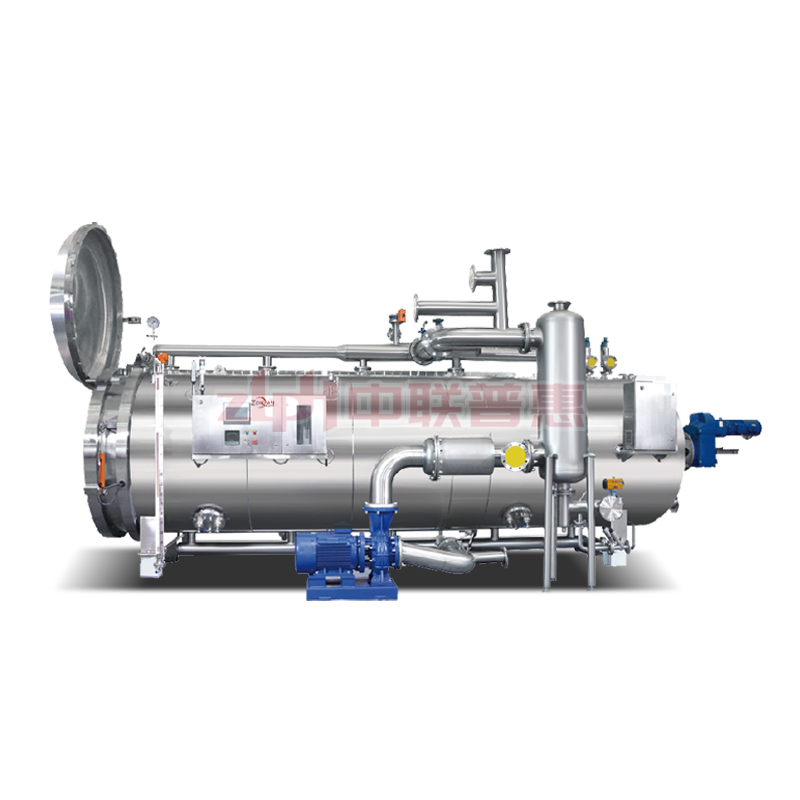
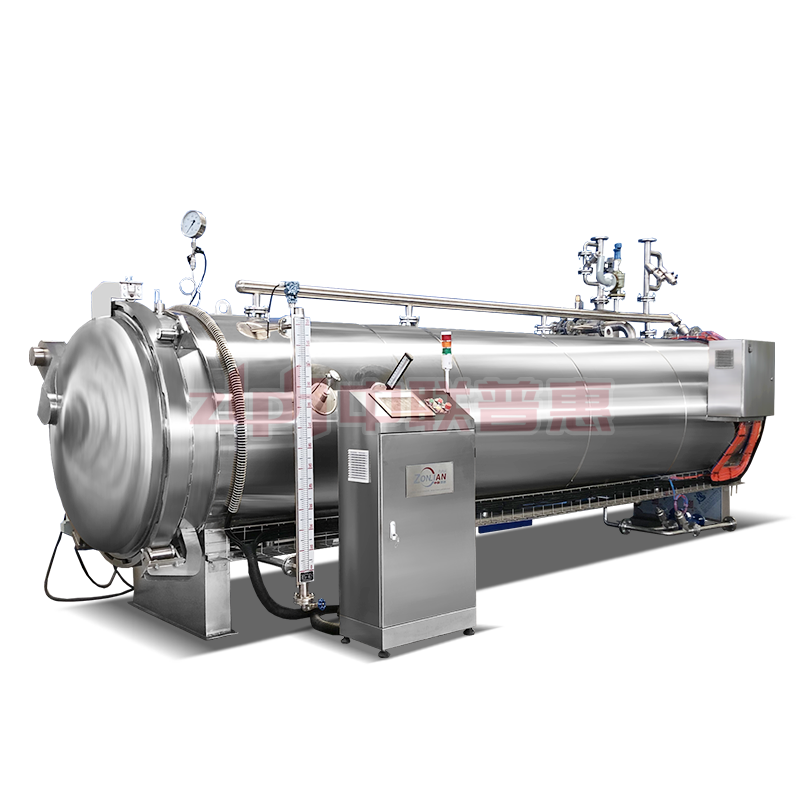
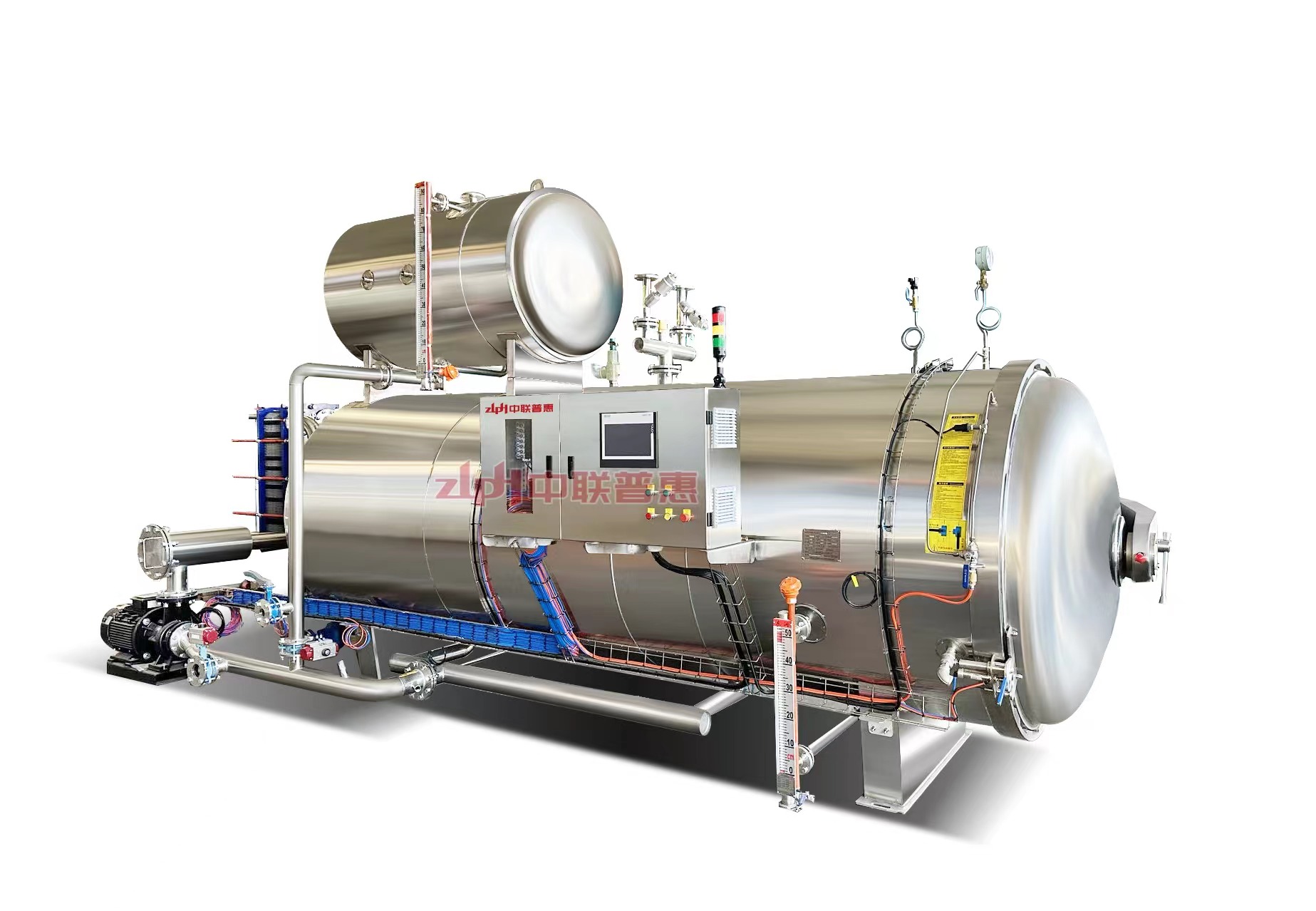
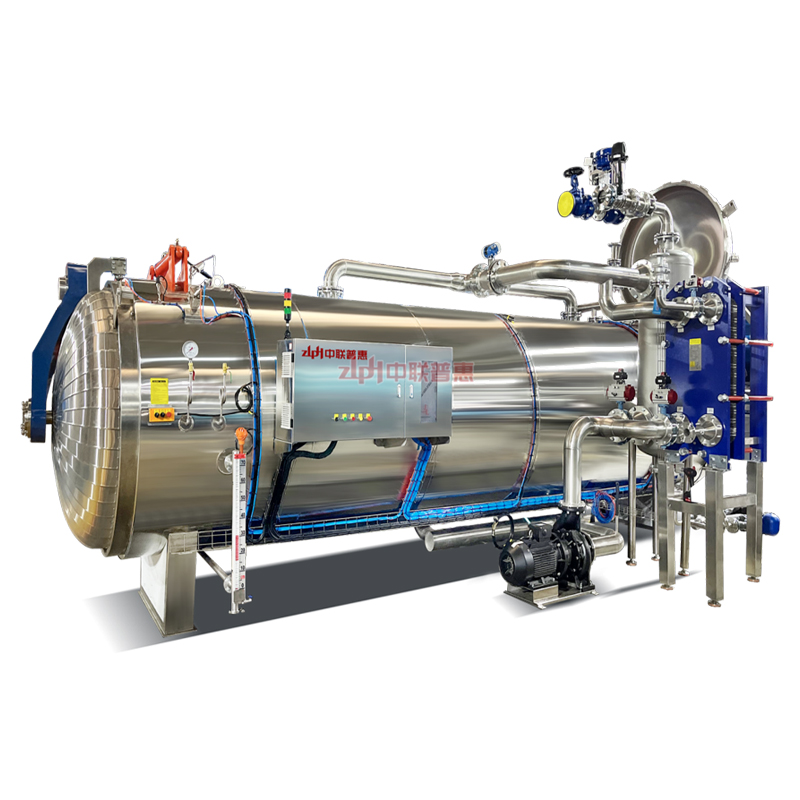
The autoclave retort sterilizer models tailored for Cambodian food processing facilities in 2026 prioritize simplicity, durability, and adaptability—key considerations for a market where technical expertise and maintenance resources may be limited. Unlike complex industrial systems designed for large Western factories, these retort autoclave units feature user-friendly interfaces, minimal maintenance requirements, and robust construction to withstand Cambodia’s tropical climate. Many are compact enough to fit in small processing spaces, making them ideal for SMEs focused on niche products like organic rice cakes, canned mango slices, or processed freshwater fish—core segments of Cambodia’s growing processed food sector. Additionally, these food retort systems are engineered to handle the specific retort sterilisation needs of Cambodian ingredients, such as high-moisture mangoes and delicate cashew products, ensuring sterility without compromising product quality.
Halal compliance is a critical factor for Cambodian food producers, as the country targets the global Halal market (serving over 2 billion consumers worldwide) and caters to its own Muslim population. 2026’s Retort Machine and autoclave retort sterilizer solutions for Cambodian facilities are designed to meet strict Halal processing standards, with stainless steel construction that prevents cross-contamination, dedicated processing zones, and documentation support to secure Halal certification. For example, retort autoclave systems feature easy-to-clean chambers and separate load zones for Halal and non-Halal products, ensuring compliance with Shariah law. These food retort solutions also support the retort sterilisation of Halal-ready meals, a fast-growing segment in Cambodia’s export market, particularly to neighboring Muslim-majority countries like Malaysia and Indonesia.
Export readiness is another key focus for 2026’s retort sterilisation solutions in Cambodia, as the country seeks to expand its processed food exports beyond traditional markets. Cambodia’s processed foods—including milled rice, cashew products, and canned seafood—are increasingly targeting China, the EU, and ASEAN countries, all of which have strict food safety requirements. A reliable retort autoclave is essential to meeting these standards, as it ensures retort sterilisation processes eliminate harmful pathogens like Clostridium botulinum and maintain consistent product quality. 2026’sautoclave retort sterilizer models for Cambodian facilities include digital data logging and batch tracking features, allowing producers to generate audit-ready reports for export compliance—critical for accessing markets like China, which requires strict traceability for imported food products, including bird's nest and processed fruits.
The 2026 B2B solutions for Cambodian food processing facilities go beyond just supplying Retort Machine equipment—they include comprehensive retort sterilisation services tailored to local needs. Leading providers offer on-site installation, operator training, and technical support, addressing the skills gap in Cambodia’s food processing sector. Many also provide maintenance services and replacement parts, ensuring minimal downtime for retort autoclave and food retort systems—critical for SMEs that cannot afford extended production disruptions. For example, a small cashew processing facility in Battambang can access on-demand retort sterilisation support to troubleshoot their autoclave retort sterilizer, ensuring consistent retort sterilisation of cashew butter batches destined for export to China.
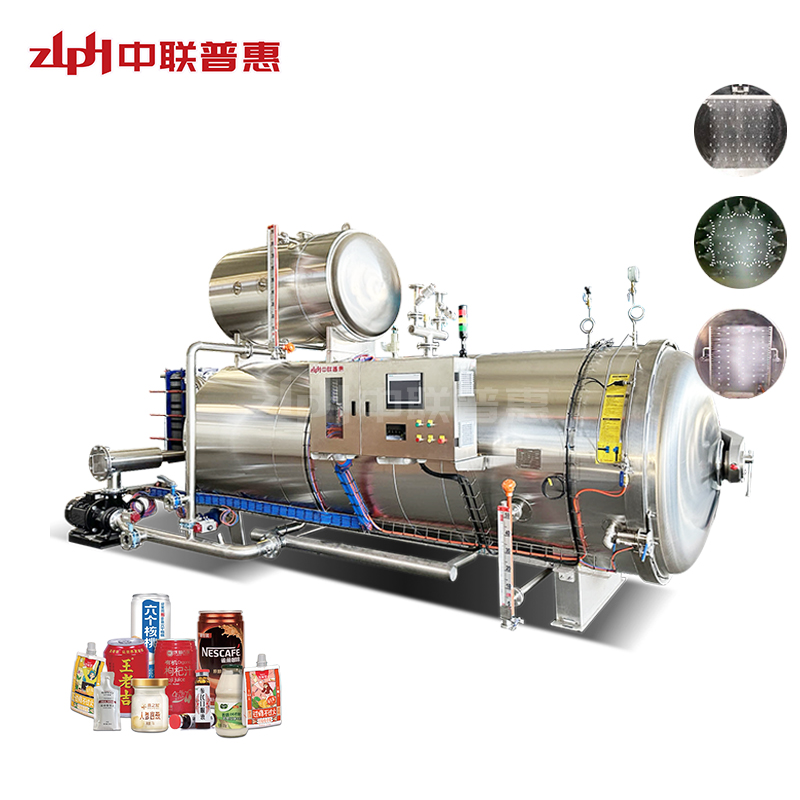
Energy efficiency and cost-effectiveness are top priorities for Cambodian food producers, many of whom operate on tight margins. 2026’s Retort Machine and retort autoclave solutions for Cambodia are engineered to minimize energy consumption, with heat recovery systems and low-power operation modes that reduce utility costs. These food retort systems are also designed to handle multiple packaging types—including cans, jars, and retort pouches—allowing producers to diversify their product lines without investing in additional autoclave retort sterilizer equipment. This versatility is particularly valuable for Cambodian SMEs, which often need to adapt quickly to changing market demands, such as shifting from canned mango to retort-pouched ready meals for ASEAN export.
Cambodia’s focus on agricultural processing updated (outlined in the 2030 Roadmap) has led to increased investment in regional processing centers, particularly for rice, cashew, and mango. These centers require scalable retort sterilisation solutions that can handle growing production volumes. 2026’s retort autoclave models for Cambodian processing facilities offer modular designs, allowing producers to expand their food retort capacity as their business grows. For example, a regional mango processing center in Siem Reap (which currently processes 10,000 tons of mango annually) can add additionalautoclave retort sterilizer units to keep up with projected 29% growth in mango production over the next five years.
Real-world applications highlight the impact of tailored retort sterilisation solutions in Cambodia’s food processing facilities. A seafood processing facility in Sihanoukville, for instance, upgraded to a 2026 Retort Machine designed for freshwater fish sterilisation, reducing product waste by 30% and ensuring compliance with Chinese import standards for canned fish. A cashew processing SME in Kampong Thom invested in a compactretort autoclave, allowing them to process locally sourced cashews into sterilized cashew butter—increasing their profit margins by 200% compared to exporting unprocessed cashews. These success stories demonstrate how the right food retort and autoclave retort sterilizer solutions are driving growth for Cambodian food producers in 2026.
Compliance with Cambodia’s new Food Safety Law (2022) is another critical consideration for B2B solutions, as the law mandates strict safety and quality controls for all food processing operations. 2026’s retort autoclave and Retort Machine systems are designed to meet these legal requirements, with built-in safety features like pressure and temperature interlocks, and documentation capabilities to track every retort sterilisation cycle. Providers also offer compliance consulting services, helping Cambodian producers navigate the law’s requirements and avoid fines or export bans. This support is particularly valuable for SMEs, which may lack the in-house expertise to ensure full compliance.
The 2026 B2B retort sterilisation market for Cambodian food processing facilities is also aligned with the country’s growing focus on sustainability. Autoclave retort sterilizer and retort autoclave models feature water recycling systems and energy-efficient heating elements, reducing environmental impact while lowering operational costs. This aligns with Cambodia’s goal to build sustainable agricultural value chains, as outlined in the 2030 Roadmap. For example, a rice processing facility in Kampong Cham uses a food retort with heat recovery technology, reducing energy consumption by 25% and water usage by 40%—supporting both cost savings and sustainability goals.
In summary, 2026’s retort autoclave and retort sterilisation solutions for Cambodian food processing facilities are tailored to the unique needs of the local market—combining simplicity, durability, Halal compliance, and export readiness. These autoclave retort sterilizer and food retort systems, paired with comprehensive B2B services, empower Cambodian food producers to capitalize on the country’s agricultural potential, meet global standards, and compete in regional and international markets. As Cambodia continues its transition to high-value food processing, the right Retort Machine and retort sterilisation solutions will remain a cornerstone of B2B success, supporting the growth of SMEs and large processing centers alike. For B2B buyers in Cambodia, investing in these tailored solutions is not just a practical decision—it’s a strategic step to unlock the full potential of the country’s thriving food processing industry.
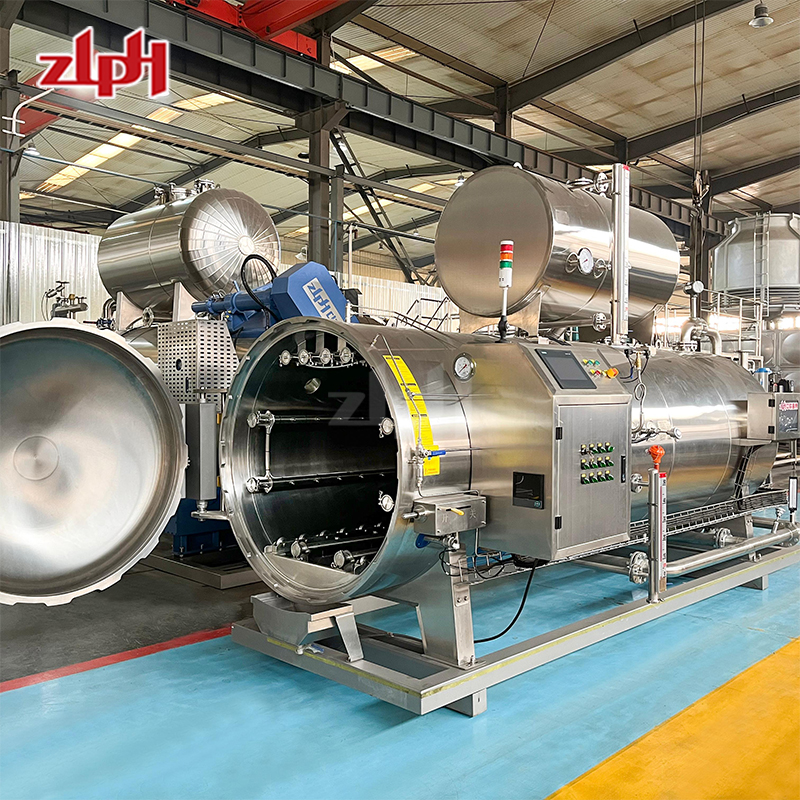
food retort
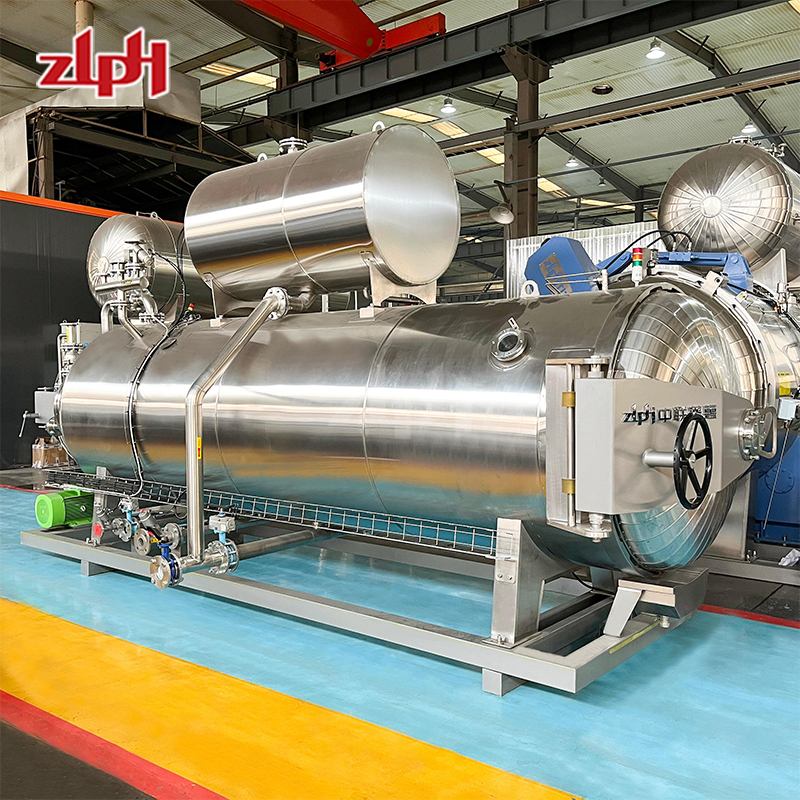
retort autoclave
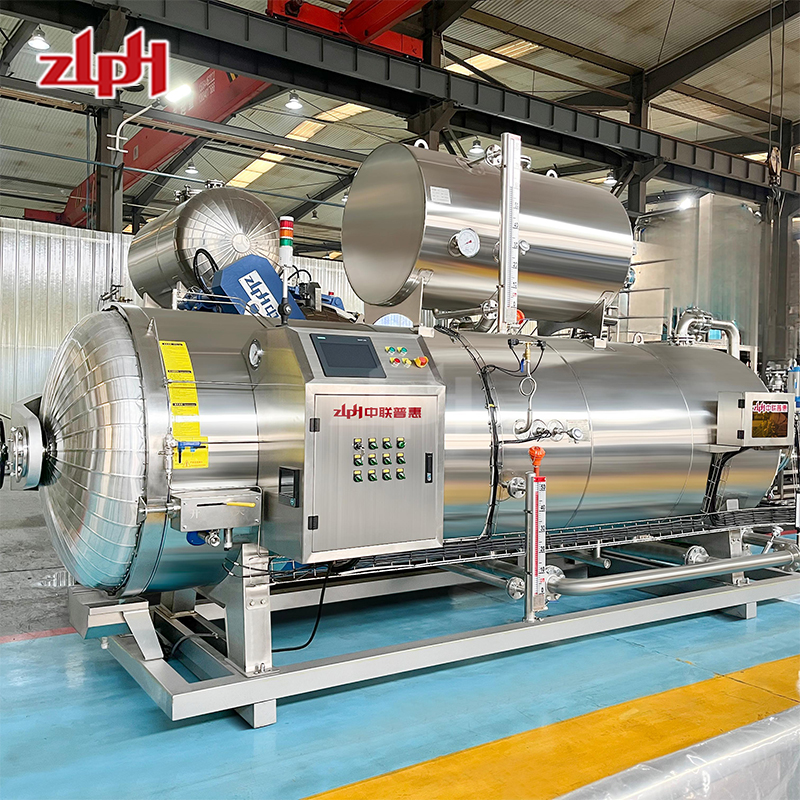
retort sterilisation
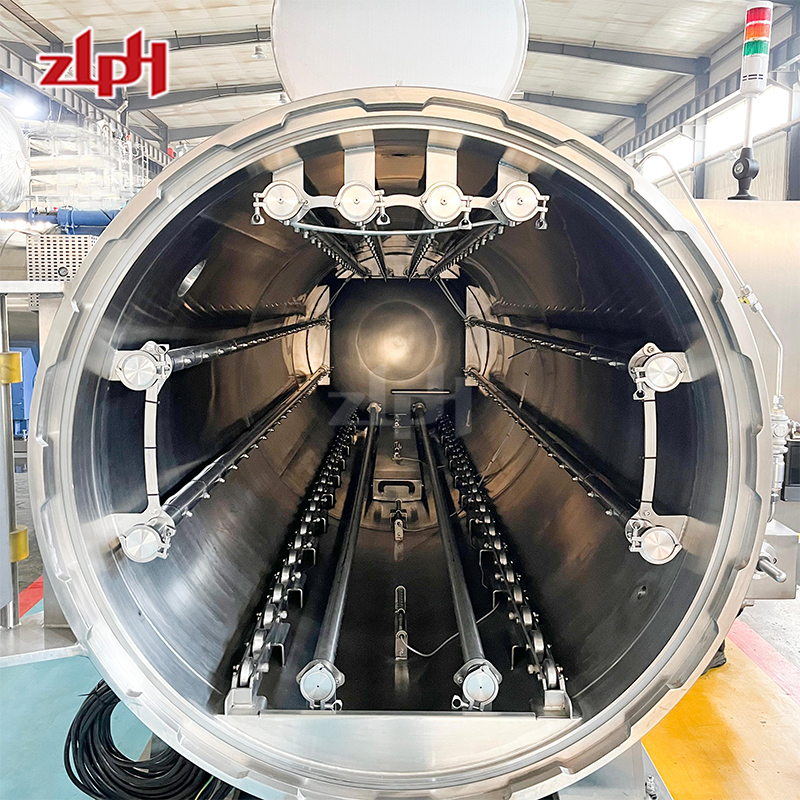
retort machine
