
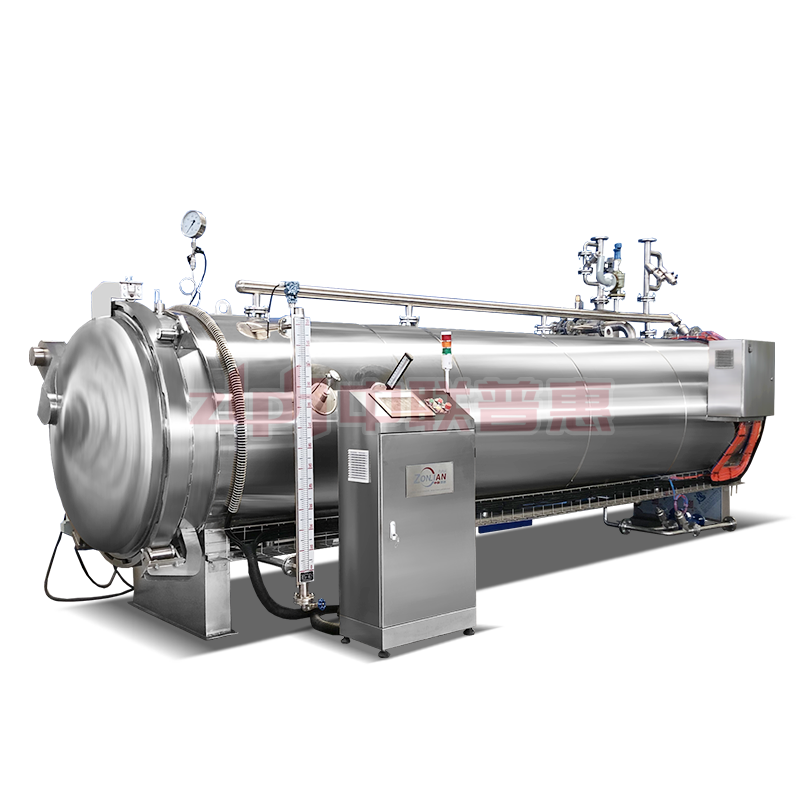
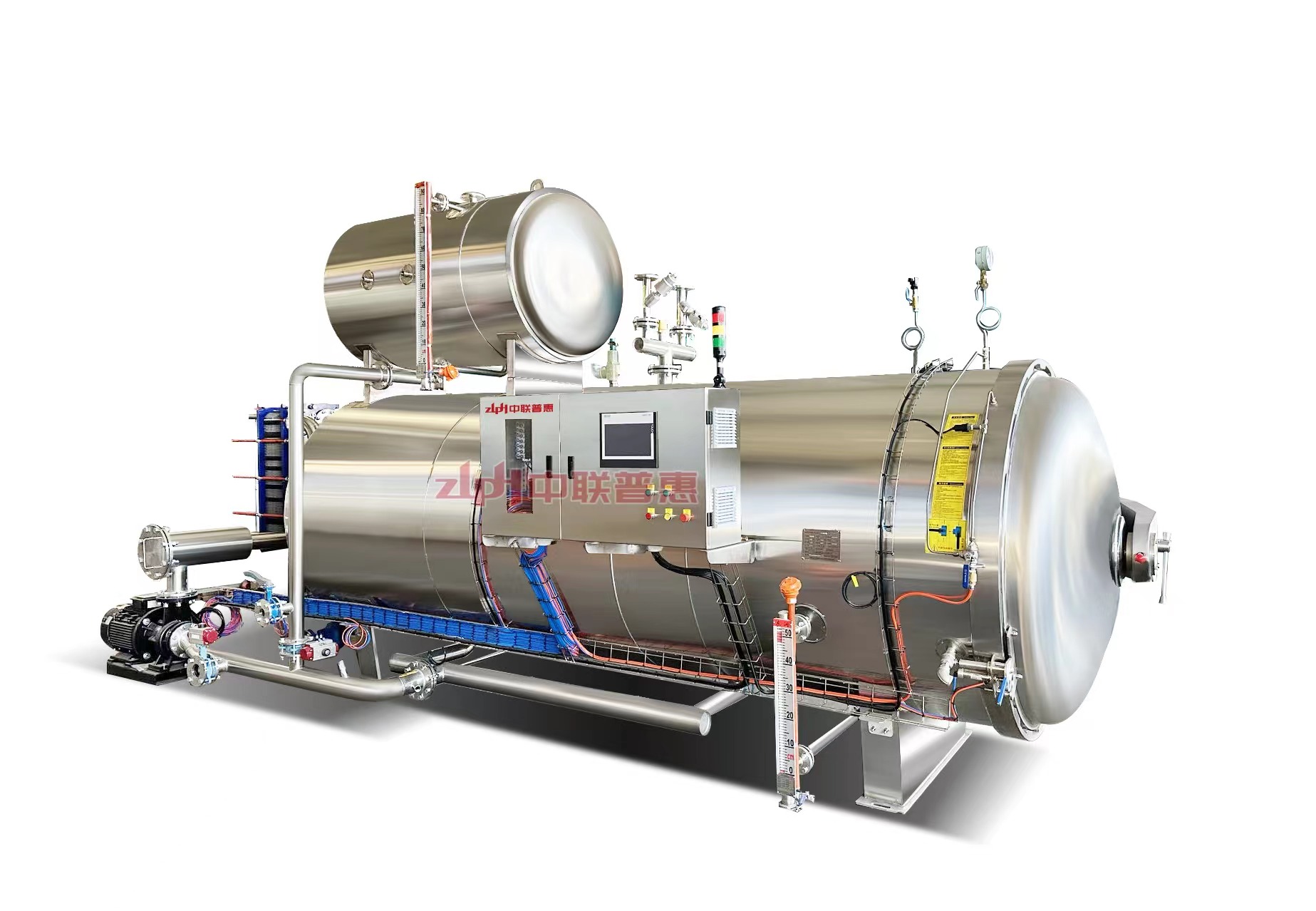
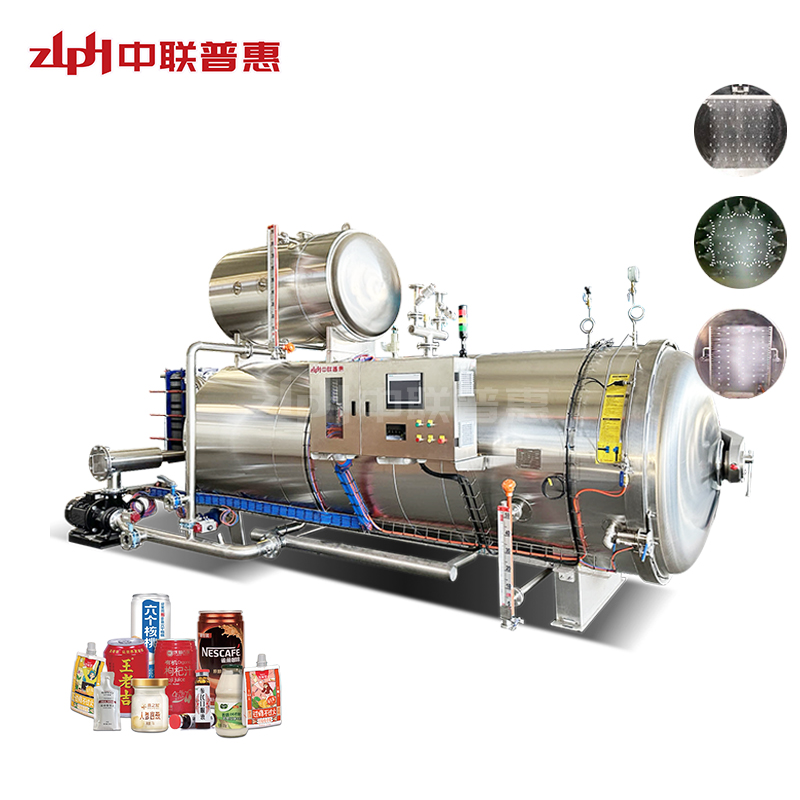
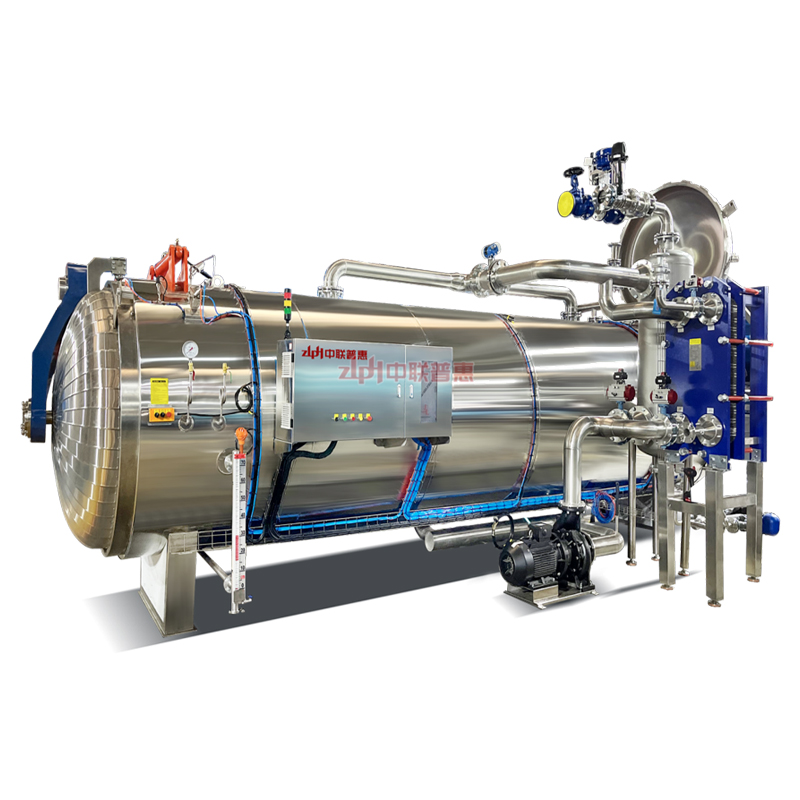
How do intelligent controls improve bird's nest sterilization?
A: Traditional Bird's Nest Sterilization relied on fixed parameters that couldn't adapt to natural product variations. Intelligent systems now analyze real-time sensor data, making micro-adjustments to retort sterilisation conditions that optimize both safety and quality for each unique batch.
What specific parameters do intelligent systems monitor?
A: Advanced Retort Machine controls track:
Multi-point temperature distribution within the chamber
Pressure differentials affecting delicate filament structures
roduct core temperature during processing
Thermal uniformity across all container positions
This comprehensive monitoring enables unprecedented precision in steam retort machine operations.
How does artificial intelligence enhance processing outcomes?
A: AI algorithms analyze historical Retort Autoclave data to identify optimal processing patterns. These systems learn from thousands of successful cycles, continuously refining Bird's Nest Sterilization protocols to achieve superior consistency while reducing energy consumption and processing time.
What real-time adjustments can intelligent systems make?
A: Modern controls dynamically modify:
Temperature gradients during come-up phases
Pressure compensation preventing structural stress
Hold time duration based on actual lethality achievement
Cooling rates optimizing quality preservation
These adjustments ensure optimal retort sterilisation despite raw material variations.
How does ZLPH's intelligent technology differ from competitors?
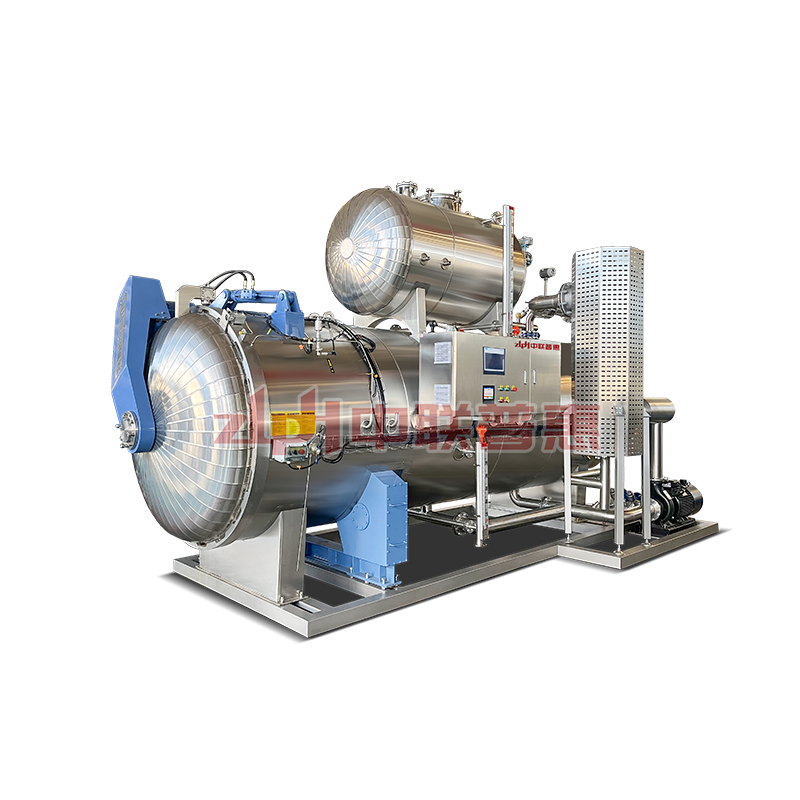
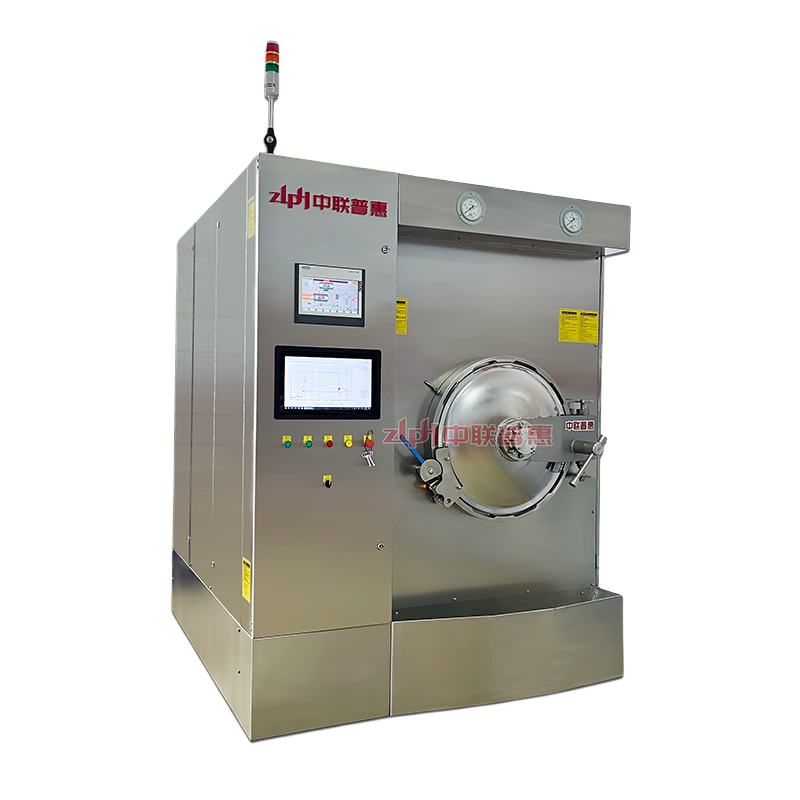
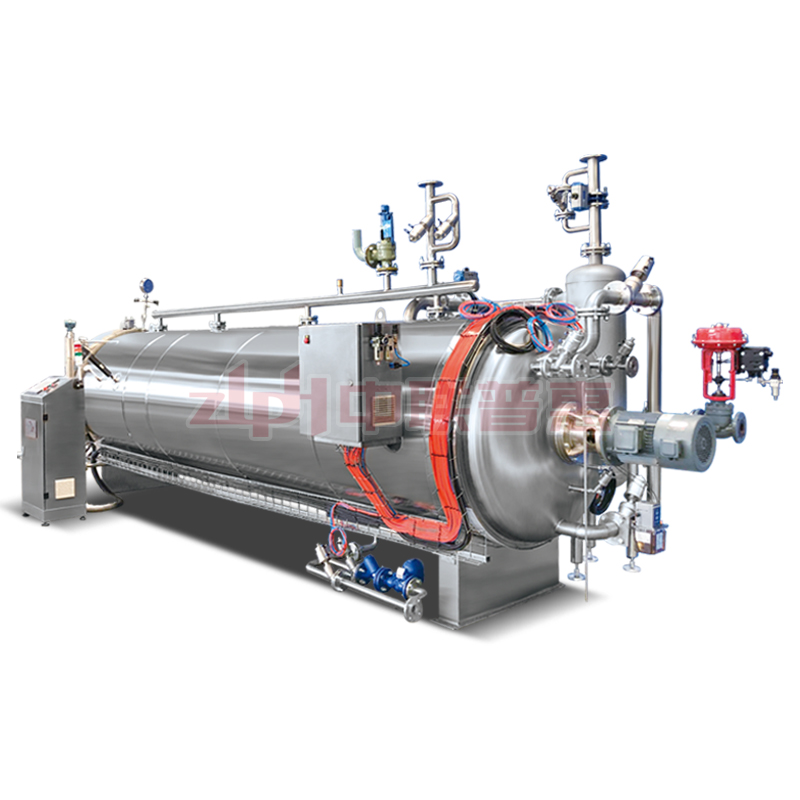
A: Our proprietary Retort Machine systems feature:
Multi-sensor networks with 50% more monitoring points
Adaptive algorithms specifically trained on bird's nest characteristics
Predictive analytics anticipating processing needs
Seamless integration with facility management systems
This technological superiority delivers measurable quality advantages in Bird's Nest Sterilization.
Can intelligent controls improve both safety and quality?
A: Absolutely. Precision control enables achieving exact F-values for safety while minimizing thermal exposure that degrades quality. ZLPH's steam retort machine systems demonstrate that intelligent optimization enhances both objectives simultaneously—the true breakthrough in modern retort sterilisation.
What quality improvements result from intelligent control?
A: Documented benefits include:
40% reduction in batch-to-batch quality variation
25% improvement in bioactive compound retention
Elimination of processing-related structural damage
Consistent color and texture across all production
These improvements directly result from precision Retort Autoclave operation.
How does intelligent control reduce operational costs?
A: Optimized Bird's Nest Sterilization cycles achieve:
30% energy reduction through efficient heat management
20% shorter processing times increasing throughput
50% fewer rejected batches from inconsistent quality
Extended equipment lifespan through controlled operation
These savings typically achieve full ROI within 18-24 months.
What support ensures successful intelligent system implementation?
A: ZLPH provides comprehensive services including:
Custom algorithm development for specific products
Staff training on intelligent control optimization
Remote monitoring with proactive adjustment recommendations
Regular performance analytics and optimization reviews
24/7 technical support ensuring uninterrupted intelligent operation
What future developments are emerging in intelligent processing?
A: Next-generation innovations include:
Digital twin technology simulating processing outcomes
Blockchain integration for complete traceability
Predictive quality modeling using machine learning
Autonomous systems requiring minimal human oversight
ZLPH continues pioneering these advancements for industry leadership.