




The Essential Nature of Cheese as a High-Value Dairy Product
Cheese, often celebrated as the 'gold of milk', stands among the world's most cherished dairy commodities, prized for its exceptional nutritional profile delivering rich protein, calcium, and essential fats. The global cheese market has continuously evolved, giving rise to innovative processed formats including cheese sticks—a convenient, portion-controlled snack that has secured substantial market presence across retail and foodservice sectors. However, the very characteristics that make cheese nutritionally valuable—its moisture content, pH profile, and fat composition—also create an environment conducive to microbial proliferation. This reality elevates commercial sterilization from a mere processing step to an absolute cornerstone of cheese stick manufacturing, ensuring that safety, quality, and shelf stability are uncompromised from production to consumption.
Microbial Vulnerabilities in Cheese Stick Production
The journey from raw milk to packaged cheese stick involves multiple stages where microbial contamination can occur. Pathogenic organisms including Listeria monocytogenes, Escherichia coli, and spores of Clostridium botulinum represent significant threats, capable of surviving traditional pasteurization methods that target only vegetative cells. Standard low-temperature pasteurization, while effective against common spoilage microorganisms, often proves inadequate against these resilient pathogens, leaving potential safety gaps in the final product. For cheese sticks targeting broad distribution—especially those destined for ambient-temperature shelf-stable placement—achieving true commercial sterilization becomes non-negotiable. This is where advanced thermal processing technology, specifically the retort autoclave system, provides a definitive solution, delivering the precise combination of temperature, pressure, and time required to eliminate even the most heat-resistant microbial threats.
The Science of 121°C: Why This Temperature Delivers Absolute Sterility
The selection of 121°C (approximately 250°F) as the standard for commercial sterilization is grounded in decades of microbiological research and thermal death time studies. At this temperature, under saturated steam pressure conditions typically around 15 psi, the most resistant bacterial spores experience rapid inactivation. For Clostridium botulinum—the benchmark organism for low-acid food safety—the D-value (time required to reduce population by 90%) at 121°C is approximately 0.1-0.2 minutes. By applying the 12D concept (reducing spore counts by 12 logarithmic cycles), processors ensure a safety margin that translates to approximately 3 minutes at 121°C to achieve commercial sterility. This precise thermal processing is most reliably delivered through a properly engineered food retort machine specifically calibrated for dairy-based products like cheese sticks, which have unique thermal transfer characteristics due to their fat content and physical structure.
ZLPH Machinery's High-Temperature Retort Solution: Engineered for Cheese Stick Excellence
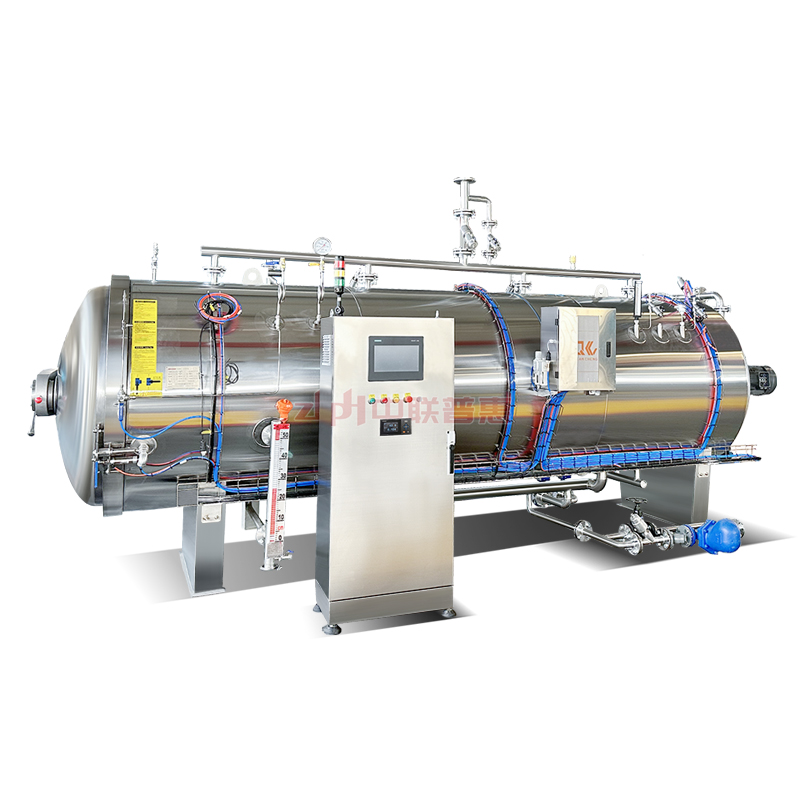
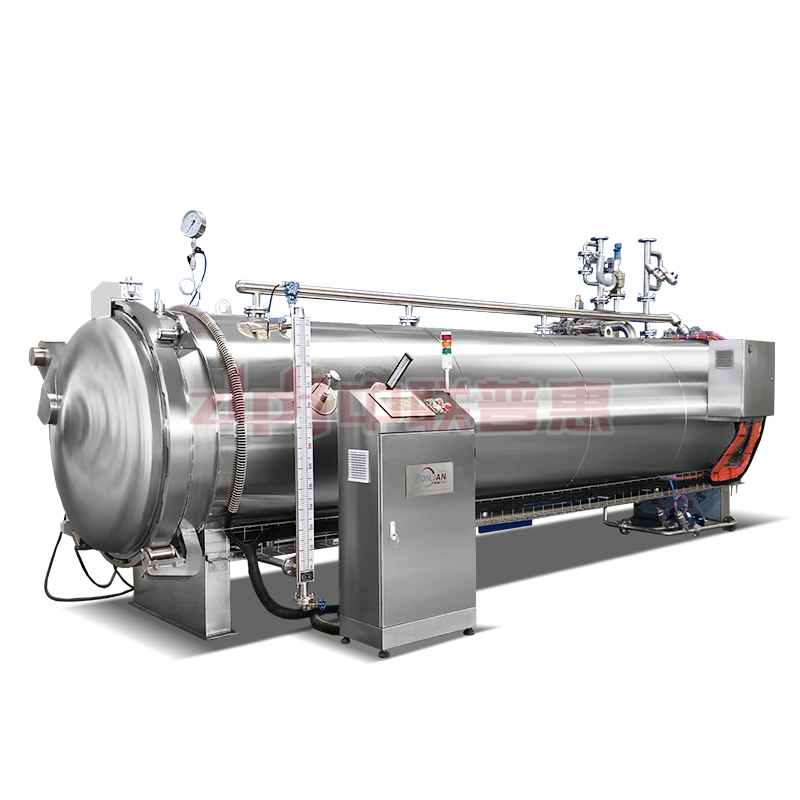
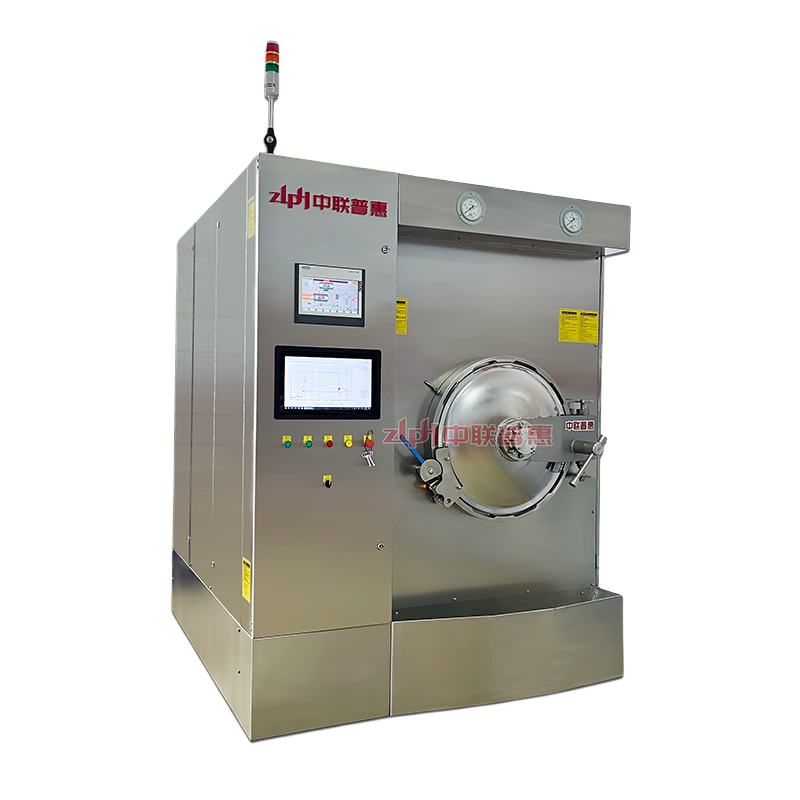
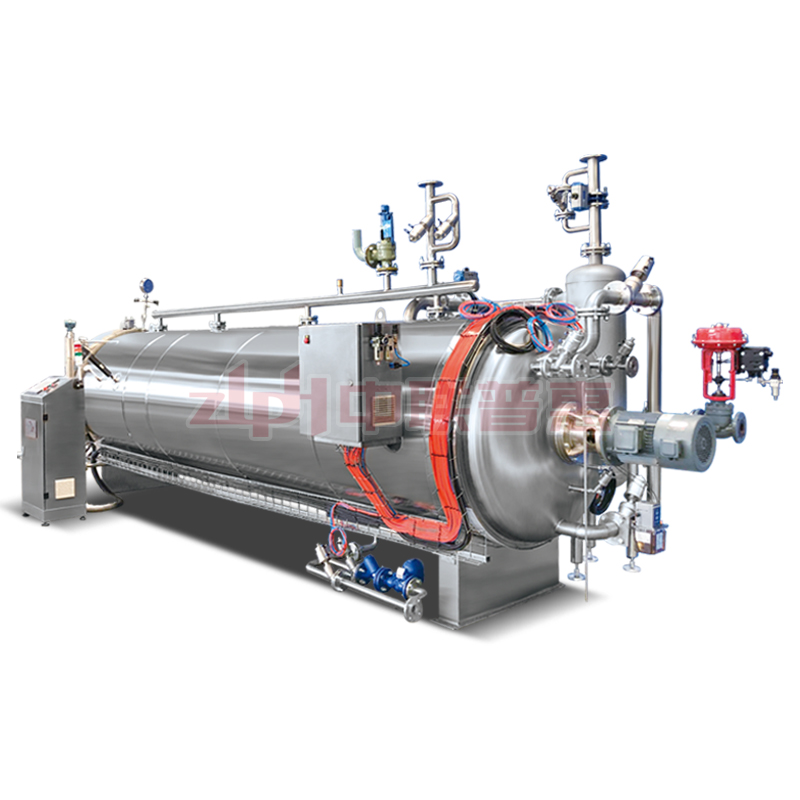
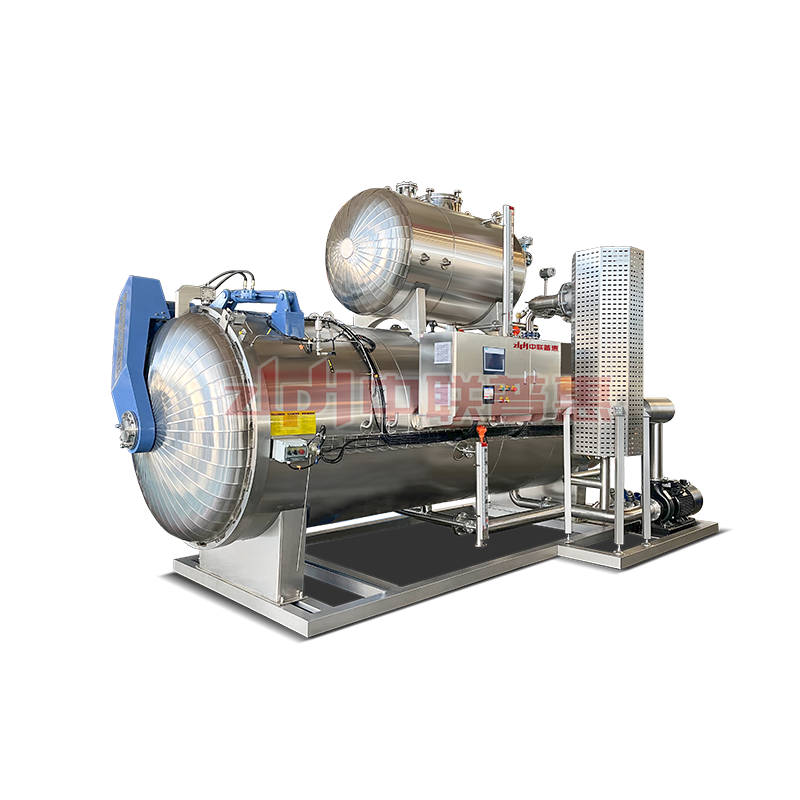
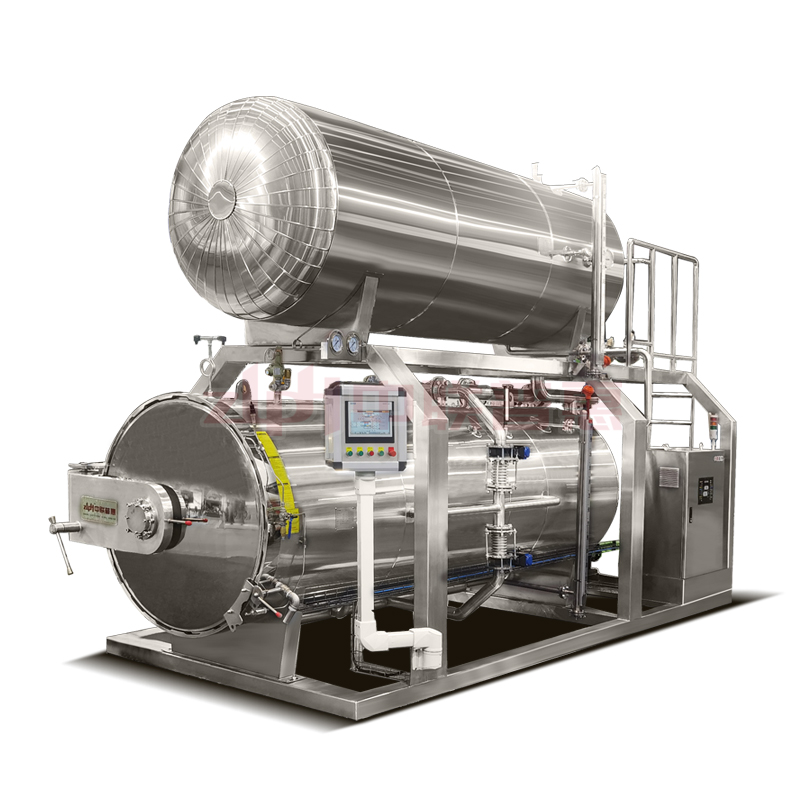
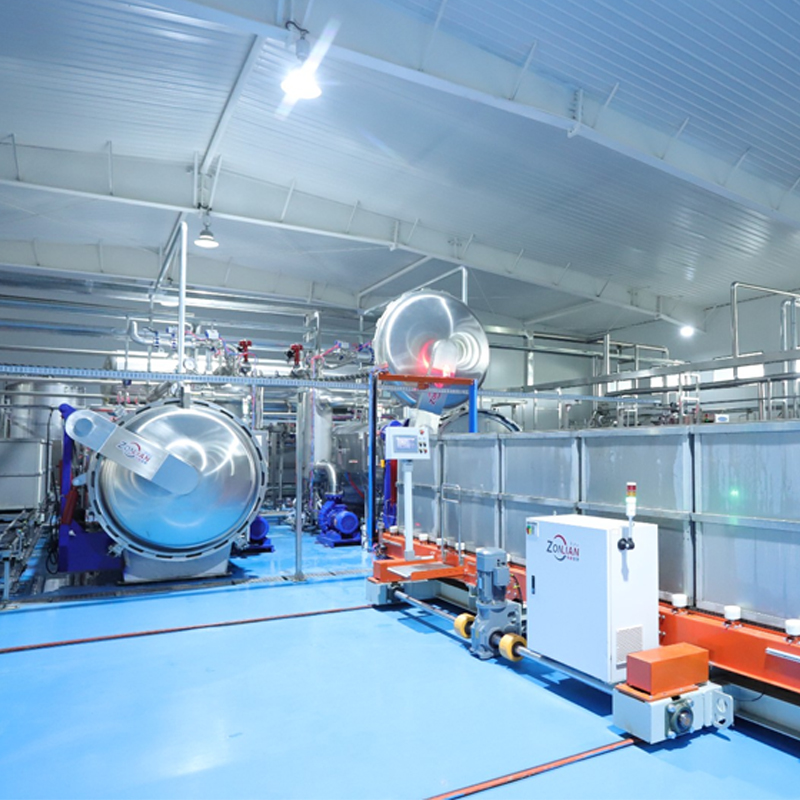
The ZLPH Machinery high-temperature retort autoclave system represents a technological leap specifically designed to address the unique challenges of cheese stick sterilization. Unlike conventional approaches that sterilize product prior to packaging—leaving it vulnerable to post-processing contamination—the ZLPH system performs commercial sterilization after final packaging is sealed. This "in-container" processing methodology creates a hermetic barrier against recontamination, ensuring that the sterile condition achieved during processing is maintained throughout the product's distribution and shelf life. The system's precise application of 121°C sterilization within a pressurized environment guarantees uniform heat penetration to the geometric center of each cheese stick, regardless of its position within the processing chamber.
Technical Superiority: How Advanced Retort Design Ensures Product Integrity
Beyond basic sterilization efficacy, the ZLPH Machinery retort machine incorporates multiple proprietary technologies that preserve the sensory and textural qualities of cheese sticks while delivering uncompromised safety:
Precision Temperature and Pressure Regulation
The system employs a proprietary intelligent control system that maintains chamber temperature uniformity within ±0.5°C, eliminating "cold spots" that could compromise sterilization effectiveness while preventing "hot spots" that might degrade product quality. Simultaneously, precisely managed overpressure (typically 0.2-0.3 MPa above saturated steam pressure) prevents package distortion or seal stress during processing—a critical consideration for vacuum-packed cheese sticks where packaging integrity directly correlates with shelf life.
Graduated Thermal Processing Technology
Recognizing that rapid temperature spikes can adversely affect cheese texture and appearance, ZLPH Machinery's steam retort machine implementation utilizes controlled ramp-up and cooling phases. This graduated approach minimizes thermal shock, preserving the bright color, smooth surface texture, and structural integrity that consumers expect from premium cheese sticks. The system's optimized heating profile also delivers substantial energy efficiency gains, reducing thermal energy consumption by approximately 25-30% compared to conventional retort systems through intelligent heat recovery and circulation design.
Customized Sterilization Cycles for Dairy Applications
Unlike generic thermal processing equipment, the ZLPH Machinery food retort machine incorporates dairy-specific sterilization protocols developed through extensive research on cheese matrix behavior under thermal stress. These tailored programs account for cheese stick dimensions, packaging material thermal characteristics, and the product's specific fat-to-moisture ratio—variables that significantly influence heat penetration rates and overall process lethality.