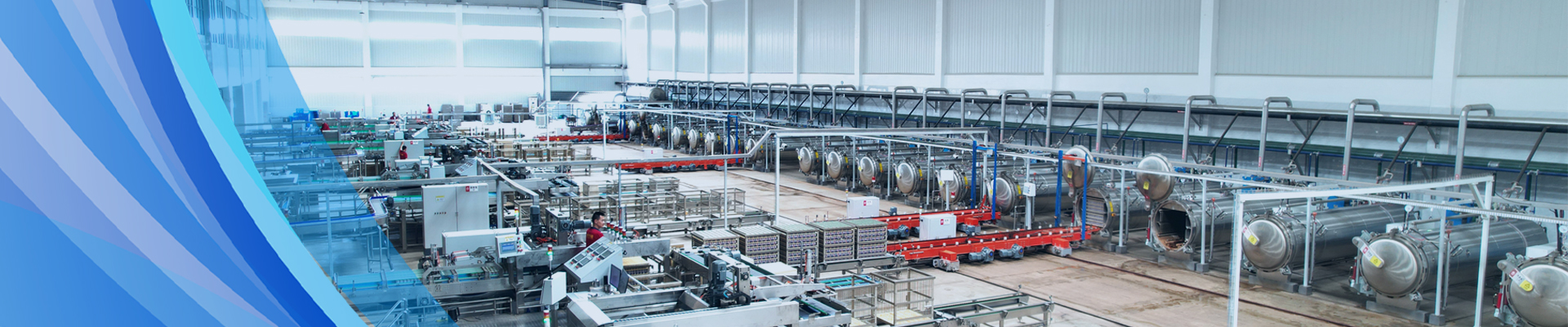

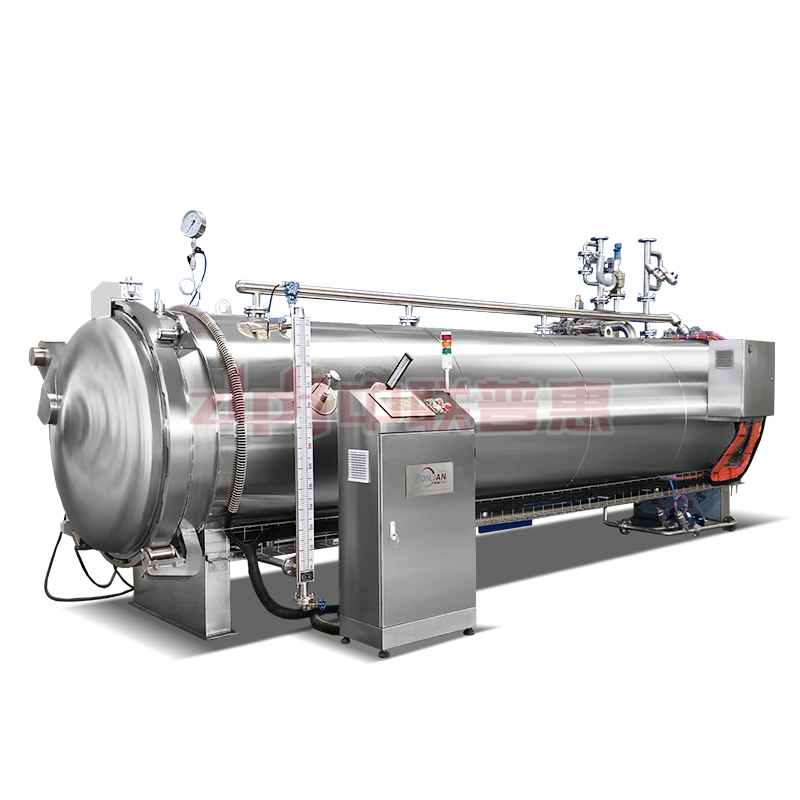
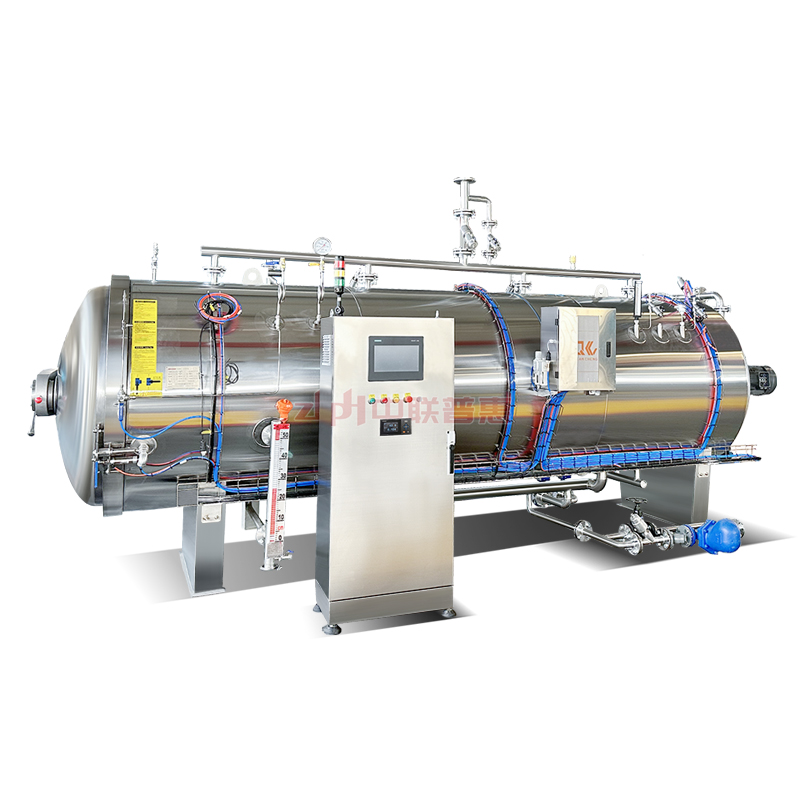
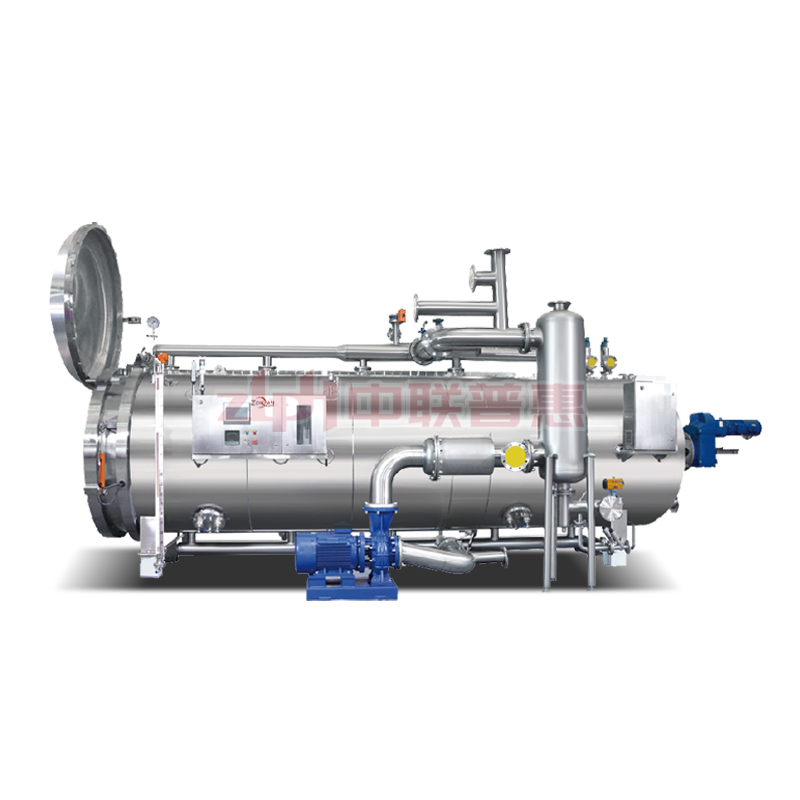
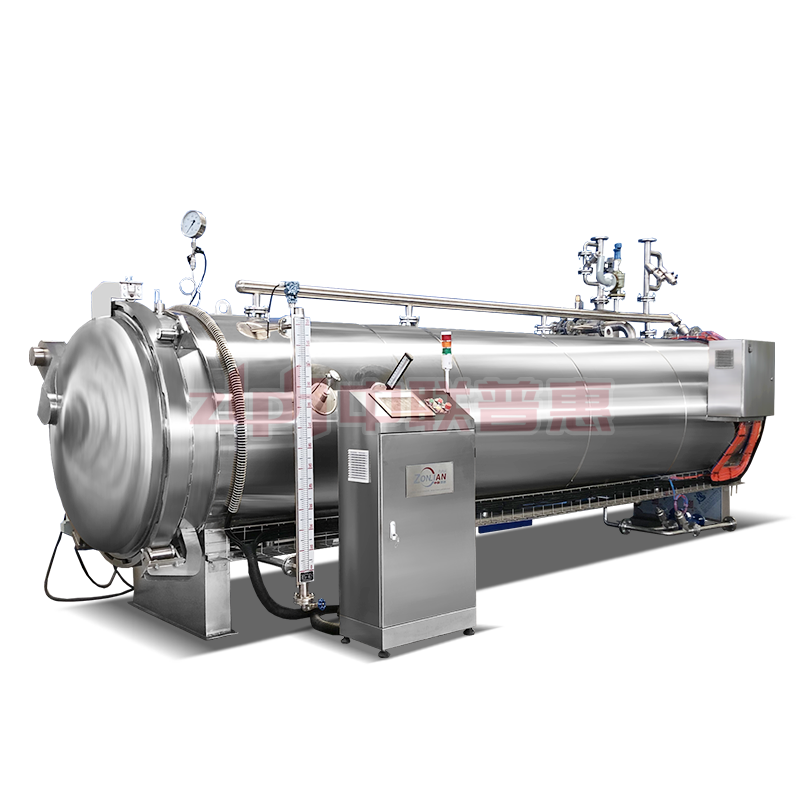
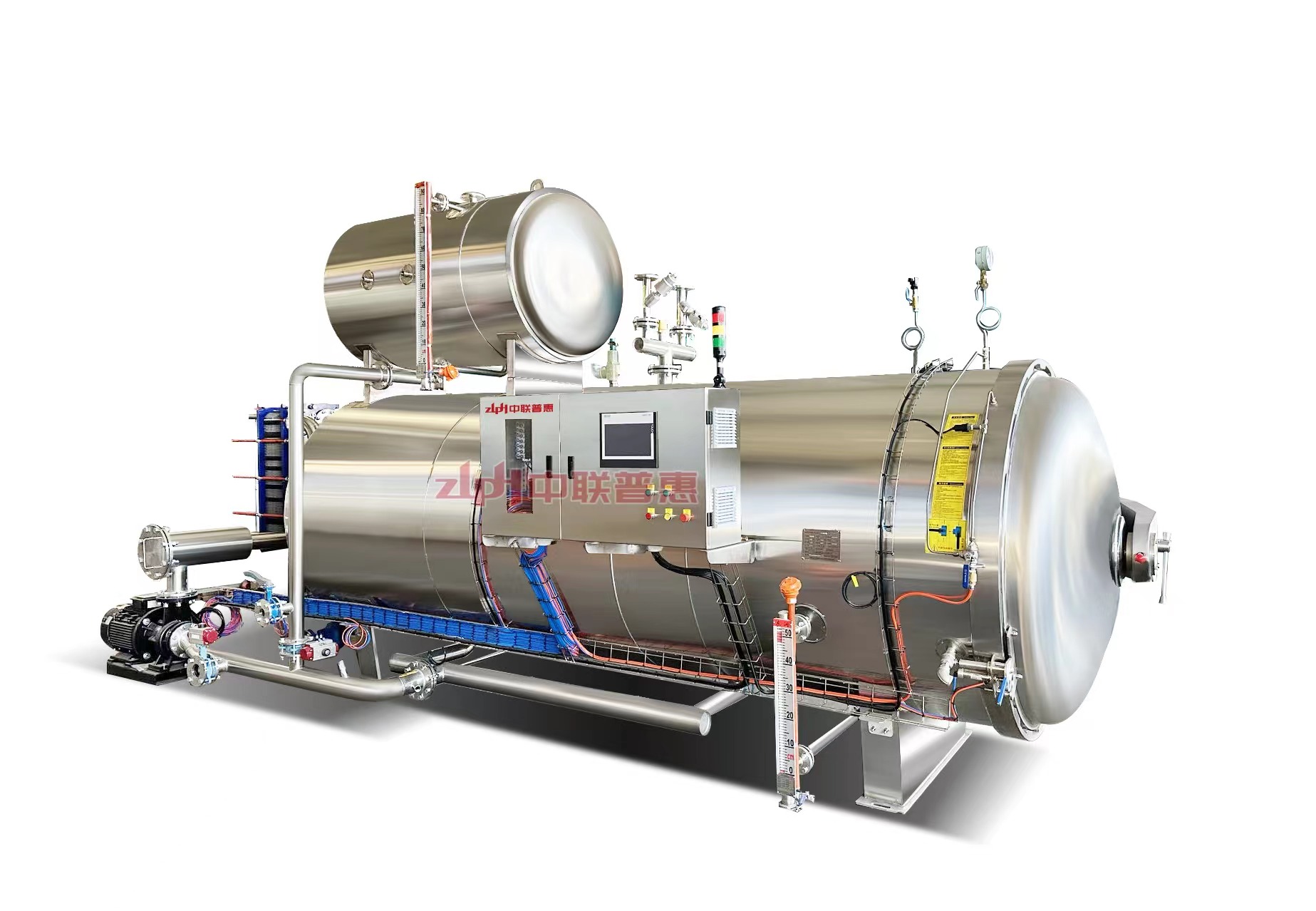
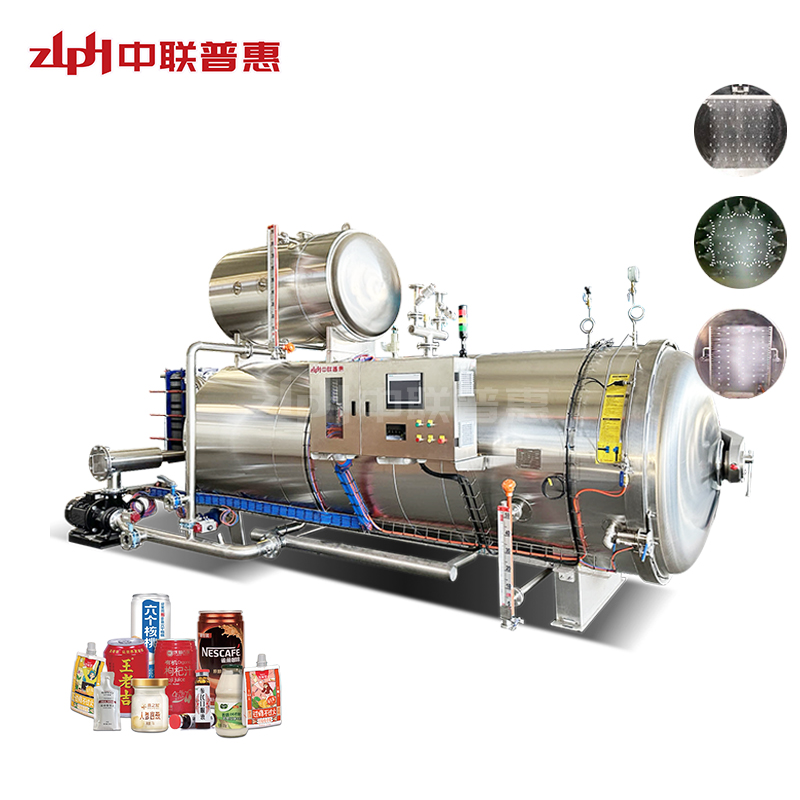
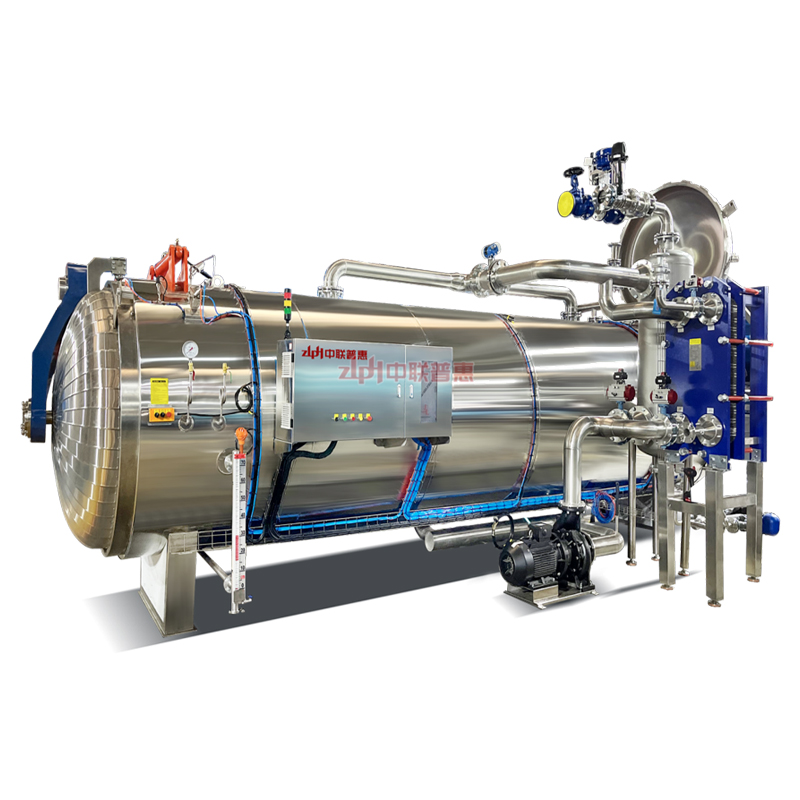
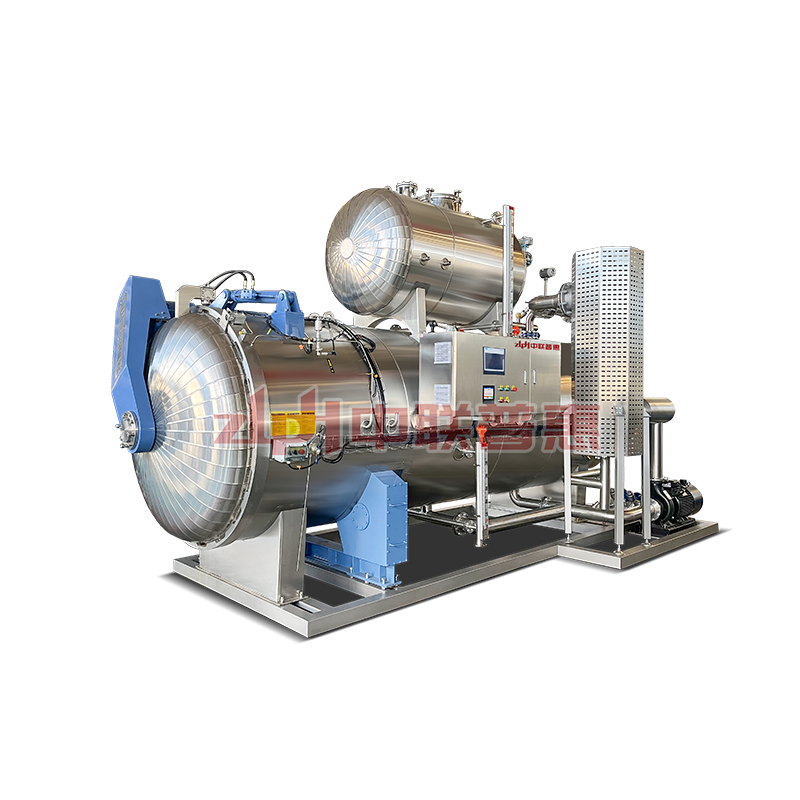
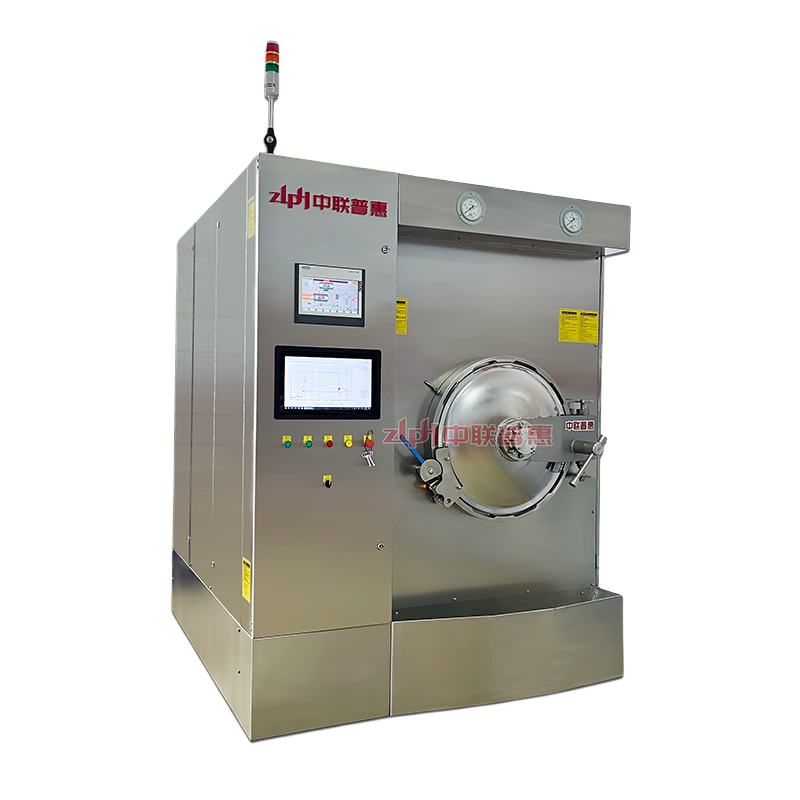
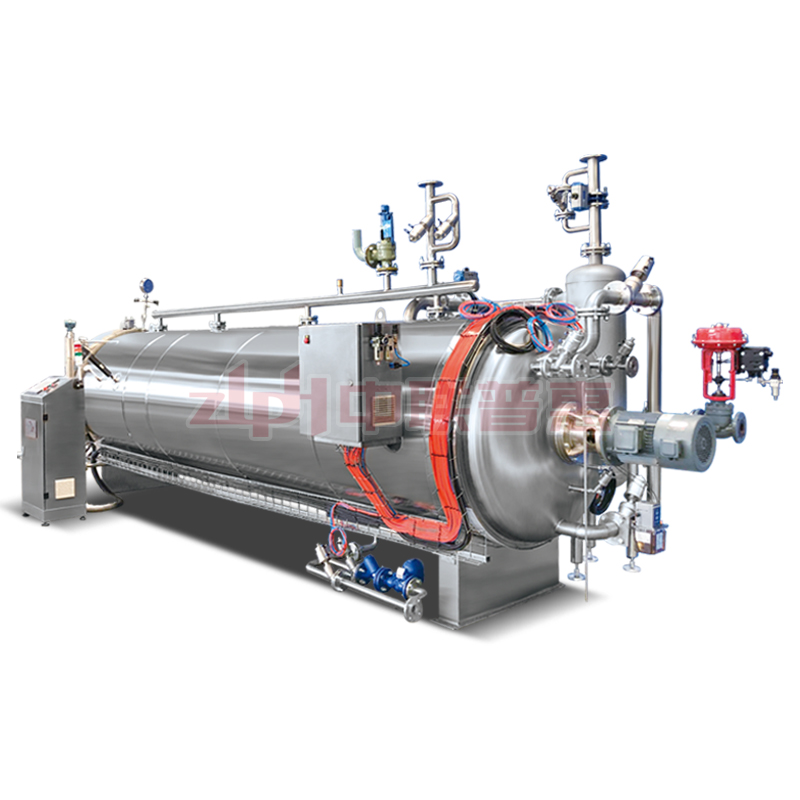
In 2026, smart factories are redefining the food processing industry, with automation and digitalization at the core of efficiency, safety, and scalability. For food producers transitioning to intelligent operations, food retort automation—powered by advanced PLC control and real-time data logging—has become a non-negotiable upgrade. This technological shift transforms traditional retort sterilisation processes, integrating seamless control, full traceability, and remote manageability into every stage of production. Unlike manual or semi-automated systems, automated food retort solutions synchronize with other smart factory equipment, ensuring consistent performance, reducing human error, and aligning with the Industry 4.0 standards that define 2026’s most competitive facilities. At the heart of this automation revolution lies the integration of PLC (Programmable Logic Controller) technology with high-performance autoclave retort sterilizer and retort autoclave systems, creating a connected ecosystem that elevates food safety and operational efficiency.
The cornerstone of food retort automation in 2026 is PLC control, which replaces manual intervention with precise, programmable operation for every retort sterilisation cycle. Unlike basic control systems, modern PLCs are tailored to the unique demands of Retort Machine operation, allowing producers to pre-program hundreds of custom sterilization recipes for different food types—from ready-to-eat meals and seafood to baby food and pet food. These recipes automatically adjust temperature, pressure, holding time, and cooling rates, maintaining accuracy within ±0.2°C and ensuring uniform microbial inactivation across every batch. This level of precision is impossible with manual autoclave retort sterilizer operation, where human error can lead to under-sterilization (risking contamination) or over-sterilization (damaging product quality). For 2026 smart factories, PLC control turns the retort autoclave into a self-regulating component, reducing labor dependency and ensuring consistent compliance with FDA, CE, and FSSC 22000 standards.
Real-time data logging is the second critical pillar of food retort automation, providing the traceability and transparency that 2026 smart factories demand. Integrated directly with the PLC system, data logging captures every critical parameter of retort sterilisation—including temperature curves, pressure profiles, F0 values, cycle duration, and equipment performance metrics. This data is stored digitally, either on-site or in cloud-based platforms, and is easily accessible for audits, quality control, and process optimization. Unlike outdated paper-based logging systems (prone to errors and loss), automated data logging creates immutable records that simplify regulatory compliance and enable rapid root-cause analysis if issues arise. For B2B food producers, this traceability is a competitive advantage, as it demonstrates a commitment to food safety and allows for seamless integration with smart factory MES (Manufacturing Execution Systems) and ERP (Enterprise Resource Planning) tools.
In 2026, food retort automation goes beyond basic PLC control and data logging to enable full integration with smart factory ecosystems. The PLC-equipped Retort Machine connects to IoT (Internet of Things) sensors and central control dashboards, allowing production managers to monitor and adjust retort sterilisation cycles remotely—from anywhere in the facility or even off-site. This connectivity also supports predictive maintenance: the PLC analyzes real-time equipment data to identify potential issues (e.g., worn seals, declining heating element efficiency) before they cause unplanned downtime. For example, if a retort autoclave shows signs of pressure inconsistency, the PLC triggers an alert, allowing maintenance teams to address the problem proactively. This level of connectivity transforms the autoclave retort sterilizer from a standalone piece of equipment into a fully integrated part of a smart, self-optimizing production line.
Another key benefit of food retort automation with PLC control is its ability to optimize production efficiency and reduce waste. The PLC system automatically adjusts retort sterilisation cycles based on real-time batch data, minimizing energy and water consumption by up to 28% compared to manual systems. For example, if a batch of food requires a shorter holding time due to its formulation, the PLC modifies the cycle automatically, reducing steam usage and shortening production time. Additionally, the precision of PLC control eliminates batch rejections caused by human error, reducing product waste and lowering operational costs. For 2026 smart factories focused on sustainability and cost-effectiveness, this efficiency is critical—allowing producers to meet ESG goals while improving profit margins.
Flexibility is a defining feature of 2026’s automatedfood retort systems, thanks to PLC programmability. As consumer trends shift and product lines expand, producers can quickly update or add new retort sterilisation recipes without costly hardware modifications. Whether switching from retort pouches to cans, or from low-acid to high-acid foods, the PLC system adapts seamlessly, reducing downtime between product changes. This flexibility is far superior to that of traditional retort autoclave models, which require manual retooling and calibration. For multi-product smart factories, this adaptability is a game-changer, enabling rapid response to market demands and reducing the need for multiple specialized autoclave retort sterilizer units.
For B2B buyers investing in 2026 smart factories, the value of food retort automation with PLC control and data logging extends beyond operational efficiency—it’s a strategic investment in future-proofing. Leading manufacturers offer fully integrated automated Retort Machine solutions, including PLC programming, data logging software, and IoT connectivity, tailored to the specific needs of each facility. These solutions are compatible with existing smart factory infrastructure, ensuring a seamless transition from manual to automated retort sterilisation. Additionally, training and technical support are provided to help teams maximize the benefits of PLC control, from recipe programming to data analysis. For food producers looking to stay competitive in a digital-first industry, this automation is not just an upgrade—it’s a necessity to meet the demands of 2026’s smart, efficient, and compliant food processing landscape.
Regulatory compliance is simplified by food retort automation, as PLC control and data logging create a complete, auditable trail of every retort sterilisation cycle. The digital records generated by the system are easily exportable and meet the strict requirements of global food safety authorities, including FDA 21 CFR Part 11 (which governs electronic records) and CE Machinery Directives. This eliminates the risk of non-compliance due to missing or inaccurate manual logs, protecting producers from fines, market bans, and reputational damage. For export-focused smart factories, this compliance support is invaluable, as it ensures seamless access to international markets and builds trust with retailers and consumers.
In summary, food retort automation—powered by PLC control and data logging—is the backbone of 2026 smart factories, transforming how retort sterilisation is managed, monitored, and optimized. By integrating advanced PLC technology with high-performance autoclave retort sterilizer, retort autoclave, and Retort Machine systems, food producers achieve unprecedented precision, efficiency, and traceability. This automation reduces labor costs, minimizes waste, simplifies compliance, and enables seamless integration with smart factory ecosystems. For B2B buyers looking to build efficient, future-proof food processing lines, investing in automatedfood retort solutions with PLC control and data logging is a strategic decision that drives long-term success in the 2026 global food industry—where intelligence, compliance, and scalability are the keys to competitiveness.
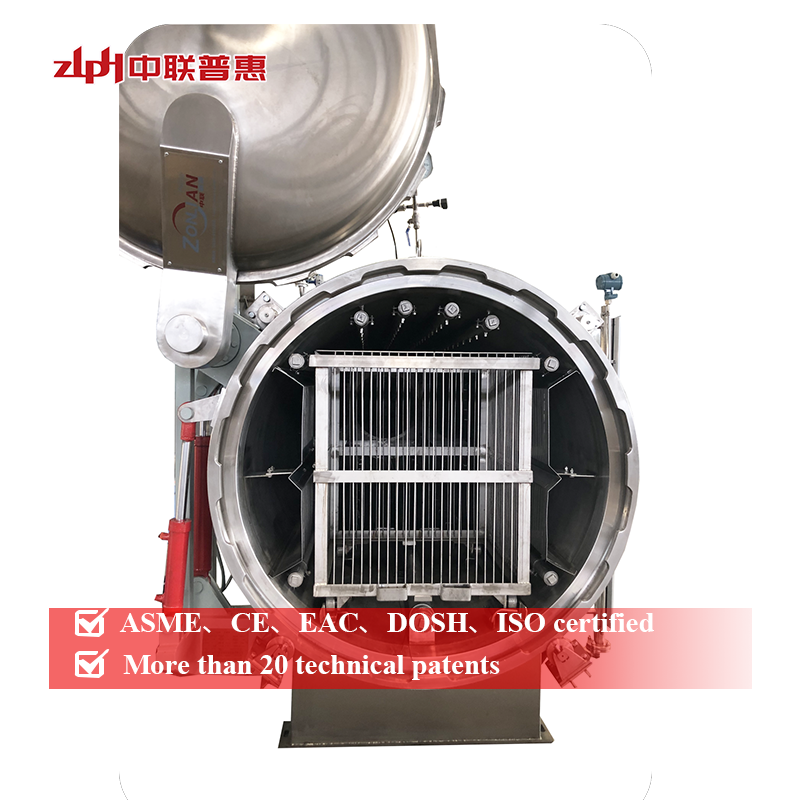
retort autoclave
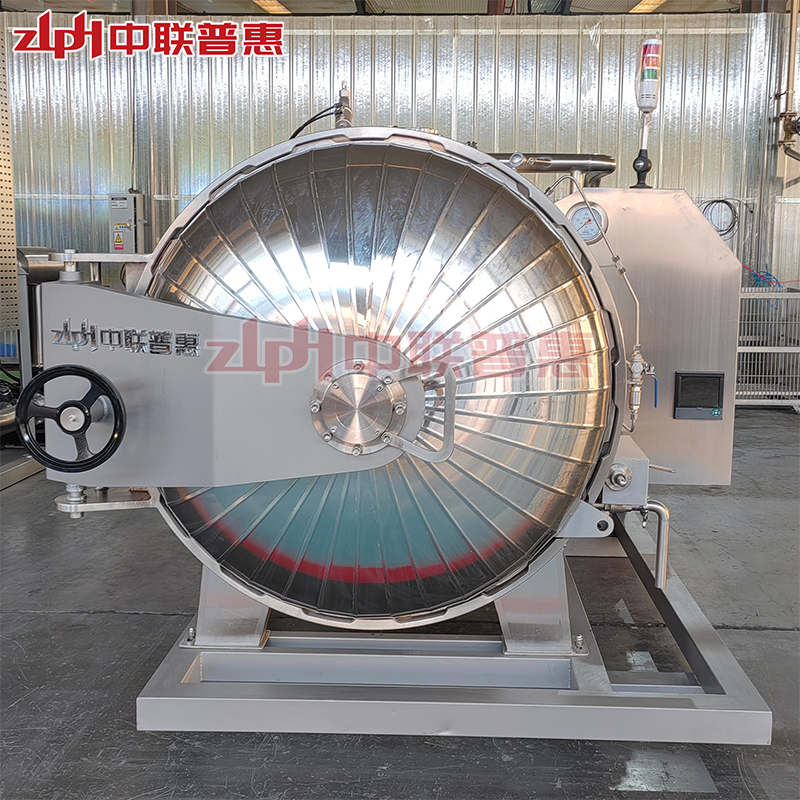
food retort
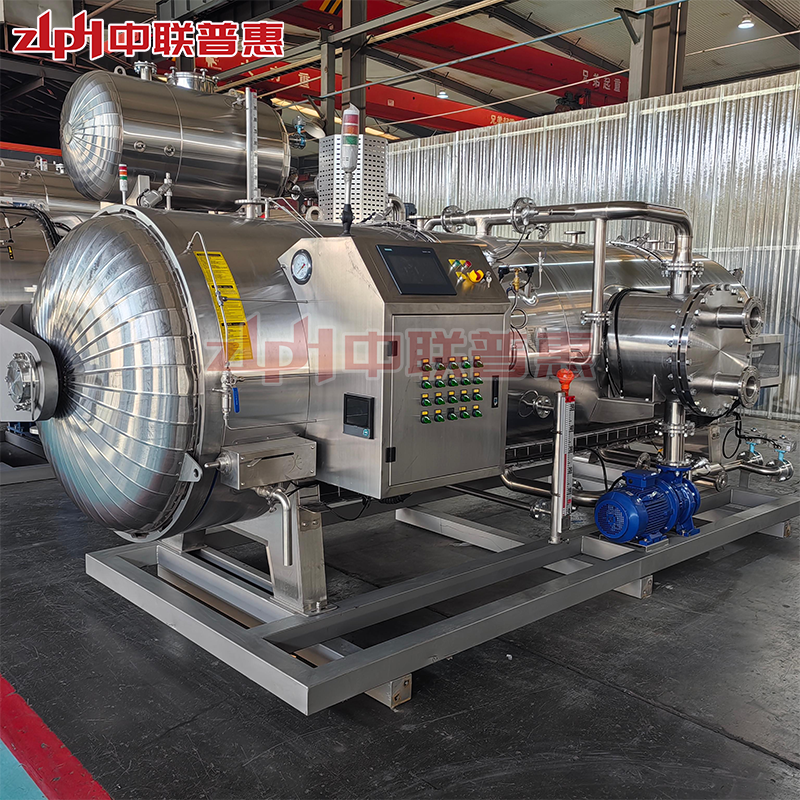
retort machine
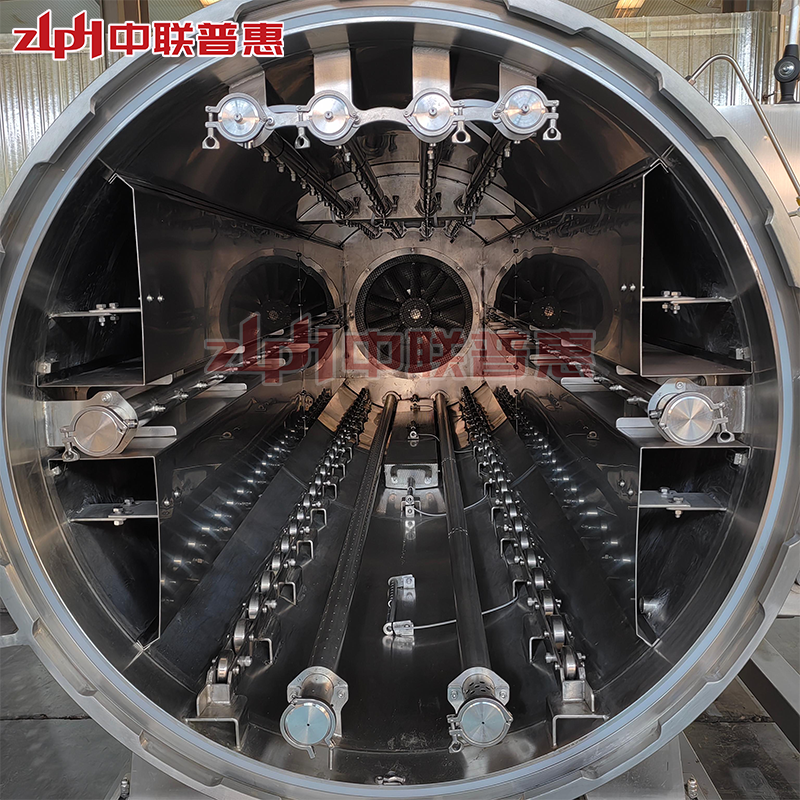
food retort
