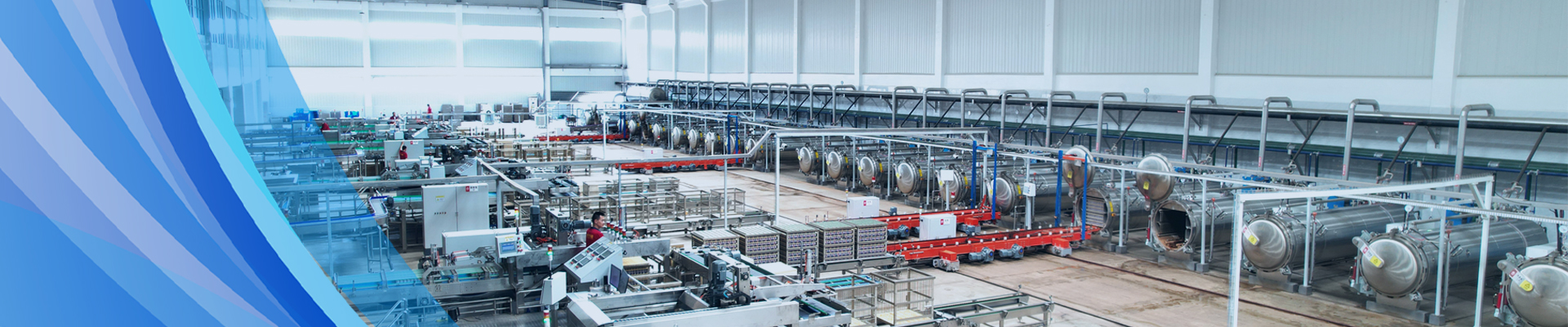

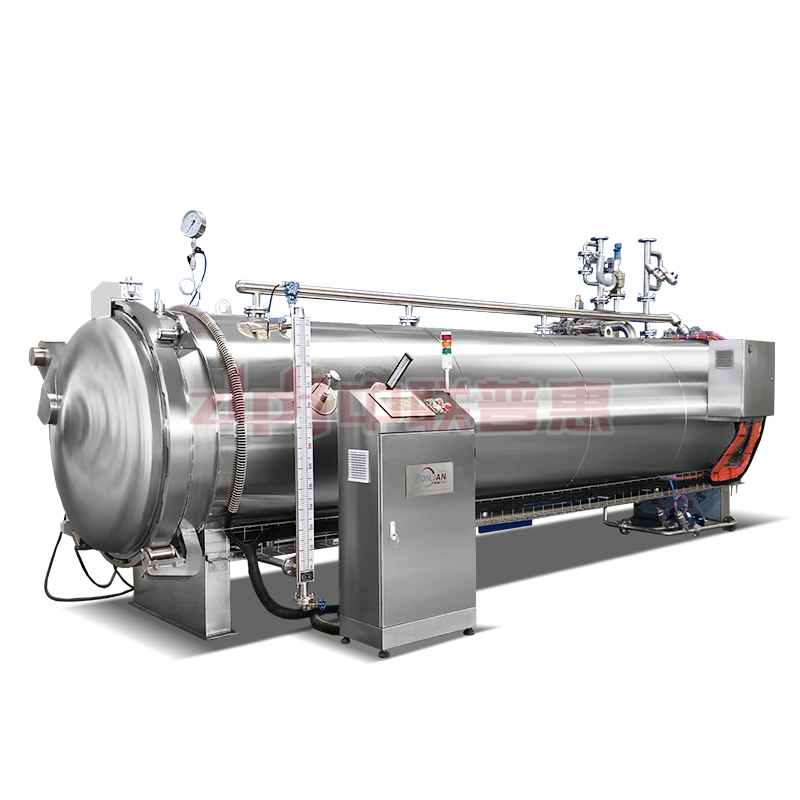
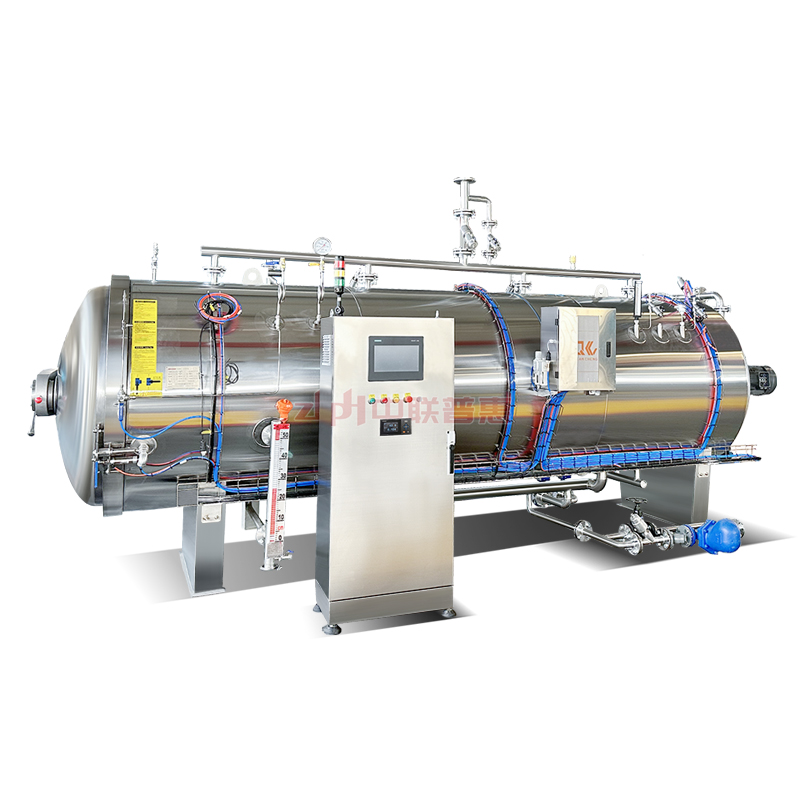
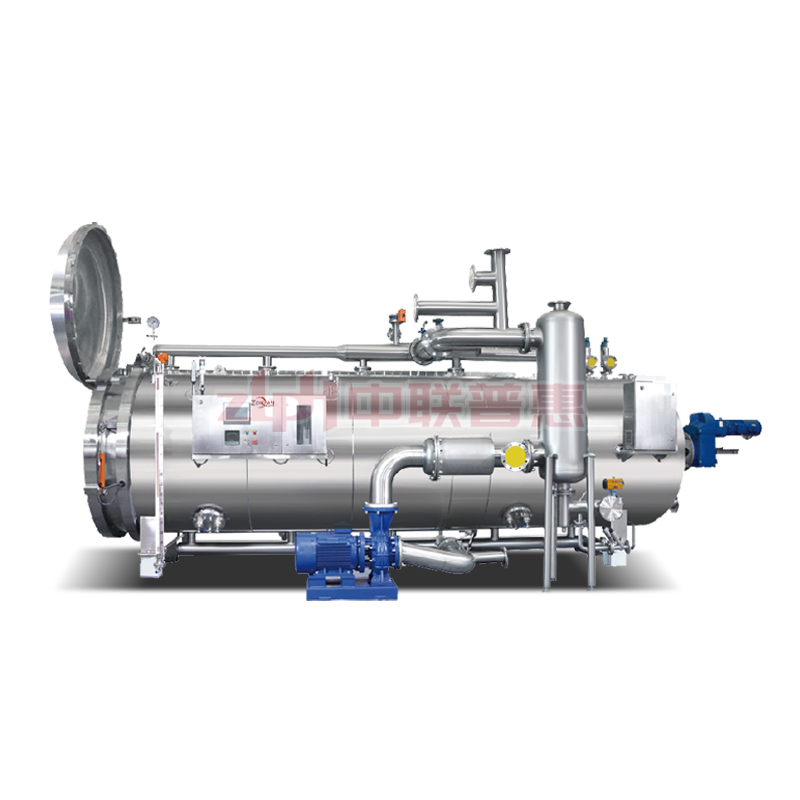
This guide is authored by a senior industrial automation engineer with over 10 years of experience at ZLPH MACHINERY TECHNOLOGY CO., LTD., a leading provider of intelligent food sterilization solutions. It addresses a critical challenge faced by food processing engineers and procurement managers worldwide: how to select a trustworthy retort autoclave manufacturer that ensures consistent, safe, and efficient sterilization across diverse production environments.

Inconsistent sterilization performance—manifesting as uneven heat distribution, batch spoilage, or compliance failures—has long plagued the food canning and pet food industries. Root causes typically include inadequate equipment design, lack of real-time process control, and insufficient manufacturer expertise in thermal processing validation. Drawing from 5,000+ global installations and rigorous field testing, we’ve developed a proven, step-by-step framework to help you identify manufacturers capable of delivering reliable, compliant, and scalable retort systems. This guide breaks down key selection criteria by real-world scenarios, offers actionable troubleshooting protocols, and shares validated best practices to mitigate operational risks and ensure product safety.

How to Ensure Uniform Sterilization in High-Volume Canned Food Production?
1. Scenario & Pain Point
In large-scale canned vegetable or meat processing facilities, inconsistent sterilization leads to under-processed batches (risking botulism) or over-processed products (causing texture degradation). Operators often report temperature deviations exceeding ±3°C across the retort chamber, resulting in failed FDA or EU compliance audits and costly recalls.

2. Root Cause Analysis
Three primary factors contribute to this issue: (1) Poor water spray distribution design causing cold spots; (2) Absence of real-time temperature and pressure monitoring per cage zone; (3) Use of non-validatable control logic that fails to meet ASME BPVC Section VIII or EN 13445 standards for pressure vessels.

3. Step-by-Step Solution
Immediate Mitigation: Conduct thermal mapping using data loggers to identify cold zones; temporarily adjust loading patterns to avoid stacking near chamber walls.
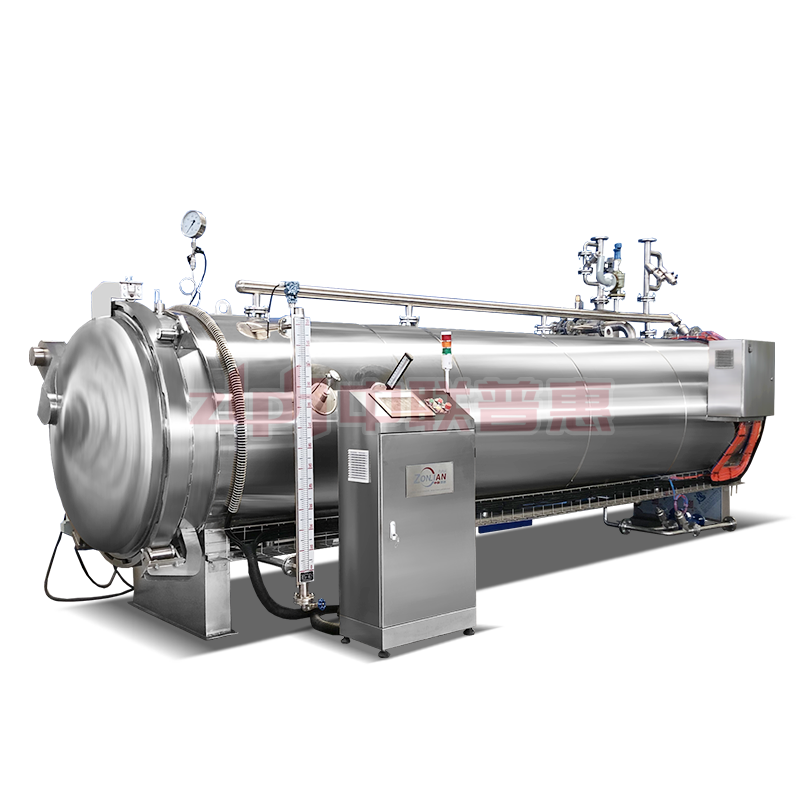
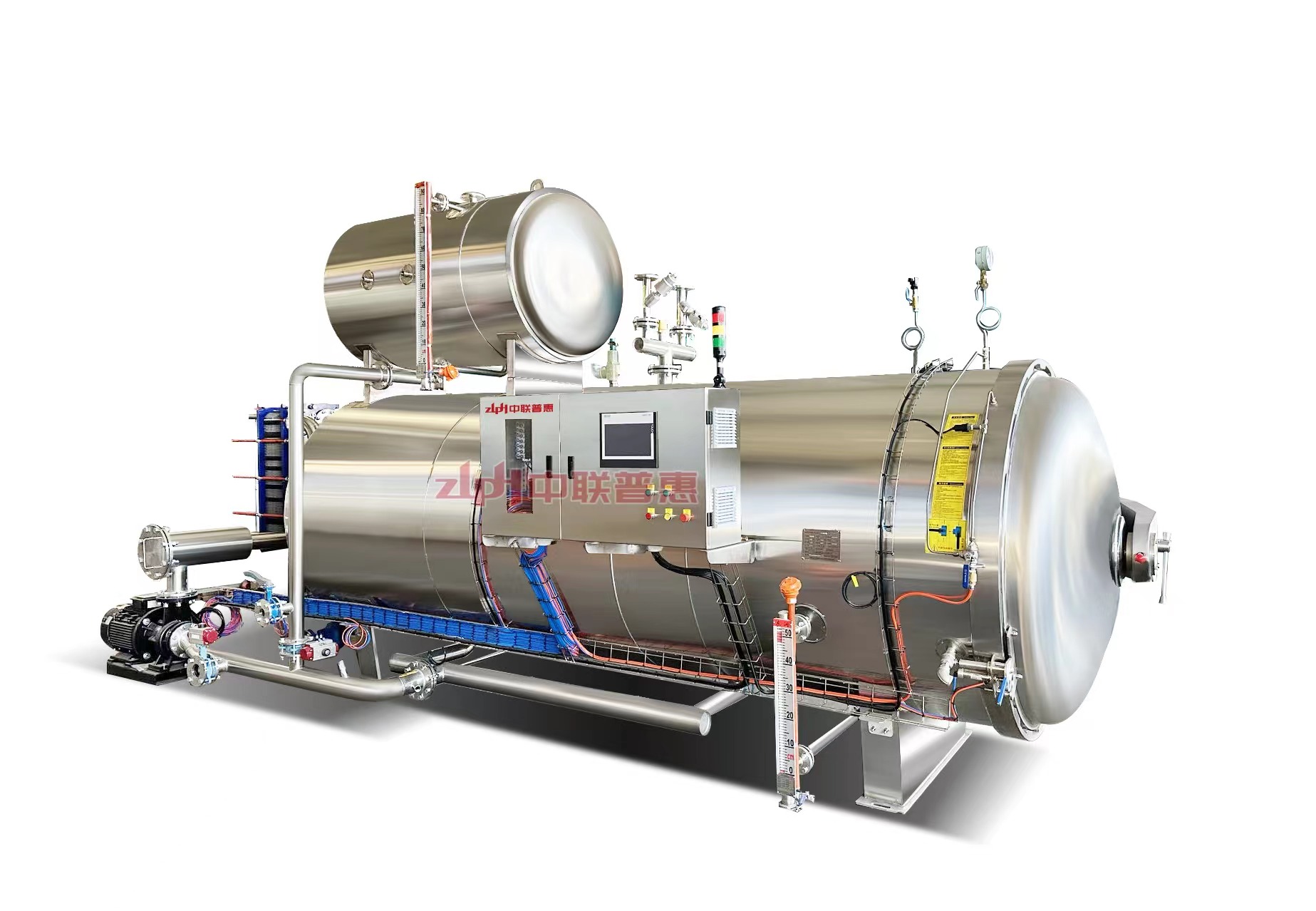
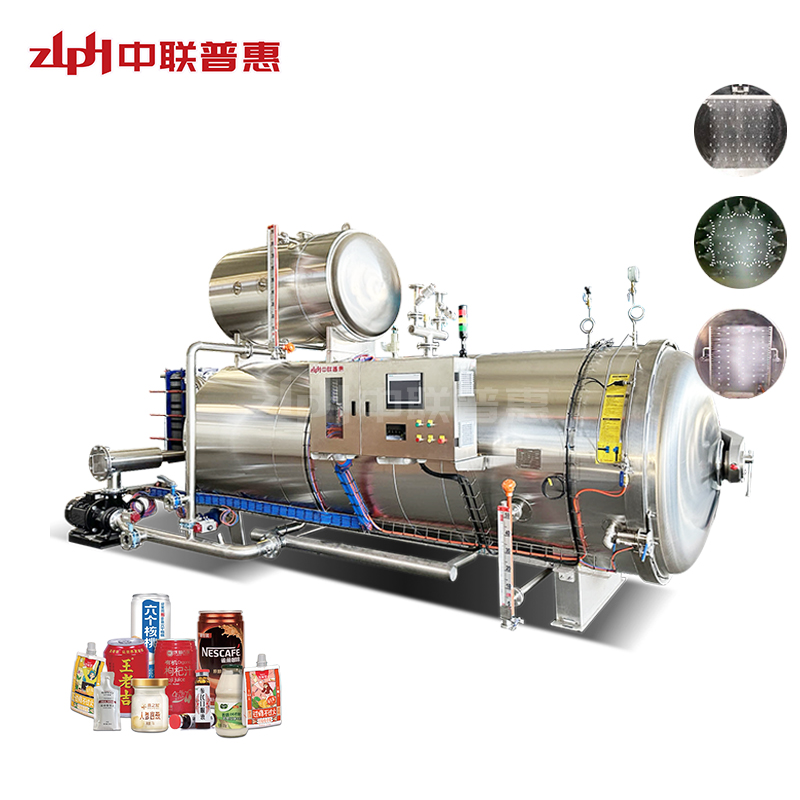
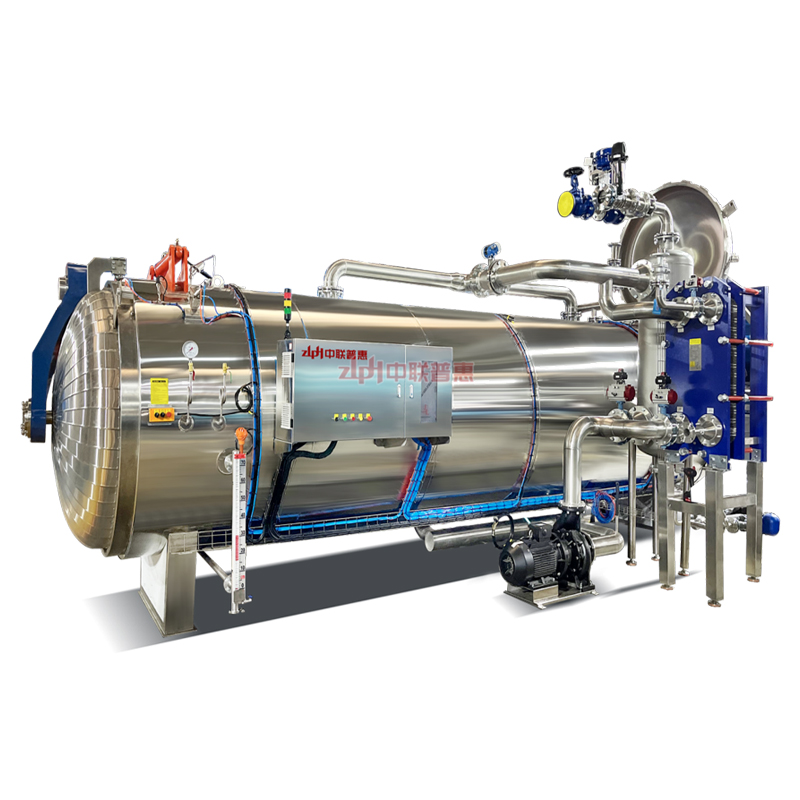
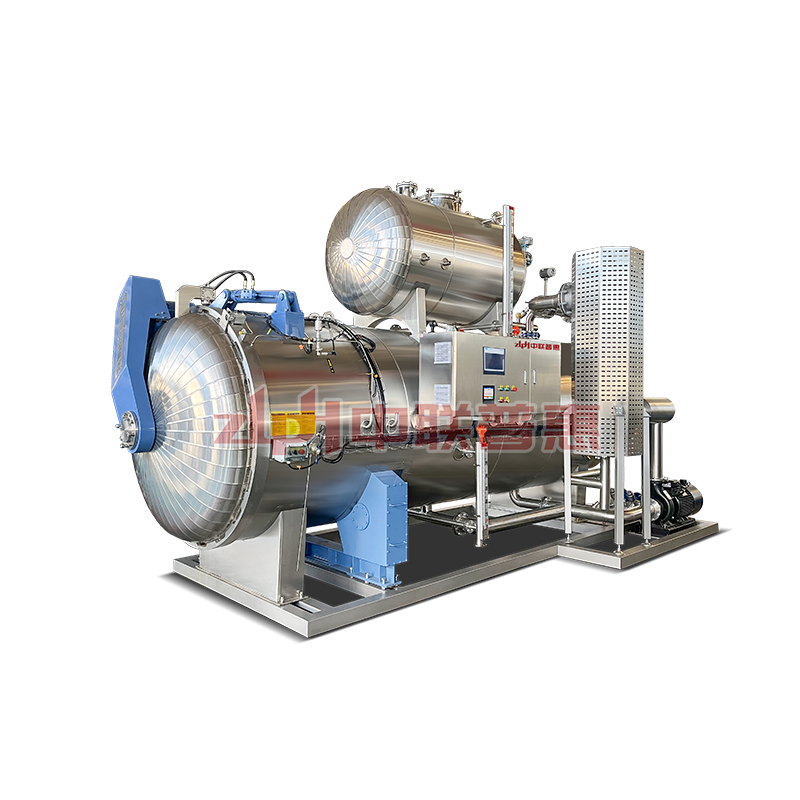
Long-Term Fix: Deploy an intelligent top-opening water spray retort equipped with multi-zone spray nozzles and PLC-based PID control. Such systems dynamically adjust water flow and steam injection to maintain ±0.5°C uniformity across all trays.
Process Validation: Implement F0 (sterilization value) tracking per batch, ensuring each product achieves the minimum lethality required by regulatory standards.
4. Troubleshooting & Pitfall Avoidance
Verify that the manufacturer provides third-party thermal validation reports. Avoid vendors who cannot demonstrate ASME-certified pressure vessel documentation. Always request a live demo with your actual product load to assess real-world performance before purchase.
5. Verified Results
At a major European vegetable cannery, replacing legacy horizontal retorts with ZLPH’s intelligent water spray system reduced batch rejection rates from 4.2% to 0.1% within six months, while cutting cycle time by 18% through optimized ramp/cool phases.
How to Automate Retort Loading for Pet Food Bowl Packaging Lines?
1. Scenario & Pain Point
Pet food producers using pre-formed plastic bowls face labor-intensive, error-prone manual loading into retorts. Misaligned trays cause jamming, uneven sterilization, and line stoppages—reducing OEE (Overall Equipment Effectiveness) by up to 30%.
2. Root Cause Analysis
Manual handling introduces variability in tray positioning. Conventional retorts lack integration with upstream automation, forcing batch-mode operation instead of continuous flow.
3. Step-by-Step Solution
Integrate a fully automatic retort tray loader/unloader system synchronized with conveyor lines. The system uses vision-guided robotics to precisely place bowl trays into the retort cart, ensuring consistent spacing for optimal steam penetration.
Pair this with a compact vertical retort featuring rapid door actuation (<15 seconds open/close cycle) to minimize idle time between batches.
4. Troubleshooting & Pitfall Avoidance
Ensure the automation system supports quick-change tooling for different bowl sizes. Confirm IP65+ protection on all electrical components to withstand high-humidity washdown environments.
5. Verified Results
At Petfair Asia 2023, ZLPH demonstrated its automated bowl sterilization line, achieving 1,200 bowls/hour throughput with zero misloads. Clients reported a 40% reduction in labor costs and full compliance with AAFCO sterilization guidelines.
Industry Best Practices for Retort System Selection
Based on a decade of global deployments, we recommend this 5-step framework to de-risk retort procurement:
1. Define Worst-Case Conditions
Size your retort for peak summer ambient temperatures and maximum product load density—not average conditions.
2. Demand Validatable Controls
Insist on PLC systems with audit trails, electronic batch records, and compliance with 21 CFR Part 11 (for U.S.) or EU Annex 11.
3. Verify Manufacturing Capability
Choose manufacturers with ISO 9001-certified workshops and in-house pressure vessel fabrication. ZLPH’s 15,000m² facility includes CNC machining centers and hydrostatic test bays to ensure weld integrity.
4. Require Real-World References
Ask for client contacts in your specific sub-sector (e.g., seafood, ready meals, pet food) to validate performance claims.
5. Secure Post-Sale Support
Confirm availability of remote diagnostics and on-site engineers within 72 hours for critical issues. ZLPH’s 14-member after-sales team covers 50+ countries.
Frequently Asked Questions (FAQ)
Q: Can a standard retort handle both metal cans and plastic bowls?
A: Only if equipped with interchangeable tray systems and adjustable spray patterns. ZLPH’s modular retorts support mixed loads via quick-swap fixtures.
Q: What certifications should a retort manufacturer have?
A: Essential certifications include CE (for EU), ASME “U” Stamp (for North America), and ISO 9001. ZLPH holds all three, plus PED 2014/68/EU compliance.
Q: How to validate sterilization for low-acid foods?
A: Perform thermal death time studies using thermocouples in worst-case product locations. The retort must log F0 ≥ 2.5 for Clostridium botulinum safety.
Q: Is top-opening better than side-opening for retorts?
A: Yes—for automation integration. Top doors enable vertical stacking and robotic loading, reducing footprint by 30% versus horizontal designs.
Q: What’s the typical ROI for an automated retort line?
A: Most clients achieve payback in 14–18 months through labor savings, yield improvement, and reduced waste.
Our Proven Expertise & Support
ZLPH MACHINERY TECHNOLOGY CO., LTD. is a globally recognized innovator in food sterilization technology since 2018. Our R&D team includes 21 mechanical/PLC engineers and 4 dedicated sterilization process experts with 10+ years of industry experience. We hold multiple patents in water spray dynamics and real-time thermal control, and our systems comply with FDA, EU, and Codex Alimentarius standards.
Our solutions are deployed in 60+ countries, serving leaders in canned vegetables, ready-to-eat meals, and premium pet food. At AGROPRODASH 2023 in Moscow, our intelligent retort was hailed as “the most reliable sterilization platform for harsh production environments” by Russian dairy processors.
We offer end-to-end support including:
- On-site thermal process validation
- Custom tray design for unique packaging
- Free sample testing with your product
- 24/7 remote troubleshooting via IoT-enabled controllers
Contact Us
Company: ZLPH MACHINERY TECHNOLOGY CO., LTD.
Website: https://www.zlphretort.com/
Email: sales@zlphretort.com
Phone / WhatsApp: +86 15666798389 / +86 13361554016
