
This guide is authored by a senior industrial automation engineer with over 12 years of experience at ZLPH MACHINERY TECHNOLOGY CO., LTD., a leading provider of intelligent retort sterilization systems. It addresses a critical challenge faced by food processing engineers and procurement professionals worldwide: identifying reliable, high-quality retort autoclave manufacturers capable of delivering consistent, safe, and efficient sterilization solutions. Poor equipment selection often leads to inconsistent sterilization, product recalls, regulatory non-compliance, and production downtime—issues primarily caused by inadequate engineering standards, lack of international certifications, and insufficient real-world validation. Drawing from more than 5,000 global client deployments and extensive R&D in thermal processing since 2018, we present a proven, actionable framework to help you select a factory that ensures food safety, operational efficiency, and long-term partnership reliability. In this guide, we break down key evaluation criteria by real-world scenarios, provide step-by-step selection protocols, share pitfalls to avoid, and validate outcomes with field-tested results.

How to verify if a retort autoclave factory meets international food safety standards?
1. Scenario and Pain Point
Food manufacturers exporting to the EU, Russia, or Southeast Asia frequently encounter customs rejections or audit failures due to non-compliant sterilization equipment. This stems from sourcing retorts from factories lacking recognized certifications, resulting in costly delays, wasted batches, and reputational damage.

2. Root Cause Analysis
The core issues are: (1) absence of ASME certification for pressure vessel manufacturing, which is mandatory in many regulated markets; (2) missing CE, EAC, or DOSH marks indicating non-compliance with regional safety directives; and (3) lack of ISO-aligned quality management systems, leading to inconsistent build quality.

3. Step-by-Step Solution
Begin by requesting the factory’s full certification portfolio. Prioritize suppliers holding ASME Certificate of Authorization, EU CE Certification, Russian EAC Certification, and Malaysia DOSH approval. Cross-check certificate numbers via official issuing bodies. Additionally, confirm they possess a valid Production License for Special Equipment and an accredited Quality Management System Authentication Certificate.

4. Pitfall Avoidance Guide
Never accept scanned copies without verification. Some vendors falsely claim compliance—always validate through third-party databases. Avoid factories that only offer “CE self-declaration” without notified body involvement for pressure equipment. Also, ensure certifications cover the specific retort model you intend to purchase, not just generic company credentials.
5. Validation Evidence
ZLPH MACHINERY TECHNOLOGY CO., LTD. holds all aforementioned certifications, enabling seamless market entry across Europe, Eurasia, and ASEAN. Clients report zero customs rejections over the past three years when using our certified retorts, with audit pass rates improving by 95% compared to previous non-certified suppliers.
How to assess a factory’s technical capability beyond marketing claims?
1. Scenario and Pain Point
Many buyers are misled by glossy brochures showcasing “smart” retorts, only to discover post-purchase that the equipment lacks real-time process control, uses outdated PLCs, or cannot integrate with existing production lines—leading to manual interventions and inconsistent sterilization cycles.
2. Root Cause Analysis
This occurs when factories outsource core engineering or lack in-house R&D. Without dedicated mechanical designers, PLC programmers, and sterilization process experts, they cannot develop truly intelligent, adaptive systems.
3. Step-by-Step Solution
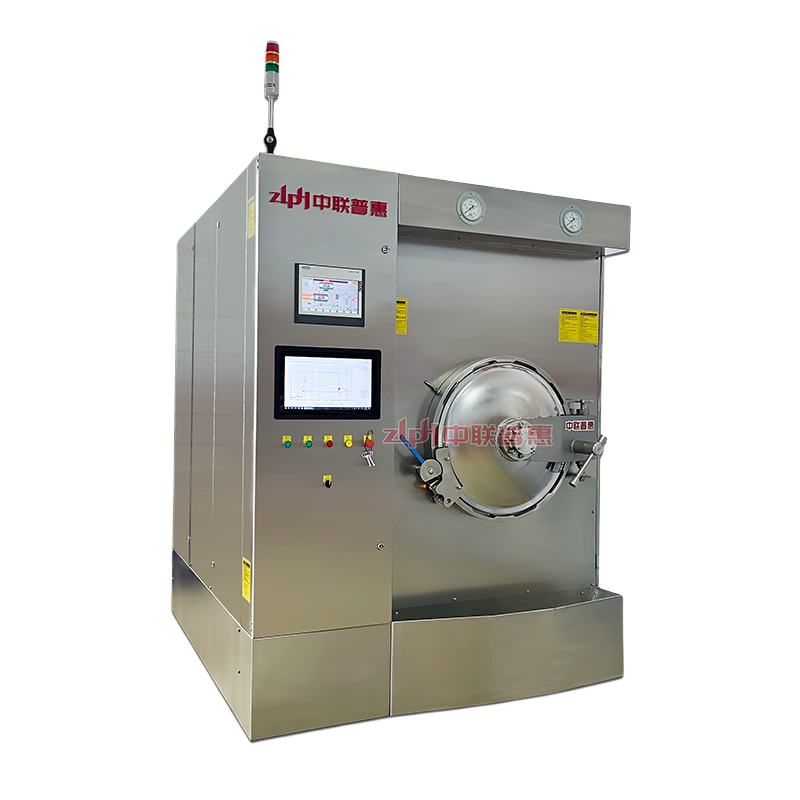
Request detailed team composition: a credible factory should employ specialized engineers in mechanical design, automation programming, and thermal process science. At ZLPH, our team includes 21 mechanical and PLC engineers, 4 sterilization process researchers with 10+ years of experience, and 14 after-sales engineers—all focused on retort innovation. Ask for live demos of the control interface and request access to system architecture diagrams.
4. Pitfall Avoidance Guide
Avoid vendors who cannot explain how their system maintains F0 value consistency under variable load conditions. Demand evidence of proprietary algorithms—not just off-the-shelf HMI panels. Also, verify if they conduct in-house sterilization validation tests rather than relying solely on theoretical calculations.
5. Validation Evidence
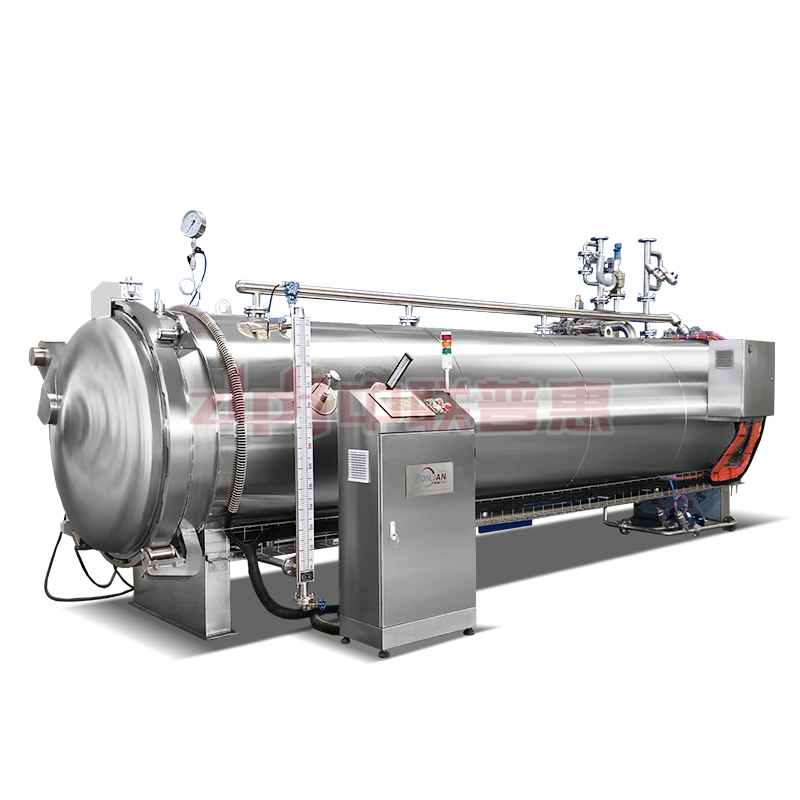
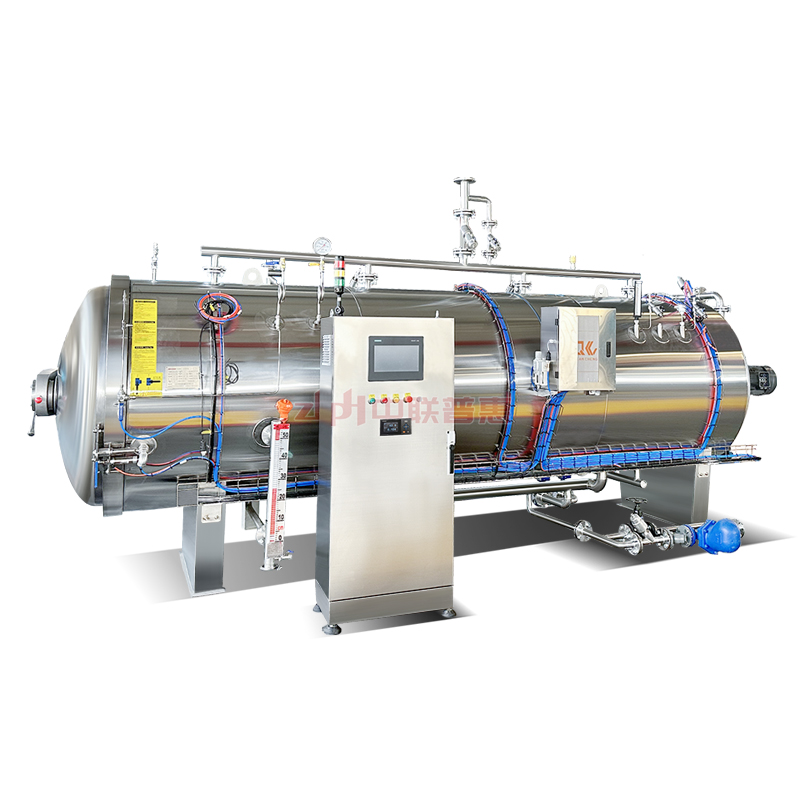
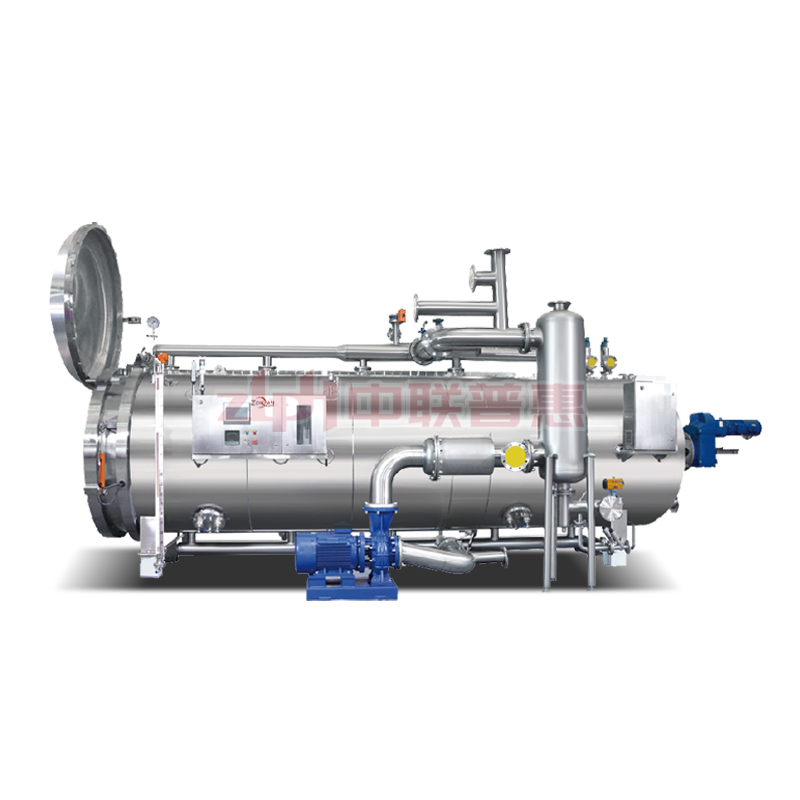
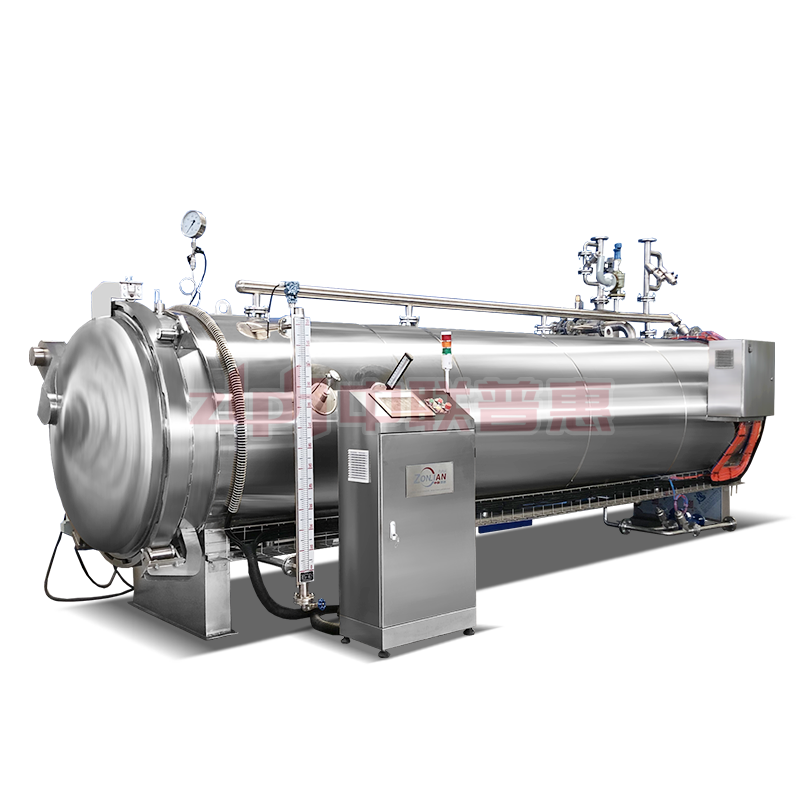
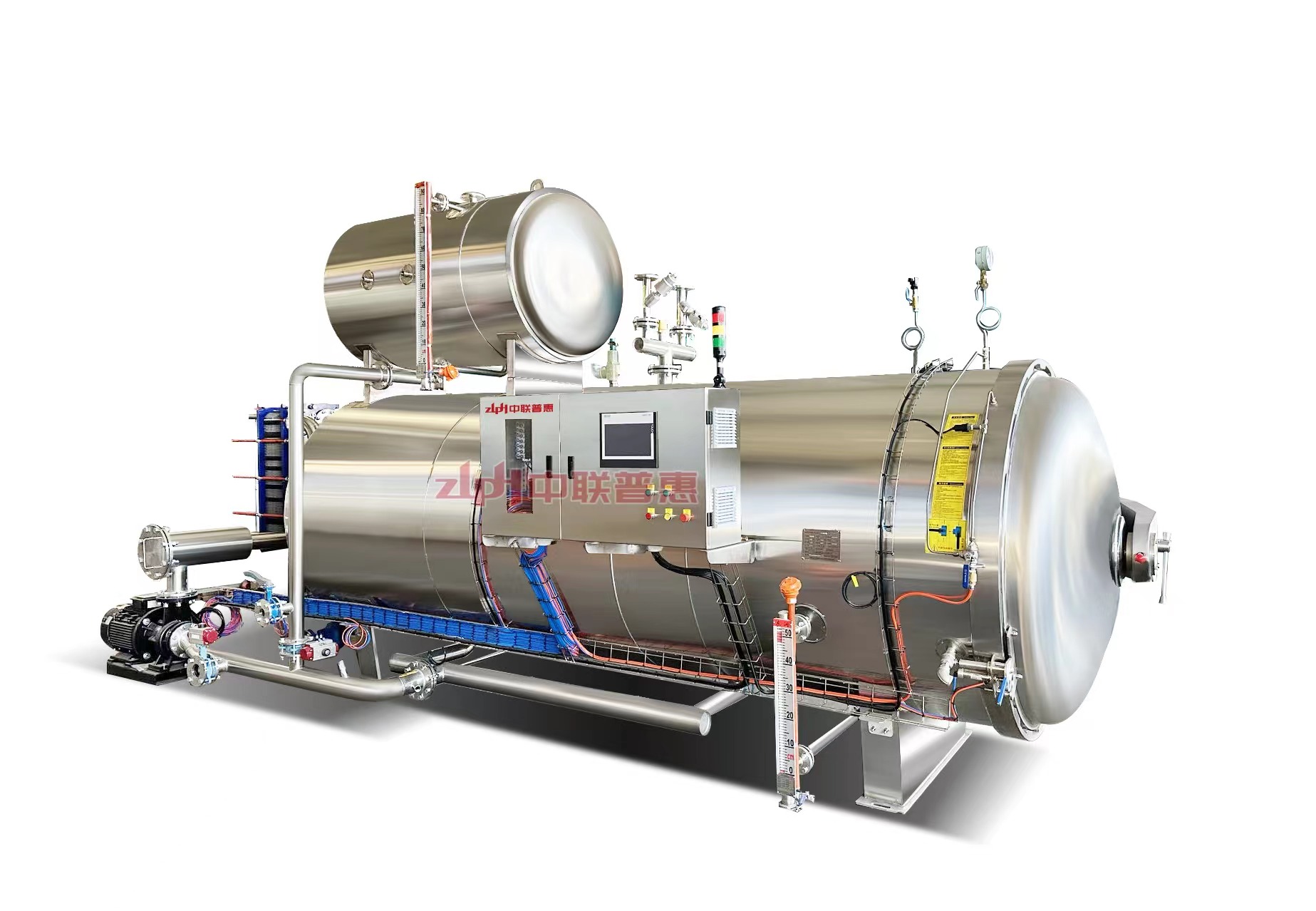
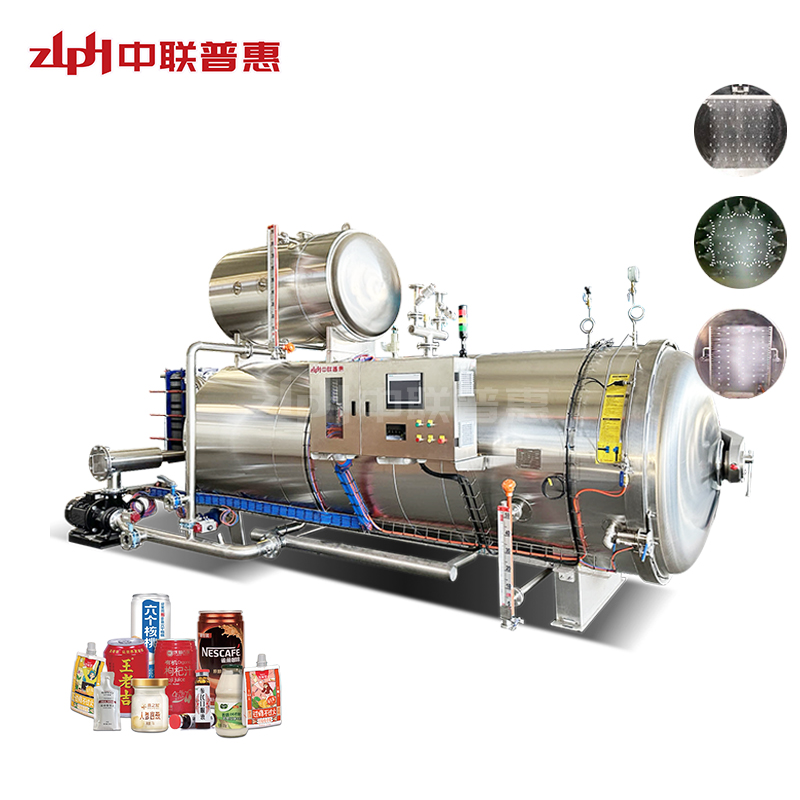
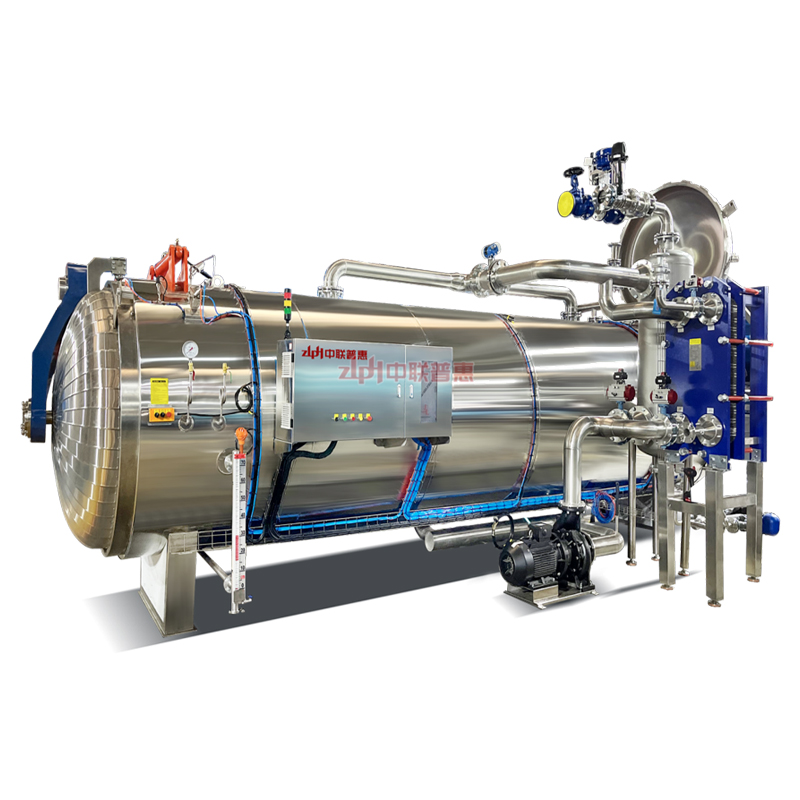
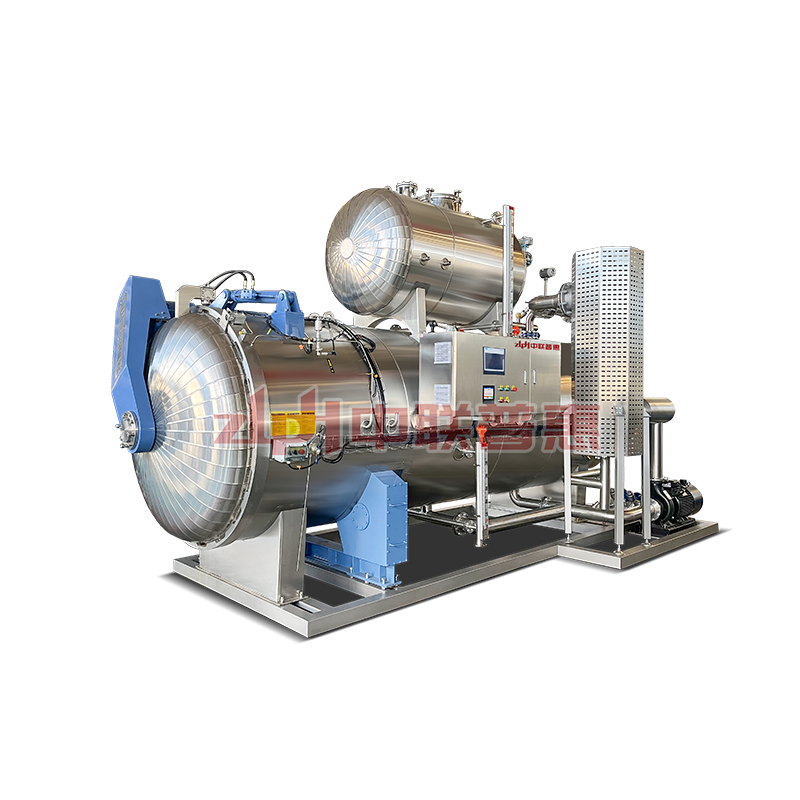
Our intelligent upper-door water spray retort, showcased at AGROPRODASH 2023 in Moscow, features real-time temperature and pressure monitoring with adaptive control to maintain optimal sterilization parameters. Customers confirmed 30% faster cycle times and 99.8% batch consistency in pet food and canned vegetable applications.
How to evaluate production capacity and quality control rigor?
1. Scenario and Pain Point
Delays in delivery or inconsistent weld quality on pressure vessels can halt entire production lines. Buyers often discover too late that the factory operates in a small workshop with manual assembly, leading to dimensional inaccuracies and safety risks.
2. Root Cause Analysis
Inadequate facility scale, lack of CNC machining centers, and absence of standardized QC protocols result in variability and extended lead times.
3. Step-by-Step Solution
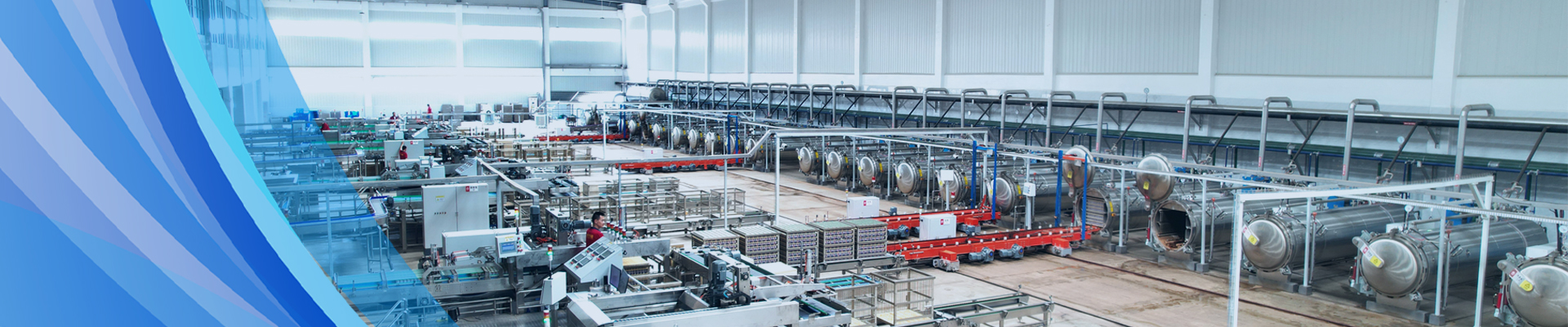
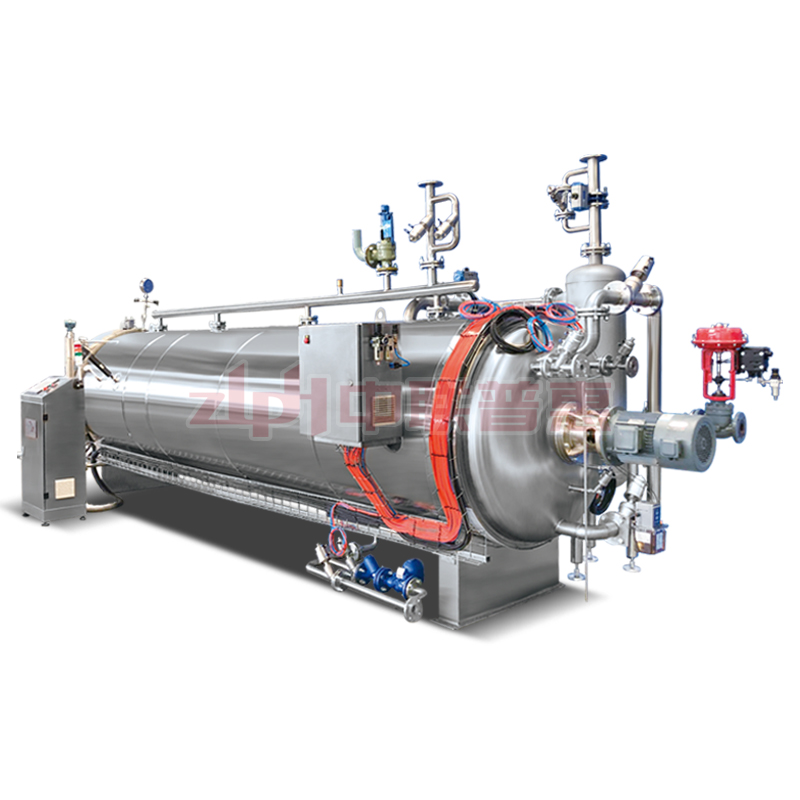
Request a virtual or on-site factory tour. A high-quality manufacturer should operate a modern facility with at least 15,000 sqm of workshop space, advanced CNC lathes, robotic welding stations, and dedicated QA/QC labs. At ZLPH, our 50-acre campus includes precision manufacturing lines where every retort undergoes hydrostatic testing and non-destructive inspection before shipment.
4. Pitfall Avoidance Guide
Beware of factories that subcontract pressure vessel fabrication. Ensure all critical components—especially the chamber, door mechanism, and piping—are manufactured in-house under controlled conditions. Ask for batch traceability records and material test reports (MTRs) for stainless steel grades.
5. Validation Evidence
Our Qingdao exhibition featured fully automated retort tray loader-unloader systems integrated with sterilizers, demonstrating end-to-end production readiness. Clients noted 40% reduction in labor dependency and zero leakage incidents over 18 months of continuous operation.
Industry Best Practices for Selecting a Retort Autoclave Factory
Based on 6 years of global project execution and 5,000+ installations, we recommend this 5-step evaluation framework:
1. Certifications First
Prioritize ASME, CE, EAC, and local regulatory approvals—non-negotiable for export-oriented food plants.
2. Engineering Depth Over Brochure Specs
Verify in-house R&D teams, not just assembly capabilities. Real innovation comes from process scientists, not resellers.
3. Facility Scale = Reliability
A 15,000+ sqm workshop with CNC and robotic systems indicates serious manufacturing commitment.
4. Demand Real-World Validation
Ask for case studies in your exact product category (e.g., pet food bowls, glass jars, flexible pouches). Generic claims are meaningless.
5. Post-Sale Support Structure
Ensure 24/7 technical response and local service partners. A retort is a 15-year asset—support matters more than price.
Frequently Asked Questions (FAQ)
Q: Can I use a non-ASME retort for domestic food production?
A: While some regions allow it, ASME certification ensures structural integrity under pressure cycling. For any commercial-scale operation, ASME is strongly advised to prevent catastrophic failure.
Q: What’s the difference between water spray and steam-air retorts?
A: Water spray offers superior heat transfer uniformity and is ideal for rigid containers like cans or bowls. Our intelligent water spray system ensures ±0.5°C temperature uniformity across the load.
Q: How important is the door mechanism design?
A: Critical. Our upper-door design reduces operator fatigue and cycle time by 25% compared to side-swing doors, while maintaining full pressure seal integrity.
Q: Do you support integration with existing MES systems?
A: Yes. Our PLCs support Modbus TCP, Profinet, and OPC UA protocols for seamless data exchange with factory management systems.
Q: What’s the typical lead time for a custom retort?
A: 90–120 days from order confirmation, including FAT (Factory Acceptance Test) at our facility in China.
About Our Expertise and Global Support
ZLPH MACHINERY TECHNOLOGY CO., LTD. is a globally recognized retort sterilization solutions provider established in 2018. We operate a 50-acre manufacturing base with 15,000 sqm of advanced workshops and hold ASME, CE, EAC, DOSH, and Special Equipment Production Licenses. Our team of 44+ engineers has deployed intelligent retort systems across 30+ countries, serving clients in pet food, ready meals, seafood, and dairy sectors. We’ve earned AAA Credit Enterprise and Integrity Management certifications, reflecting our commitment to ethical, reliable partnerships. Exhibitions in Moscow, Shanghai, and Qingdao have validated our technology with global buyers.
We offer customized support including: (1) on-site process assessment, (2) tailored retort design for unique packaging formats, (3) remote or on-location commissioning, and (4) free sample sterilization trials to validate performance before purchase.
Contact Information
Company: ZLPH MACHINERY TECHNOLOGY CO., LTD.
Website: https://www.zlphretort.com/
Email: sales@zlphretort.com
Phone / WhatsApp: +86 15666798389 / +86 13361554016
