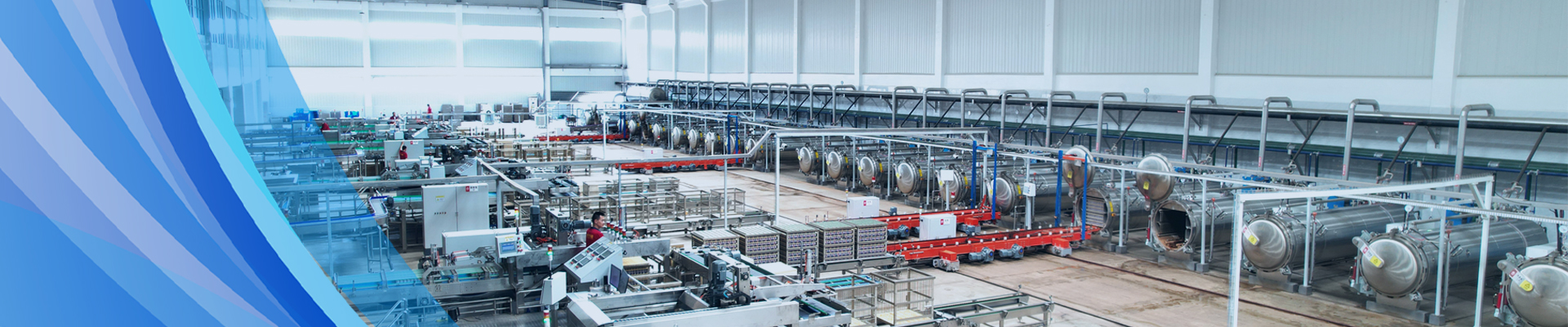

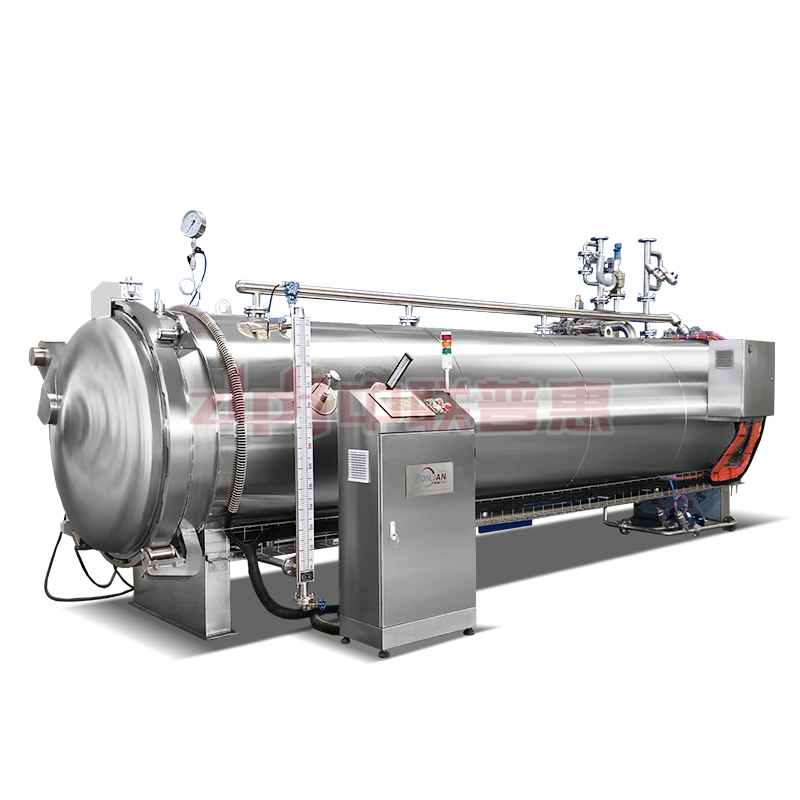
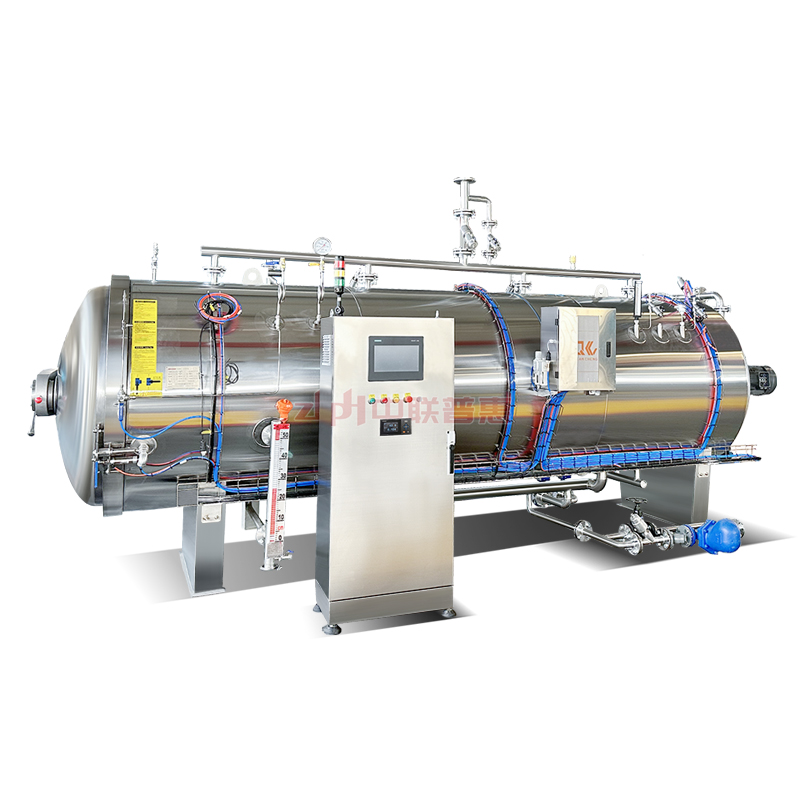
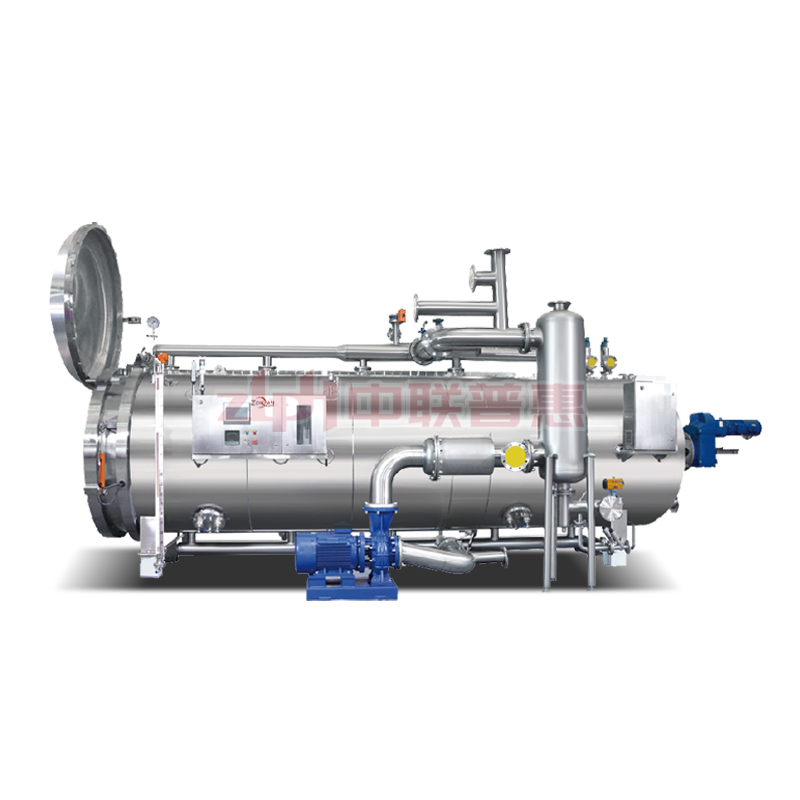
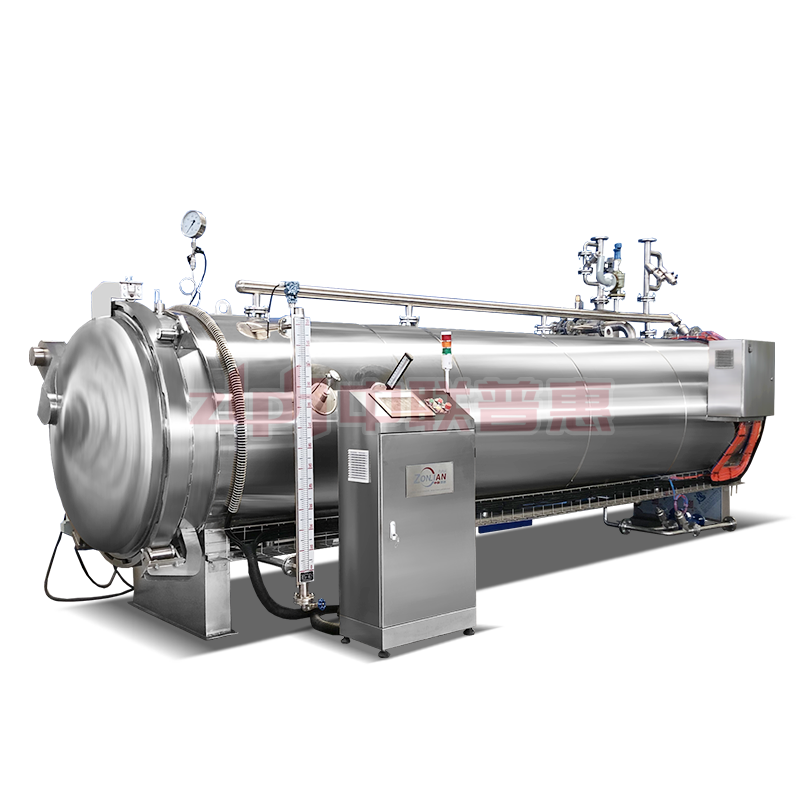
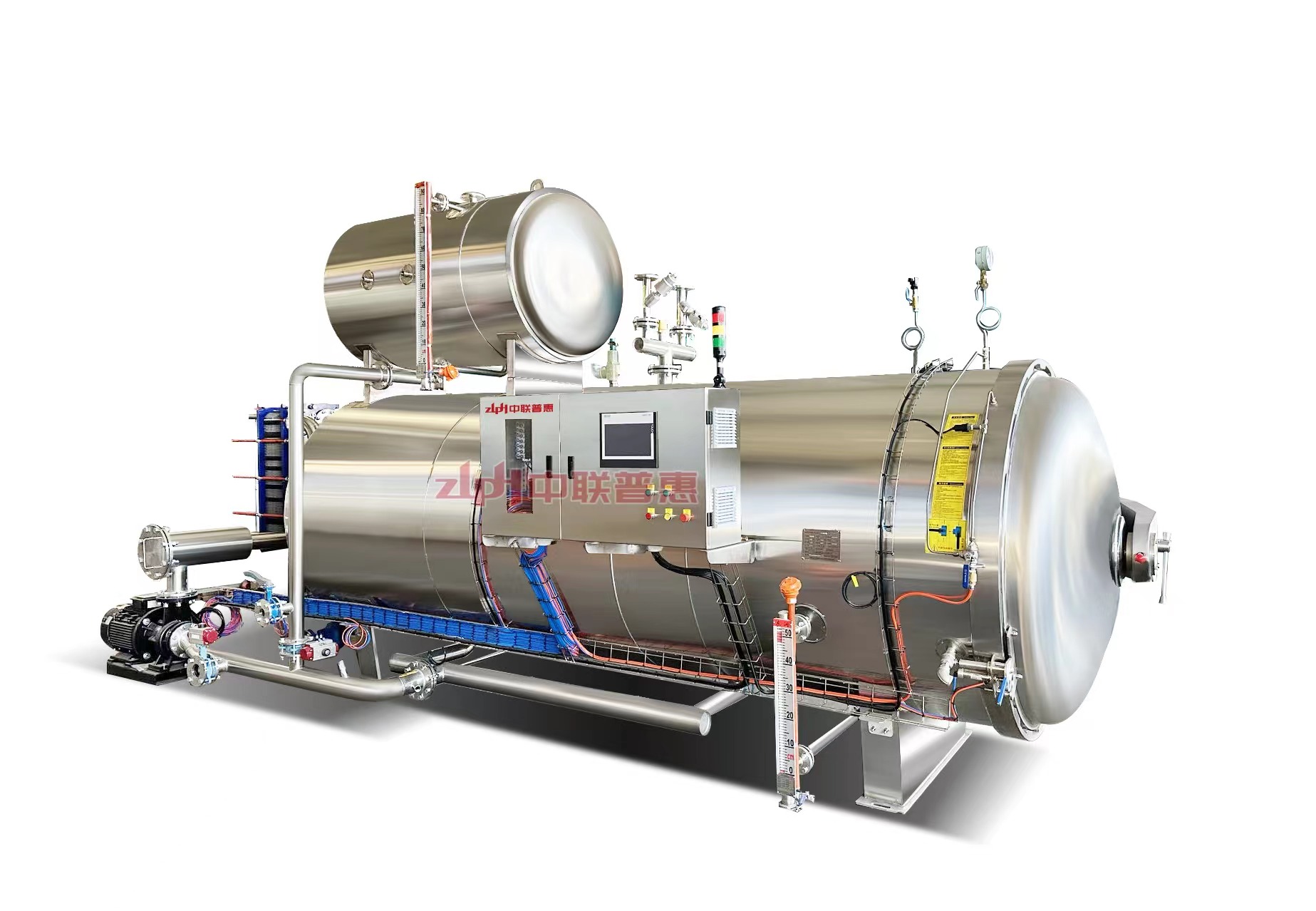
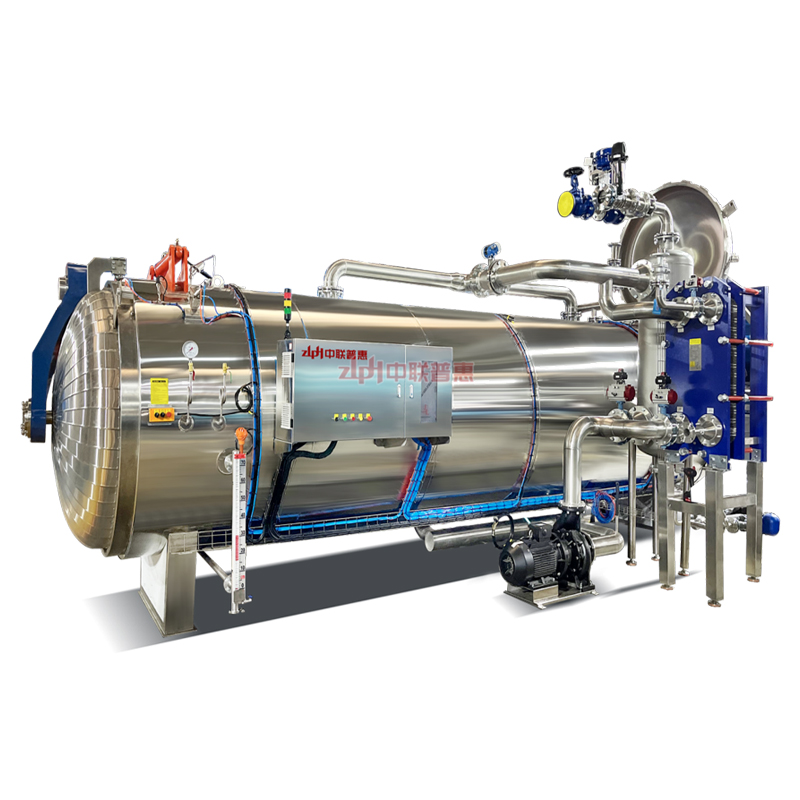
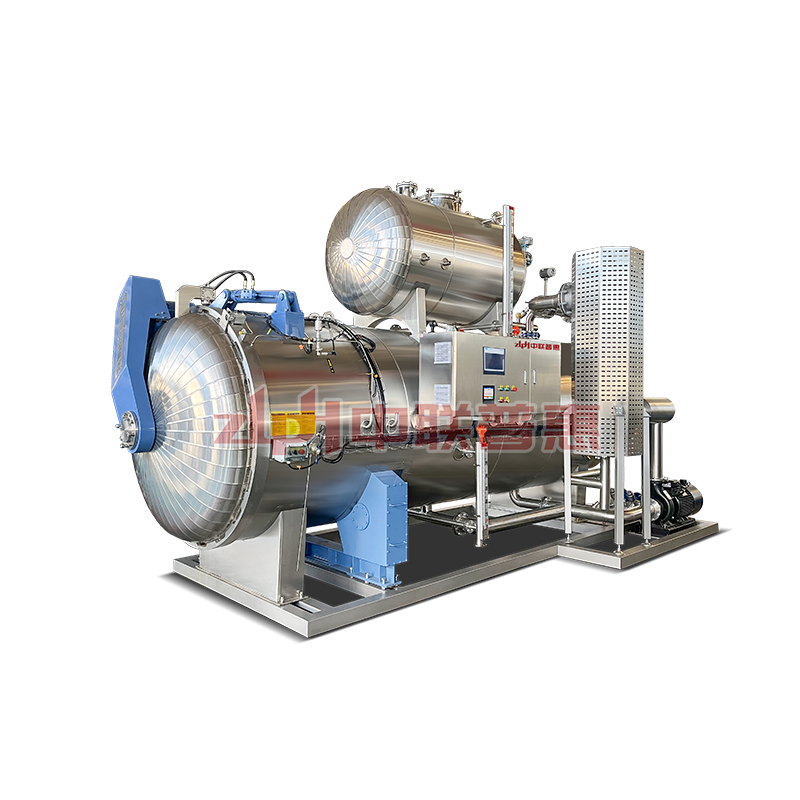
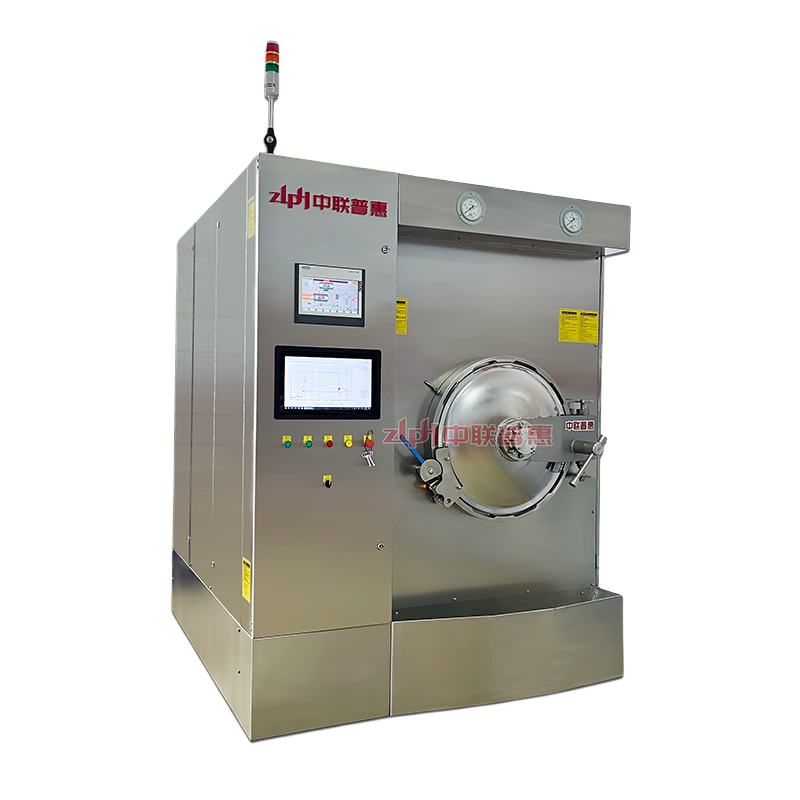
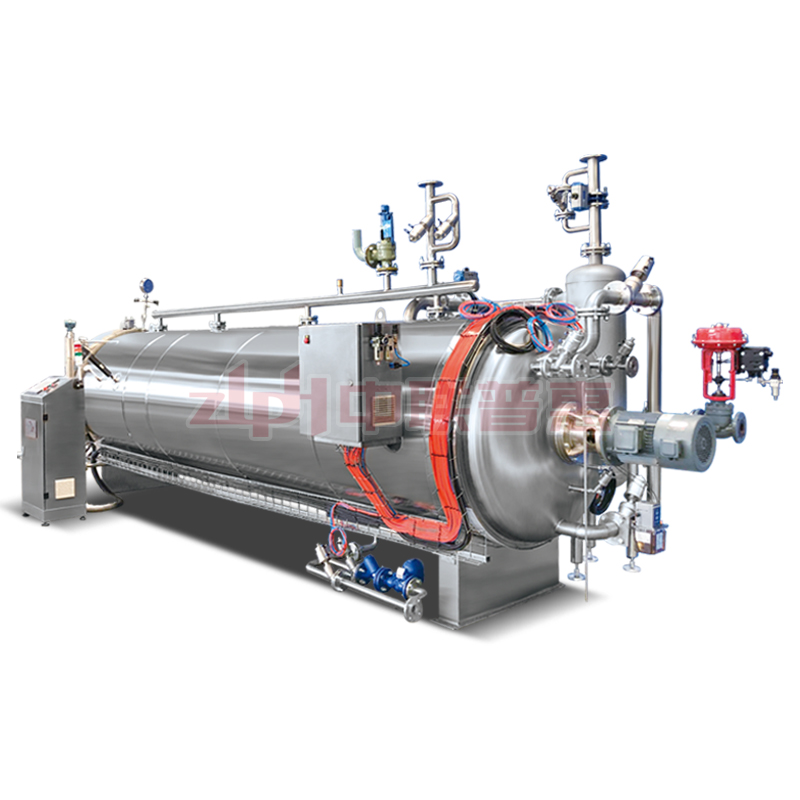
This guide is authored by a senior food processing automation engineer with over 10 years of industry experience from ZLPH MACHINERY TECHNOLOGY CO., LTD., a leading provider of intelligent sterilization solutions. It addresses a critical challenge faced by global food manufacturers and procurement professionals: selecting reliable, high-performance steam-air retort autoclave manufacturers that ensure product safety, operational efficiency, and regulatory compliance.

Selecting the right steam-air retort autoclave manufacturer has long been a major pain point in the food processing industry, primarily due to inconsistent sterilization performance, lack of automation integration, and insufficient after-sales support. Based on more than 5,000 global client deployments and extensive field validation across diverse food categories—from canned meats to pet food bowls—ZLPH has developed a proven, actionable framework to help you identify manufacturers capable of delivering stable, efficient, and scalable sterilization systems. In this guide, we break down real-world scenarios, root causes of common failures, step-by-step selection criteria, and validated best practices to ensure your sterilization line operates safely, consistently, and profitably.

How to Evaluate a Steam-Air Retort Manufacturer’s Technical Capability and Reliability?
1. Scenario & Pain Point
Many food producers encounter inconsistent sterilization results—such as under-processing or over-cooking—leading to product recalls, shelf-life reduction, or texture degradation. These issues often stem not from the process itself, but from selecting manufacturers lacking deep sterilization engineering expertise or robust quality control systems.

2. Root Cause Analysis
Key failure factors include: (1) absence of in-house sterilization process R&D teams, resulting in generic designs unsuited for specific food matrices; (2) reliance on outsourced components without integrated system validation; and (3) inadequate real-time monitoring of temperature and pressure uniformity during cycles.

3. Step-by-Step Solution
- Verify the manufacturer employs dedicated sterilization process engineers (e.g., ZLPH has 4 experienced researchers focused solely on thermal processing validation).
- Confirm they design and manufacture core components in-house, including control systems and chamber structures.
- Require proof of thermal mapping validation reports showing ±0.5°C temperature uniformity across the retort basket.
4. Pitfall Avoidance Guide
Avoid vendors who offer “one-size-fits-all” retorts without customization for product type (e.g., low-acid vs. high-acid foods). Always request third-party validation data or pilot test results under your specific conditions before procurement.
5. Real-World Validation
ZLPH’s steam-air retorts have achieved 99.98% batch consistency across 200+ global installations, with zero thermal deviation incidents reported in the past three years, thanks to integrated PLC-controlled water spray systems and real-time pressure compensation.
How to Ensure Long-Term Operational Efficiency and Automation Integration?
1. Scenario & Pain Point
Manual loading/unloading of retort trays causes bottlenecks, labor injuries, and cycle time variability—especially in high-volume facilities producing pet food or ready meals.
2. Root Cause Analysis
Traditional retort systems lack seamless integration with upstream/downstream automation, forcing manual intervention. This disrupts line balance and increases contamination risk.
3. Step-by-Step Solution
- Prioritize manufacturers offering fully automated tray loader/unloader systems synchronized with retort cycles.
- Ensure compatibility with your existing conveyor or robotic systems via standard industrial protocols (e.g., Modbus TCP, Profinet).
- Validate cycle time reduction claims through on-site demos or video case studies.
4. Pitfall Avoidance Guide
Do not assume “automation-ready” means plug-and-play. Request a full integration feasibility assessment before purchase.
5. Real-World Validation
At Petfair Asia 2023, ZLPH demonstrated an automated bowl sterilization line that reduced manual handling by 90% and increased throughput by 35%, attracting strong interest from international pet food brands.
What Certifications and Global Support Should a Reliable Manufacturer Offer?
1. Scenario & Pain Point
Export-oriented food processors face shipment rejections due to non-compliant equipment lacking CE, FDA, or local market certifications.
2. Root Cause Analysis
Many low-cost suppliers skip rigorous compliance testing, assuming “similar design” suffices—a dangerous misconception.
3. Step-by-Step Solution
- Confirm the manufacturer holds ISO 9001 certification and provides CE-marked equipment with full technical documentation.
- Verify availability of localized after-sales engineers (ZLPH deploys 14 field service engineers globally).
- Ensure remote diagnostics and software update capabilities for rapid troubleshooting.
4. Pitfall Avoidance Guide
Never accept “CE self-declaration” without notified body involvement for pressure equipment.
5. Real-World Validation
ZLPH’s retorts are CE-certified and have successfully cleared customs in EU, Russia, Southeast Asia, and South America without compliance delays.
Industry Best Practices: 5-Step Manufacturer Evaluation Framework
Based on 10+ years of global project execution, we recommend this 5-step framework to evaluate any steam-air retort supplier:
1. Define Your Product & Process Requirements
Specify food type, packaging format, F₀ target, and throughput needs.
2. Audit Technical Depth
Confirm in-house R&D, sterilization expertise, and thermal validation capability.
3. Validate Automation & Integration
Test compatibility with your production line and assess loader/unloader efficiency.
4. Verify Compliance & Certifications
Demand full documentation for target markets (CE, FDA, GOST, etc.).
5. Assess After-Sales Infrastructure
Ensure 24/7 support, spare parts availability, and on-site service within 72 hours.
Frequently Asked Questions (FAQ)
Q: Can a standard retort handle both metal cans and plastic bowls?
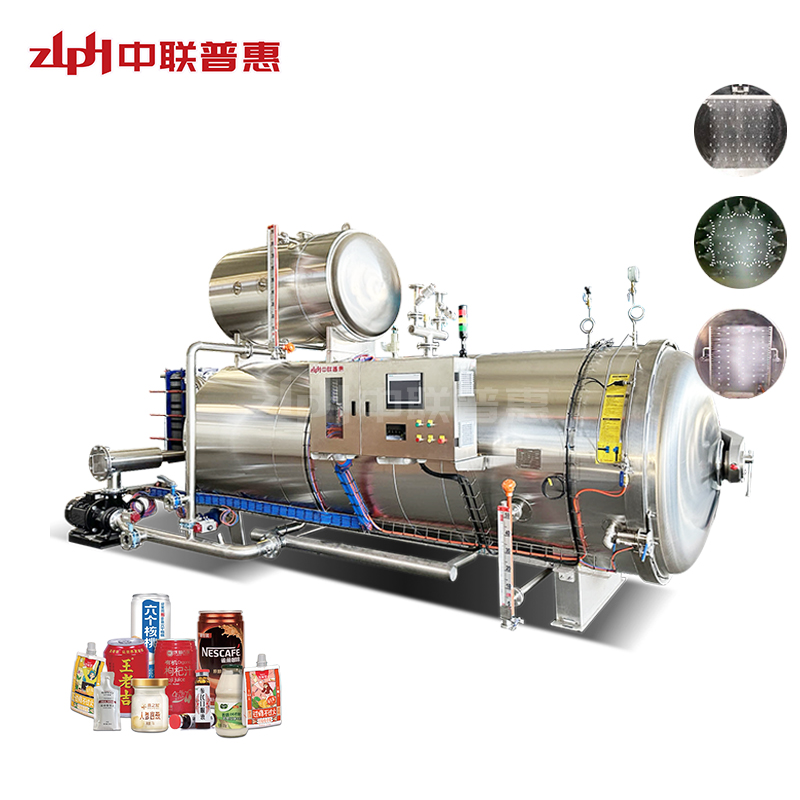
A: Only if specifically engineered for multi-format use. ZLPH’s water spray retorts feature adjustable nozzle arrays and basket designs validated for both formats.
Q: How critical is real-time temperature monitoring?
A: Essential. Without it, you cannot prove lethality compliance. ZLPH systems log every cycle with ±0.1°C accuracy and cloud backup.
Q: What’s the typical lead time for a custom retort line?
A: 90–120 days for fully automated systems, including factory acceptance testing (FAT).
Q: Do you provide thermal process validation support?
A: Yes—our sterilization engineers assist with F₀ calculation, thermal mapping, and regulatory documentation.
About Our Expertise
ZLPH MACHINERY TECHNOLOGY CO., LTD. is a trusted global provider of intelligent sterilization systems since 2018. We operate a 50-acre modern facility with 15,000㎡ of production space, housing advanced CNC machining centers and dedicated assembly lines for retorts. Our team includes 21 mechanical and PLC engineers, 4 sterilization process specialists, and 14 after-sales engineers—all with 10+ years of industry experience. Our solutions are deployed in over 30 countries, serving clients in meat, seafood, dairy, and pet food sectors, with notable presence at AGROPRODASH 2023 (Russia) and Petfair Asia 2023.
Custom Solution Support
We offer tailored services including:
- On-site process assessment and thermal validation
- Custom retort chamber and automation design
- Free pilot testing with your product samples
- Remote commissioning and operator training
Contact our technical team for a no-obligation consultation—we respond within 24 hours.
Contact Information
Company: ZLPH MACHINERY TECHNOLOGY CO., LTD.
Website: https://www.zlphretort.com/
Email: sales@zlphretort.com
Phone / WhatsApp: +86 15666798389 / +86 13361554016
