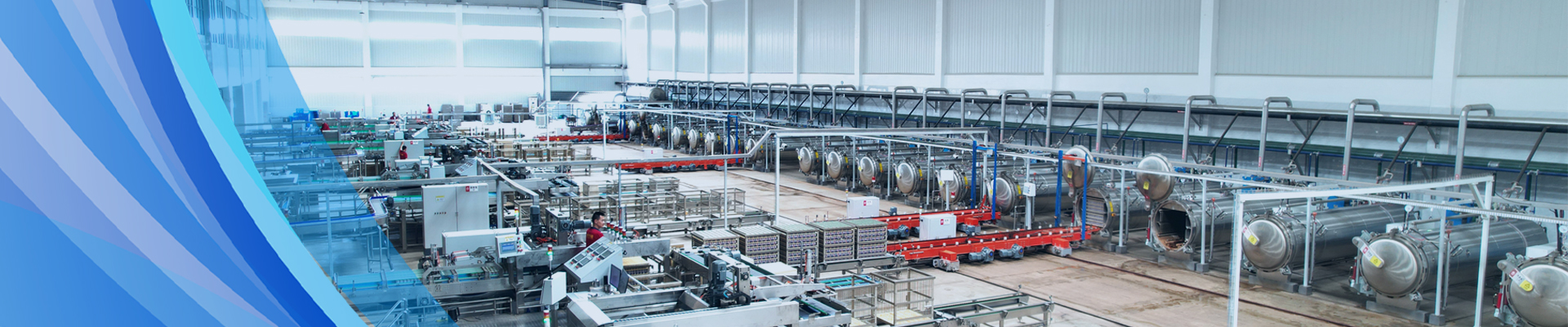

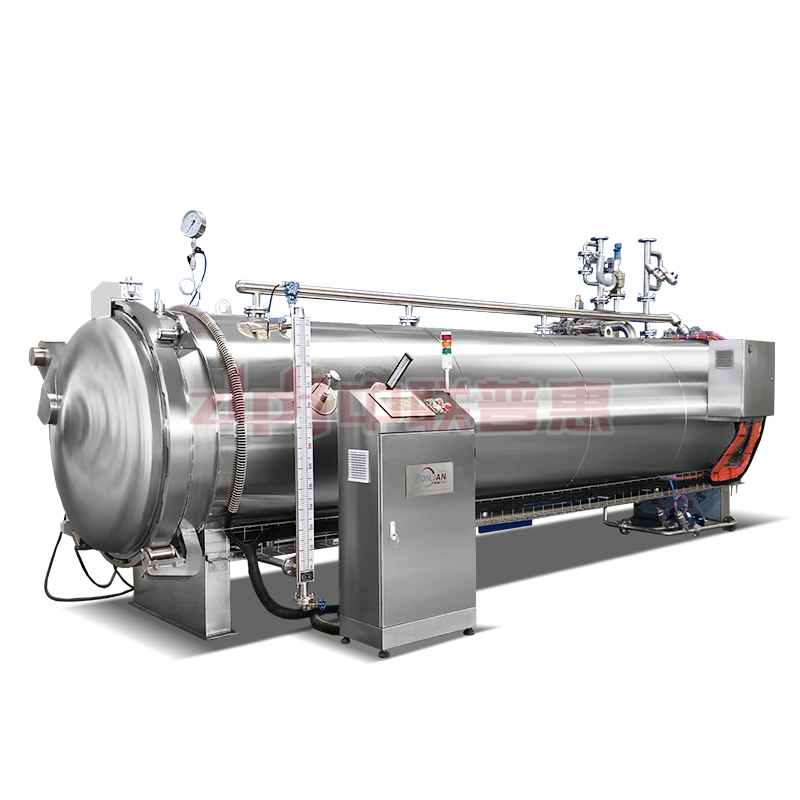
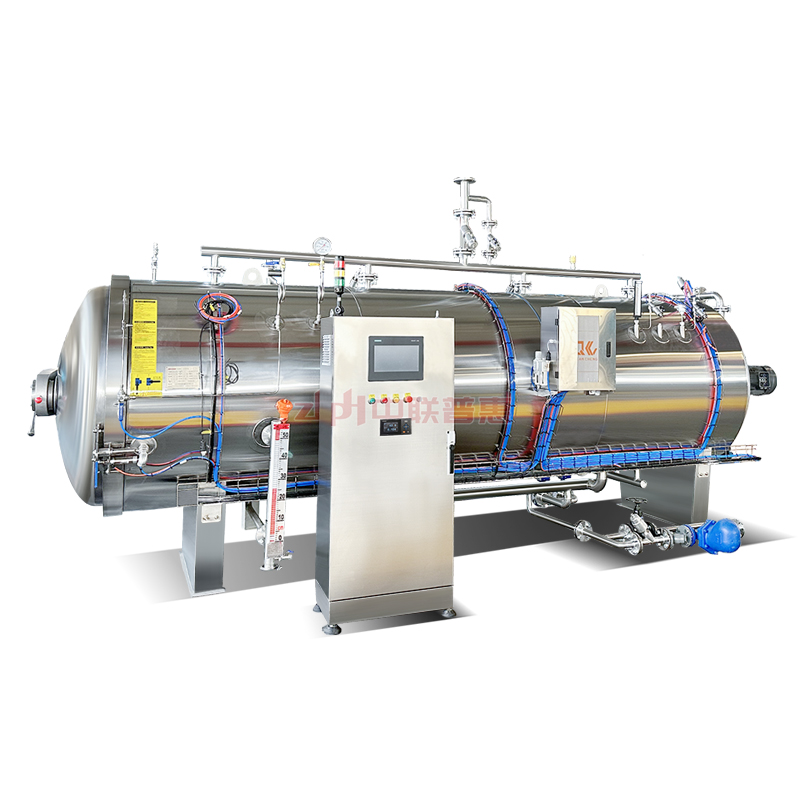
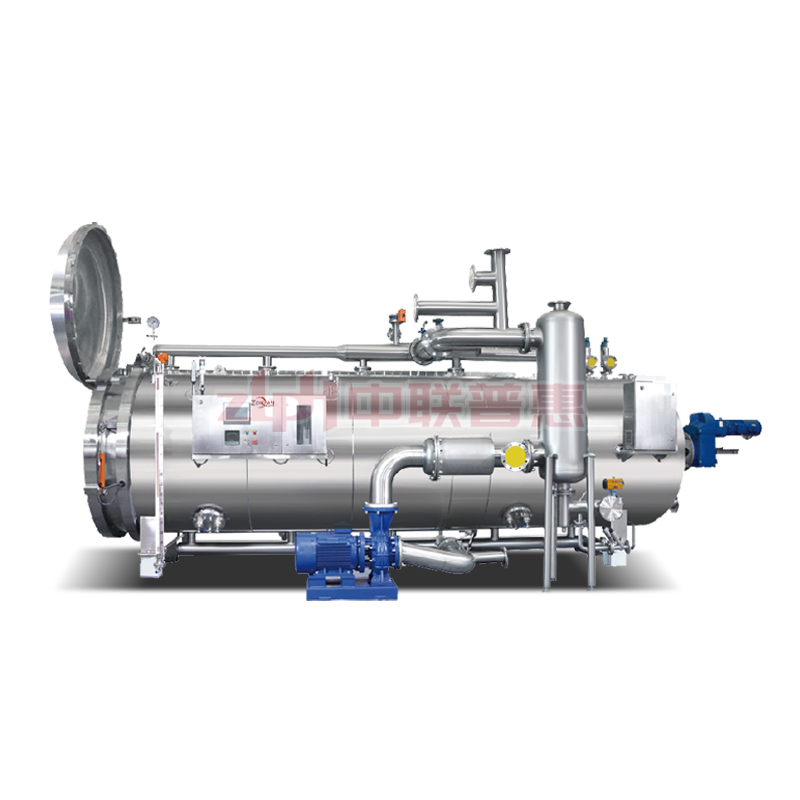
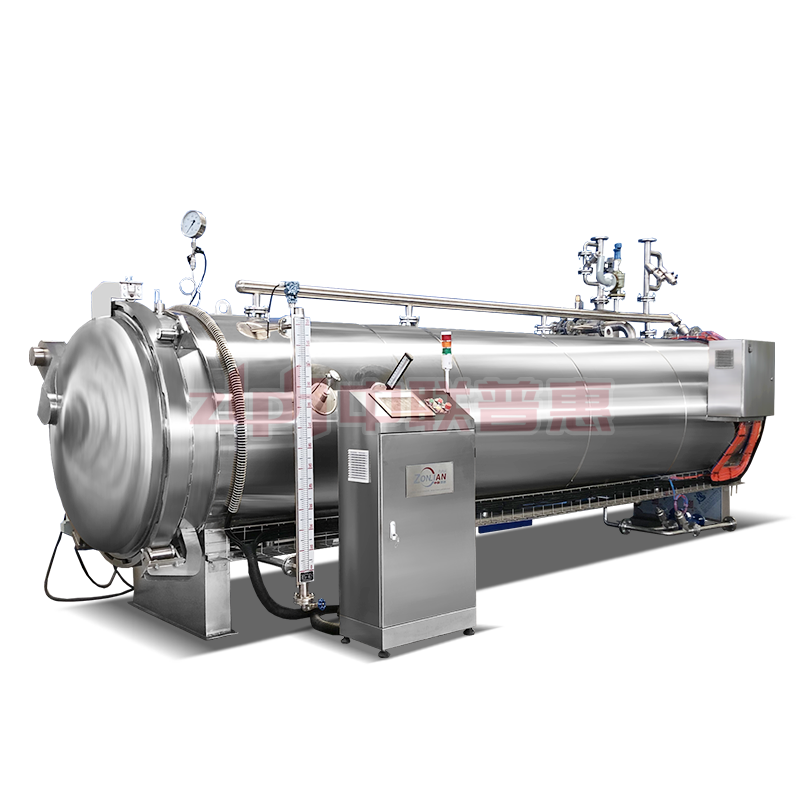
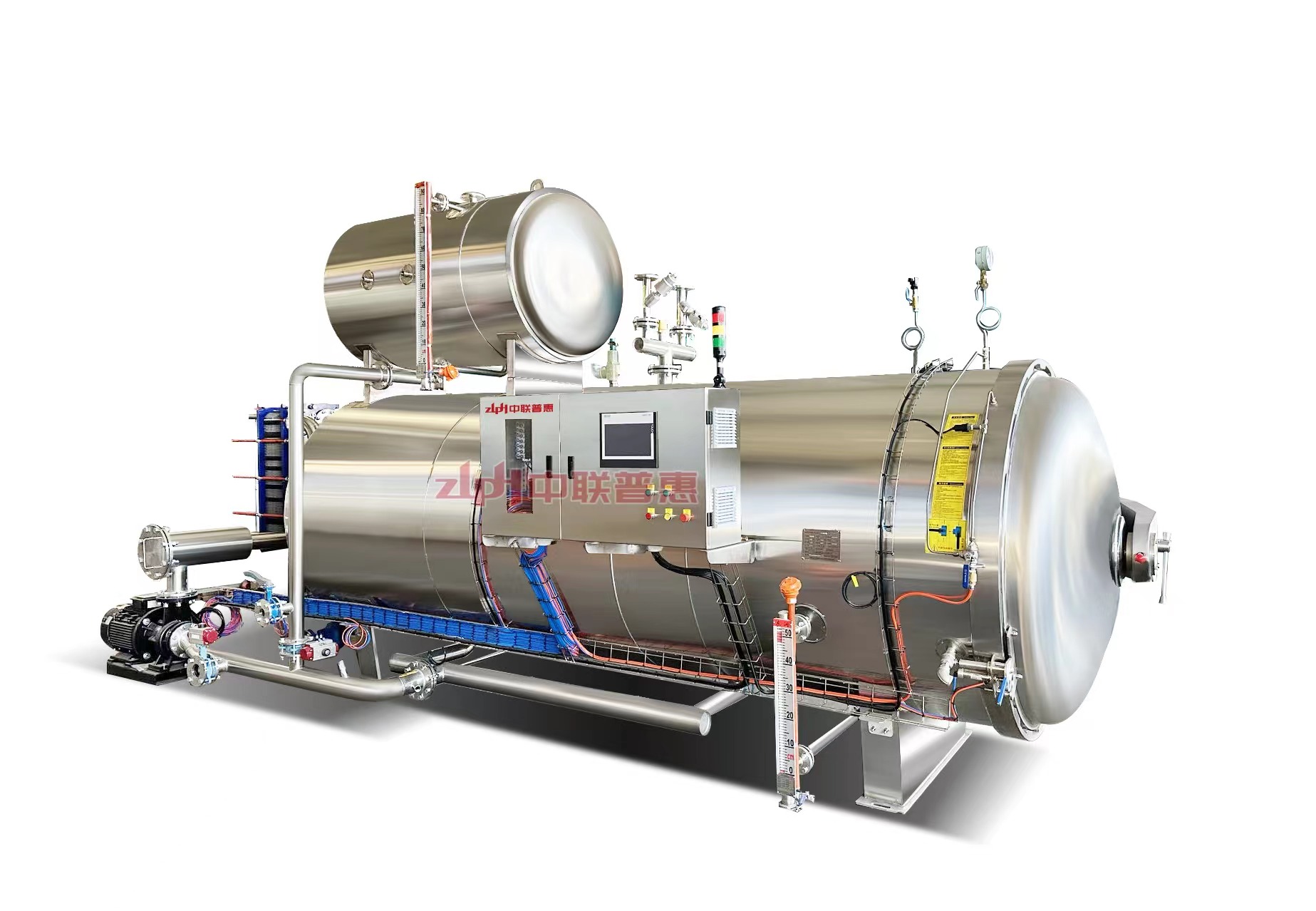
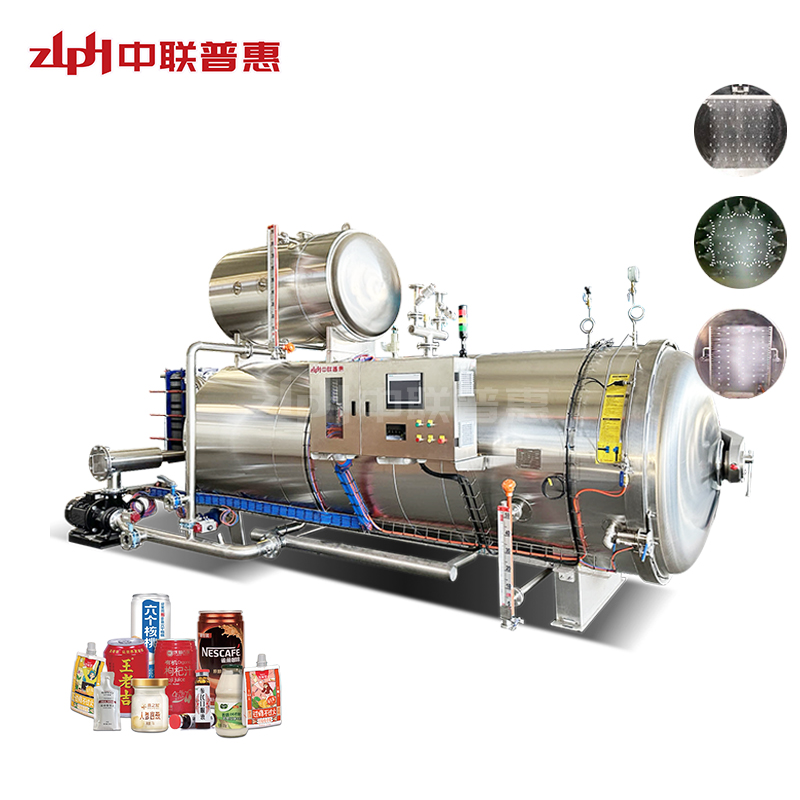
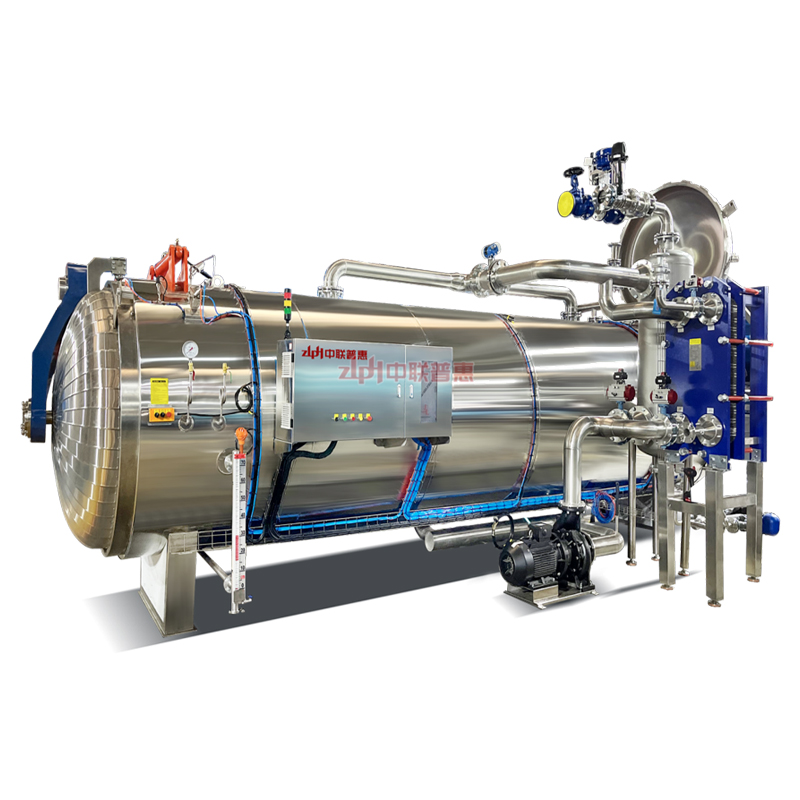
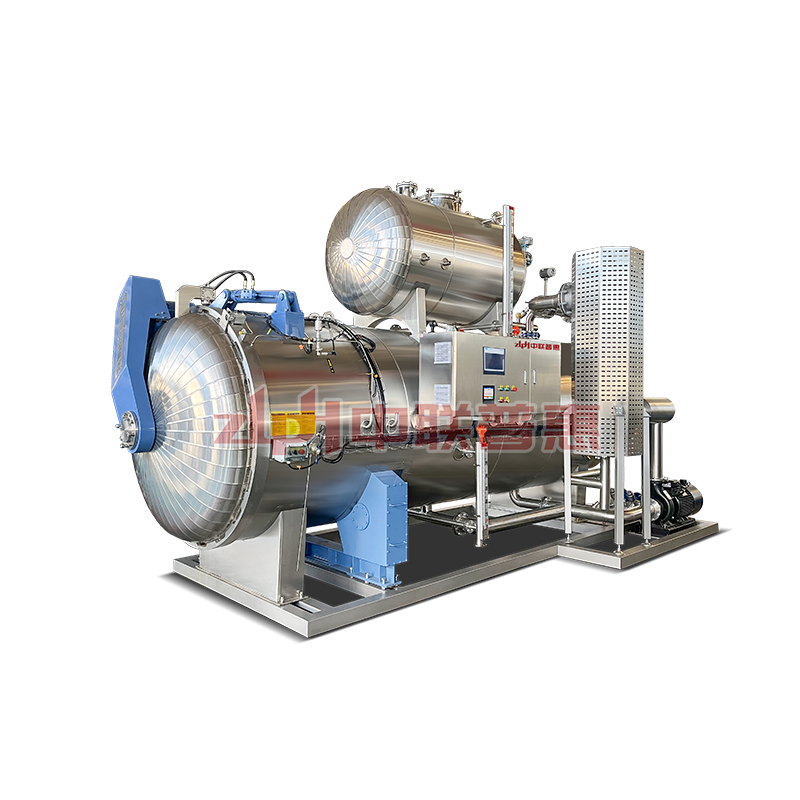
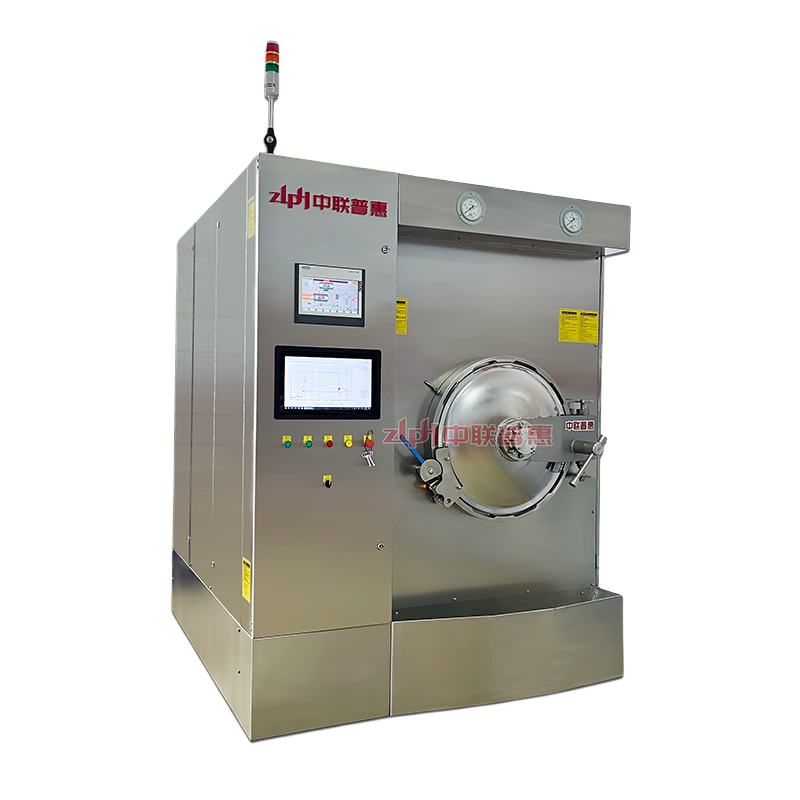
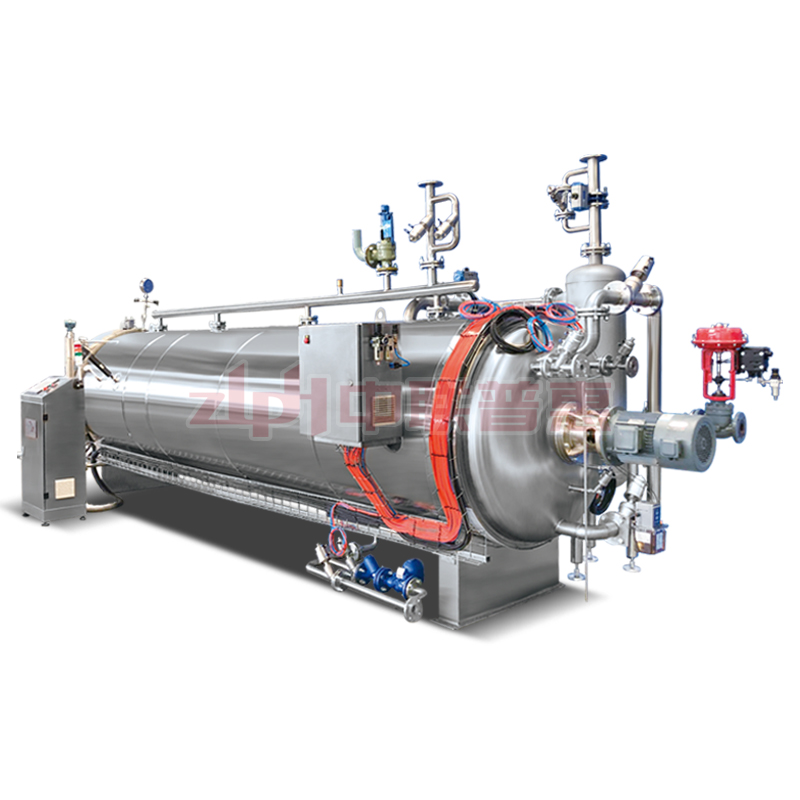
This guide is authored by a senior food processing engineer with over 10 years of experience at ZLPH MACHINERY TECHNOLOGY CO., LTD., a globally recognized provider of advanced sterilization solutions. It addresses a critical challenge faced by food producers, pet food manufacturers, and industrial procurement teams worldwide: identifying trustworthy retort autoclave manufacturers capable of delivering consistent, compliant, and efficient sterilization systems. Inconsistent sterilization, equipment downtime, and non-compliance with international safety standards are persistent pain points—often stemming from inadequate thermal uniformity, poor pressure control, or lack of automation integration. Drawing on more than 5,000 global installations and rigorous field validation across diverse food categories—from canned meats to pet food in bowls—this guide delivers a proven, step-by-step framework to evaluate, select, and implement the right retort autoclave system. You’ll learn how to avoid common pitfalls, verify technical capabilities, ensure regulatory compliance, and partner with a manufacturer that guarantees both product safety and operational efficiency.

How do I identify a reliable retort autoclave manufacturer for high-volume food production?
1. Scenario & Pain Point
Food processing facilities often struggle with batch inconsistencies, extended cycle times, and frequent maintenance issues when using substandard retort systems. These problems lead to product recalls, wasted energy, and failure to meet FDA, EU, or EAC sterilization standards—especially when scaling from pilot to commercial production.

2. Root Cause Analysis
The core issues typically arise from: (1) inadequate thermal distribution due to poor spray nozzle design; (2) lack of real-time temperature/pressure monitoring, causing under- or over-processing; and (3) insufficient material quality (e.g., non-ASME-certified vessels), risking safety and longevity.
3. Step-by-Step Solution
Immediate Assessment: Request thermal mapping reports from the manufacturer to validate uniform heat distribution across all basket positions.
Long-Term Selection: Prioritize manufacturers with ASME certification, CE/EAC compliance, and intelligent control systems featuring real-time data logging and remote diagnostics.
Integration Check: Ensure compatibility with existing conveyor lines and automation systems (e.g., tray loader/unloader interfaces).
4. Pitfall Avoidance Guide
Avoid vendors who cannot provide third-party validation of F₀ (sterilization value) consistency. Never accept “standard” designs without customization for your product type (liquid vs. solid vs. semi-solid). Always conduct a live demonstration with your actual product matrix.
5. Verified Results
ZLPH’s intelligent top-opening water spray retort systems have demonstrated ±0.5°C thermal uniformity across 1,200+ global installations, reducing cycle time by 18% while maintaining full compliance with international food safety protocols.
What certifications should a retort autoclave manufacturer hold for global market access?
1. Scenario & Pain Point
Export-oriented food brands frequently face shipment rejections or customs delays due to non-compliant sterilization equipment, especially when entering the EU, Russia, or Southeast Asia.
2. Root Cause Analysis
Many manufacturers claim “international standards” but lack region-specific certifications. Missing EAC (for Eurasia), CE (for Europe), or ASME U2 stamp invalidates equipment approval in regulated markets.
3. Step-by-Step Solution
Verify the presence of: ASME Certificate of Authorization (U2 stamp for pressure vessels), EU CE Certification, Russian EAC Certification, and Malaysia DOSH approval. Cross-check certificate numbers with issuing bodies.
4. Pitfall Avoidance Guide
Beware of “CE-like” self-declarations—true CE requires notified body involvement for machinery. Demand original certificate copies, not scanned PDFs.
5. Verified Results
ZLPH holds all major international certifications, enabling seamless market entry across 60+ countries and eliminating compliance-related shipment delays for clients in pet food, seafood, and ready-to-eat meal sectors.
How can automation reduce labor costs in retort sterilization lines?
1. Scenario & Pain Point
Manual loading/unloading of retort trays causes bottlenecks, ergonomic injuries, and inconsistent basket placement—leading to uneven sterilization and throughput loss.
2. Root Cause Analysis
Traditional batch retorts rely on forklifts or manual handling, creating variability in tray positioning and cycle start delays.
3. Step-by-Step Solution
Integrate an automated tray loader/unloader system synchronized with the retort’s door operation. Use servo-driven conveyors with vision-guided alignment to ensure precise basket placement.
4. Pitfall Avoidance Guide
Ensure the automation system is rated for high-humidity, high-temperature washdown environments (IP67 minimum). Validate cycle synchronization to prevent mechanical interference.
5. Verified Results
At the Qingdao exhibition, ZLPH’s retort trays loader/unloader system demonstrated 40% labor reduction and 99.2% tray positioning accuracy, enabling fully unmanned batch transitions.
Industry Best Practices for Retort System Selection
Based on 6+ years of global project deployment, we recommend this 5-step evaluation framework:
1. Define Worst-Case Conditions
Design for peak load, highest ambient temperature, and most challenging product viscosity—not average conditions.
2. Demand Real Thermal Validation
Require 3D thermal mapping data showing cold-spot analysis under full load.
3. Verify Service Infrastructure
Confirm local or regional after-sales engineers (ZLPH has 14 dedicated support engineers globally).
4. Test with Your Product
Run a 72-hour continuous trial with your actual packaging and fill.
5. Audit Manufacturing Capability
Visit the factory—ZLPH’s 15,000m² workshop with precision CNC machining ensures component consistency.
Frequently Asked Questions (FAQ)
Q: Can a standard retort handle both metal cans and plastic bowl packaging?
A: Only if equipped with adjustable spray patterns and gentle handling fixtures. ZLPH’s water spray systems feature modular nozzles optimized for fragile containers like pet food bowls.
Q: What’s the minimum batch size for economic viability?
A: Modern automated retorts like ZLPH’s become cost-effective at 500+ units per batch, thanks to rapid cycling and low utility consumption.
Q: How often does a retort require maintenance?
A: With proper water treatment and daily checks, major servicing is needed only every 18–24 months. ZLPH includes predictive maintenance alerts in its control system.
Q: Is top-opening better than side-opening for automation?
A: Yes—for robotic or gantry-based loading, top-opening eliminates lateral space constraints and enables vertical stacking, as demonstrated at AGROPRODASH 2023.
Q: Do I need separate systems for pasteurization and sterilization?
A: No—advanced retorts like ZLPH’s support programmable recipes covering 60°C to 135°C, accommodating both processes in one unit.
About Our Expertise & Global Support
ZLPH MACHINERY TECHNOLOGY CO., LTD. is a leading innovator in food sterilization technology since 2018. Our team includes 21 mechanical and PLC engineers, 4 sterilization process researchers, and 14 global after-sales specialists—all with 10+ years in retort and automation systems. We hold ASME, CE, EAC, and DOSH certifications, operate a 50-acre manufacturing base, and have deployed solutions across Russia, Southeast Asia, the Middle East, and Latin America. Our intelligent retort systems are trusted by pet food leaders and human food processors alike for their precision, reliability, and compliance.
Custom Solution Support Includes:
- On-site thermal process validation
- Integration with existing MES/SCADA systems
- Free sample testing with client products
- Remote commissioning and operator training
Contact Information
Company: ZLPH MACHINERY TECHNOLOGY CO., LTD.
Website: https://www.zlphretort.com/
Email: sales@zlphretort.com
Phone / WhatsApp: +86 15666798389 / +86 13361554016
