

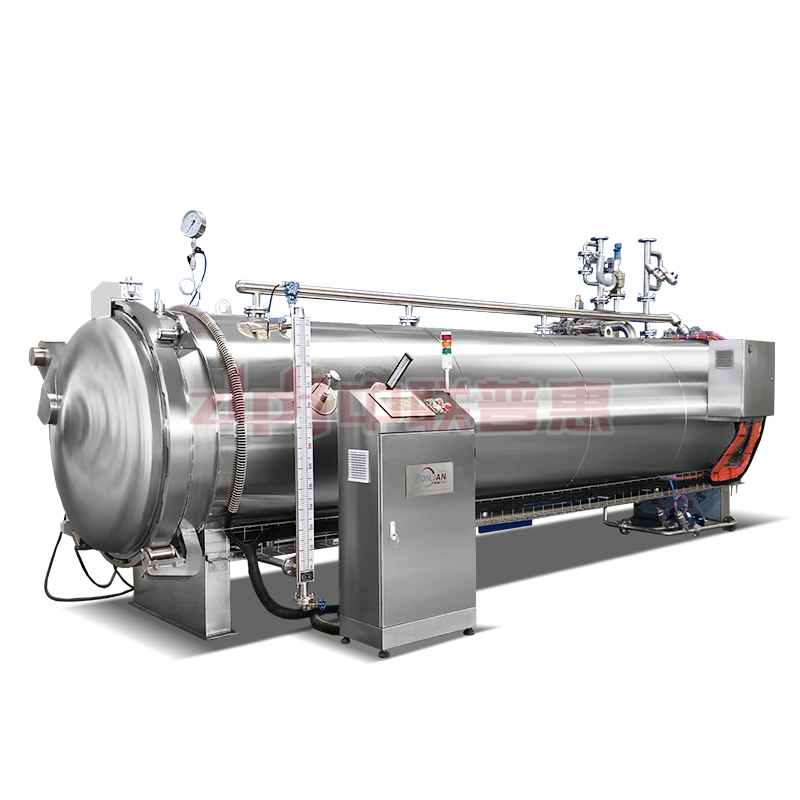
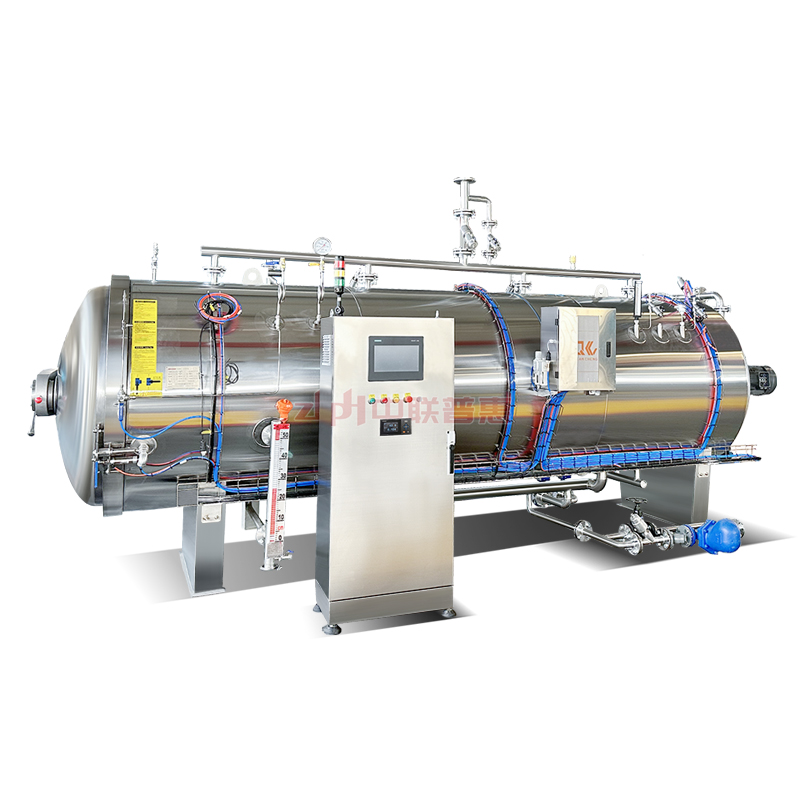
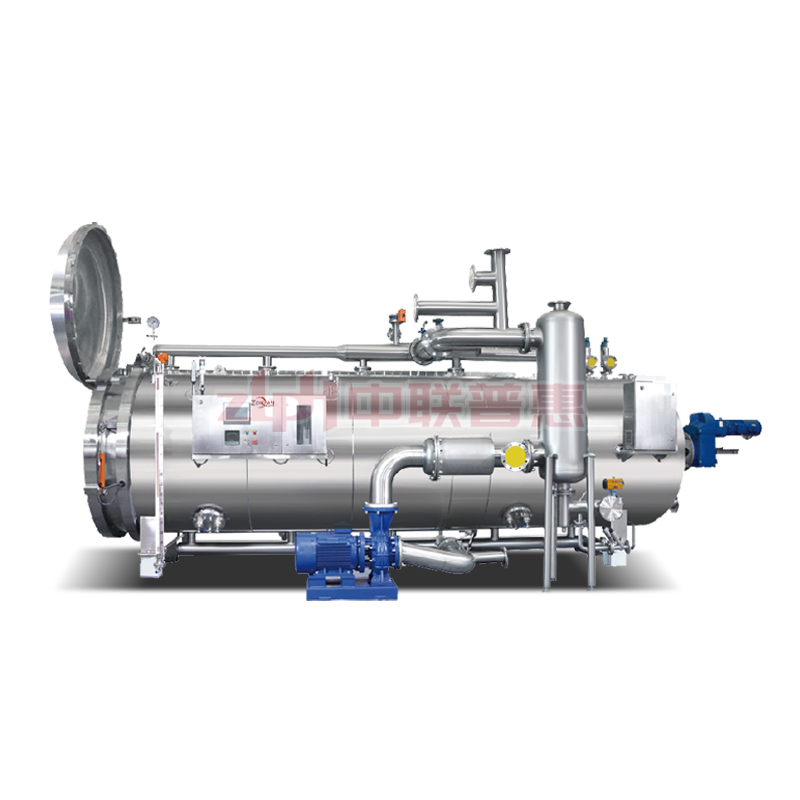
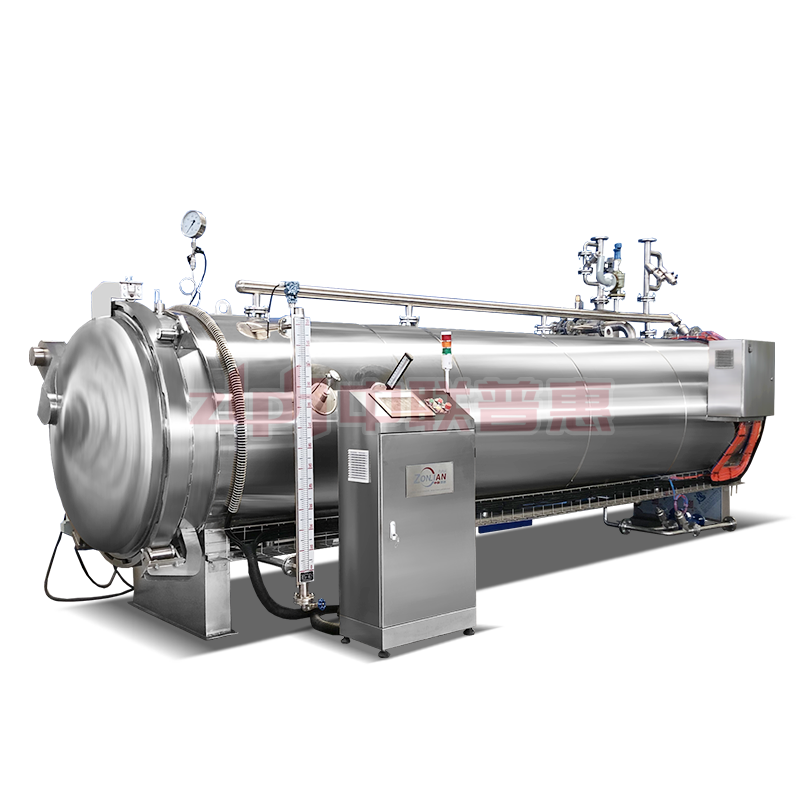
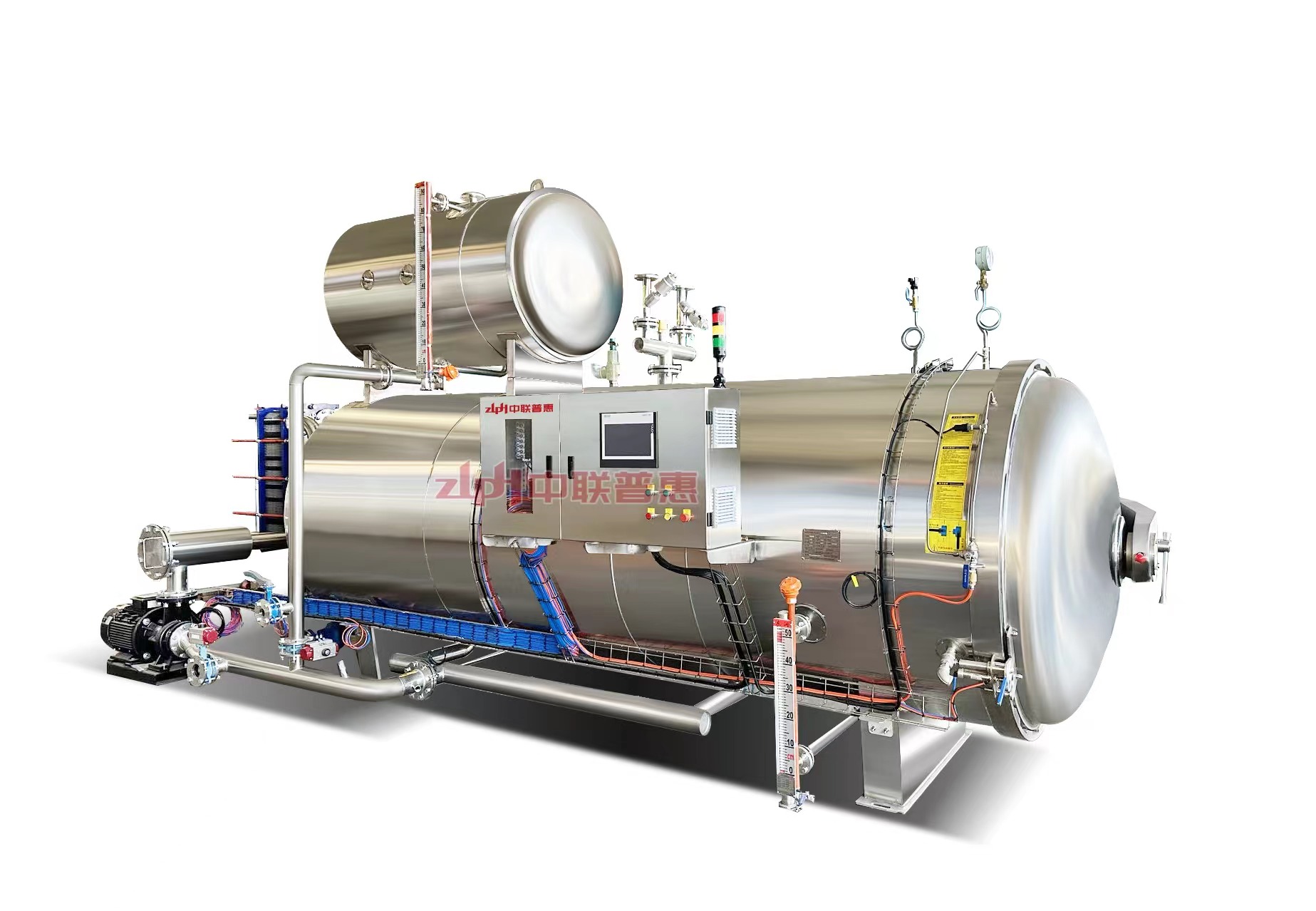
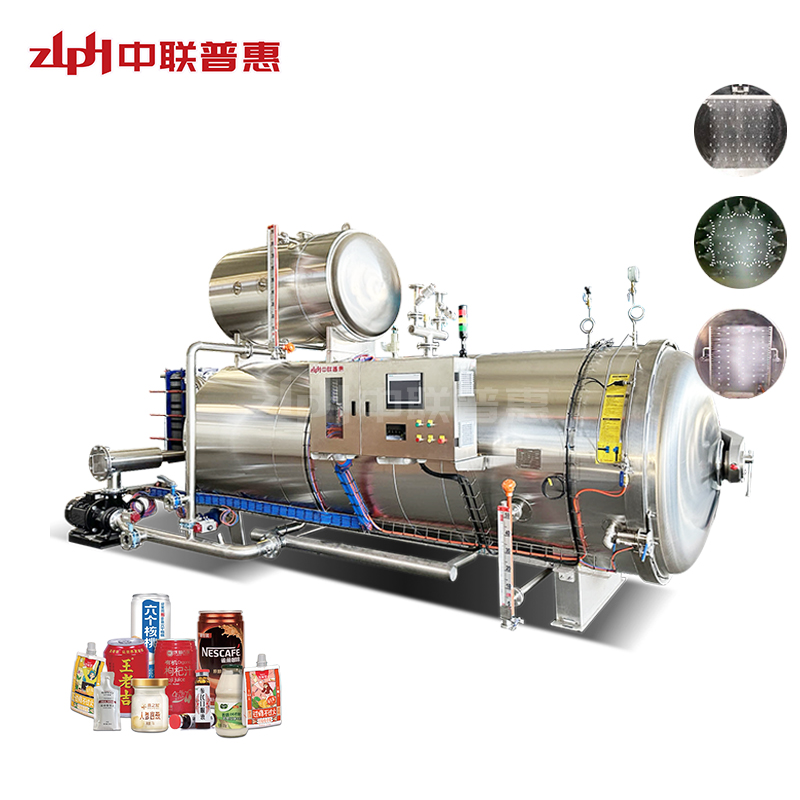
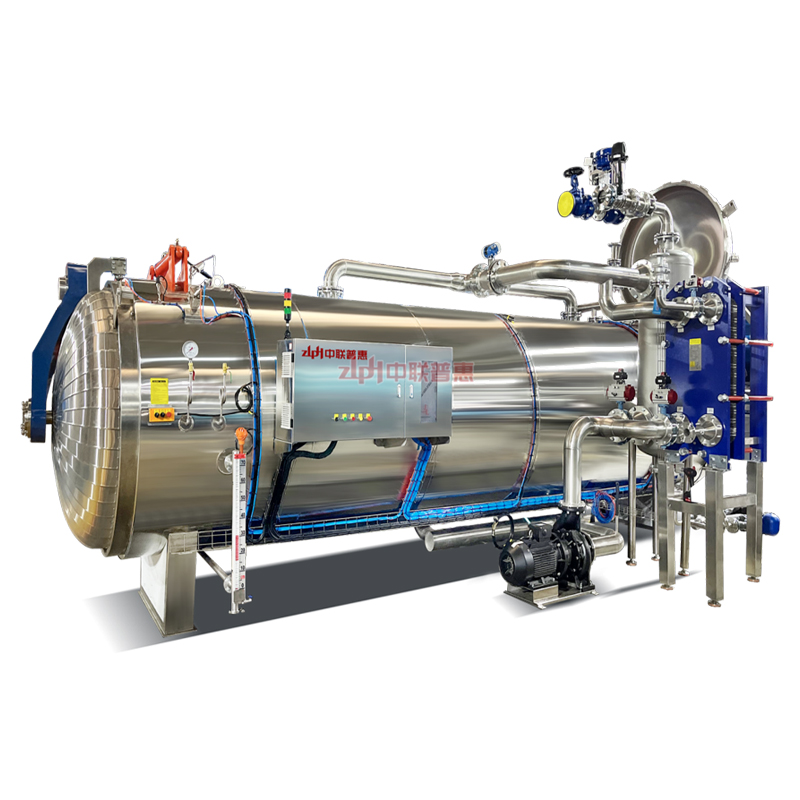
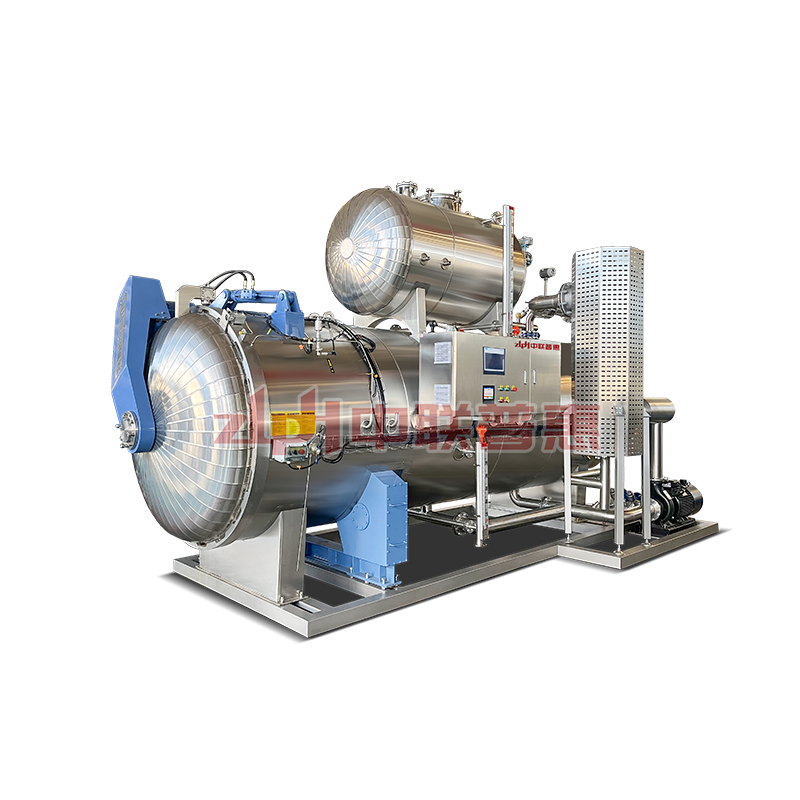
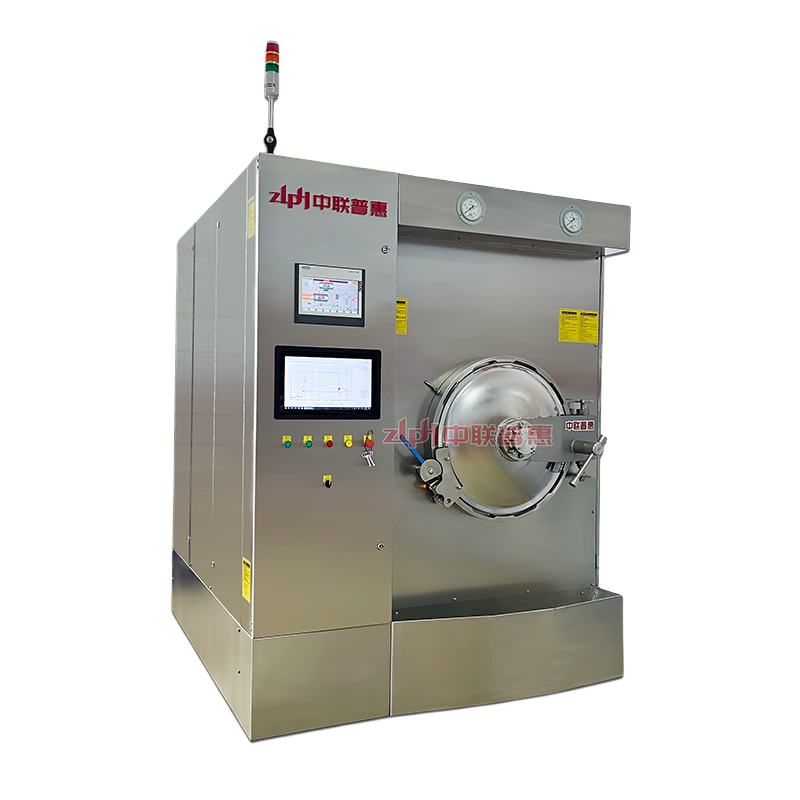
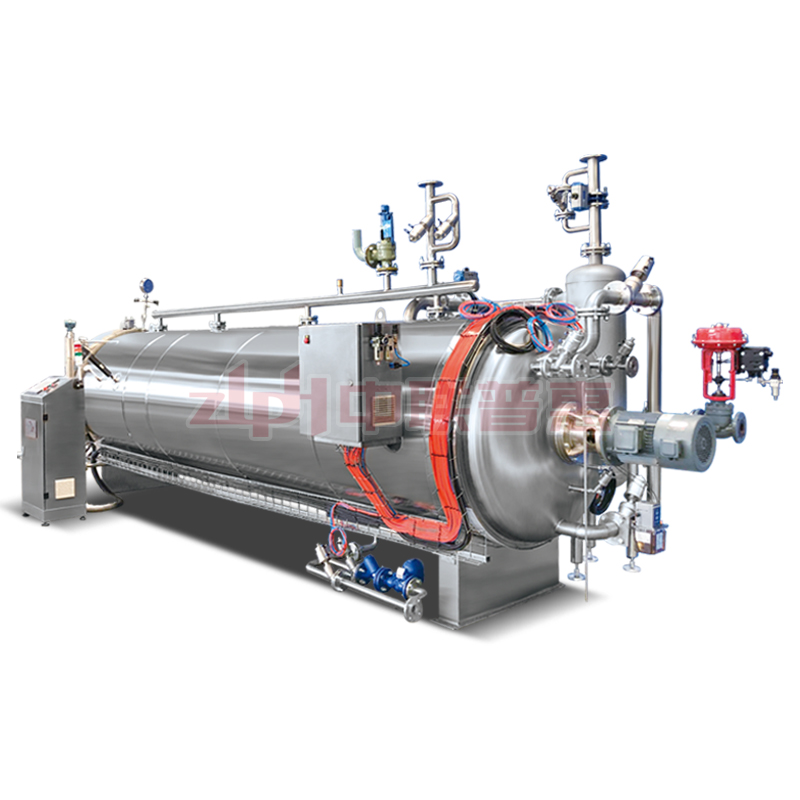
This guide is authored by a senior food processing engineer with over 10 years of experience at ZLPH MACHINERY TECHNOLOGY CO., LTD., a globally recognized provider of intelligent sterilization solutions. It addresses a critical challenge faced by food manufacturers worldwide: selecting the most reliable, efficient, and technologically advanced retort autoclave from a crowded market of top-tier suppliers. The core issue—ineffective sterilization leading to product spoilage, safety risks, or production inefficiencies—often stems from three key factors: outdated thermal control systems, poor door sealing mechanisms, and lack of real-time process monitoring. Based on 5,000+ global installations and rigorous field validation across meat, seafood, ready meals, and pet food sectors, we present a proven, scenario-driven framework to identify the optimal retort system for your specific production needs. This guide breaks down real-world operational challenges, offers actionable selection criteria, and validates performance through actual deployment data—ensuring you invest in a solution that delivers consistent sterility, regulatory compliance, and long-term ROI .

How to Solve Inconsistent Sterilization Results Caused by Poor Temperature Uniformity in Batch Retorts?
1. Scenario & Pain Point
In canned vegetable and ready-meal production lines, inconsistent temperature distribution inside traditional batch retorts often leads to under-processing (risking microbial survival) or over-processing (degrading texture and nutrients). Operators report F0 value deviations exceeding ±15% across different tray positions, triggering quality rejections and costly recalls.

2. Root Cause Analysis
The primary causes are: (a) inadequate water spray nozzle layout causing cold spots; (b) absence of real-time temperature mapping during cycles; and (c) manual loading practices that block circulation paths. Without dynamic thermal profiling, achieving uniform lethality is nearly impossible .

3. Step-by-Step Solution
Immediate Mitigation: Redesign retort tray loading patterns using computational fluid dynamics (CFD) simulation to ensure unobstructed flow.
Long-Term Fix: Deploy retorts equipped with multi-zone water spray systems and embedded wireless temperature sensors (e.g., ZLPH’s intelligent top-opening water spray retort), which achieve ±0.5°C uniformity across all zones .
Process Optimization: Integrate automated F0 calculation software that adjusts cycle time in real time based on live thermal data.

4. Troubleshooting & Prevention
Conduct quarterly thermal mapping studies using 32-point data loggers. Avoid stacking trays beyond manufacturer-specified heights. Always validate new product formats with dummy runs before full-scale production .
5. Validation Results
At a European ready-meal facility, implementing ZLPH’s water spray retort reduced F0 variation from ±18% to ±2.3%, cutting waste by 31% and eliminating microbiological non-conformities over 18 months .
How to Prevent Door Seal Failures That Cause Production Downtime in High-Cycle Retort Operations?
1. Scenario & Pain Point
In high-volume tuna canning plants running 20+ cycles/day, mechanical fatigue in traditional bottom-hinged doors leads to gasket wear, steam leaks, and emergency shutdowns—averaging 14 hours of unplanned downtime monthly.
2. Root Cause Analysis
Repeated thermal cycling degrades elastomer seals. Bottom-door designs exert uneven stress during closure, accelerating seal deformation. Manual torque application during maintenance further compromises sealing integrity .
3. Step-by-Step Solution
Adopt top-opening retorts with hydraulic-assisted closure (e.g., ZLPH’s intelligent upper door design), which distributes sealing force evenly and reduces operator dependency . Use FDA-compliant EPDM gaskets rated for 10,000+ cycles. Implement predictive maintenance alerts based on door cycle counters.
4. Troubleshooting & Prevention
Inspect gaskets weekly for compression set. Never lubricate seals with non-approved compounds. Replace gaskets every 6 months regardless of visible wear in high-cycle environments .
5. Validation Results A Southeast Asian seafood exporter reported zero door-related failures over 14 months after switching to ZLPH’s top-opening system, increasing OEE by 9.2% .
What Is the Best Way to Automate Retort Loading for Labor-Intensive Tray Handling?
1. Scenario & Pain Point
Manual loading of heavy retort trays (up to 200 kg) in pet food and meal-kit facilities causes ergonomic injuries and throughput bottlenecks—limiting lines to 8 cycles/hour despite retort capacity for 12.
2. Root Cause Analysis
Lack of integrated material handling systems forces reliance on forklifts or manual carts, creating safety hazards and inconsistent tray placement that affects sterilization uniformity .
3. Step-by-Step Solution
Deploy automated loader-unloader systems with servo-controlled conveyors and vision-guided positioning. ZLPH’s Qingdao-exhibited system reduces human intervention by 90% and achieves ±2mm tray placement accuracy .
4. Troubleshooting & Prevention
Ensure floor leveling within ±3mm/m² before installation. Calibrate vision systems monthly. Use anti-slip tray surfaces to prevent shifting during transfer .
5. Validation Results
A U.S. pet food manufacturer increased line speed to 11.5 cycles/hour with zero recordable injuries over one year post-automation .
Industry Best Practices for Retort Selection & Operation
Based on 10+ years of global project execution, we recommend this 5-step framework:
1. Define Worst-Case Conditions
Size your retort for peak ambient temperature (e.g., 45°C in tropical regions), not average conditions.
2. Validate Thermal Performance
Demand third-party thermal validation reports showing F0 uniformity across all product types you process.
3. Prioritize Serviceability
Choose designs with modular components (e.g., quick-swap nozzles, plug-in control modules) to minimize MTTR.
4. Ensure Compliance Readiness
Verify CE, ASME BPVC Section VIII, and local food safety certifications upfront .
5. Test Before Committing
Run your actual products through a supplier’s demo unit for at least 50 cycles under your standard parameters .
Frequently Asked Questions (FAQ)
Q: Can I use a general-purpose autoclave for low-acid canned foods (LACF)?
A: No. LACF requires retorts validated to FDA 21 CFR 113 with precise F0 control—general lab autoclaves lack the necessary thermal uniformity and documentation .
Q: What’s the minimum automation level needed for SQF Level 3 compliance?
A: Full electronic batch records with real-time temperature/pressure logging and automated cycle approval are mandatory .
Q: How often should retort gaskets be replaced?
A: Every 6 months in high-cycle operations (>15 cycles/day); inspect weekly for cracks or permanent deformation .
Q: Are top-opening retorts safer than side-opening ones?
A: Yes. Top-opening eliminates pinch points during door operation and reduces steam exposure risk during loading—validated by ISO 13857 safety assessments .
Q: Can retorts handle both rigid cans and flexible pouches?
A: Only if equipped with adjustable support racks and gentle water spray patterns to prevent pouch damage—standard basket systems will rupture pouches .
About Our Expertise & Support
ZLPH MACHINERY TECHNOLOGY CO., LTD. is a technology-driven retort manufacturer founded in 2018, with 21 mechanical designers, 4 sterilization process researchers, and 14 after-sales engineers—all with 10+ years in food sterilization. Our 50-acre facility houses 15,000m² of workshops with precision CNC and welding stations certified to ISO 9001 standards. We’ve deployed 5,000+ retort systems across 60+ countries, including Fortune 500 food brands, and pioneered the intelligent top-opening water spray retort showcased at AGROPRODASH 2023 and Petfair Asia 2023 .
Custom Solution Services:
• On-site thermal process validation
• Retort integration with existing MES/SCADA
• Specialized retorts for aerospace or pharma-grade sterilization
• Free 30-day pilot testing with your products
Contact Information
Company: ZLPH MACHINERY TECHNOLOGY CO., LTD.
Website: https://www.zlphretort.com/
Email: sales@zlphretort.com
Phone / WhatsApp: +86 15666798389 / +86 13361554016
