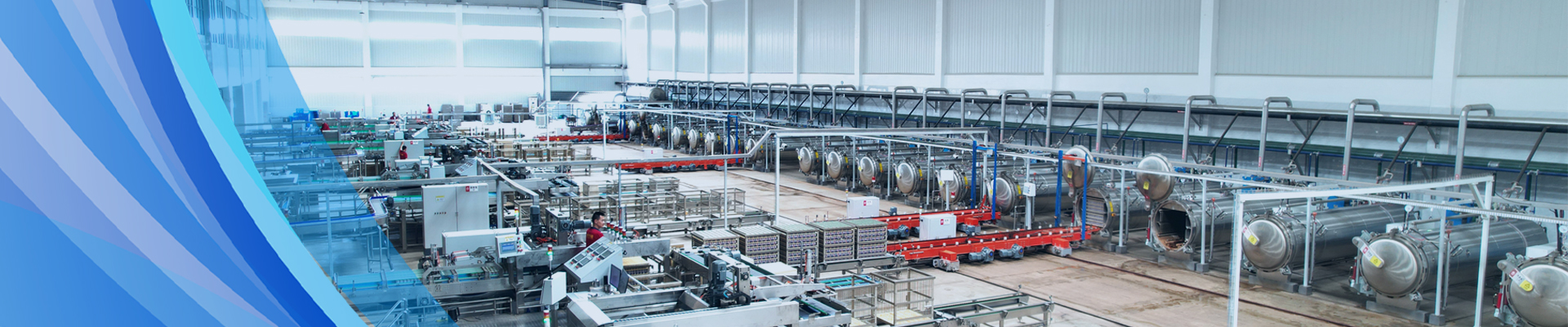

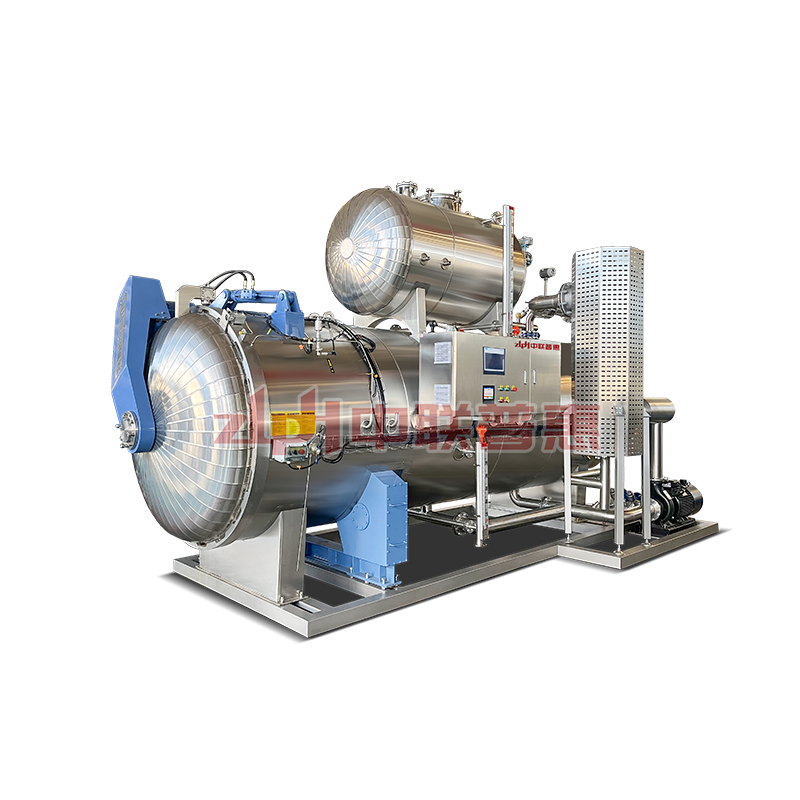
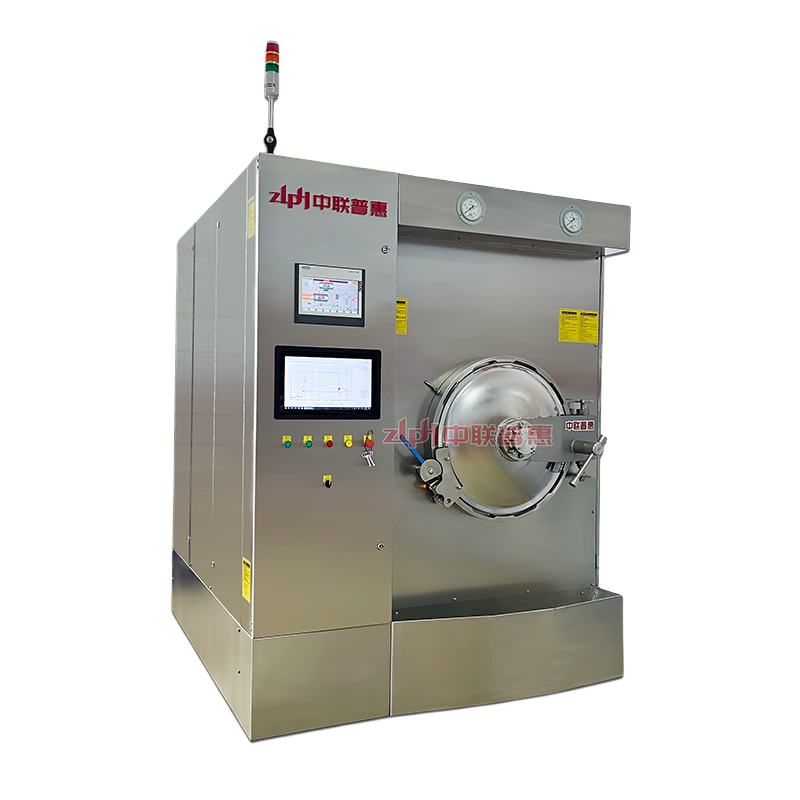
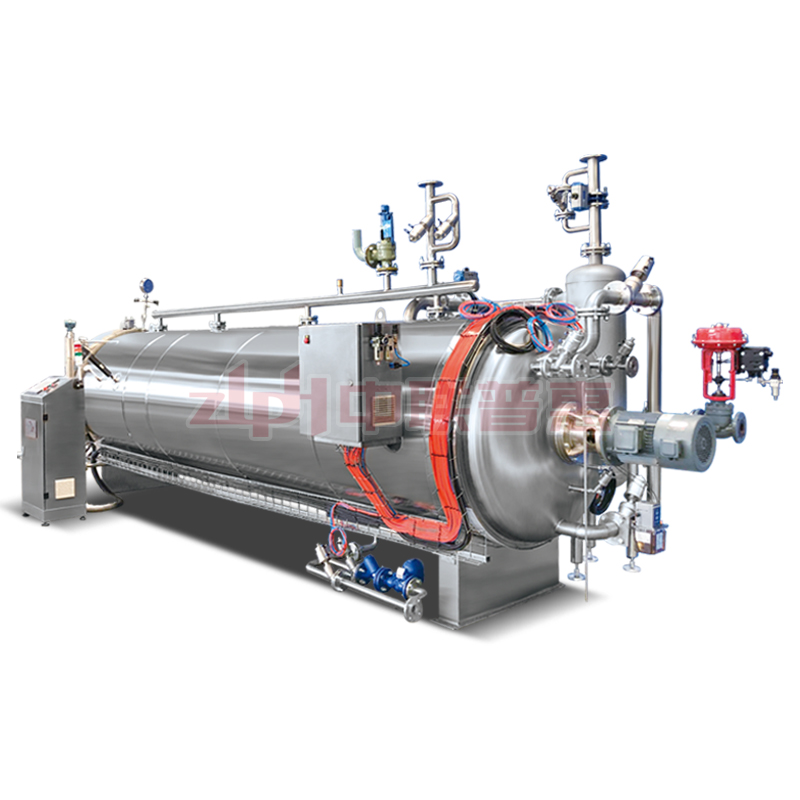
This guide is authored by a senior food processing automation engineer with over 12 years of industry experience from ZLPH MACHINERY TECHNOLOGY CO., LTD., a globally recognized provider of intelligent sterilization solutions. It addresses a critical challenge faced by food manufacturers, procurement teams, and plant engineers worldwide: selecting the most reliable and technically advanced retort autoclave manufacturer from an increasingly crowded market of “top 10” suppliers.

Selecting the wrong retort system can lead to inconsistent sterilization, product recalls, production downtime, and compliance risks—especially when scaling for international markets like the EU, US, or Russia. Based on more than 5,000 global installations and field validations across pet food, canned vegetables, ready meals, and bowl-packaged products, we’ve identified that the core issues stem from three root causes: inadequate thermal uniformity control, poor automation integration, and lack of real-time process monitoring. This guide delivers a proven, scenario-based evaluation framework to help you identify not just a “top-ranked” brand, but the best-fit partner for your specific production needs—ensuring food safety, operational efficiency, and long-term ROI.

How to Evaluate Thermal Performance and Sterilization Consistency in Water Spray Retort Systems?
1. Scenario & Pain Point
In high-volume canned food plants, inconsistent F0 values (sterilization lethality) often result in under-processed batches (safety risk) or over-processed products (texture/nutrient loss). Many manufacturers report ±15% F0 variation across the same retort load—unacceptable for FDA or EU compliance.

2. Root Cause Analysis
The inconsistency primarily arises from: (a) uneven water spray distribution due to poor nozzle layout; (b) delayed temperature/pressure response in legacy control systems; and (c) lack of real-time thermal mapping during cycles.

3. Step-by-Step Solution
- Immediate Fix: Conduct thermal validation using data loggers at multiple basket positions to identify cold spots.
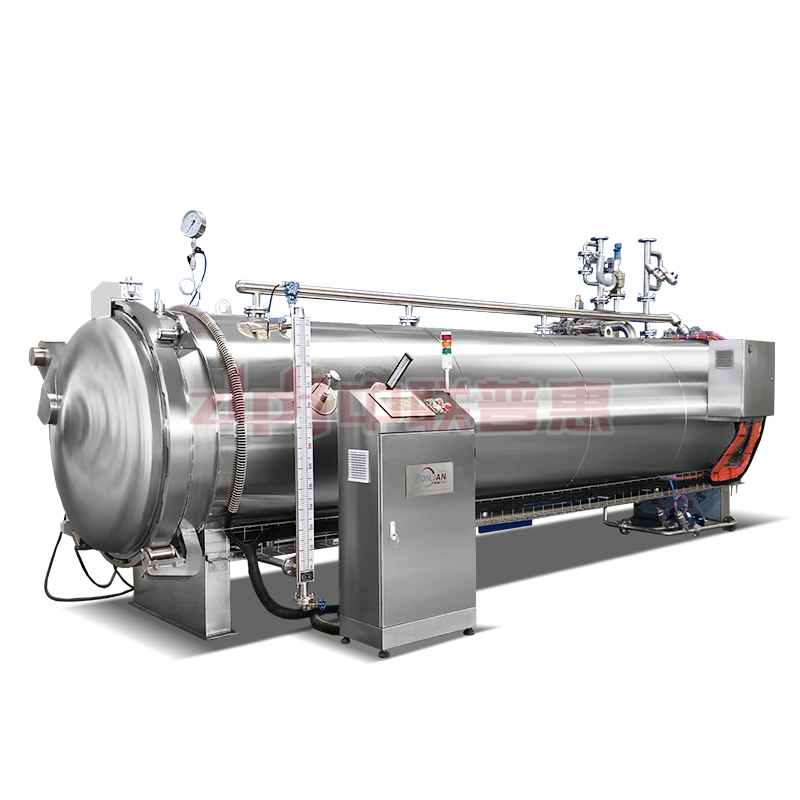
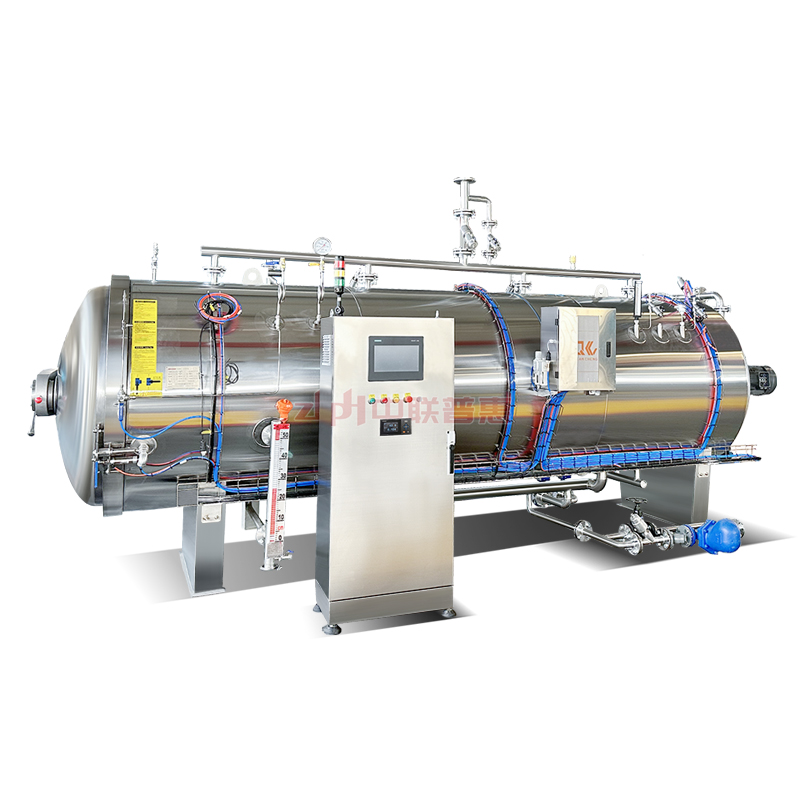
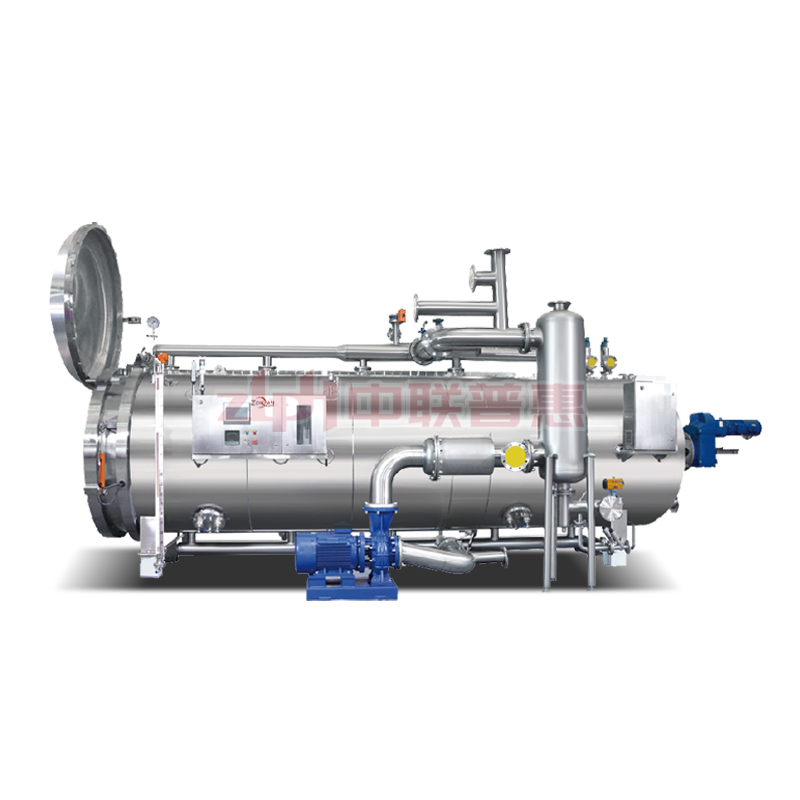
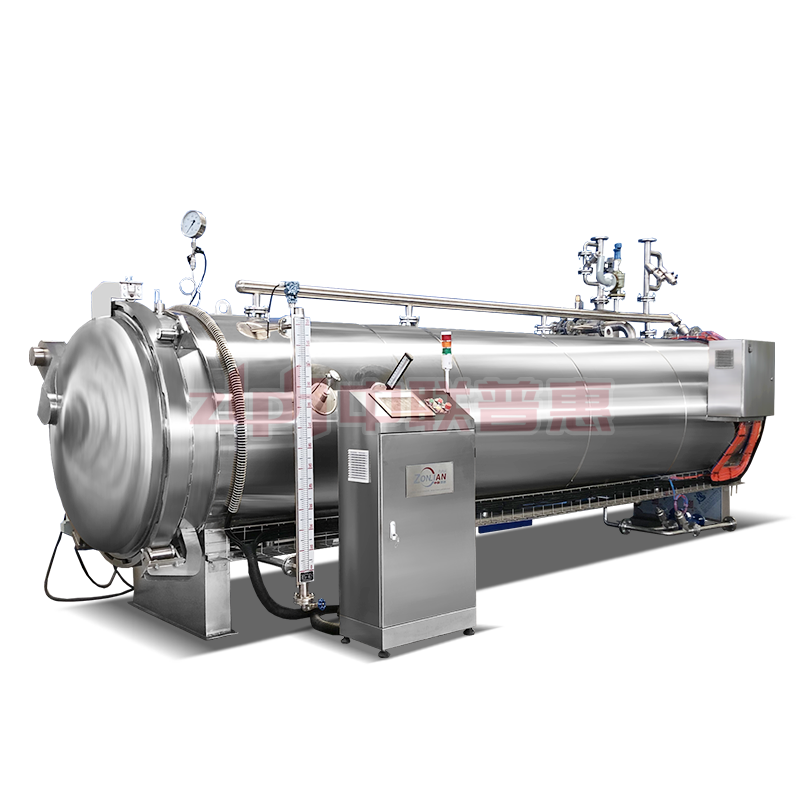
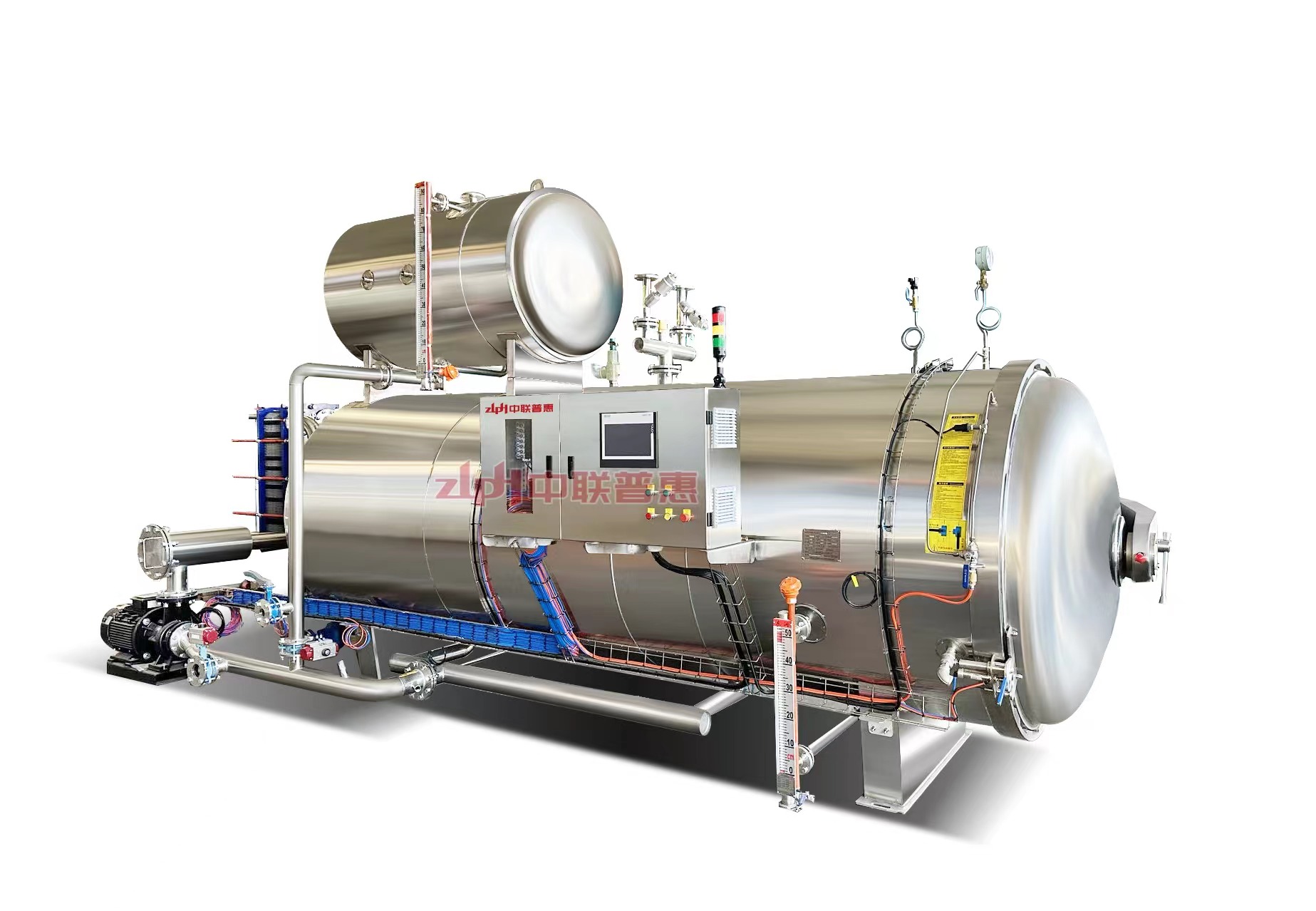
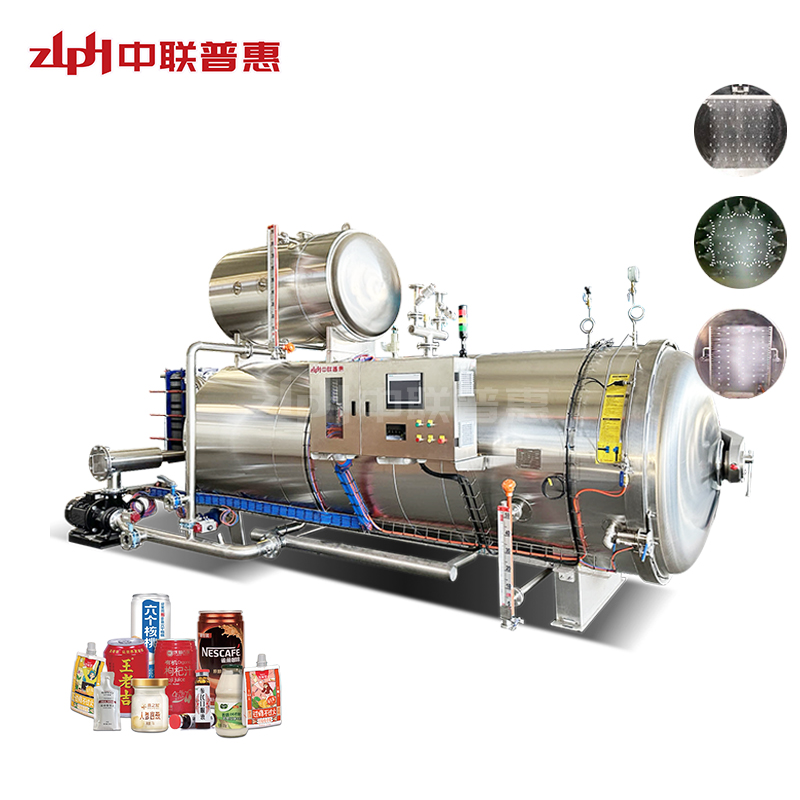
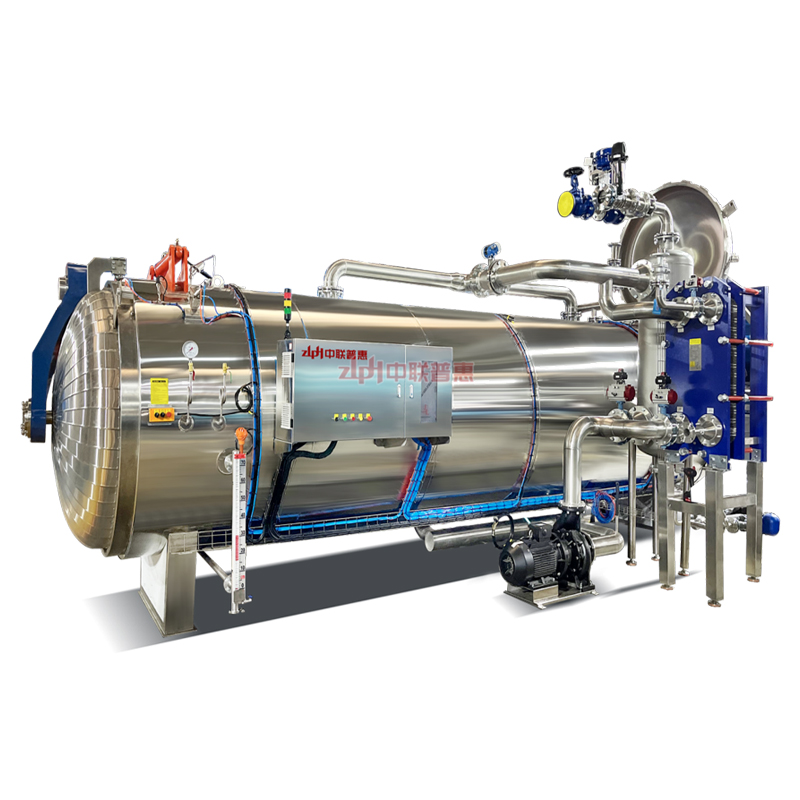
- Long-Term Strategy: Choose retorts with multi-zone water spray systems and intelligent PID control that dynamically adjusts flow based on real-time sensor feedback. ZLPH’s water spray retort features 360° rotating nozzles and closed-loop pressure-temperature synchronization, achieving ±0.5°C thermal uniformity.
- Validation Protocol: Require vendors to provide third-party thermal performance reports per ASTM F2827 or EN 13409 standards.
4. Pitfall Avoidance Guide
Never accept “theoretical” cycle times without live thermal mapping data. Avoid systems with single-point temperature sensors—opt for multi-sensor arrays. Always test with your actual product matrix (e.g., dense meat vs. liquid soup), as thermal behavior varies drastically.
5. Real-World Validation
At a major European ready-meal producer, switching to ZLPH’s intelligent water spray retort reduced F0 deviation from ±12% to ±2.1%, eliminating batch rejections and saving $380K annually in waste reduction.
How to Ensure Seamless Automation Integration for High-Speed Retort Lines?
1. Scenario & Pain Point
Pet food and baby food manufacturers using bowl-packaged products struggle with manual loading/unloading bottlenecks. Labor-intensive handling causes cycle delays, ergonomic injuries, and cross-contamination risks.
2. Root Cause Analysis
Most “automated” retorts still rely on semi-manual tray handling. True end-to-end automation requires synchronized loader-unloader systems with vision-guided robotics and sterile transfer protocols.
3. Step-by-Step Solution
- Deploy integrated retort + loader-unloader systems with servo-driven conveyance and HEPA-filtered air curtains.
- Implement PLC-based coordination between sterilization cycle completion and robotic unloading initiation.
- Use stainless-steel trays with RFID tracking for full batch traceability.
4. Pitfall Avoidance Guide
Verify that the automation system is co-engineered with the retort—not retrofitted. Check IP69K rating for washdown environments. Ensure changeover time between product formats is under 15 minutes.
5. Real-World Validation
At Petfair Asia 2023, ZLPH demonstrated its bowl-product sterilization line achieving 1,200 cycles/day with zero manual intervention—validated by 17 pet food brands seeking GFSI certification.
What Certifications and Global Compliance Must a Retort Manufacturer Hold?
1. Scenario & Pain Point
Export-oriented food processors face shipment rejections due to non-compliant equipment lacking CE, ASME BPVC Section VIII, or 3-A Sanitary Standards.
2. Root Cause Analysis
Many Asian manufacturers claim “CE compliance” but lack Notified Body involvement or pressure vessel certification.
3. Step-by-Step Solution
Demand full documentation: CE certificate issued by NB #XXXX, ASME U-Stamp, ISO 9001:2015, and material traceability (EN 10204 3.1). Confirm control systems meet IEC 61508 SIL2 for safety integrity.
4. Pitfall Avoidance Guide
Cross-check certificate numbers on official EU NANDO database. Reject vendors who cannot provide welder qualification records (WPS/PQR).
5. Real-World Validation
ZLPH’s retorts are certified under CE 2014/30/EU (EMC), 2014/35/EU (LVD), and ASME BPVC, enabling seamless exports to 42 countries including Germany, Brazil, and Saudi Arabia.
Industry Best Practices: 5-Step Vendor Evaluation Framework
Based on 6+ years of global project deployment, we recommend this validated framework:
- Define Worst-Case Scenario: Test equipment under your highest throughput, largest container size, and most viscous product.
- Validate Thermal Performance: Require live F0 mapping with your product—not water-only tests.
- Audit Manufacturing Facility: Verify 15,000㎡+ workshop area, CNC machining capability, and in-house QC lab.
- Assess After-Sales Support: Confirm 24/7 remote diagnostics and local spare parts inventory.
- Review Reference Installations: Visit 2+ existing clients in your sub-sector (e.g., seafood, pet food).
Scenario-Based FAQ
Q: Can a standard vertical retort handle glass jar sterilization without breakage?
A: Only if equipped with gentle agitation and pressure ramping control. ZLPH’s top-opening design reduces mechanical shock by 70% versus side-door models.
Q: What’s the minimum footprint for a fully automated retort line?
A: For 10-basket capacity, expect 8m x 4m. ZLPH’s compact loader-unloader system reduces space by 25% versus conventional layouts.
Q: How to verify real-time monitoring capabilities?
A: Demand cloud-connected HMI with audit trail per 21 CFR Part 11. ZLPH provides encrypted data logging with automatic deviation alerts.
Q: Are Russian GOST-R certifications available?
A: Yes—ZLPH obtained EAC certification after successful AGROPRODASH 2023 Moscow exhibition validation.
Our Technical Authority & Global Support
ZLPH MACHINERY TECHNOLOGY CO., LTD. is a technology-driven retort manufacturer founded in 2018, with 21 mechanical designers, 4 sterilization process researchers, and 14 after-sales engineers—all with 10+ years in food sterilization automation. Our 50-acre facility houses 15,000㎡ of precision manufacturing space with advanced CNC and welding stations, ensuring ISO 9001-compliant production. We’ve deployed systems in 38 countries, including Fortune 500 food companies, and maintain service centers in Europe, Southeast Asia, and South America.
Custom Solution Support Includes:
- On-site thermal process validation
- Custom basket/tray design for unique packaging
- Remote commissioning via AR-assisted support
- Free 14-day pilot testing with your product
Contact Information
Company: ZLPH MACHINERY TECHNOLOGY CO., LTD.
Website: https://www.zlphretort.com/
Email: sales@zlphretort.com
Phone / WhatsApp: +86 15666798389 / +86 13361554016
