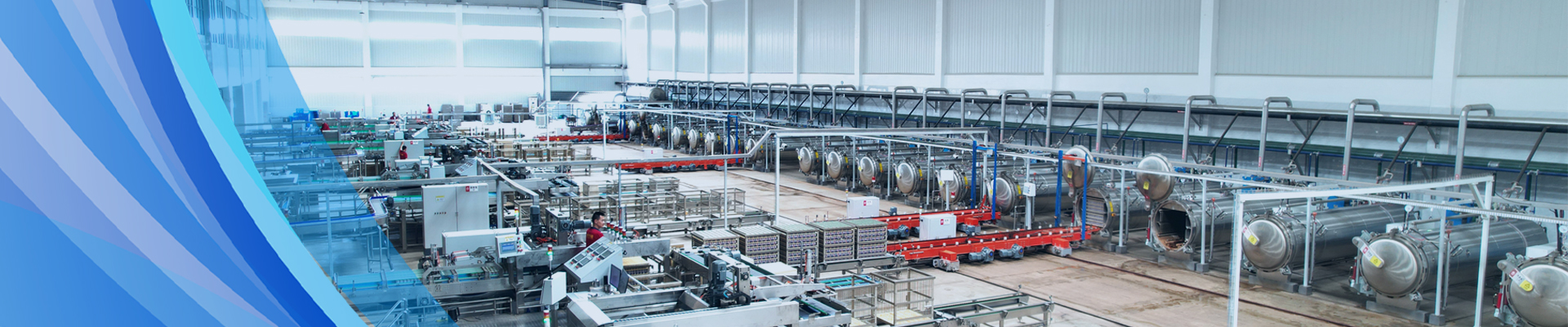

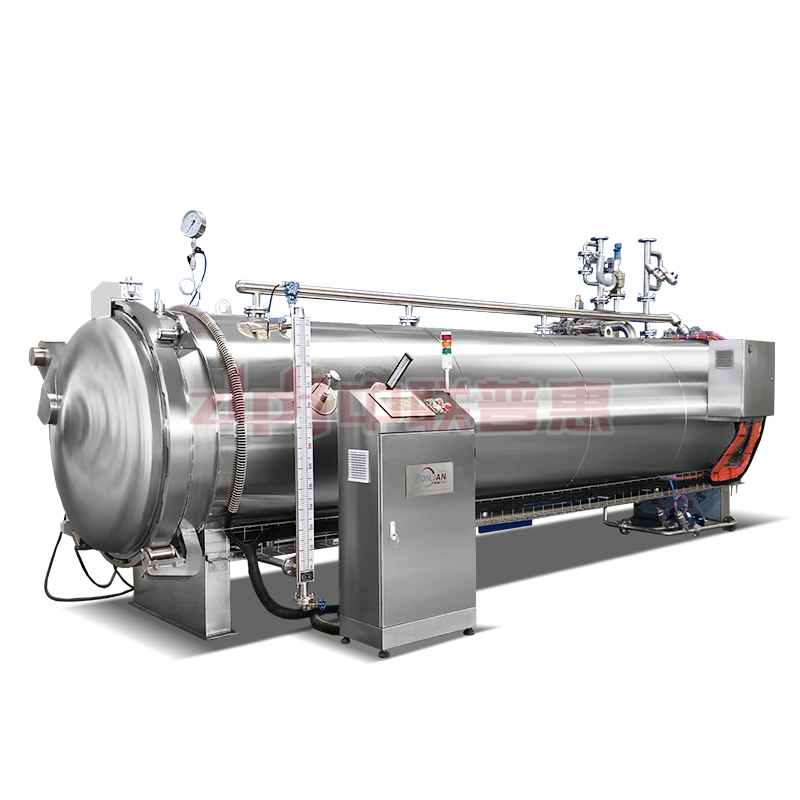
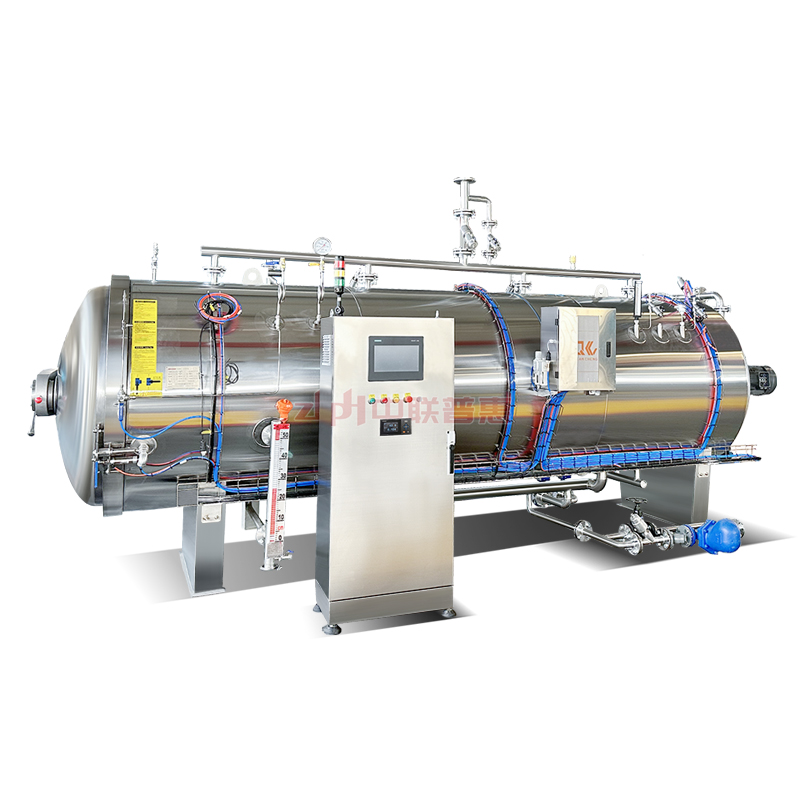
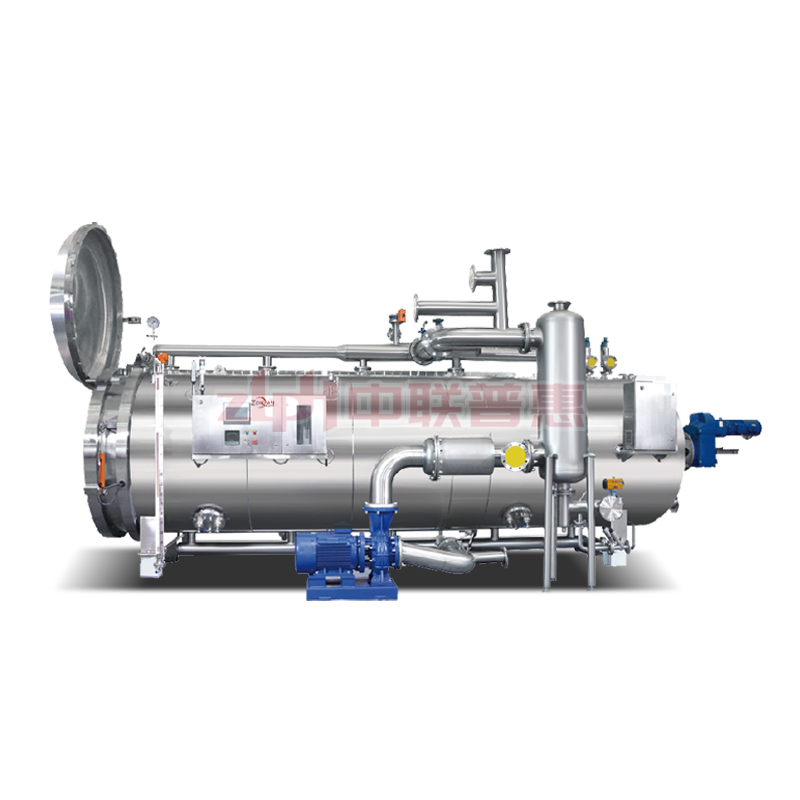
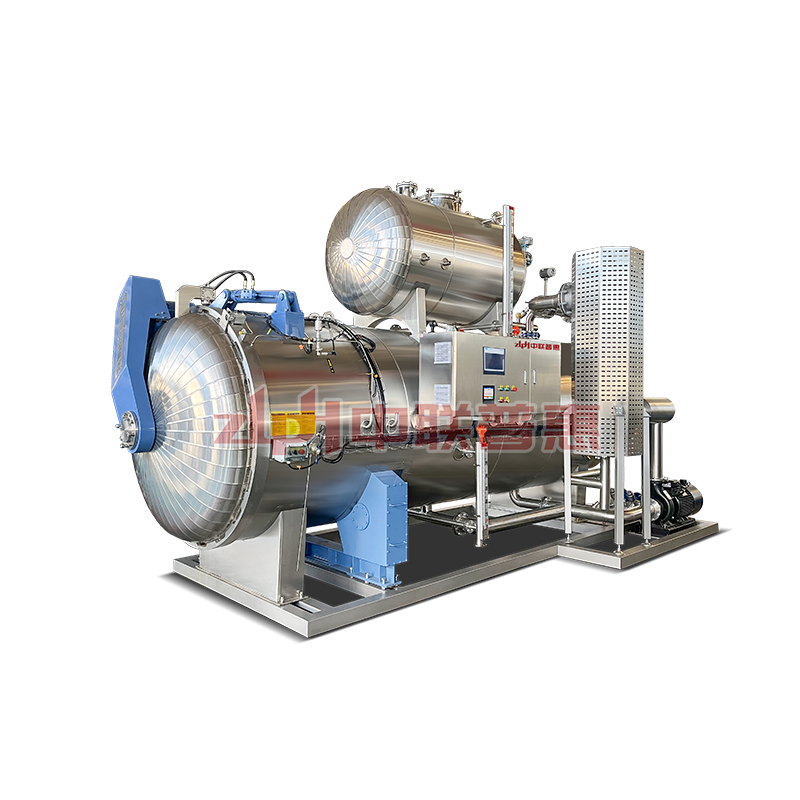
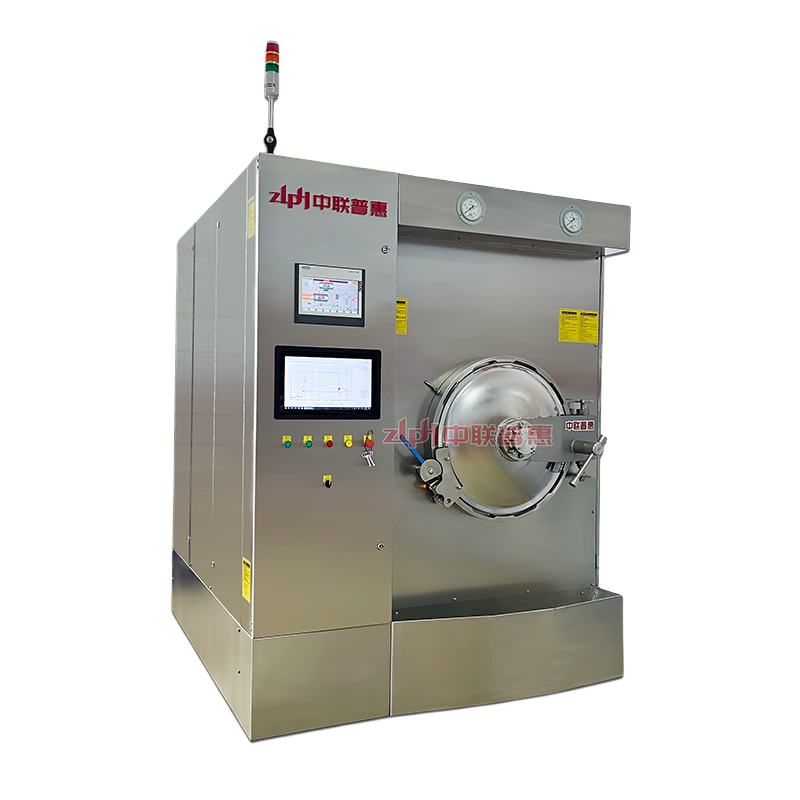
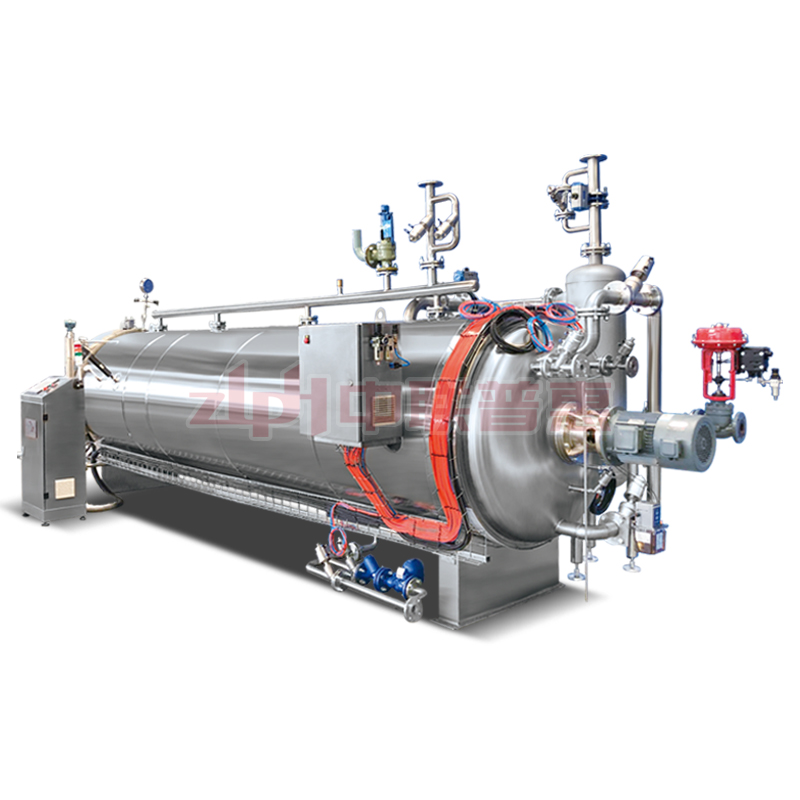
This guide is authored by a senior food processing automation engineer with over 10 years of industry experience from ZLPH MACHINERY TECHNOLOGY CO., LTD., a leading provider of sterilization solutions for global food manufacturers. It addresses a critical challenge faced by food production managers and procurement teams worldwide: selecting a reliable, high-performance steam-air retort autoclave factory that ensures product safety, operational efficiency, and compliance across diverse markets.

Selecting an unqualified retort manufacturer often leads to inconsistent sterilization results, frequent equipment downtime, and non-compliance with international food safety standards—issues primarily caused by inadequate thermal control systems, poor build quality, and lack of global certification support. Based on more than 5,000 global installations and extensive field validation since 2018, we’ve developed a proven, step-by-step framework to help you identify a factory that delivers consistent lethality, energy efficiency, and long-term reliability. In this guide, we’ll break down real-world scenarios, root causes, validated solutions, and key selection criteria to ensure your sterilization process meets both safety requirements and business goals.

How do I ensure consistent sterilization performance in high-volume canned food production?
1. Scenario & Pain Point
In large-scale canning facilities producing vegetables, meats, or ready-to-eat meals, inconsistent temperature distribution inside the retort chamber leads to under-processing (safety risk) or over-processing (texture/nutrient loss). Operators report batch failures during audits due to cold spots, especially when loading patterns vary.

2. Root Cause Analysis
The core issues stem from: (1) inadequate water spray nozzle design causing uneven heat transfer; (2) lack of real-time temperature monitoring at multiple points; and (3) manual loading processes introducing variability in basket arrangement, disrupting thermal circulation.

3. Step-by-Step Solution
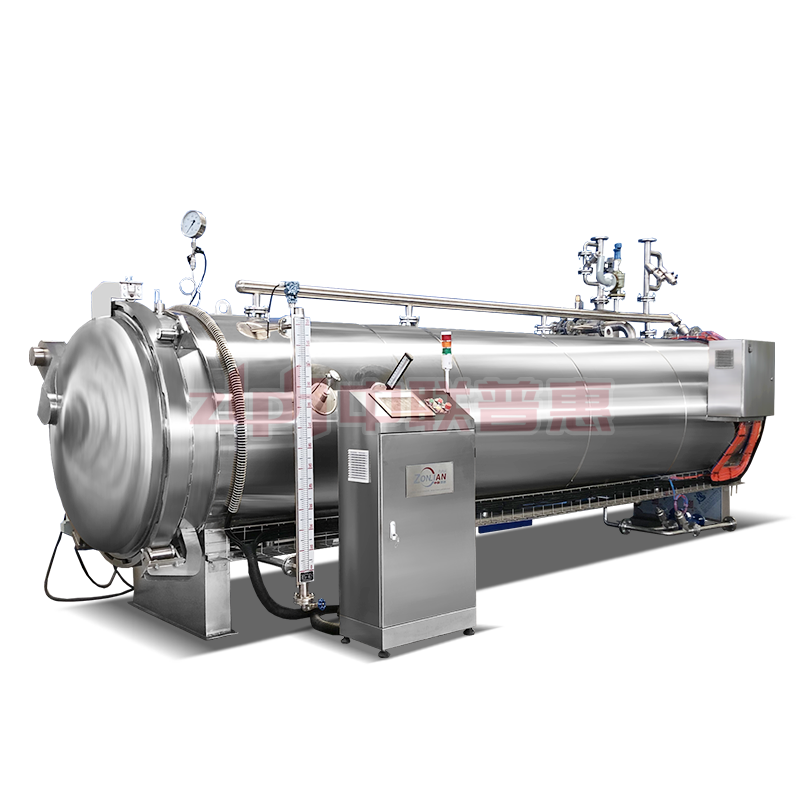
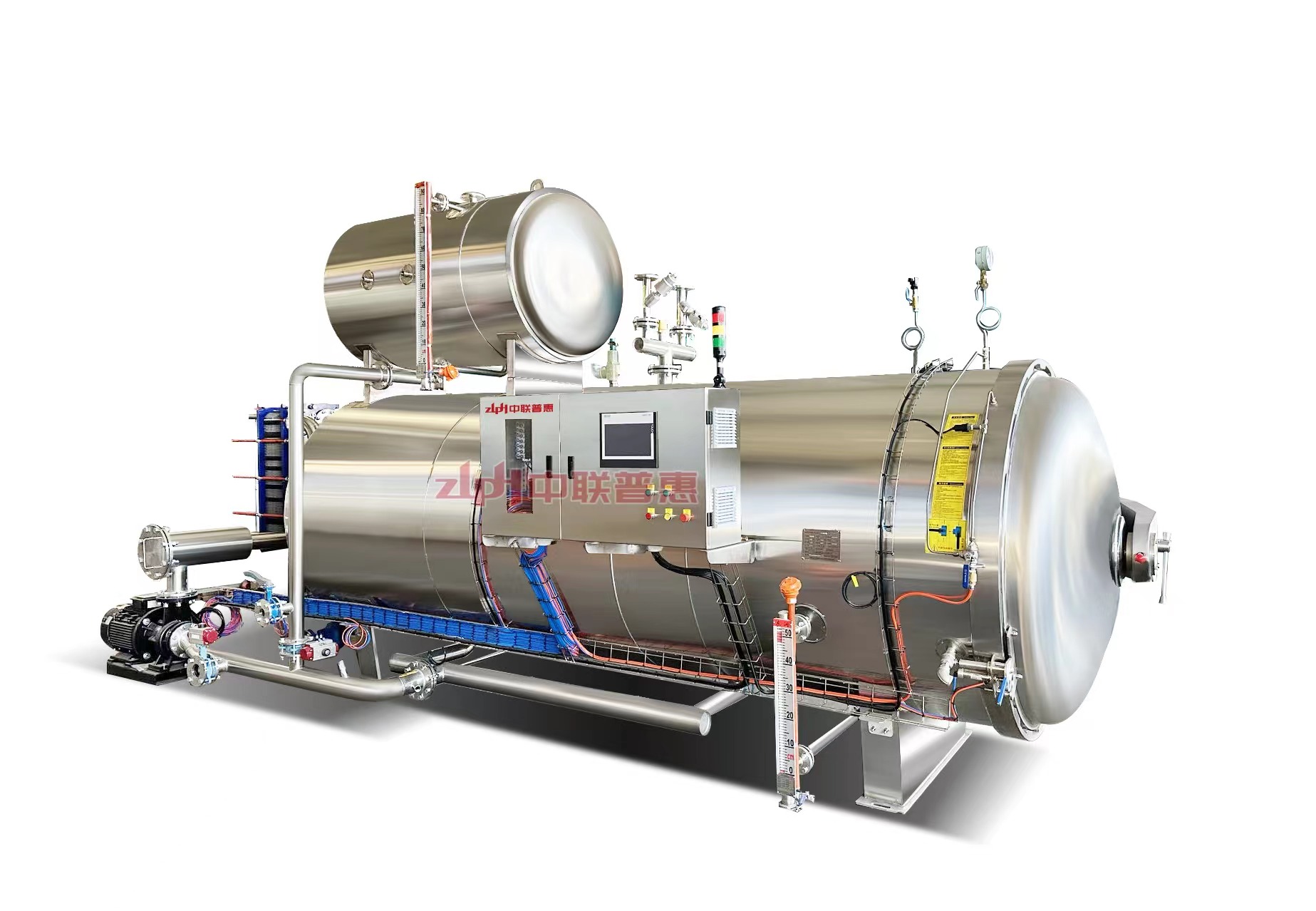
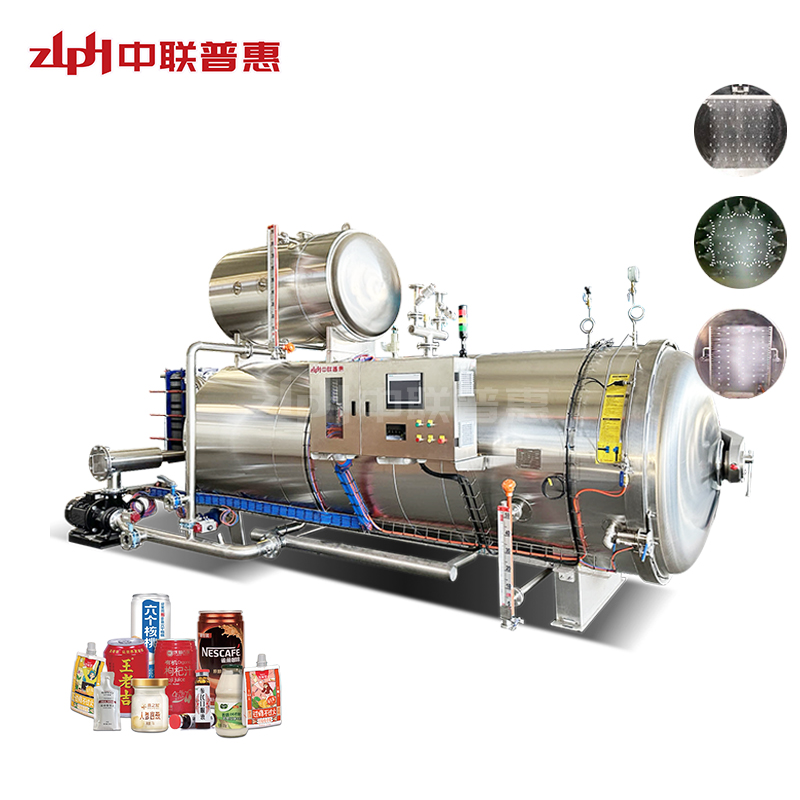
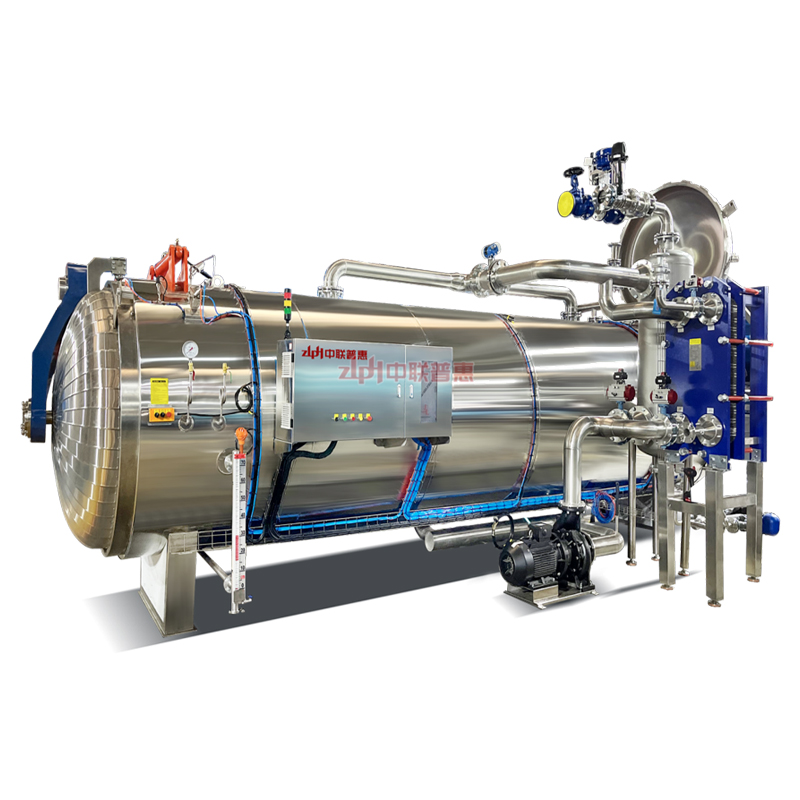
- Implement a top-opening water spray retort with CFD-optimized nozzle layout for uniform coverage.
- Integrate multi-point RTD sensors with real-time data logging compliant with FDA 21 CFR Part 11.
- Pair with an automated tray loader/unloader system to standardize basket placement, eliminating human-induced inconsistencies.
4. Pitfall Avoidance Guide
Avoid factories that offer only basic pressure vessels without thermal mapping validation. Always request third-party thermal distribution reports under actual load conditions. Never skip on-site FAT (Factory Acceptance Test) with your specific product matrix.
5. Validation Results
Clients using ZLPH’s integrated system achieved ±0.5°C temperature uniformity across 1,200-liter chambers, reducing batch rejection rates by 92% and passing BRCGS and SQF audits consistently.
How can I meet EU, Russian, and ASEAN market compliance with one retort system?
1. Scenario & Pain Point
Export-oriented food processors struggle with fragmented equipment certifications—CE for Europe, EAC for Russia, DOSH for Malaysia—leading to costly re-engineering or market access delays.
2. Root Cause Analysis
Many Chinese manufacturers obtain only domestic licenses, lacking internationally recognized certifications due to insufficient quality management systems or incomplete technical documentation.
3. Step-by-Step Solution
Select a factory holding ASME U2 stamp, CE, EAC, and Malaysia DOSH certifications simultaneously. Verify the presence of a certified ISO 9001 QMS and full technical file availability for customs clearance.
4. Pitfall Avoidance Guide
Beware of “CE self-declaration” without notified body involvement. Demand certificate copies with valid NB numbers. Confirm that pressure vessel design complies with PED 2014/68/EU Annex I.
5. Validation Results
ZLPH’s certified retorts have enabled clients to enter 30+ countries without redesign, with zero customs holds due to documentation gaps over the past three years.
What’s the best way to reduce labor costs in retort loading/unloading?
1. Scenario & Pain Point
Manual handling of heavy retort trays causes ergonomic injuries, slow cycle times, and inconsistent stacking—especially in pet food or baby food plants running 24/7.
2. Root Cause Analysis
Traditional batch retorts rely on forklifts or manual labor, creating bottlenecks and safety hazards during high-throughput operations.
3. Step-by-Step Solution
Deploy an automated tray loader/unloader system with servo-driven positioning and vision-guided alignment. This integrates seamlessly with conveyor lines and reduces human intervention by 80%.
4. Pitfall Avoidance Guide
Ensure the automation system is made of food-grade stainless steel (SS304/316) and includes IP65 protection. Validate cycle time compatibility with your retort’s cooling phase.
5. Validation Results
At a Shanghai-based pet food exporter, automation cut loading time from 12 to 3 minutes per batch and eliminated workplace injury claims over 18 months.
Industry Best Practices: 5-Step Framework for Retort Selection
Based on global project experience, follow this framework to avoid 90% of common pitfalls:
- Define Worst-Case Conditions: Size equipment for peak ambient temperature, highest altitude, and most challenging product viscosity.
- Verify Thermal Performance: Require thermal mapping data under full load with your actual product.
- Check Global Certifications: Confirm ASME, CE, EAC, and local market approvals are held directly by the manufacturer.
- Evaluate After-Sales Support: Ensure 24/7 remote diagnostics and local spare parts availability.
- Test Automation Integration: Validate compatibility with existing MES or SCADA systems via Modbus TCP or Profinet.
Frequently Asked Questions (FAQ)
Q: Can a standard steam retort handle both metal cans and flexible pouches?
A: Only if equipped with a water immersion or water spray system with precise pressure control to prevent pouch bursting. Air-over-pressure models are unsuitable for pouches.
Q: What certifications are mandatory for selling retorts in Europe?
A: CE marking under Pressure Equipment Directive (PED) 2014/68/EU, backed by a Notified Body, plus Machinery Directive compliance. ASME U2 is preferred for export credibility.
Q: How often should retort gaskets be replaced?
A: Every 6–12 months depending on cycle frequency. Use PTFE-coated silicone for acidic products to extend life.
Q: Is top-opening design better than side-opening for hygiene?
A: Yes—top-opening eliminates horizontal ledges where debris accumulates, simplifies CIP cleaning, and reduces microbial harborage points.
Q: Can I retrofit old retorts with smart controls?
A: Only if the vessel has ASME certification and sufficient structural margin. Full replacement is often safer and more cost-effective long-term.
Our Verified Capabilities
ZLPH MACHINERY TECHNOLOGY CO., LTD. is a globally trusted steam-air retort manufacturer established in 2018, with 21 mechanical and PLC engineers, 4 sterilization process experts, and 14 after-sales technicians—all with 10+ years in thermal processing. Our 50-acre facility houses 15,000 m² of workshops with advanced CNC and welding equipment, ensuring precision fabrication. We hold ASME, CE, EAC, Malaysia DOSH, and Special Equipment Manufacturing License, plus AAA credit and integrity certifications. Our systems operate in 40+ countries, including projects showcased at AGROPRODASH Moscow and Petfair Asia Shanghai.
Custom Solution Support
We offer:
- On-site thermal process validation
- Custom chamber sizing for unique packaging formats
- Integration with existing production lines
- Free sample testing with your product matrix
Contact our team for a 24-hour response.
Company: ZLPH MACHINERY TECHNOLOGY CO., LTD.
Website: https://www.zlphretort.com/
Email: sales@zlphretort.com
Phone / WhatsApp: +86 15666798389 / +86 13361554016
