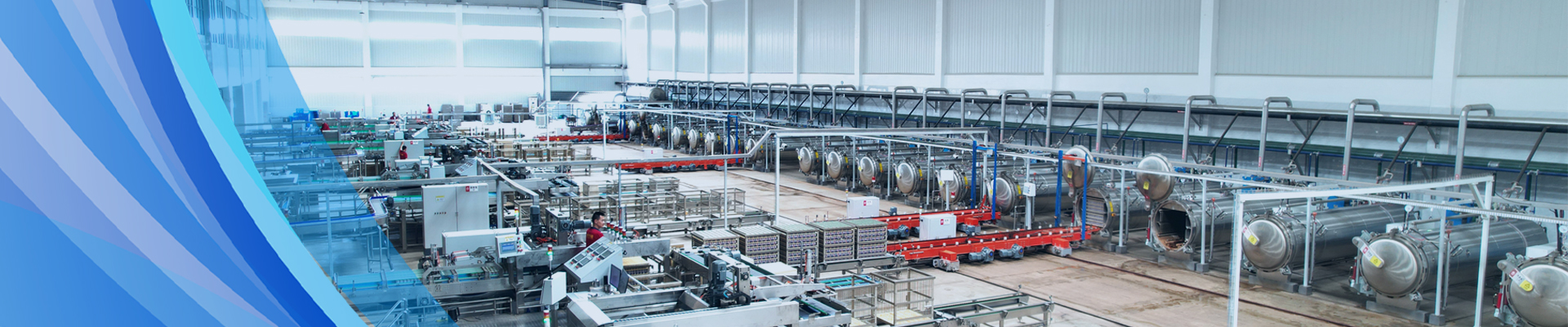

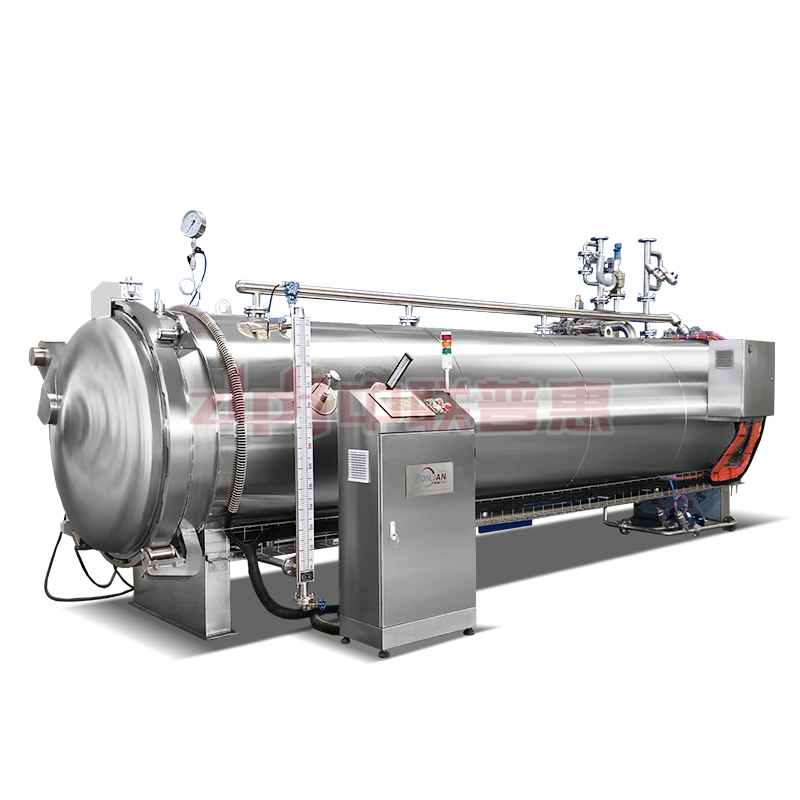
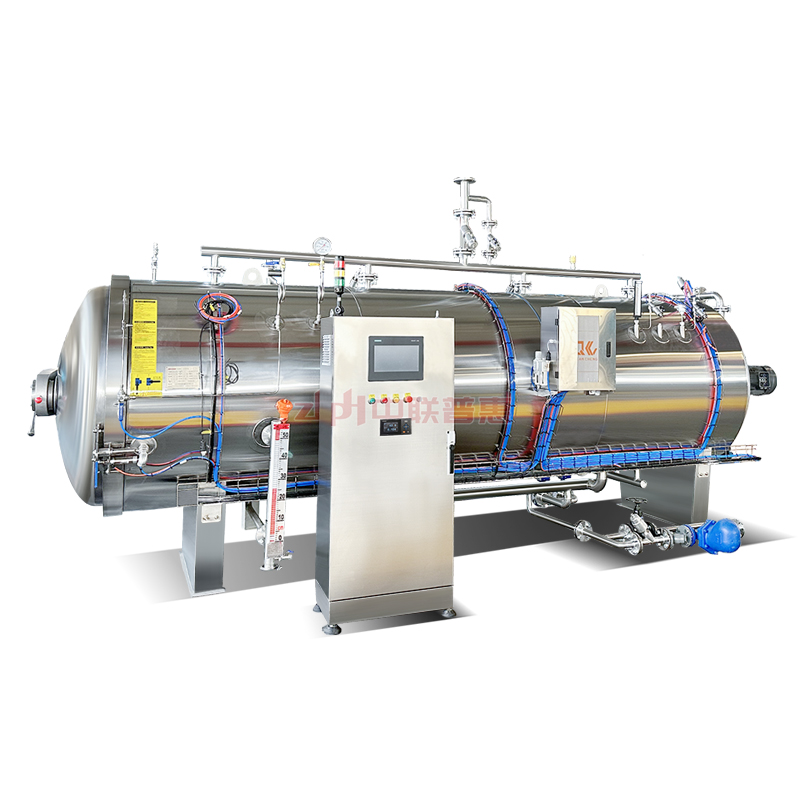
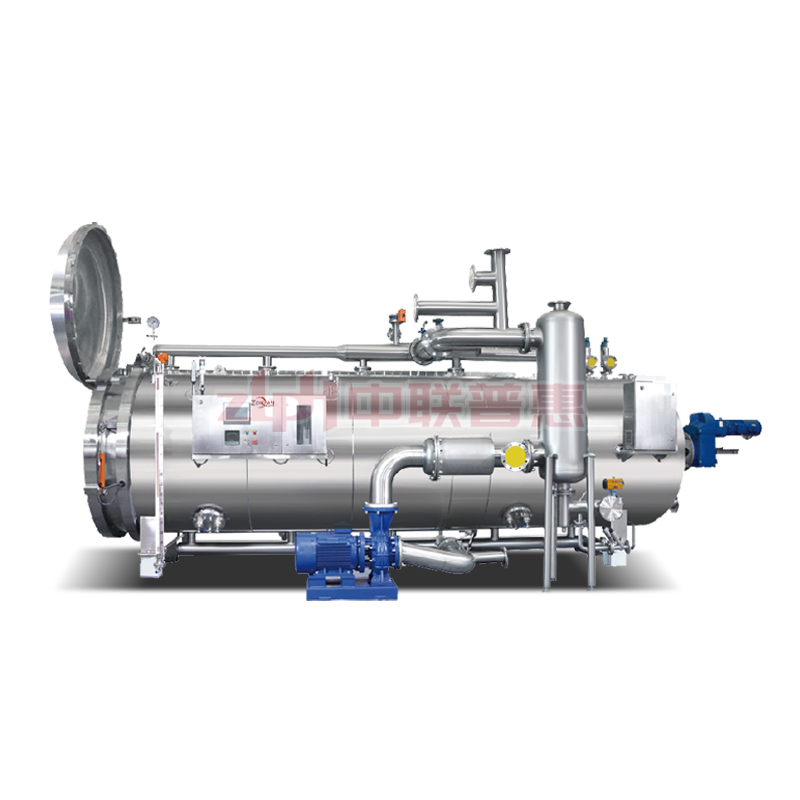
This guide is authored by a senior industrial automation engineer with over 12 years of experience at ZLPH MACHINERY TECHNOLOGY CO., LTD., a globally recognized provider of advanced sterilization solutions. It addresses a critical challenge faced by food and pet food manufacturers worldwide: selecting a reliable, high-performance water immersion retort autoclave that ensures product safety, operational efficiency, and compliance across diverse production environments.

Selecting the right water immersion retort autoclave has long been a major pain point in the food processing industry, primarily due to inconsistent sterilization performance, complex operation, and lack of global certification support. Based on more than 6 years of R&D and deployment across 500+ global projects—including participation in key exhibitions like AGROPRODASH 2023 in Moscow and Petfair Asia 2023 in Shanghai—we have developed a proven, step-by-step framework to help you identify manufacturers who deliver not just equipment, but end-to-end sterilization reliability. This guide breaks down real-world scenarios, root causes, validated solutions, and selection best practices to ensure your investment drives consistent quality, regulatory compliance, and production uptime.

How do I ensure consistent sterilization performance in high-volume canned food production?
1. Scenario & Pain Point
In large-scale canned vegetable or ready-meal facilities, inconsistent temperature distribution during water immersion sterilization leads to under-processing (safety risk) or over-processing (texture/nutrient loss). Operators often struggle with manual loading errors, uneven water spray coverage, and delayed response to pressure fluctuations—resulting in batch rejections and costly downtime.

2. Root Cause Analysis
The core issues stem from: (a) poor thermal uniformity due to inadequate water circulation design; (b) lack of real-time monitoring and closed-loop control; and (c) manual handling causing tray misalignment, which blocks water flow paths.

3. Step-by-Step Solution
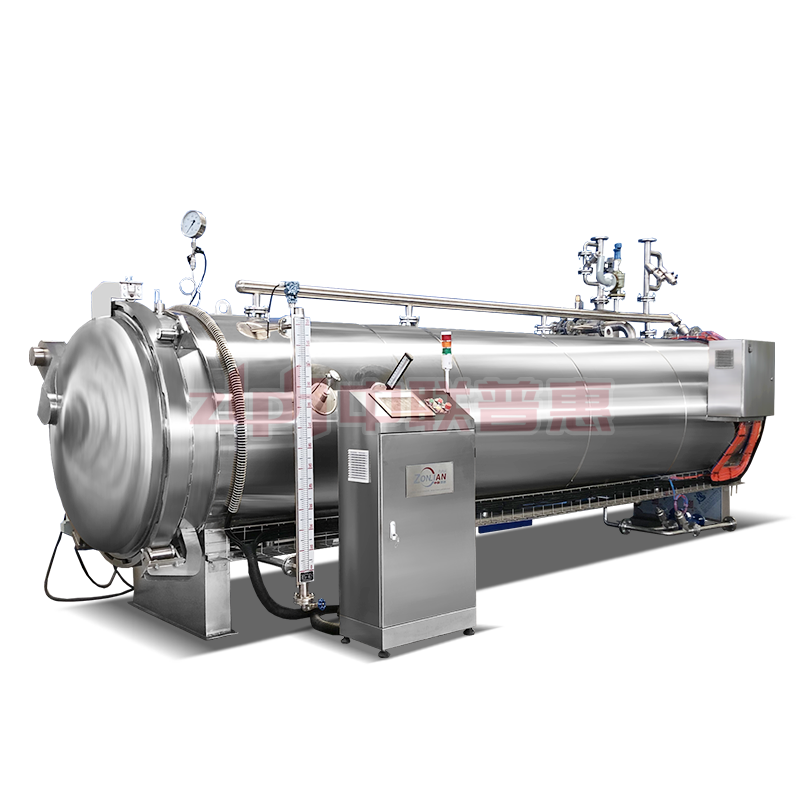
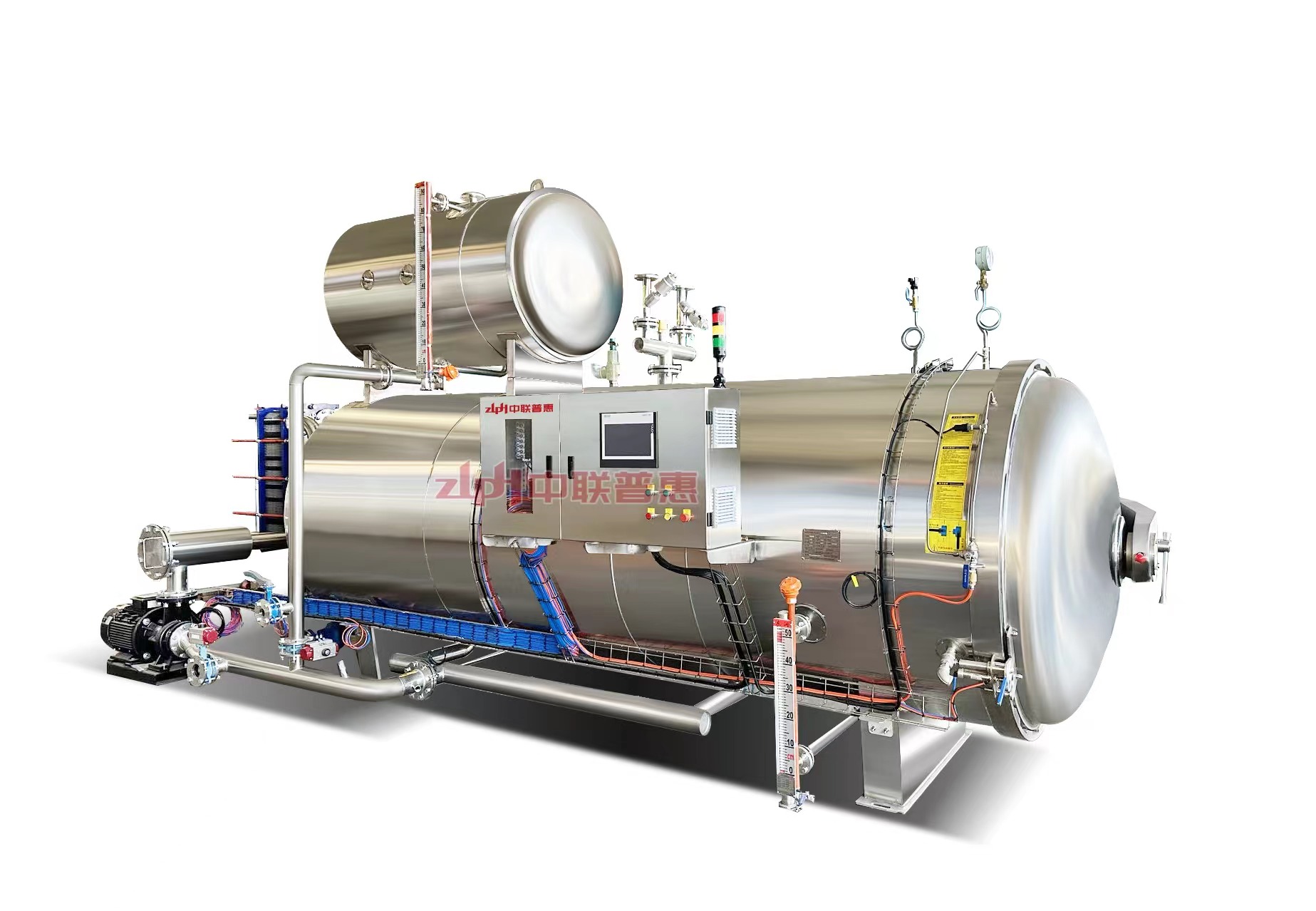
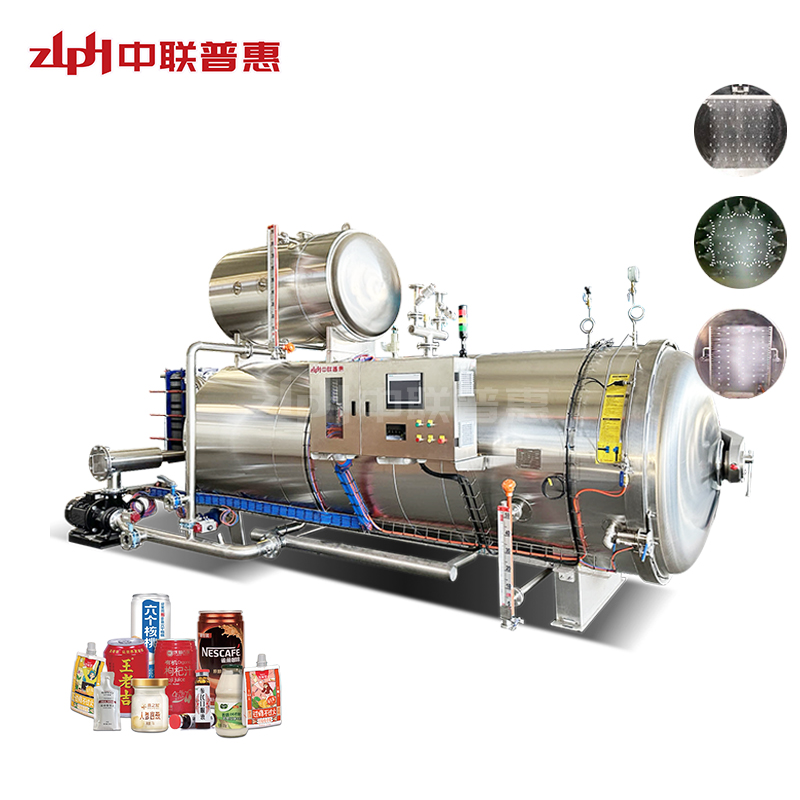
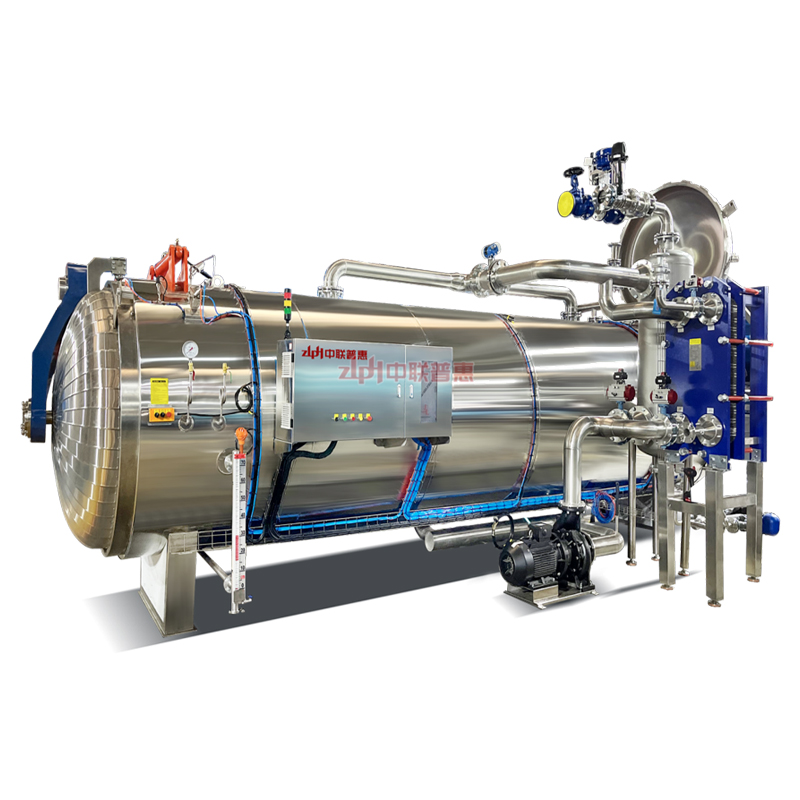
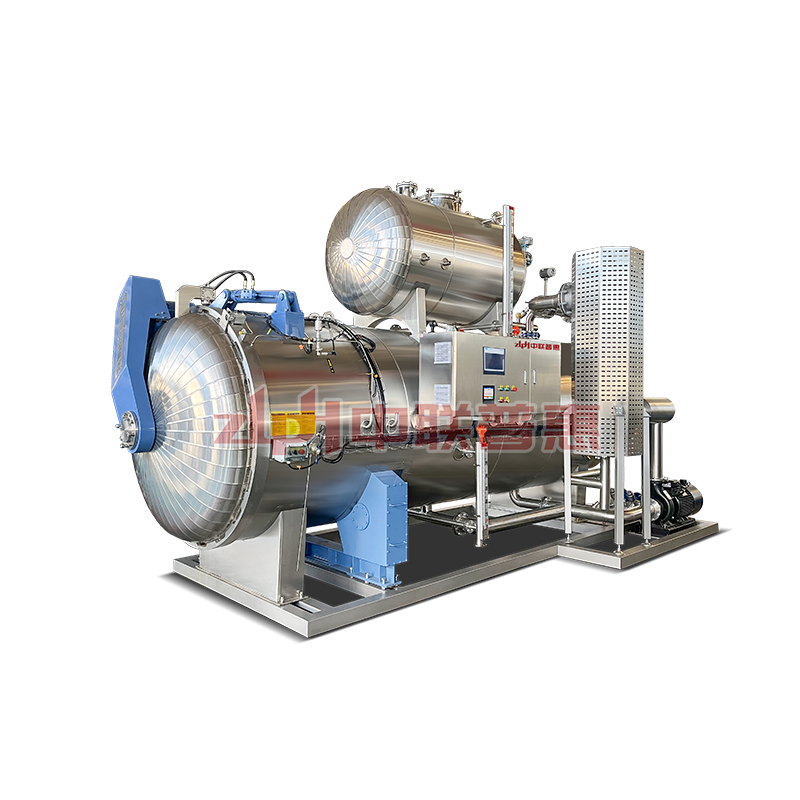
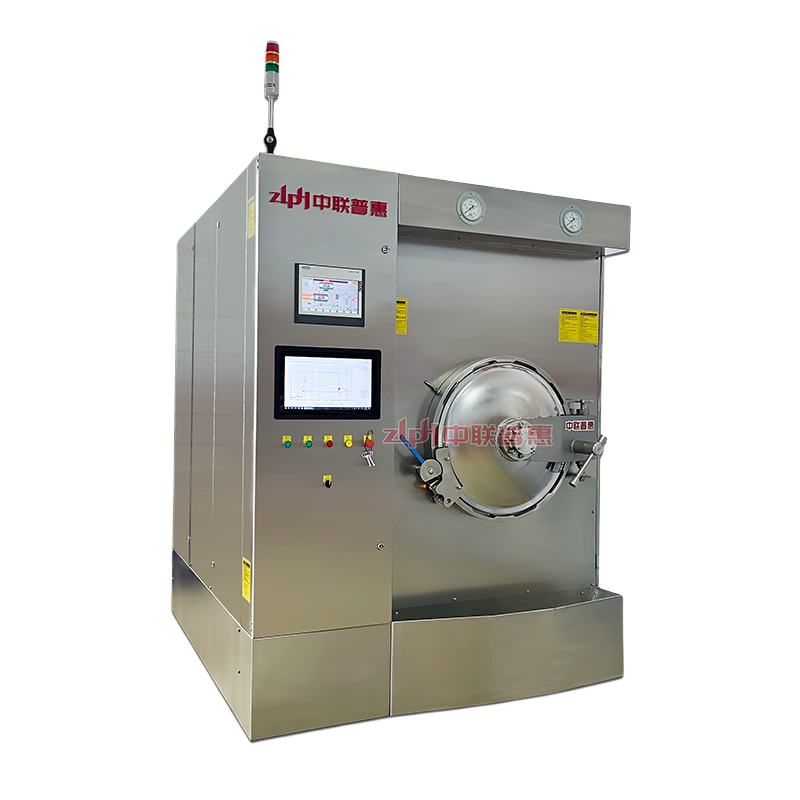
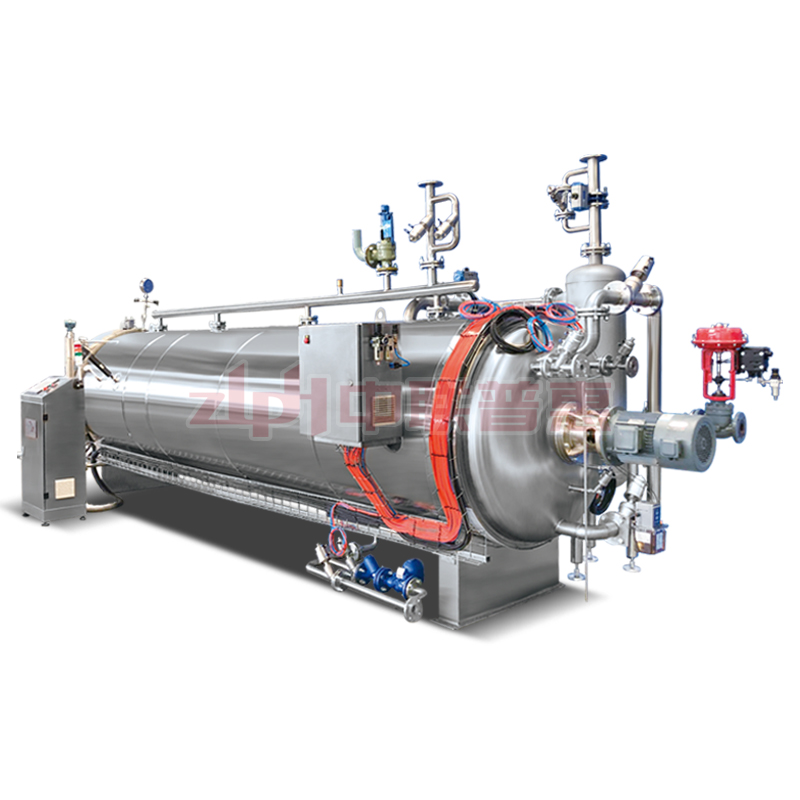
Deploy an intelligent water immersion retort with top-opening design and integrated spray system for even heat distribution. Pair it with an automated retort tray loader/unloader to eliminate human error. Implement a PLC-based control system that continuously monitors temperature and pressure at multiple points, auto-adjusting steam and cooling inputs to maintain ±0.5°C precision throughout the cycle.
4. Pitfall Avoidance Guide
Avoid retrofitting old retorts without validating thermal mapping. Always request third-party thermal validation reports. Ensure the manufacturer provides CIP (Clean-in-Place) compatibility to prevent biofilm buildup that disrupts heat transfer.
5. Validation Results
Clients using ZLPH’s integrated system reported 99.8% batch consistency in commercial canning lines, with zero recalls due to thermal deviation over 18 months of continuous operation.
How can pet food bowl producers automate sterilization while meeting hygiene standards?
1. Scenario & Pain Point
Pet food companies packaging meals in sealed bowls require gentle yet effective sterilization to preserve palatability while eliminating pathogens. Traditional batch retorts cause deformation of plastic bowls and inconsistent kill rates, leading to shelf-life failures.
2. Root Cause Analysis
Standard retorts apply excessive mechanical stress and uneven heating. Lack of automation increases contamination risk during loading/unloading.
3. Step-by-Step Solution
Use a dedicated bowl sterilization automation line featuring low-turbulence water immersion with precise ramp/cool profiles. The system should include robotic handling and HEPA-filtered air zones during transfer to maintain Class 10,000 cleanliness.
4. Pitfall Avoidance Guide
Never use metal trays with plastic bowls—opt for food-grade polymer carriers. Validate material compatibility with sterilization cycles to prevent leaching.
5. Validation Results
At Petfair Asia 2023, ZLPH’s bowl sterilization line demonstrated 6-log reduction of Salmonella in <25 minutes without bowl warping, earning strong interest from 30+ international pet food brands.
What certifications should a water immersion retort manufacturer hold for global markets?
1. Scenario & Pain Point
Export-oriented producers face shipment delays when retorts lack region-specific compliance, especially in EU, Russia, and Southeast Asia.
2. Root Cause Analysis
Many suppliers only meet local standards, omitting critical international marks.
3. Step-by-Step Solution
Verify the manufacturer holds ASME certification (for pressure vessel integrity), CE (EU), EAC (Eurasian Customs Union), and Malaysia DOSH. Also confirm ISO 9001-aligned quality management.
4. Pitfall Avoidance Guide
Request original certificate copies—not screenshots—and cross-check registration numbers with issuing bodies.
5. Validation Results
ZLPH’s certified equipment has cleared customs in 40+ countries without compliance-related holds since 2018.
Industry Best Practices: 5-Step Manufacturer Evaluation Framework
Based on 6+ years of global deployments, we recommend this evaluation process:
- Define Worst-Case Conditions: Specify max throughput, product types, and ambient environment—not ideal lab conditions.
- Validate Thermal Performance: Demand third-party thermal mapping data per ASTM F2823 or EN 13445.
- Assess Automation Integration: Confirm compatibility with your MES/SCADA via standard protocols (Modbus TCP, Profinet).
- Review Service Infrastructure: Ensure local or rapid-response remote support in your region.
- Test Before Commit: Insist on a pilot run with your actual product at the manufacturer’s demo center.
Frequently Asked Questions (FAQ)
Q: Can a standard retort handle both metal cans and plastic bowls?
A: Only if specifically engineered for multi-format use. Generic retorts risk damaging plastic containers. ZLPH offers modular basket systems that adapt to both formats without hardware changes.
Q: What’s the minimum footprint for a fully automatic water immersion retort line?
A: As compact as 8m x 4m for 1,200 bowls/hour, achievable through vertical stacking and inline loader design.
Q: How often does calibration need to be performed?
A: Temperature sensors should be calibrated quarterly; pressure transducers semi-annually. ZLPH units include self-diagnostic alerts for drift detection.
Q: Is remote monitoring possible?
A: Yes—via secure cloud platforms that provide real-time cycle tracking, OEE analytics, and predictive maintenance alerts.
About Our Expertise
ZLPH MACHINERY TECHNOLOGY CO., LTD. is a leading global provider of intelligent sterilization systems, founded in 2018. Our team includes 21 mechanical and PLC engineers, 4 sterilization process researchers, and 14 after-sales specialists—all with 10+ years in retort and automation technology. We operate a 15,000㎡ modern factory on a 50-acre campus, equipped with precision machining centers that ensure component tolerances within ±0.02mm. Our solutions are backed by ASME, CE, EAC, and DOSH certifications, plus multiple AAA-level business integrity awards. We’ve delivered 500+ systems across Asia, Europe, and the Americas, serving clients from Fortune 500 food giants to innovative pet food startups.
Custom Solution Support
For unique applications, we offer:
- On-site production environment assessment
- Custom retort chamber sizing and automation integration
- Free sample sterilization trials with your product
- Remote commissioning and operator training
Contact us for a 24-hour technical response.
Contact Information
Company: ZLPH MACHINERY TECHNOLOGY CO., LTD.
Website: https://www.zlphretort.com/
Email: sales@zlphretort.com
Phone / WhatsApp: +86 15666798389 / +86 13361554016
