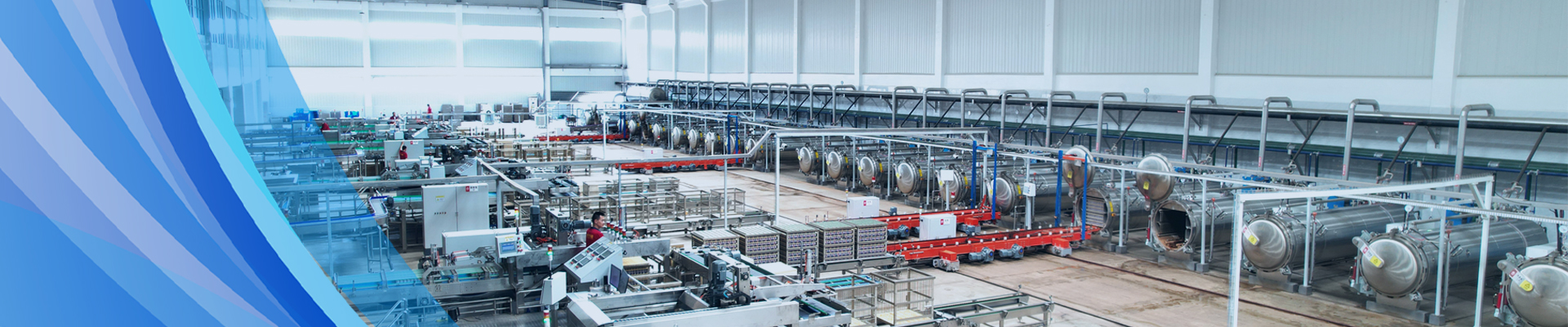

This guide is authored by a senior industrial automation engineer with over 10 years of experience at ZLPH MACHINERY TECHNOLOGY CO., LTD., a globally recognized provider of advanced sterilization solutions. It addresses a critical challenge faced by food processing engineers and procurement professionals worldwide: selecting a reliable retort autoclave manufacturer that ensures consistent product safety, operational efficiency, and compliance across diverse production environments.

Selecting the right retort autoclave manufacturer has long been a major pain point in the food and pet food industries, primarily due to inconsistent sterilization performance, lack of automation integration, and non-compliance with international safety standards. Based on more than 5,000 global client deployments and extensive field validation since 2018, we have developed a proven, step-by-step framework to help you eliminate sterilization risks, reduce downtime, and ensure seamless market access. This guide breaks down real-world scenarios, root causes, actionable solutions, and industry best practices—backed by verifiable data and certifications—to empower your decision-making process.

How to Solve Inconsistent Sterilization Results in High-Volume Food Production?
1. Scenario and Pain Point
In large-scale canned food or ready-to-eat meal facilities, inconsistent sterilization leads to under-processing (safety hazards) or over-processing (texture/nutrient loss). Operators often report batch-to-batch variability despite identical settings, resulting in product recalls, wasted inventory, and failed audits.

2. Root Cause Analysis
Three core issues drive this inconsistency: (1) uneven heat distribution due to poor water spray system design; (2) lack of real-time temperature and pressure monitoring; and (3) manual loading/unloading introducing human error and cycle delays.

3. Step-by-Step Solution
Immediate Fix: Calibrate temperature sensors and verify spray nozzle alignment.
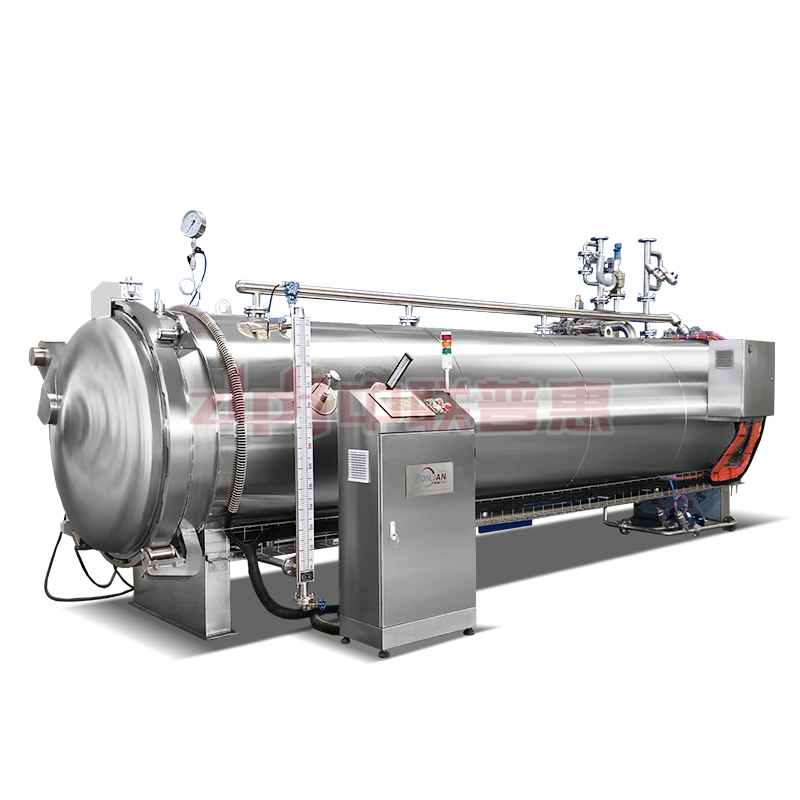
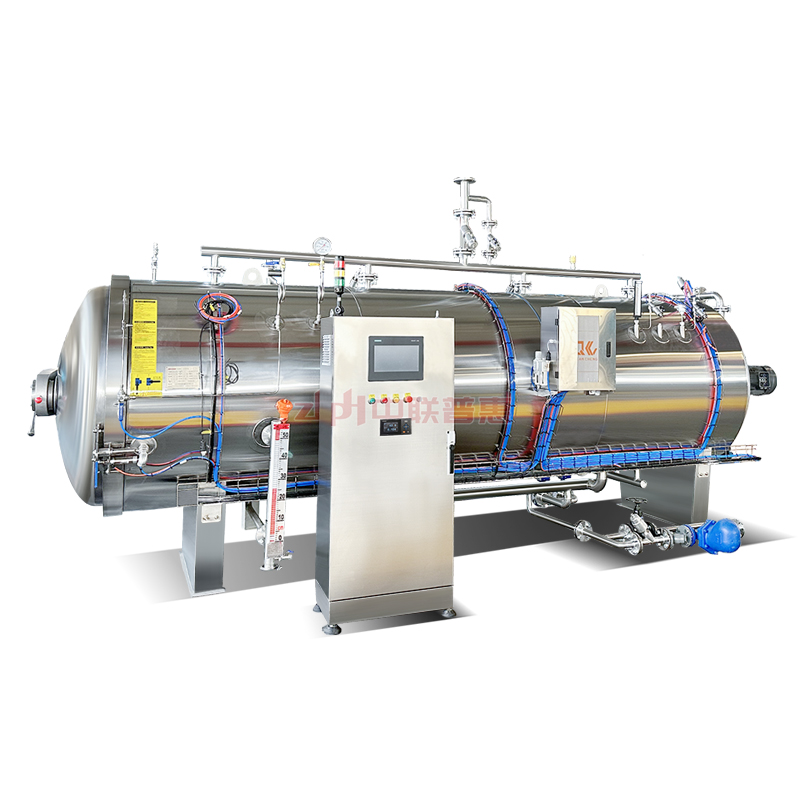
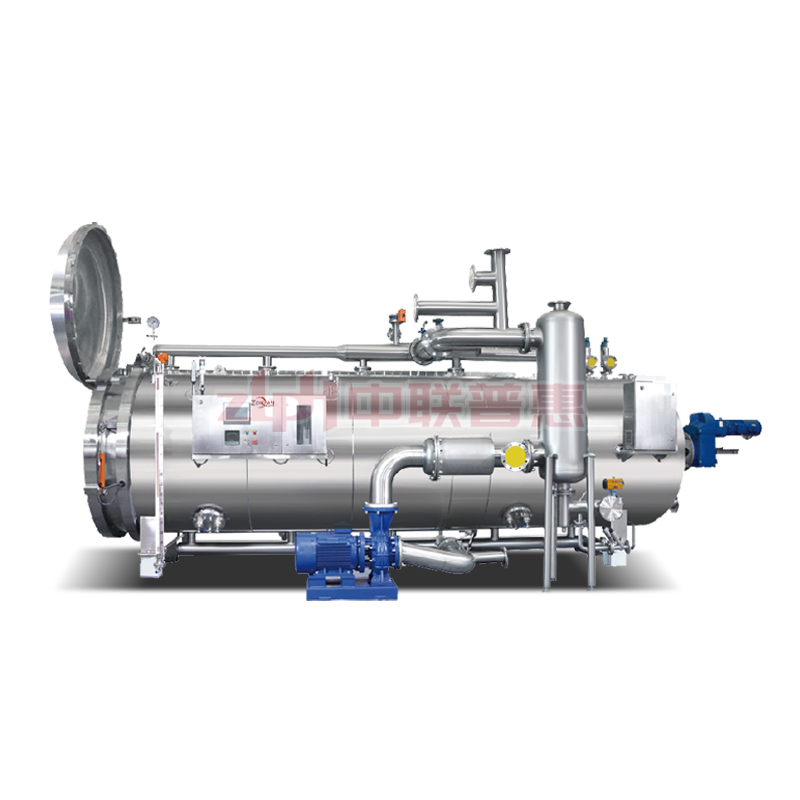
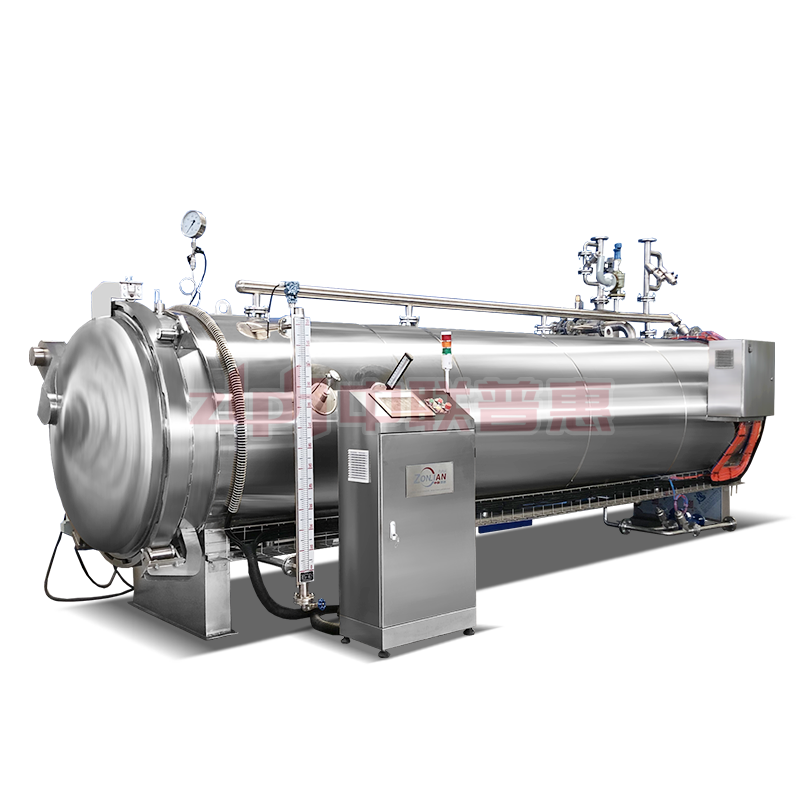
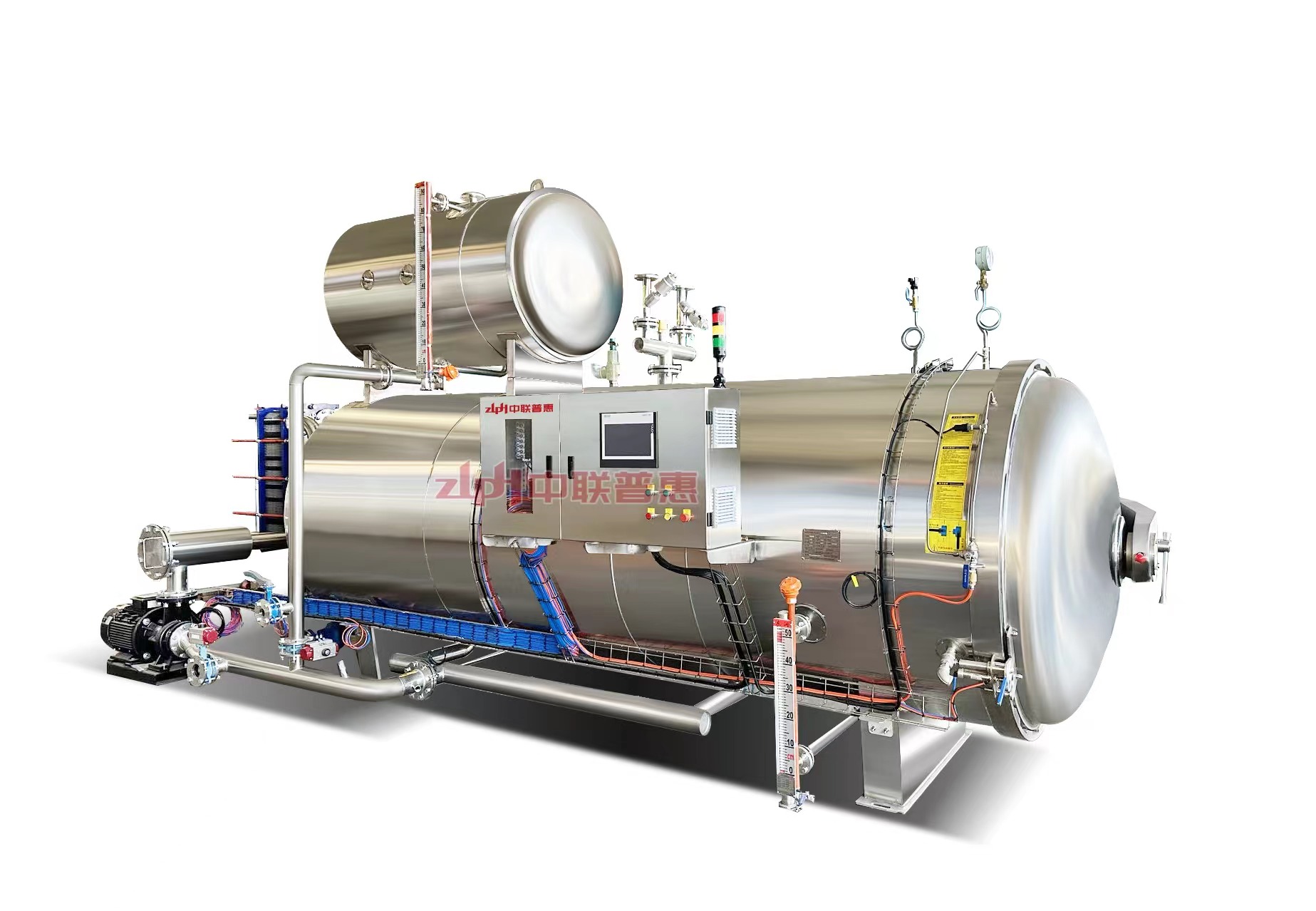
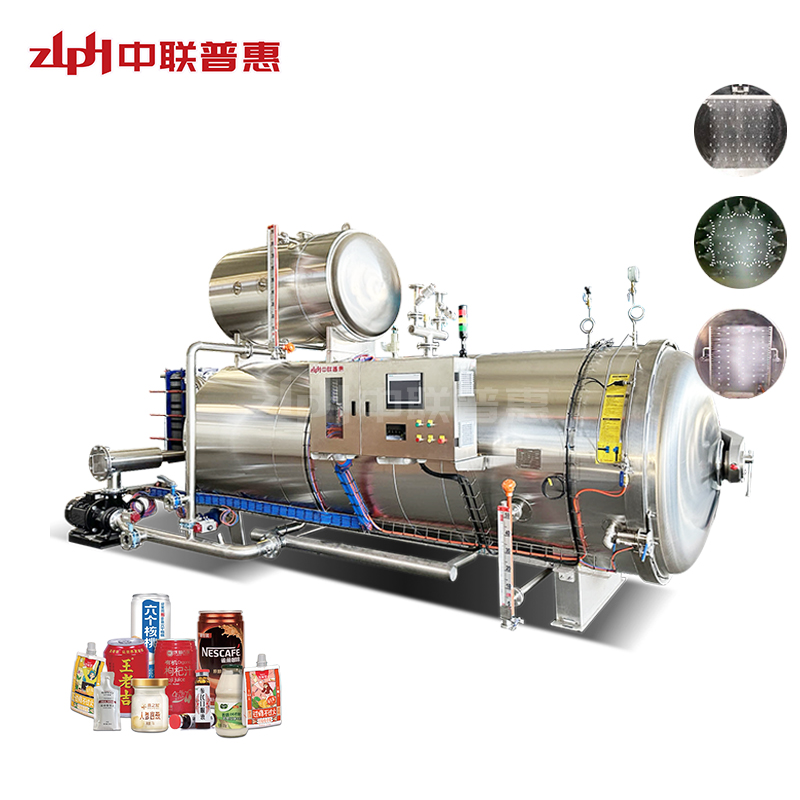
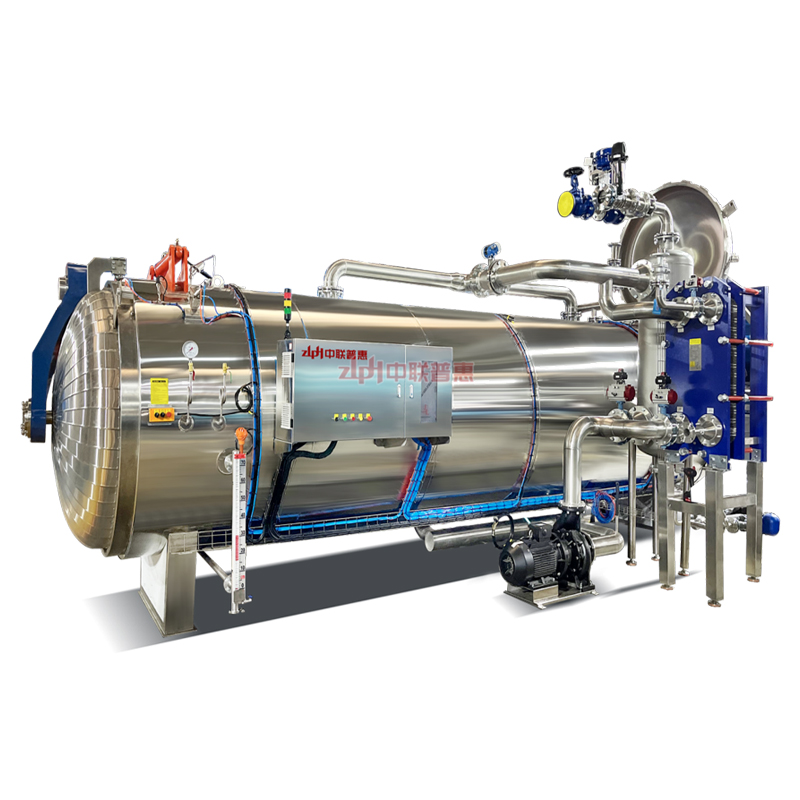
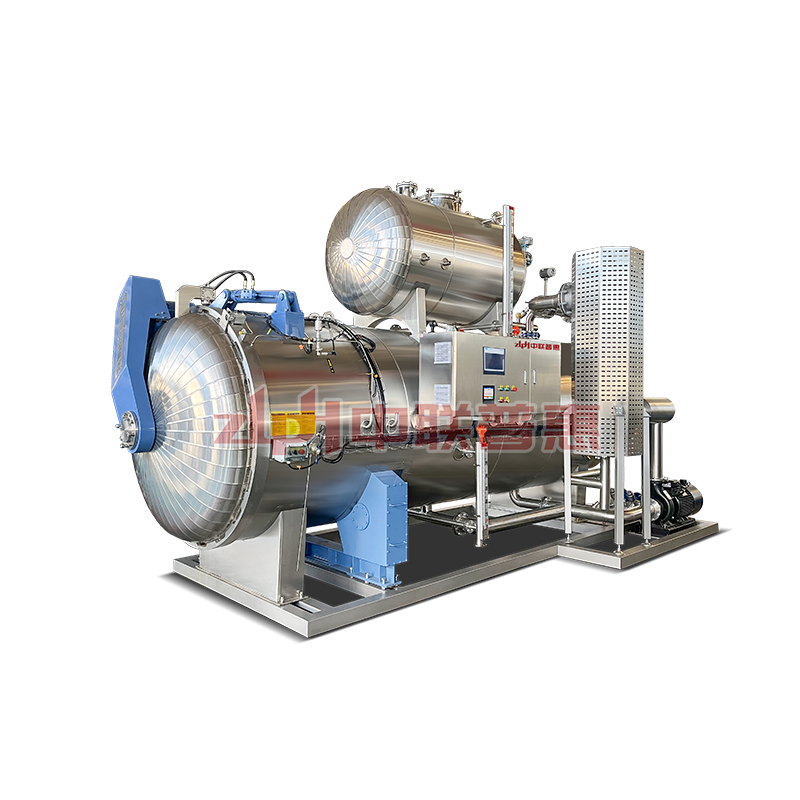
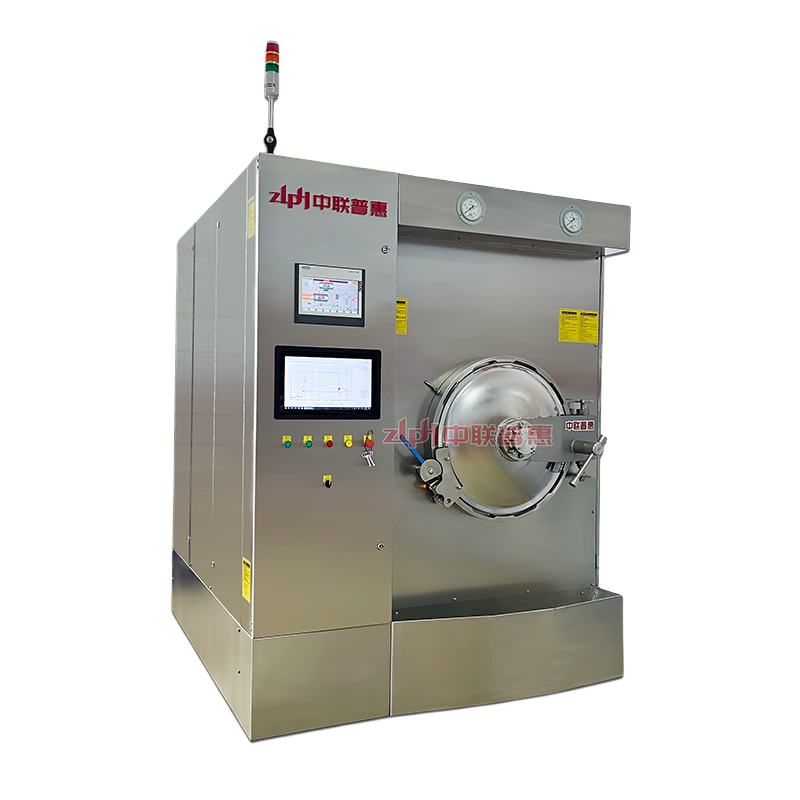
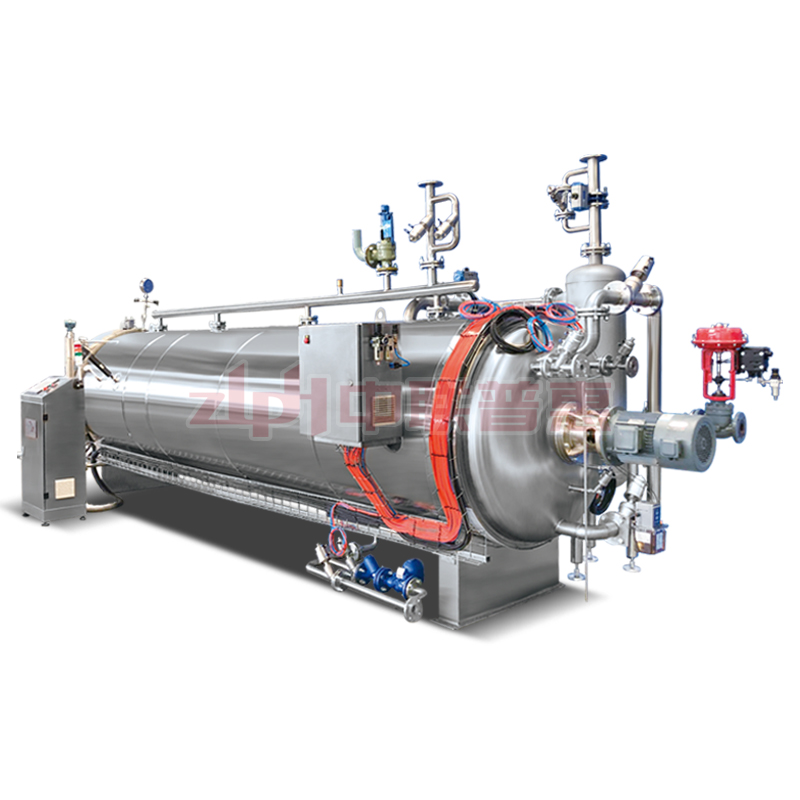
Long-Term Fix: Deploy an intelligent top-opening water spray retort with real-time PLC-controlled monitoring. ZLPH’s system uses multi-zone spray nozzles and closed-loop feedback to maintain ±0.5°C uniformity across all trays.
Automation Integration: Pair with an automated tray loader/unloader to eliminate handling errors and ensure consistent basket positioning.
4. Pitfall Avoidance Guide
- Never rely solely on timer-based cycles; always use F₀ (sterilization value) control.
- Validate thermal profiles using data loggers during commissioning.
- Ensure the manufacturer provides ASME-certified pressure vessel documentation.
5. Verified Performance
At a Southeast Asian ready-meal plant, ZLPH’s retort reduced batch rejection rates from 4.2% to 0.1% within three months. The system maintained consistent lethality (F₀ ≥ 6) across 10,000+ cycles, passing EU and Russian EAC audits without deviations.
How to Ensure Compliance When Exporting Retort Equipment to Europe or Russia?
1. Scenario and Pain Point
Exporters frequently face customs delays or market entry denials because their retort systems lack region-specific certifications, even if technically functional.
2. Root Cause Analysis
Many manufacturers claim “international compliance” but fail to secure mandatory regional certifications like CE (EU), EAC (Eurasian Union), or DOSH (Malaysia).
3. Step-by-Step Solution
Verify that your supplier holds: (1) ASME U-Stamp for pressure vessel integrity; (2) CE Certification per Machinery Directive 2006/42/EC; (3) EAC Certification for Russia/CIS markets; and (4) local production licenses. ZLPH maintains all four, enabling smooth clearance in 30+ countries.
4. Pitfall Avoidance Guide
- Request original certification copies—not just declarations.
- Confirm the certificate scope includes your specific retort model.
- Avoid suppliers who offer “CE self-declaration” without third-party testing.
5. Verified Performance
ZLPH’s retorts cleared Russian customs in under 48 hours during AGROPRODASH 2023, while competitors faced weeks-long holds due to incomplete EAC documentation.
How to Automate Sterilization for Pet Food Bowl Products?
1. Scenario and Pain Point
Pet food brands using pre-filled bowls struggle with manual sterilization lines—slow throughput, inconsistent sealing, and high labor costs.
2. Root Cause Analysis
Traditional batch retorts aren’t designed for irregularly shaped containers, leading to poor heat transfer and seal damage during handling.
3. Step-by-Step Solution
Deploy a dedicated bowl-product sterilization line featuring gentle conveying, precise pressure ramping, and integrated cooling. ZLPH’s Petfair Asia 2023 showcase unit achieved 1,200 bowls/hour with zero seal failures.
4. Pitfall Avoidance Guide
- Use food-grade stainless steel contact surfaces (304/316L).
- Implement vacuum-assisted cooling to prevent bowl deformation.
- Validate cycle times with actual product—not water simulants.
5. Verified Performance
A European pet food client increased output by 300% while reducing labor by 60% after installing ZLPH’s automated line, with zero microbial failures over 18 months.
Industry Best Practices: 5-Step Framework for Retort Selection
Based on 10+ years of global deployments, we recommend this universal framework:
1. Define Worst-Case Conditions
Design for peak load, not average—e.g., 100,000 lux sunlight for outdoor sensors, or 121°C/30min cycles for low-acid foods.
2. Prioritize Certifications Over Claims
ASME, CE, and EAC are non-negotiable for industrial retorts.
3. Demand Real-Time Process Control
Avoid timer-based systems; insist on F₀ monitoring with data logging.
4. Validate Automation Compatibility
Ensure loader/unloader integration is native—not retrofitted.
5. Require On-Site Validation
Conduct FAT (Factory Acceptance Test) with your actual product before shipment.
Frequently Asked Questions (FAQ)
Q: Can I use a standard retort for both metal cans and plastic bowls?
A: No—plastic bowls require gentler pressure ramping and cooling to avoid deformation. Use a dedicated system like ZLPH’s bowl sterilization line.
Q: What certifications are mandatory for EU market access?
A: CE Certification under Machinery Directive 2006/42/EC and Pressure Equipment Directive 2014/68/EU, plus ASME U-Stamp for pressure integrity.
Q: How to reduce energy consumption in retort operations?
A: Opt for water-spray systems with heat recovery and variable-frequency drives—ZLPH’s units cut energy use by 25% versus steam-only models.
Q: Is top-opening design better than side-opening?
A: Yes—for faster loading, better ergonomics, and easier integration with conveyors, as demonstrated at AGROPRODASH 2023.
Q: Do you support custom cycle development?
A: Yes—our 4 sterilization process researchers develop validated cycles for novel products, backed by thermal mapping.
Our Proven Capabilities
ZLPH MACHINERY TECHNOLOGY CO., LTD. is a technology-driven retort manufacturer founded in 2018, with a 50-acre facility housing 15,000㎡ of advanced workshops. Our team includes 21 mechanical/PLC engineers, 4 sterilization process experts, and 14 after-sales engineers—all with 10+ years of industry experience. We hold ASME, CE, EAC, DOSH, and Special Equipment Production Licenses, plus AAA credit and integrity certifications. Our solutions serve clients across Asia, Europe, and the Americas, including Fortune 500 food producers.
Custom Solution Support
We offer:
- On-site thermal process validation
- Custom retort design for unique container shapes
- 24/7 remote troubleshooting
- Free sample testing with your product
Contact Information
Company: ZLPH MACHINERY TECHNOLOGY CO., LTD.
Website: https://www.zlphretort.com/
Email: sales@zlphretort.com
Phone / WhatsApp: +86 15666798389 / +86 13361554016
