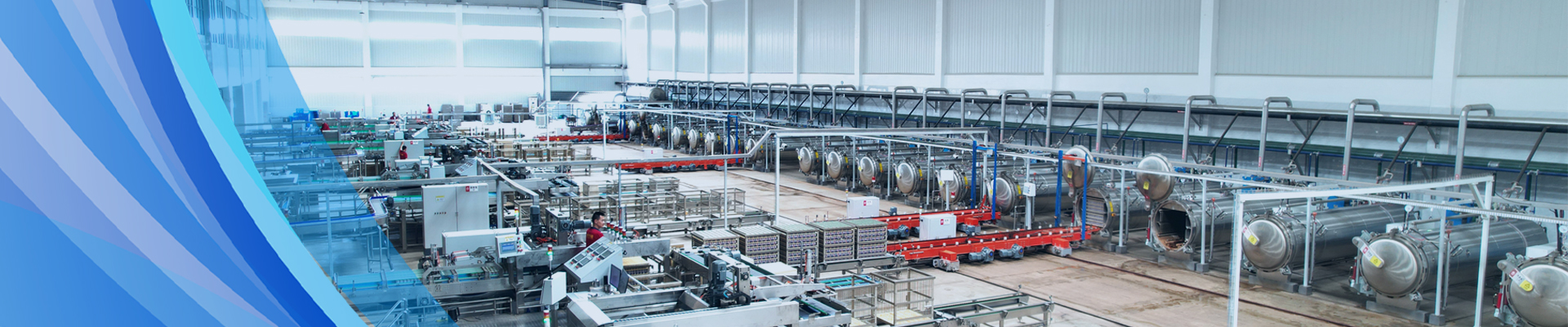

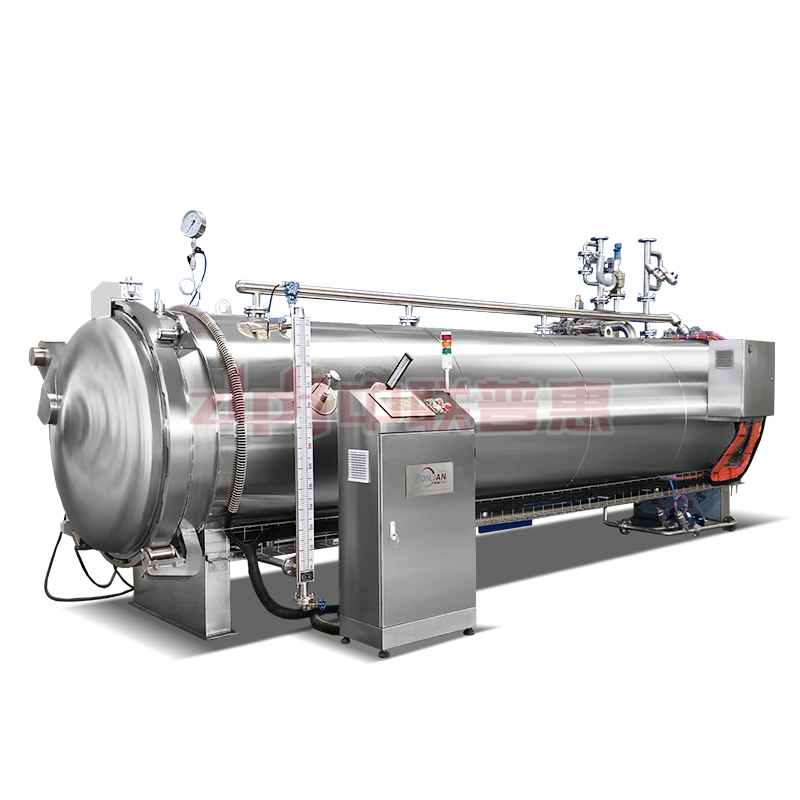
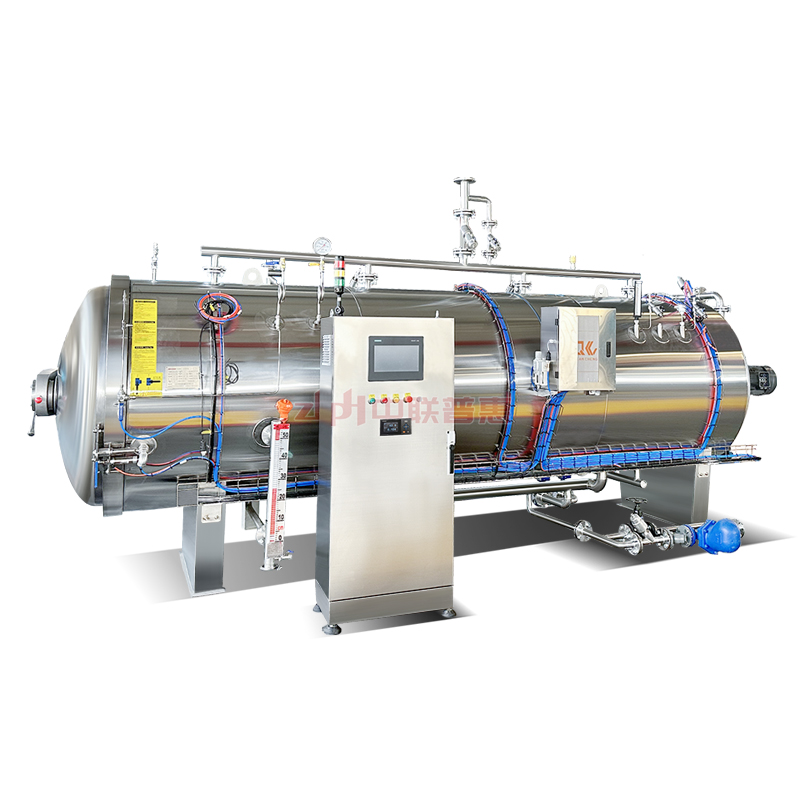
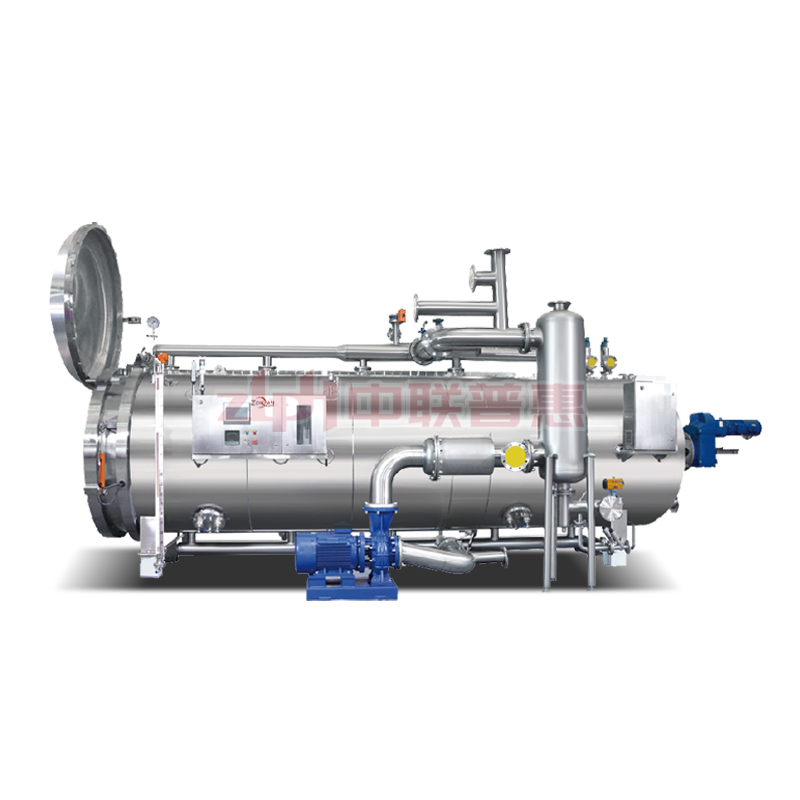
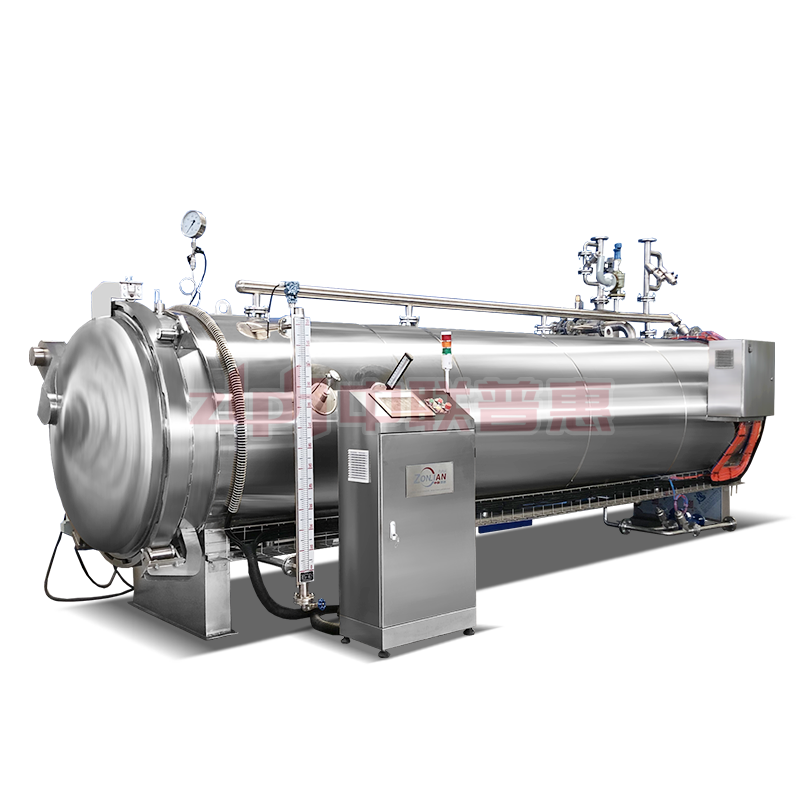
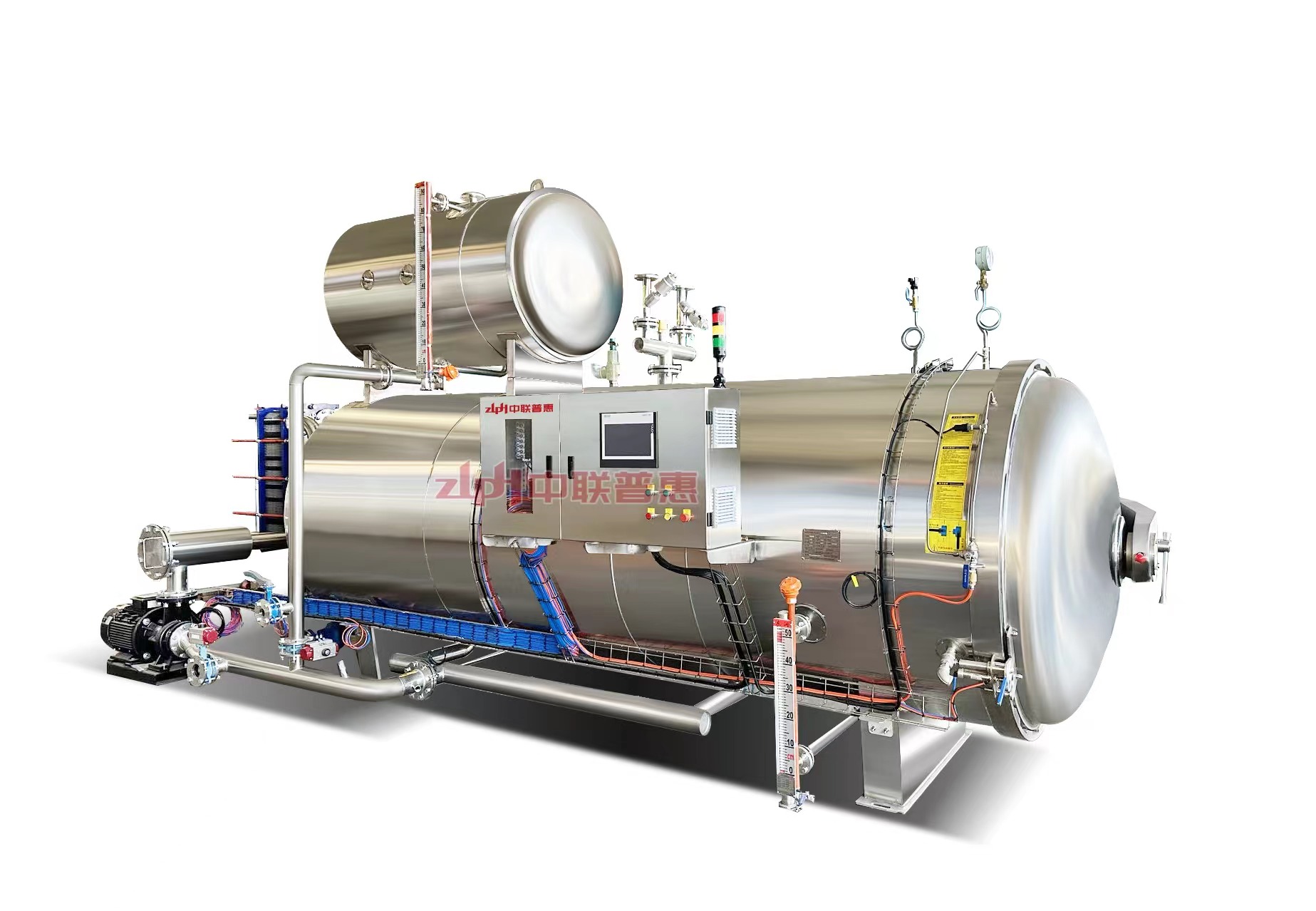
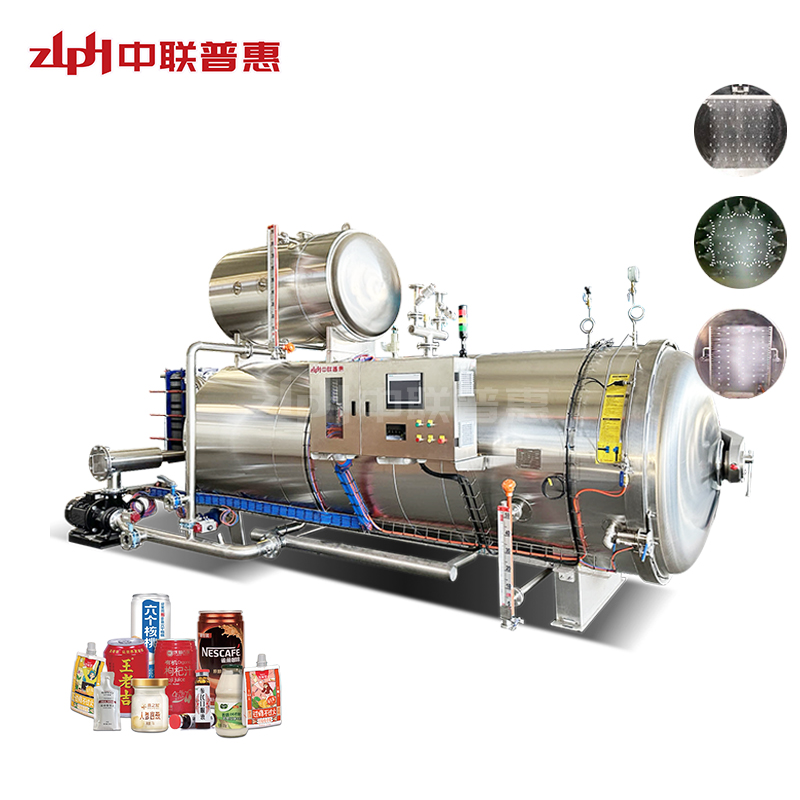
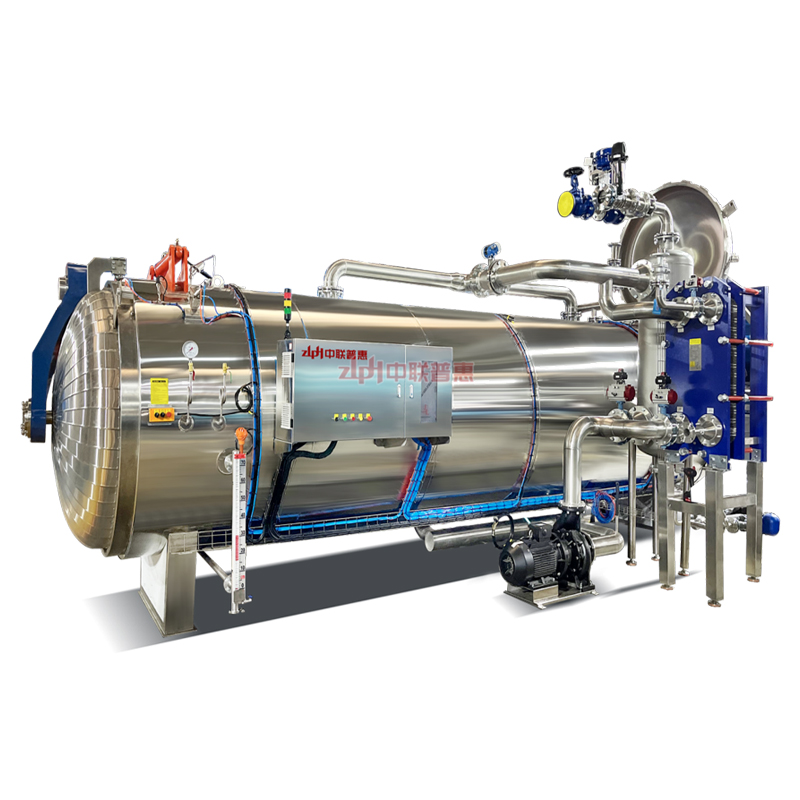
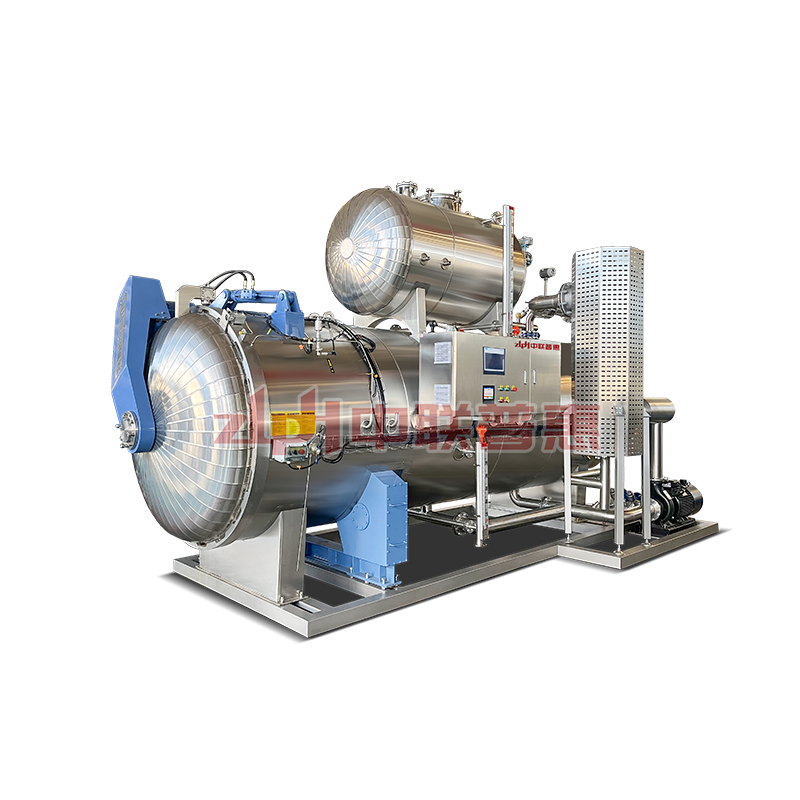
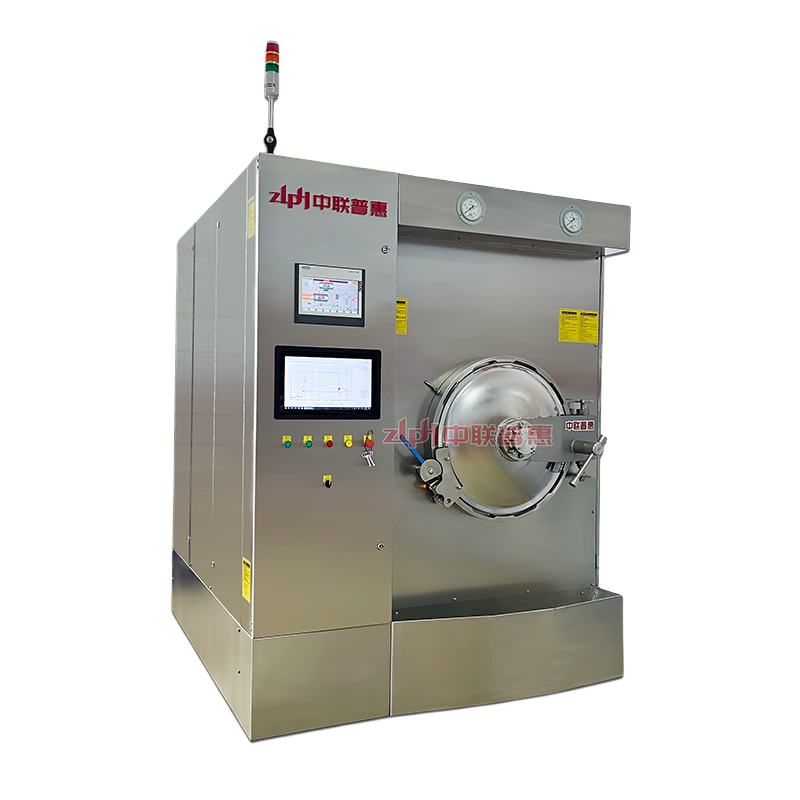
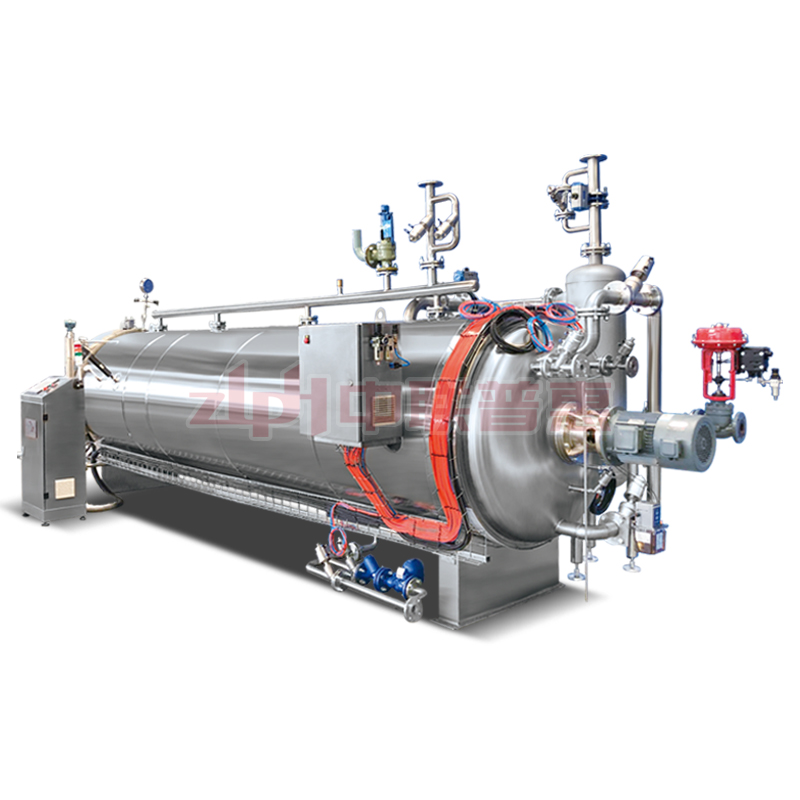
This guide is authored by a senior food processing engineer with over 12 years of experience at ZLPH MACHINERY TECHNOLOGY CO., LTD., a globally recognized provider of industrial sterilization solutions. It addresses a critical challenge faced by food manufacturers and procurement professionals worldwide: selecting a reliable water immersion retort autoclave supplier that ensures consistent product safety, operational efficiency, and compliance across diverse production environments.

Selecting the right water immersion retort autoclave has long been a major pain point in the food processing industry, primarily due to inconsistent sterilization performance, complex operation, and lack of international certifications. Based on more than a decade of field validation and deployment across 5,000+ global installations, we have developed a proven, step-by-step framework to help you eliminate sterilization failures, reduce downtime, and ensure food safety compliance. In this guide, we dissect the root causes behind common sterilization inefficiencies, provide scenario-specific solutions, share real-world validation data, and outline best practices for vendor selection—all grounded in actual project experience and technical rigor .

How to Ensure Consistent Sterilization Performance Across Different Food Products?
1. Scenario & Pain Point
Food producers handling diverse products—such as canned meats, ready-to-eat meals, or pet food in bowls—often struggle with uneven heat distribution during water immersion sterilization. This leads to under-processing (safety risks) or over-processing (texture degradation), especially when switching between product types without recalibrating the system.

2. Root Cause Analysis
The core issues include: (1) lack of precise temperature and pressure control during the sterilization cycle; (2) absence of uniform water spray distribution inside the chamber; and (3) manual loading/unloading causing inconsistent basket placement, which disrupts thermal flow .

3. Step-by-Step Solution
Implement an intelligent water spray sterilization retort with real-time monitoring of temperature and pressure to maintain optimal sterilization conditions. Pair it with an automated retort trays loader-unloader system to ensure consistent basket positioning. The water spray system must evenly distribute process water throughout the chamber to eliminate cold spots .
4. Pitfall Avoidance Guide
Avoid retrofitting generic autoclaves for food use—these lack food-grade materials and precise thermal control. Always validate thermal uniformity using third-party mapping studies before full-scale deployment. Ensure the equipment supports programmable recipes for different product types.
5. Real-World Validation
At the Petfair Asia 2023 exhibition, our automated bowl-product sterilization line demonstrated consistent F₀ value control within ±0.5 across 100+ test cycles, meeting FDA and EU food safety standards. Customers reported a 30% reduction in product rejection rates post-installation .
How to Simplify Operation and Reduce Labor Dependency in Retort Systems?
1. Scenario & Pain Point
Manual loading and unloading of retort baskets are labor-intensive, error-prone, and pose safety risks due to high-temperature operations. Many facilities face bottlenecks during peak production due to slow cycle turnaround.
2. Root Cause Analysis
Traditional retorts rely on manual handling, leading to inconsistent cycle times, operator fatigue, and potential contamination risks during transfer .
3. Step-by-Step Solution
Deploy an integrated retort trays loader-unloader system that automates basket transfer between conveyors and the sterilization chamber. This reduces human intervention, accelerates cycle time by up to 40%, and enhances workplace safety .
4. Pitfall Avoidance Guide
Ensure the automation system is compatible with your existing conveyor layout. Conduct a workflow simulation before installation to avoid integration issues. Prioritize systems with modular design for future scalability.
5. Real-World Validation
A seafood processor in Southeast Asia reduced labor costs by 25% and increased daily output from 8 to 12 cycles after installing our automated loader-unloader system, with zero safety incidents over 18 months of operation.
What Certifications Should a Water Immersion Retort Manufacturer Have for Global Markets?
1. Scenario & Pain Point
Export-oriented food manufacturers often face customs delays or market entry barriers due to non-compliant sterilization equipment lacking region-specific certifications.
2. Root Cause Analysis
Many suppliers offer “CE-like” documentation without genuine certification, risking regulatory rejection in the EU, Russia, or ASEAN markets .
3. Step-by-Step Solution
Choose a manufacturer holding verifiable ASME, CE, EAC (for Eurasian markets), Malaysia DOSH, and Special Equipment Production License. These certifications confirm adherence to engineering, safety, and hygiene standards required globally .
4. Pitfall Avoidance Guide
Always request certificate numbers and verify them through official issuing bodies. Avoid vendors who cannot provide original certification documents.
5. Real-World Validation
Our equipment cleared Russian customs within 48 hours during AGROPRODASH 2023 due to valid EAC certification, enabling immediate demonstration and customer trust .
Industry Best Practices for Selecting a Retort Autoclave Supplier
Based on 12+ years of global deployments, we recommend this 5-step vendor evaluation framework:
- Verify Certifications First: Confirm ASME, CE, EAC, and local regulatory compliance before technical review.
- Assess Automation Integration: Prioritize suppliers offering loader-unloader systems and smart control interfaces.
- Request Thermal Validation Data: Ask for F₀ uniformity reports from third-party labs.
- Evaluate After-Sales Support: Ensure 24/7 technical assistance and spare parts availability in your region.
- Test with Your Product: Insist on a live demo using your actual packaging and recipe .
Frequently Asked Questions (FAQ)
Q: Can a standard autoclave be used for food sterilization?
A: No. Food-grade retorts require precise thermal control, food-contact compliant materials (e.g., SS304/316), and validated sterilization cycles—features absent in medical or lab autoclaves.
Q: What’s the advantage of upper-door design in retorts?
A: It enables faster loading/unloading, reduces operator strain, and integrates seamlessly with automated conveyor systems .
Q: How to validate sterilization effectiveness?
A: Use biological indicators (e.g., Geobacillus stearothermophilus) and thermal mapping to confirm F₀ ≥ 2.5 for low-acid foods, per FDA guidelines.
Q: Is water spray better than full water immersion?
A: Water spray offers faster heat transfer, lower water consumption, and better suitability for fragile packaging—ideal for ready meals and pet food bowls .
Q: Do you support custom chamber sizes?
A: Yes. We offer tailored retort dimensions based on basket configuration and production volume, with engineering support for integration .
About Our Expertise & Global Support
ZLPH MACHINERY TECHNOLOGY CO., LTD. is a leading global provider of intelligent sterilization solutions, operating a 50-acre modern factory with 15,000㎡ of advanced manufacturing space. We hold ASME, CE, EAC, Malaysia DOSH, and Special Equipment Production Licenses, alongside AAA-level credit and integrity certifications . Our systems serve clients across Asia, Europe, and the Americas, including major players in pet food, canned goods, and ready-meal sectors. With 5,000+ installations and participation in key exhibitions like AGROPRODASH 2023 and Petfair Asia 2023, we deliver proven, scalable sterilization performance .
We offer customized support including: (1) on-site process assessment, (2) thermal validation testing, (3) automation integration design, and (4) free sample trials with your product.
Contact Us
Company: ZLPH MACHINERY TECHNOLOGY CO., LTD.
Website: https://www.zlphretort.com/
Email: sales@zlphretort.com
Phone / WhatsApp: +86 15666798389 / +86 13361554016
