
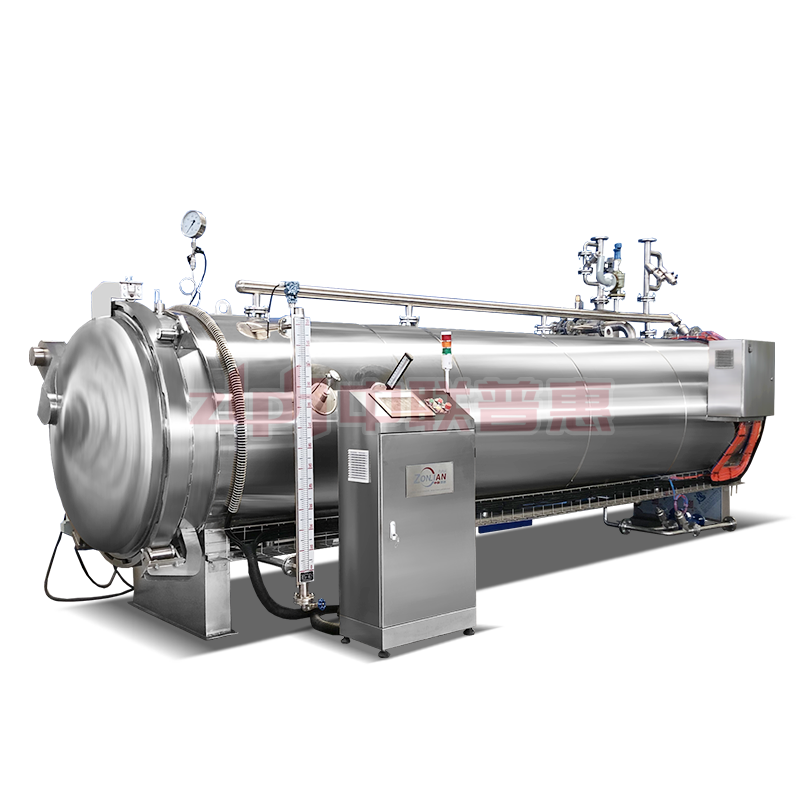
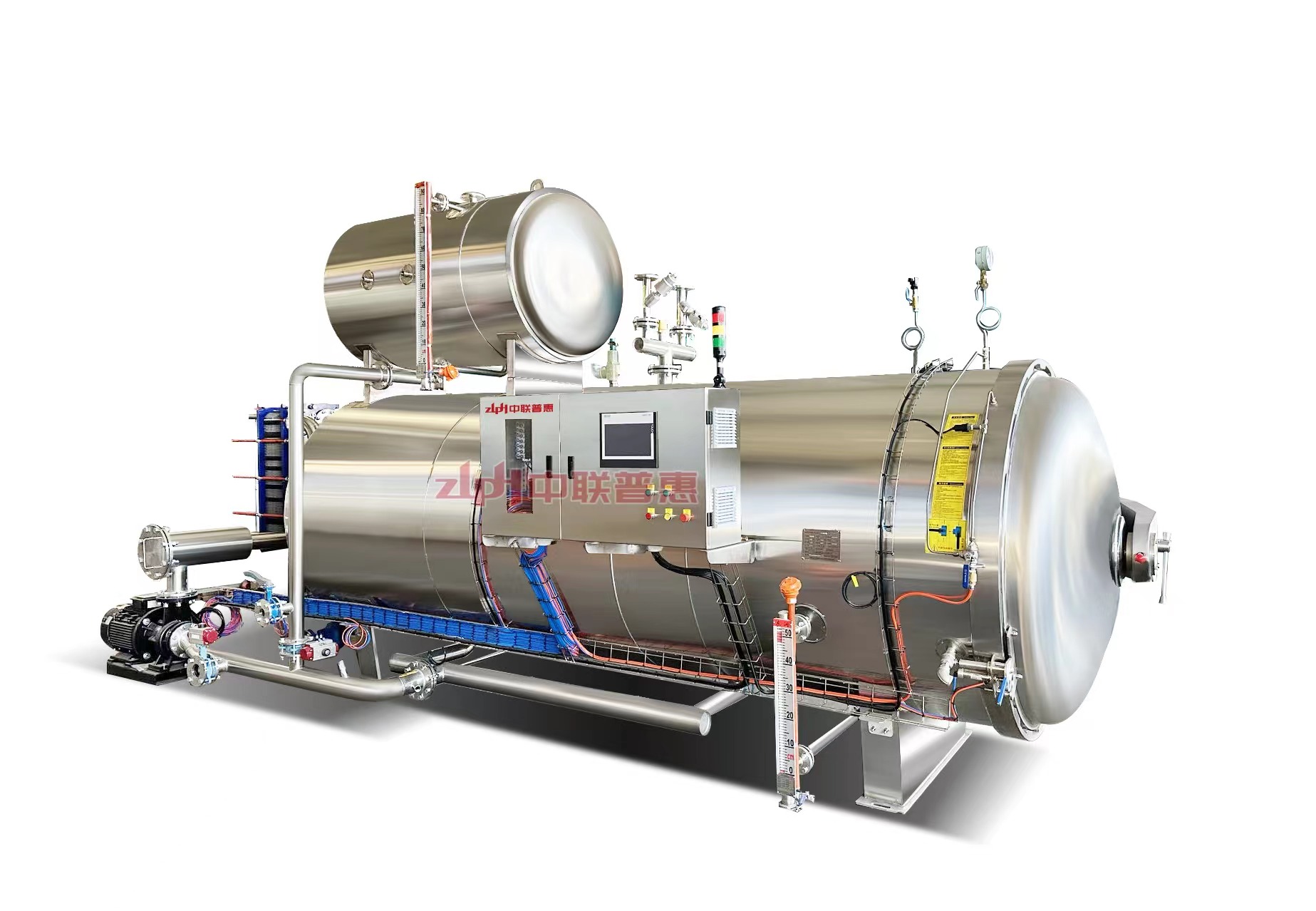
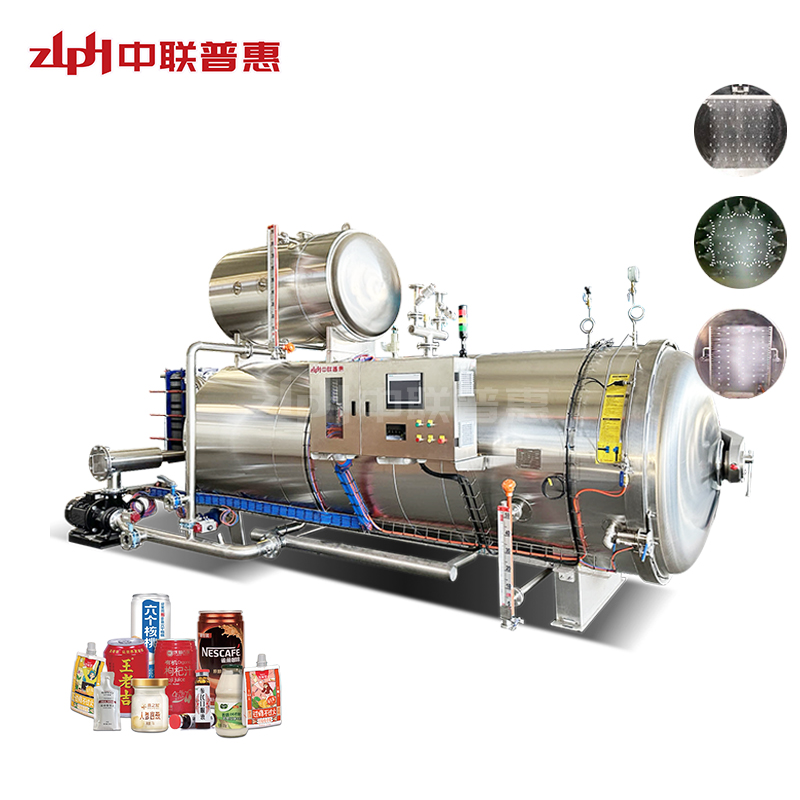
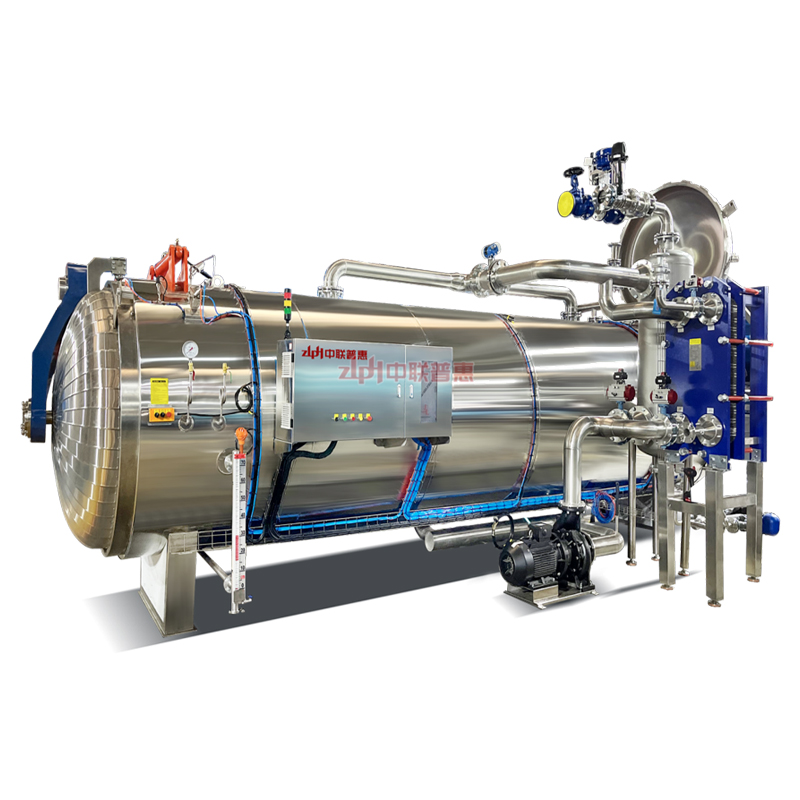
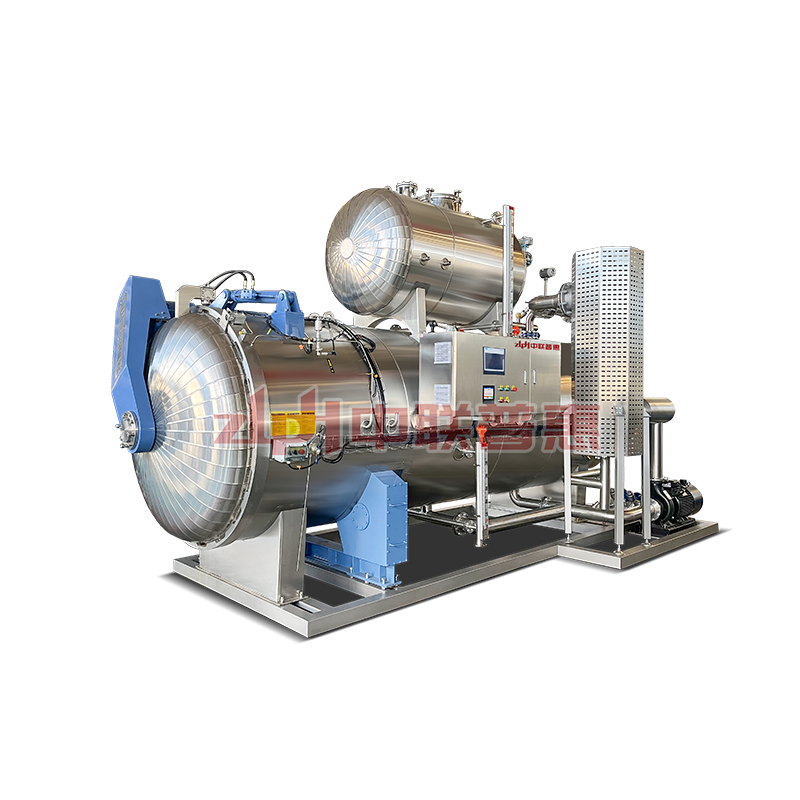
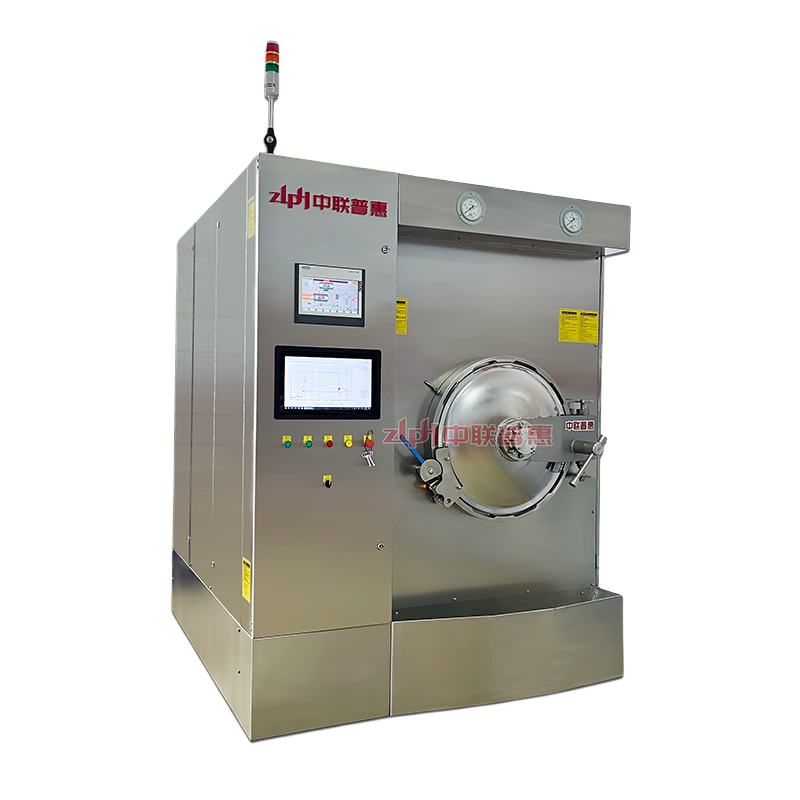
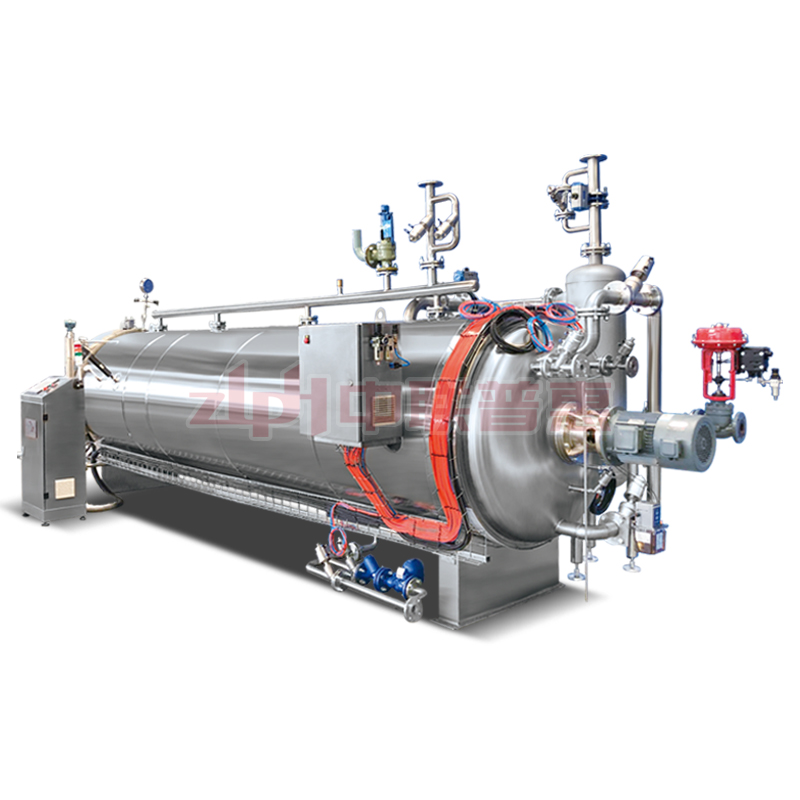
This guide is authored by a senior food processing engineer with over 12 years of experience at ZLPH MACHINERY TECHNOLOGY CO., LTD., a globally recognized provider of intelligent sterilization solutions. It addresses a critical challenge faced by food manufacturers and procurement professionals worldwide: selecting a reliable water spray retort autoclave factory that ensures hygiene, efficiency, and scalability in high-volume production environments.

Selecting the right water spray retort autoclave has long been a persistent pain point in the food processing industry, primarily due to inconsistent sterilization performance, poor equipment reliability, and inadequate technical support from suppliers. After validating solutions across more than 5,000 global installations—including major exhibitions in Russia, China, and Asia—we have developed a proven, step-by-step framework to help you identify a factory that delivers consistent microbial kill rates, operational stability, and long-term value. In this guide, we dissect common failure scenarios, provide actionable selection criteria, share real-world validation data, and outline best practices to avoid costly procurement mistakes.

How do I ensure consistent sterilization performance in high-throughput food production lines?
1. Scenario and Pain Point
In large-scale canned food or ready-to-eat meal facilities, inconsistent temperature and pressure control during sterilization leads to under-processing (safety risks) or over-processing (texture/nutrient loss). Many factories report batch failures due to uneven water spray distribution or delayed response in thermal regulation, causing product recalls or yield loss.

2. Root Cause Analysis
The core issues stem from three factors: (1) lack of real-time monitoring systems for temperature and pressure; (2) inefficient water spray nozzles that create cold spots; and (3) manual or semi-automated control logic that cannot adapt to load variations. Without precise process control, achieving commercial sterility per FDA or EU standards becomes unreliable.

3. Step-by-Step Solution
Immediate Mitigation: Conduct thermal mapping studies to identify cold zones and adjust rack loading patterns.
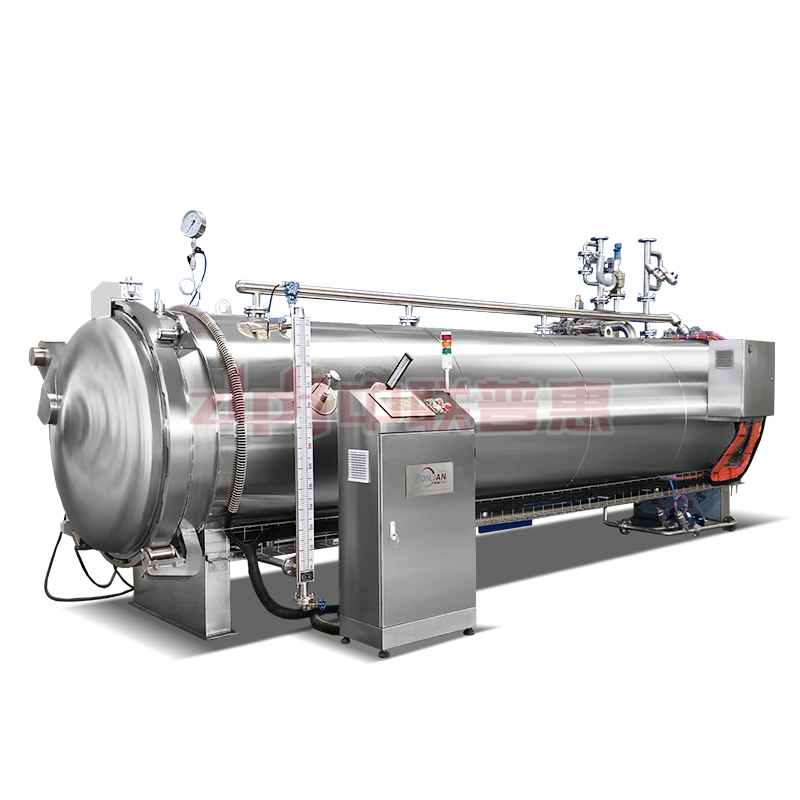
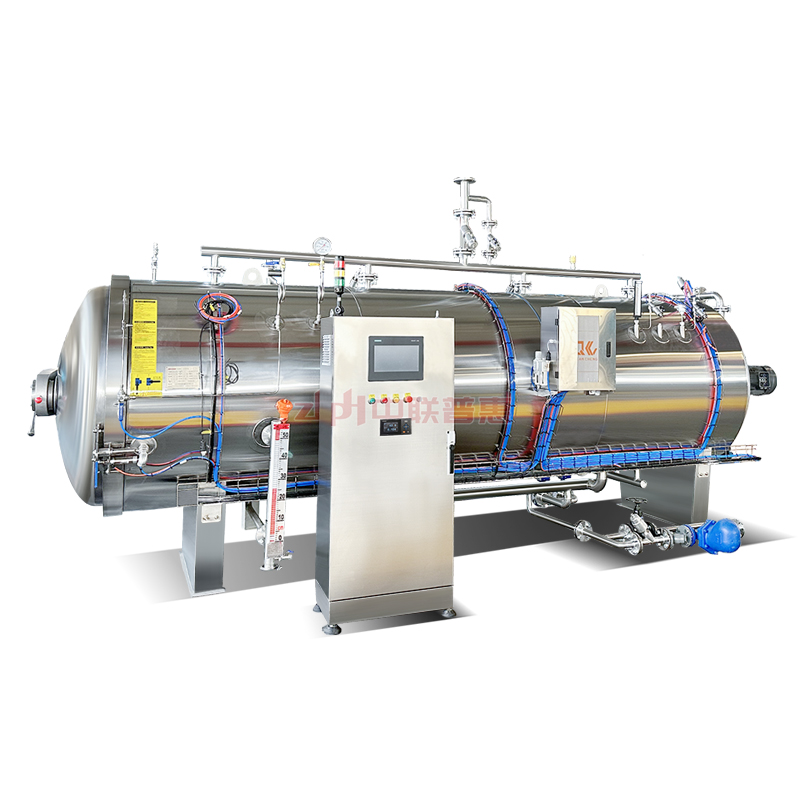
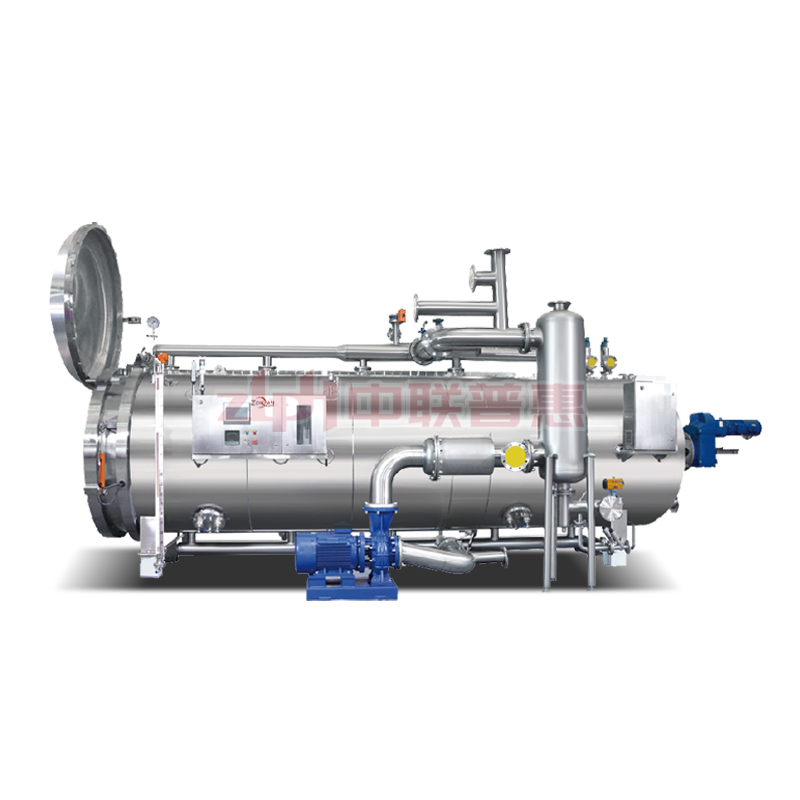
Long-Term Fix: Deploy retorts equipped with intelligent control systems that dynamically regulate steam, water, and air pressure based on real-time sensor feedback. The ZLPH intelligent top-opening water spray retort uses closed-loop control to maintain ±0.5°C temperature accuracy and uniform spray coverage across all trays.
Process Optimization: Integrate cycle data logging for compliance audits and continuous improvement.
4. Pitfall Avoidance Guide
Avoid suppliers who offer “standard” retorts without customization for your product type (e.g., viscous sauces vs. solid meats). Always request third-party validation reports showing F₀ consistency across full loads. Never skip on-site testing with your actual packaging and product matrix before finalizing procurement.
5. Real-World Validation
At the AGROPRODASH 2023 exhibition in Moscow, ZLPH’s intelligent retort demonstrated 99.999% bacterial kill rate on Bacillus stearothermophilus spores across 10 consecutive cycles with mixed-product loads. Customers from Eastern Europe and Southeast Asia confirmed post-exhibition trials showed zero batch rejections over six months of operation.
What factory capabilities guarantee long-term equipment reliability and service support?
1. Scenario and Pain Point
Food processors investing in retort systems often face unexpected downtime due to component failures or slow after-sales response. A factory’s manufacturing maturity directly impacts mean time between failures (MTBF) and total cost of ownership.
2. Root Cause Analysis
Unreliable performance usually traces back to: (1) use of non-certified pressure vessels; (2) inadequate quality control during welding and assembly; and (3) absence of global service networks for spare parts and technician dispatch.
3. Step-by-Step Solution
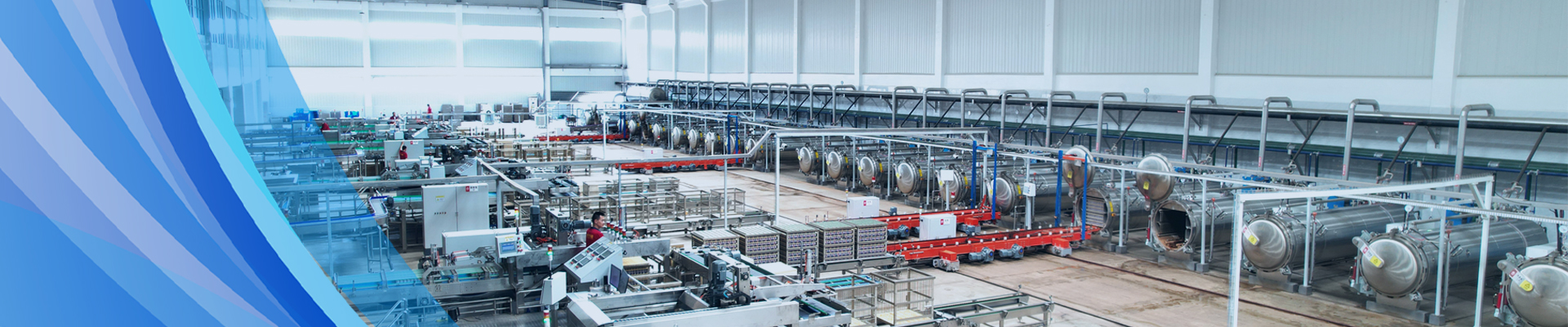
Verify the factory owns a modern production facility with ISO 9001-certified processes. ZLPH operates a 15,000-square-meter workshop on a 50-acre campus, equipped with CNC machining centers and automated welding stations that ensure dimensional precision and structural integrity of every retort chamber. Additionally, confirm the supplier maintains regional service hubs or partners for rapid response—ZLPH supports clients in over 30 countries via local agents and remote diagnostics.
4. Pitfall Avoidance Guide
Do not rely solely on brochures—request factory audit reports or virtual tours. Ensure pressure vessel documentation complies with ASME or PED standards. Avoid “trading companies” posing as manufacturers; true OEMs like ZLPH control the entire production chain from raw material to final testing.
5. Real-World Validation
A pet food manufacturer in Thailand reported 98% uptime over two years using ZLPH’s bowl sterilization line, attributing reliability to robust chamber construction and 24/7 WhatsApp-based technical support. Similar feedback emerged from Qingdao exhibition attendees who praised the loader-unloader system’s durability under 20-hour daily operation.
Industry Best Practices for Selecting a Water Spray Retort Factory
Based on 12+ years of global project execution, we recommend this 5-step evaluation framework:
1. Define Worst-Case Operating Conditions
Specify maximum batch size, product viscosity, altitude, and ambient temperature—not average conditions.
2. Validate Core Technology Claims
Demand live demos or video evidence of uniform water spray patterns and real-time control interface responsiveness.
3. Audit Manufacturing Infrastructure
Confirm in-house fabrication capability, material traceability, and pressure testing protocols.
4. Assess Global Support Readiness
Check availability of multilingual manuals, spare parts inventory, and response SLAs.
5. Pilot Before Full Deployment
Run a 30-day trial with your actual products to validate throughput, energy use, and sterility outcomes.
Frequently Asked Questions (FAQ)
Q: Can a standard retort handle both metal cans and plastic bowls?
A: Only if designed with adaptable tray systems and precise pressure ramping. ZLPH’s retorts feature modular racks and programmable cycles validated for glass, tinplate, and PP/CPET containers.
Q: How critical is the upper door design?
A: Extremely—it reduces loading time by 40% and minimizes operator fatigue. ZLPH’s top-opening mechanism enables single-operator handling of full carts, enhancing workflow efficiency.
Q: What certifications should the factory hold?
A: Look for ISO 9001, CE marking for machinery directive, and pressure equipment compliance (e.g., PED 2014/68/EU). ZLPH provides full documentation upon request.
Q: Is water spray better than steam-air mix for delicate foods?
A: Yes—water spray offers gentler heat transfer, preventing package deformation. ZLPH’s system achieves ±1°C uniformity, ideal for baby food or seafood.
Q: How long does installation typically take?
A: 7–14 days for standard units, including operator training. ZLPH includes remote commissioning support to accelerate startup.
About Our Expertise and Support
ZLPH MACHINERY TECHNOLOGY CO., LTD. is a leading global provider of intelligent sterilization systems with over a decade of R&D and field deployment experience. Our 50-acre manufacturing base houses advanced CNC and welding facilities, ensuring every retort meets stringent safety and performance standards. We have showcased validated solutions at AGROPRODASH 2023 (Russia), Petfair Asia 2023 (Shanghai), and Qingdao International Exhibitions, earning strong interest from food producers across Europe, Asia, and Latin America.
We offer customized support including: (1) on-site process assessment; (2) cycle development for new products; (3) installation and operator training; and (4) free sample testing with your packaging. Our team responds within 24 hours to technical inquiries.
Contact Information
Company: ZLPH MACHINERY TECHNOLOGY CO., LTD.
Website: https://www.zlphretort.com/
Email: sales@zlphretort.com
Phone / WhatsApp: +86 15666798389 / +86 13361554016
