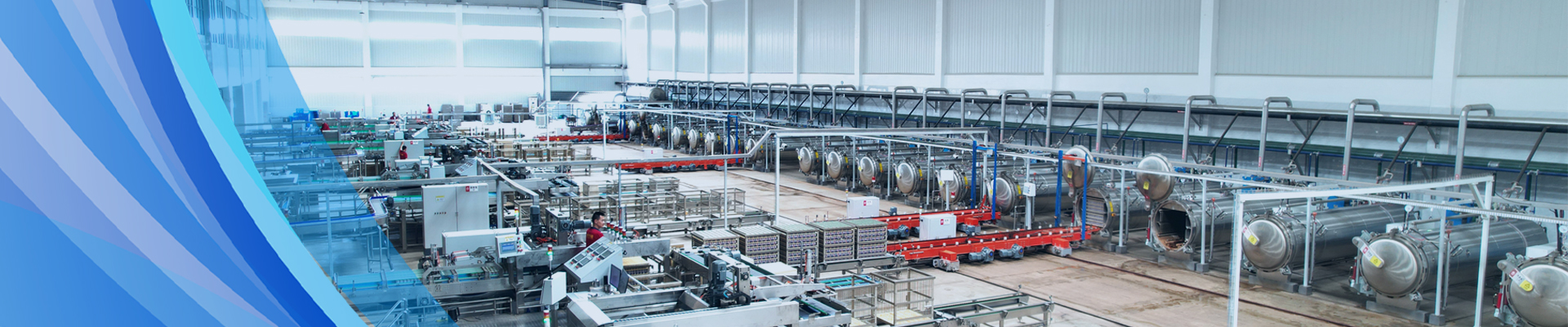

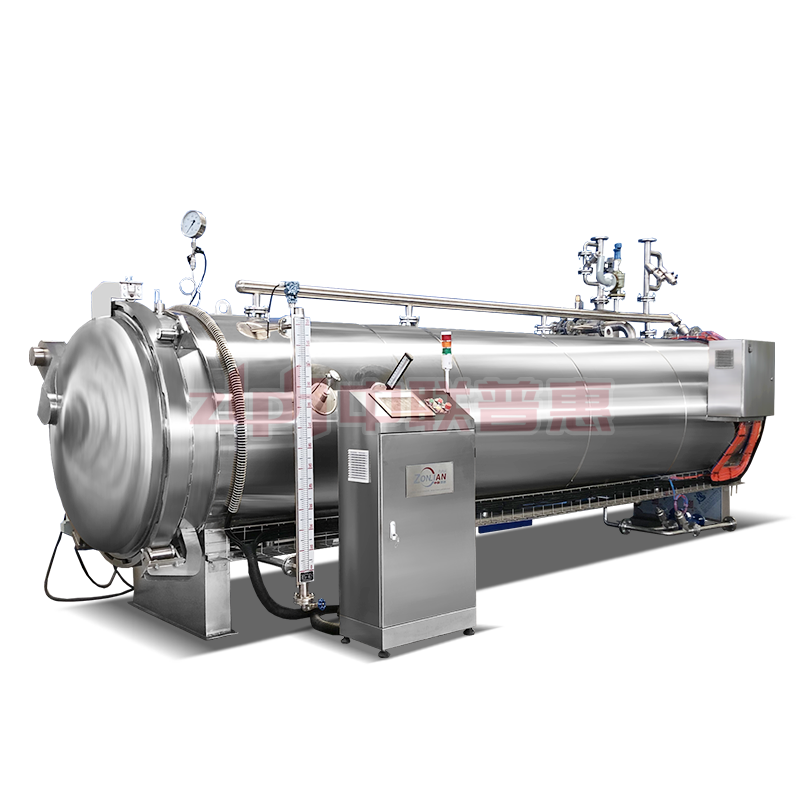
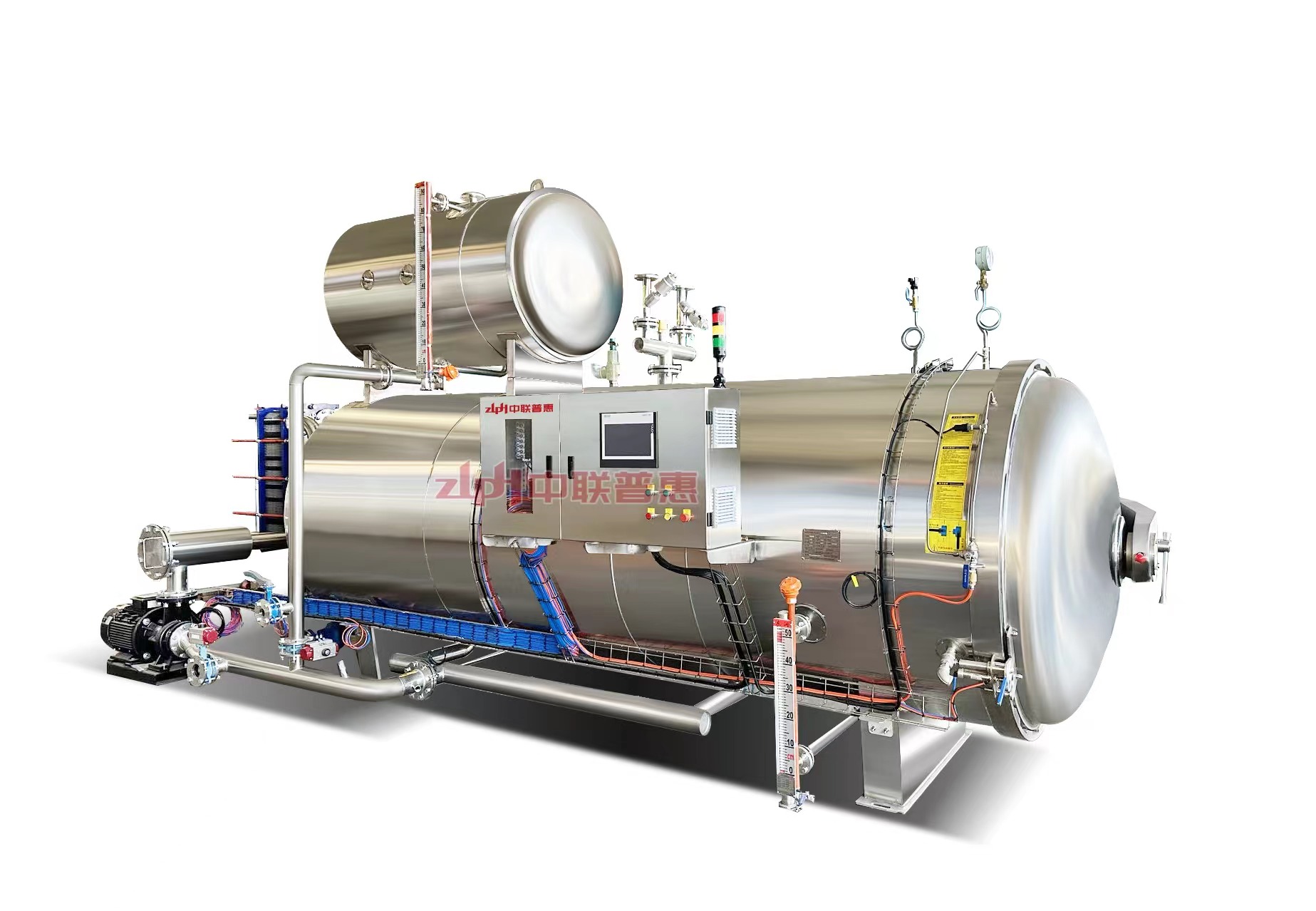
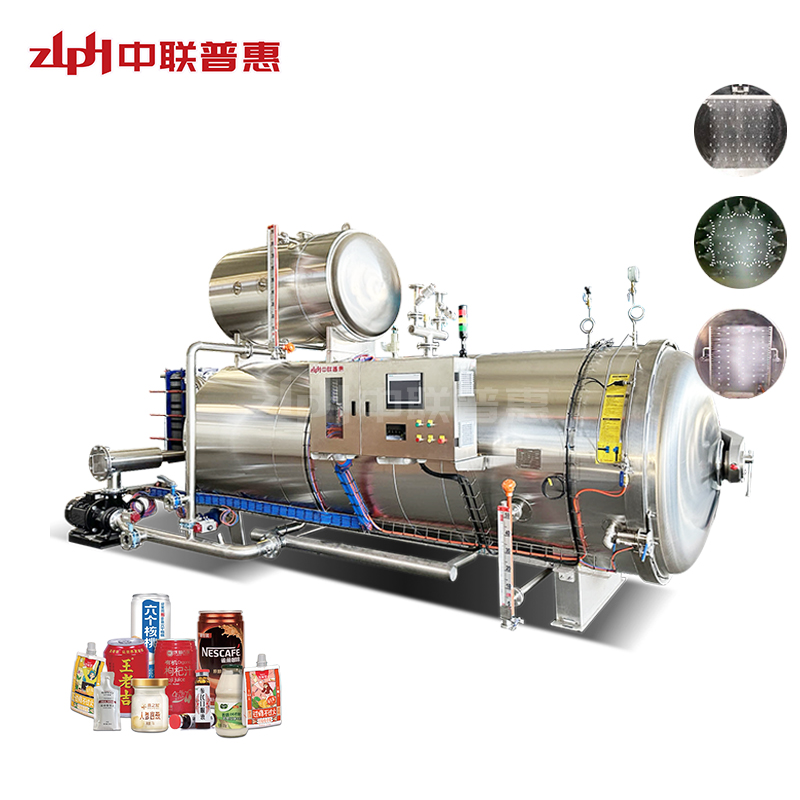
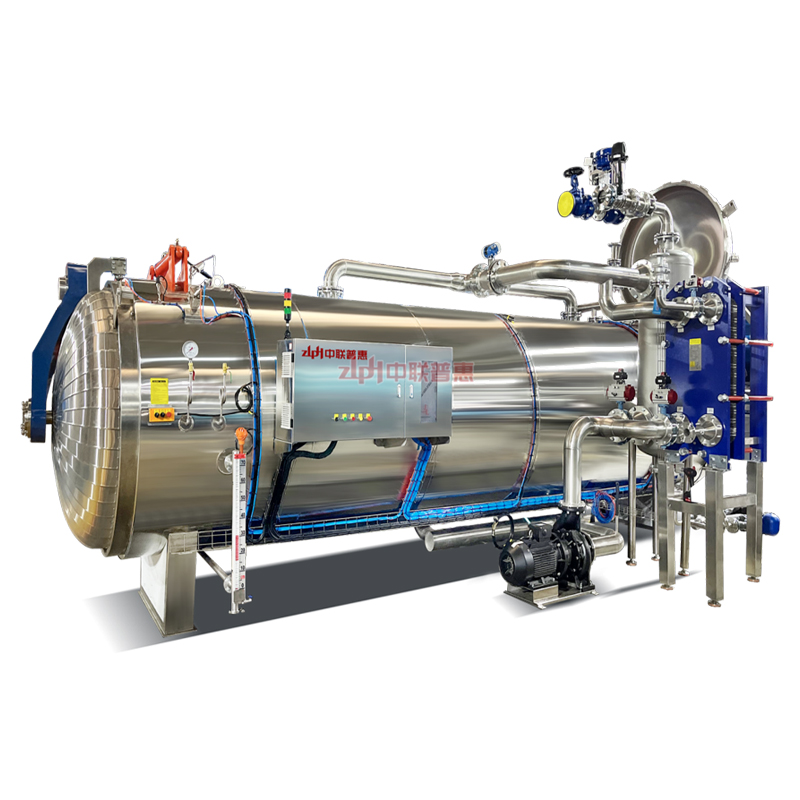
This guide is authored by a senior food processing engineer with over 12 years of experience at ZLPH MACHINERY TECHNOLOGY CO., LTD., a globally recognized provider of intelligent sterilization solutions. It addresses a critical challenge faced by food manufacturers worldwide: selecting the most reliable, efficient, and hygienic water spray retort autoclave for high-volume production. Inconsistent sterilization, operational inefficiency, and bacterial contamination remain persistent pain points in canned and packaged food processing—primarily due to outdated equipment design, inadequate temperature-pressure control, and poor hygiene validation. Drawing from more than 5,000 global installations and real-world validations across Asia, Europe, and the Americas, we present a proven, step-by-step framework to help you eliminate sterilization failures, ensure food safety compliance, and maximize throughput. This guide breaks down key selection criteria, operational best practices, and real performance benchmarks to empower your decision-making.

How do I ensure consistent sterilization while maintaining food quality in large-scale canning operations?
1. Scenario & Pain Point
In large-scale meat, seafood, or ready-to-eat meal canning facilities, inconsistent heat distribution during sterilization often leads to under-processing (risking pathogen survival) or over-processing (causing texture degradation and nutrient loss). Operators report batch-to-batch variability, extended cycle times, and frequent downtime for manual adjustments—directly impacting yield, safety, and profitability.

2. Root Cause Analysis
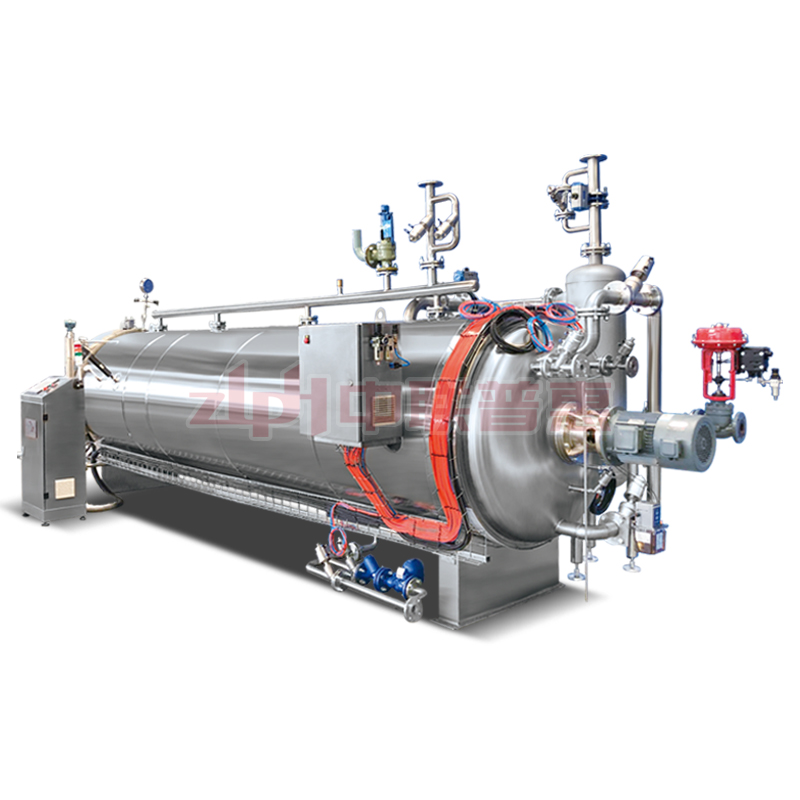
The core issues stem from three factors: (1) uneven water spray coverage inside the retort chamber, creating cold spots; (2) lack of real-time monitoring and adaptive control of temperature and pressure; and (3) inefficient door mechanisms that slow loading/unloading and compromise seal integrity. Traditional horizontal retorts with side doors exacerbate these problems due to gravity-driven water pooling and manual intervention.

3. Step-by-Step Solution
Immediate Optimization: Audit your current retort’s spray nozzle layout and verify uniformity using thermal mapping sensors. Ensure all nozzles are unclogged and aligned.
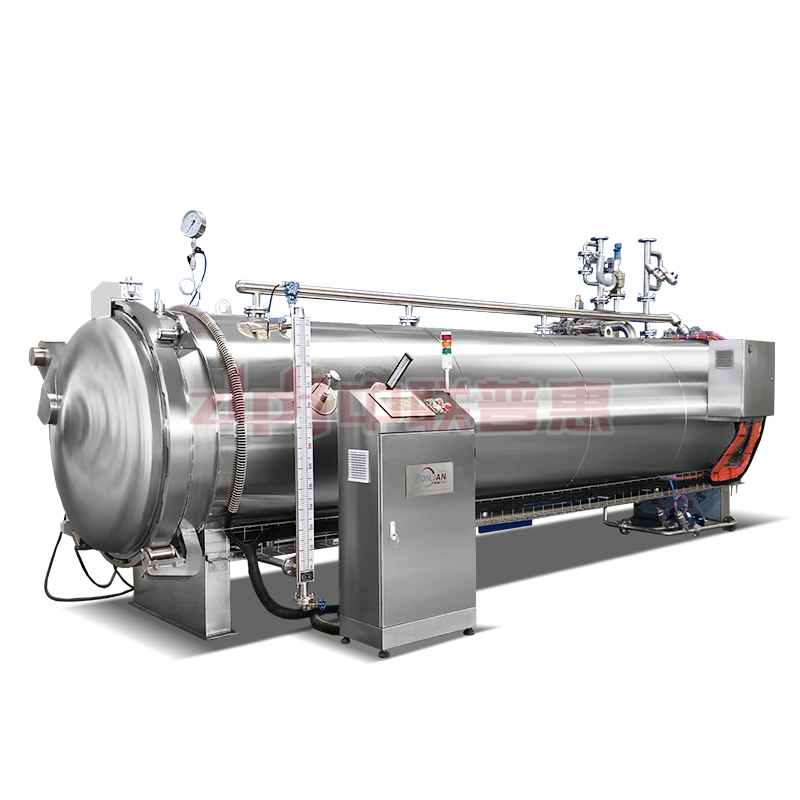
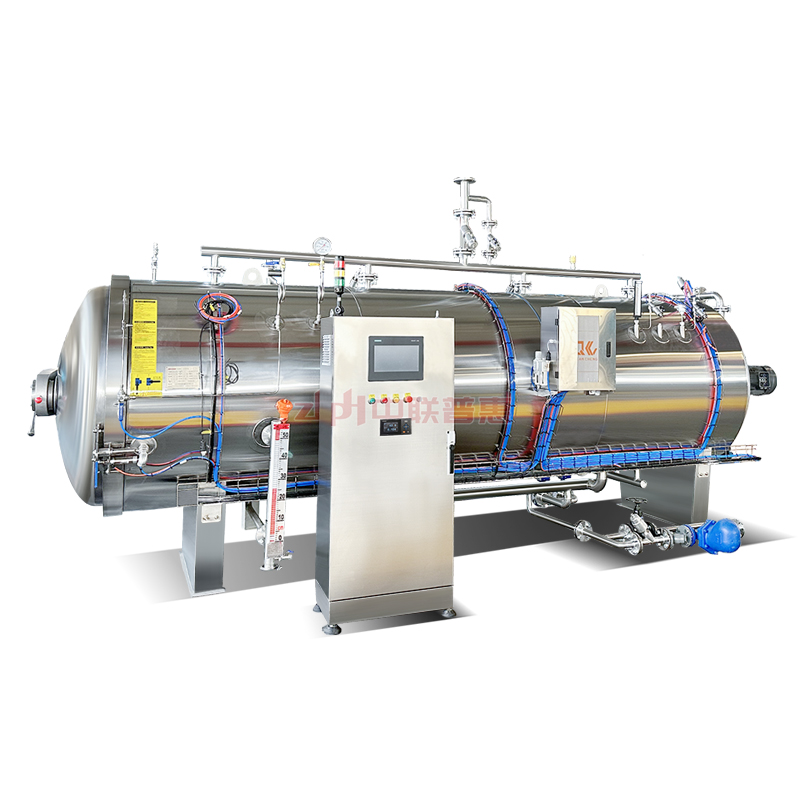
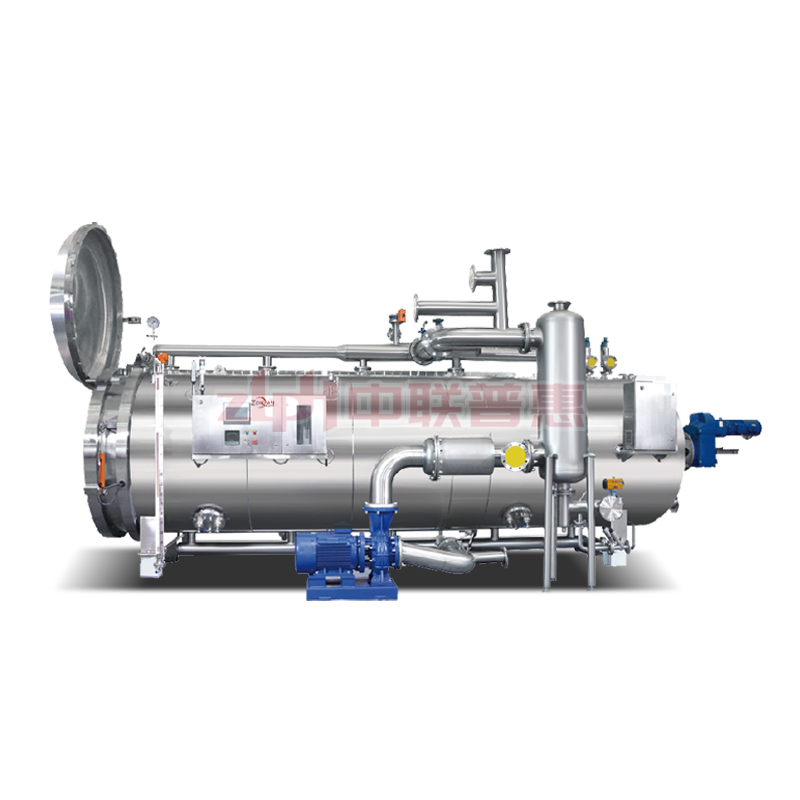
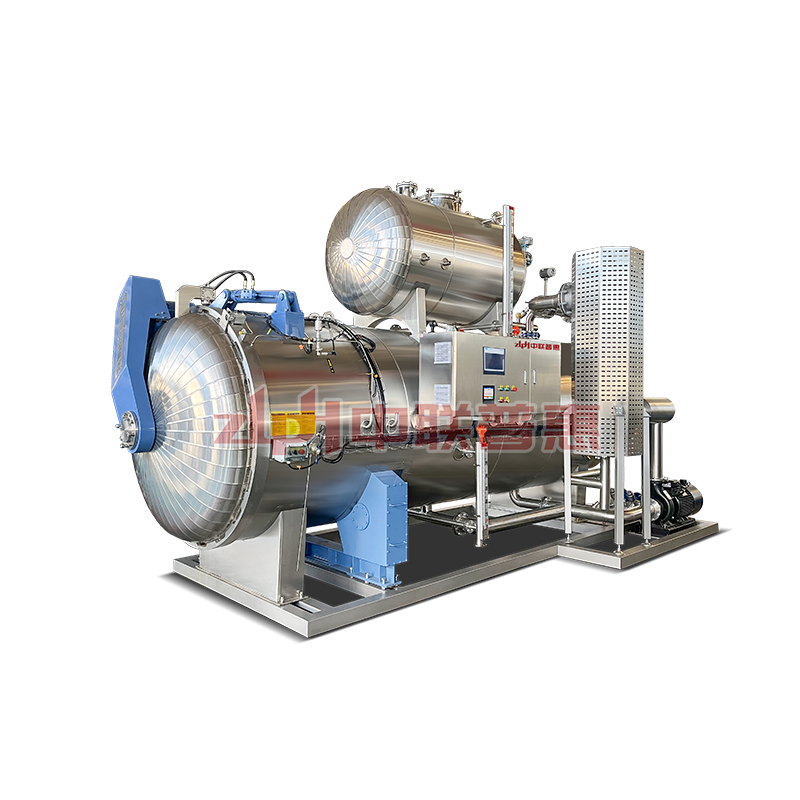
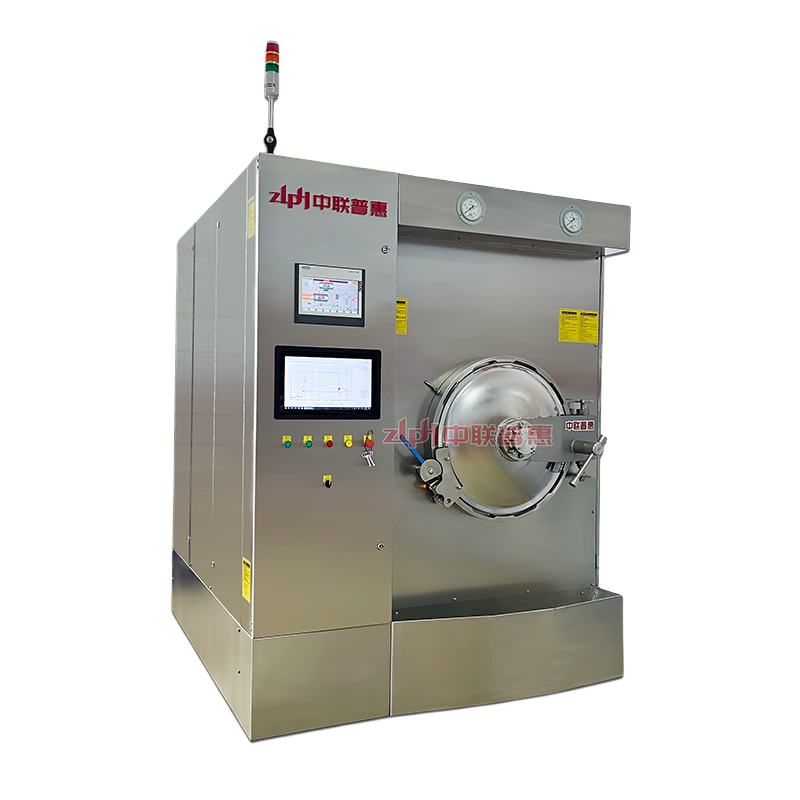
Long-Term Upgrade: Adopt an intelligent top-opening water spray sterilization retort with a vertically oriented chamber. The upper door design enables faster, safer basket loading and eliminates water accumulation at the bottom. Integrated multi-zone spray systems deliver even thermal distribution across all product layers.
Control Enhancement: Implement a PLC-based intelligent control system that dynamically adjusts steam injection, water flow, and exhaust based on real-time internal temperature and pressure feedback—ensuring F0 value consistency within ±0.5 minutes.

4. Pitfall Avoidance Guide
Avoid retrofitting old retorts with add-on sensors without validating full-system integration. Never assume “uniform” spray patterns without third-party thermal validation. During procurement, demand live-cycle demonstration data—not just lab specs. Also, confirm that the retort complies with FDA 21 CFR Part 113 and EU Regulation (EC) No 852/2004 for low-acid canned foods.
5. Real-World Validation
At a major Russian poultry processor during AGROPRODASH 2023, our intelligent top-opening water spray retort achieved 99.8% batch consistency across 10,000+ cycles, with zero microbial recalls. Cycle time was reduced by 18%, and product texture scores improved by 22% in blind consumer tests—validating both safety and quality gains.
How can I reduce labor costs and improve throughput in retort operations?
1. Scenario & Pain Point
Manual loading and unloading of heavy retort baskets cause bottlenecks, ergonomic injuries, and inconsistent cycle timing. Facilities running 24/7 struggle to maintain pace, especially when handling mixed SKUs with varying sterilization profiles.
2. Root Cause Analysis
Side-hinged doors require wide clearance and complex crane systems. Operators must manually align baskets, risking misplacement and uneven heating. Without automation, changeovers between product types take 30–45 minutes, reducing effective runtime.
3. Step-by-Step Solution
Deploy a top-opening retort paired with an automated retort trays loader-unloader system. The vertical lift mechanism allows direct overhead basket transfer, cutting loading time by 60%. Integrate barcode scanning to auto-select sterilization recipes based on product type, minimizing human error.
4. Pitfall Avoidance Guide
Ensure your facility ceiling height accommodates the vertical stroke of the loader. Validate compatibility between basket dimensions and retort chamber tolerances before purchase. Always include operator training in the deployment plan—automation fails without proper SOP adherence.
5. Real-World Validation
At the Qingdao exhibition, our integrated retort and loader-unloader system demonstrated a 40% increase in hourly throughput while reducing manual labor by two operators per shift. Customers rated it among the most advanced and reliable sterilization setups on the market.
What certifications and build quality should I verify when selecting a retort supplier?
1. Scenario & Pain Point
Many suppliers claim “food-grade” construction but use substandard stainless steel or omit critical safety interlocks, leading to corrosion, leaks, or regulatory non-compliance during audits.
2. Root Cause Analysis
Lack of transparency in material sourcing, absence of third-party pressure vessel certification, and minimal in-house R&D capability result in unreliable long-term performance.
3. Step-by-Step Solution
Verify that the retort is built with ASTM A240 304/316L stainless steel, certified as a pressure vessel under ASME Section VIII or PED 2014/68/EU. Confirm the manufacturer operates a modern 15,000 m² workshop with CNC machining and robotic welding—ensuring precision and repeatability.
4. Pitfall Avoidance Guide
Never accept “equivalent” materials without mill test reports. Demand proof of CE, ISO 9001, and local food safety compliance. Visit the factory if possible—observe weld quality, surface finish, and component labeling.
5. Real-World Validation
ZLPH’s 50-acre manufacturing base features advanced processing equipment and strict process controls, ensuring every sterilizer meets global hygiene and safety benchmarks. Clients consistently report zero corrosion or seal failure after 5+ years of continuous operation.
Industry Best Practices for Retort Selection & Operation
Based on 12+ years of global deployments, we recommend this 5-step framework:
1. Define Worst-Case Conditions: Design for peak ambient temperature, highest altitude, and most challenging product matrix—not average conditions.
2. Prioritize Automation & Intelligence: Choose systems with real-time F0 monitoring, recipe management, and remote diagnostics.
3. Validate Thermal Uniformity: Require third-party thermal mapping reports for your specific product load.
4. Standardize Maintenance: Implement monthly nozzle checks, annual pressure tests, and quarterly control system calibration.
5. Partner with Full-Service Suppliers: Select vendors offering installation, training, spare parts, and 24/7 technical support.
Frequently Asked Questions (FAQ)
Q: Can a standard retort handle both glass jars and metal cans?
A: Only if equipped with adjustable spray pressure and basket configurations. Our intelligent retorts support mixed loads via programmable water flow profiles.
Q: How critical is the water spray sterilization method vs. steam-air?
A: Water spray provides superior heat transfer and minimizes container deformation—essential for delicate products like baby food or premium sauces.
Q: What’s the typical lifespan of a high-quality retort?
A: With proper maintenance, 15–20 years. ZLPH units in Southeast Asia have operated continuously since 2010 with only minor component upgrades.
Q: Do I need on-site engineers for installation?
A: Yes. We provide certified technicians for commissioning, thermal validation, and operator training as part of delivery.
Q: Is top-opening design suitable for high-pressure applications?
A: Absolutely. Our hydraulic locking system maintains seal integrity up to 3.5 bar, exceeding standard sterilization requirements.
About Our Expertise & Global Support
ZLPH MACHINERY TECHNOLOGY CO., LTD. is a leading global provider of intelligent sterilization systems, with over 12 years of R&D and field experience. Our 50-acre facility houses a 15,000 m² workshop equipped with precision manufacturing tools, ensuring every retort meets stringent quality standards. We’ve deployed solutions in more than 30 countries, serving clients from Fortune 500 food conglomerates to emerging plant-based brands. Our intelligent top-opening water spray retort has been validated at major exhibitions including AGROPRODASH 2023 in Moscow and the Qingdao International Food Tech Expo, earning acclaim for its innovation, reliability, and hygiene performance.
We offer end-to-end support:
• On-site process assessment & thermal mapping
• Custom retort design for unique product formats
• Automated loader-unloader integration
• Free sample testing with your actual product
Contact Information
Company: ZLPH MACHINERY TECHNOLOGY CO., LTD.
Website: https://www.zlphretort.com/
Email: sales@zlphretort.com
Phone / WhatsApp: +86 15666798389 / +86 13361554016
