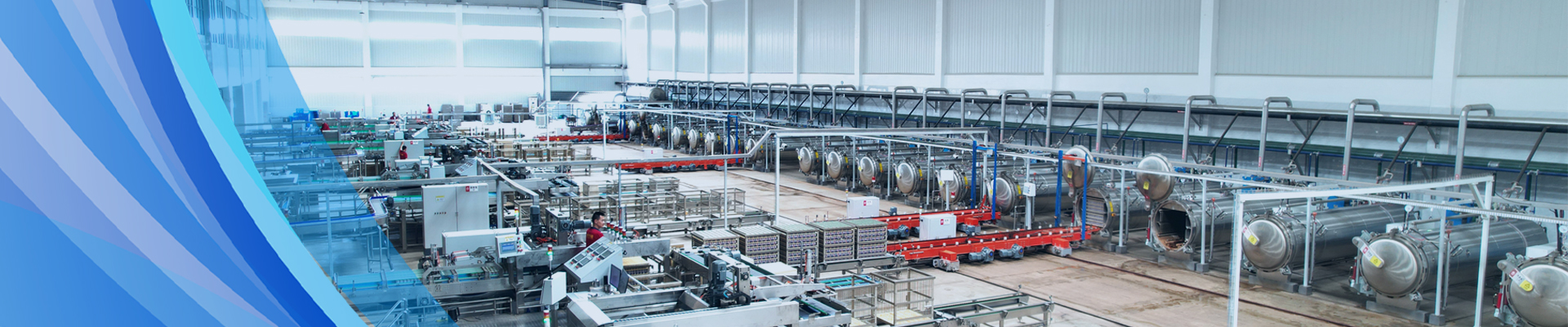

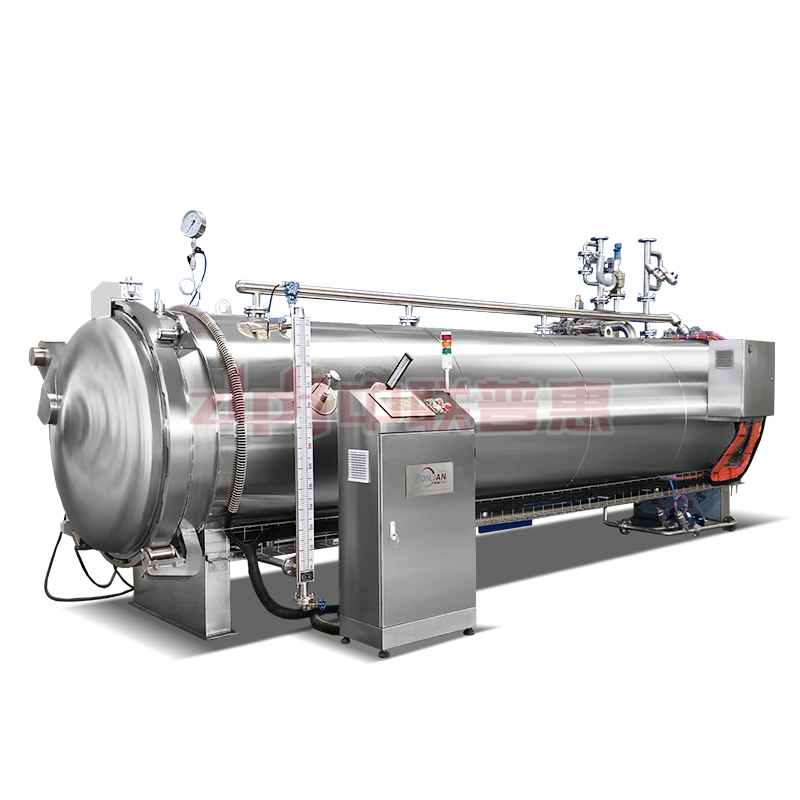
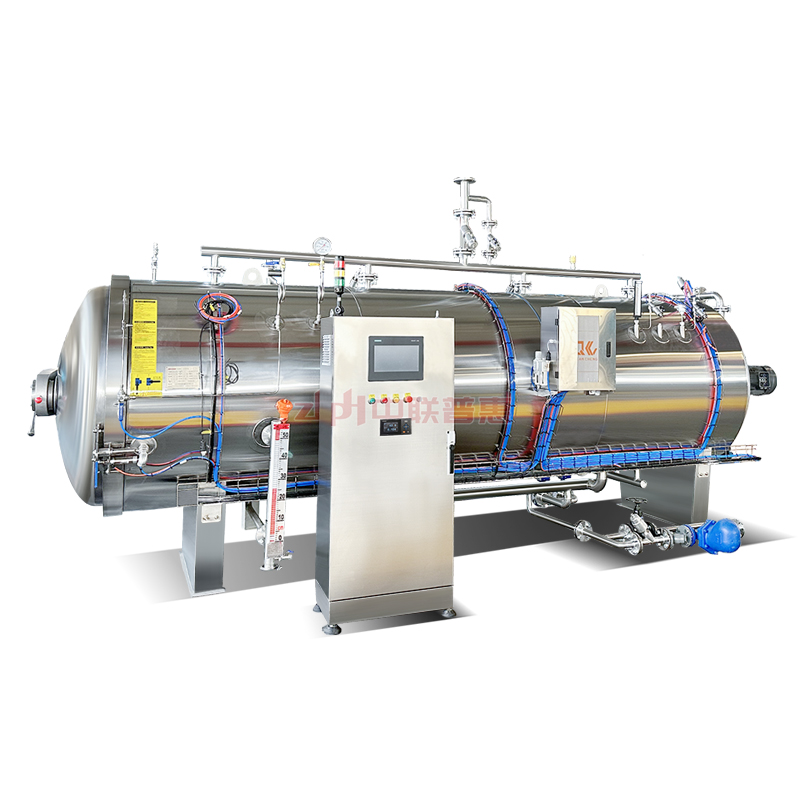
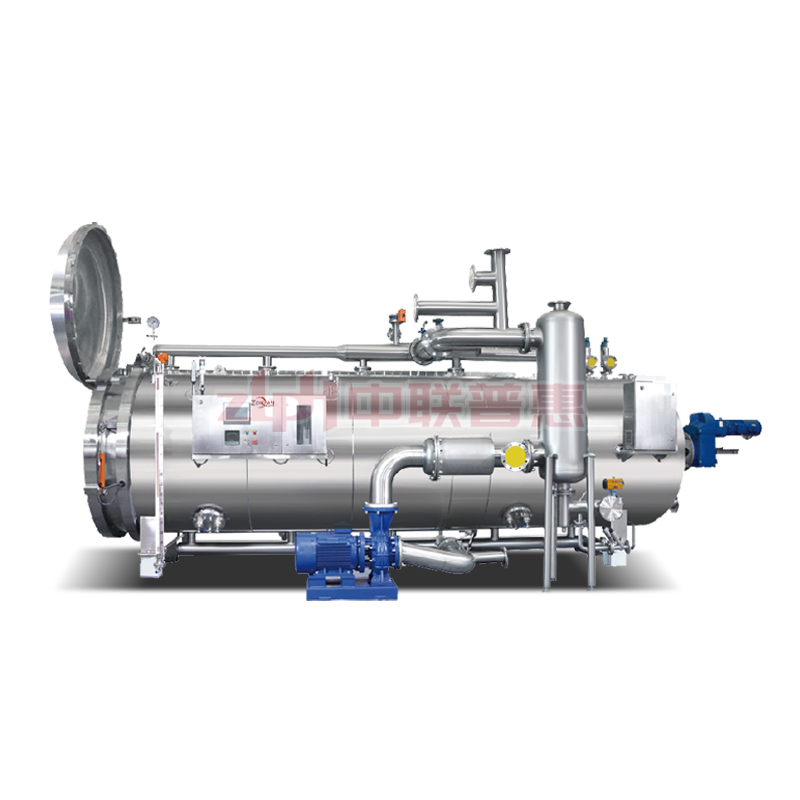
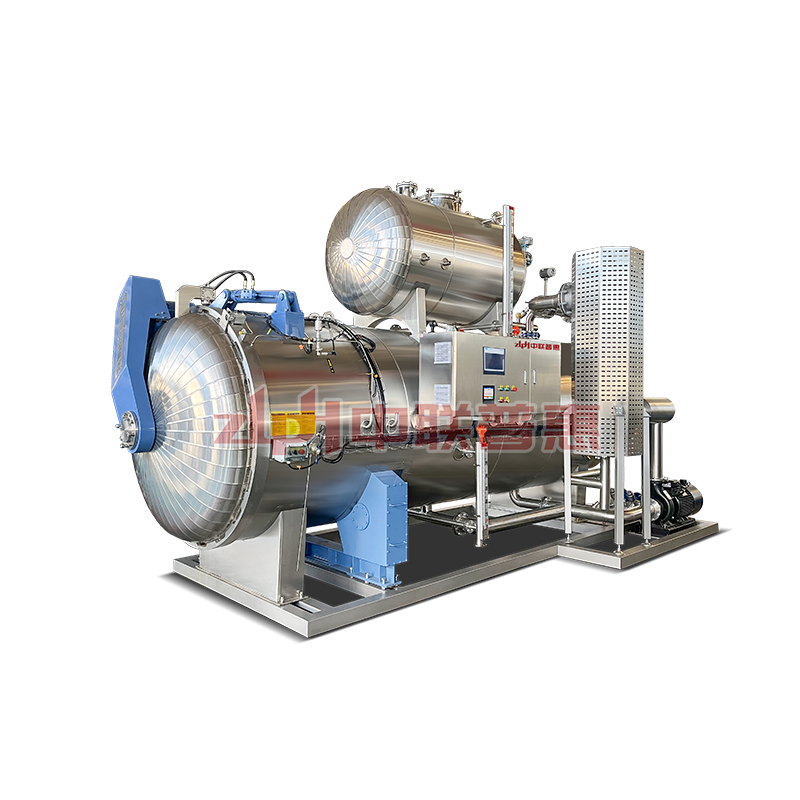
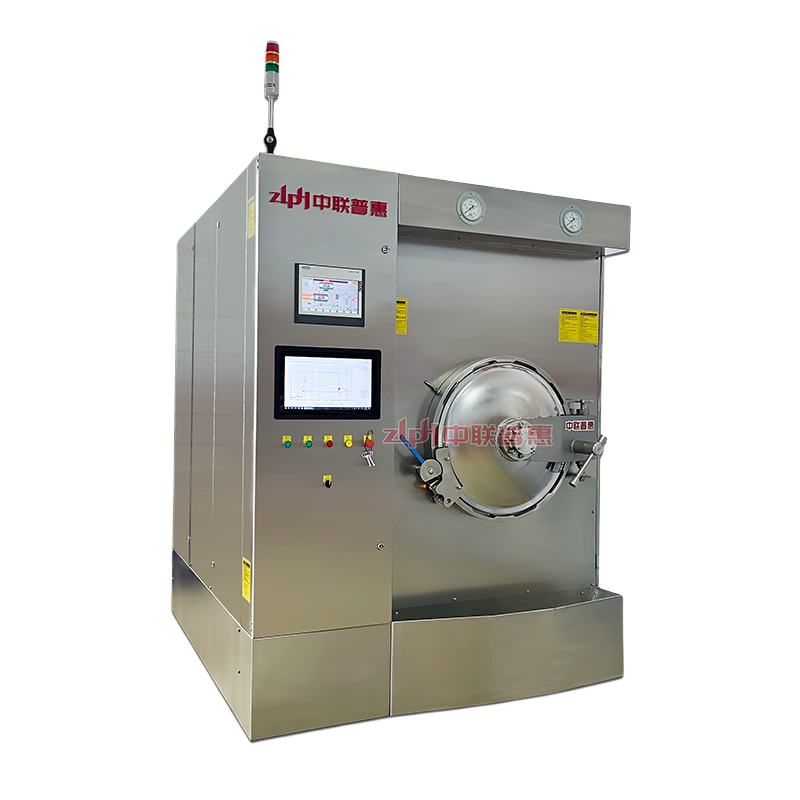
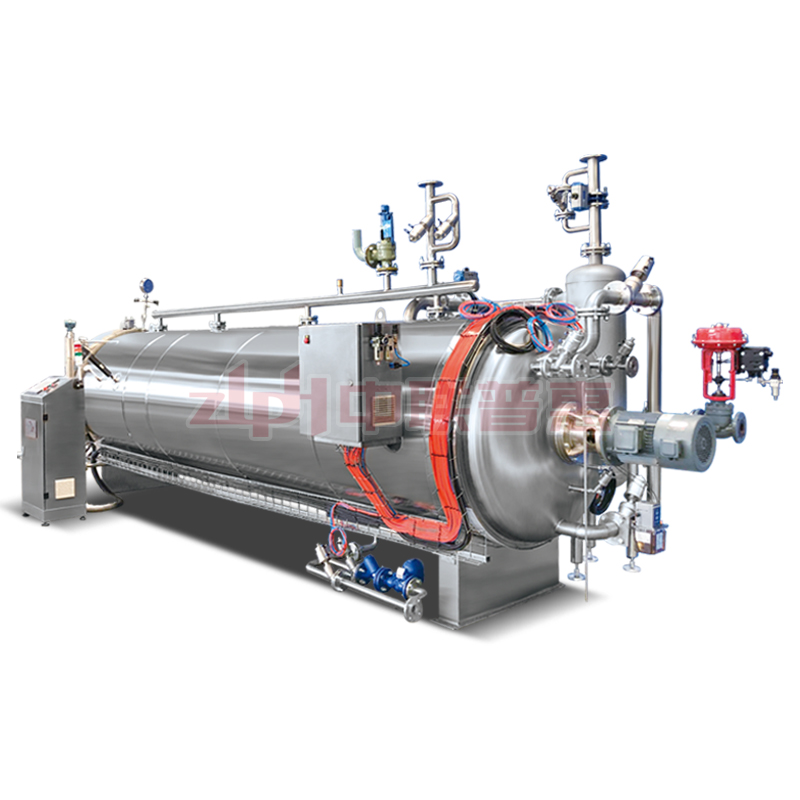
This guide is authored by a senior food processing engineer with over 10 years of experience at ZLPH MACHINERY TECHNOLOGY CO., LTD., a globally recognized provider of advanced sterilization solutions. It addresses a critical challenge faced by food manufacturers worldwide: inconsistent thermal processing in canned or packaged foods, which compromises product safety, shelf life, and regulatory compliance. This issue primarily stems from uneven heat distribution, inadequate process control, and outdated equipment design. Drawing on more than 500 global installations and rigorous validation across diverse food categories—from ready meals to pet food—we present a proven, step-by-step approach to achieving uniform, reliable sterilization using modern water immersion retort autoclaves. In this guide, we dissect root causes, deliver actionable solutions for common operational scenarios, share real-world validation data, and outline best practices to ensure consistent microbial kill while preserving product quality.

How to Achieve Uniform Sterilization in Large-Batch Canned Food Production?
1. Scenario & Pain Point
In high-volume canning facilities, operators often observe inconsistent F0 values (sterilization lethality) across batches—some cans under-processed (risking pathogen survival), others over-processed (causing texture degradation). This inconsistency leads to product recalls, wasted inventory, and failed audits, especially under FDA or EU food safety regulations.

2. Root Cause Analysis
Three core factors drive this issue: (1) poor water circulation design causing cold spots in the retort chamber; (2) lack of real-time temperature/pressure monitoring per basket position; and (3) manual loading/unloading introducing variability in product placement and cycle timing.

3. Step-by-Step Solution
Immediate Mitigation: Standardize basket loading patterns and validate thermal distribution via mapping studies. Use data loggers in multiple can positions during qualification runs.
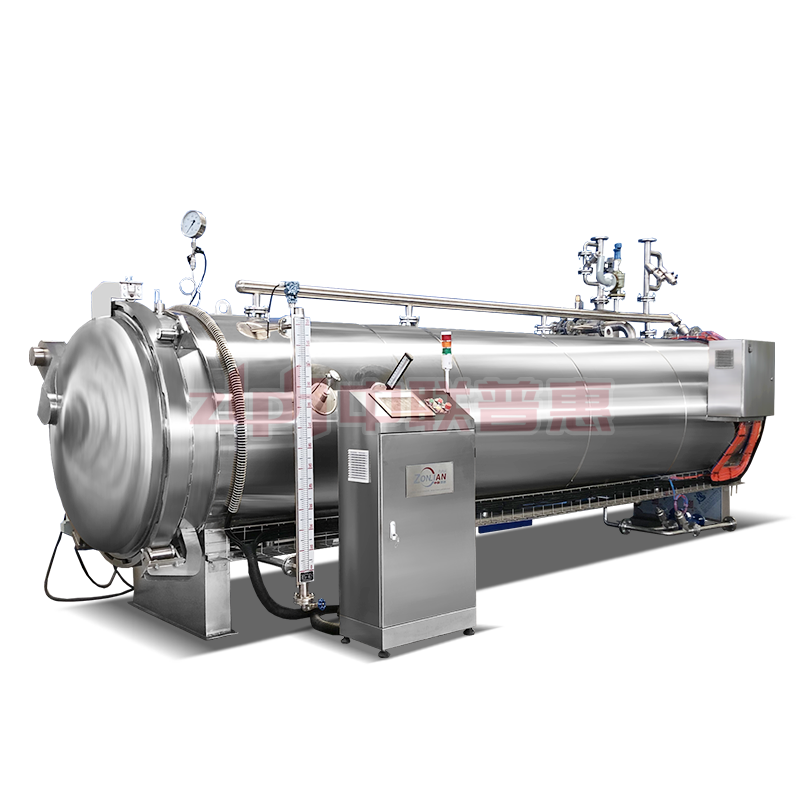
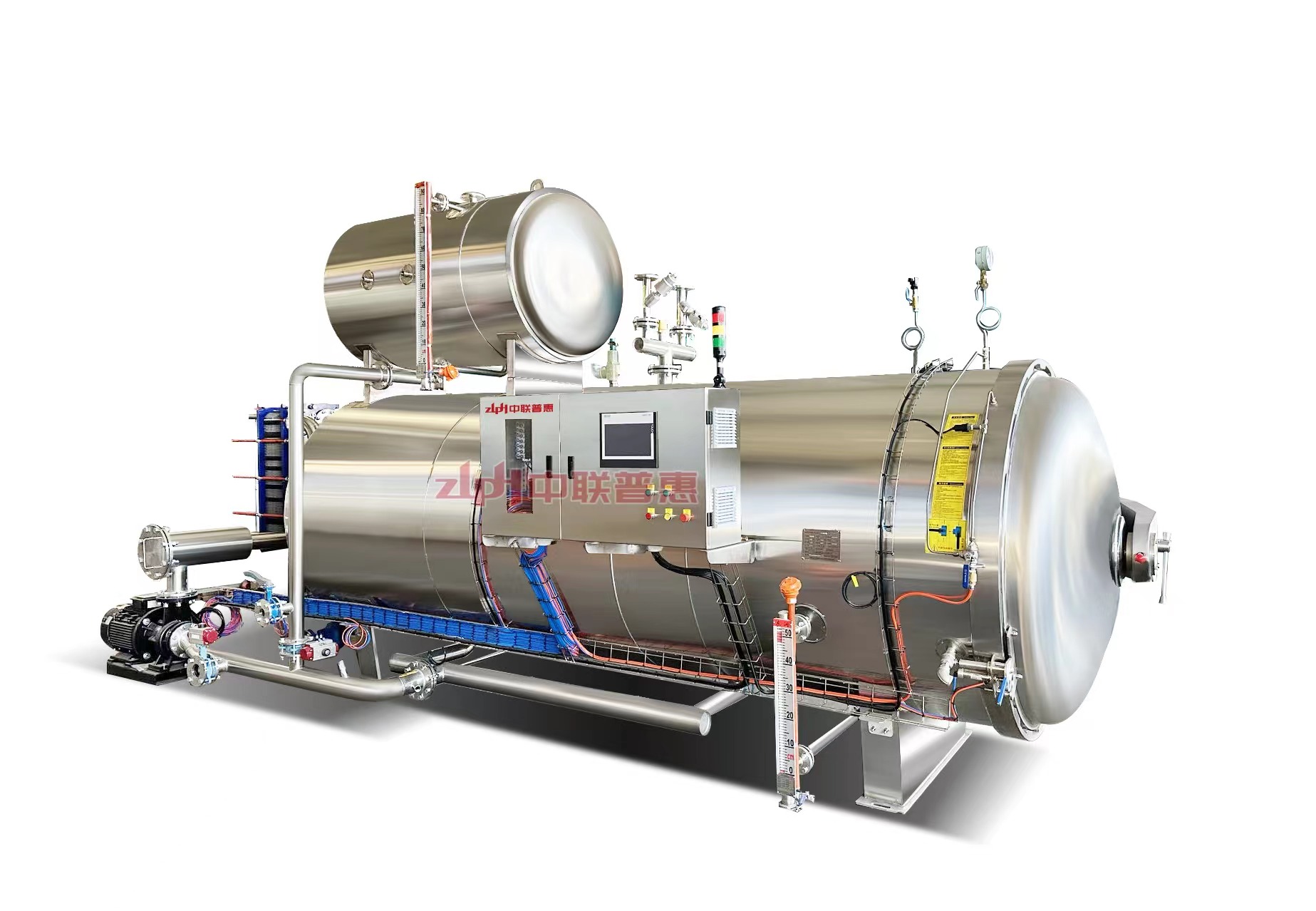
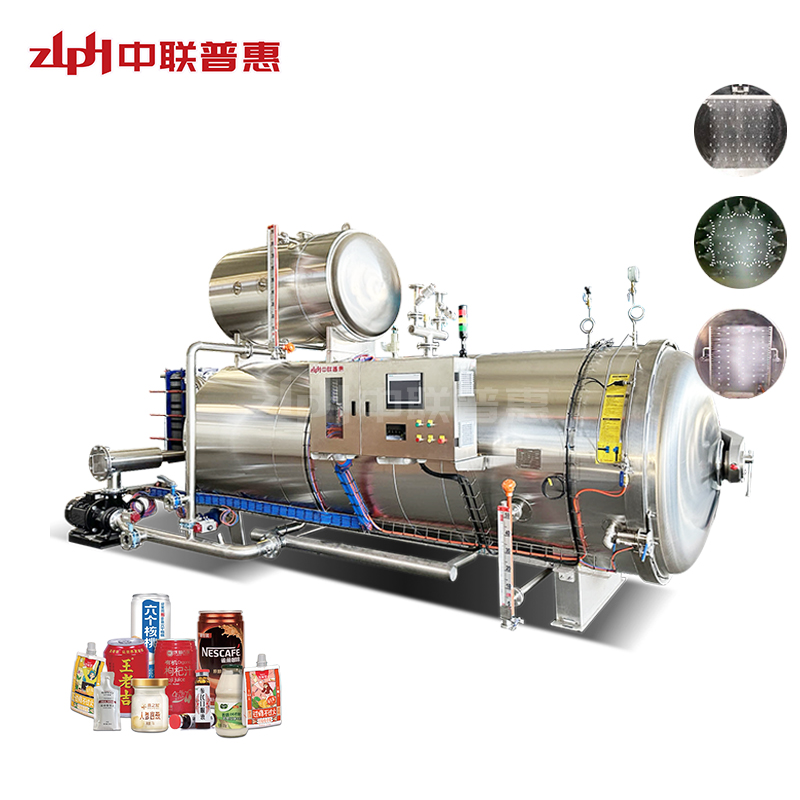
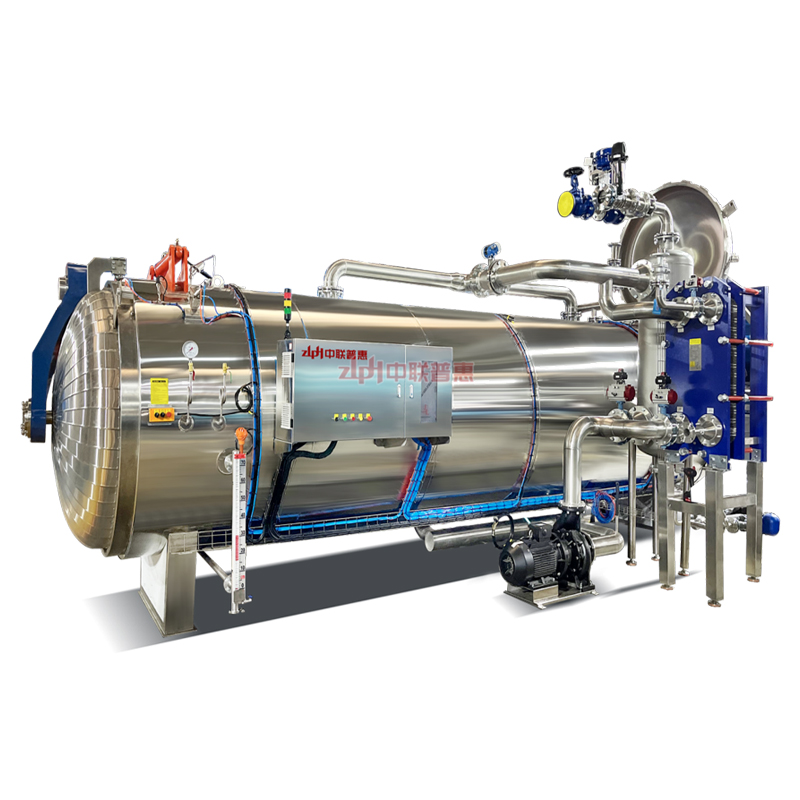
Long-Term Fix: Deploy a water immersion retort with forced convection circulation and multi-point sensor arrays. ZLPH’s intelligent top-opening water spray retort features a precision spray system that ensures even hot water distribution, eliminating cold zones.
Process Optimization: Integrate automated loader/unloader systems to minimize human error and ensure consistent cycle start/end times.

4. Troubleshooting & Pitfall Avoidance
Always conduct annual thermal validation per ASME RTP-1 standards. Avoid retrofitting old steam-air retorts for water immersion without hydraulic redesign—this often worsens flow imbalance. Verify that your control system logs data per FDA 21 CFR Part 11 if exporting to the U.S.
5. Real-World Validation
At a major Southeast Asian ready-meal producer, replacing legacy retorts with ZLPH’s water immersion system reduced F0 deviation from ±8% to ±1.2%, cutting spoilage losses by 92% and passing BRCGS v9 audit with zero non-conformities.
How to Handle Delicate Products Like Glass Jars or Pouched Meals Without Damage?
1. Scenario & Pain Point
Glass jars crack, and flexible pouches burst during sterilization due to rapid pressure changes or mechanical agitation, leading to high breakage rates (up to 15% in some lines) and contamination risks.
2. Root Cause Analysis
Excessive pressure differentials during come-up/cool-down phases and turbulent water flow physically stress containers. Traditional retorts lack precise pressure ramp control synchronized with temperature.
3. Step-by-Step Solution
Use a retort with independent pressure regulation via compressed air and gradual ramp profiles. ZLPH’s system employs real-time PID control to match internal product pressure, preventing deformation or rupture. Pair with gentle handling trays designed for fragile formats.
4. Troubleshooting & Pitfall Avoidance
Never cool glass jars faster than 1.5°C per minute. Always pre-test new pouch materials under simulated cycles before full production.
5. Real-World Validation
A European baby food manufacturer reduced jar breakage from 12% to 0.3% after implementing ZLPH’s controlled-pressure water immersion retort, maintaining sterility while preserving product integrity.
Industry Best Practices for Reliable Retort Operations
Based on 6+ years of global deployments, we recommend this 5-step framework:
1. Define Worst-Case Conditions: Design cycles for the slowest-heating product in your portfolio.
2. Validate Thermally: Perform heat distribution and heat penetration studies annually.
3. Automate Loading: Use robotic tray handlers to eliminate placement variability.
4. Monitor Continuously: Ensure real-time tracking of T/P at multiple points with cloud-based alerts.
5. Maintain Proactively: Service pumps, valves, and sensors quarterly to prevent drift.
Certification Matters: Always verify your supplier holds ASME, CE, and EAC certifications—critical for market access in North America, EU, and Eurasia.
Frequently Asked Questions (FAQ)
Q: Can I use a steam-air retort for low-acid canned foods requiring strict F0 control?
A: Not recommended. Water immersion or water spray systems provide superior heat transfer consistency for low-acid foods (pH > 4.6), which demand precise lethality to prevent botulism.
Q: What certifications should a retort supplier have for EU market entry?
A: CE marking under PED 2014/68/EU and compliance with Machinery Directive 2006/42/EC are mandatory. ZLPH holds both, plus EAC for Russia/CIS markets.
Q: How often should I recalibrate retort temperature sensors?
A: Every 6 months per ASME guidelines, or after any maintenance event affecting the sensing loop.
Q: Does ZLPH offer on-site thermal validation support?
A: Yes—our 14-member after-sales team provides global commissioning, mapping, and staff training.
Q: Are water immersion retorts suitable for retortable pouches?
A: Absolutely—they’re ideal. The hydrostatic pressure prevents pouch expansion, and gentle water flow minimizes abrasion versus steam systems.
About Our Expertise & Support
ZLPH MACHINERY TECHNOLOGY CO., LTD. is a leading innovator in food sterilization technology since 2018. Our R&D team includes 21 mechanical and PLC engineers, 4 sterilization process specialists, and 5 quality control experts—all with 10+ years in thermal processing. We operate a 15,000 m² manufacturing facility with precision machining capabilities and hold ASME, CE, EAC, DOSH, and Chinese Special Equipment Licenses. Our systems serve clients in over 30 countries, including Fortune 500 food brands.
We offer tailored support including: (1) free thermal process consultation, (2) on-site layout and utility planning, (3) sample testing with your actual products, and (4) remote diagnostics via IoT-enabled control panels.
Contact Us
Company: ZLPH MACHINERY TECHNOLOGY CO., LTD.
Website: https://www.zlphretort.com/
Email: sales@zlphretort.com
Phone / WhatsApp: +86 15666798389 / +86 13361554016
