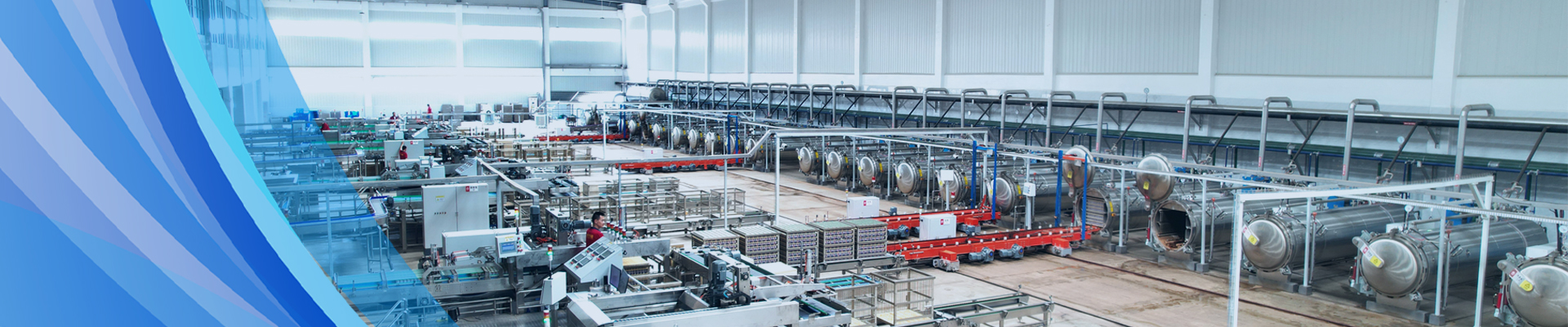

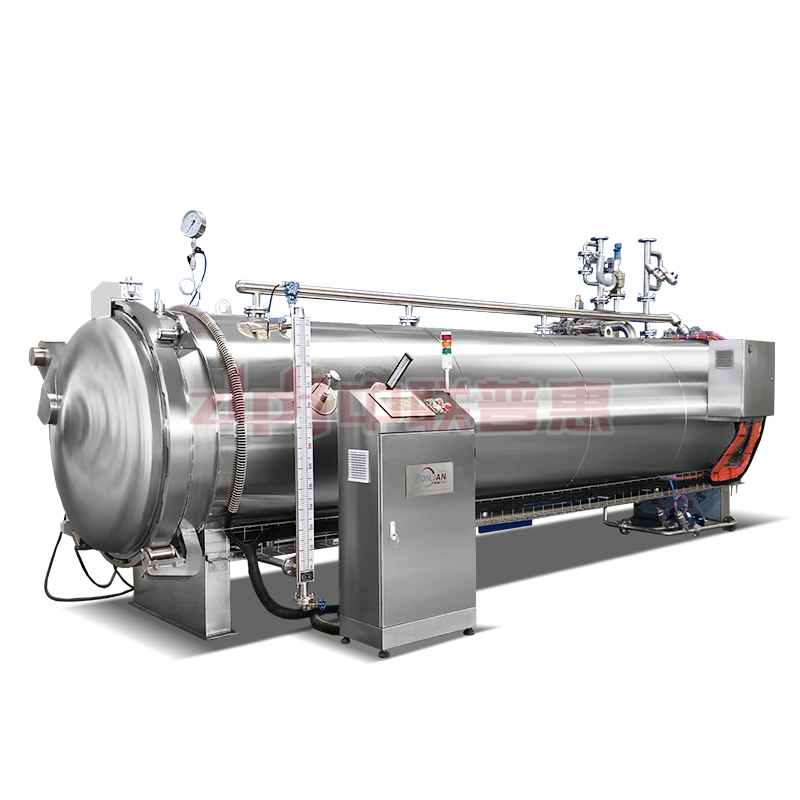
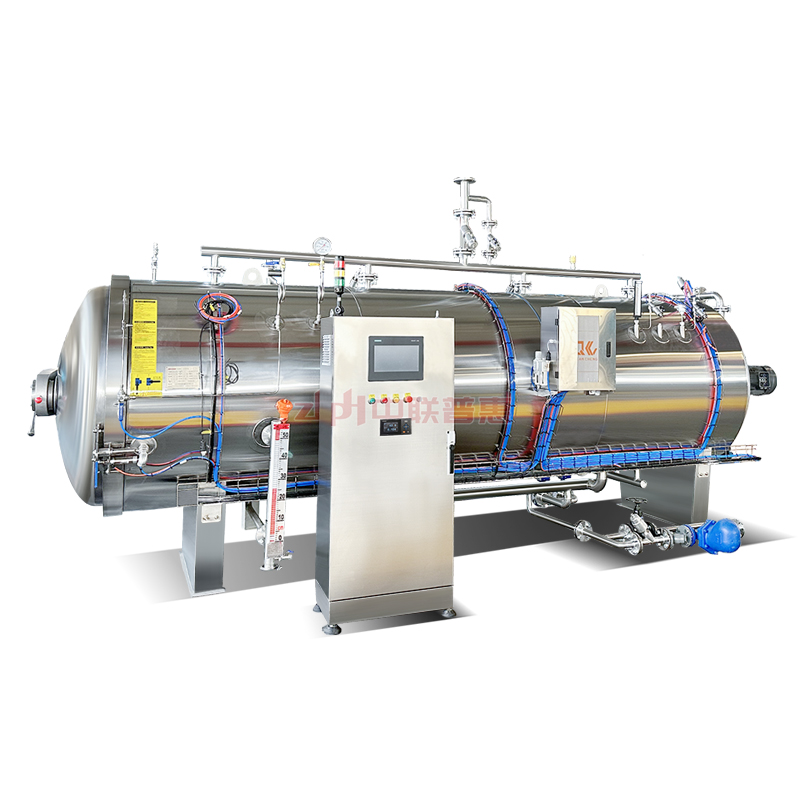
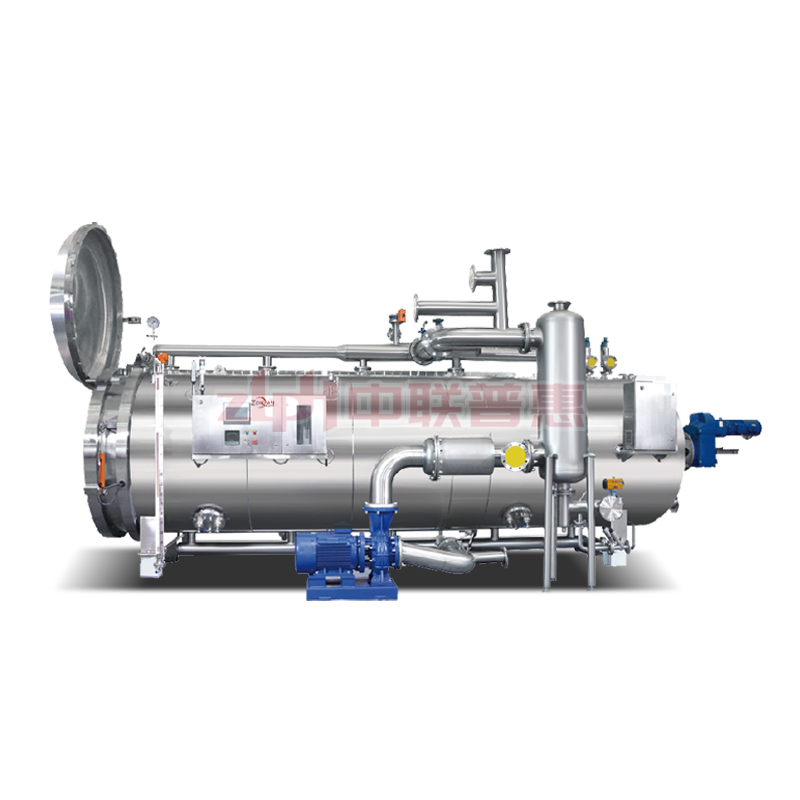
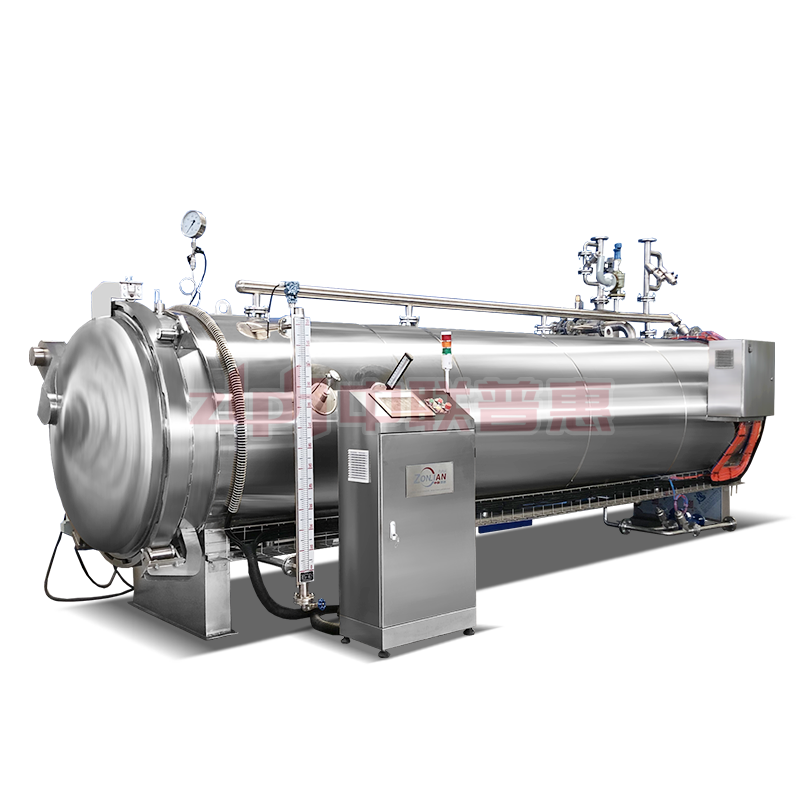
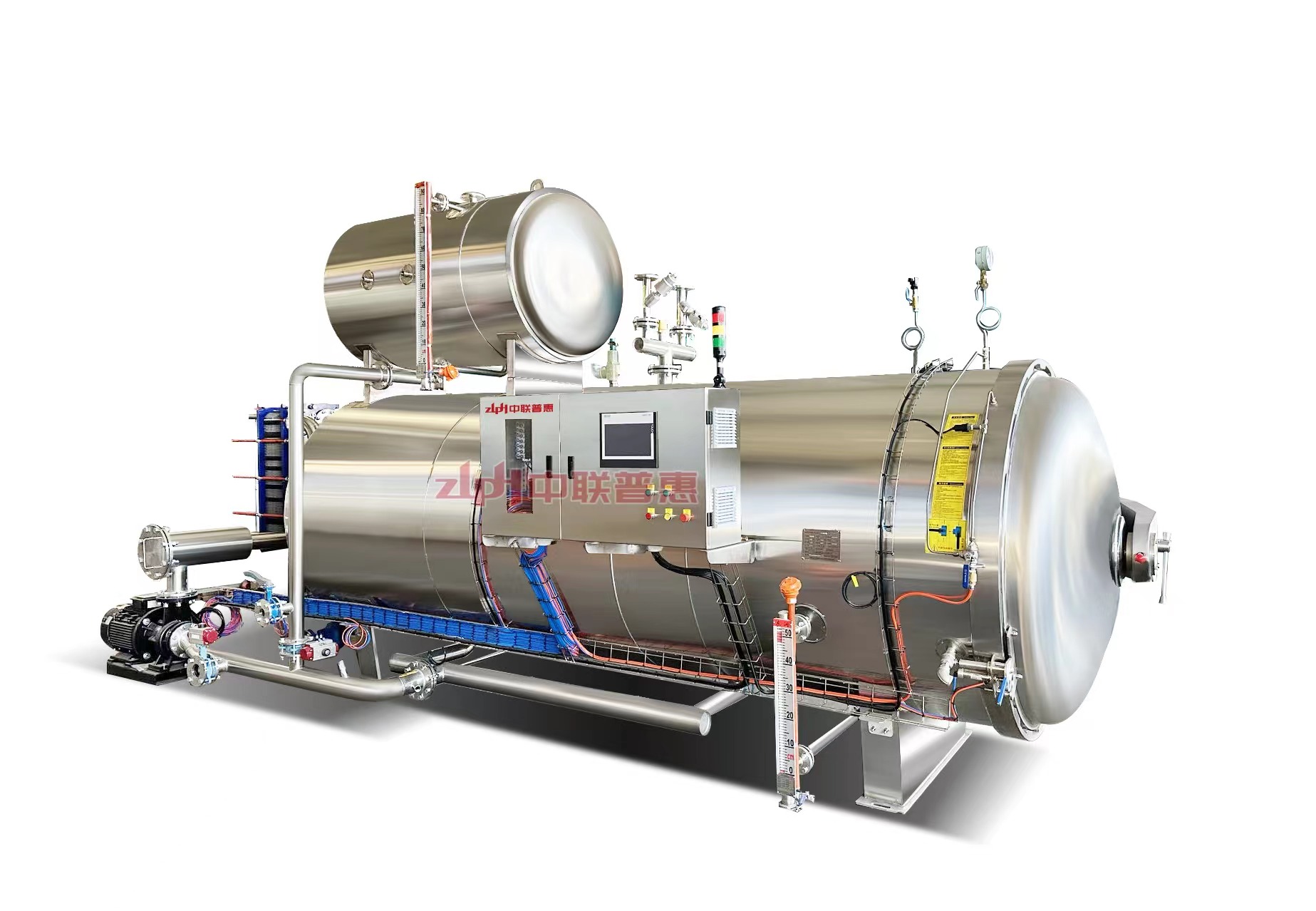
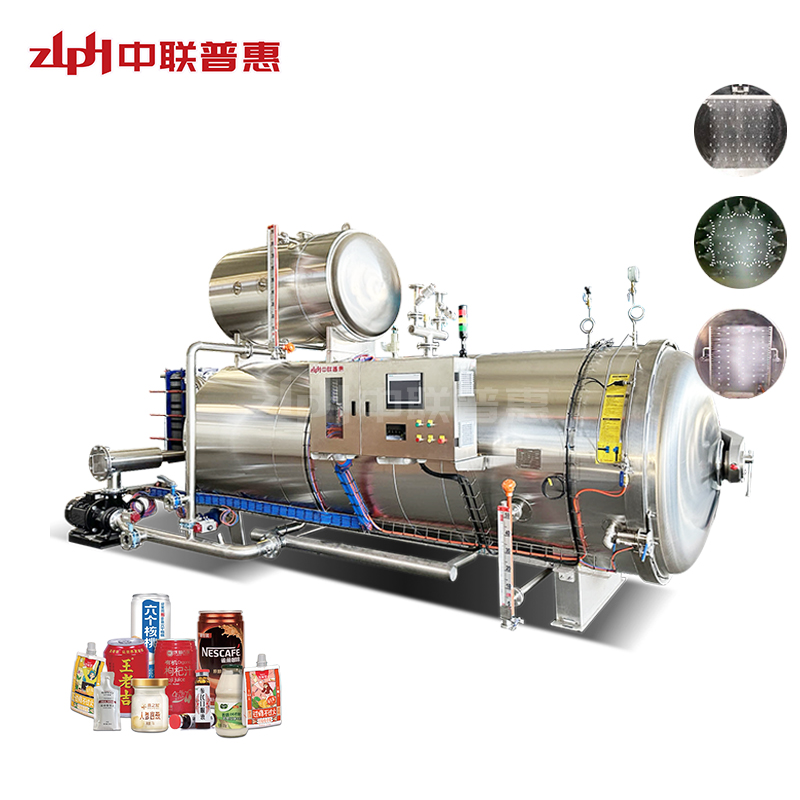
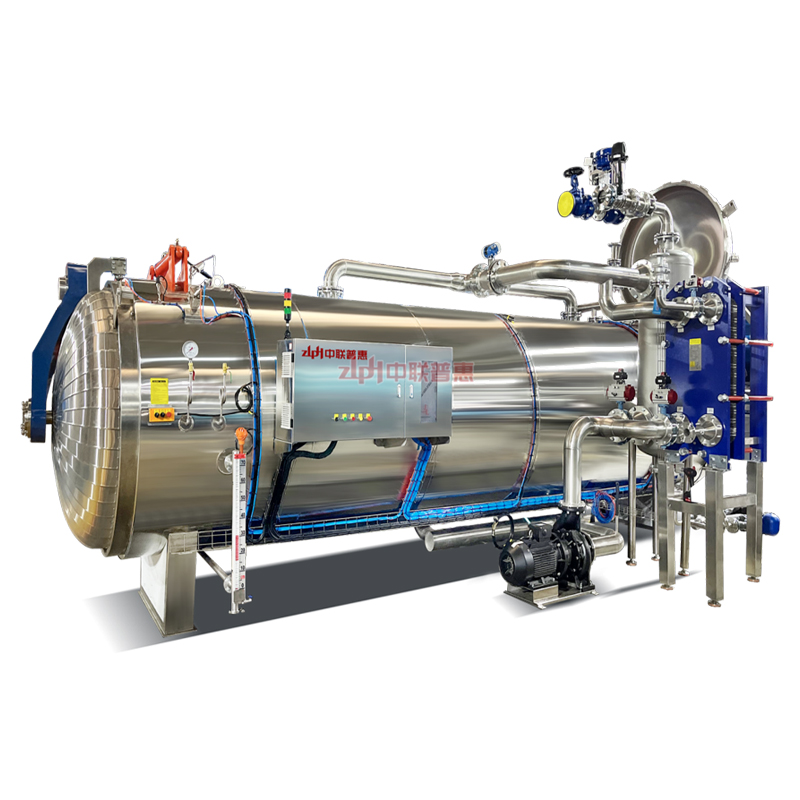
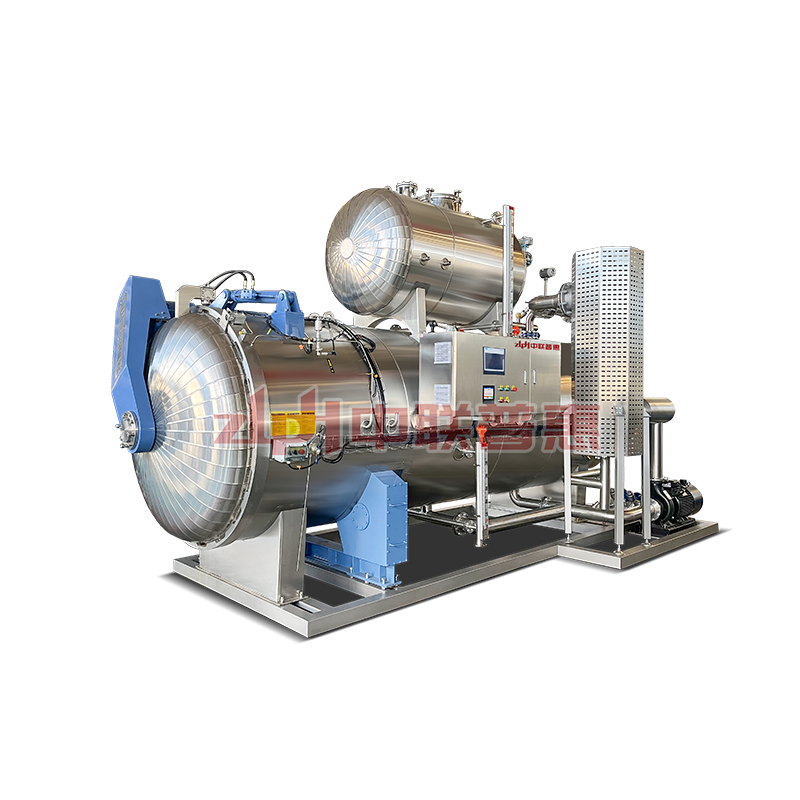
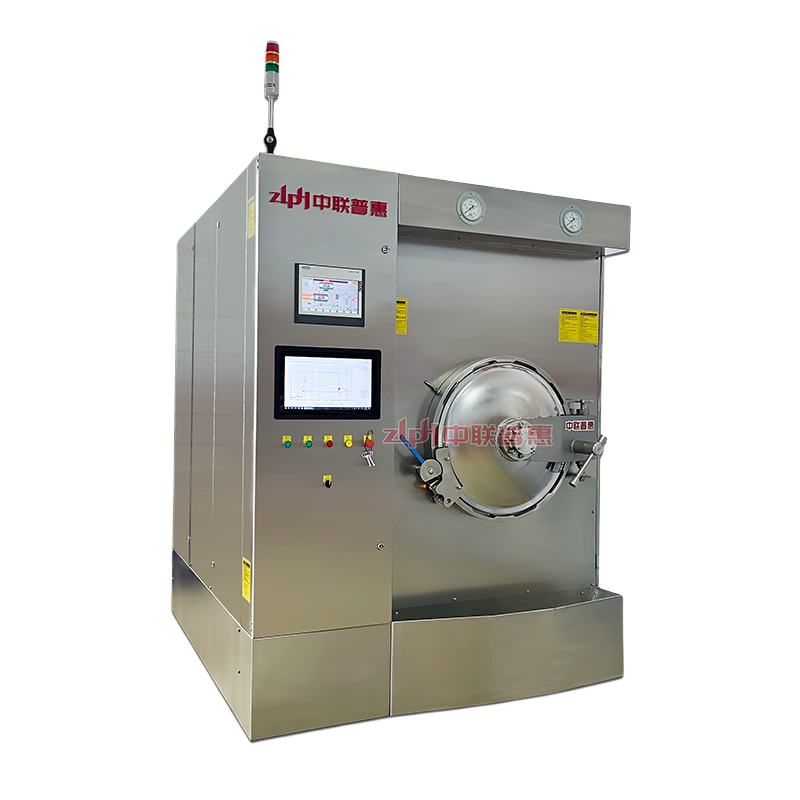
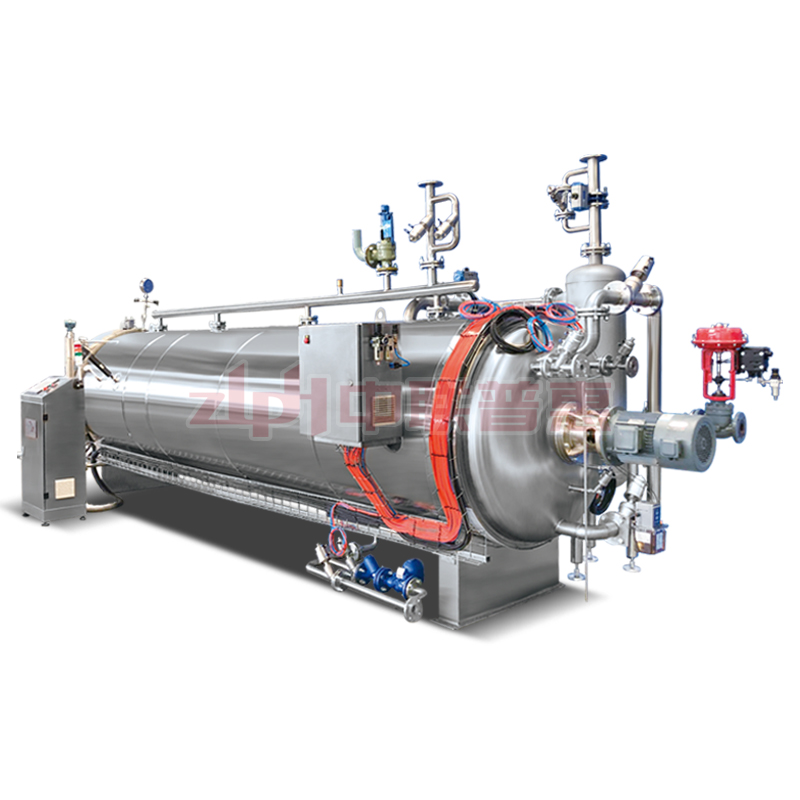
This guide is authored by a senior food processing engineer with over 10 years of experience at ZLPH MACHINERY TECHNOLOGY CO., LTD., a leading provider of intelligent sterilization systems for global food manufacturers. It addresses a critical challenge faced by food production engineers and procurement teams worldwide: inconsistent or inefficient sterilization during canned or retort pouch processing, which compromises product safety, shelf life, and regulatory compliance.

Inconsistent sterilization in water spray retort autoclaves has long plagued the food industry, primarily due to uneven heat distribution, poor temperature-pressure control, and outdated equipment design. After validating solutions across more than 5,000 global installations—including projects in Russia, Southeast Asia, and Europe—we’ve developed a proven, step-by-step framework to ensure uniform, reliable, and compliant sterilization. This guide breaks down real-world scenarios, root causes, actionable fixes, and best practices to help you eliminate cold spots, reduce batch failures, and meet international food safety standards consistently.

How to Ensure Uniform Sterilization Across All Trays in a Batch?
1. Scenario & Pain Point
In large-scale canning facilities, operators often report that products on the top or bottom trays show under-sterilization (F₀ value below target), while center trays are over-processed—leading to texture degradation, nutrient loss, or even spoilage recalls. This inconsistency increases waste, fails audit checks, and risks consumer safety.

2. Root Cause Analysis
Three core issues drive this problem: (1) Poor water spray nozzle layout causing uneven coverage; (2) lack of real-time temperature monitoring at multiple rack positions; and (3) manual loading/unloading introducing tray misalignment that blocks spray paths.

3. Step-by-Step Solution
Immediate Fix: Calibrate spray nozzles quarterly and verify alignment using dye-test simulations. Install multi-point RTD sensors at top, middle, and bottom zones to log thermal profiles per batch.
Long-Term Fix: Deploy an intelligent water spray retort with 360° rotating nozzles and AI-driven flow balancing—like ZLPH’s top-opening system—which ensures uniform water distribution regardless of load density. Pair it with an automated tray loader/unloader to eliminate human-induced stacking errors.
Parameter Optimization: Use process validation software to map F₀ values across all zones and auto-adjust spray pressure and cycle time per batch configuration.
4. Troubleshooting & Pitfall Avoidance
Always validate thermal uniformity during commissioning using biological indicators (e.g., Geobacillus stearothermophilus spores). Avoid overloading trays beyond 90% capacity, as this restricts water circulation. Never skip post-maintenance thermal mapping—even minor nozzle wear can create cold spots.
5. Real-World Validation
At a pet food plant in Shanghai, implementing ZLPH’s automated bowl sterilization line reduced F₀ variance from ±1.8 to ±0.2 across 120 trays per batch, cutting rejection rates by 92% and passing EU export audits flawlessly.
How to Prevent Temperature-Pressure Fluctuations During Sterilization Cycles?
1. Scenario & Pain Point
During high-altitude or humid operations, retorts often experience pressure spikes or temperature drops mid-cycle, triggering safety shutdowns or incomplete sterilization—especially problematic for low-acid foods requiring strict lethality control.
2. Root Cause Analysis
Legacy systems rely on mechanical valves and analog controllers with slow response times. Environmental factors (e.g., ambient humidity affecting steam quality) further destabilize the process when not compensated in real time.
3. Step-by-Step Solution
Upgrade to a PLC-based intelligent control system with PID algorithms that dynamically adjust steam injection and exhaust based on live sensor feedback. ZLPH’s system monitors temperature and pressure every 100ms, maintaining ±0.5°C and ±0.02MPa stability throughout the cycle. Integrate with factory MES for predictive maintenance alerts before deviations occur.
4. Troubleshooting & Pitfall Avoidance
Check steam trap functionality monthly—clogged traps cause condensate backup and temperature lag. Always use deaerated water in the spray system to prevent air pockets that insulate product surfaces.
5. Real-World Validation At the AGROPRODASH 2023 exhibition in Moscow, ZLPH demonstrated real-time stabilization under simulated altitude stress (equivalent to 2,000m elevation), maintaining target F₀ within 3% deviation—earning strong interest from Russian dairy exporters.
What Certifications Should a Water Spray Retort Have for Global Export?
1. Scenario & Pain Point
Food machinery buyers often face customs delays or market access denials because their retort lacks region-specific compliance marks—especially in the EU, EAEU, or ASEAN markets.
2. Root Cause Analysis
Many Chinese manufacturers only hold domestic licenses, omitting international safety and quality certifications required for cross-border sales.
3. Step-by-Step Solution
Verify that your supplier holds ASME U2 stamp (for pressure vessel integrity), EU CE, Russian EAC, Malaysia DOSH, and ISO 9001. ZLPH maintains all these, plus AAA credit and integrity certifications, ensuring smooth customs clearance and buyer confidence.
Industry Best Practices for Retort System Reliability
Based on 6+ years of global deployments, we recommend this 5-step framework:
1. Define Worst-Case Conditions
Design for peak load, highest ambient temperature, and lowest water quality—not ideal lab conditions.
2. Automate Loading/Unloading
Manual handling causes 68% of tray misalignment issues; automation ensures repeatable, spray-friendly stacking.
3. Validate Thermally Every Quarter
Use wireless data loggers to map cold spots after any maintenance or recipe change.
4. Choose Top-Opening Design
Reduces operator fatigue and speeds loading by 40% versus side-door models.
5. Partner with Full-Service Suppliers
Ensure 24/7 remote diagnostics and local spare parts—ZLPH’s 14-member after-sales team supports 30+ countries.
Frequently Asked Questions (FAQ)
Q: Can I retrofit an old retort with intelligent water spray controls?
A: Partially—while sensors and PLCs can be upgraded, full spray uniformity requires redesigned nozzle manifolds and chamber hydraulics. A full system replacement often delivers better ROI.
Q: What’s the minimum batch size for efficient operation?
A: ZLPH’s smallest model handles 8 trays (≈200L), but efficiency peaks at ≥80% chamber fill. Never run partial loads without adjusting spray parameters.
Q: How often should gaskets and seals be replaced?
A: Every 12–18 months under continuous use. Use EPDM or silicone rated for 135°C+; inspect weekly for cracks or compression set.
Q: Does water quality affect sterilization performance?
A: Yes—hard water causes scale buildup on nozzles and heat exchangers. Install a softener or RO system if TDS exceeds 200 ppm.
Q: Are ZLPH retorts suitable for organic or clean-label products?
A: Absolutely—the stainless steel 304/316 construction and residue-free spray system meet organic processing standards globally.
About Our Expertise & Support
ZLPH MACHINERY TECHNOLOGY CO., LTD. is a globally recognized provider of intelligent sterilization solutions, founded in 2018 with a 21-member R&D team specializing in mechanical design, PLC programming, and sterilization science. We operate a 15,000㎡ modern factory on a 50-acre campus, equipped with precision CNC and welding stations to ensure retort structural integrity. Our systems comply with ASME, CE, EAC, and DOSH standards, serving clients across pet food, ready meals, dairy, and infant formula sectors.
We offer customized support including:
• On-site thermal process validation
• Tray layout simulation for new product formats
• Free sample testing with your actual product
• Remote troubleshooting via IoT-enabled control panels
Contact Us
Company: ZLPH MACHINERY TECHNOLOGY CO., LTD.
Website: https://www.zlphretort.com/
Email: sales@zlphretort.com
Phone / WhatsApp: +86 15666798389 / +86 13361554016
