

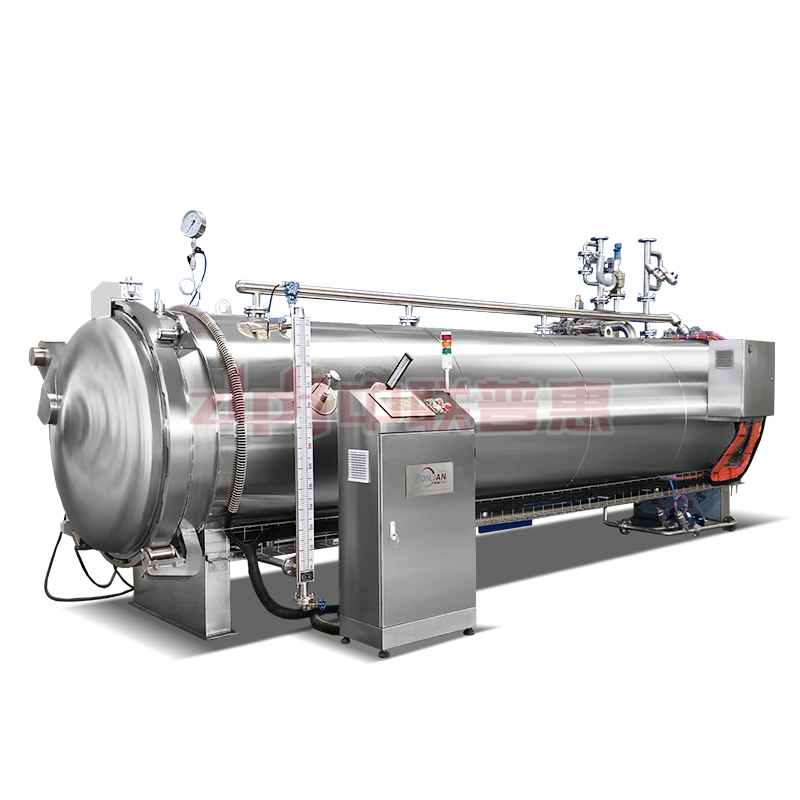
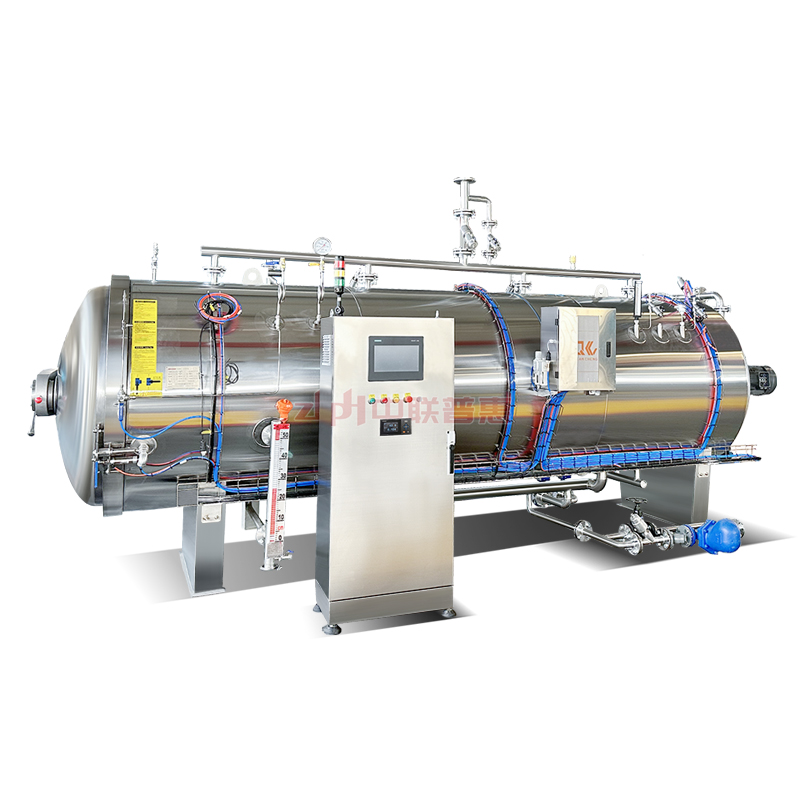
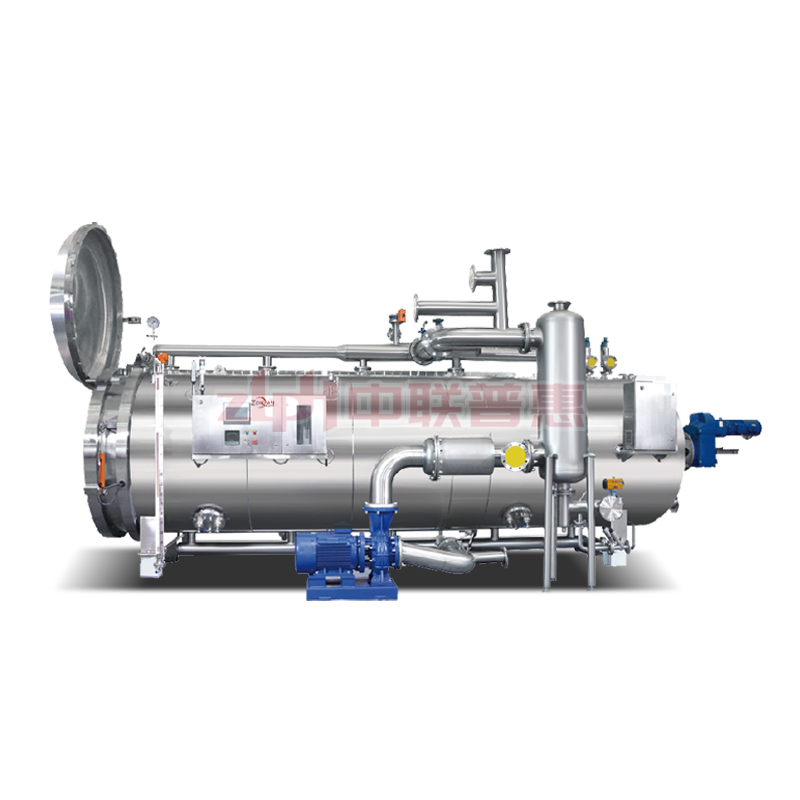
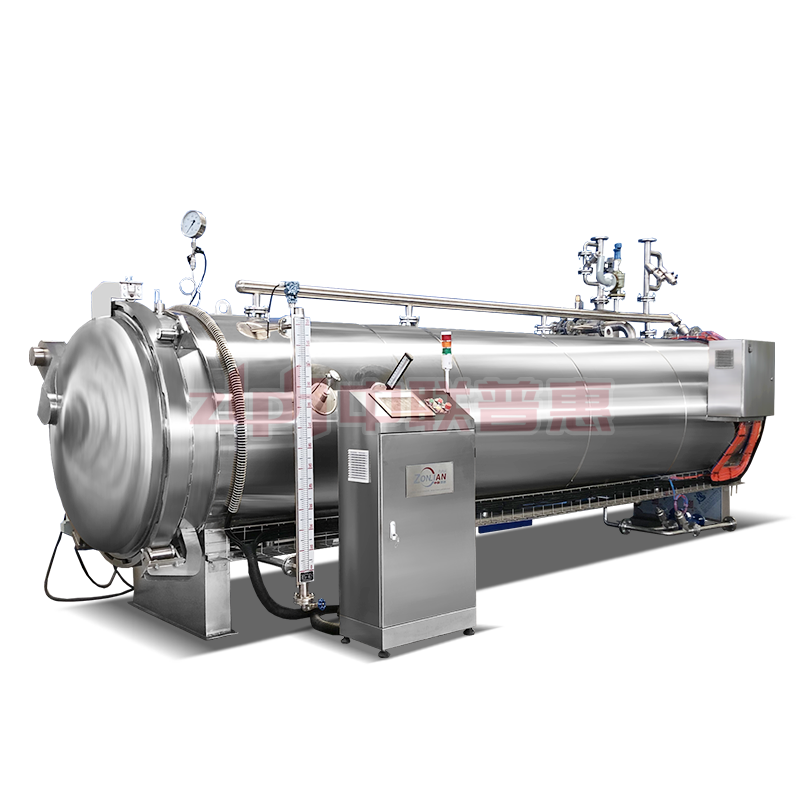
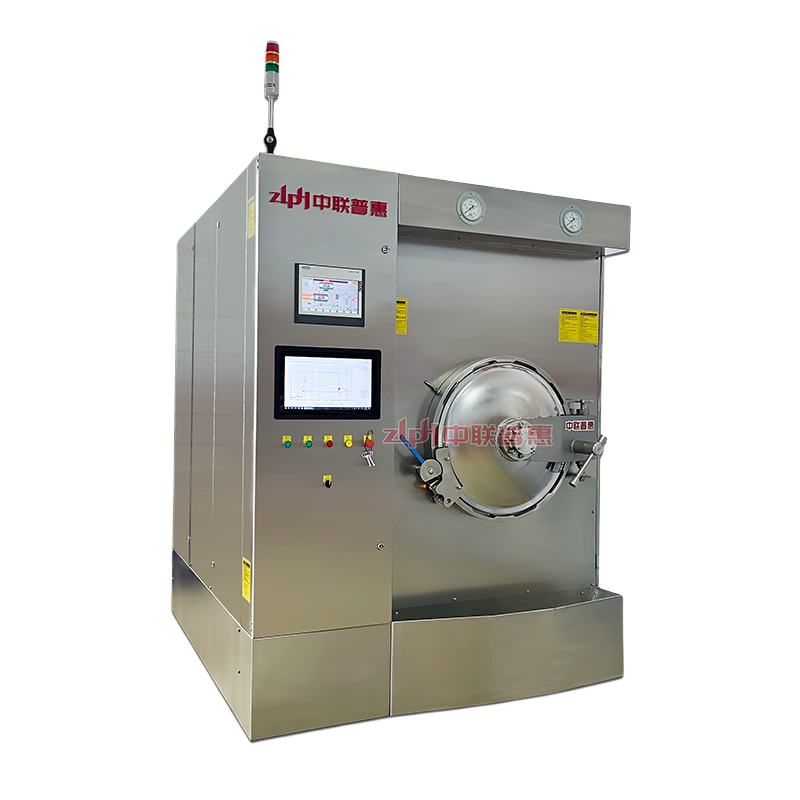
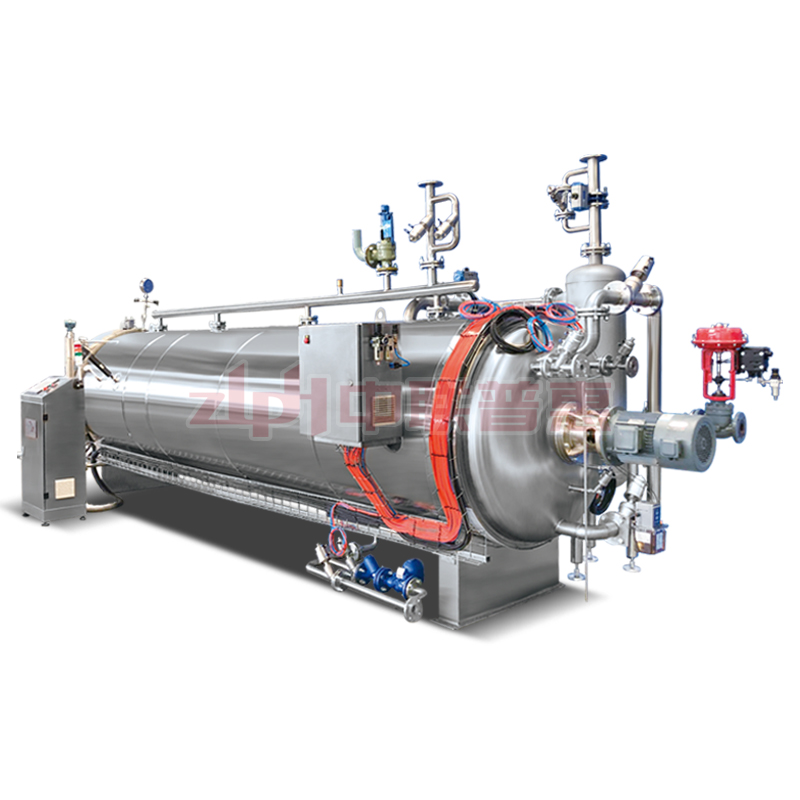
This guide is authored by a senior food processing engineer with over 10 years of experience at ZLPH MACHINERY TECHNOLOGY CO., LTD., a leading Chinese manufacturer specializing in intelligent sterilization systems. It addresses a critical challenge faced by global food producers and packaging engineers: inconsistent or incomplete sterilization during thermal processing, which compromises product safety, shelf life, and regulatory compliance. This issue commonly stems from uneven heat distribution, manual operation errors, and outdated retort designs that fail to maintain precise temperature-pressure control throughout the cycle. Drawing on more than 5,000 global installations and validated performance data from international food safety standards (including FDA and EU regulations), we present a step-by-step, field-tested solution using advanced water spray retort autoclaves engineered for reliability, efficiency, and hygiene. In this guide, you’ll learn how to identify root causes in your current process, implement targeted technical fixes, avoid common pitfalls during equipment selection, and verify real-world performance improvements—ensuring every batch meets commercial sterility requirements without compromising product quality.

How to Ensure Uniform Sterilization Across All Cans or Pouches in a Batch?
1. Scenario and Pain Point
In large-scale canned food or ready-to-eat meal production, many facilities report inconsistent microbial kill rates—even within the same retort cycle. Some units near the center remain under-sterilized, while those near walls suffer texture degradation due to overheating. This leads to product recalls, wasted batches, and failed audits by food safety authorities.

2. Root Cause Analysis
The primary causes are: (a) poor circulation design causing cold spots; (b) lack of real-time monitoring of internal product temperature (not just chamber temperature); and (c) manual loading patterns that block water spray nozzles. Traditional steam-air or immersion retorts often fail to deliver uniform heat transfer across dense or irregularly shaped loads.

3. Step-by-Step Solution
Immediate Fix: Reorganize tray loading to ensure 2–3 cm spacing between containers and align with spray nozzle arrays. Use thermal mapping sensors during validation runs to identify cold zones.
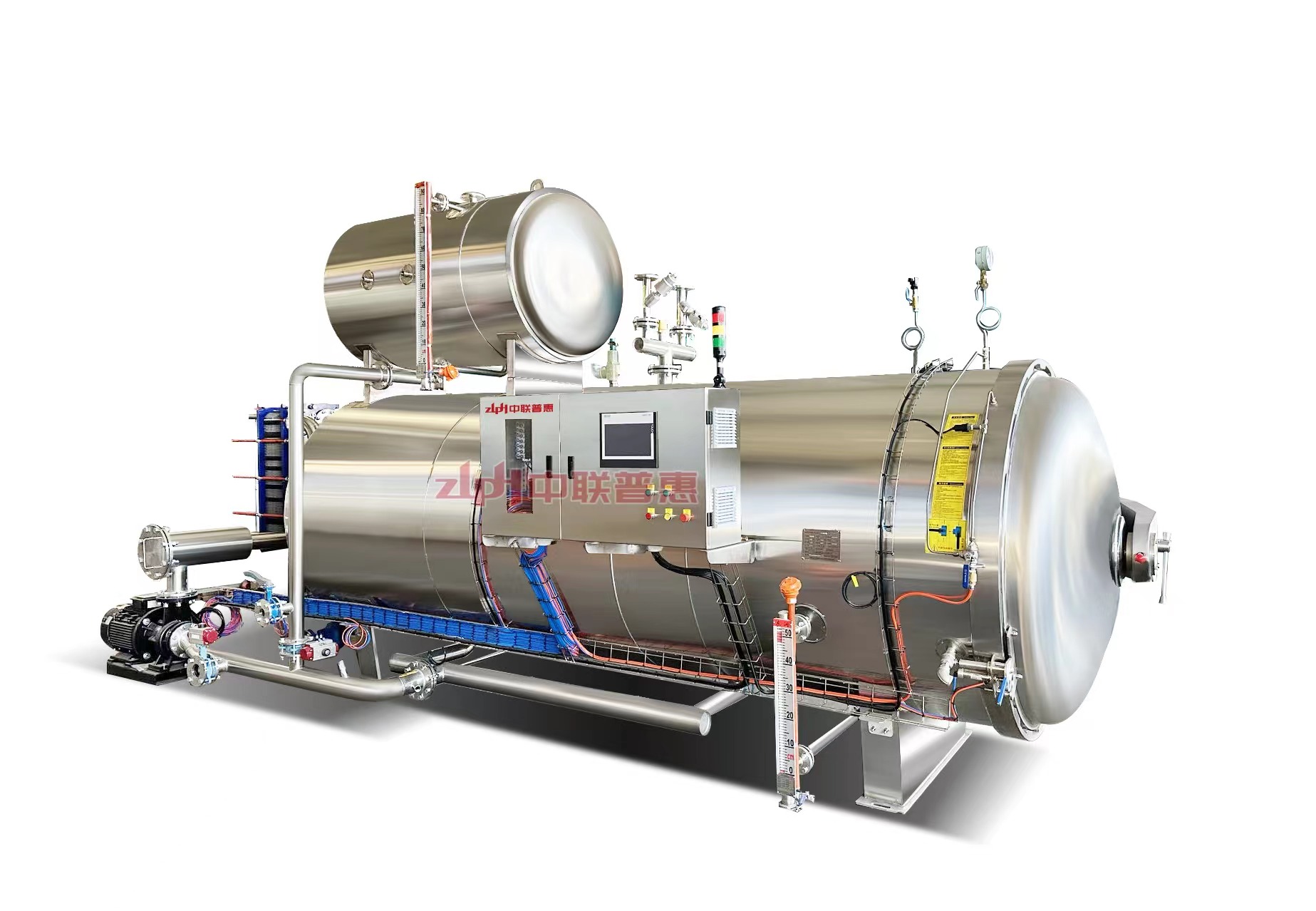
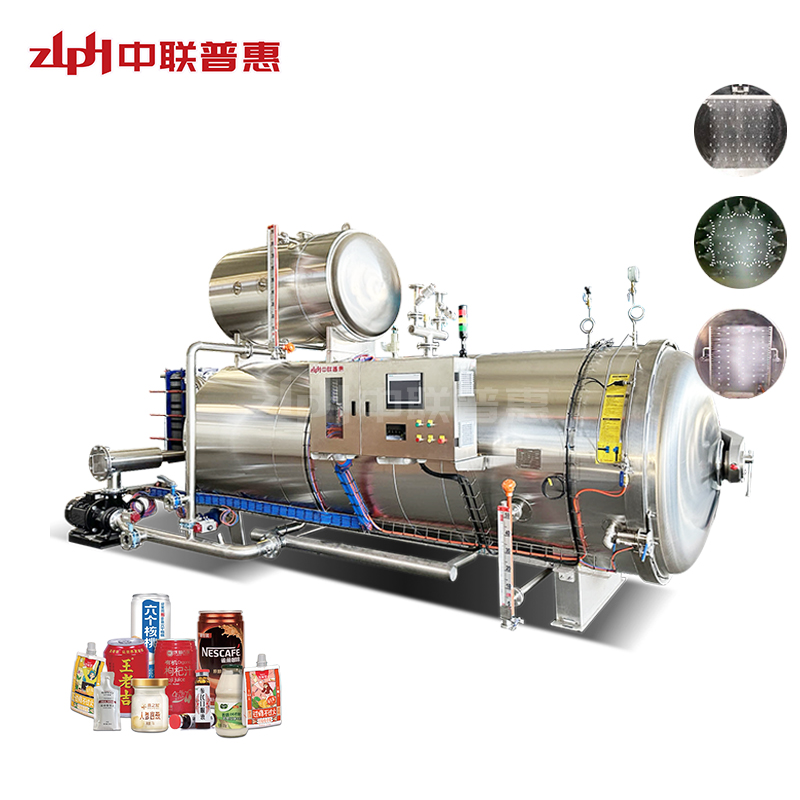
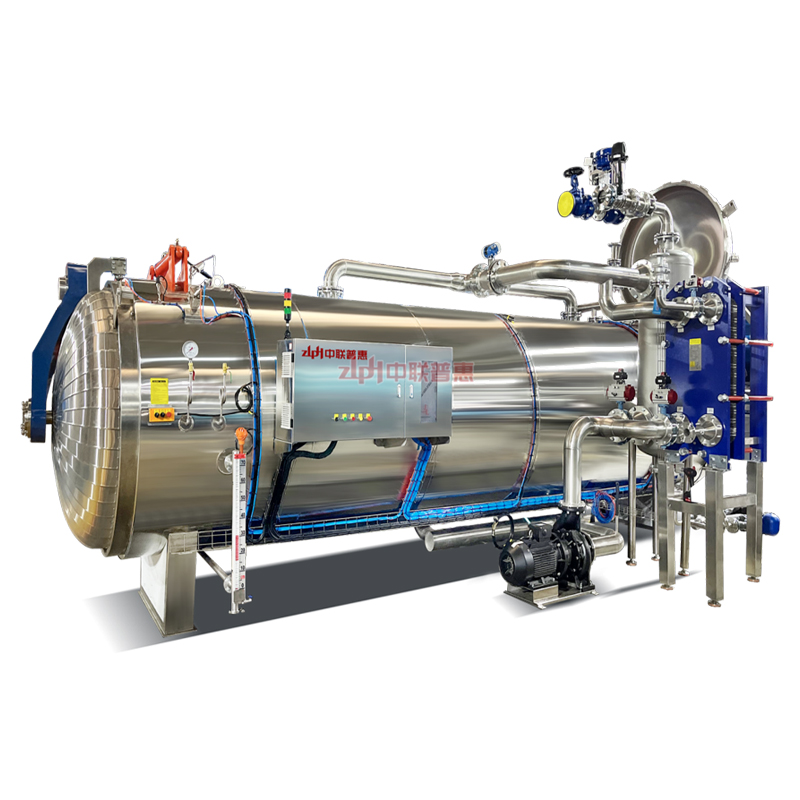
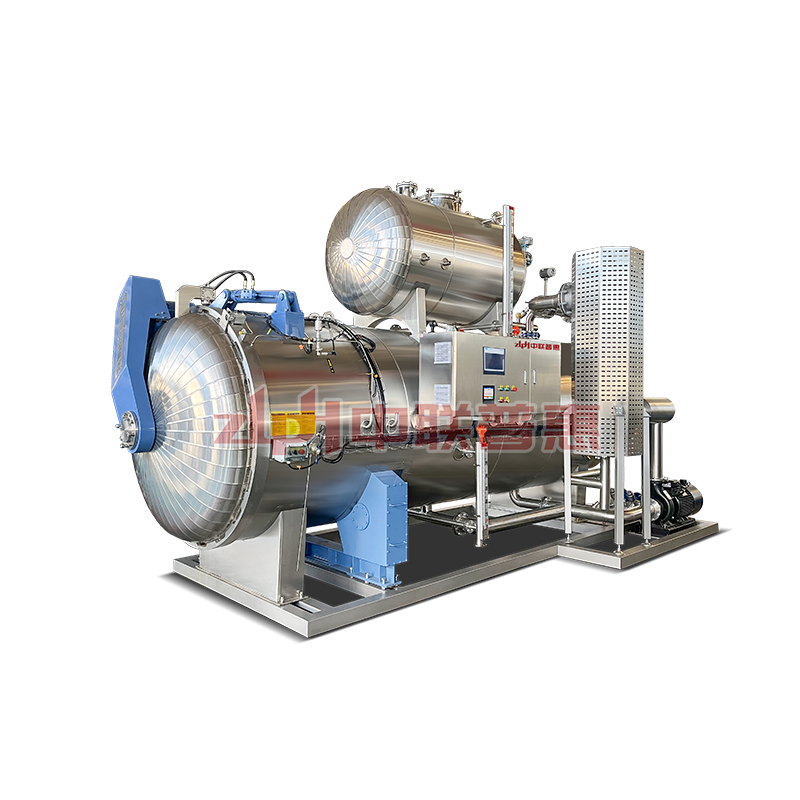
Long-Term Fix: Deploy an intelligent top-opening water spray retort with multi-zone spray nozzles and dynamic flow control. These systems use high-pressure pumps to evenly distribute sterilization water from top, bottom, and sides, eliminating dead zones.
Process Optimization: Integrate real-time F0 (sterilization value) monitoring via wireless data loggers placed inside representative products. Adjust cycle time based on actual lethality, not just preset timers.

4. Troubleshooting & Pitfall Avoidance
Always validate with worst-case load configurations. Never assume uniformity based on chamber temperature alone. Avoid retrofitting old retorts with add-on sprayers—these rarely achieve true uniformity. Instead, choose purpose-built water spray systems with CFD-validated flow dynamics.
5. Real-World Validation
At a major pet food producer in Southeast Asia, switching to ZLPH’s water spray retort reduced batch rejection rates from 4.2% to 0.1% within three months. Thermal mapping confirmed ±0.5°C temperature uniformity across 1,200 pouches per cycle, meeting FDA 21 CFR Part 113 requirements consistently.
How to Reduce Cycle Time Without Compromising Sterility?
1. Scenario and Pain Point
Food manufacturers under pressure to increase throughput often shorten sterilization cycles, risking under-processing. Conversely, overly conservative cycles waste energy and degrade product quality.
2. Root Cause Analysis
Legacy retorts rely on fixed time-temperature profiles, ignoring real-time heat penetration data. Slow heating/cooling phases dominate total cycle time, especially in viscous or solid-packed products.
3. Step-by-Step Solution
Use a retort with intelligent control system that monitors internal product temperature and adjusts steam/water flow dynamically. Rapid come-up and controlled cooling phases can cut total cycle time by 25–35%. For example, ZLPH’s system achieves target F0 in 18 minutes vs. 26 minutes on conventional units.
4. Troubleshooting & Pitfall Avoidance
Never skip thermal validation after cycle optimization. Ensure cooling water meets potable standards to prevent post-process contamination. Verify that pressure compensation during cooling prevents container deformation.
5. Real-World Validation
A European baby food client reduced cycle time by 31% while maintaining F0 ≥ 8.0, increasing daily output by 22% without additional labor or energy cost per unit.
What Are the Best Practices for Selecting a Reliable Chinese Water Spray Retort Manufacturer?
Based on 10+ years of global project deployment, follow this 5-step framework:
1. Verify Core Capabilities: Confirm the supplier has in-house R&D (e.g., 21+ mechanical and PLC engineers) and process expertise (e.g., dedicated sterilization researchers).
2. Demand Real Validation Data: Request thermal mapping reports and third-party test certificates—not just brochures.
3. Assess Manufacturing Scale: A 15,000 m² workshop with CNC machining ensures precision component quality.
4. Check Global Footprint: Participation in international exhibitions (e.g., AGROPRODASH Moscow, Petfair Asia) signals market acceptance.
5. Evaluate After-Sales Support: Ensure 24/7 technical response and local service partners in your region.
Frequently Asked Questions (FAQ)
Q: Can water spray retorts handle both metal cans and flexible pouches?
A: Yes—modern systems like ZLPH’s use programmable spray patterns and gentle handling trays to accommodate diverse packaging without damage.
Q: Is top-opening design better than side-opening for hygiene?
A: Absolutely. Top-opening eliminates horizontal rails where debris accumulates, simplifies cleaning, and allows faster loading—critical for high-mix production.
Q: Do these systems comply with FDA and CE standards?
A: Reputable Chinese manufacturers provide full documentation for CE, ISO 9001, and FDA-compliant materials. Always request certification copies during procurement.
Q: How much water and energy do water spray retorts consume?
A: They use 30–40% less water than immersion retorts due to closed-loop recycling. Energy savings come from shorter cycles and efficient heat recovery.
About Our Expertise and Global Support
ZLPH MACHINERY TECHNOLOGY CO., LTD. is a trusted provider of intelligent sterilization solutions since 2018. Our team includes 21 mechanical and automation engineers, 4 sterilization process specialists, and 14 global after-sales technicians—all with 10+ years in the industry. Operating from a 50-acre facility with 15,000 m² of advanced manufacturing space, we’ve delivered validated systems to clients across Russia, Southeast Asia, Europe, and the Middle East. Our equipment has been showcased at AGROPRODASH 2023 in Moscow and Petfair Asia 2023 in Shanghai, receiving strong interest for its bactericidal efficacy and operational intelligence.
We offer customized support including:
- On-site process assessment and thermal validation
- Custom tray loader-unloader integration for automated lines
- Free sample testing with your actual product
- 24-hour technical response for urgent issues
Contact Information
Company: ZLPH MACHINERY TECHNOLOGY CO., LTD.
Website: https://www.zlphretort.com/
Email: sales@zlphretort.com
Phone / WhatsApp: +86 15666798389 / +86 13361554016
