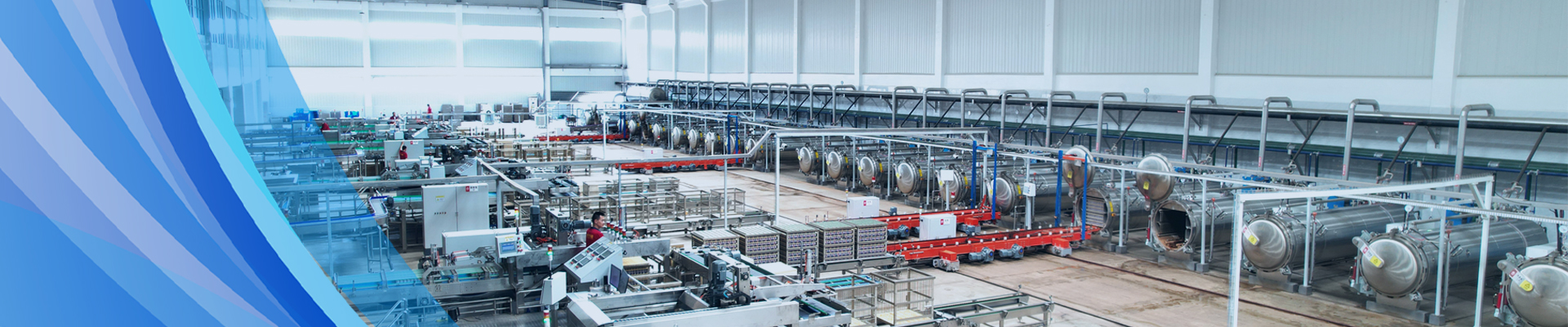

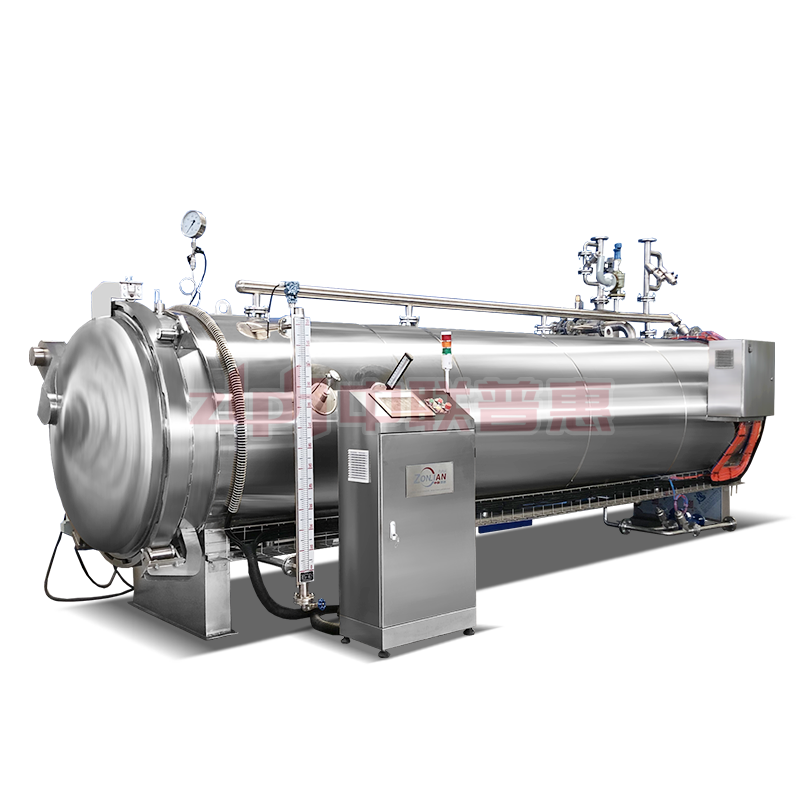
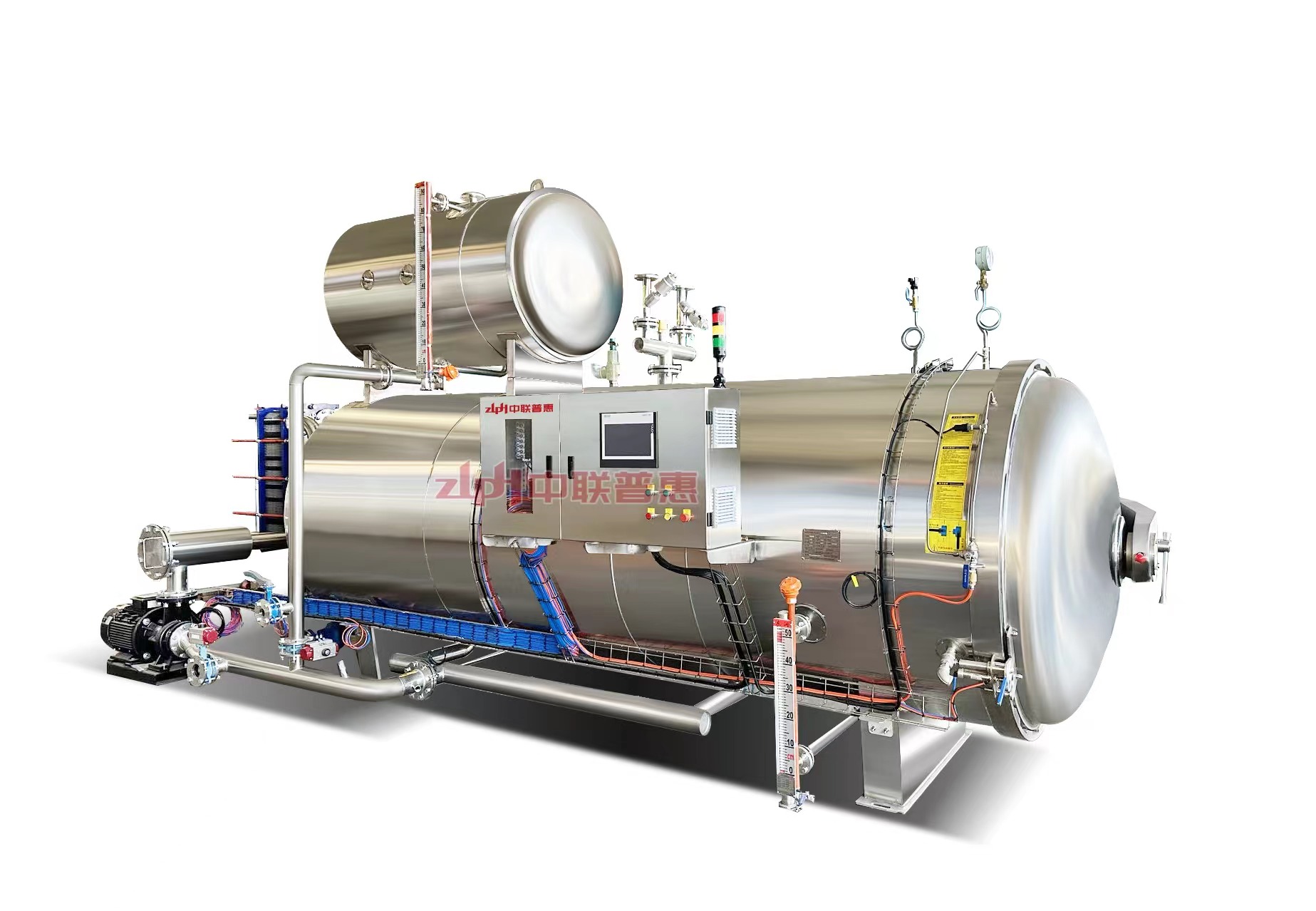
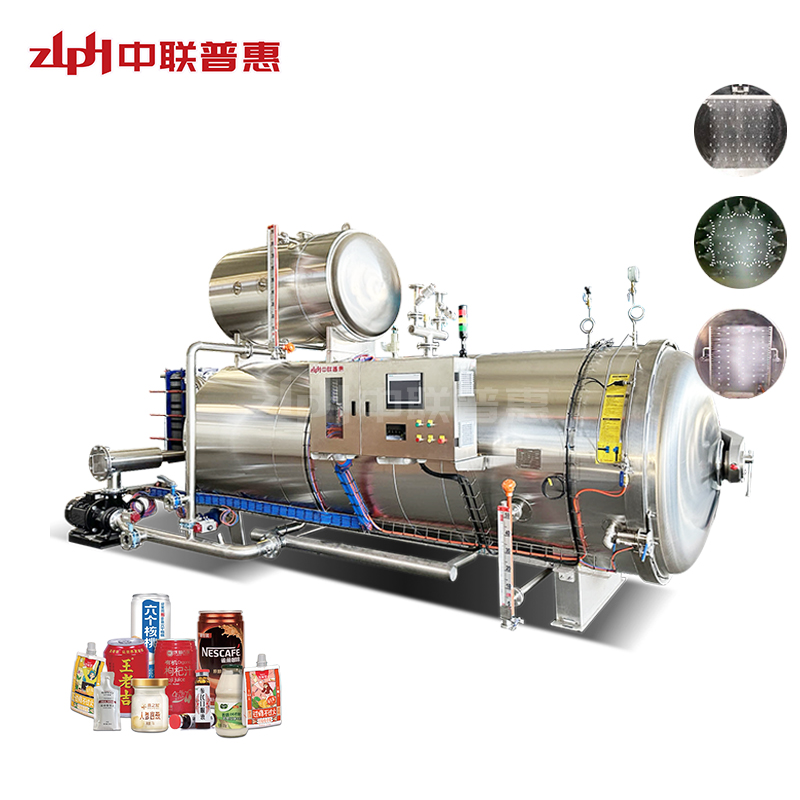
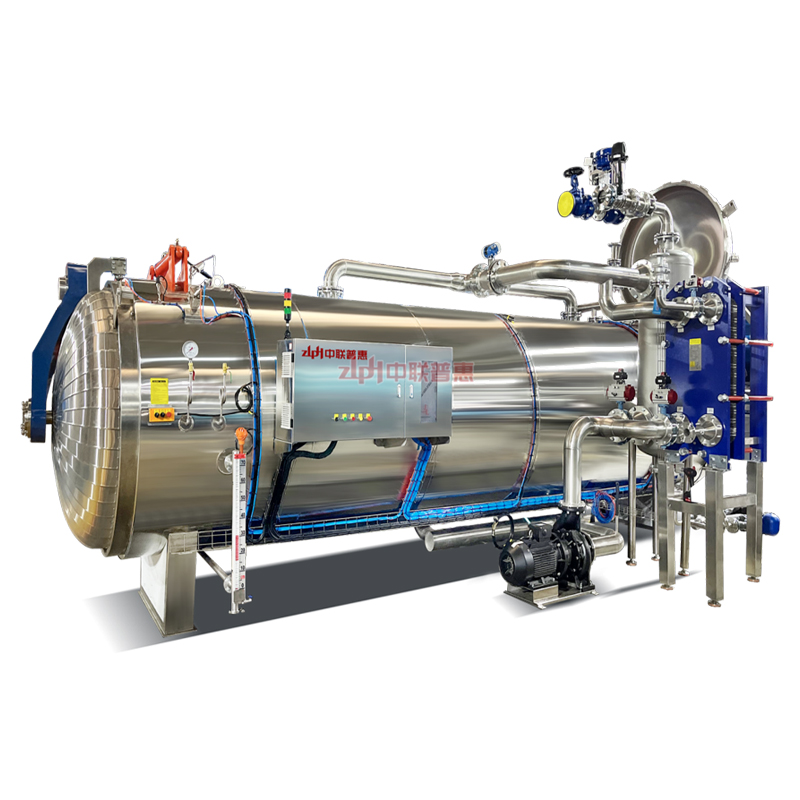
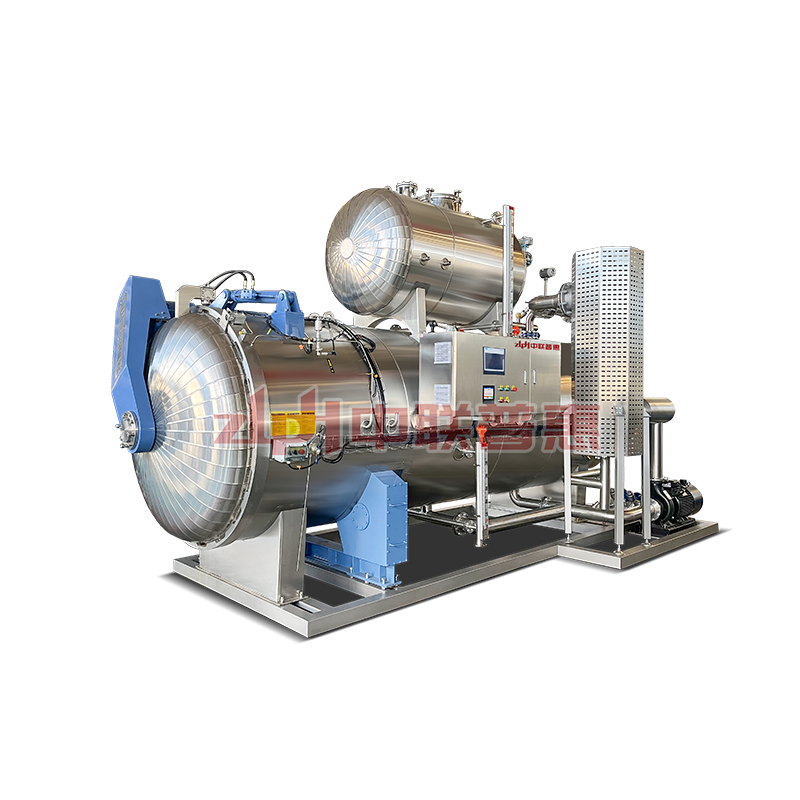
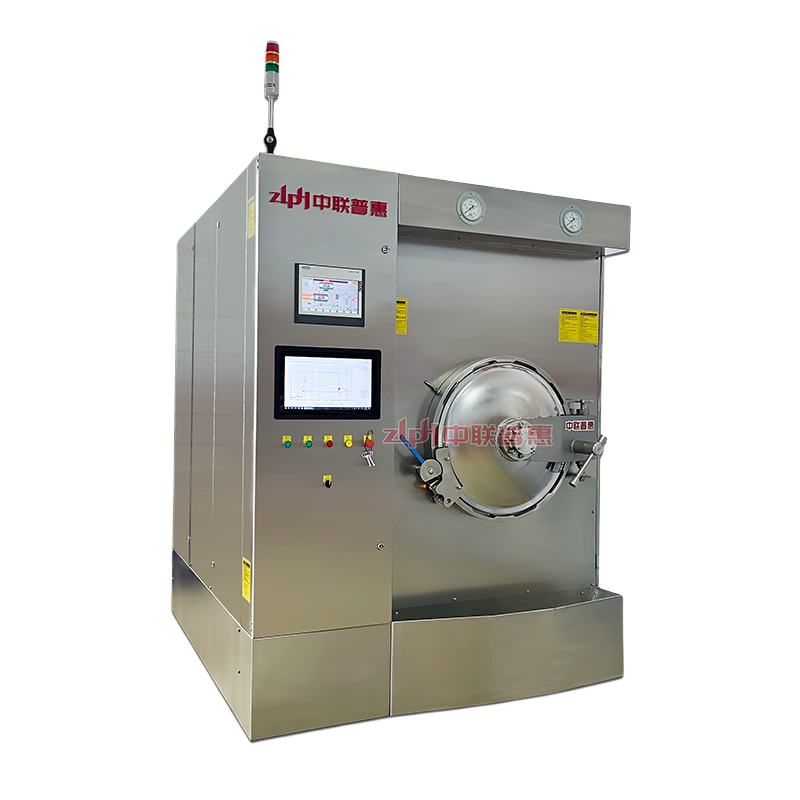
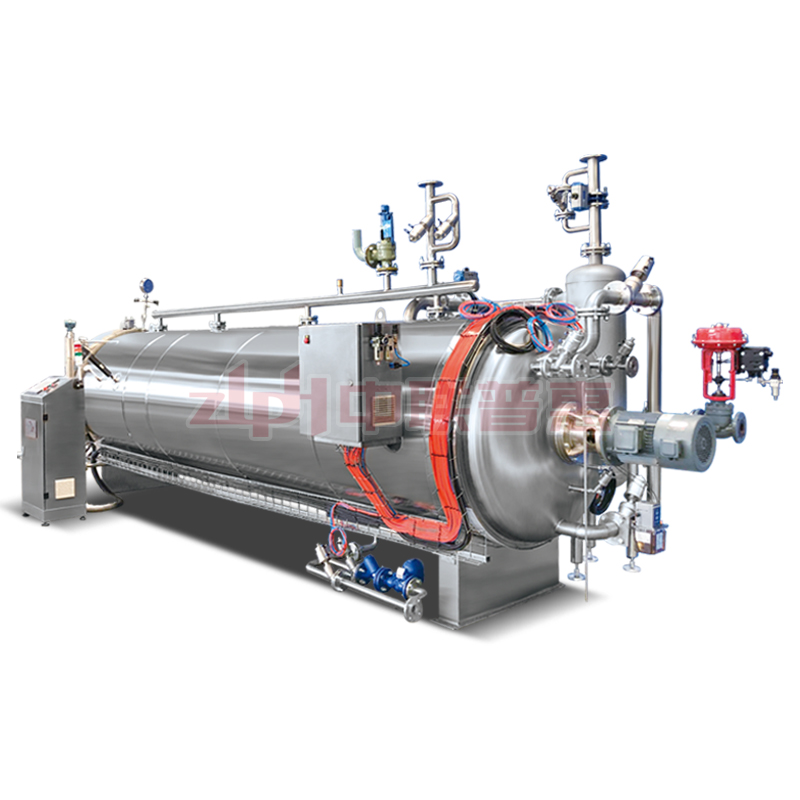
This guide is authored by a senior food processing automation engineer with over 10 years of industry experience from ZLPH MACHINERY TECHNOLOGY CO., LTD., a leading provider of continuous retort sterilization systems. It addresses a critical challenge faced by global food manufacturers and procurement teams: inconsistent thermal processing in high-throughput production lines. Inconsistent sterilization—manifesting as under-processing or product quality degradation—is primarily caused by uneven heat distribution, manual handling errors, and outdated batch-based systems that cannot scale with modern demand. Drawing on more than 500 global installations and rigorous field validation across meat, seafood, ready meals, and pet food sectors, we present a proven, step-by-step solution using continuous retort autoclaves to ensure uniform lethality, regulatory compliance, and operational efficiency. This guide breaks down root causes by real-world scenario, delivers actionable mitigation strategies, shares validated performance data, and outlines best practices for seamless integration—enabling you to eliminate safety risks, reduce waste, and achieve consistent commercial sterility at scale.

How to Ensure Uniform Sterilization in High-Speed Ready-Meal Production Lines?
1. Scenario & Pain Point
In large-scale ready-meal facilities producing 5,000+ units/hour, operators often observe inconsistent F0 values (thermal lethality) across batches—some trays show under-sterilization (F0 < 2.5), while others suffer texture degradation due to overheating. This variability leads to product recalls, compliance failures with FDA/EFSA standards, and up to 8% yield loss.

2. Root Cause Analysis
Three core issues drive this inconsistency: (1) Manual tray loading creates uneven spacing in batch retorts, disrupting steam/water circulation; (2) Fixed-time cycles ignore real-time temperature variance across zones; (3) Legacy systems lack integration between conveyance speed and thermal profiles, causing dwell time mismatches.

3. Step-by-Step Solution
Immediate Fix: Implement automated tray loading/unloading to standardize product positioning. Use real-time F0 monitoring with zone-specific probes.
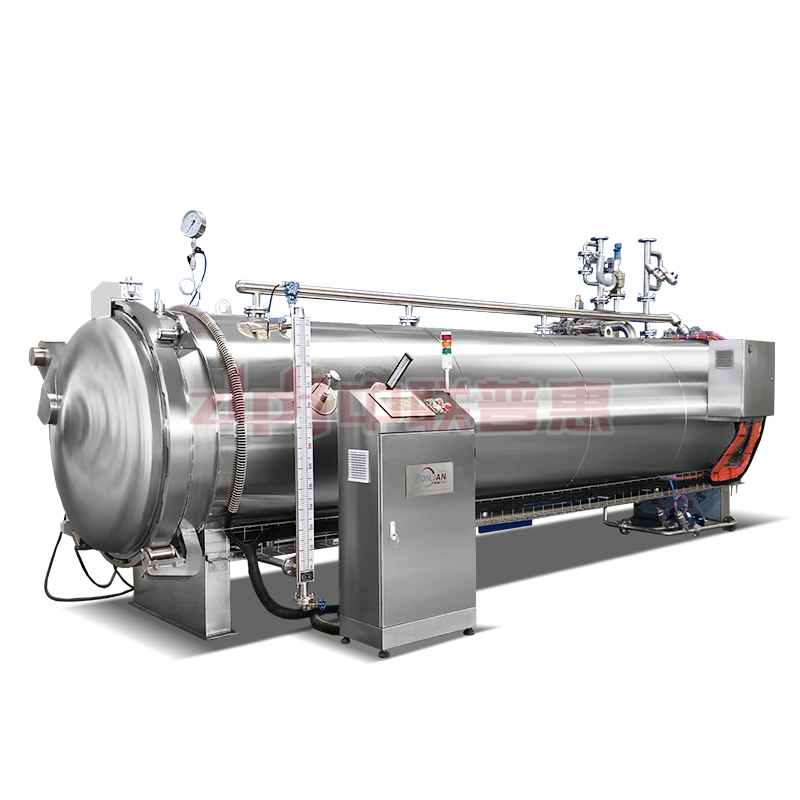
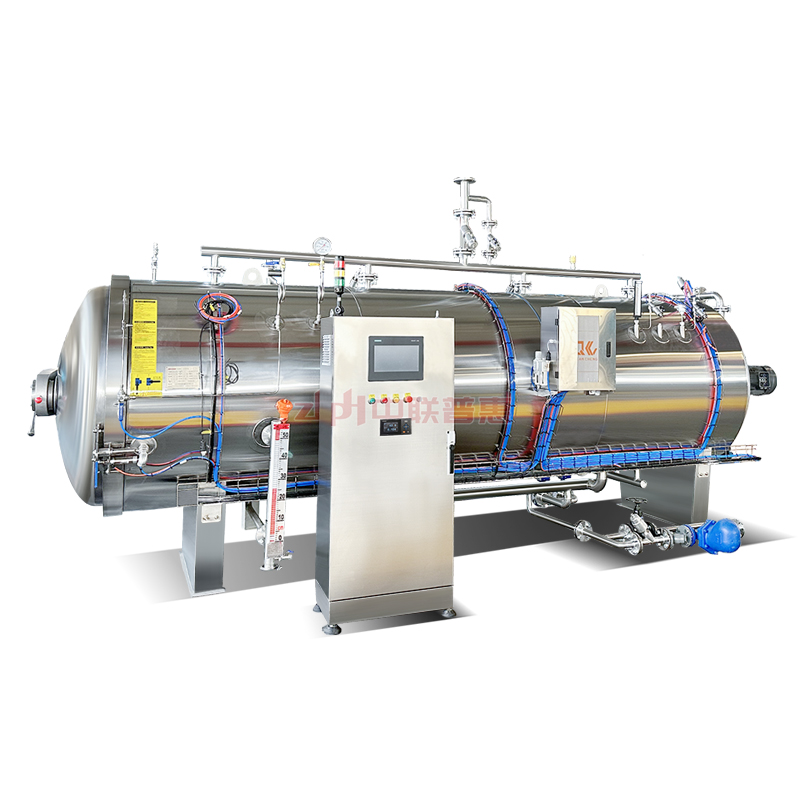
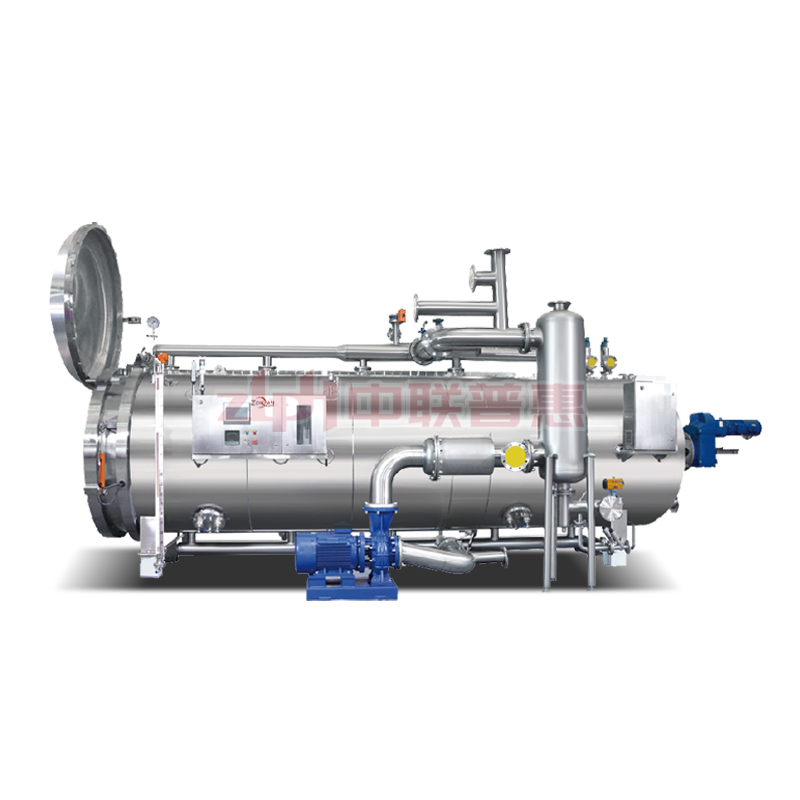
Long-Term Fix: Deploy a continuous water-spray retort with synchronized conveyor speed and dynamic temperature control. ZLPH’s system adjusts spray pressure and belt velocity based on incoming product load and target F0, ensuring ±0.2°C uniformity.
Optimization: Integrate PLC-based recipe management to auto-select parameters by SKU—eliminating human error during changeovers.

4. Troubleshooting & Prevention
Validate thermal mapping quarterly using data loggers placed in cold spots. Avoid retrofitting batch retorts for continuous flow—hybrid setups amplify inconsistencies. Always conduct pre-validation runs with worst-case product configurations (e.g., densest packaging).
5. Verified Results
At a European ready-meal plant, ZLPH’s continuous retort reduced F0 deviation from ±1.8 to ±0.15 and cut energy use by 22%. Product recall incidents dropped to zero over 18 months, with throughput increasing by 35%.
How to Prevent Container Damage During Pet Food Sterilization?
1. Scenario & Pain Point
Pet food producers using aluminum trays report 5–7% container deformation during sterilization, especially with high-fill products. Warping causes sealing failures, leakage, and line stoppages during downstream packaging.
2. Root Cause Analysis
Rapid pressure changes during cooling phases create differential stress on thin-gauge trays. Additionally, uncontrolled water spray impact exerts mechanical force on unsupported tray edges.
3. Step-by-Step Solution
Use a continuous retort with programmable pressure ramping (e.g., 0.5 bar/min during cooling). Equip the system with low-impact, laminar-flow spray nozzles positioned to avoid direct tray center impact. ZLPH’s design includes tray support rails that minimize flex during transit.
4. Troubleshooting & Prevention
Never exceed 1.8 bar working pressure for aluminum trays. Conduct material compatibility tests before full-scale runs. Monitor cooling water temperature gradients—keep ΔT < 30°C between product core and cooling medium.
5. Verified Results
After installing ZLPH’s automated bowl sterilization line at Petfair Asia 2023, a major pet brand reduced container damage to <0.3% and achieved 99.98% seal integrity across 12-month validation.
Industry Best Practices for Continuous Retort Deployment
Based on 6+ years of global project execution, ZLPH recommends this 5-step framework to maximize reliability:
1. Define Worst-Case Conditions
Design for peak load, not average—include highest viscosity, densest fill, and slowest line speed.
2. Validate Thermal Uniformity
Perform ASME PVHO-1-compliant thermal mapping with ≥12 data loggers per zone before commissioning.
3. Automate Changeovers
Use barcode/RFID-triggered recipe switching to prevent manual parameter entry errors.
4. Implement Predictive Maintenance
Monitor pump vibration, valve cycle counts, and spray nozzle clogging via IoT sensors.
5. Certify for Target Markets
Ensure equipment holds CE, EAC, and ASME certifications upfront to avoid revalidation delays.
Frequently Asked Questions (FAQ)
Q: Can batch retorts be upgraded to continuous operation?
A: Not effectively. Continuous systems require integrated conveyance, synchronized thermal zones, and real-time control—retrofitting batch units compromises sterility assurance and voids certifications.
Q: What’s the minimum throughput for a continuous retort to be cost-effective?
A: Typically 1,500+ units/hour. Below this, semi-automatic batch systems may suffice—but above it, continuous operation reduces labor by 60% and energy by 25%.
Q: How do you handle mixed-SKU production?
A: ZLPH’s PLC system supports instant recipe switching via HMI or MES integration, with automatic adjustment of belt speed, temperature, and pressure profiles per SKU.
Q: Are continuous retorts compliant with FDA 21 CFR Part 113?
A: Yes—when equipped with electronic batch records, audit trails, and calibrated F0 monitoring, as ZLPH systems are designed to meet these requirements out-of-the-box.
Q: What maintenance is required for spray nozzles?
A: Clean every 500 hours using citric acid descaling; inspect for clogging weekly. ZLPH uses stainless steel nozzles with self-cleaning backflush cycles to extend service life.
Our Expertise & Support
ZLPH MACHINERY TECHNOLOGY CO., LTD. is a globally recognized provider of advanced sterilization solutions, founded in 2018 with a 21-member R&D team specializing in mechanical design, PLC programming, and sterilization process engineering. We hold ASME, CE, EAC, and Malaysia DOSH certifications, ensuring seamless market access across North America, EU, and Eurasia. Our continuous retort systems serve over 500 clients in 40+ countries, including top-tier meat processors, seafood exporters, and pet food brands. At our 50-acre manufacturing facility with 15,000 m² of workshop space, every unit undergoes rigorous FAT (Factory Acceptance Testing) before shipment.
We offer end-to-end support including:
• On-site thermal process validation
• Custom tray handling system design
• Free pilot testing with your product
• 24/7 remote troubleshooting via IoT platform
Contact Us
Company: ZLPH MACHINERY TECHNOLOGY CO., LTD.
Website: https://www.zlphretort.com/
Email: sales@zlphretort.com
Phone / WhatsApp: +86 15666798389 / +86 13361554016
