

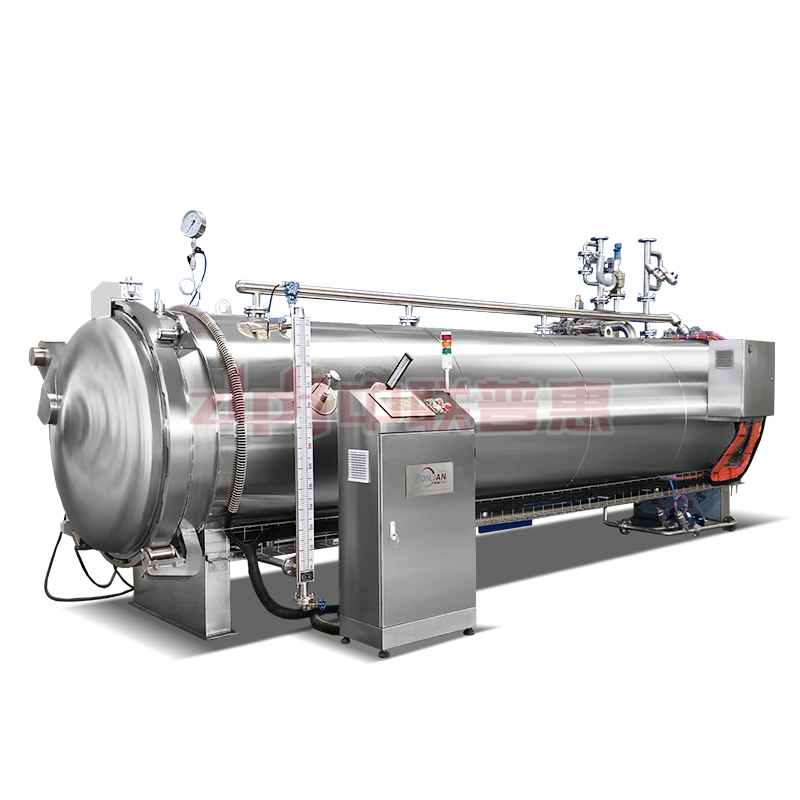
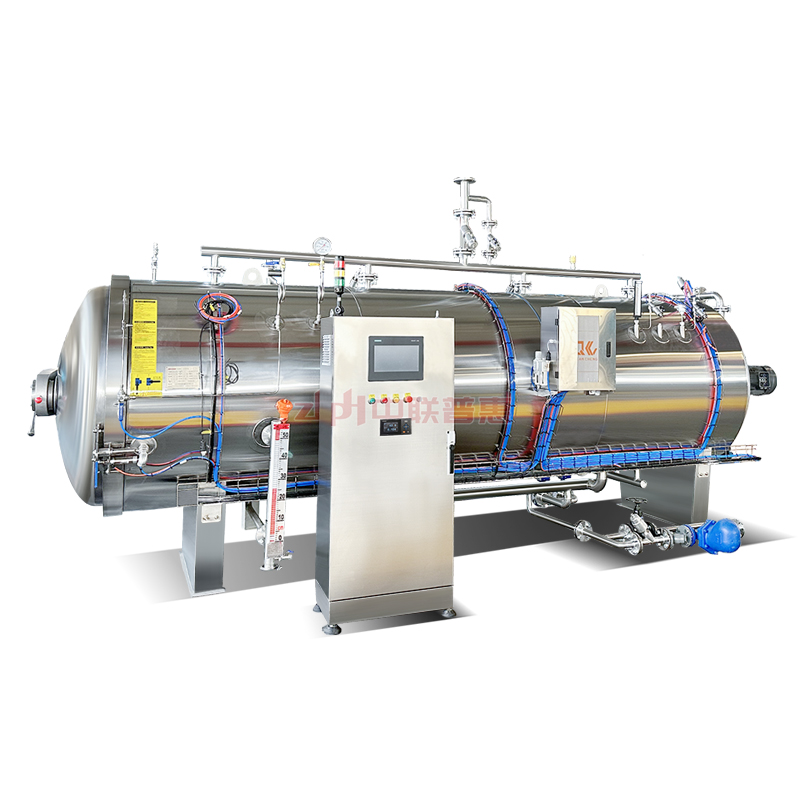
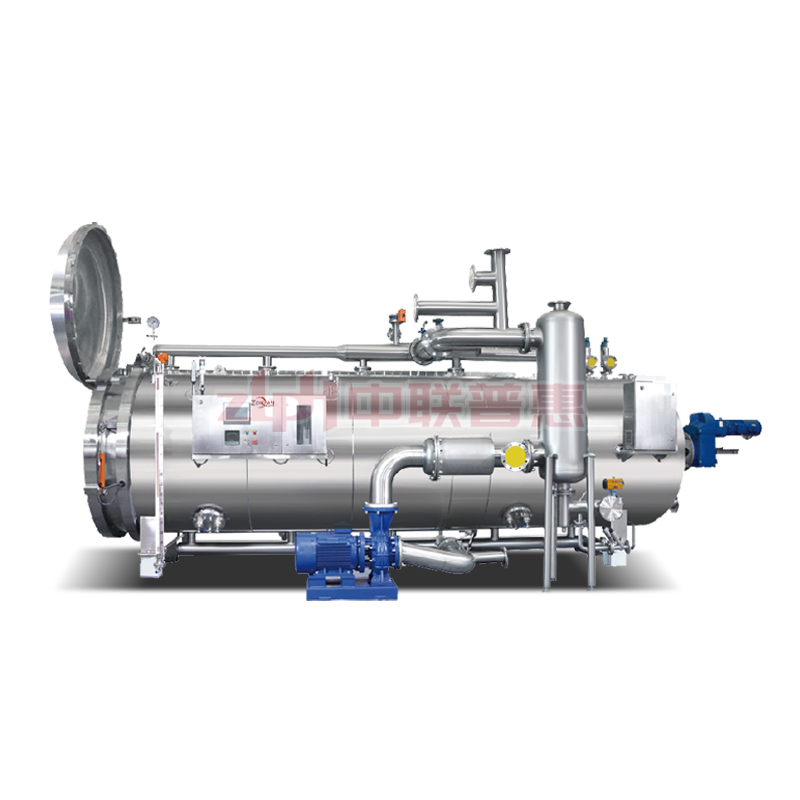
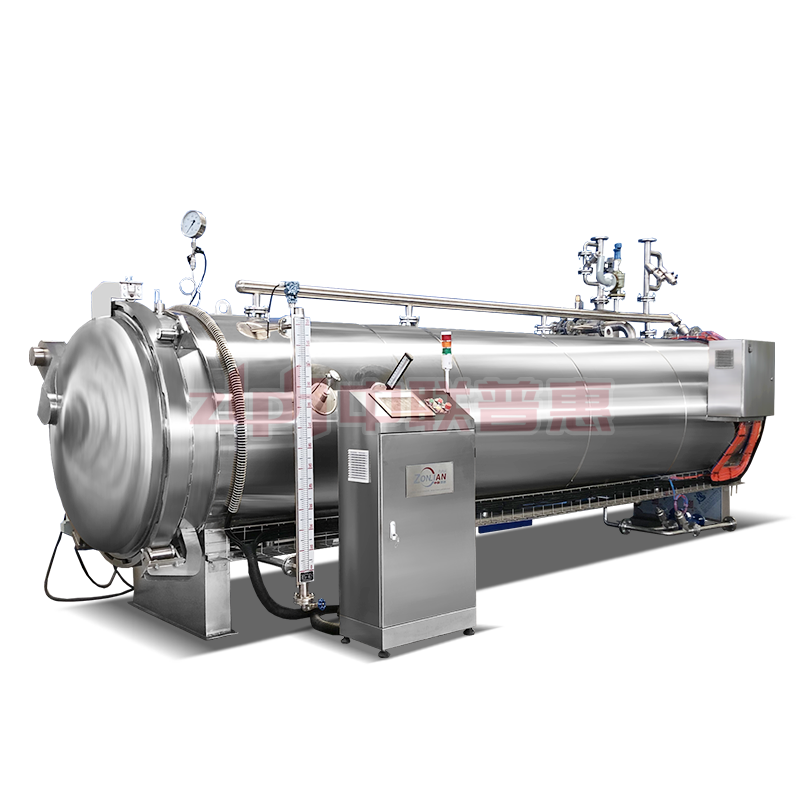
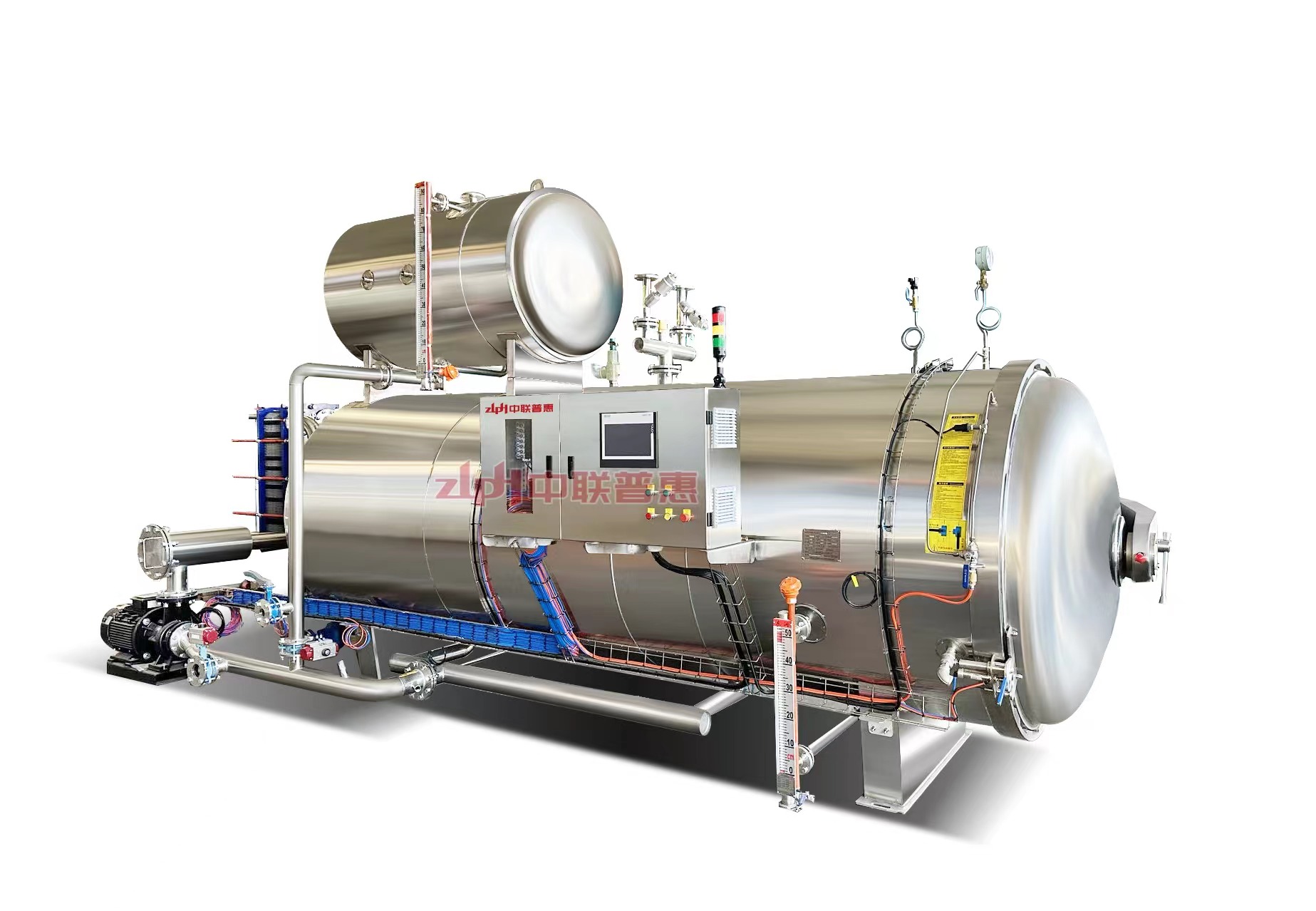
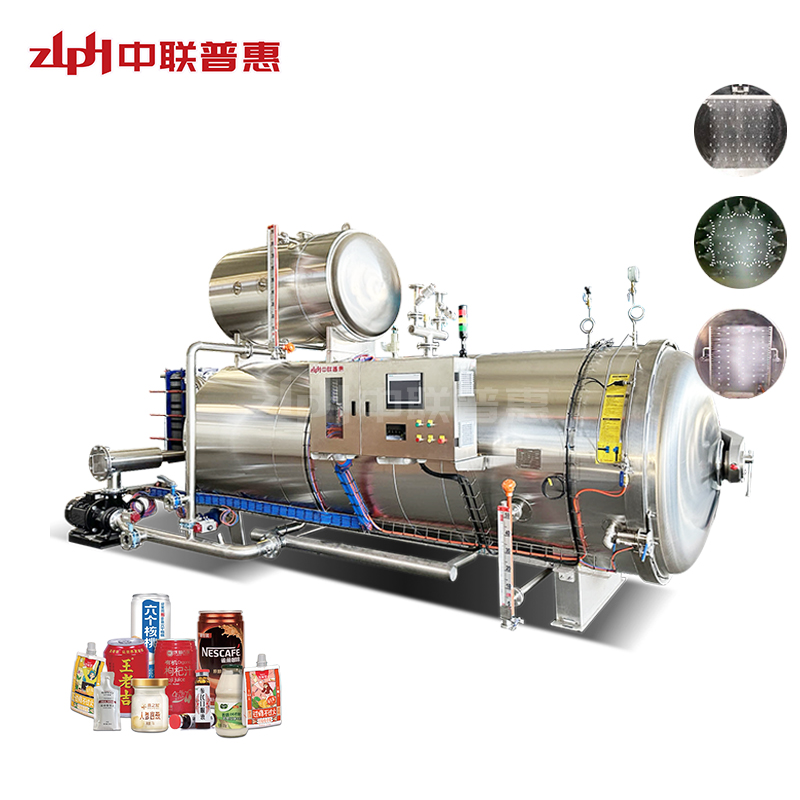
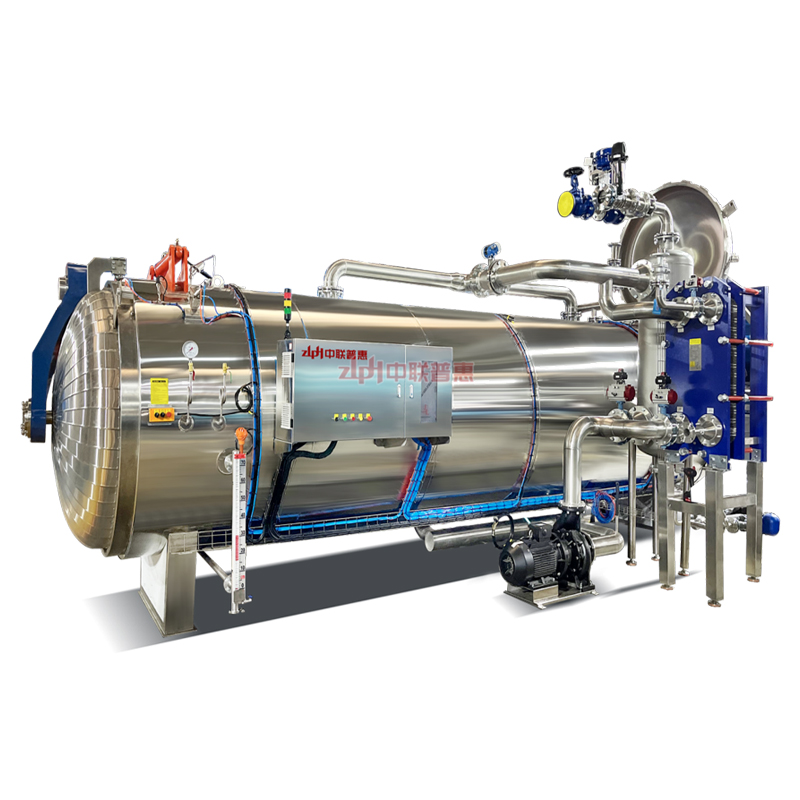
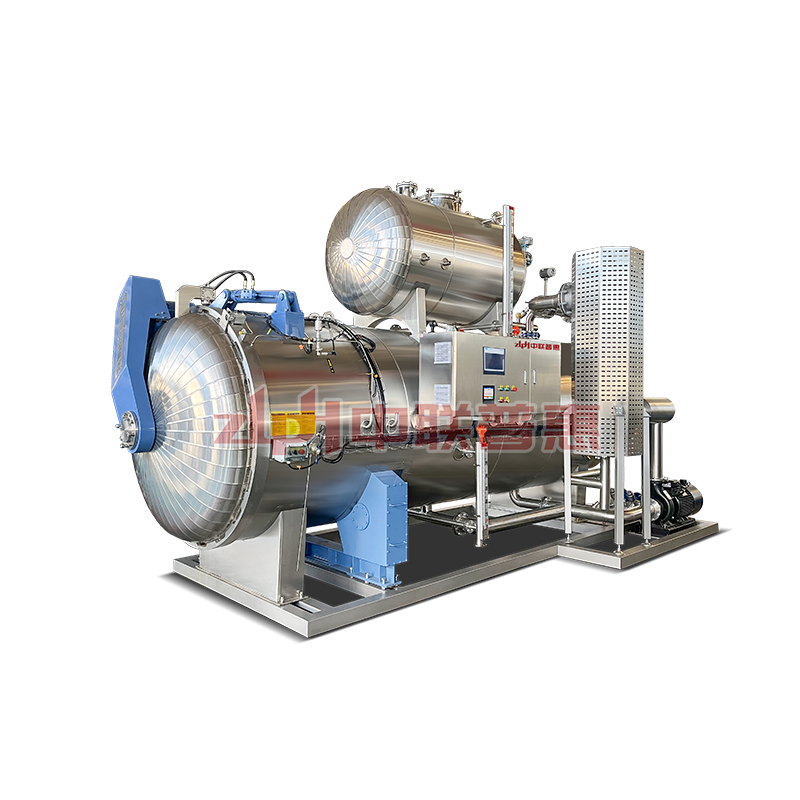
This guide is authored by a senior food processing engineer with over 10 years of experience at ZLPH MACHINERY TECHNOLOGY CO., LTD., a leading provider of advanced sterilization solutions for the global food and pet food industries. It addresses a critical challenge faced by production managers and process engineers: inconsistent thermal distribution and incomplete microbial kill during steam-air retort autoclave operations. This issue often stems from poor temperature uniformity, inadequate air agitation, or suboptimal control systems—factors that compromise product safety, shelf life, and regulatory compliance. Drawing on more than 5,000 global installations and rigorous validation protocols, we present a field-tested, step-by-step methodology to achieve consistent, validated sterilization results. In this guide, you’ll learn how to diagnose root causes across different production scenarios, implement corrective actions, avoid common pitfalls, and verify performance using real-world metrics—all tailored to steam-air retort autoclave systems.

How to Ensure Uniform Temperature Distribution in Large-Batch Steam-Air Retort Cycles?
1. Scenario & Pain Point
In canned meat or ready-to-eat meal production, operators frequently observe cold spots in retort loads—especially in dense or irregularly packed baskets—leading to under-processing (F₀ values below target) and potential pathogen survival. This inconsistency triggers batch rejections, costly recalls, and failed audits by food safety authorities.

2. Root Cause Analysis
The primary causes include: insufficient air circulation due to improper fan placement or low airflow velocity; uneven steam injection causing thermal stratification; and lack of real-time monitoring at multiple load points. Without active air mixing, steam condenses unevenly, creating localized cool zones where heat transfer is inadequate.

3. Step-by-Step Solution
Immediate Mitigation: Reconfigure basket loading patterns to allow ≥5 cm spacing between containers; install baffles to redirect airflow; perform dummy runs with data loggers to map thermal profiles.
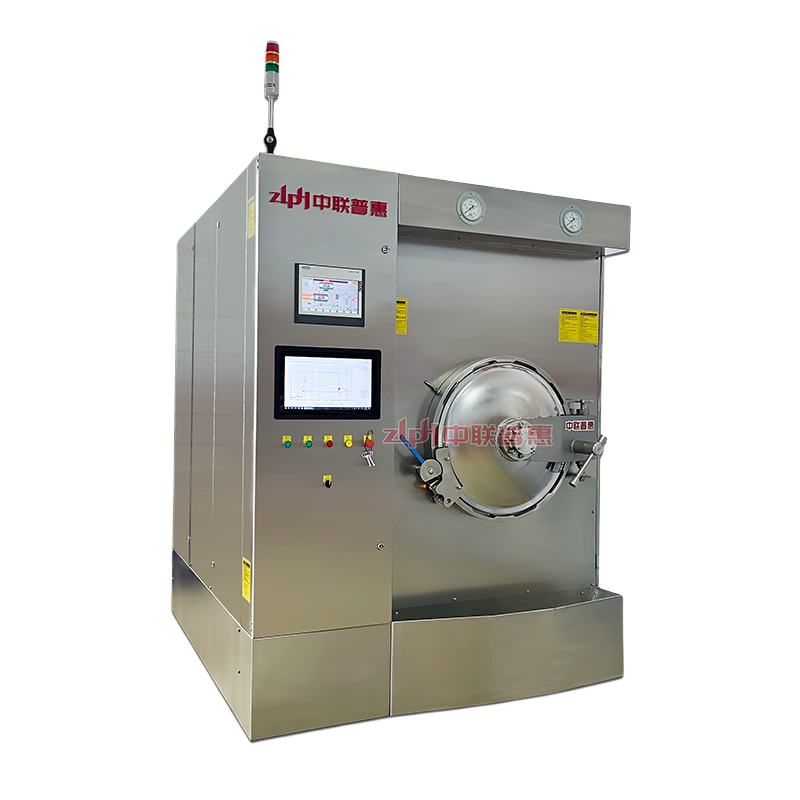
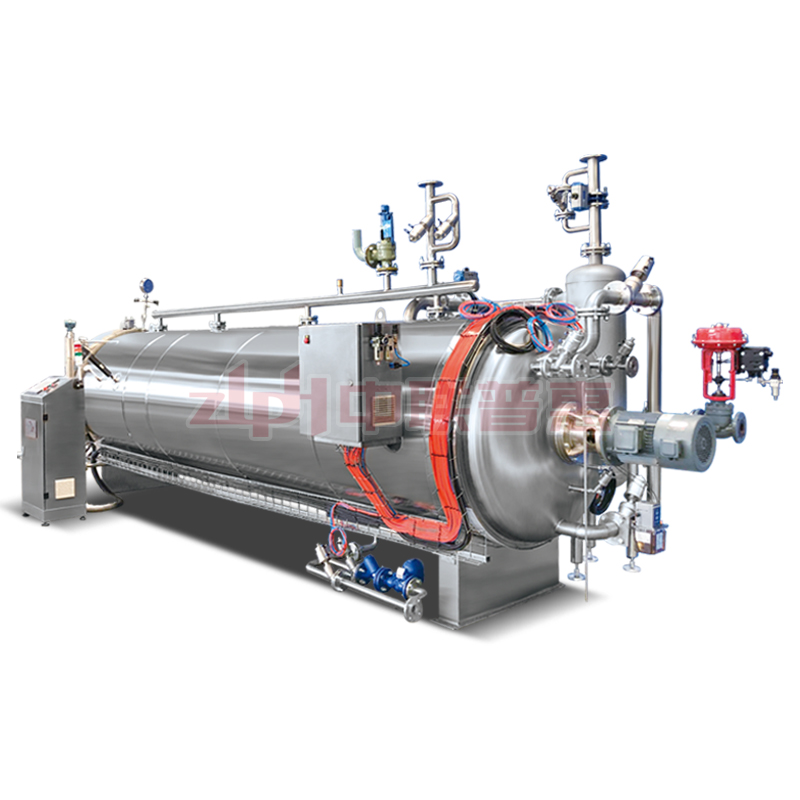
Long-Term Fix: Deploy ZLPH’s intelligent steam-air retort with integrated high-efficiency circulation fans and multi-zone steam injectors. The system maintains ±0.5°C temperature uniformity across the chamber via closed-loop PID control.
Process Optimization: Validate cycle parameters using come-up time (CUT) and F₀ calculations per FDA/USDA guidelines; adjust air pressure ramp rates to prevent container deformation while ensuring turbulence.

4. Troubleshooting & Prevention Guide
Conduct quarterly thermal mapping with 12+ probe placements; verify fan motor RPM and bearing integrity; ensure steam traps are functioning to prevent water hammer. During procurement, demand third-party validation reports showing thermal uniformity under worst-case load conditions—not just empty-chamber tests.
5. Verified Results
At a major European ready-meal producer, implementing ZLPH’s steam-air retort reduced F₀ variance from ±12% to ±2.3%, eliminating cold spots and achieving 100% batch compliance over 18 months of continuous operation.
How to Prevent Container Deformation During Steam-Air Retort Processing?
1. Scenario & Pain Point
Flexible pouches or thin-walled cans often bulge, leak, or rupture during pressurized steam-air cycles due to unbalanced internal-external pressure differentials—especially during rapid heating or cooling phases.
2. Root Cause Analysis
Deformation occurs when internal product expansion outpaces external counter-pressure regulation. Legacy systems use fixed air pressure settings, failing to dynamically match internal vapor pressure generated by the product.
3. Step-by-Step Solution
Use ZLPH’s adaptive pressure control algorithm that continuously adjusts compressed air input based on real-time temperature feedback, maintaining ΔP ≤ 0.3 bar across all phases. Pair with gradual ramp rates (≤1.5°C/min during come-up) to minimize thermal shock.
4. Troubleshooting & Prevention Guide
Always validate pressure curves against product-specific headspace volume and fill temperature. Avoid abrupt cooling—implement staged water-cooling with back-pressure maintenance until internal temp drops below 80°C.
5. Verified Results
A U.S. pet food manufacturer reduced pouch leakage from 4.7% to 0.15% after upgrading to ZLPH’s pressure-balanced retort, saving $220K annually in waste and rework.
Industry Best Practices for Steam-Air Retort Reliability
Based on 8+ years of global deployments, ZLPH recommends this 5-step framework to ensure consistent sterilization performance:
1. Define Worst-Case Conditions
Validate cycles using the slowest-heating product in the densest packaging configuration—not ideal lab samples.
2. Implement Real-Time Monitoring
Deploy wireless data loggers at cold-spot locations; integrate with retort PLC for automated F₀ calculation and batch release.
3. Standardize Maintenance
Schedule monthly checks of steam traps, air filters, pressure regulators, and temperature sensors per ASME BPE standards.
4. Train Operators on Thermal Principles
Ensure staff understand the link between air agitation, pressure control, and microbial lethality—not just button-pushing.
5. Partner with Validation-Capable Suppliers
Choose vendors who provide full IQ/OQ/PQ documentation and support third-party audit readiness.
Frequently Asked Questions (FAQ)
Q: Can I retrofit my existing retort with better air circulation?
A: Yes—ZLPH offers upgrade kits with high-torque circulation fans and re-engineered ducting to improve thermal uniformity without full replacement.
Q: What’s the minimum air pressure needed for effective steam-air sterilization?
A: Typically 2.5–4.0 bar, but it must be dynamically controlled to match product temperature; fixed pressure risks under- or over-processing.
Q: How often should I perform thermal mapping?
A: Annually for stable processes; immediately after any change in product, packaging, or loading pattern per FDA 21 CFR 113.
Q: Do steam-air retorts require special water quality?
A: Yes—feedwater must be softened (<50 ppm hardness) to prevent scale buildup on heat exchangers and spray nozzles.
Q: Is ZLPH equipment compliant with EU and FDA standards?
A: All systems meet CE, ISO 9001, and FDA 21 CFR Part 113 requirements, with full material traceability and validation support.
Our Expertise & Support
ZLPH MACHINERY TECHNOLOGY CO., LTD. is a globally recognized provider of advanced sterilization systems, founded in 2018 with a core focus on R&D. Our team includes 21 mechanical and PLC engineers, 4 sterilization process experts, and 14 after-sales specialists—all with 10+ years in retort automation. We hold multiple patents in thermal control and have delivered over 5,000 systems across 60+ countries, serving leaders in human food, pet food, and pharmaceutical sectors. Our intelligent steam-air retorts feature real-time monitoring, adaptive pressure control, and modular designs proven in demanding environments from Moscow to Jakarta.
We offer customized support including: on-site process assessment, free sample testing with your product, custom cycle development, and 24/7 remote diagnostics. Every solution is backed by full validation documentation and global service coverage.
Contact Us
Company: ZLPH MACHINERY TECHNOLOGY CO., LTD.
Website: https://www.zlphretort.com/
Email: sales@zlphretort.com
Phone / WhatsApp: +86 15666798389 / +86 13361554016
