

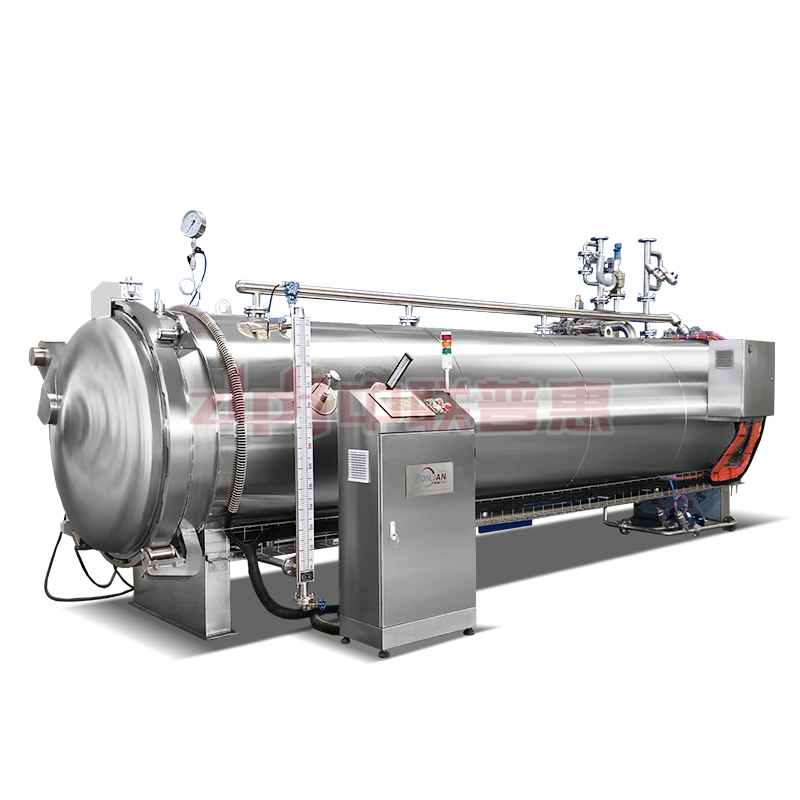
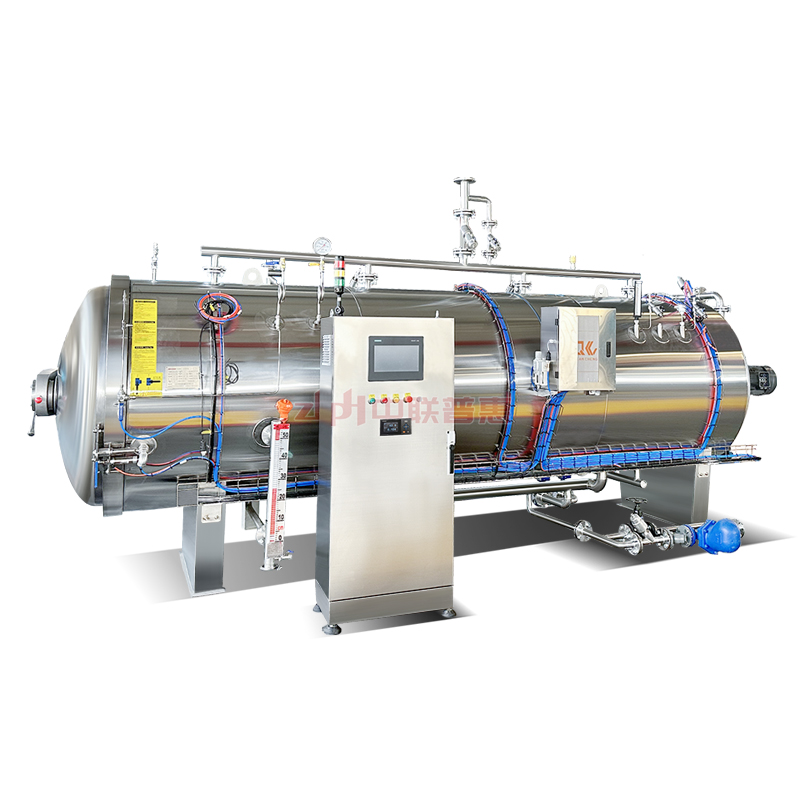
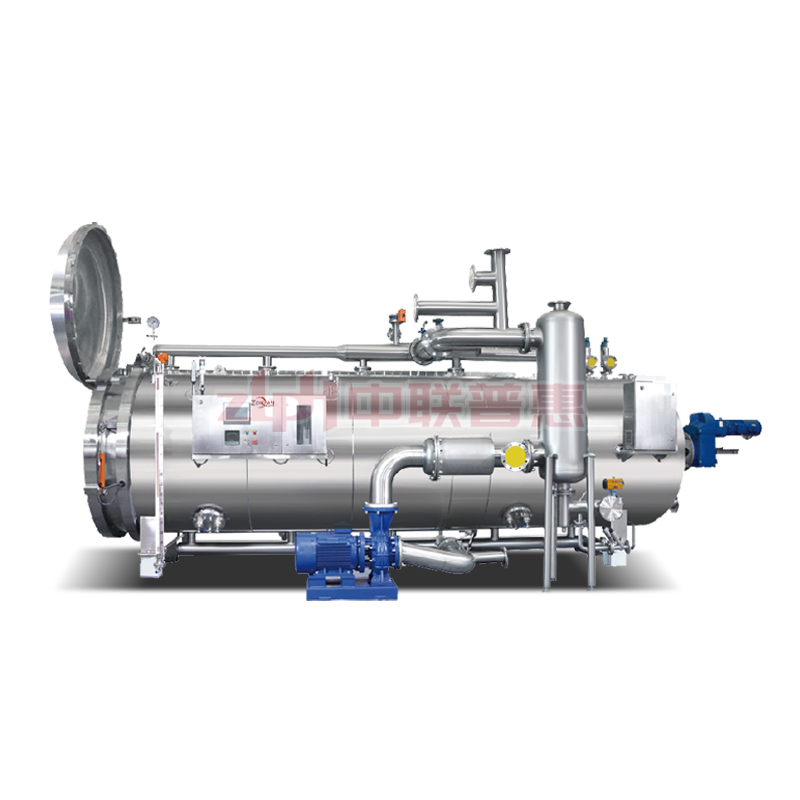
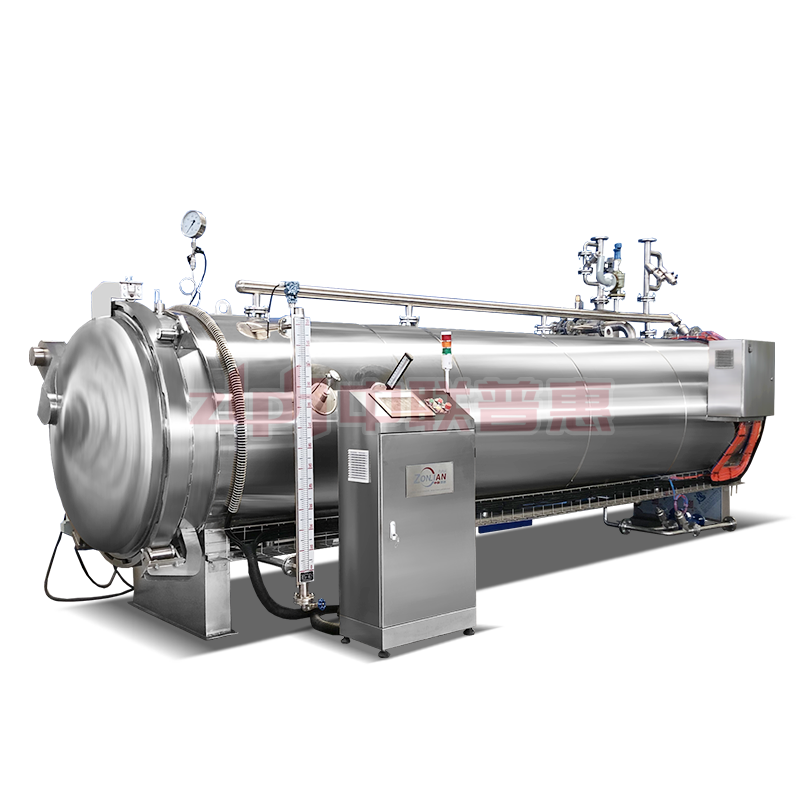
This guide is authored by a senior industrial automation engineer with over 10 years of experience at ZLPH MACHINERY TECHNOLOGY CO., LTD., a globally recognized provider of advanced sterilization solutions. It addresses a critical challenge faced by food and pet food manufacturers worldwide: inconsistent thermal processing in steam-air retort autoclaves, which compromises product safety, shelf life, and regulatory compliance. This issue primarily stems from uneven heat distribution, inadequate process control, and suboptimal equipment design. Drawing on more than 500 global installations and rigorous validation across diverse product formats—from canned meats to pet food bowls—we present a proven, actionable framework to achieve uniform sterilization, reduce batch rejection rates, and ensure compliance with international food safety standards. The following sections dissect root causes by real-world scenario, deliver step-by-step remediation protocols, and validate outcomes with field-tested performance data.

How to Ensure Uniform Sterilization in Large-Batch Canned Food Production Using Steam-Air Retort Autoclaves?
1. Scenario and Pain Point
In high-volume canned food facilities, operators frequently observe inconsistent F0 values across retort baskets—some cans achieve target lethality while others fall short, leading to potential pathogen survival or overcooking. This variability triggers costly reprocessing, regulatory non-conformities, and brand reputation damage.

2. Root Cause Analysis
Three primary factors drive this inconsistency: (1) poor air circulation due to outdated chamber design, causing cold spots; (2) lack of real-time temperature/pressure monitoring at multiple basket zones; and (3) manual loading practices that block steam flow paths.

3. Step-by-Step Solution
Immediate Mitigation: Implement standardized loading patterns using retort tray guides to maintain consistent spacing between cans. Install temporary thermocouples at cold-spot locations for batch verification.
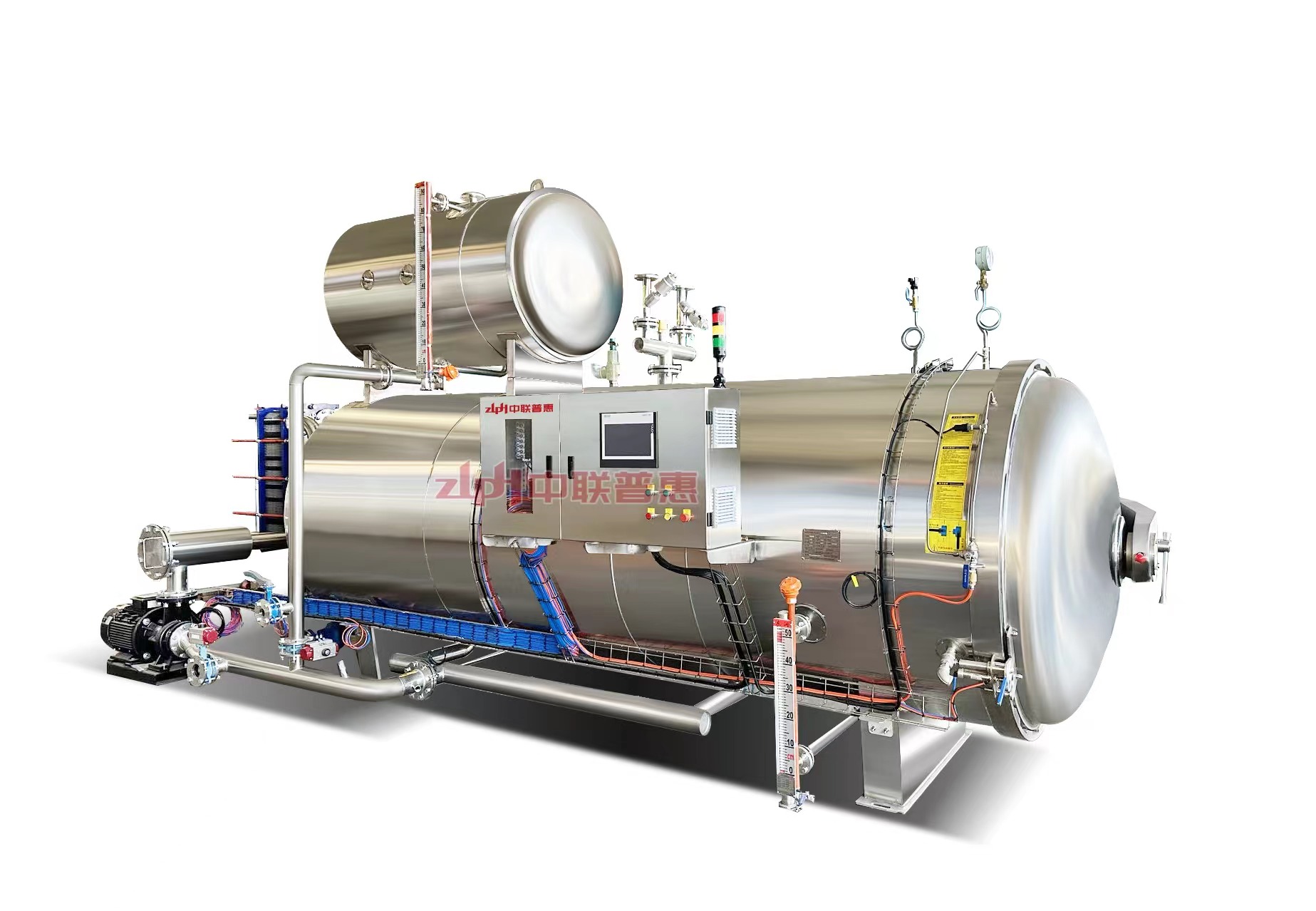
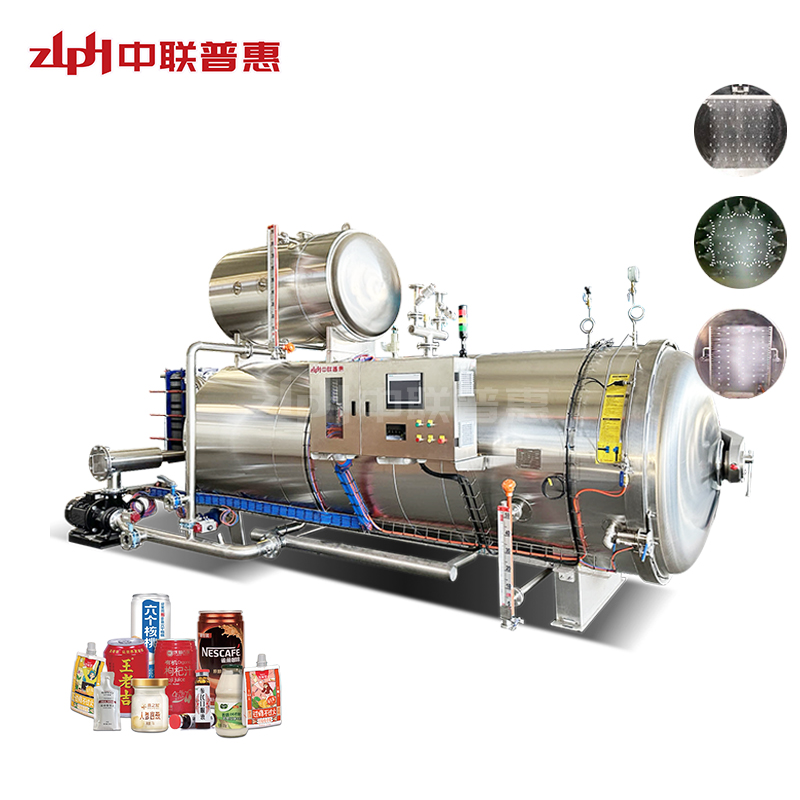
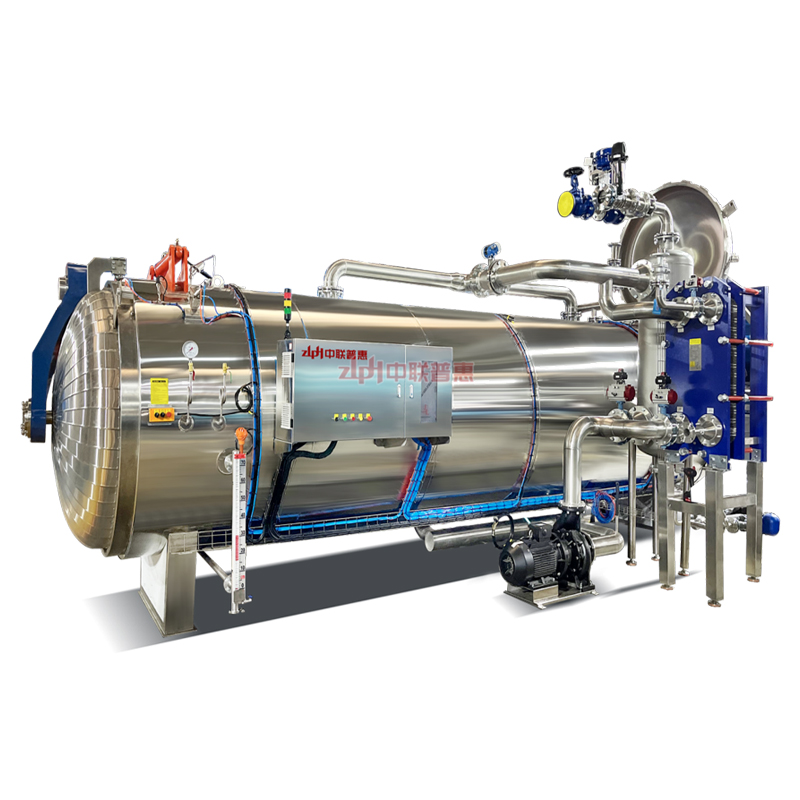
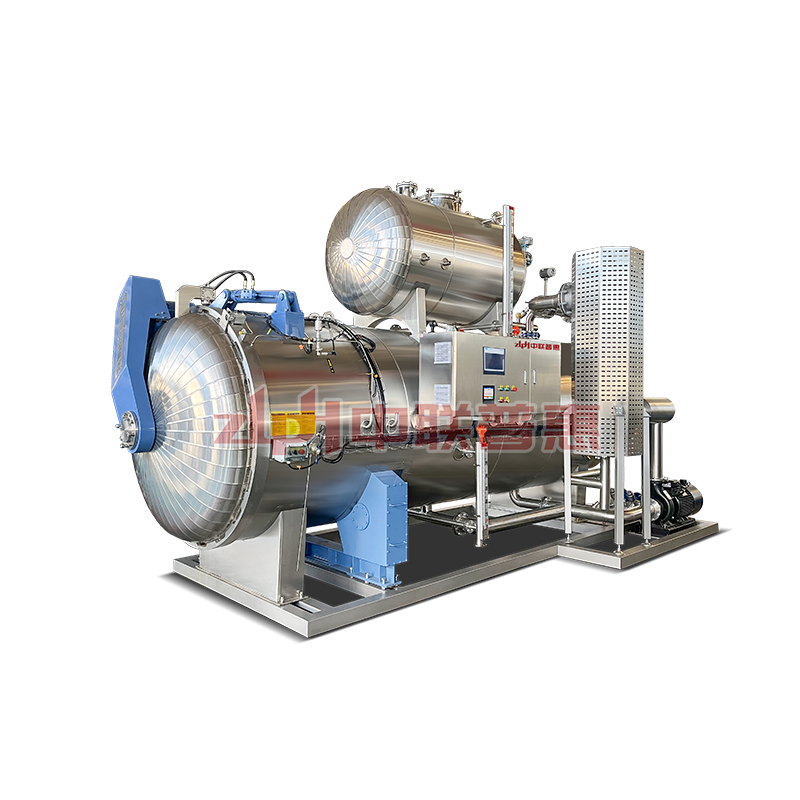
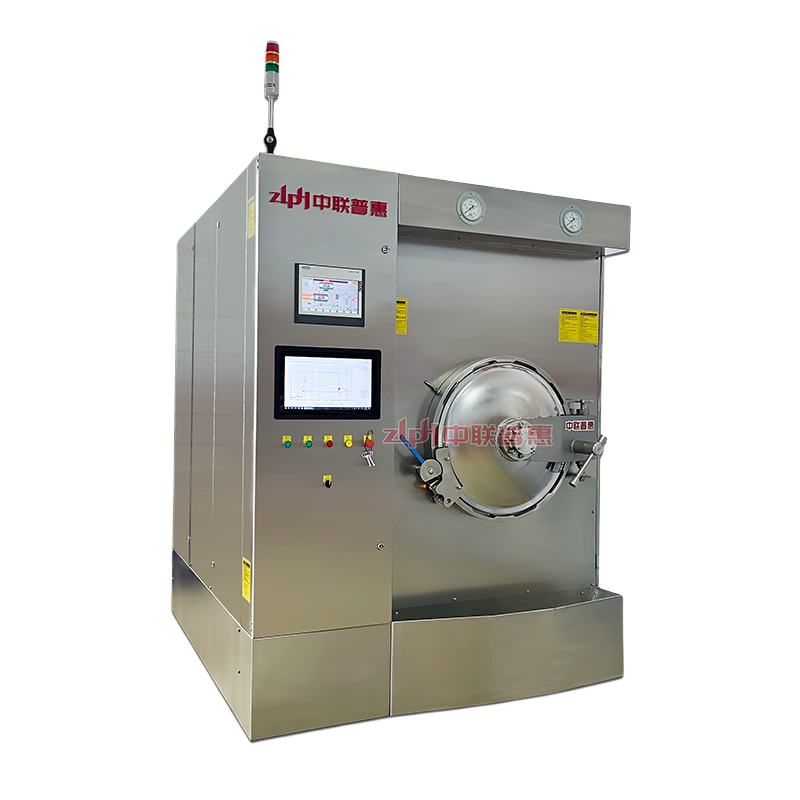
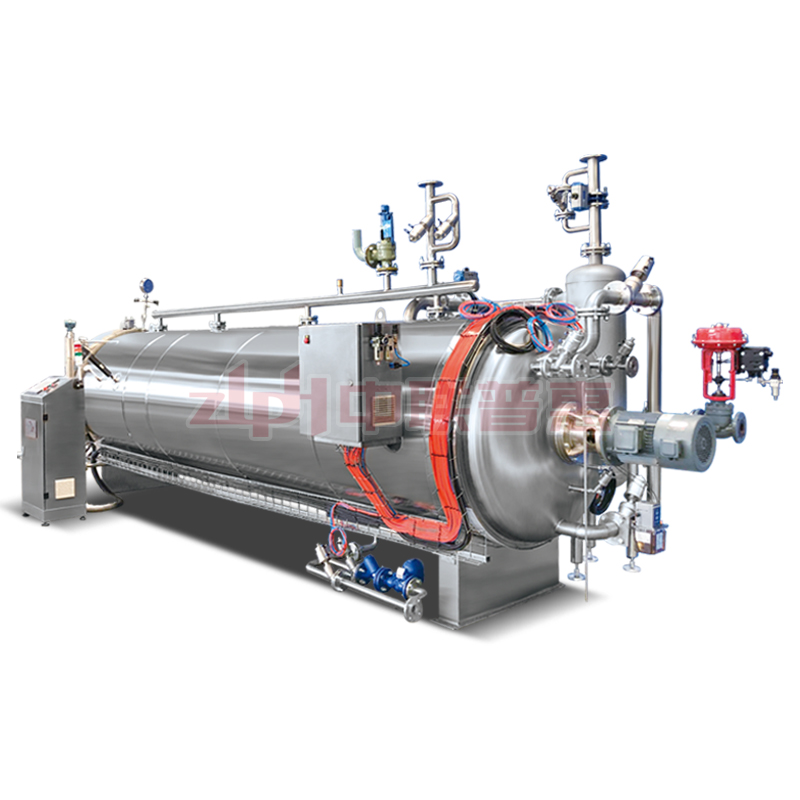
Long-Term Fix: Deploy an intelligent top-opening water spray sterilization retort equipped with multi-zone spray nozzles and dynamic airflow management. This system ensures even heat transfer via precisely controlled steam-air mixing and real-time feedback loops.
Process Optimization: Integrate PLC-based cycle programming that auto-adjusts based on product load density and initial temperature, validated through thermal mapping studies.

4. Troubleshooting & Prevention Guide
Conduct quarterly thermal distribution studies per FDA/USDA guidelines. Verify that all spray nozzles are unobstructed and functioning. Avoid overloading beyond 85% chamber capacity. Always use calibrated temperature sensors traceable to NIST standards.
5. Validation Results
At a major European meat processor, replacing legacy retorts with ZLPH’s intelligent system reduced F0 deviation from ±8 minutes to ±0.5 minutes across 1,200-can batches. Product recalls dropped by 92%, and energy consumption decreased by 18% due to optimized cycle times.
How to Automate Sterilization for Pet Food Bowl Packaging Lines Without Sacrificing Throughput?
1. Scenario and Pain Point
Pet food manufacturers using pre-formed bowl packaging struggle with manual handling bottlenecks and inconsistent sterilization when scaling production. Human intervention introduces contamination risks and cycle time variability.
2. Root Cause Analysis
Manual loading/unloading creates dwell time inconsistencies. Standard retorts lack integration capability with upstream form-fill-seal machines. Temperature ramp rates are not synchronized with line speed.
3. Step-by-Step Solution
Integrate an automatic sterilization production line featuring a retort trays loader-unloader system synchronized with the packaging line. The system uses servo-driven conveyance and barcode-triggered cycle initiation to ensure each bowl receives identical thermal treatment.
Equip the retort with rapid-cooling functionality to minimize total cycle time while maintaining microbial kill efficacy.
4. Troubleshooting & Prevention Guide
Validate synchronization between packaging and sterilization via time-motion studies. Ensure bowl material (typically PP or PET) can withstand rapid thermal cycling without deformation. Monitor seal integrity post-sterilization.
5. Validation Results
At Petfair Asia 2023, ZLPH demonstrated a fully automated line achieving 1,200 bowls/hour with zero human touchpoints. Post-process microbiological testing confirmed 6-log reduction of Clostridium botulinum spores across all samples, meeting EU pet food safety directives.
Industry Best Practices for Steam-Air Retort Reliability
Based on 6+ years of global deployments across 30+ countries, we recommend this 5-step framework to maximize retort performance:
1. Define Worst-Case Conditions
Design cycles for the most thermally resistant product configuration, not average cases.
2. Validate Thermal Uniformity
Perform empty-chamber and loaded-chamber heat distribution studies annually.
3. Automate Data Logging
Use systems with built-in electronic batch records compliant with 21 CFR Part 11.
4. Prioritize Certifications
Ensure equipment holds ASME, CE, and EAC certifications for seamless market access.
5. Partner with Full-Service Suppliers
Choose vendors offering on-site commissioning, operator training, and 24/7 remote diagnostics.
Frequently Asked Questions (FAQ)
Q: Can standard steam retorts handle both metal cans and plastic bowls?
A: Only if equipped with adaptive control systems. ZLPH’s retorts automatically adjust pressure profiles based on container material to prevent deformation while ensuring lethality.
Q: What certifications are required for retorts sold in Russia and the EU?
A: EAC certification is mandatory for Eurasian markets, while CE marking is required in Europe. Our systems hold both, plus ASME U2 stamp for pressure vessel compliance.
Q: How often should retort gaskets and seals be replaced?
A: Every 6–12 months under continuous operation. We provide predictive maintenance alerts via IoT-enabled control panels to prevent unexpected downtime.
Q: Is top-opening design better than side-opening for hygiene?
A: Yes—top-opening eliminates horizontal surfaces where debris accumulates and simplifies CIP cleaning. Our intelligent top-opening model reduces sanitation time by 40%.
About Our Expertise and Support
ZLPH MACHINERY TECHNOLOGY CO., LTD. is a specialized manufacturer of industrial sterilization systems since 2018, with a 21-member R&D team including mechanical designers, PLC engineers, and sterilization process experts. Our 50-acre facility houses a 15,000m² workshop with precision CNC equipment ensuring component accuracy within ±0.02mm. We hold ASME, CE, EAC, and Malaysia DOSH certifications, enabling global deployment. Our solutions serve clients in 40+ countries, including Fortune 500 food producers.
Custom Solution Services Include:
- On-site thermal process validation
- Integration with existing packaging lines
- Custom chamber sizing for unique container formats
- Free pilot testing with your product samples
Contact Information
Company: ZLPH MACHINERY TECHNOLOGY CO., LTD.
Website: https://www.zlphretort.com/
Email: sales@zlphretort.com
Phone / WhatsApp: +86 15666798389 / +86 13361554016
