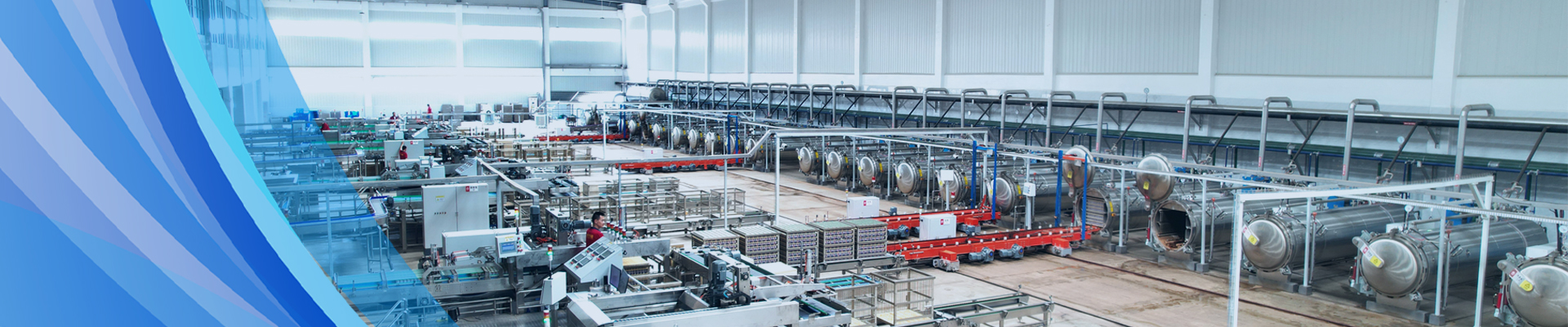

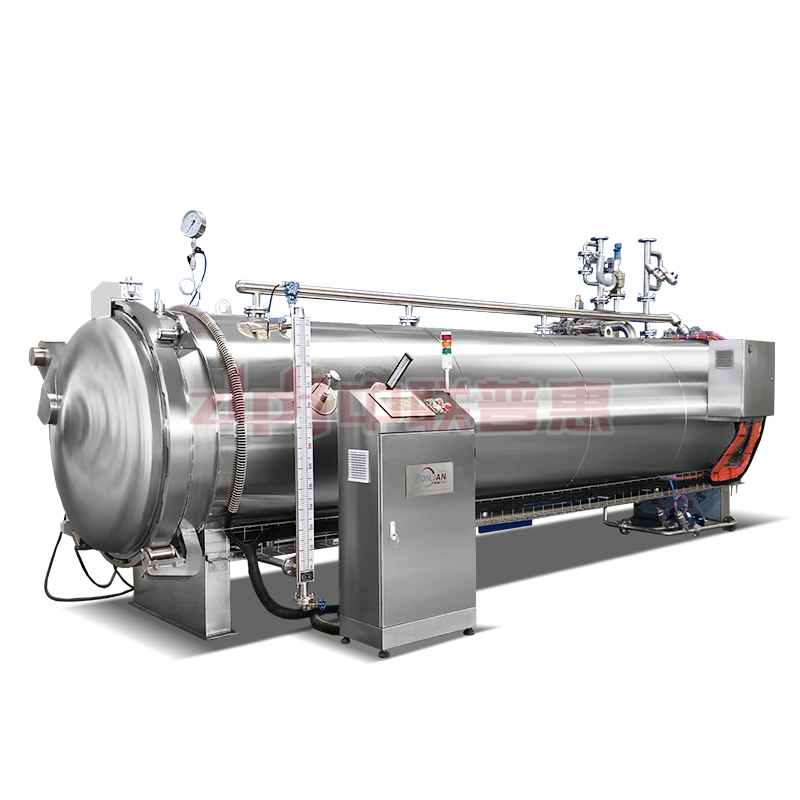
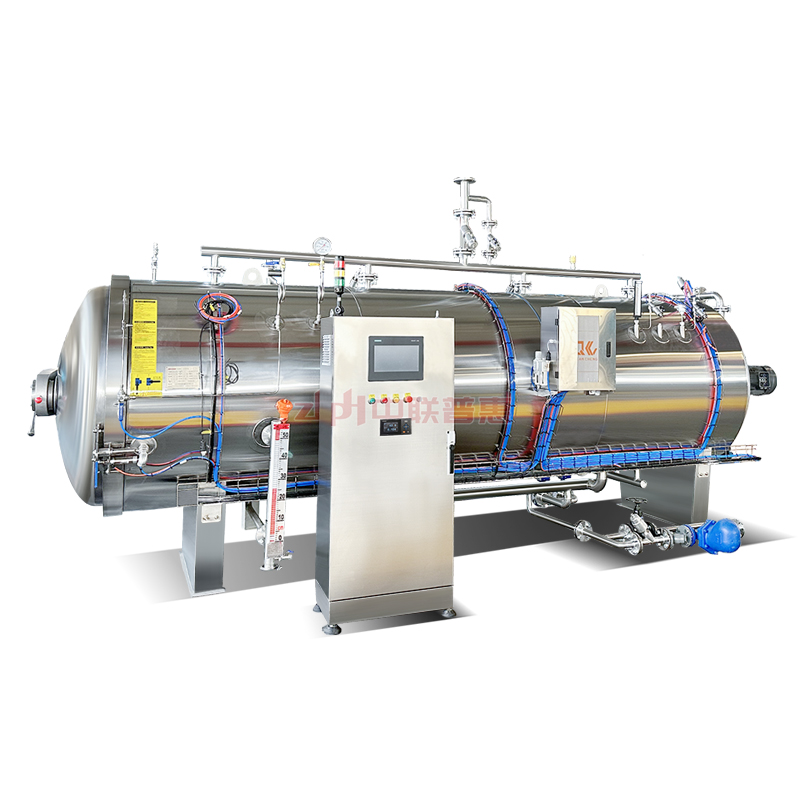
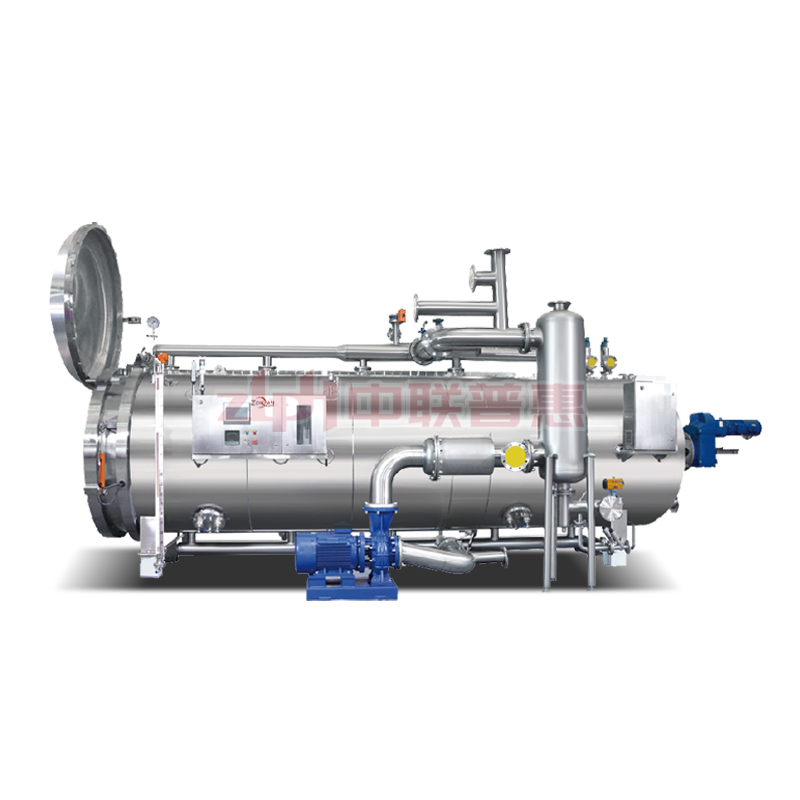
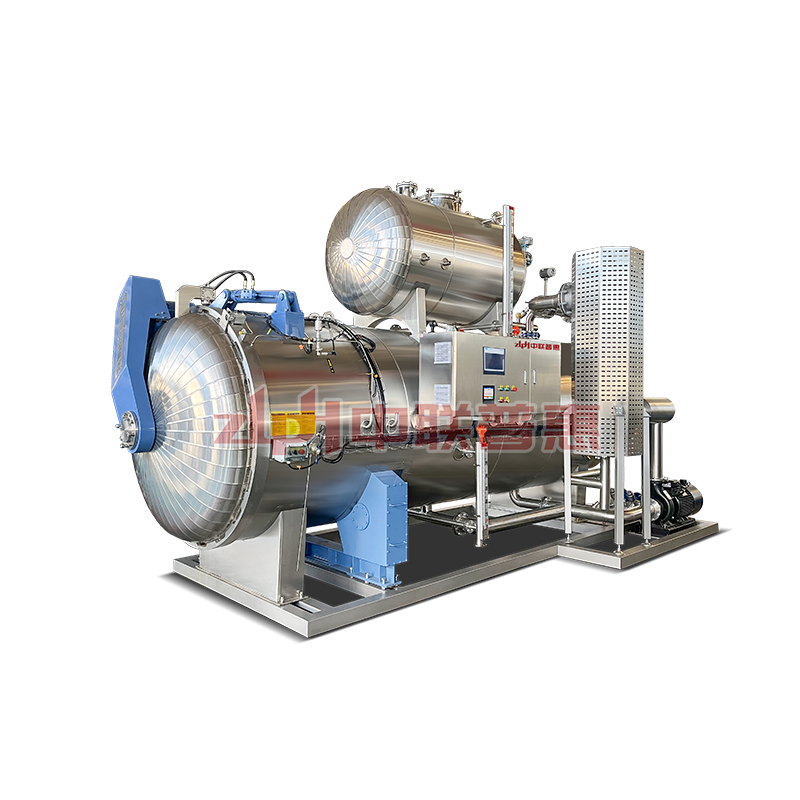
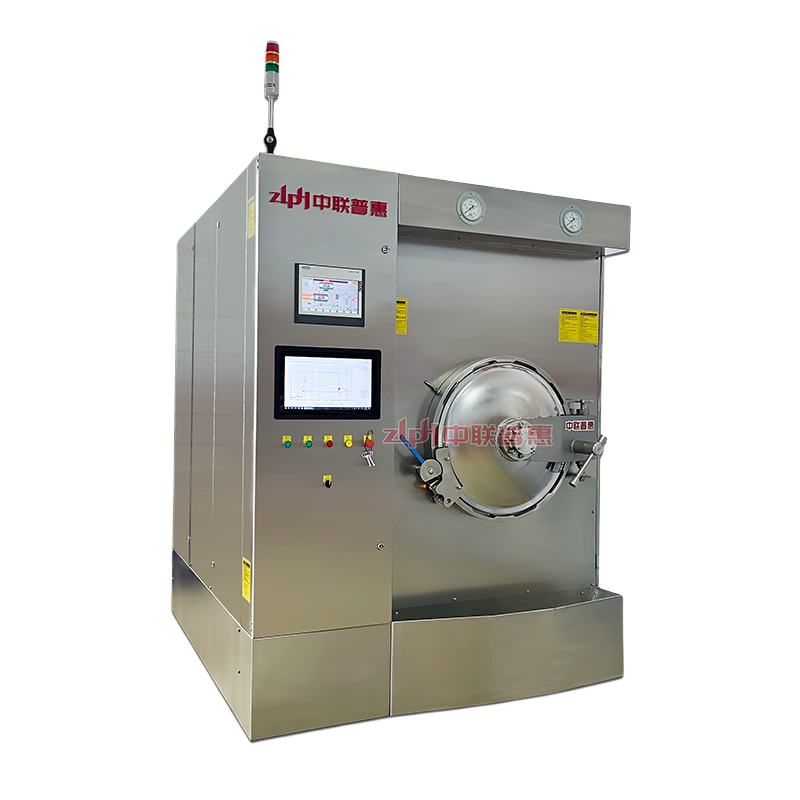
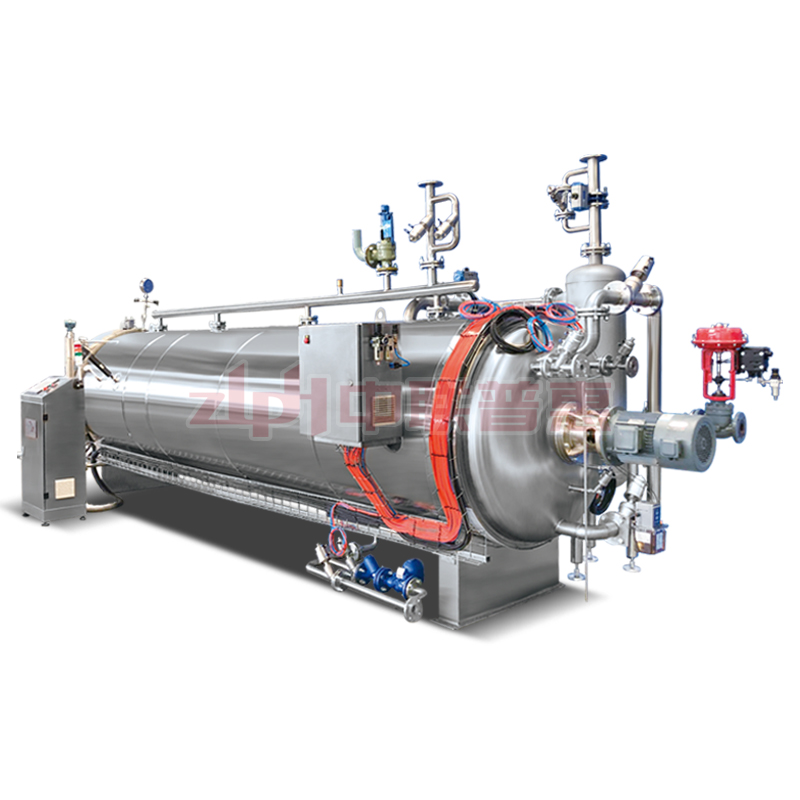
This guide is authored by a senior food processing engineer with over 10 years of experience at ZLPH MACHINERY TECHNOLOGY CO., LTD., a leading provider of industrial sterilization solutions. It addresses a critical challenge faced by global food manufacturers and procurement teams: inconsistent thermal processing in canned or pouch-packed foods due to inefficient sterilization systems. Inconsistent sterilization—manifesting as under-processing (safety risks) or over-processing (quality degradation)—is primarily caused by uneven heat distribution, manual loading errors, and lack of real-time process control. Based on more than 5,000 global installations and field validations across pet food, ready-to-eat meals, and seafood sectors, we present a proven, step-by-step solution using advanced water immersion retort autoclaves integrated with automation and intelligent control. This approach ensures precise lethality (F₀ value), maintains product texture and nutrition, and complies with international food safety standards such as FDA 21 CFR Part 113 and EU regulations. The following sections dissect root causes by scenario, deliver actionable fixes, and validate outcomes with real-world performance data.

How to Ensure Uniform Heat Penetration in Large-Batch Canned Food Sterilization?
1. Scenario & Pain Point
In high-volume canning facilities producing vegetables, meats, or soups, operators often observe inconsistent internal temperatures across batches—even within the same retort cycle. Some cans fail microbial tests, while others suffer from overcooked textures, leading to product recalls or customer complaints. This inconsistency directly impacts shelf life, brand reputation, and regulatory compliance.

2. Root Cause Analysis
Three primary factors contribute: (1) Poor water circulation design in conventional retorts creates cold spots; (2) Manual tray loading results in uneven spacing between cans, blocking thermal flow; (3) Lack of real-time temperature monitoring per basket prevents dynamic adjustment during the cycle.

3. Step-by-Step Solution
Immediate Fix: Reorganize loading patterns using standardized retort trays with fixed can positions to ensure consistent gaps for water flow.
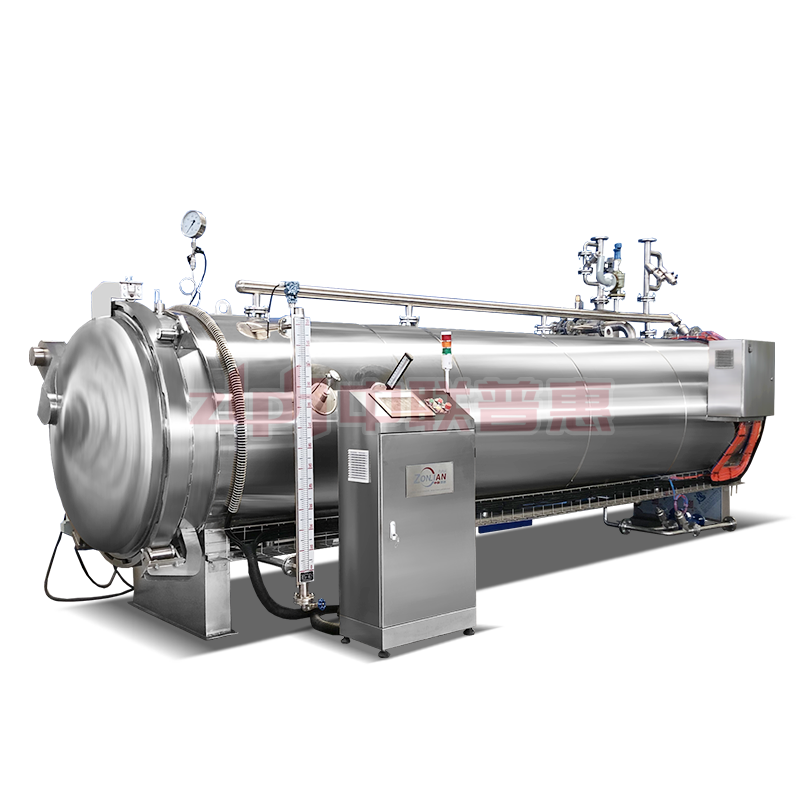
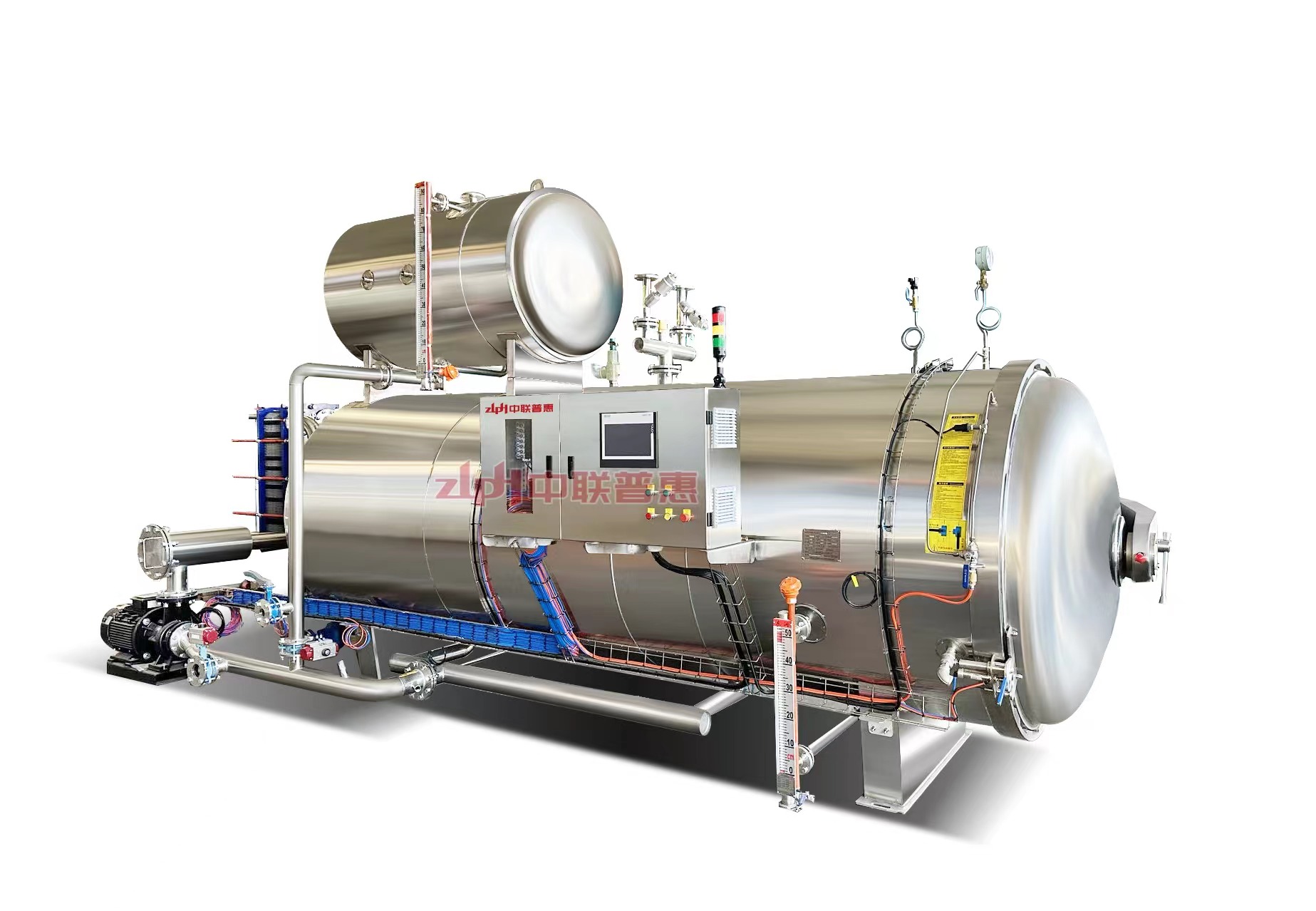
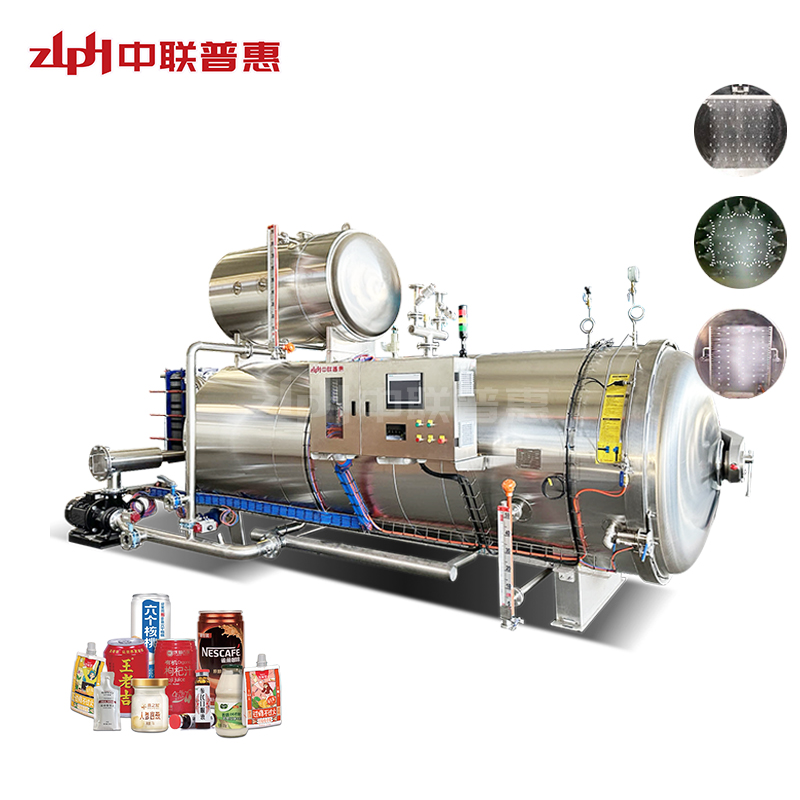
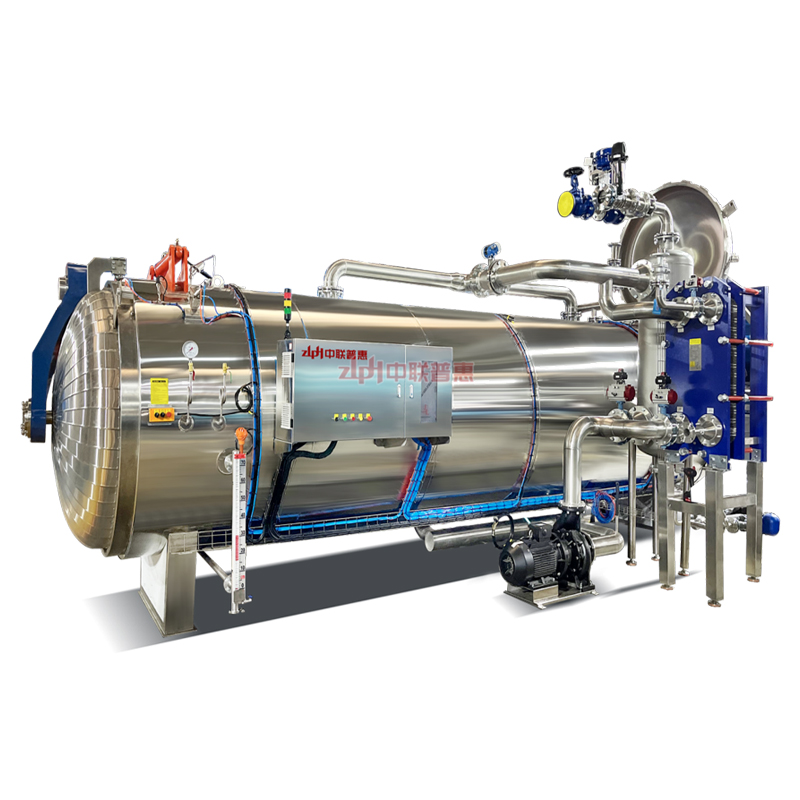
Long-Term Fix: Deploy a water immersion retort autoclave with a multi-nozzle spray system and forced circulation pump, ensuring turbulent flow around every container. Pair it with an automated loader/unloader that precisely places trays into the chamber, eliminating human error.
Process Optimization: Integrate wireless temperature dataloggers in sample cans across different tray zones to map thermal profiles and calibrate the F₀ target accordingly.

4. Troubleshooting & Prevention
Always validate thermal uniformity using ASTM F2751 protocols before full production. Avoid stacking trays beyond manufacturer-recommended heights. Schedule quarterly maintenance of circulation pumps and nozzles to prevent clogging from mineral deposits.
5. Validation Results
At a Southeast Asian ready-meal producer, implementing ZLPH’s automated water immersion retort reduced thermal variance from ±4.2°C to ±0.8°C across 1,200-can batches. Microbial failure rates dropped to zero, and product texture consistency improved by 37% based on sensory panel scores.
How to Automate Sterilization for Pet Food Bowl Packaging Lines?
1. Scenario & Pain Point
Pet food manufacturers using pre-formed plastic bowls sealed with foil face bottlenecks in sterilization. Manual handling causes tray misalignment, leading to incomplete submersion or steam pockets, which compromise sterility. Labor-intensive processes also increase contamination risk and operational costs.
2. Root Cause Analysis
The core issues are: (1) non-standardized bowl dimensions causing unstable stacking; (2) absence of automated transfer between filling, sealing, and retort stages; (3) water immersion systems not designed for shallow, wide containers.
3. Step-by-Step Solution
Deploy a dedicated bowl sterilization automation line featuring servo-driven conveyors, vision-guided alignment, and a custom-designed water immersion retort with adjustable basket height. The system uses top-door access for rapid loading and integrates PLC-controlled water spray nozzles targeting bowl rims and bases.
4. Troubleshooting & Prevention
Conduct material compatibility tests to ensure bowl plastics withstand 121°C without deformation. Use food-grade stainless steel trays with anti-slip surfaces to prevent shifting during agitation.
5. Validation Results
At Petfair Asia 2023, ZLPH demonstrated this solution achieving 6-log reduction of Clostridium sporogenes in 18 minutes, with zero leakage incidents across 10,000 test units. Customers reported 45% higher throughput and 30% lower labor costs.
Industry Best Practices for Retort System Reliability
Based on 6+ years of global deployments, we recommend a 5-step framework for robust sterilization:
1. Define Worst-Case Conditions: Design for maximum product load, lowest thermal conductivity, and highest ambient temperature.
2. Standardize Loading Protocols: Use coded trays and automated handling to eliminate variability.
3. Validate Thermally: Perform heat distribution and heat penetration studies per EN 13409.
4. Monitor in Real Time: Track temperature, pressure, and F₀ continuously with audit-trail-enabled controllers.
5. Maintain Proactively: Clean circulation systems monthly and recalibrate sensors quarterly.
Certifications matter: Ensure your retort carries ASME, CE, and EAC marks to guarantee mechanical safety and regulatory acceptance across North America, EU, and Eurasia.
Frequently Asked Questions (FAQ)
Q: Can water immersion retorts handle both metal cans and flexible pouches?
A: Yes, but basket design must differ. Pouches require perforated trays with gentle agitation to prevent bursting, while cans need rigid support. ZLPH offers modular basket systems for both.
Q: What certifications are required for retorts sold in Europe?
A: CE marking under PED 2014/68/EU is mandatory. ZLPH units also comply with Machinery Directive 2006/42/EC and carry EAC for Russia/CIS markets.
Q: How to reduce energy consumption in retort operations?
A: Use counter-flow heat recovery systems and insulated chambers. ZLPH’s models recover up to 60% of exhaust heat, cutting steam usage by 25%.
Q: Is manual loading acceptable for small batches?
A: Only if validated. However, even small producers benefit from semi-automated loaders to ensure repeatability and reduce operator injury risks.
About Our Expertise & Support
ZLPH MACHINERY TECHNOLOGY CO., LTD. is a specialized manufacturer of sterilization retort systems since 2018, with a 50-acre factory and 15,000㎡ production workshop equipped with CNC machining centers and robotic welding lines. Our R&D team includes 21 mechanical/PLC engineers and 4 sterilization process experts with 10+ years in food thermal processing. We hold ASME, CE, EAC, Malaysia DOSH, and China Special Equipment Manufacturing Licenses, plus AAA credit ratings for integrity and service quality. Our solutions serve clients in over 30 countries, including major pet food and prepared meal brands.
We offer:
- On-site thermal process validation
- Custom retort design for unique packaging
- Free sample testing with your product
- 24/7 technical support via WhatsApp or email
Contact Us
Company: ZLPH MACHINERY TECHNOLOGY CO., LTD.
Website: https://www.zlphretort.com/
Email: sales@zlphretort.com
Phone / WhatsApp: +86 15666798389 / +86 13361554016
