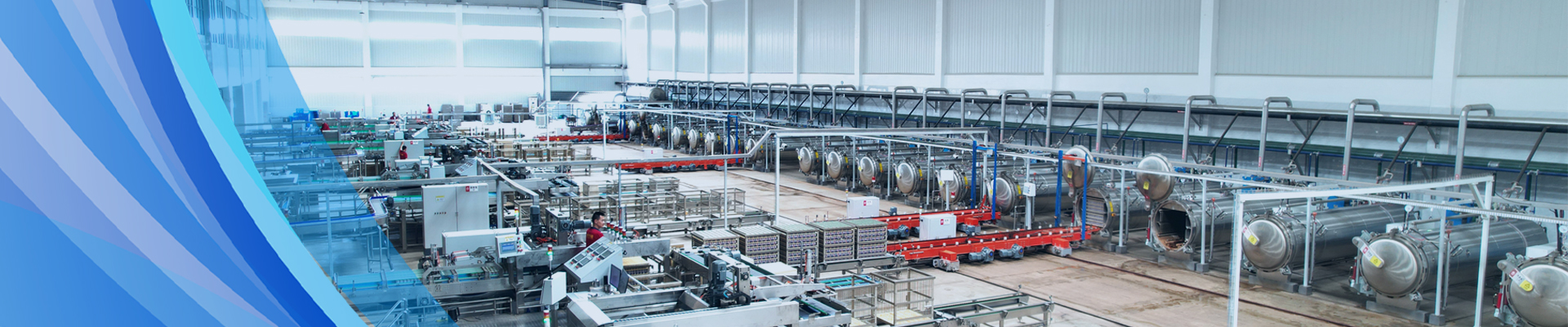

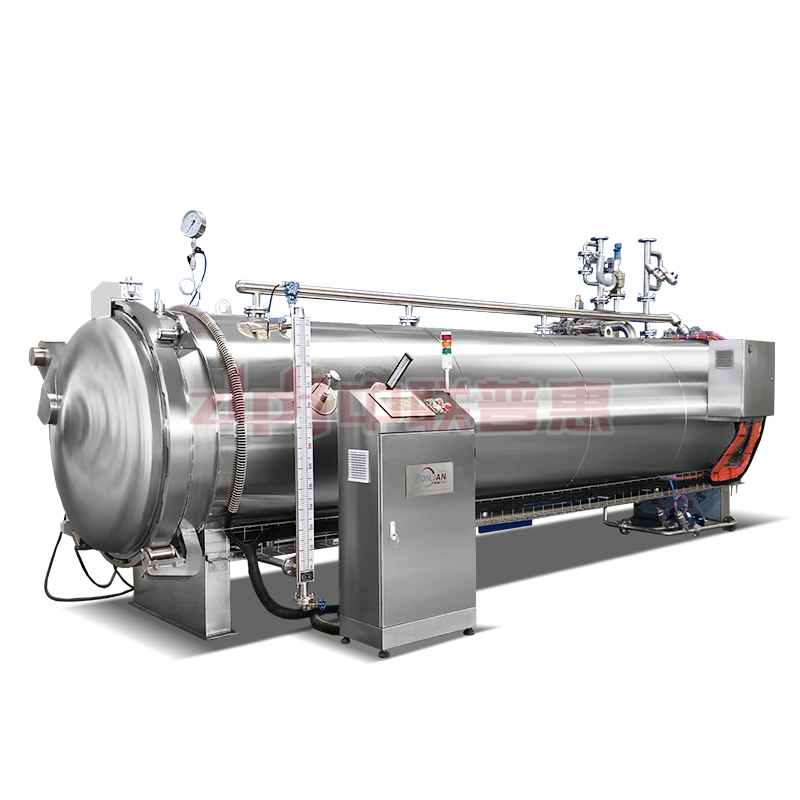
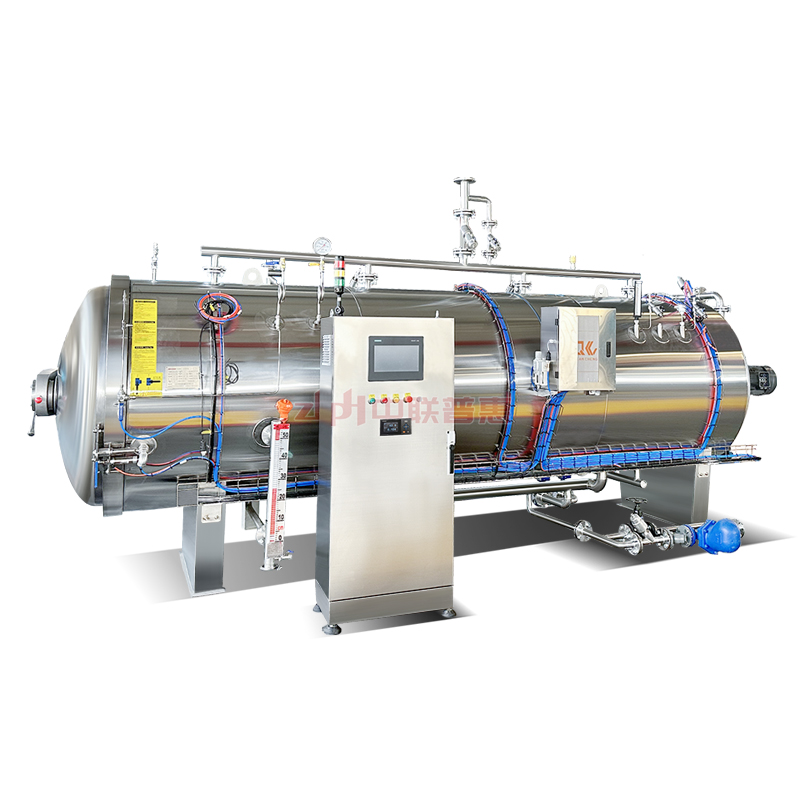
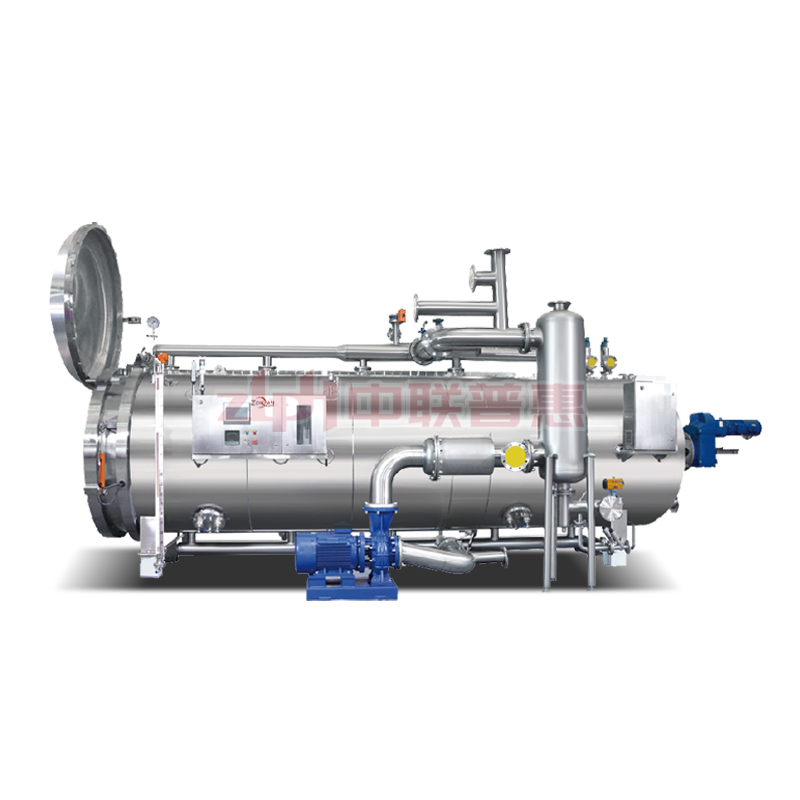
This guide is authored by a senior food processing engineer with over 10 years of experience at ZLPH MACHINERY TECHNOLOGY CO., LTD., a leading provider of intelligent sterilization solutions for the global food industry. It addresses a critical challenge faced by food manufacturers and plant engineers worldwide: inconsistent sterilization outcomes during canned food production using steam retort autoclaves. This issue often stems from uneven heat distribution, inadequate process control, and suboptimal equipment design—factors that compromise food safety, shelf life, and regulatory compliance. Drawing on more than 5,000 global installations and extensive R&D validation, we present a proven, step-by-step methodology to achieve uniform, repeatable, and compliant sterilization results. In this guide, we dissect root causes across real-world scenarios, deliver actionable fixes, share field-tested best practices, and validate performance with measurable outcomes—all tailored to ensure your retort system operates at peak reliability and efficiency.

How to Ensure Uniform Temperature Distribution in Large-Batch Steam Retort Sterilization?
1. Scenario & Pain Point
In high-volume canning facilities producing vegetables, meats, or ready-to-eat meals, operators frequently observe under-sterilized products in the center of the retort basket while edge units show signs of overcooking. This inconsistency leads to product recalls, wasted batches, and failed audits under FDA or EU food safety standards.

2. Root Cause Analysis
Three primary factors contribute: (1) poor water spray nozzle layout causing dead zones; (2) insufficient circulation of sterilization medium due to low pump capacity; (3) lack of real-time temperature mapping across multiple basket positions, preventing dynamic adjustment.

3. Step-by-Step Solution
Immediate Fix: Reconfigure retort tray loading patterns to allow 10–15 cm spacing between cans for fluid penetration. Use perforated trays instead of solid ones.
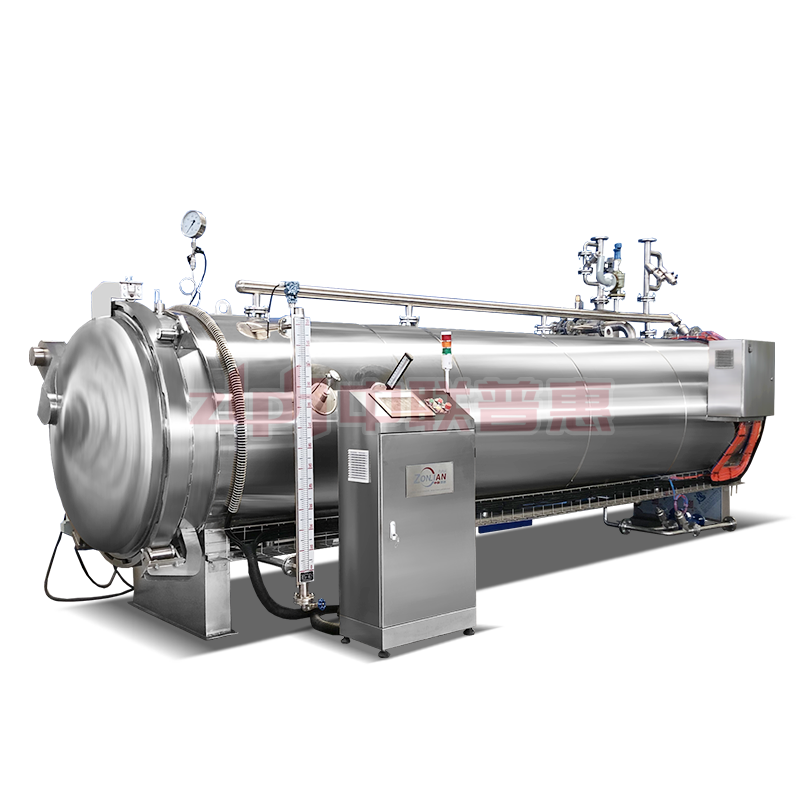
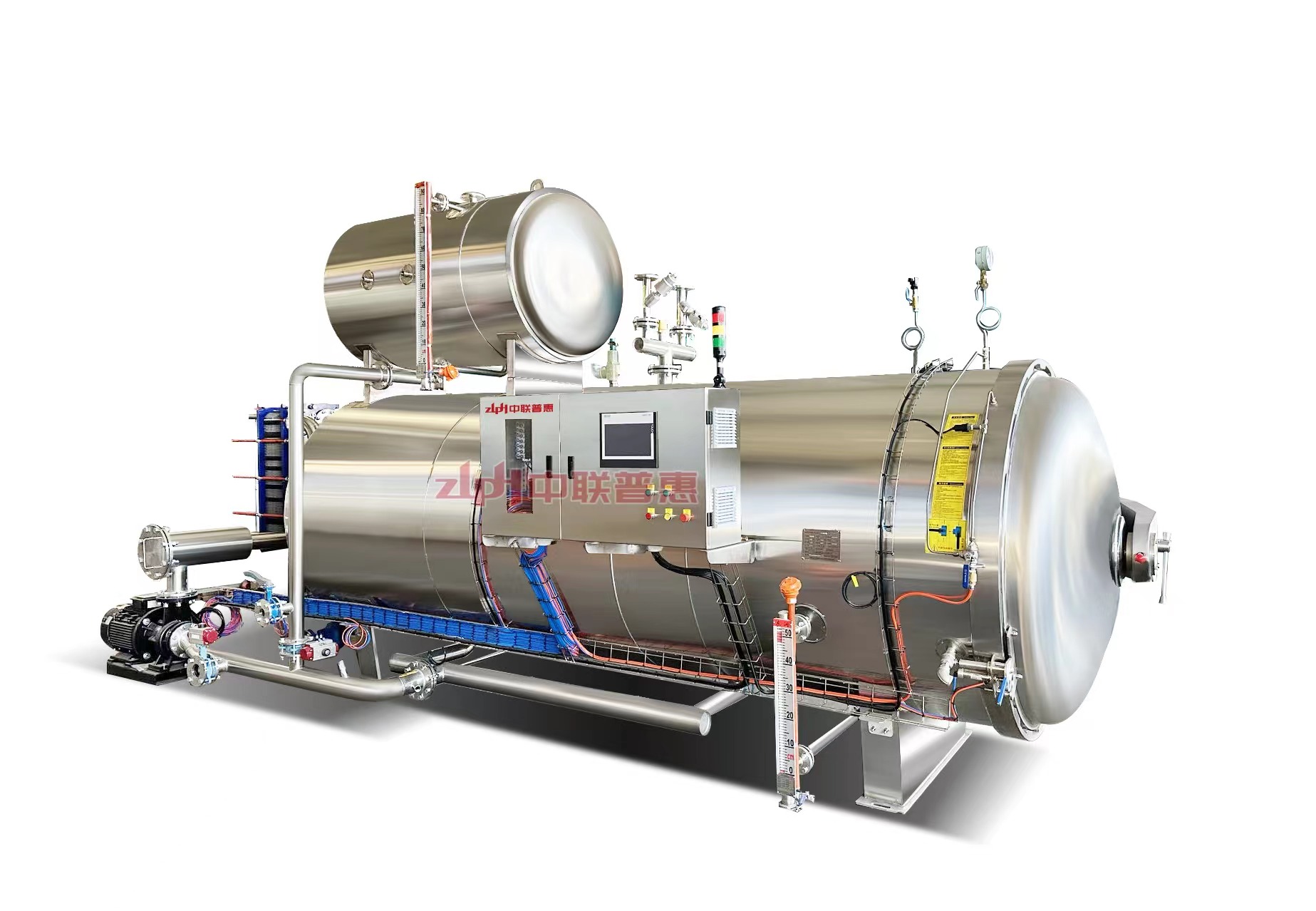
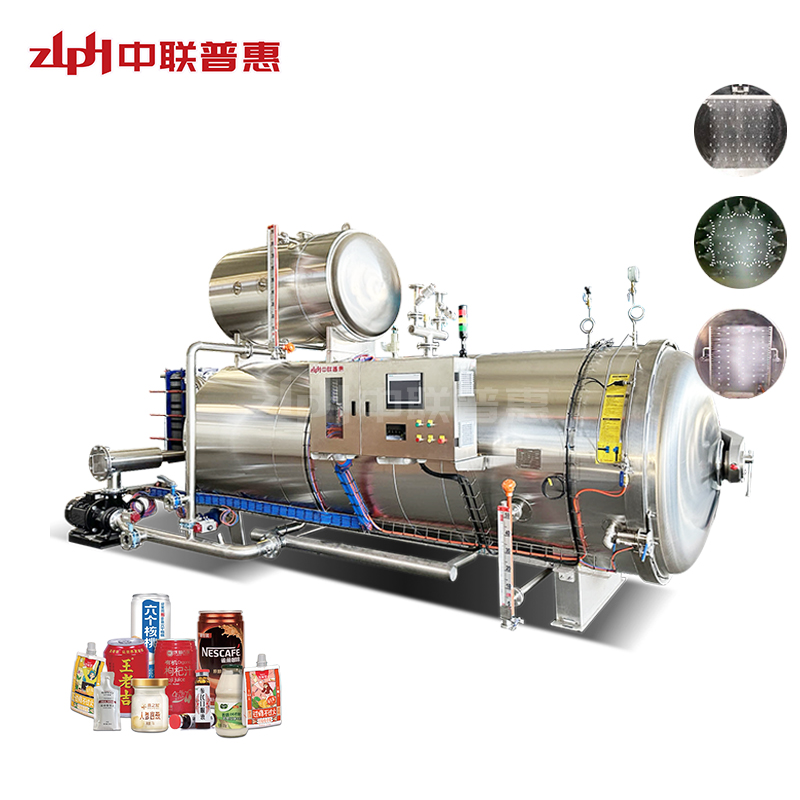
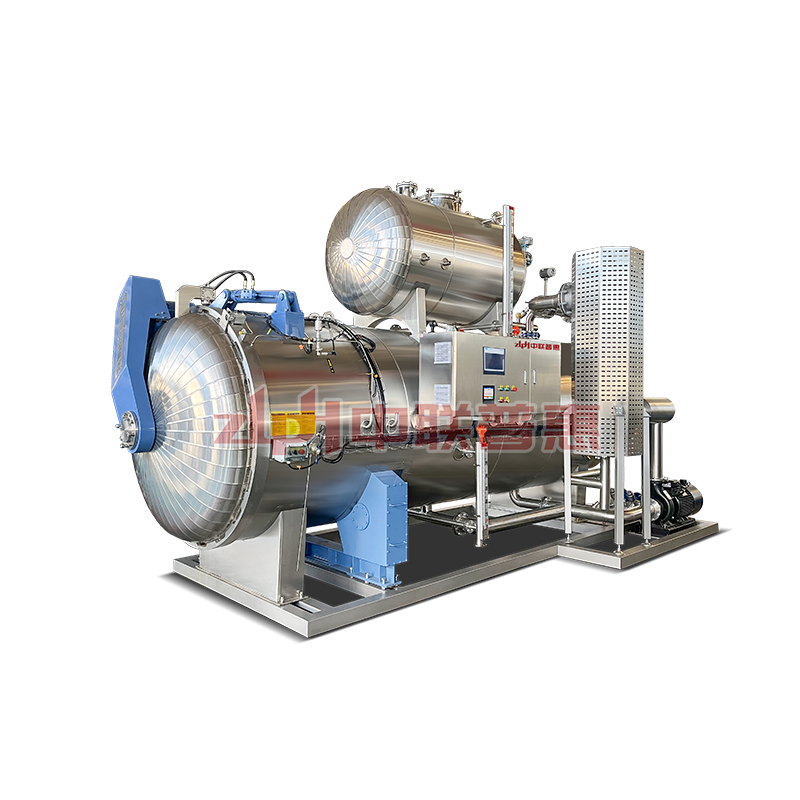
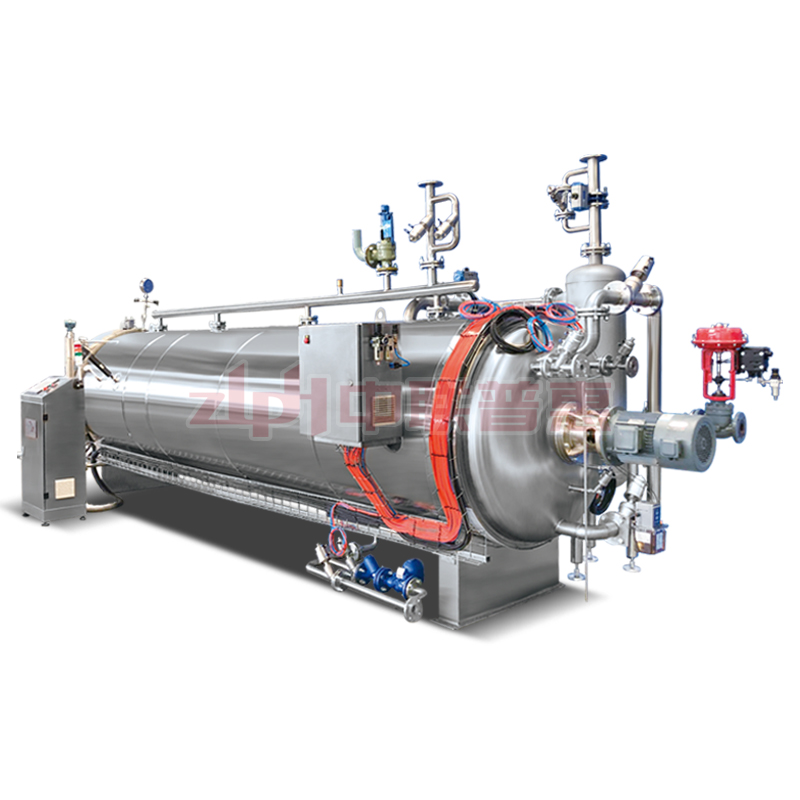
System Upgrade: Deploy ZLPH’s intelligent top-opening water spray retort equipped with multi-zone nozzles and a high-flow circulation pump (≥30 m³/h), ensuring even thermal distribution across all basket layers.
Process Optimization: Integrate real-time temperature sensors at 9 strategic points (top/middle/bottom, left/center/right) and link data to the PLC control system for automatic cycle adjustment.

4. Troubleshooting & Prevention
Conduct weekly thermal mapping tests using data loggers. Avoid overloading baskets beyond 85% capacity. Verify nozzle alignment quarterly to prevent clogging or misdirection. Always validate new product formats with a pilot run before full-scale production.
5. Verified Results
At a Southeast Asian tuna cannery, implementing this approach reduced F₀ value deviation from ±8 minutes to ±1.2 minutes across 1,200-can batches. Product rejection rates dropped by 92%, and the facility passed its BRCGS audit with zero non-conformities related to thermal processing.
How to Prevent Door Seal Failures and Pressure Leaks During Retort Operation?
1. Scenario & Pain Point
During pressurized steam cycles (typically 121°C at 2.2 bar), operators report intermittent pressure drops, hissing sounds near the door, and failed vacuum tests—indicating compromised sealing integrity that risks incomplete sterilization and safety hazards.
2. Root Cause Analysis
Common culprits include: (1) worn silicone gaskets not rated for repeated high-temp cycles; (2) misaligned door clamping mechanisms; (3) residual food debris on sealing surfaces after cleaning-in-place (CIP) procedures.
3. Step-by-Step Solution
Maintenance Protocol: Replace gaskets every 1,500 cycles using FDA-compliant, high-temperature silicone (rated to 150°C). Clean sealing grooves daily with non-abrasive brushes.
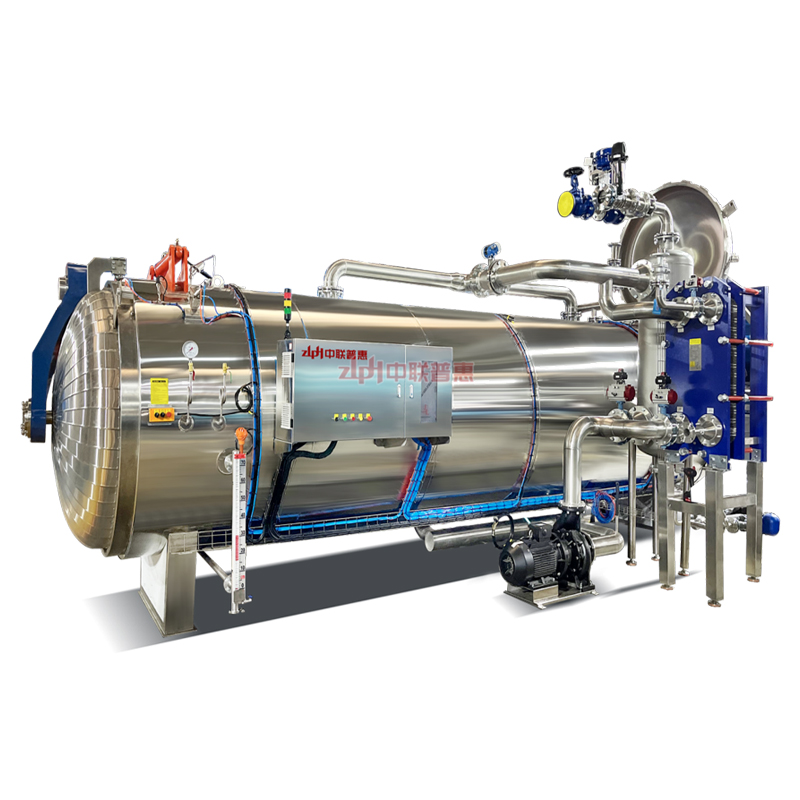
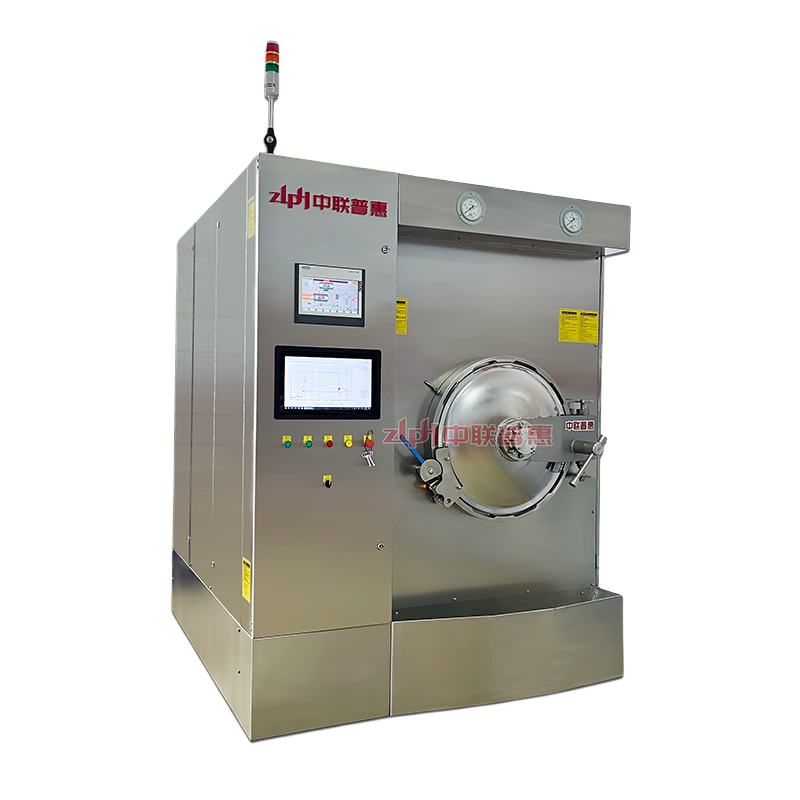
Design Advantage: ZLPH’s upper-door design features an auto-aligning hinge system and dual-seal redundancy, minimizing human error during closure and enhancing leak resistance.
Monitoring: Install pressure decay sensors that trigger alarms if leakage exceeds 0.05 bar/min during hold phase.
4. Troubleshooting & Prevention
Perform monthly door torque calibration. Never use metal tools near seals. Conduct a “soap-bubble test” weekly to visually detect micro-leaks.
5. Verified Results
A European baby food producer reported zero seal-related downtime over 18 months after upgrading to ZLPH’s retort system, compared to 3–4 incidents monthly with legacy equipment.
Industry Best Practices for Reliable Retort Performance
Based on 6+ years of global project deployment, ZLPH recommends this 5-step framework to ensure consistent sterilization:
1. Define Worst-Case Conditions
Design cycles based on coldest spot simulation, not average conditions.
2. Validate with Thermal Mapping
Use ≥9 data loggers per load configuration; update mapping annually or after any process change.
3. Automate Loading/Unloading
Integrate retort trays loader-unloader systems to eliminate human variability in basket arrangement.
4. Implement Predictive Maintenance
Track gasket cycles, pump hours, and valve actuations via IoT-enabled control panels.
5. Partner with Certified Suppliers
Choose vendors with CE, ISO 9001, and ASME BPVC Section VIII certifications to guarantee engineering compliance.
Frequently Asked Questions (FAQ)
Q: Can I retrofit an old retort with ZLPH’s water spray system?
A: Yes—ZLPH offers modular upgrade kits for most horizontal and vertical retorts, including nozzle manifolds, pumps, and PLC integration, typically completed within 5–7 days on-site.
Q: What’s the minimum batch size for efficient operation?
A: Our systems maintain thermal uniformity even at 30% capacity thanks to adaptive flow control, unlike conventional retorts requiring full loads.
Q: How often should I recalibrate temperature sensors?
A: Every 6 months per FDA 21 CFR Part 113; ZLPH’s systems include auto-calibration alerts and NIST-traceable documentation.
Q: Are your retorts compatible with acidic foods like tomatoes?
A: All wetted parts use SS316L stainless steel with electropolished finish (Ra ≤0.4 μm), fully compliant with EU 1935/2004 for acidic food contact.
Q: Do you support remote diagnostics?
A: Yes—via secure cloud platform with 24/7 access to cycle logs, error codes, and live engineer support.
Our Expertise & Support Commitment
ZLPH MACHINERY TECHNOLOGY CO., LTD. is a trusted global supplier of advanced sterilization systems, founded in 2018 with a 21-member R&D team specializing in mechanical design, PLC automation, and sterilization science. Our 50-acre manufacturing facility houses 15,000 m² of precision workshops equipped with CNC machining centers and automated welding lines, ensuring ISO 9001-compliant production. We’ve delivered over 1,200 retort systems to 40+ countries, serving clients in meat, seafood, dairy, and plant-based food sectors. Our solutions are validated against FDA, EU, and Codex Alimentarius standards.
We offer end-to-end support including:
• On-site thermal process validation
• Custom basket and tray design
• Free sample testing with your product
• 24-hour technical response via WhatsApp or email
Contact Information
Company: ZLPH MACHINERY TECHNOLOGY CO., LTD.
Website: https://www.zlphretort.com/
Email: sales@zlphretort.com
Phone / WhatsApp: +86 13361554016
