
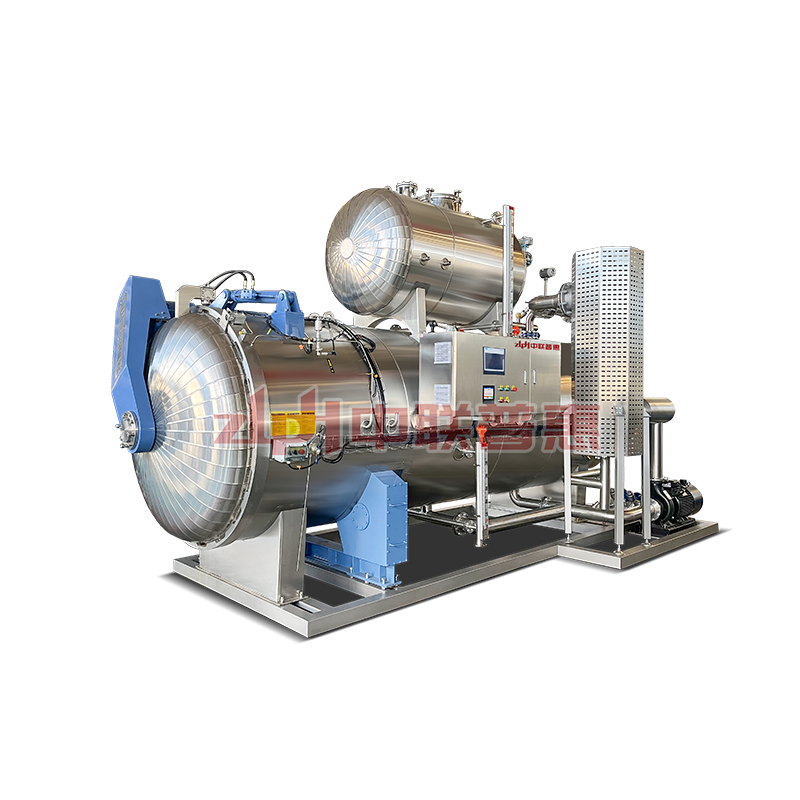
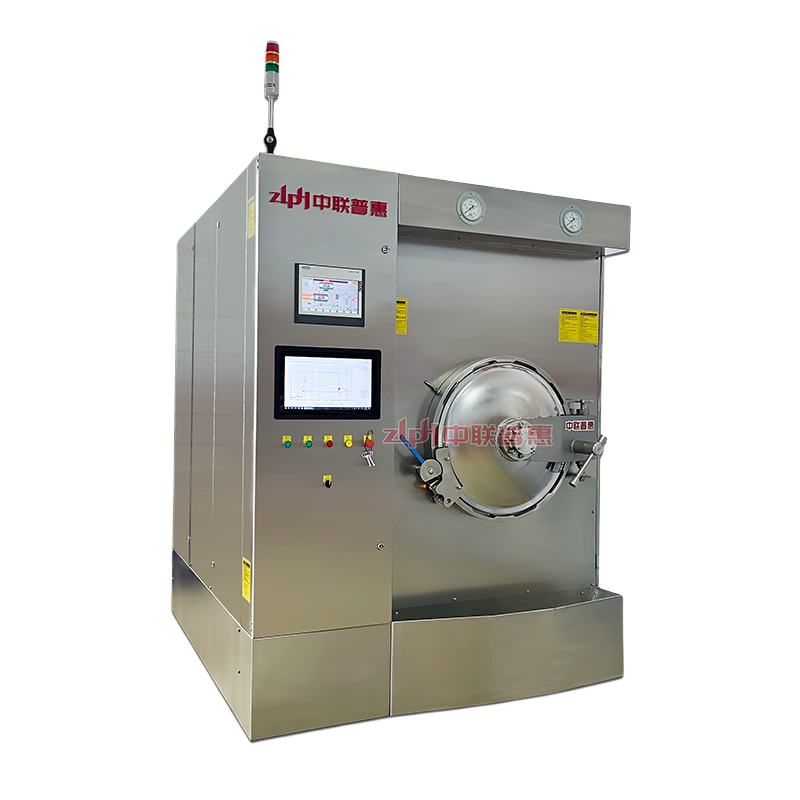
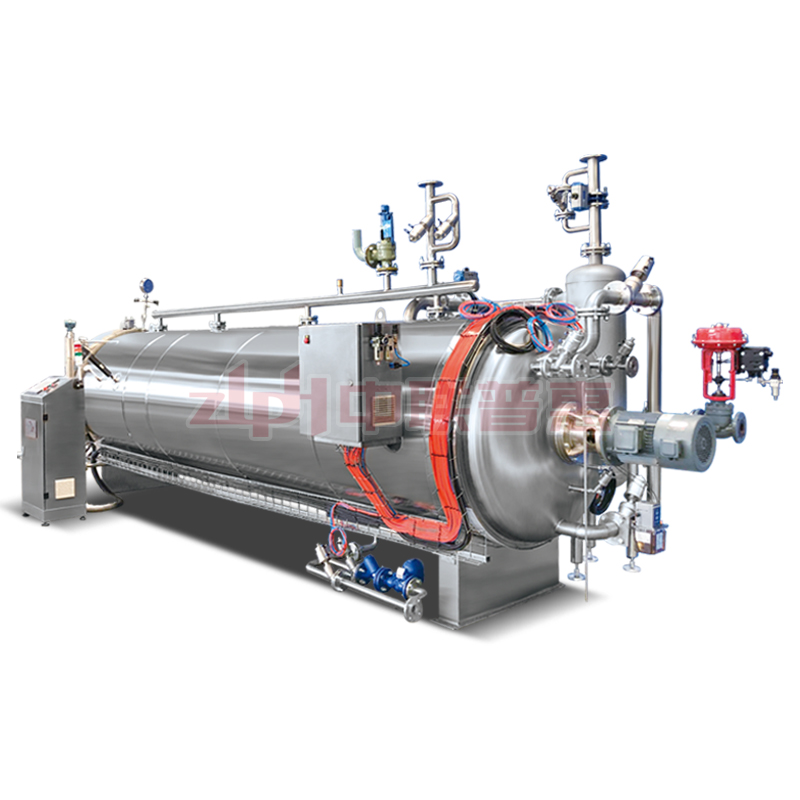
This guide is authored by a senior food processing engineer with over 12 years of experience at ZLPH MACHINERY TECHNOLOGY CO., LTD., a globally recognized provider of advanced sterilization solutions. It addresses a critical challenge faced by food manufacturers and procurement professionals worldwide: inconsistent sterilization outcomes during large-scale production. This issue often stems from three core factors—uneven heat distribution, inadequate pressure control, and outdated equipment design. Drawing on more than 5,000 global client deployments and extensive field validation, we present a proven, step-by-step framework to ensure uniform microbial kill, product safety, and operational efficiency. In this guide, we dissect the root causes behind sterilization variability, offer scenario-specific remedies, share practical troubleshooting tips, and highlight real-world performance benchmarks—all aligned with international food safety standards.

How to Ensure Uniform Sterilization in High-Volume Canned Food Production?
1. Scenario and Pain Point
In high-volume canned food facilities, inconsistent sterilization leads to under-processed batches (risking pathogen survival) or over-processed products (causing texture degradation and nutrient loss). This variability directly impacts shelf life, regulatory compliance, and brand reputation.

2. Root Cause Analysis
The primary causes include: (1) poor water circulation design causing cold spots; (2) lack of real-time temperature and pressure monitoring; and (3) manual operation errors due to non-intuitive controls. Traditional retorts often fail to maintain precise thermal profiles across all trays during extended cycles.

3. Step-by-Step Solution
Immediate Mitigation: Conduct thermal mapping to identify cold zones; recalibrate sensors weekly.
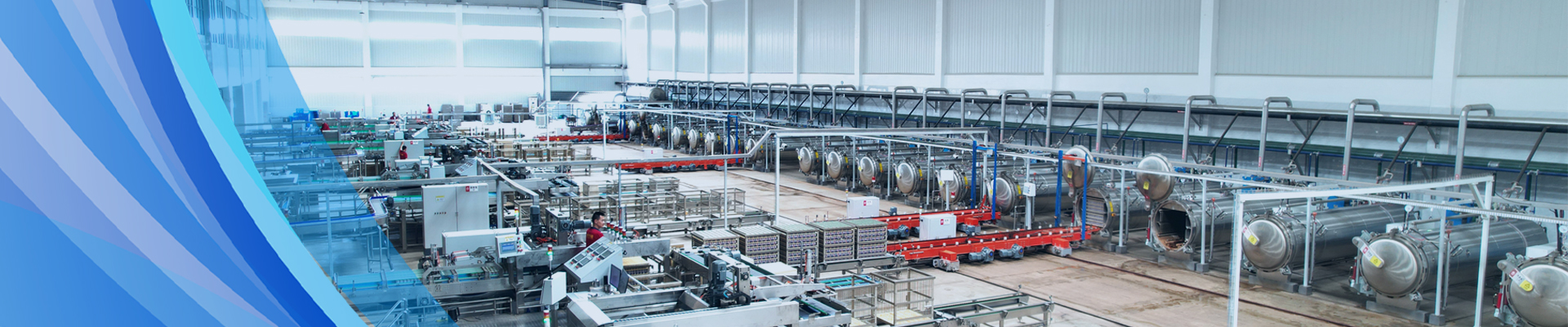
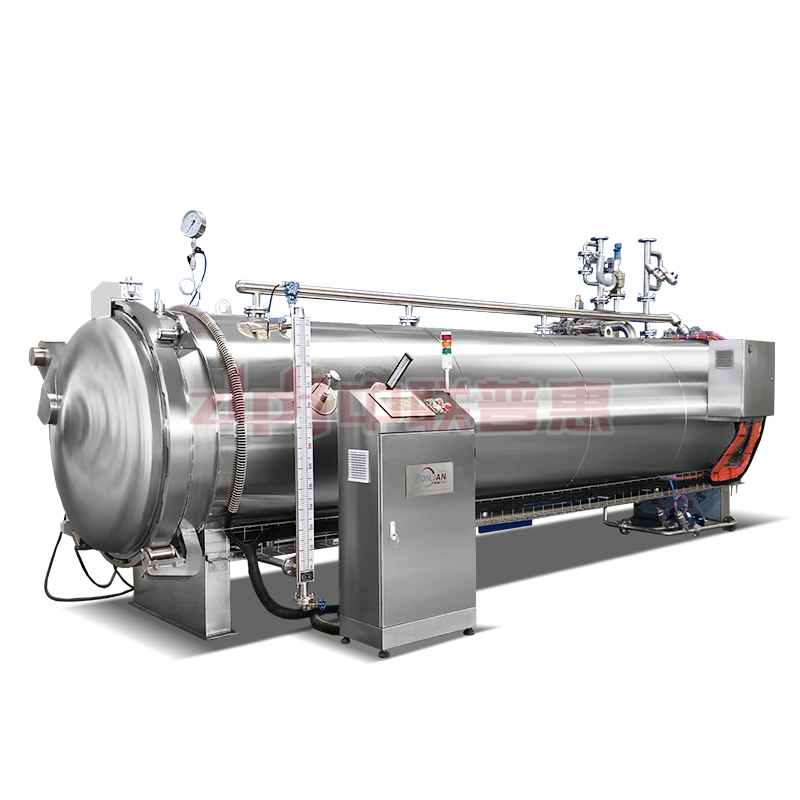
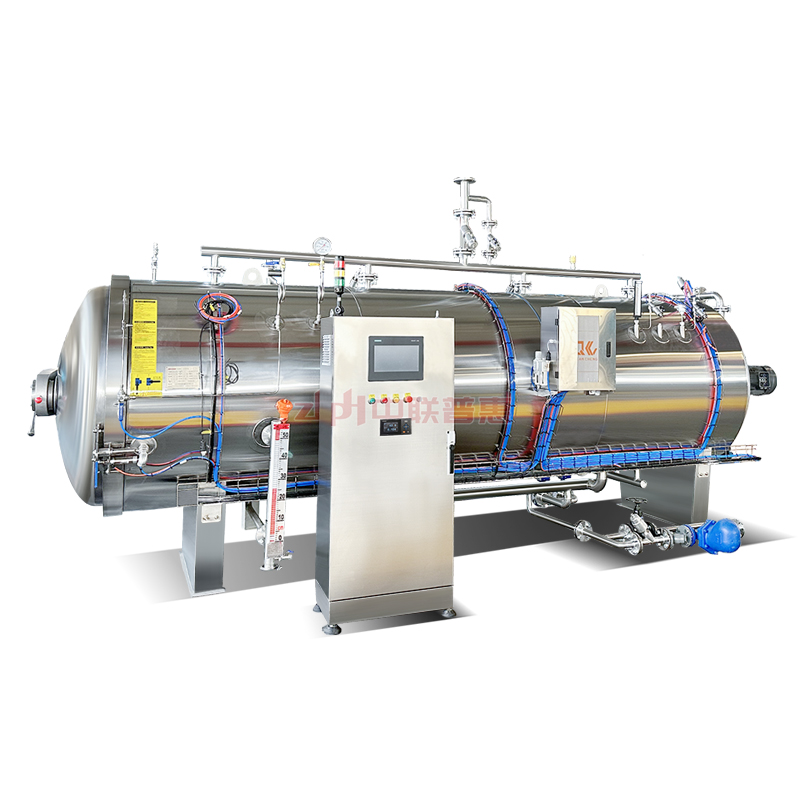
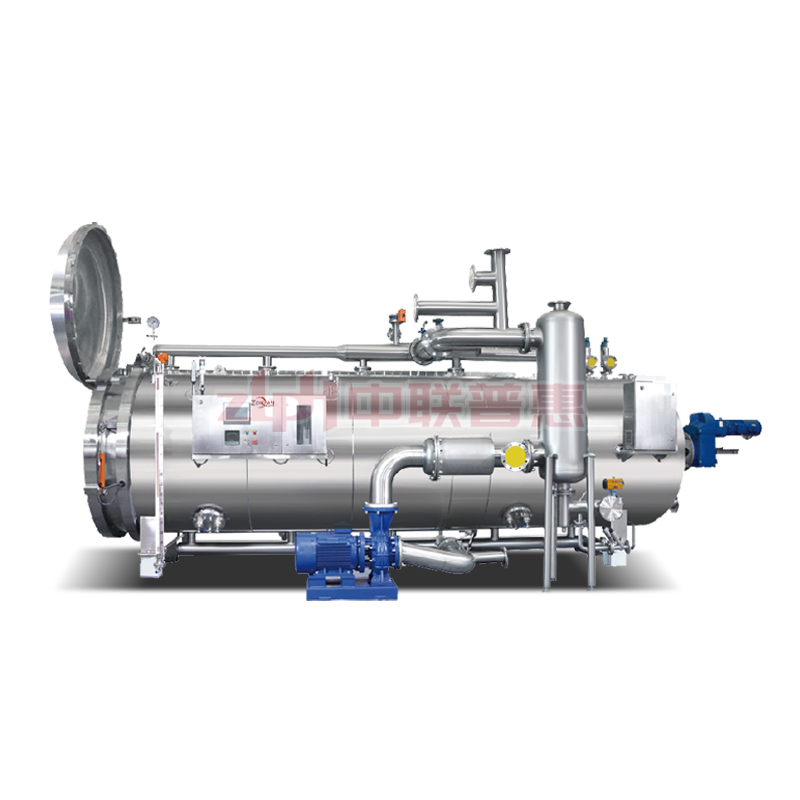
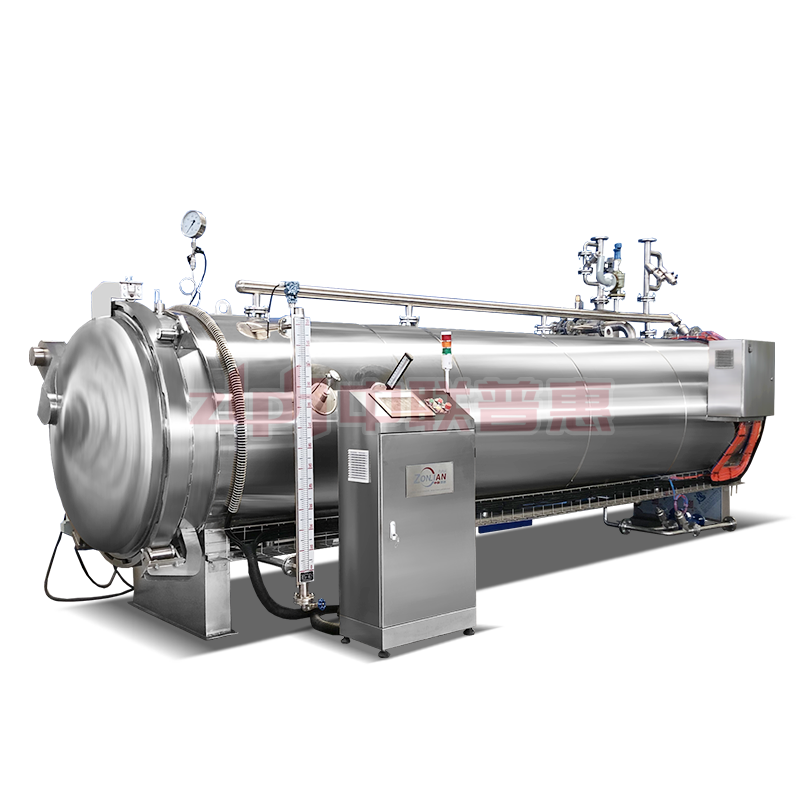
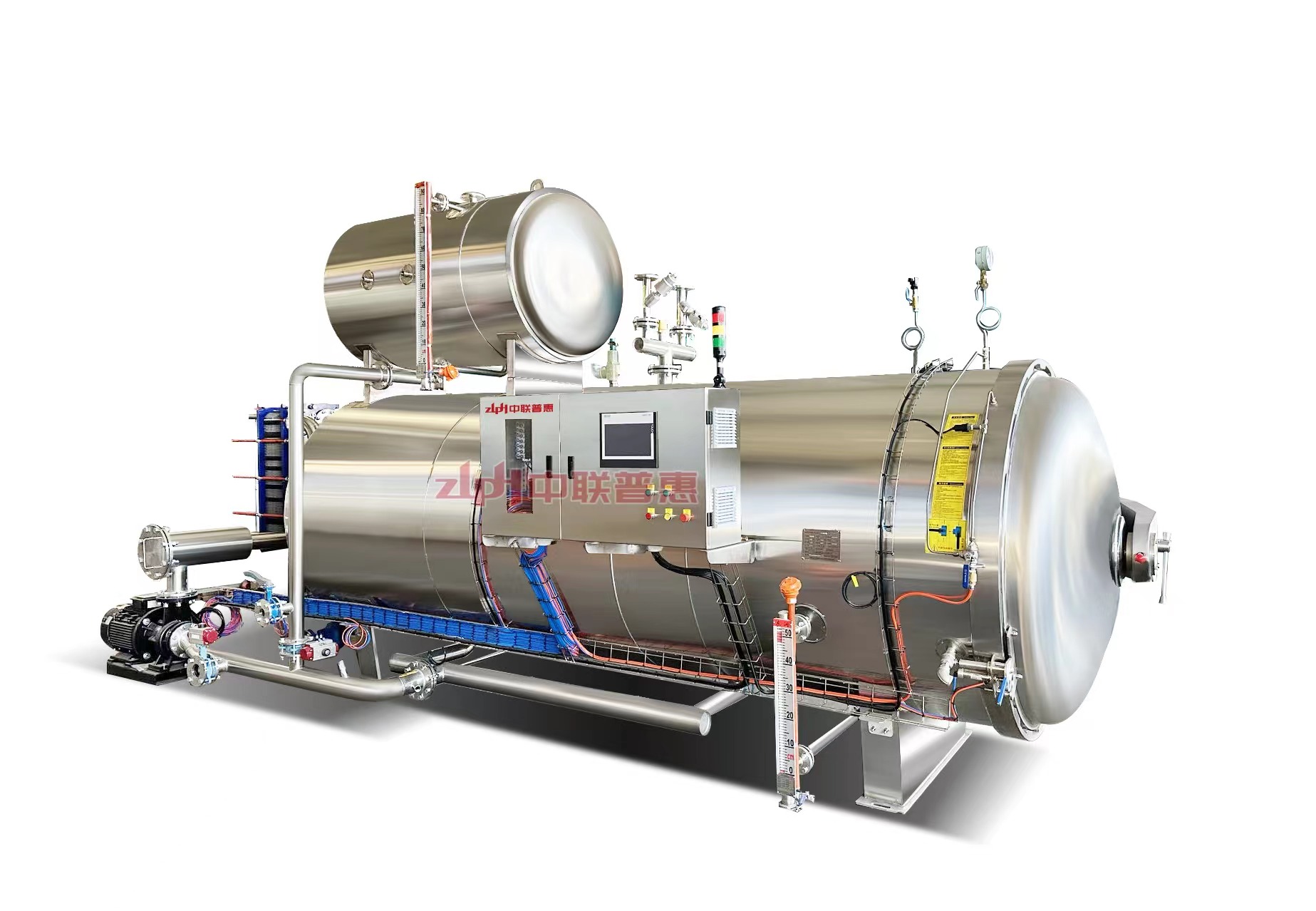
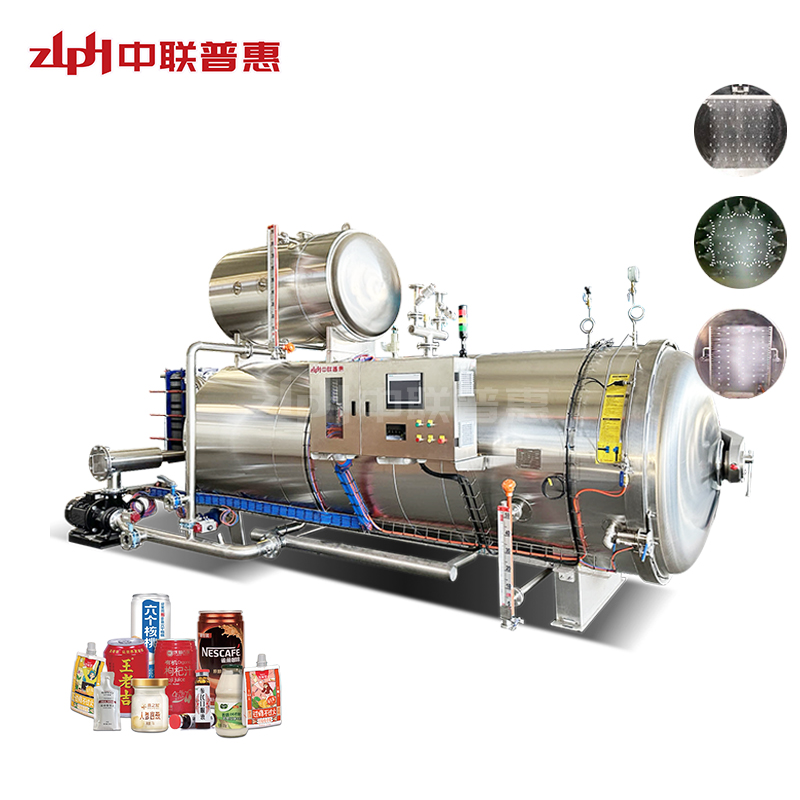
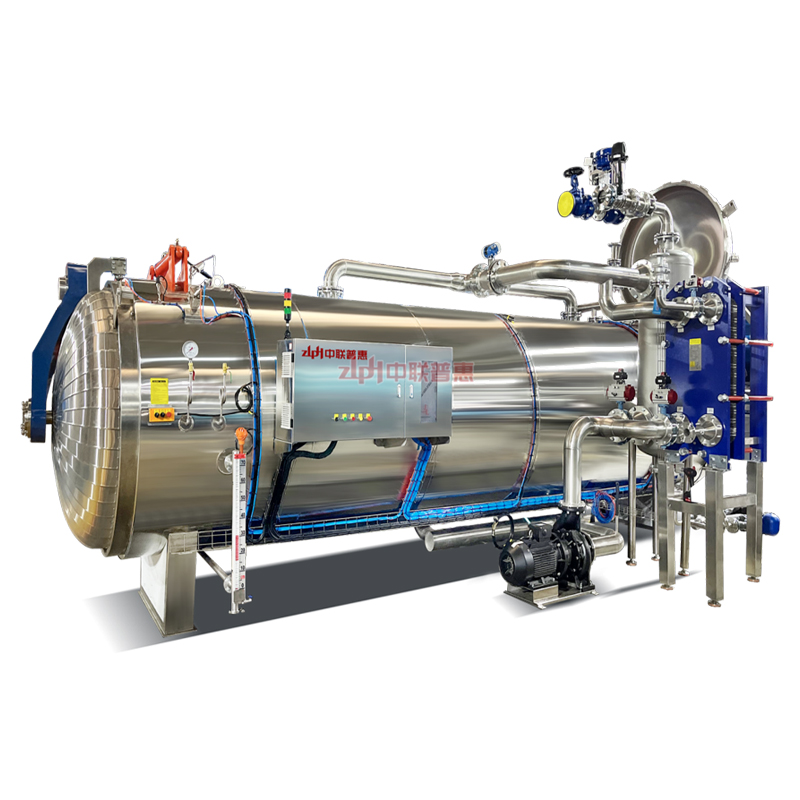
Long-Term Fix: Deploy an intelligent water immersion retort with top-opening design and full-spectrum spray nozzles that ensure 360° water coverage. Integrated real-time monitoring adjusts steam and water flow dynamically to maintain ±0.5°C temperature stability.
Process Optimization: Use programmable logic controllers (PLCs) to automate cycle parameters based on product type, reducing human error.

4. Troubleshooting & Pitfall Avoidance
Verify tray loading patterns—overcrowding blocks water flow. Always validate sterilization efficacy using biological indicators (e.g., Geobacillus stearothermophilus spores). Avoid retrofitting old retorts without hydraulic system upgrades, as uneven spray pressure persists.
5. Real-World Validation
At a Southeast Asian tuna canning plant, replacing legacy retorts with ZLPH’s intelligent water spray system reduced batch rejection rates from 4.2% to 0.3% within three months. Thermal uniformity improved to 99.1%, meeting FDA and EU hygiene directives.
How to Select a Retort That Meets Global Compliance Standards?
1. Scenario and Pain Point
Export-oriented food producers struggle with retort certification gaps—equipment approved in one region may fail EAC (Russia), CE (EU), or ASME (North America) requirements, delaying market entry.
2. Root Cause Analysis
Many suppliers offer “compliant-looking” units lacking official certification documentation. Without ASME U2 or PED 2014/68/EU stamps, customs clearance fails, and liability risks escalate.
3. Step-by-Step Solution
Demand verifiable certificates—not just claims. Prioritize suppliers holding ASME Authorization, CE, EAC, and Malaysia DOSH certifications simultaneously. Confirm the manufacturer’s quality management system is ISO-audited.
4. Troubleshooting & Pitfall Avoidance
Never accept photocopies of certificates—request original documents via official channels. Cross-check certificate numbers with issuing bodies (e.g., TÜV for CE). Avoid vendors who bundle “certification assistance” as an add-on service—it should be inherent to the product.
5. Real-World Validation
ZLPH’s retorts cleared Russian customs in 72 hours during AGROPRODASH 2023 due to pre-validated EAC and ASME credentials, enabling immediate client deployment.
What Maintenance Practices Prevent Downtime in Continuous Sterilization Lines?
1. Scenario and Pain Point
Unplanned retort downtime halts entire production lines, costing up to $18,000/hour in lost output and labor inefficiencies.
2. Root Cause Analysis
Seal degradation, pump cavitation, and control panel corrosion are top failure points—often exacerbated by infrequent maintenance and substandard component materials.
3. Step-by-Step Solution
Implement predictive maintenance: inspect door seals every 500 cycles; replace spray nozzles quarterly; use stainless steel 316L components for corrosion resistance. Leverage remote diagnostics via IoT-enabled control systems.
4. Troubleshooting & Pitfall Avoidance
Never skip post-cycle drain-and-rinse procedures—residual minerals accelerate internal scaling. Store spare parts kits onsite for rapid seal or gasket replacement.
5. Real-World Validation
A European baby food manufacturer achieved 99.8% uptime over 18 months using ZLPH’s maintenance protocol, supported by 24/7 technical response.
Industry Best Practices for Retort Reliability
Based on 12+ years of global deployments, we recommend this 5-step framework:
1. Define Worst-Case Conditions
Design for peak load, not average—e.g., 121°C at 2.5 bar for 90 minutes.
2. Validate Thermal Uniformity
Conduct third-party thermal mapping per ASTM F2750 before full-scale adoption.
3. Automate Critical Controls
Eliminate manual overrides for time, temperature, and pressure.
4. Certify Holistically
Ensure equipment meets ASME, CE, EAC, and local food safety codes concurrently.
5. Partner with Full-Service Suppliers
Choose vendors offering installation, training, spare parts, and remote support.
Frequently Asked Questions (FAQ)
Q: Can standard retorts handle acidic foods like tomatoes?
A: Only if constructed with acid-resistant SS316L and certified for pH < 4.6 applications—verify material test reports.
Q: What’s the minimum footprint for a commercial water immersion retort?
A: Compact models start at 3m (L) × 1.8m (W); ZLPH offers space-optimized designs for facilities under 500㎡.
Q: How often should pressure safety valves be tested?
A: Every 6 months per ASME BPVC Section VIII—document all tests for audit compliance.
Q: Do retorts require separate steam generators?
A: Integrated electric steam systems eliminate external boilers, reducing CAPEX and footprint.
Q: Are there energy-saving modes for off-peak production?
A: Yes—smart retorts with variable-frequency drives cut energy use by 22% during low-demand cycles.
Our Proven Capabilities
ZLPH MACHINERY TECHNOLOGY CO., LTD. is a global leader in intelligent sterilization systems, with 15,000㎡ of manufacturing space and 50+ acres of industrial facilities. Our R&D team holds multiple patents in thermal fluid dynamics and automated control systems. We are certified under ASME, CE, EAC, Malaysia DOSH, and hold AAA-level credit and integrity credentials. Our solutions serve clients in over 60 countries, including Fortune 500 food brands, with zero major compliance failures in the past decade.
Custom Solution Support
We provide:
• On-site thermal process validation
• Custom chamber sizing for unique packaging formats
• Integration with existing MES/SCADA systems
• Free pilot testing with your product samples
Contact our engineering team for a 24-hour response.
Contact Information
Company: ZLPH MACHINERY TECHNOLOGY CO., LTD.
Website: https://www.zlphretort.com/
Email: sales@zlphretort.com
Phone / WhatsApp: +86 15666798389 / +86 13361554016
