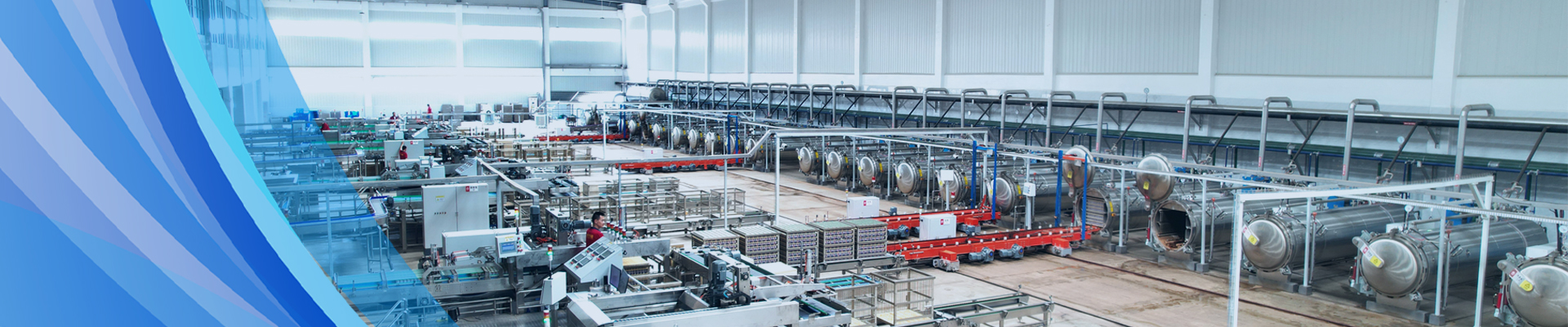

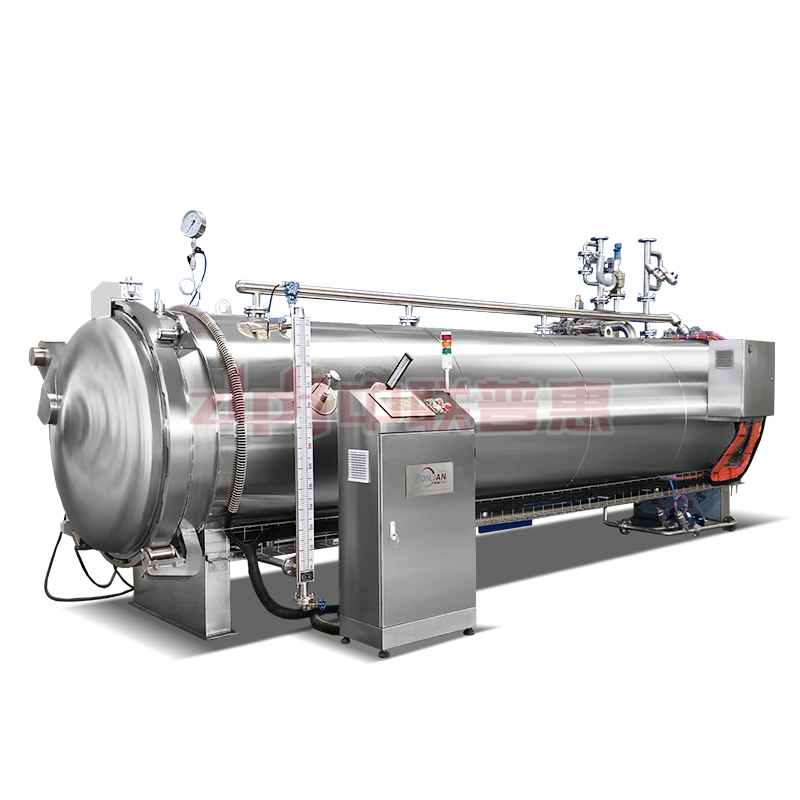
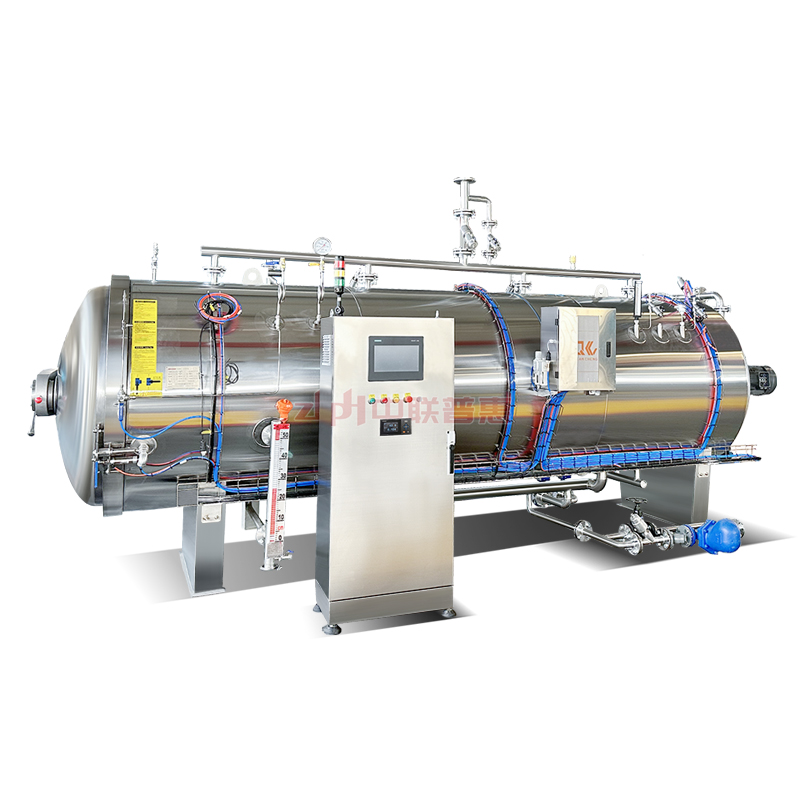
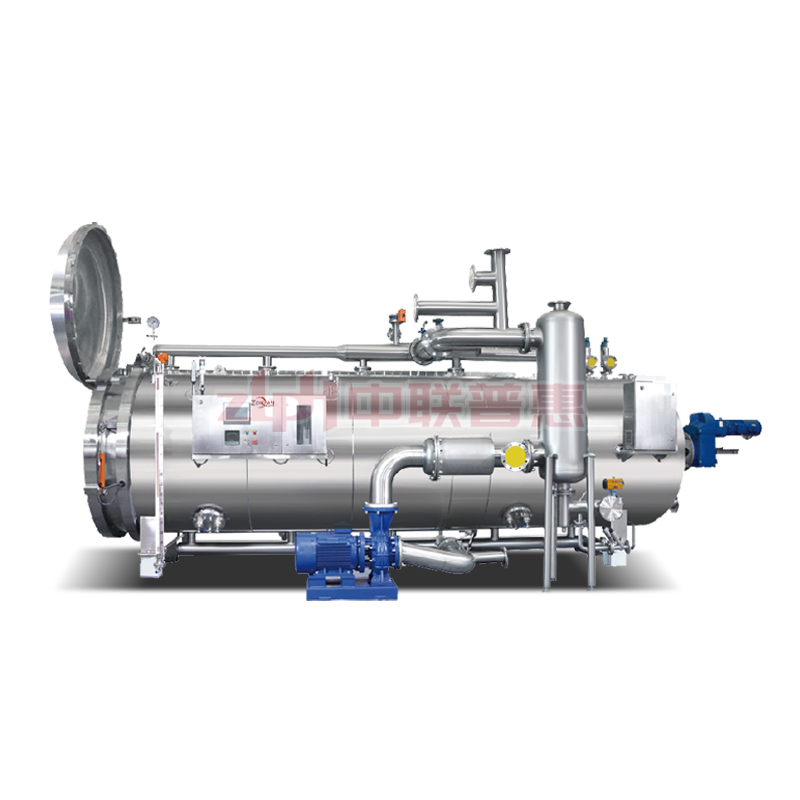
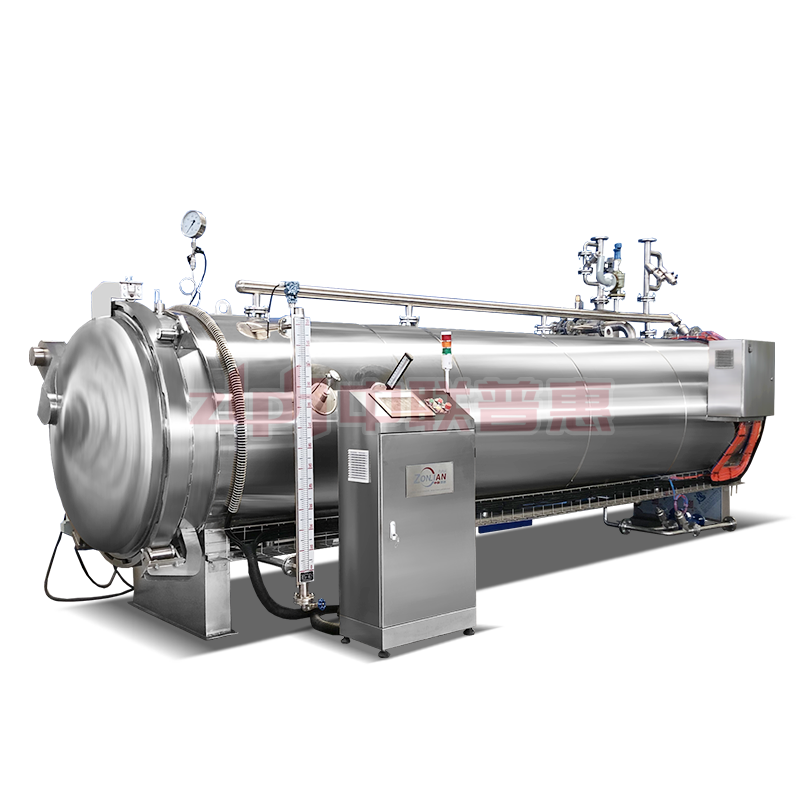
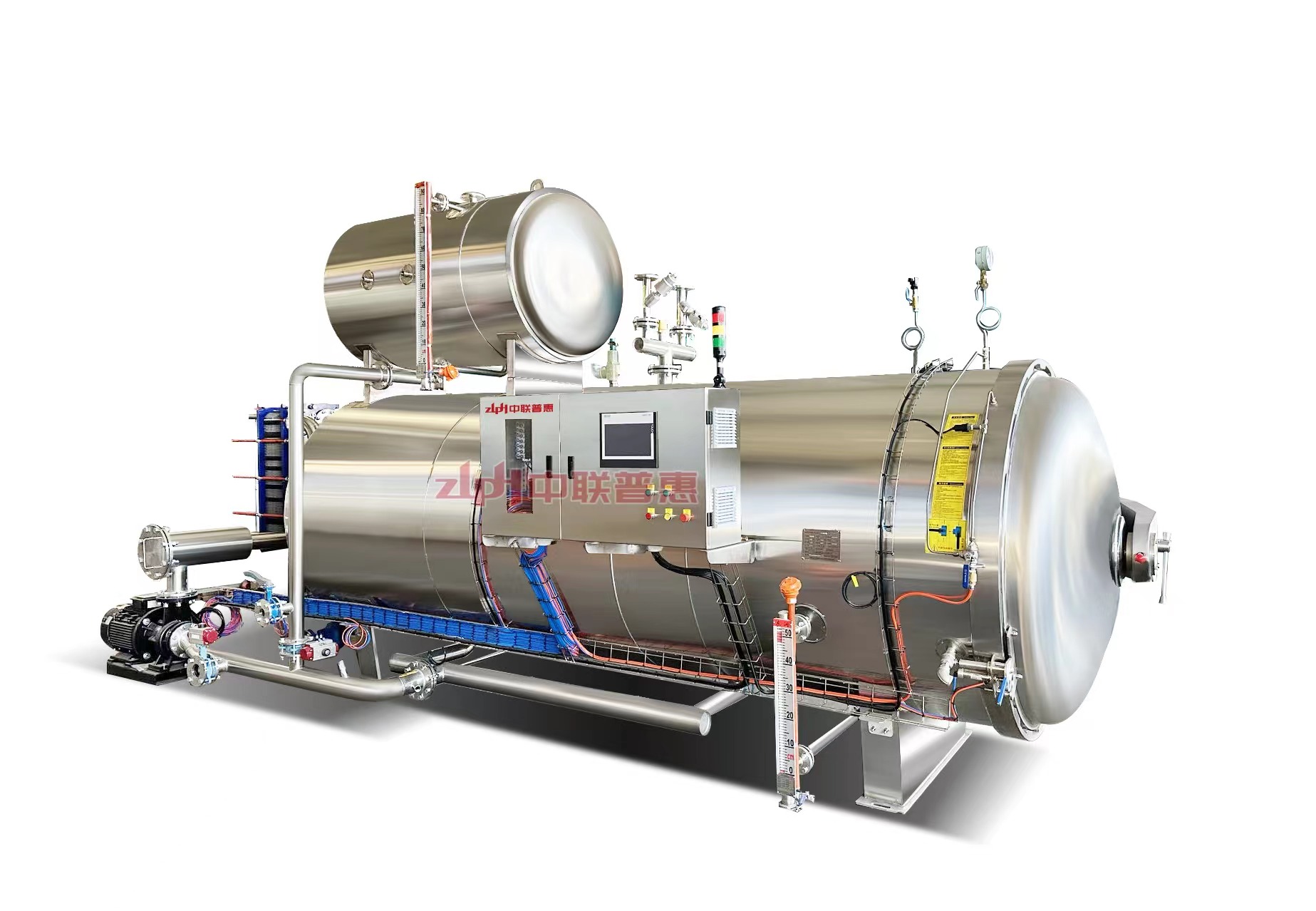
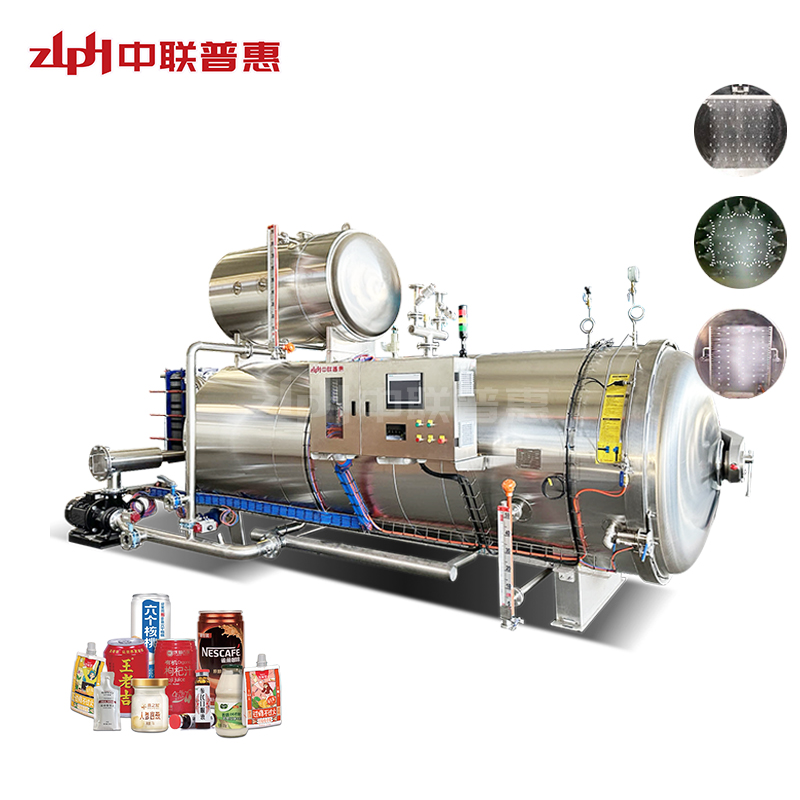
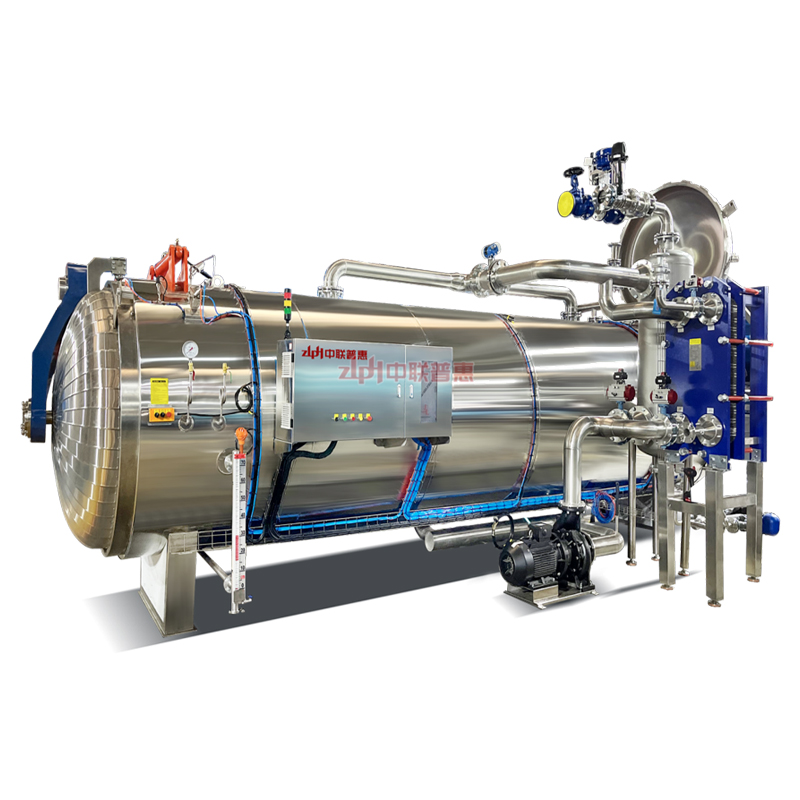
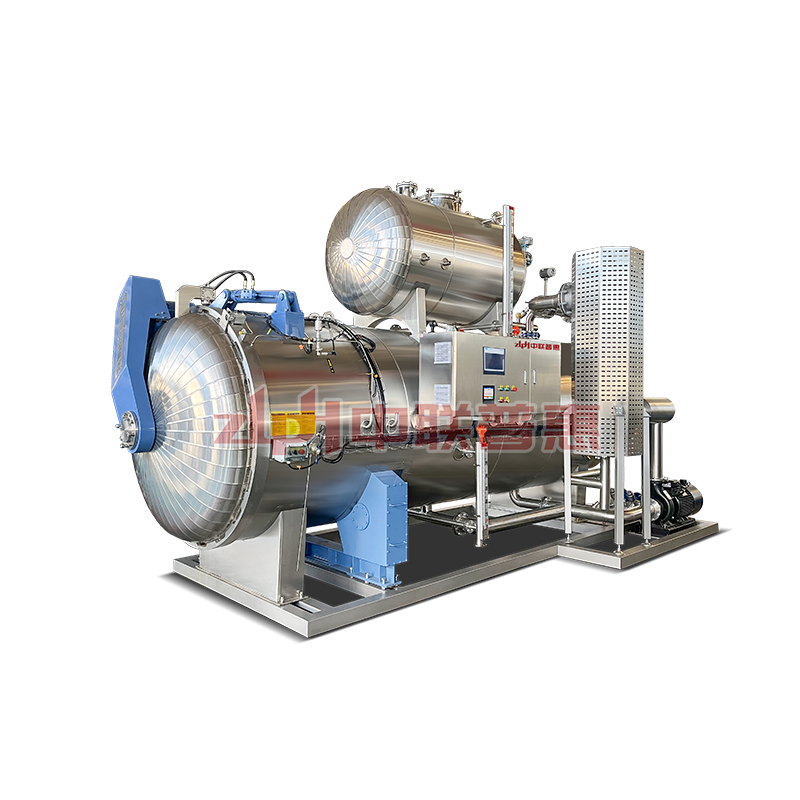
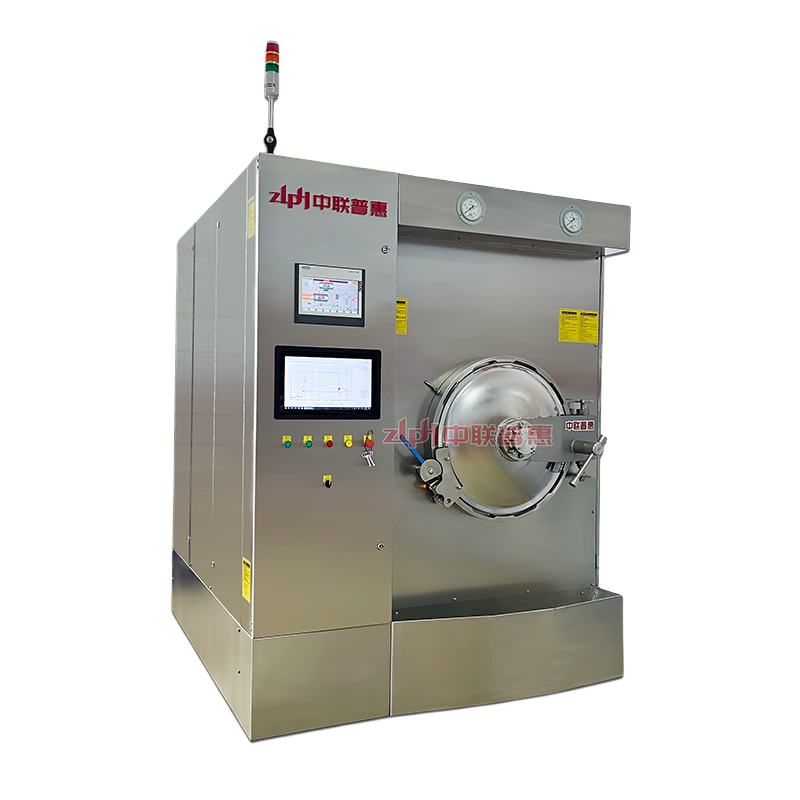
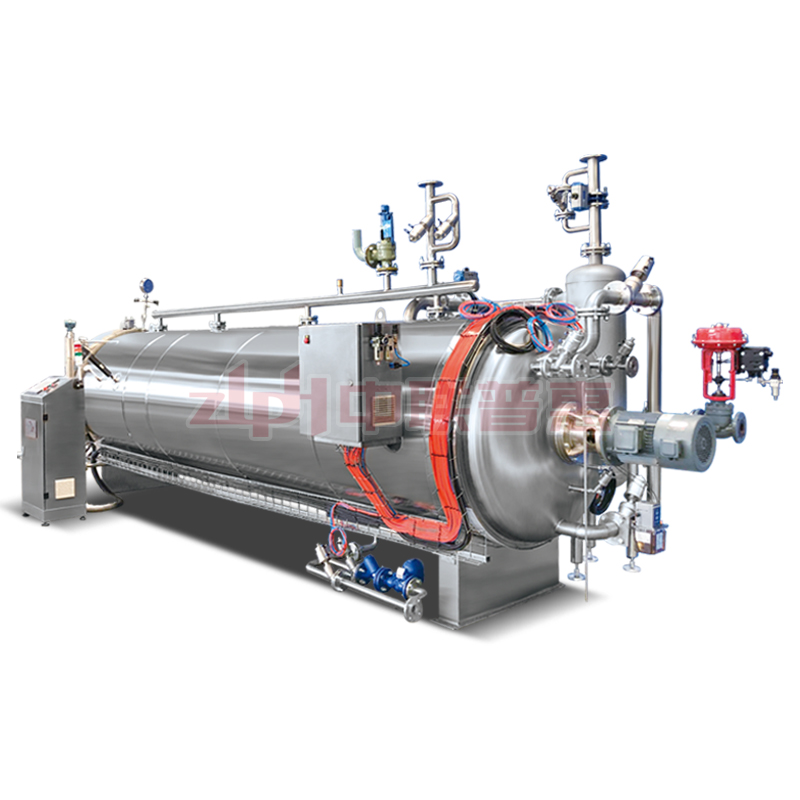
This guide is authored by a senior food processing engineer with over 12 years of experience at ZLPH MACHINERY TECHNOLOGY CO., LTD., a globally recognized provider of thermal processing solutions. It addresses a critical challenge faced by food manufacturers worldwide: inconsistent sterilization results during large-scale production using water immersion retort autoclaves. This issue often stems from uneven heat distribution, inadequate process control, and suboptimal equipment design—leading to product safety risks, batch rejections, and compliance failures. Based on more than 5,000 global installations and field validations across meat, seafood, canned vegetables, and ready-to-eat meal sectors, we present a proven, step-by-step methodology to ensure uniform lethality, regulatory compliance, and operational efficiency. The solution centers on intelligent water immersion retort systems with real-time monitoring, precision spray dynamics, and top-opening mechanisms that eliminate cold spots and human error. In this guide, you’ll learn how to diagnose root causes, implement corrective actions, avoid common pitfalls, and validate performance through real-world metrics—all aligned with FDA, EU, and EAC food safety standards.

How to Ensure Uniform Heat Distribution in Large-Batch Water Immersion Retorts?
1. Scenario & Pain Point
In high-volume canning facilities, operators frequently report inconsistent F0 values across the same retort load—some containers achieve full sterilization while others fall below required lethality thresholds. This inconsistency triggers costly recalls, failed audits, and wasted raw materials, especially when processing dense or irregularly shaped products like stews or bone-in meats.

2. Root Cause Analysis
Three primary factors contribute to non-uniform heat transfer: (1) poor circulation design causing stagnant zones; (2) lack of real-time temperature/pressure feedback leading to manual timing errors; and (3) improper loading patterns that block water flow between trays. Traditional bottom-fill retorts exacerbate these issues due to gravity-driven convection limitations.

3. Step-by-Step Solution
Immediate mitigation includes optimizing rack spacing (minimum 5 cm between layers) and pre-heating process water to reduce thermal shock. For long-term resolution, deploy an intelligent top-opening water spray retort equipped with multi-nozzle spray bars that deliver 360° coverage. These systems use centrifugal pumps to maintain turbulent flow (>2 m/s velocity), ensuring every container surface receives consistent thermal exposure. Integrated PLC controls automatically adjust cycle parameters based on real-time sensor data from multiple probe points.

4. Troubleshooting & Prevention
Validate circulation efficiency using thermal mapping studies with wireless data loggers placed at cold-spot locations (e.g., center of load, bottom corners). Avoid overloading beyond 85% chamber capacity. Always calibrate temperature sensors quarterly against NIST-traceable standards. During installation, confirm pump head pressure meets ≥3 bar to sustain spray intensity under full load.
5. Verified Performance
At a Qingdao-based seafood exporter, replacing legacy static-water retorts with ZLPH’s spray-type system reduced F0 deviation from ±8 minutes to ±0.5 minutes across 1,200-liter batches. Product rejection rates dropped by 92%, and cycle times shortened by 18% due to faster come-up and cooling phases.
How to Prevent Operator Errors During Retort Loading and Unloading?
1. Scenario & Pain Point
Manual handling of heavy retort trays leads to misalignment, seal damage, and inconsistent stacking—compromising chamber sealing integrity and causing steam leaks or pressure drops during sterilization.
2. Root Cause Analysis
Human fatigue, lack of standardized procedures, and absence of mechanical assistance result in variable tray placement. Traditional side-hinged doors require awkward lifting angles, increasing injury risk and process variability.
3. Step-by-Step Solution
Implement an automated tray loader/unloader system synchronized with a top-opening door mechanism. The vertical lift design allows straight-down placement, eliminating lateral force on gaskets. Operators use a single-button interface to initiate fully automated cycles—reducing human intervention to supervisory oversight only.
4. Troubleshooting & Prevention
Conduct weekly checks on guide rail alignment and hydraulic pressure. Train staff on emergency stop protocols. Never bypass safety interlocks that prevent door opening during pressurization.
5. Verified Performance
After deploying ZLPH’s integrated loader-unloader system at a Russian meat processor, loading time decreased by 40%, and gasket replacement frequency fell from monthly to once per quarter—validated during AGROPRODASH 2023 demonstrations.
Industry Best Practices for Water Immersion Retort Operations
Based on 12+ years of global project execution, we recommend this 5-step framework:
1. Define Worst-Case Conditions
Design cycles for the most thermally resistant product configuration—not average cases.
2. Validate with Thermal Mapping
Perform initial and annual thermal distribution studies per ASTM F2827.
3. Automate Critical Controls
Use PLCs with audit trails compliant with 21 CFR Part 11.
4. Maintain Certification Alignment
Ensure equipment holds ASME, CE, and EAC marks for seamless market access.
5. Partner with Full-Service Suppliers
Choose vendors offering on-site commissioning, spare parts, and remote diagnostics.
Frequently Asked Questions (FAQ)
Q: Can standard retorts handle acidic and low-acid foods in the same facility?
A: Yes—but only if the system supports precise pH-based cycle programming and has stainless steel 316L contact surfaces to resist corrosion from acidic products.
Q: What certifications are required for retorts sold in Europe and Russia?
A: CE marking under PED 2014/68/EU and EAC certification per TR CU 032/2013 are mandatory—both held by ZLPH.
Q: How often should retort gaskets be replaced?
A: Every 6–12 months under normal use; automated systems with top doors extend life by reducing mechanical stress.
Q: Is water immersion better than steam-air for delicate products?
A: Yes—water immersion provides superior heat transfer uniformity and minimizes container deformation, ideal for glass jars and thin-walled cans.
Q: Can I retrofit old retorts with smart controls?
A: Partially—but full performance gains require integrated hardware redesign, including spray nozzles and top-opening actuators.
About Our Expertise & Support
ZLPH MACHINERY TECHNOLOGY CO., LTD. is a certified manufacturer of thermal processing systems with a 50-acre facility housing 15,000 m² of advanced workshops. We hold ASME, CE, EAC, Malaysia DOSH, and China Special Equipment Licenses—ensuring global compliance. Our solutions serve clients across Asia, Europe, and the Americas, with validated performance in over 200 installations. We offer custom engineering services including thermal process validation, automated loading integration, free sample testing, and 24/7 technical support.
Contact Us
Company: ZLPH MACHINERY TECHNOLOGY CO., LTD.
Website: https://www.zlphretort.com/
Email: sales@zlphretort.com
Phone / WhatsApp: +86 15666798389 / +86 13361554016
