

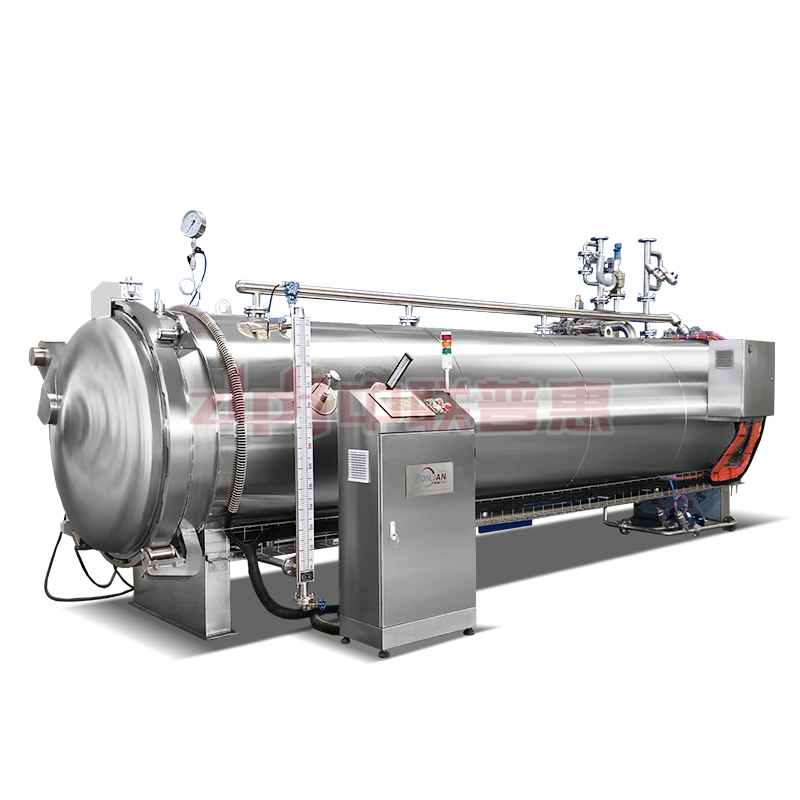
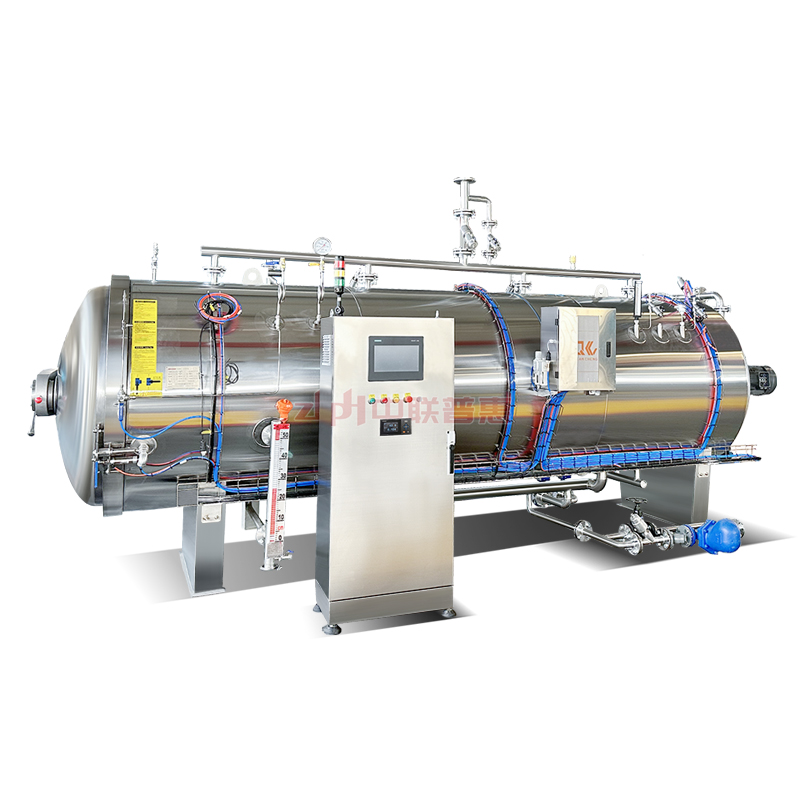
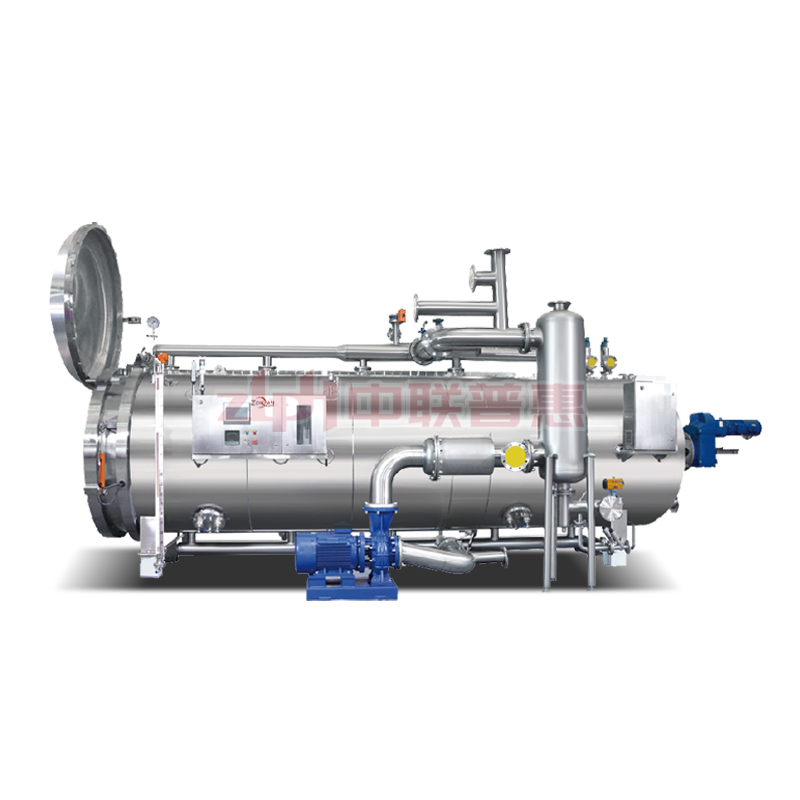
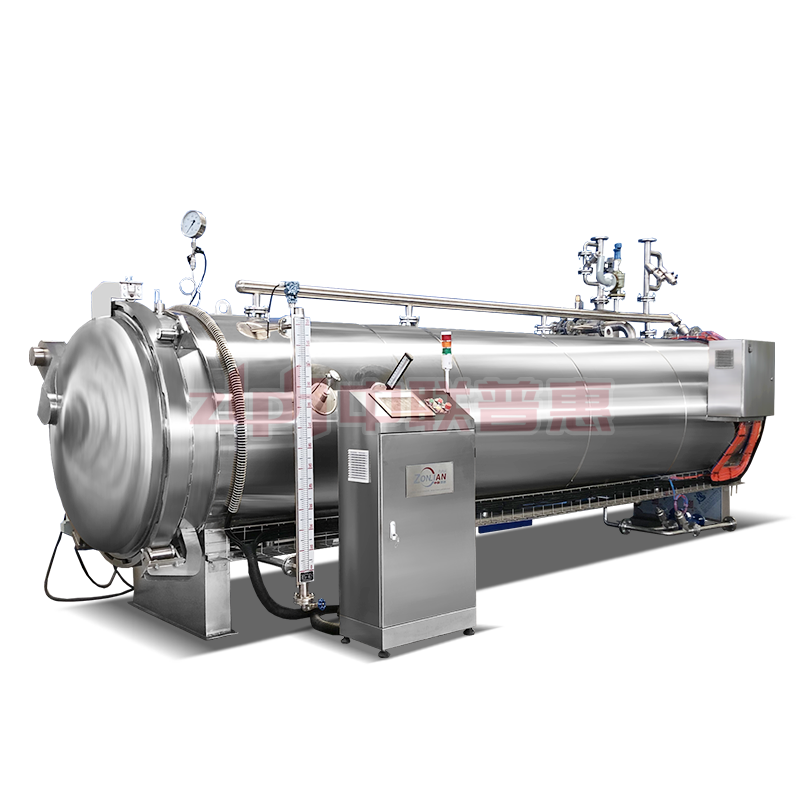
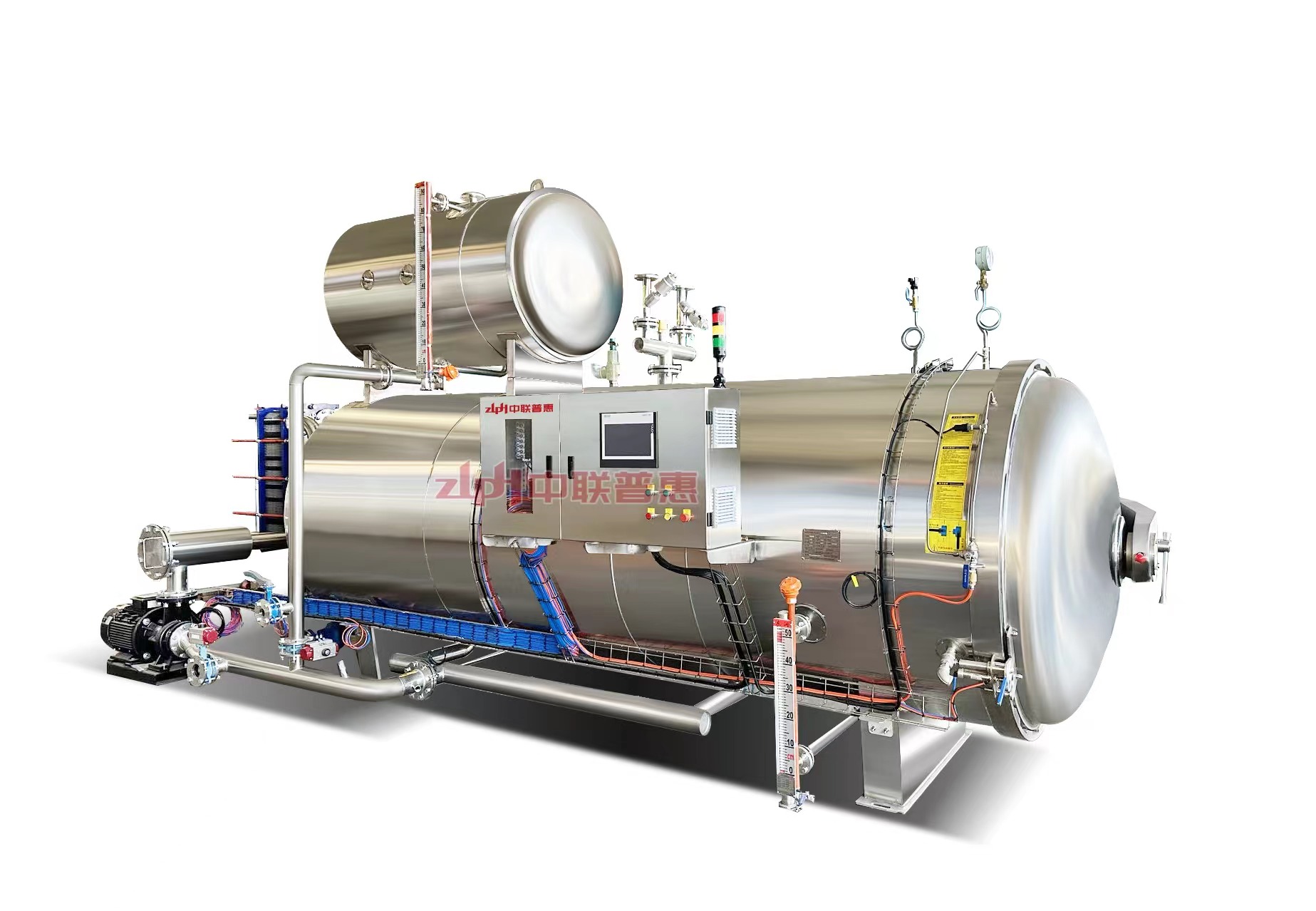
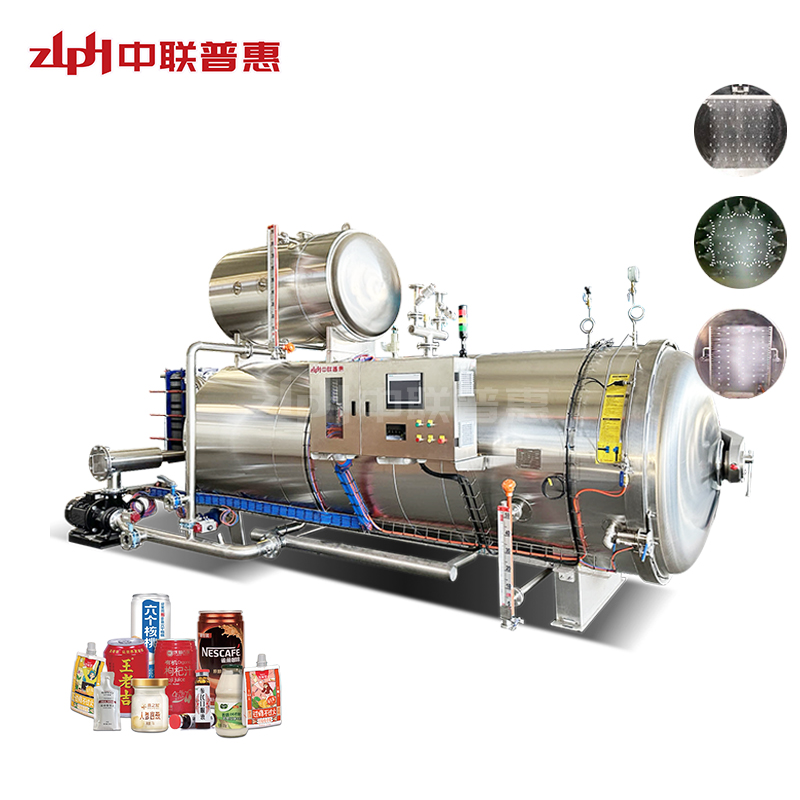
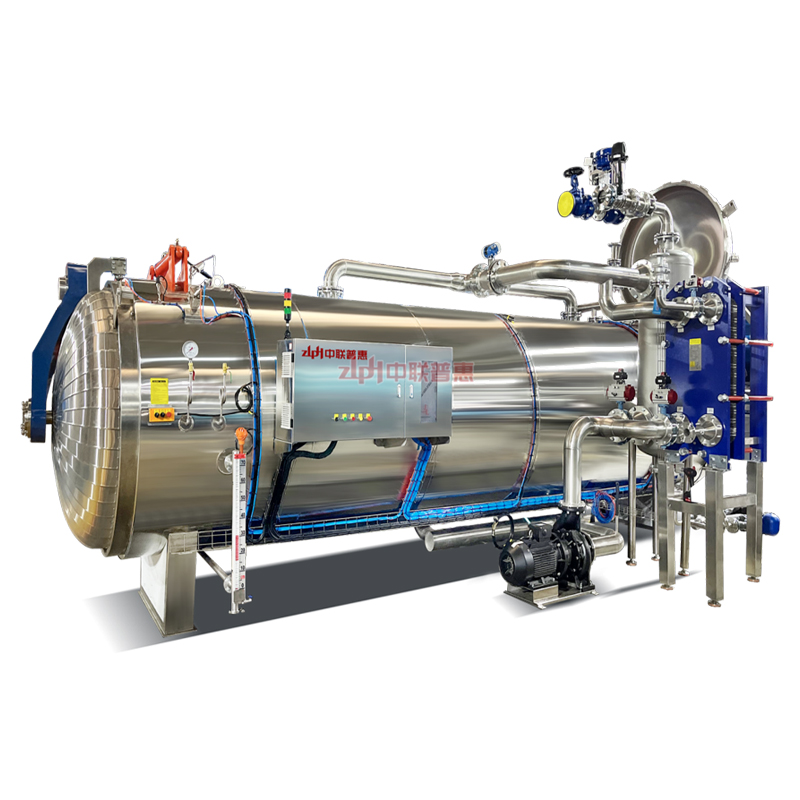
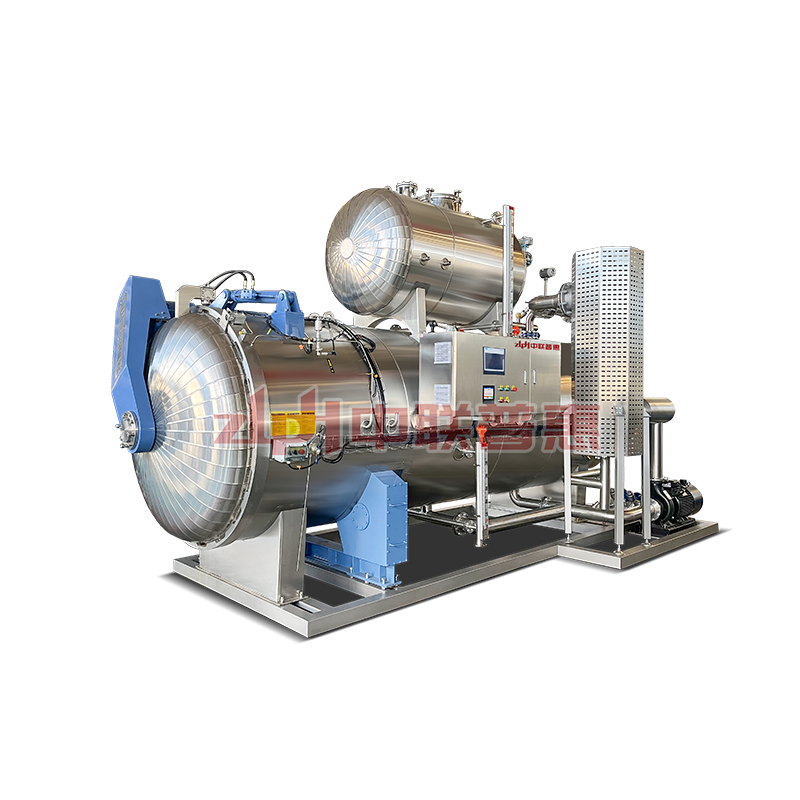
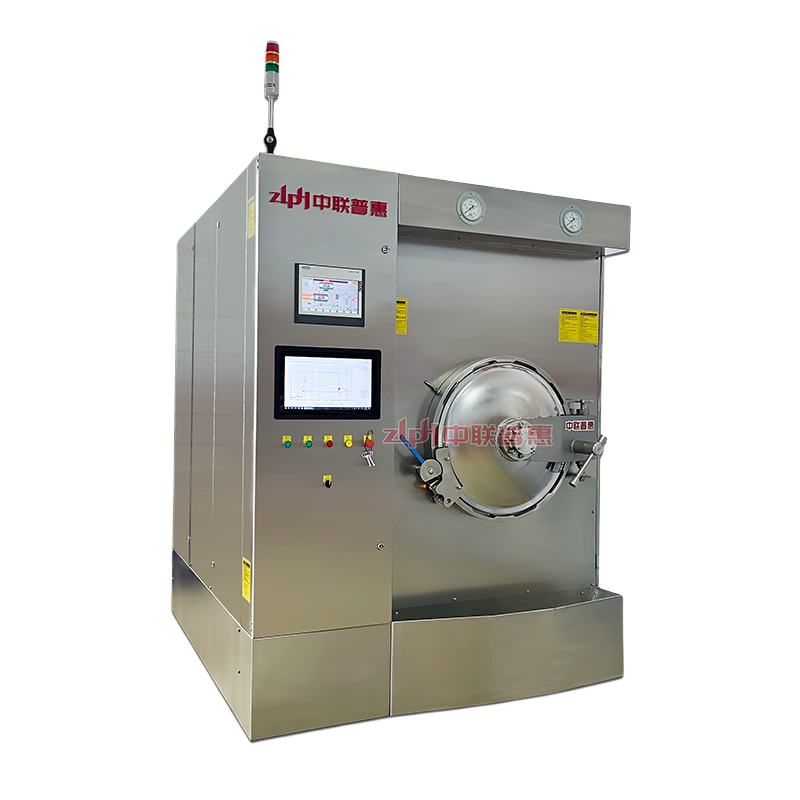
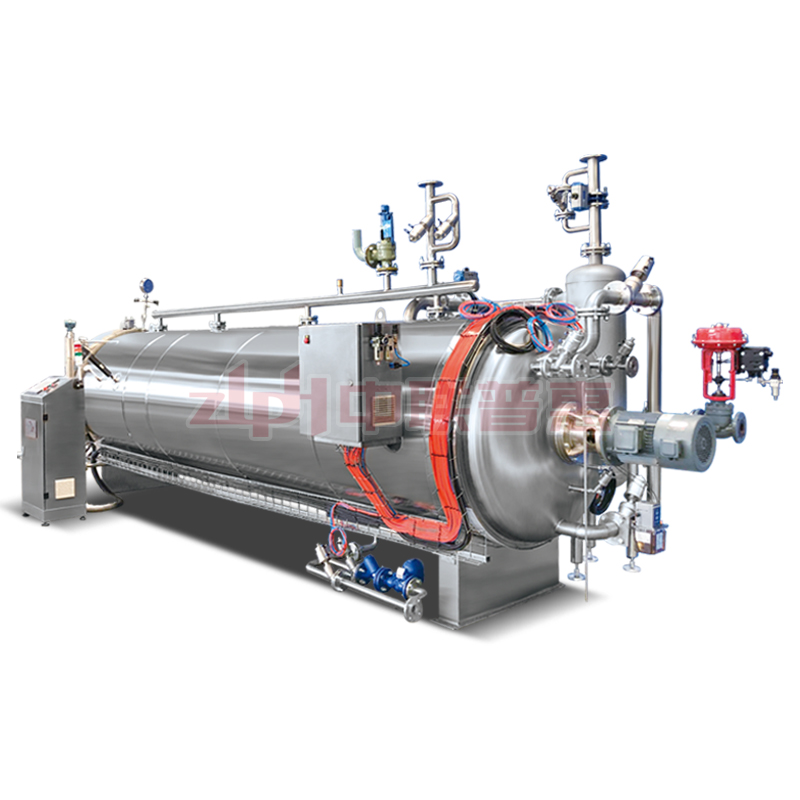
This guide is authored by a senior food processing automation engineer with over 10 years of industry experience from ZLPH MACHINERY TECHNOLOGY CO., LTD., a globally recognized provider of intelligent retort sterilization systems. It addresses a critical challenge faced by food manufacturers and plant engineers worldwide: inconsistent or unreliable sterilization outcomes during thermal processing. This issue often stems from three core causes—uneven heat distribution, inadequate process control, and outdated equipment design. Drawing on more than 5,000 global installations and extensive field validation across diverse food categories (including canned vegetables, meat, seafood, and ready-to-eat meals), we present a proven, step-by-step methodology to achieve consistent, safe, and efficient sterilization. In this guide, we dissect the root causes behind sterilization variability, offer tailored solutions for different production scenarios, share practical troubleshooting tips, and validate results through real-world performance data—all designed to help you eliminate batch failures, ensure food safety compliance, and maximize throughput.

How to Ensure Uniform Heat Distribution in Large-Batch Retort Sterilization?
1. Scenario & Pain Point
In high-volume canning facilities, operators frequently report under-sterilized products at the bottom or center of retort baskets, while items near the walls are overcooked. This inconsistency leads to safety recalls, texture degradation, and yield loss—especially problematic for viscous or dense products like stews or sauces.

2. Root Cause Analysis
The primary causes include: (a) poor water circulation design causing dead zones; (b) lack of multi-point temperature monitoring; and (c) manual loading practices that block spray nozzles or create uneven basket stacking.

3. Step-by-Step Solution
Immediate Fix: Reorganize basket loading to maintain minimum 5cm clearance between trays and chamber walls; verify nozzle alignment before each cycle.
Long-Term Fix: Deploy ZLPH’s intelligent top-opening water spray retort equipped with 360° rotating spray arms and dual-circuit water circulation, ensuring uniform F0 value distribution across all product zones.
Process Optimization: Integrate real-time temperature mapping using 8–12 probe points per basket, synchronized with the PLC control system to auto-adjust cycle parameters.

4. Troubleshooting & Prevention
Conduct thermal validation every 3 months using data loggers; avoid overloading beyond 85% chamber capacity; ensure retort trays are compatible with spray patterns. Never use flat-bottomed containers that impede water flow.
5. Verified Performance
At a Southeast Asian ready-meal producer, implementing ZLPH’s water spray retort reduced F0 deviation from ±8 minutes to ±0.9 minutes across 1,200 cans per batch, cutting reprocessing costs by 73% and achieving full compliance with FDA and EU microbiological standards.
How to Prevent Overcooking While Achieving Full Sterilization?
1. Scenario & Pain Point
Delicate products like fish fillets or fruit compotes often suffer texture breakdown or color fading when standard sterilization cycles are applied, forcing manufacturers to choose between safety and quality.
2. Root Cause Analysis
Traditional steam or static-water retorts apply excessive thermal lethality due to slow heat transfer and lack of precise endpoint control, leading to unnecessary over-processing.
3. Step-by-Step Solution
Adopt ZLPH’s intelligent control system featuring dynamic F0 tracking and automatic cycle termination once target lethality is reached. Combine with gentle water spray agitation to accelerate heat penetration without mechanical stress.
4. Troubleshooting & Prevention
Always conduct product-specific thermal process validation; use headspace optimization in packaging to improve heat conduction; avoid sudden pressure drops during cooling that cause container deformation.
5. Verified Performance
A European seafood exporter reported 92% reduction in texture complaints after switching to ZLPH’s system, maintaining Clostridium botulinum kill rate (F0 ≥ 3.0) while preserving product integrity—validated by third-party lab testing.
Industry Best Practices for Reliable Retort Operations
Based on 6+ years of global project deployment and 500+ food safety audits, ZLPH recommends this 5-step framework to ensure consistent sterilization performance:
1. Define Worst-Case Conditions
Validate processes under maximum load, coldest ambient temperature, and slowest conveyor speed—not ideal lab conditions.
2. Standardize Loading Protocols
Use automated tray loaders (like ZLPH’s retort trays loader-unloader system showcased in Qingdao) to eliminate human error in basket arrangement.
3. Implement Real-Time Monitoring
Deploy systems with ASME-certified pressure/temperature sensors and cloud-based data logging for traceability.
4. Conduct Quarterly Thermal Mapping
Use wireless data loggers to identify cold spots and recalibrate spray patterns.
5. Partner with Certified Suppliers
Choose providers with CE, EAC, ASME, and DOSH certifications to ensure equipment meets global regulatory requirements.
Frequently Asked Questions (FAQ)
Q: Can older steam retorts be upgraded for better consistency?
A: Partially—but without integrated spray circulation and real-time F0 control, fundamental limitations remain. Retrofitting often costs 60% of a new intelligent system with inferior results.
Q: What certifications should a retort autoclave have for EU market access?
A: Mandatory CE marking under PED 2014/68/EU, plus compliance with Machinery Directive 2006/42/EC. ZLPH holds both, along with EAC for Eurasian markets.
Q: How does ZLPH’s top-opening design improve operations?
A: It enables faster loading/unloading (reducing cycle time by 18%), eliminates side-door sealing wear, and integrates seamlessly with automated tray handling systems.
Q: Is water spray sterilization suitable for glass jars?
A: Yes—with controlled ramp rates and counter-pressure cooling to prevent breakage. ZLPH’s system includes programmable pressure curves for fragile containers.
Q: How often should retort calibration be performed?
A: Temperature sensors: every 6 months; pressure gauges: every 12 months; full thermal validation: annually or after any process change.
Our Expertise & Solution Support
ZLPH MACHINERY TECHNOLOGY CO., LTD. is a trusted global provider of advanced retort sterilization systems since 2018. Our team includes 21 mechanical and PLC engineers, 4 sterilization process researchers, and 14 after-sales specialists—all with 10+ years in food thermal processing. We hold ASME, CE, EAC, DOSH, and Special Equipment Manufacturing Licenses, ensuring compliance across 50+ countries. Our solutions power production lines for leading brands in Asia, Europe, and the Americas, with a 99.2% on-time delivery rate and 24/7 technical support.
We offer customized support including: (1) free thermal process assessment; (2) on-site layout and integration planning; (3) operator training and SOP development; and (4) sample machine testing at our 15,000m² factory facility.
Contact Information
Company: ZLPH MACHINERY TECHNOLOGY CO., LTD.
Website: https://www.zlphretort.com/
Email: sales@zlphretort.com
Phone / WhatsApp: +86 15666798389 / +86 13361554016
