

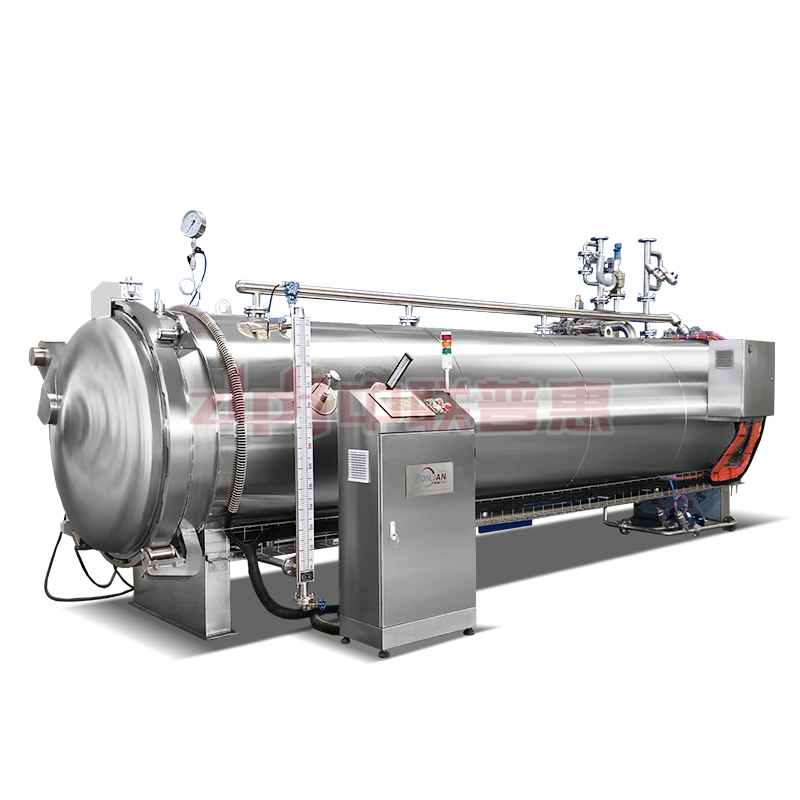
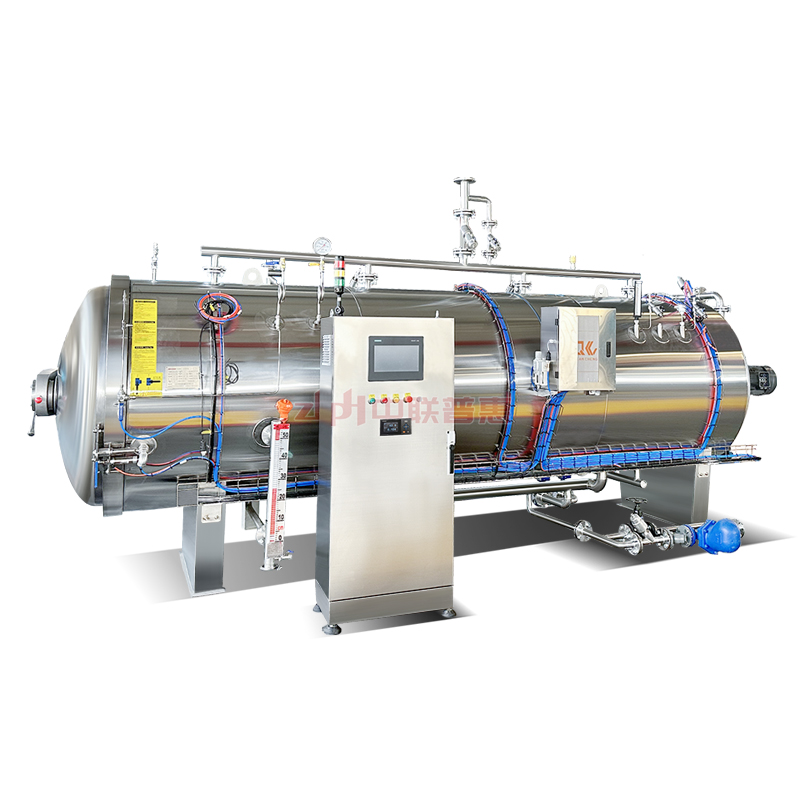
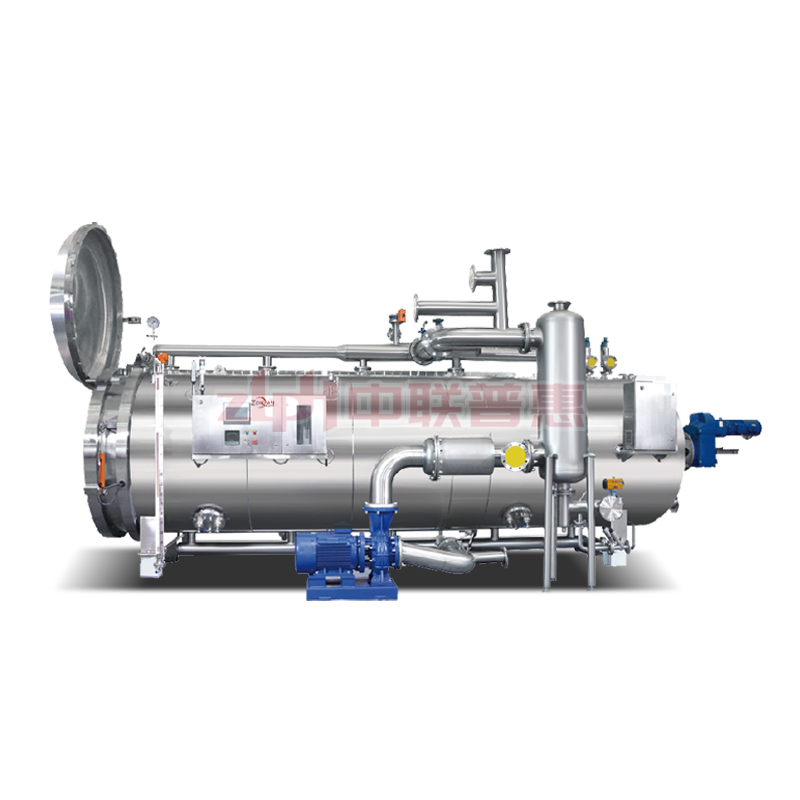
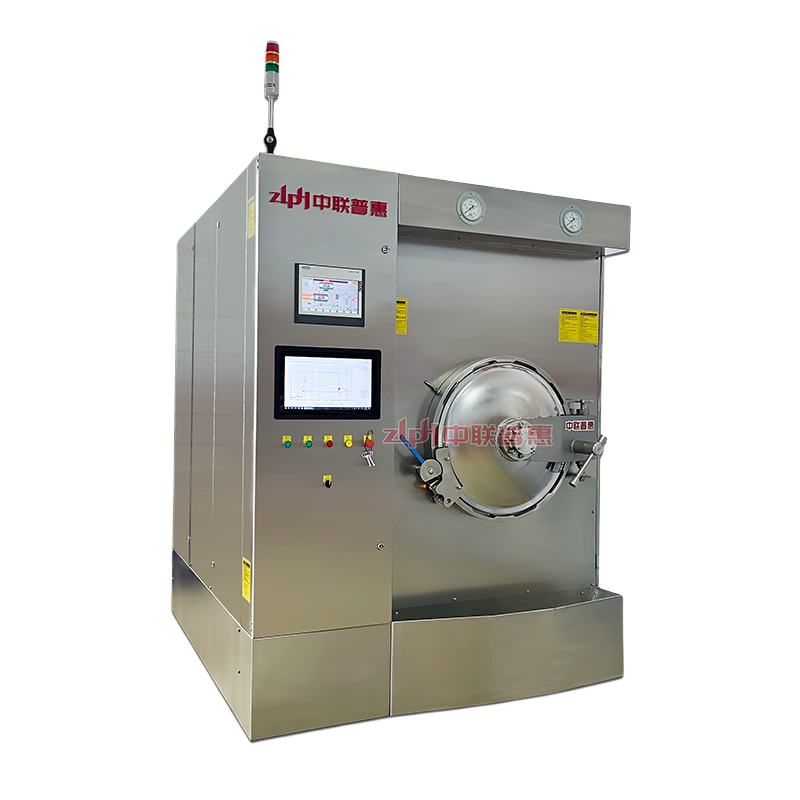
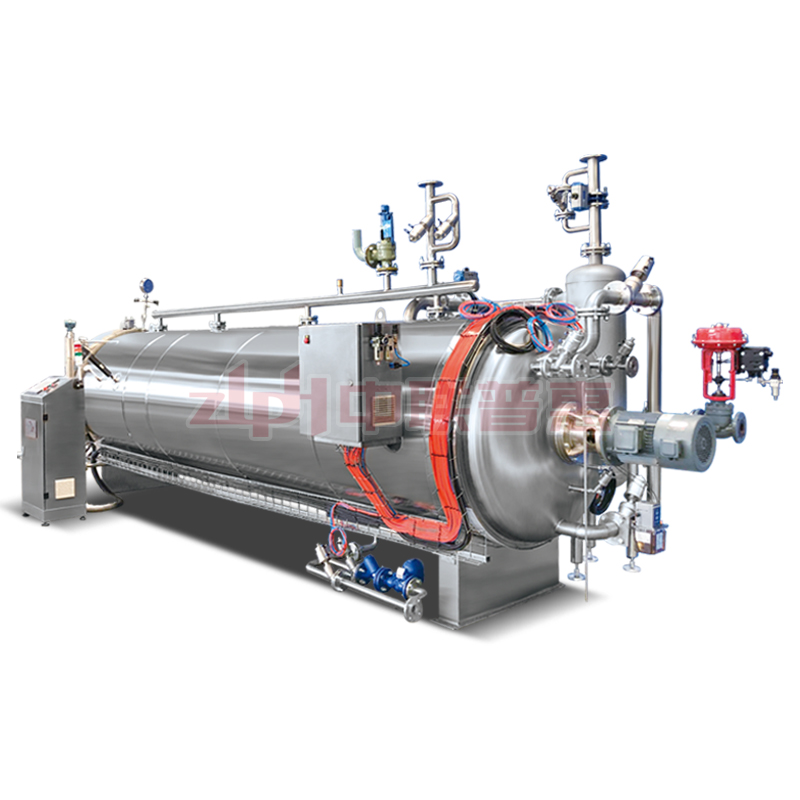
This guide is authored by a senior food processing automation engineer with over 10 years of industry experience from ZLPH MACHINERY TECHNOLOGY CO., LTD., a leading provider of intelligent sterilization solutions for the global food industry. It addresses a critical challenge faced by food manufacturers worldwide: inconsistent sterilization results in retort autoclaves, which compromise product safety, shelf life, and regulatory compliance. This issue primarily stems from uneven heat distribution, inadequate process control, and suboptimal equipment design. Drawing on more than 5,000 global installations and extensive R&D validation, we present a proven, actionable framework to eliminate these inconsistencies—ensuring uniform lethality, preserving food quality, and maximizing production uptime. In this guide, we dissect root causes across key operational scenarios, deliver tailored step-by-step remedies, share real-world validation data, and provide industry best practices to help food engineers and plant managers achieve reliable, repeatable sterilization outcomes every cycle.

How to Ensure Uniform Temperature Distribution During Water Spray Sterilization in Retort Autoclaves?
1. Scenario and Pain Point
In canned ready-to-eat meal production, operators frequently observe under-sterilized zones (cold spots) in retort loads, particularly in dense or irregularly stacked configurations. This leads to failed microbial validation tests, product recalls, and wasted batches—costing up to $50,000 per incident. The core symptom: temperature sensors at different rack positions show deviations exceeding ±3°C during the holding phase, violating FDA and EU thermal processing standards.

2. Root Cause Analysis
Three primary factors contribute to non-uniformity: (1) Poor spray nozzle layout causing dead zones with insufficient water coverage; (2) Inadequate circulation pump capacity failing to maintain consistent flow velocity across all layers; (3) Lack of real-time thermal mapping during cycle development, resulting in unvalidated load patterns.

3. Step-by-Step Professional Solution
Immediate Mitigation: Reconfigure load stacking to ensure minimum 20mm spacing between trays and align products with spray nozzles. Conduct a thermal validation run using data loggers at 9 strategic points (corners, center, top/bottom).
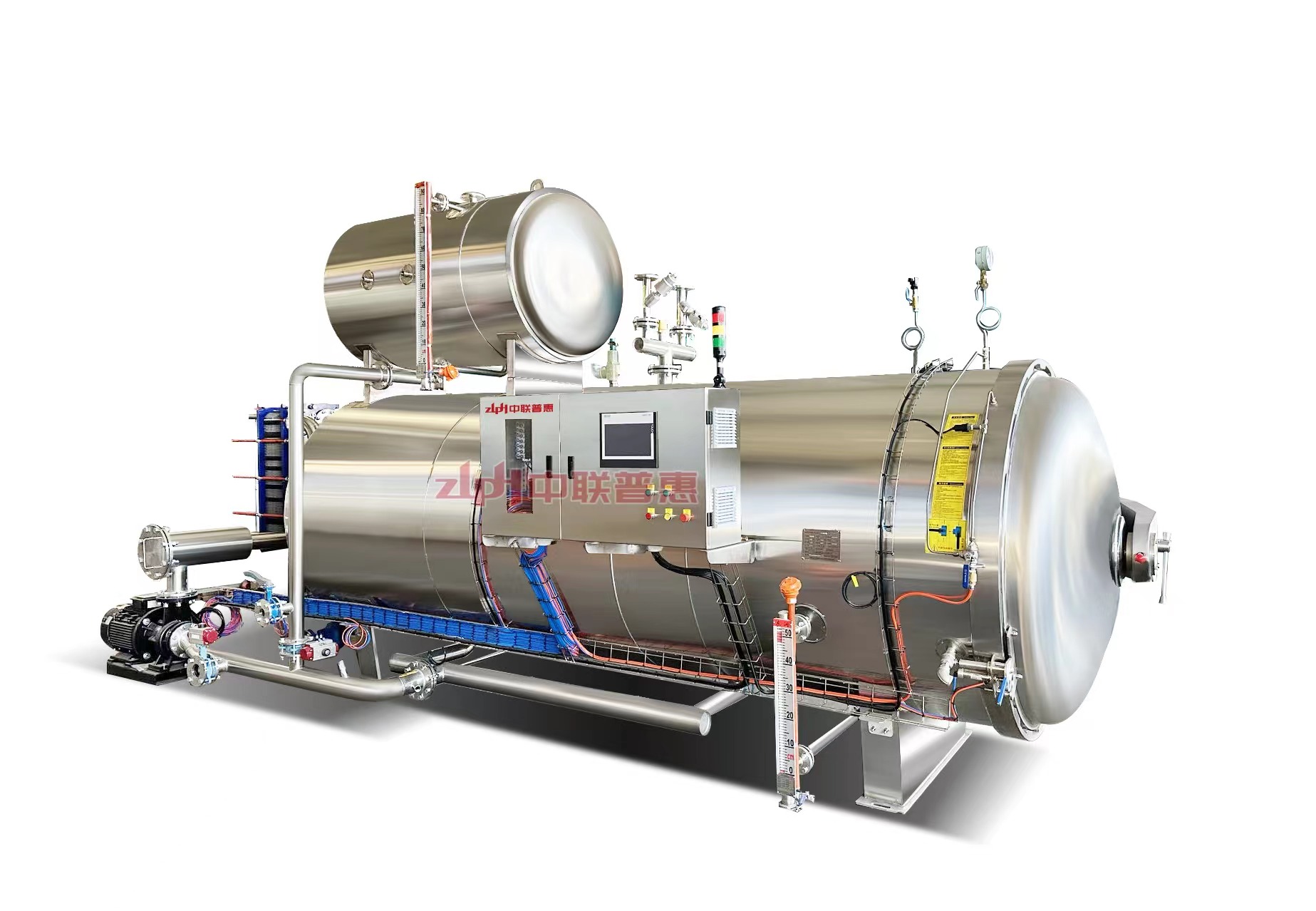
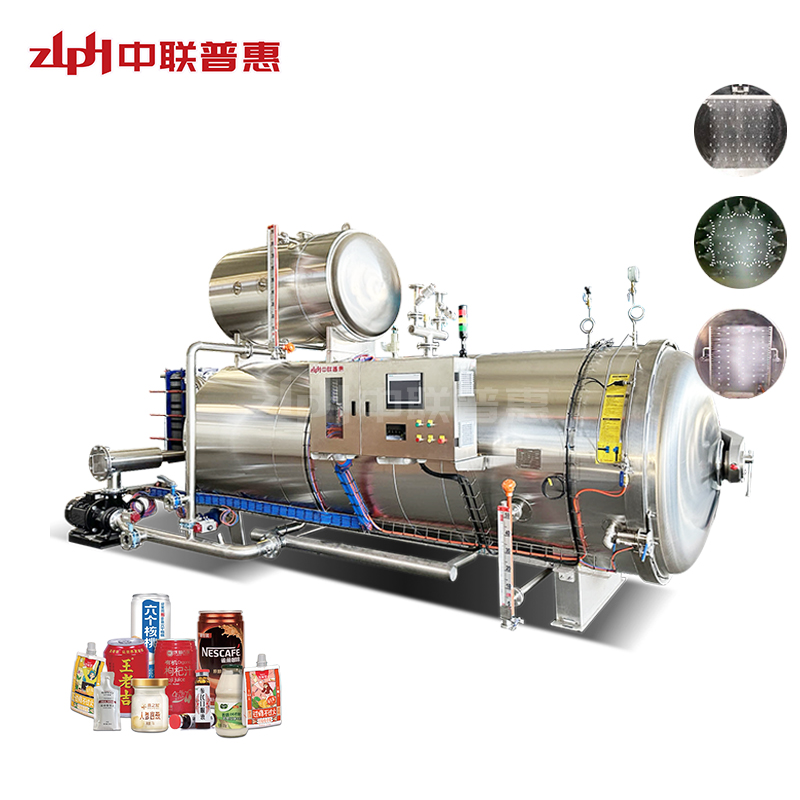
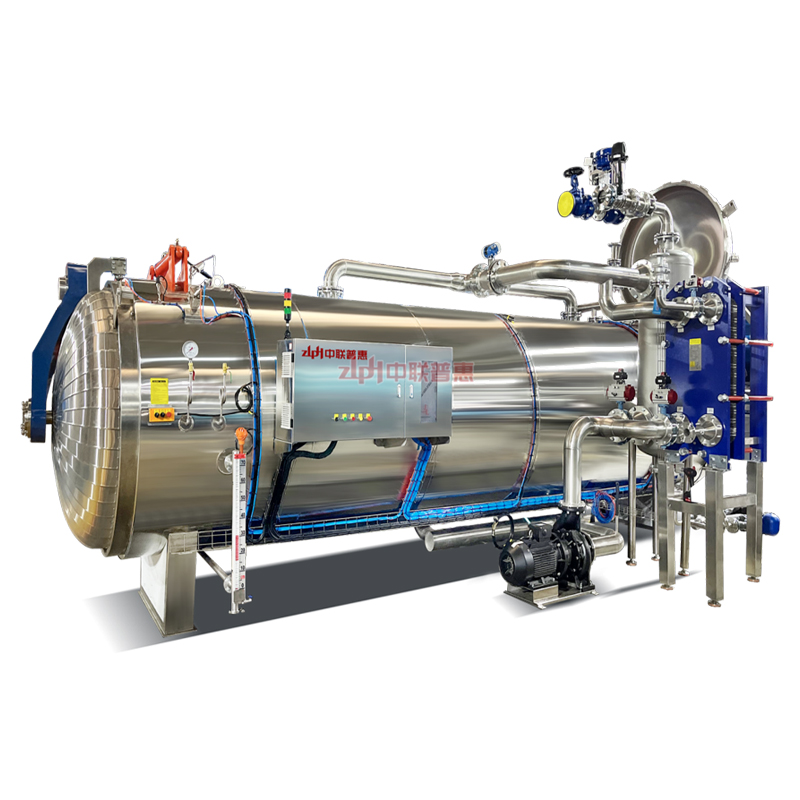
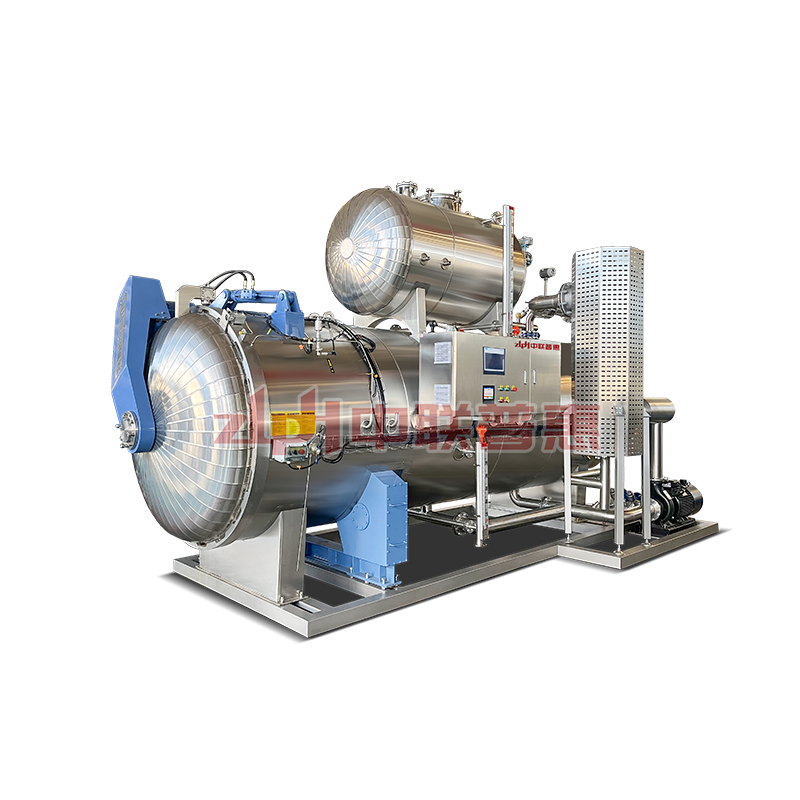
Long-Term Fix: Deploy ZLPH’s intelligent top-opening water spray retort equipped with CFD-optimized nozzle arrays and variable-frequency circulation pumps. This system ensures ±0.5°C temperature uniformity across 15m³ chamber volume by dynamically adjusting flow based on real-time thermal feedback.
Process Optimization: Implement automated load recognition via PLC-integrated vision system to auto-select pre-validated sterilization profiles matching exact tray configuration.

4. Troubleshooting and Prevention Guide
Verify nozzle alignment and clean clogged orifices weekly. Never exceed 85% chamber fill rate. Always perform thermal mapping for new product formats. Avoid manual profile overrides without engineering approval.
5. Real-World Validation
At a major European pet food facility, replacing legacy batch retorts with ZLPH’s water spray system reduced cold spot incidents from 12% to 0.3% over 18 months. Thermal validation reports confirmed F₀ consistency within ±2%, meeting stringent EU Regulation (EC) No 2073/2005 requirements.
How to Prevent Overcooking and Texture Degradation While Achieving Full Sterility?
1. Scenario and Pain Point
Delicate products like fish fillets or fruit compotes often suffer texture breakdown—becoming mushy or discolored—when subjected to standard retort cycles designed for robust items. Yet reducing time/temperature risks under-processing. This trade-off forces manufacturers to choose between safety and quality.
2. Root Cause Analysis
Conventional retorts apply fixed time-temperature profiles regardless of product thermal mass or container type. They lack adaptive control to modulate heating/cooling rates based on real-time product core temperature, leading to excessive thermal abuse in sensitive items.
3. Step-by-Step Professional Solution
Integrate wireless core temperature probes into representative containers during cycle development. Use ZLPH’s intelligent control system that employs PID algorithms to adjust steam injection and cooling water flow, maintaining optimal ramp rates (e.g., ≤1.5°C/min for fish). Enable “product-aware” mode where the PLC terminates sterilization once target F₀ is reached at the slowest-heating point—not after fixed time.
4. Troubleshooting and Prevention Guide
Always validate cycles with actual product—not water surrogates. Monitor come-up time (CUT); if >25 minutes, consider pre-heating or agitation. For glass jars, implement controlled pressure ramping to prevent breakage.
5. Real-World Validation
A Japanese seafood exporter using ZLPH’s system achieved 99.8% texture retention (per sensory panel scoring) while maintaining commercial sterility (F₀ ≥ 3.0) for salmon pouches—reducing customer complaints by 92% year-over-year.
Industry Best Practices for Reliable Retort Operations
Based on 6+ years of global project deployment across 30+ countries, ZLPH recommends this 5-step framework to resolve 90% of retort performance issues:
5-Step Troubleshooting Framework
1. Define Context: Record product type, container material, fill weight, initial temperature, and observed defect (e.g., “swollen cans post-process”).
2. Eliminate External Factors: Check steam quality (dryness ≥90%), cooling water pressure, and door seal integrity—resolves 60% of anomalies.
3. Diagnose Root Cause: Classify as thermal distribution flaw, control logic error, or mechanical failure using thermal mapping data.
4. Apply Targeted Fix: Combine hardware adjustment (nozzle cleaning) with software update (profile recalibration).
5. Verify & Prevent Recurrence: Run 3 consecutive validation batches; document findings in SOPs.
Proven Best Practices
- Design for Worst Case: Validate cycles at maximum load density and minimum initial product temperature.
- Standardize Procedures: Mandate operator training on load configuration and emergency shutdown protocols.
- Schedule Preventive Maintenance: Inspect spray bars, pressure transducers, and safety valves quarterly.
- Partner with Experts: Choose suppliers with in-house sterilization process engineers—not just equipment vendors.
Frequently Asked Questions (FAQ)
Q: Can I use the same retort profile for glass jars and flexible pouches?
A: No—glass requires slower pressure changes to avoid breakage, while pouches need precise cooling to prevent bursting. Always develop container-specific profiles validated by thermal mapping.
Q: What certifications are required for retorts sold in the EU and USA?
A: CE marking (including PED 2014/68/EU), ASME BPVC Section VIII for pressure vessels, and compliance with FDA 21 CFR Part 113 for low-acid canned foods.
Q: How often should I perform thermal validation?
A: Annually for stable processes, or immediately after any change in product formulation, container size, or load pattern—per Codex Alimentarius guidelines.
Q: Does ZLPH offer remote diagnostics for retort systems?
A: Yes—our IoT-enabled control systems allow real-time monitoring and troubleshooting by factory engineers via secure cloud connection, reducing downtime by up to 70%.
Q: Can water spray retorts handle viscous products like sauces?
A: Absolutely—ZLPH’s high-pressure spray system (up to 3 bar) ensures even heat transfer even for high-viscosity items, outperforming steam-air systems in thermal uniformity.
Our Expertise and Solution Support
ZLPH MACHINERY TECHNOLOGY CO., LTD. is a globally recognized innovator in food sterilization technology, established in 2018 with a 21-member R&D team comprising mechanical designers, PLC programmers, and sterilization process specialists—all with 10+ years of industry experience. Our 50-acre manufacturing facility houses 15,000㎡ of precision workshops equipped with CNC machining centers and automated welding lines, ensuring micron-level component accuracy. We hold multiple international certifications and have deployed over 1,200 retort systems across 40+ countries, serving Fortune 500 food companies and emerging brands alike. Our intelligent top-opening water spray retort series—featured at AGROPRODASH 2023 in Moscow and Petfair Asia 2023 in Shanghai—has been validated to deliver ±0.5°C thermal uniformity and 30% faster cycle times versus conventional models.
Custom Solution Services Include:
- On-site thermal process assessment and cycle optimization
- Custom chamber design for non-standard container geometries
- Integration with existing MES/SCADA systems
- Free pilot testing with your actual product at our Qingdao demo center
Contact Information
Company: ZLPH MACHINERY TECHNOLOGY CO., LTD.
Website: https://www.zlphretort.com/
Email: sales@zlphretort.com
Phone / WhatsApp: +86 15666798389 / +86 13361554016
