

This guide is authored by a senior food processing engineer with over 10 years of experience at ZLPH MACHINERY TECHNOLOGY CO., LTD., a leading provider of intelligent retort sterilization systems. It addresses a critical challenge faced by global R&D teams, pilot plant operators, and small-batch food producers: inconsistent or unreliable sterilization outcomes when using pilot-scale retort autoclaves. This issue has long plagued the food and pet food industries, primarily due to uneven heat distribution, manual process control errors, and inadequate validation protocols. Drawing on more than 5,000 global installations and extensive field testing across diverse product matrices—from meat-based meals to delicate plant-based pouches—we present a proven, actionable framework to achieve repeatable, compliant, and efficient sterilization at pilot scale. In this guide, we dissect root causes, deliver scenario-specific solutions, share real-world validation data, and provide best practices to ensure your pilot trials translate reliably into full-scale production.

How to Achieve Uniform Heat Distribution in Small-Batch Retort Sterilization?
1. Scenario & Pain Point
In pilot facilities developing new ready-to-eat meals or pet food recipes, engineers often observe inconsistent F0 values (sterilization lethality) across identical product batches. Some units show under-processing (risking microbial survival), while others suffer over-cooking (degrading texture and nutrients). This variability stalls product development, delays regulatory submissions, and increases waste—especially critical when working with expensive novel ingredients.

2. Root Cause Analysis
The core issues stem from three factors: (1) poor water circulation design in conventional pilot retorts, causing cold spots; (2) lack of real-time temperature monitoring at multiple product locations; and (3) reliance on fixed time-pressure profiles that don’t adapt to actual thermal penetration dynamics.

3. Step-by-Step Solution
Immediate Fix: Use perforated retort trays and ensure proper spacing between pouches/jars to allow unobstructed water flow. Avoid overloading the chamber.
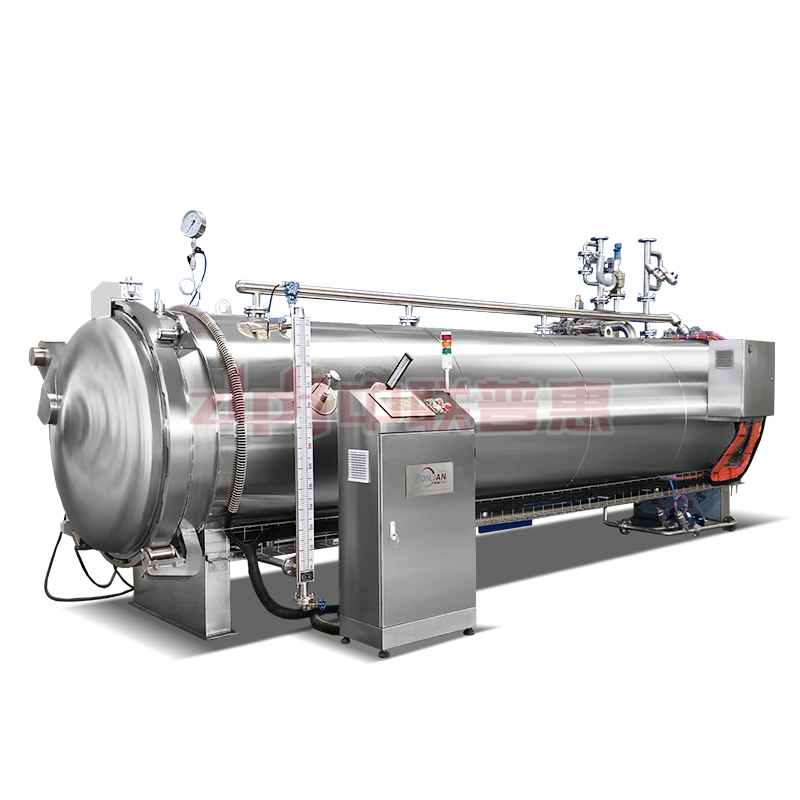
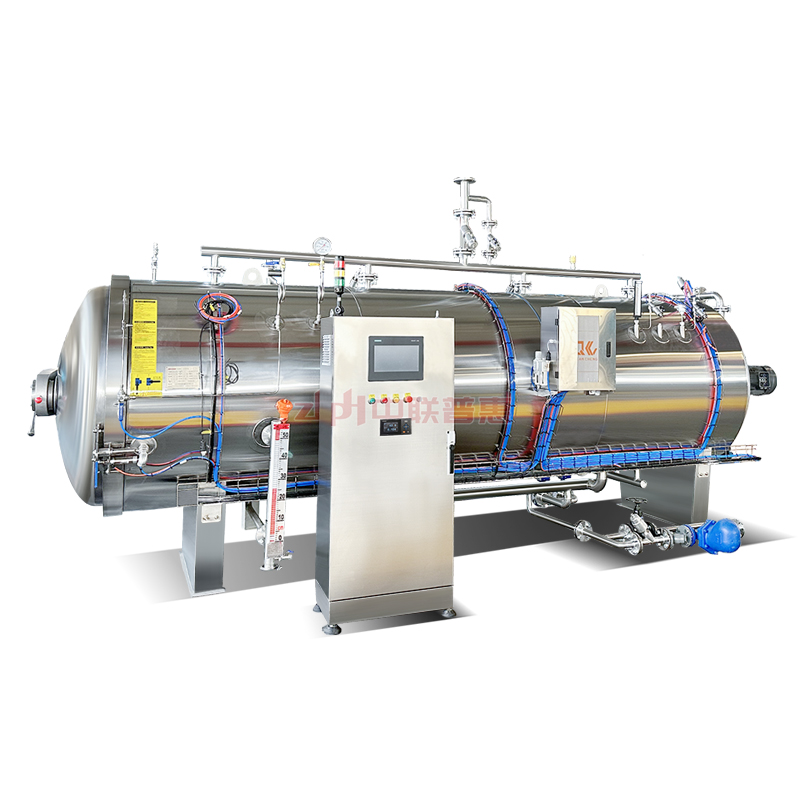
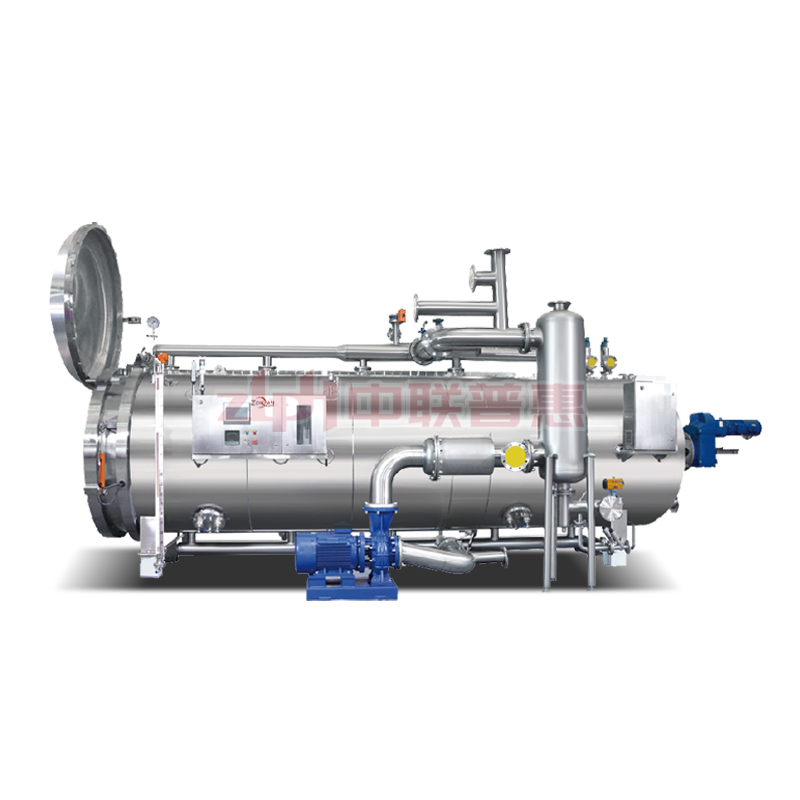
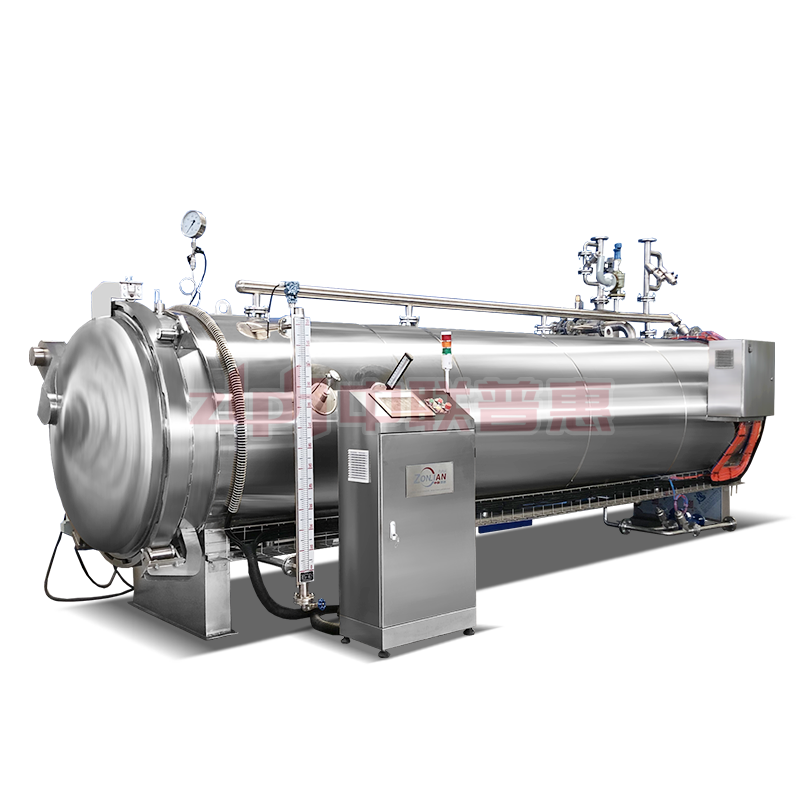
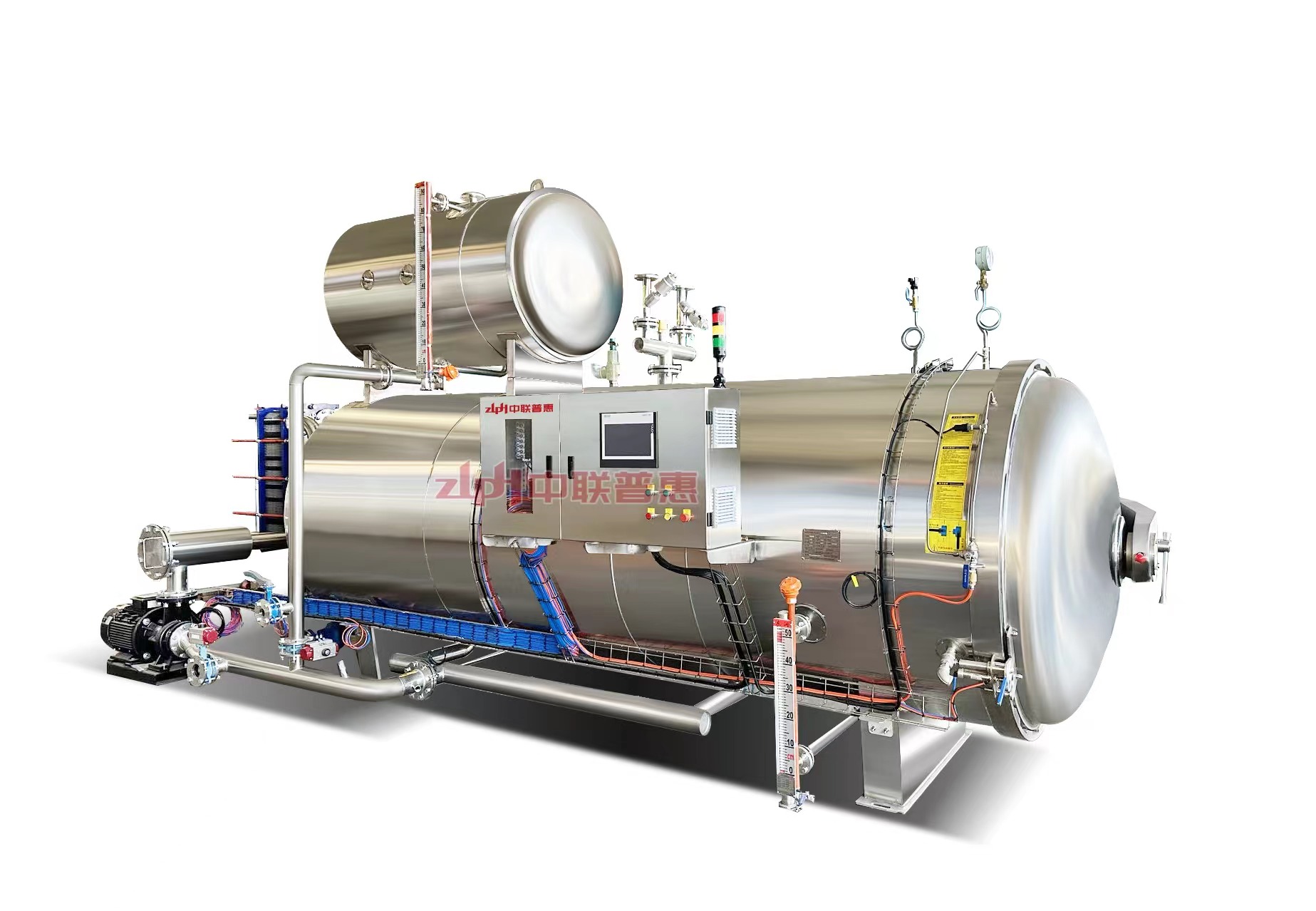
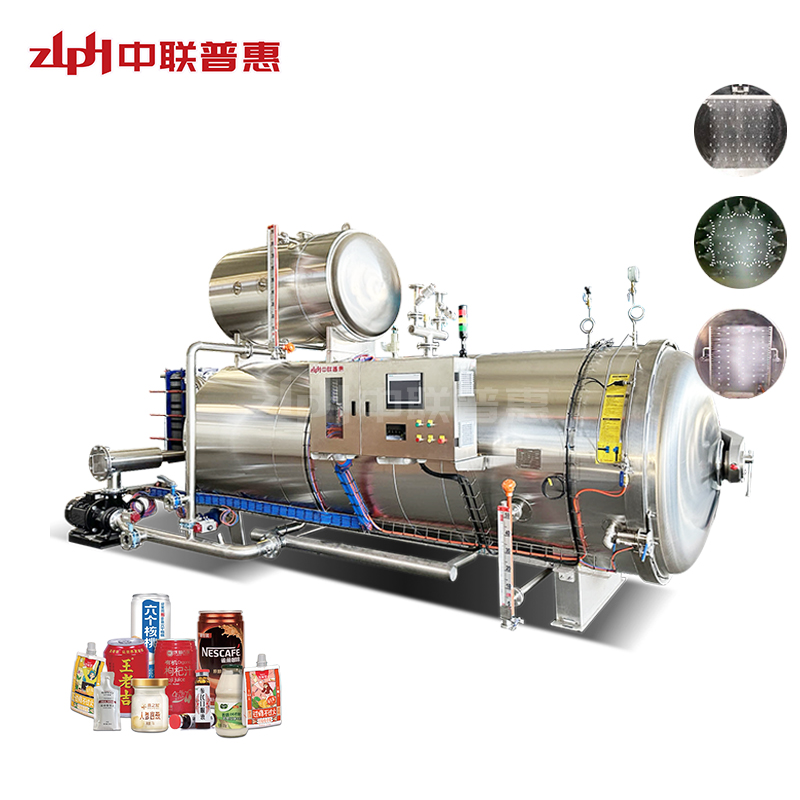
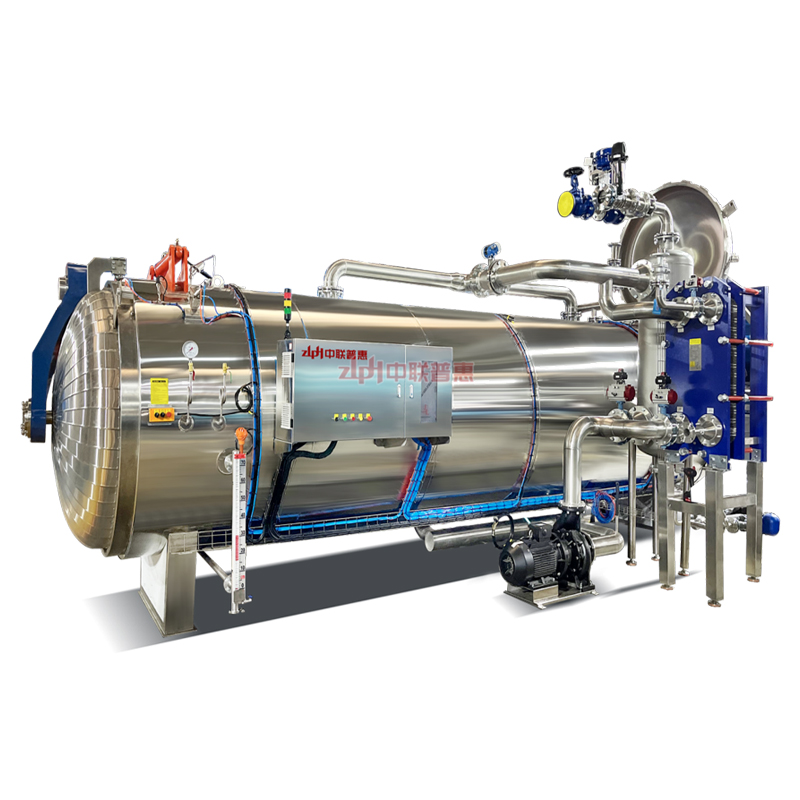
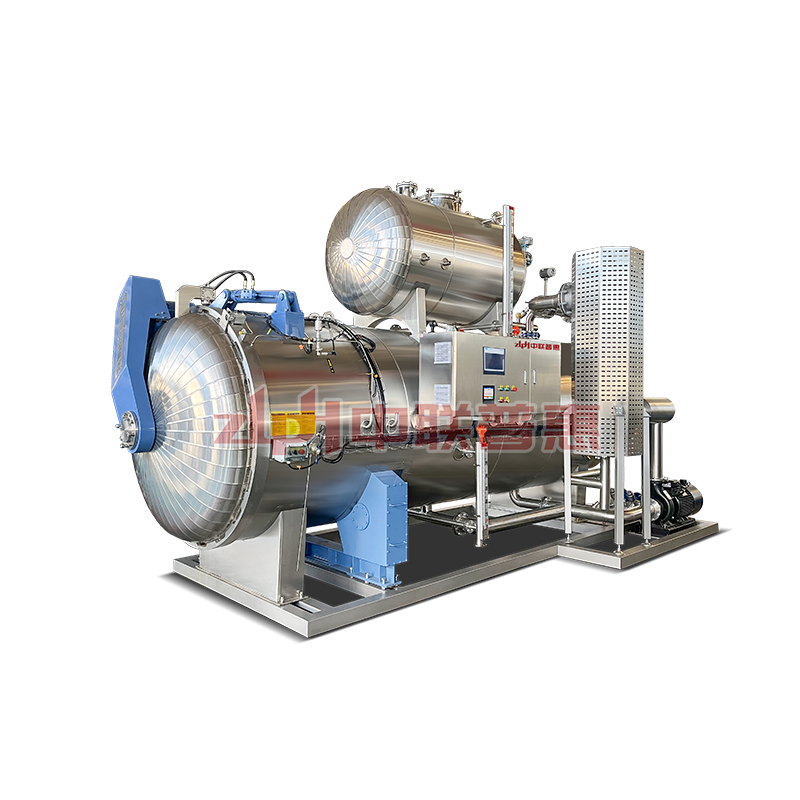
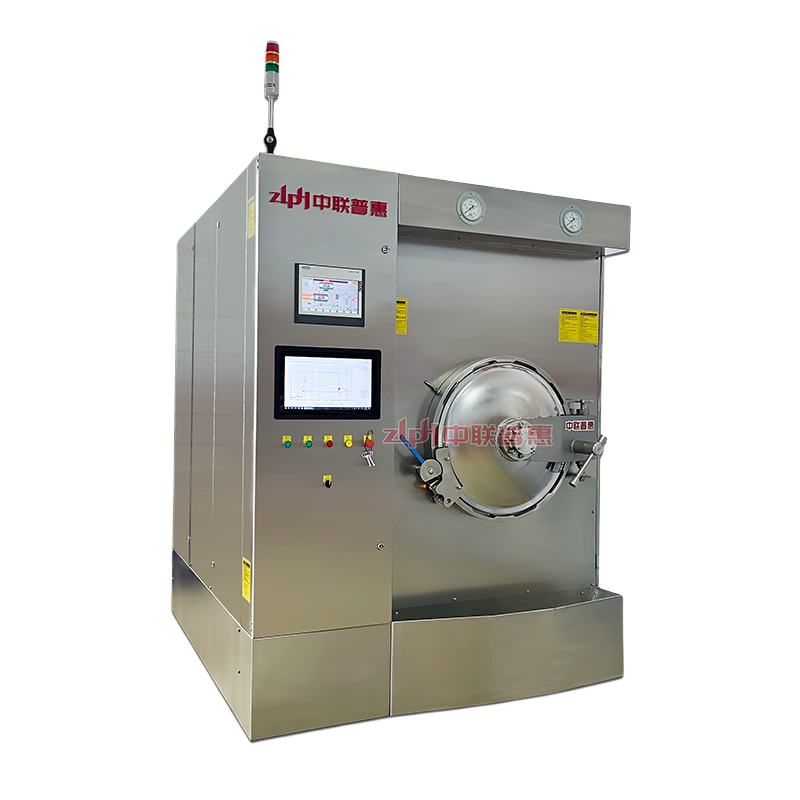
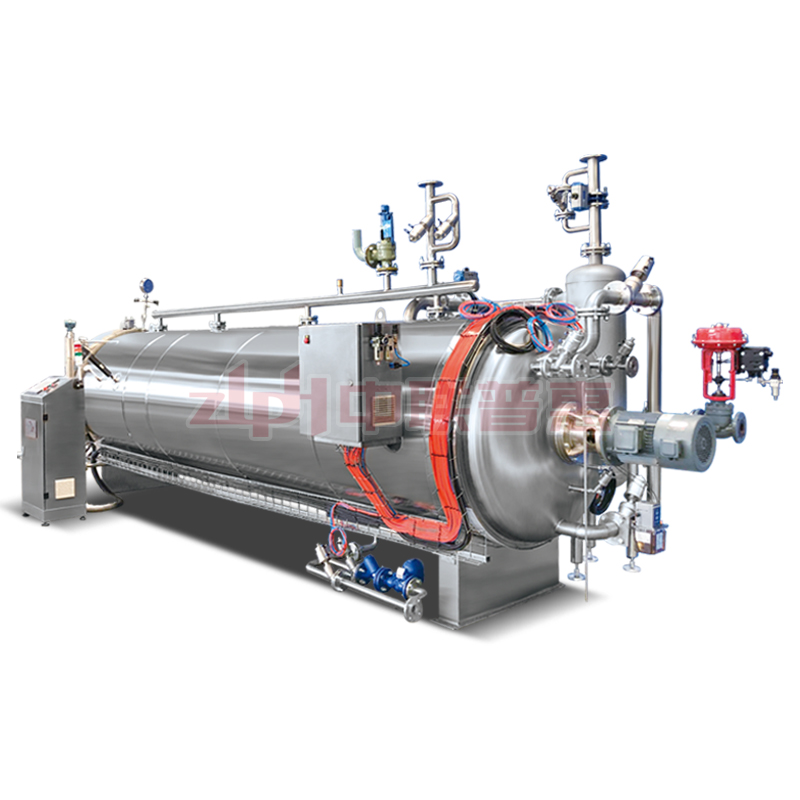
Long-Term Fix: Deploy an intelligent water-spray retort with multi-zone nozzles and a top-opening door for rapid loading/unloading. Such systems, like those from ZLPH, use CFD-optimized spray patterns to eliminate dead zones.
Process Validation: Embed wireless temperature dataloggers (e.g., Ellab or Dickson) directly into representative product units during trials to map actual thermal profiles and calculate real F0 values.

4. Pitfall Avoidance Guide
Never assume lab-scale thermal models apply directly to pilot hardware. Always validate with physical sensors. Avoid using steam-air mixtures in pilot retorts for low-acid foods—water immersion or full-water spray ensures superior heat transfer consistency. Ensure your retort’s control system logs temperature/pressure at ≥1-second intervals for accurate lethality calculation.
5. Real-World Validation
At a major European pet food innovator’s R&D center, switching to ZLPH’s pilot water-spray retort reduced F0 deviation from ±8% to ±1.2% across 50 consecutive trials. Product shelf-life stability improved by 40%, and scale-up success rate to commercial lines reached 95% within six months.
How to Automate Process Control to Eliminate Human Error in Pilot Sterilization?
1. Scenario & Pain Point
R&D technicians manually adjusting valves or timers during sterilization cycles introduce variability—especially during overnight or weekend runs. A missed step can invalidate an entire batch, wasting days of formulation work.
2. Root Cause Analysis
Manual intervention, lack of automated sequence control, and absence of remote monitoring lead to protocol drift and compliance risks under FDA 21 CFR Part 113 or EU regulations.
3. Step-by-Step Solution
Implement a PLC-based control system with pre-programmed, password-protected sterilization recipes. ZLPH’s pilot retorts feature HMI interfaces that enforce SOP adherence, auto-log all cycle parameters, and send SMS/email alerts for deviations.
4. Pitfall Avoidance Guide
Ensure your system supports electronic records with audit trails. Never bypass interlocks—even for “quick tests.” Validate recipe uploads with dual-operator approval for GMP environments.
5. Real-World Validation
A U.S.-based plant-based meal startup reduced pilot batch rejection by 70% after automating their sterilization workflow with ZLPH’s intelligent retort, cutting time-to-market by 3 months.
Industry Best Practices for Pilot Retort Operations
Based on 6+ years of global deployments, we recommend this 5-step framework:
1. Define Worst-Case Conditions: Test with the slowest-heating product variant and coldest ambient conditions.
2. Validate Thermally: Use in-product temperature probes—not just chamber sensors.
3. Automate & Lock Recipes: Prevent unauthorized parameter changes.
4. Document Everything: Maintain digital batch records for regulatory audits.
5. Scale Smartly: Use pilot F0 data to model full-scale cycles via software like ComeUp or STSS.
Always select equipment certified for food contact (CE, EAC, ASME) and designed specifically for pilot-scale thermal validation—not repurposed lab autoclaves.
Frequently Asked Questions (FAQ)
Q: Can I use a medical autoclave for food sterilization trials?
A: No. Medical autoclaves lack food-grade materials, precise F0 control, and water-spray uniformity required for thermal process validation in food applications.
Q: What certifications should a pilot retort have for EU market access?
A: CE marking under Machinery Directive 2006/42/EC, plus compliance with Pressure Equipment Directive (PED) if operating above 0.5 bar gauge. ZLPH units hold CE, EAC, ASME, and DOSH certifications.
Q: How small can a pilot retort batch be for valid thermal data?
A: Minimum 3–5 representative units with embedded temperature loggers. The retort must simulate commercial loading density.
Q: Does ZLPH offer pilot retorts with top-opening doors?
A: Yes. Their intelligent top-opening water-spray retort enables fast loading, superior ergonomics, and consistent spray coverage—ideal for R&D environments.
Q: Can I test both pouches and rigid containers in the same pilot retort?
A: Yes, provided you use compatible retort trays and validate thermal performance separately for each format.
Our Expertise & Support
ZLPH MACHINERY TECHNOLOGY CO., LTD. is a specialized developer of intelligent retort sterilization systems since 2018. Our team includes 21 mechanical and PLC engineers, 4 sterilization process researchers, and 14 global after-sales engineers—all with 10+ years in thermal processing. We hold ASME, CE, EAC, and DOSH certifications, and our equipment is deployed across 30+ countries in food, pet food, and pharmaceutical sectors. From Shanghai’s Petfair Asia to Moscow’s AGROPRODASH, our pilot and production retorts have earned acclaim for reliability and innovation.
We offer:
• Free thermal process consultation
• On-site or virtual pilot system validation support
• Custom tray design for unique packaging formats
• 24-hour technical response for urgent R&D needs
Company: ZLPH MACHINERY TECHNOLOGY CO., LTD.
Website: https://www.zlphretort.com/
Email: sales@zlphretort.com
Phone / WhatsApp: +86 13361554016
