

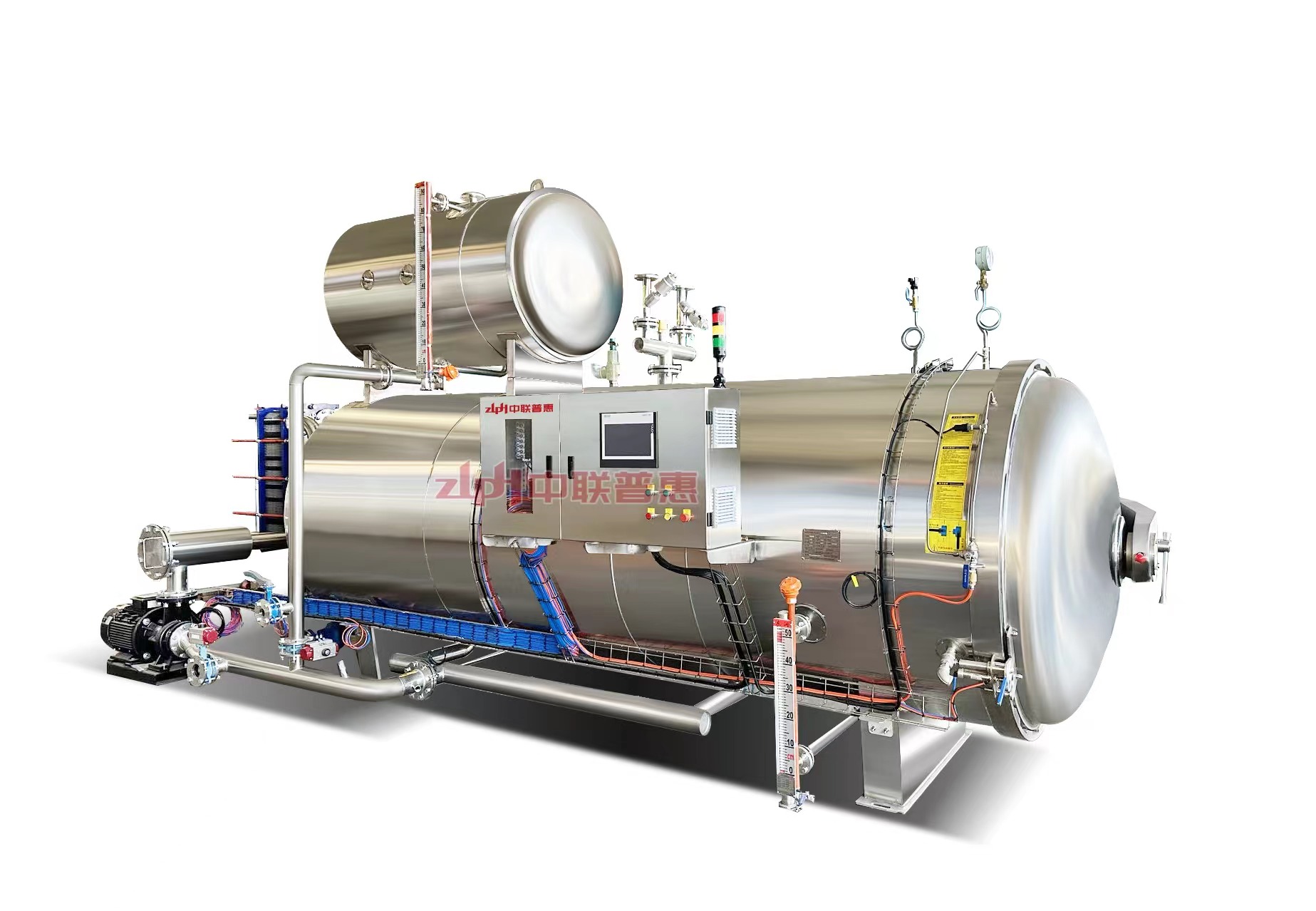
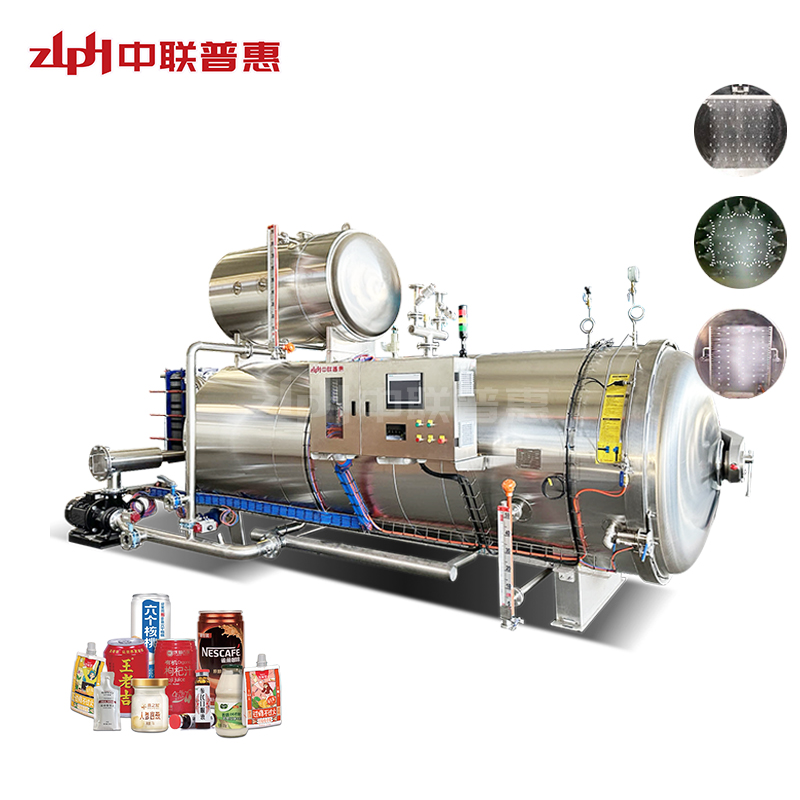
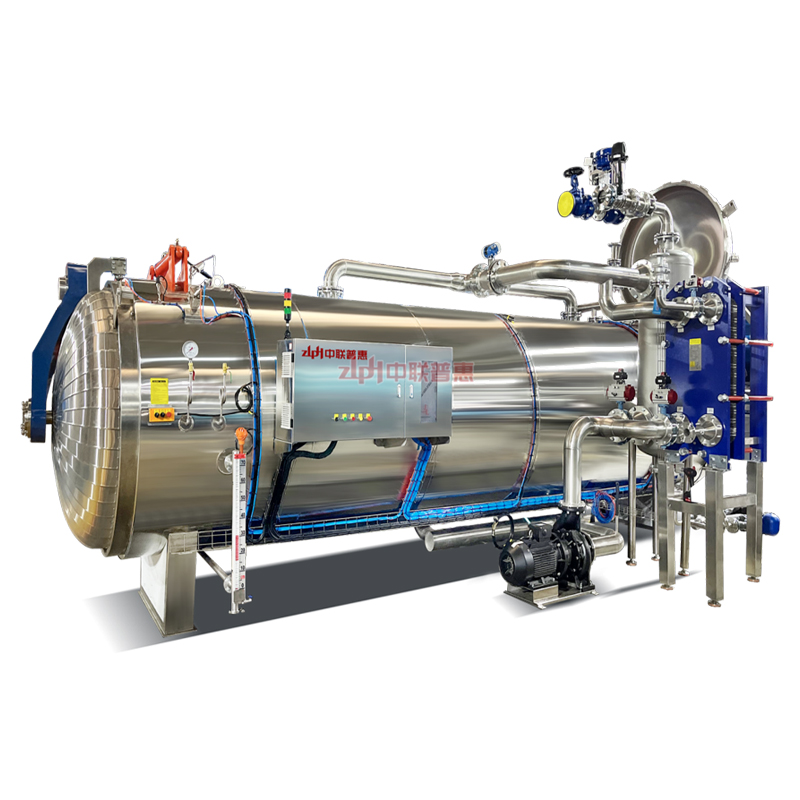
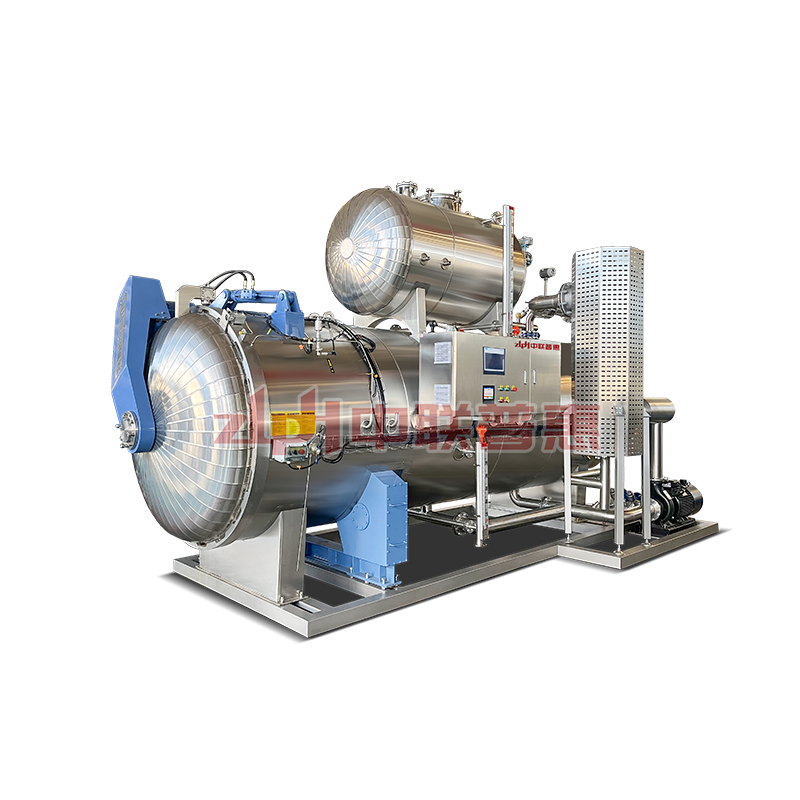
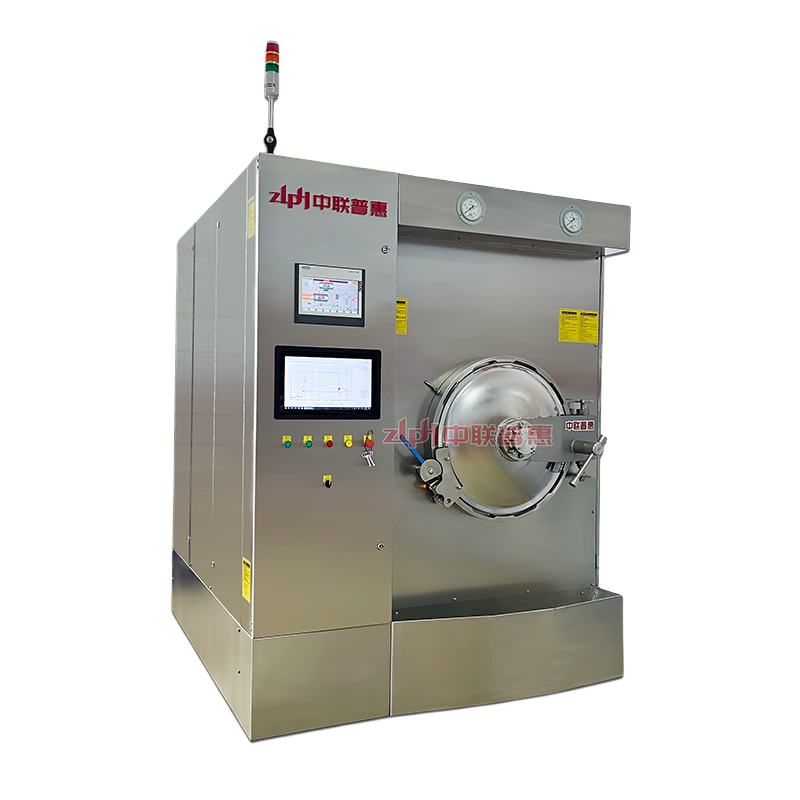
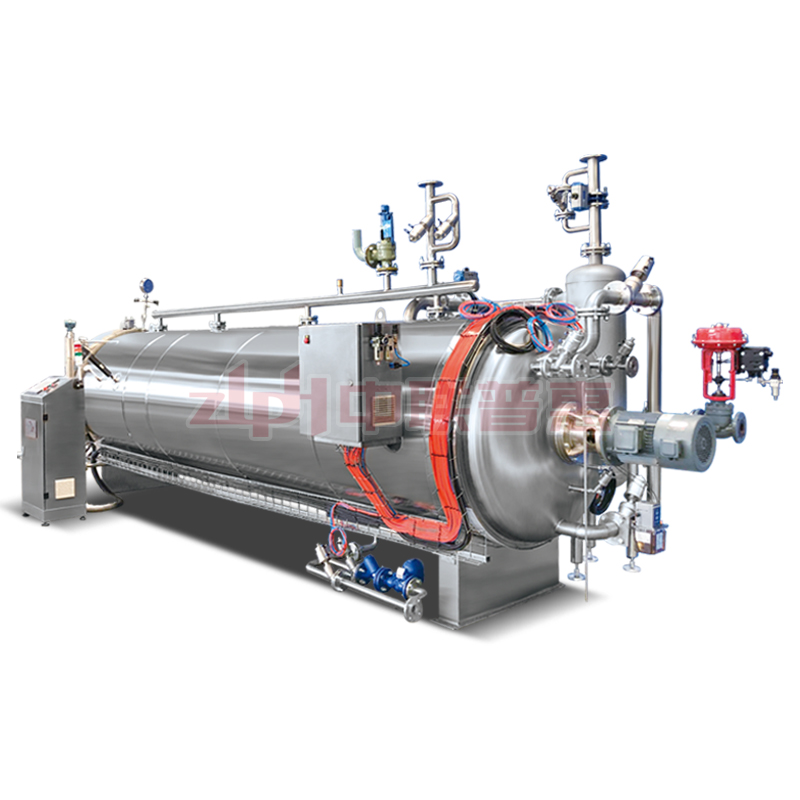
This guide is authored by a senior food processing engineer with over 10 years of experience at ZLPH MACHINERY TECHNOLOGY CO., LTD., a leading provider of intelligent sterilization solutions. It addresses a critical pain point faced by global food producers and pet food manufacturers: inconsistent or incomplete sterilization in steam-air retort autoclaves, which compromises product safety, shelf life, and regulatory compliance. This issue primarily stems from uneven heat distribution, improper air removal during venting, and inadequate real-time monitoring of temperature and pressure profiles. Drawing on more than 500 global installations and rigorous validation across diverse food matrices—from canned vegetables to premium pet meals—ZLPH has developed a proven, step-by-step methodology to ensure uniform lethality, eliminate cold spots, and maintain product integrity throughout the sterilization cycle. In this guide, we break down the root causes by operational scenario, provide actionable fixes, share field-tested best practices, and validate outcomes with real-world performance data—all designed to help you achieve consistent, compliant, and efficient retort operations.

How to Ensure Uniform Heat Distribution in Large-Batch Steam-Air Retort Cycles?
1. Scenario & Pain Point
In high-volume canning facilities processing mixed SKUs (e.g., glass jars, metal cans, flexible pouches), operators often observe inconsistent F0 values across the same batch—some units fail microbial challenge tests while others are overcooked. This leads to product recalls, wasted inventory, and failed audits under FDA or EU food safety frameworks.

2. Root Cause Analysis
Three core factors drive this inconsistency: (1) poor airflow design causing thermal stratification; (2) insufficient steam penetration due to dense loading patterns; and (3) lack of dynamic circulation during the come-up and cooling phases. Traditional retorts without forced convection exacerbate these issues, especially with heterogeneous loads.

3. Step-by-Step Solution
Immediate Adjustment: Reorganize tray loading to maintain ≥5 cm spacing between containers and avoid blocking spray nozzles. Use perforated retort trays compatible with automated loader-unloader systems to enhance steam flow.
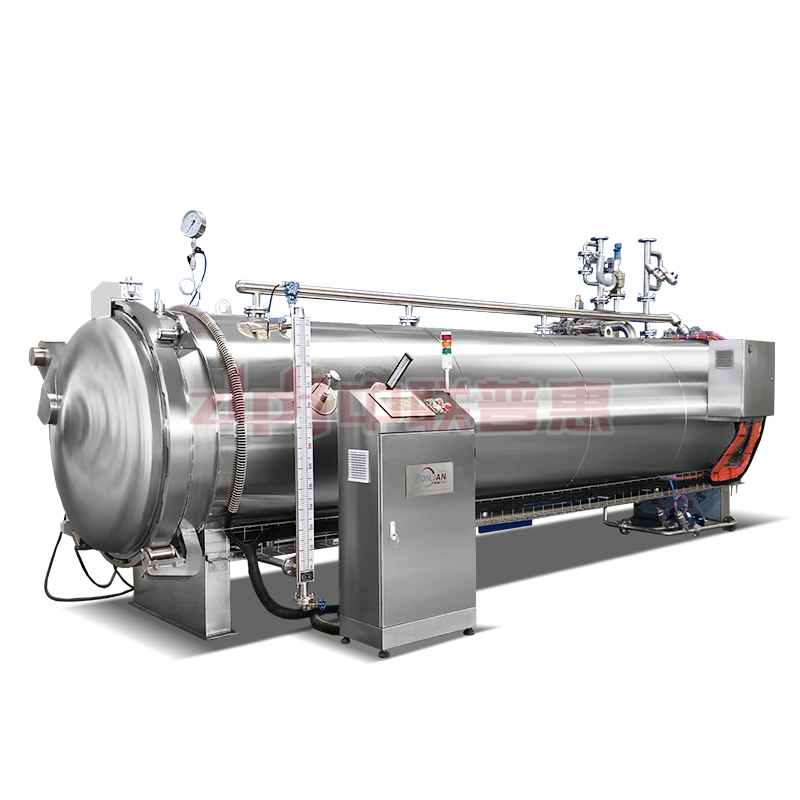
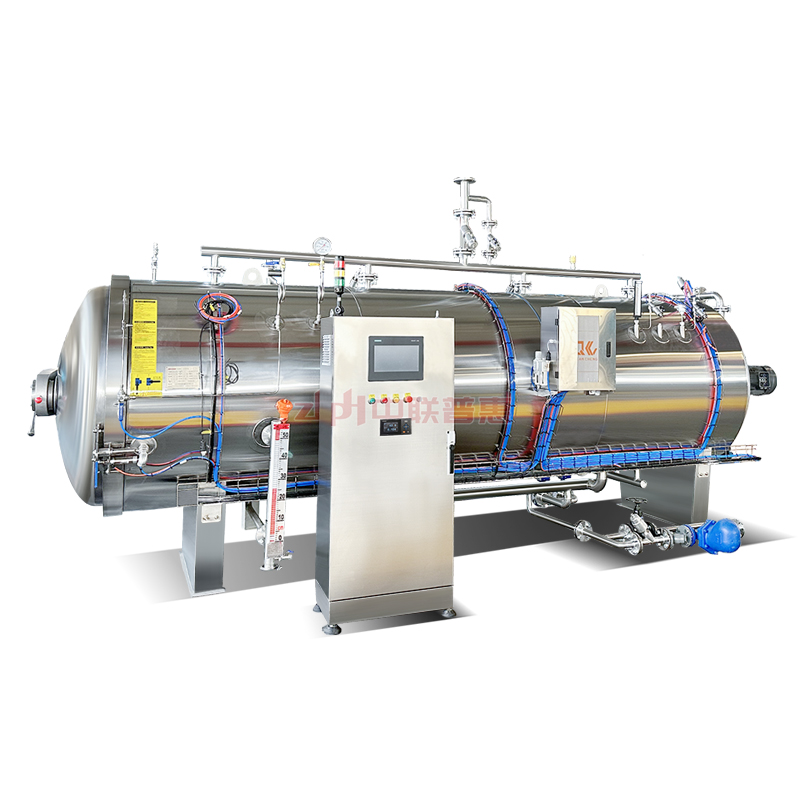
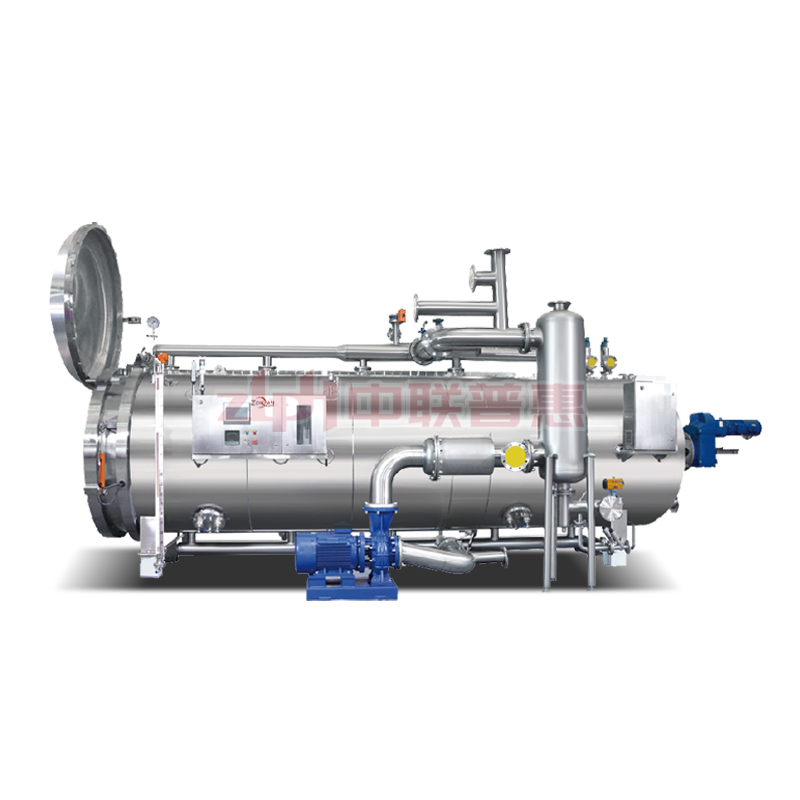
Long-Term Fix: Deploy ZLPH’s intelligent upper-door water-spray retort equipped with multi-zone spray manifolds and variable-frequency circulation pumps. This system ensures 360° uniform water distribution and eliminates cold zones through real-time hydraulic balancing.
Process Optimization: Implement a validated come-up time (CUT) profile with staged venting to remove trapped air—the primary insulator in steam-air mixtures—and maintain a minimum residual air level below 0.5%.

4. Troubleshooting & Pitfall Avoidance
Always map thermal profiles using wireless data loggers before full-scale production. Avoid “one-size-fits-all” recipes; instead, calibrate cycles per container type, fill volume, and product viscosity. Never skip pre-cycle vacuum or venting steps—residual air reduces heat transfer efficiency by up to 40%.
5. Validation & Results
At a major pet food plant in Southeast Asia, switching to ZLPH’s water-spray retort reduced F0 deviation from ±8.2 to ±0.9 across 1,200-liter batches. Microbial failure rates dropped to zero over 18 months, and energy consumption fell by 15% due to optimized cycle times.
How to Prevent Product Damage During Rapid Cooling in Glass Jar Sterilization?
1. Scenario & Pain Point
Glass jar producers frequently report cracking or seal failure during post-sterilization cooling, especially when using cold water quenching. This not only increases breakage costs but also risks contamination if seals compromise.
2. Root Cause Analysis
Thermal shock from abrupt temperature drops (>5°C/min) creates stress fractures in glass. Additionally, uncontrolled pressure differentials between the retort chamber and internal headspace cause lid deformation or seal leakage.
3. Step-by-Step Solution
Use ZLPH’s counter-pressure cooling system that synchronizes internal pressure with product headspace via PID-controlled air injection. Cool gradually at ≤3°C/min while maintaining +0.5 bar overpressure until internal product temp drops below 60°C.
4. Troubleshooting & Pitfall Avoidance
Never introduce cooling water before pressure equalization. Always verify jar annealing quality—low-grade glass tolerates less thermal stress. Monitor seal integrity with post-process vacuum checks.
5. Validation & Results
A European baby food manufacturer reduced glass breakage from 4.7% to 0.2% after integrating ZLPH’s controlled cooling protocol, saving $220K annually in waste and rework.
Industry Best Practices for Reliable Retort Operations
Based on 6+ years of global deployments, ZLPH recommends this 5-step framework to prevent 90% of sterilization failures:
1. Define Worst-Case Conditions
Validate cycles using the slowest-heating unit (cold spot) under maximum load density and lowest steam pressure.
2. Automate Loading & Unloading
Manual handling introduces variability. ZLPH’s retort tray loader-unloader system ensures repeatable positioning, critical for thermal uniformity.
3. Implement Real-Time Monitoring
Use retorts with integrated SCADA that logs T/P profiles per batch and auto-generates compliance reports for HACCP or BRCGS audits.
4. Conduct Quarterly Thermal Mapping
Re-validate every 6 months or after any process change.
5. Partner with a Full-Service Supplier
Choose vendors offering on-site FAT/SAT, remote diagnostics, and spare parts within 72 hours—key for minimizing downtime.
Frequently Asked Questions (FAQ)
Q: Can I use the same retort cycle for metal cans and plastic pouches?
A: No. Pouches require gentler pressure control to prevent bursting. ZLPH offers dual-mode retorts that auto-switch profiles based on load type detected via barcode scan.
Q: What certifications should a Chinese retort supplier have for EU export?
A: Look for CE marking under PED 2014/68/EU, ISO 9001, and compliance with EN 285 for steam sterilization. ZLPH holds all three.
Q: How often should I calibrate retort temperature sensors?
A: Every 3 months per FDA 21 CFR Part 113. ZLPH systems include NIST-traceable calibration ports for quick verification.
Q: Is manual venting sufficient for air removal?
A: No. Automated multi-stage venting with timed steam purges is essential. ZLPH retorts feature programmable vent sequences that reduce residual air to <0.3%.
About Our Expertise & Support
ZLPH MACHINERY TECHNOLOGY CO., LTD. is a specialized steam-air retort manufacturer founded in 2018, with 21 mechanical and PLC engineers, 4 sterilization process experts, and 14 global after-sales technicians—all with 10+ years in food thermal processing. Our 15,000 m² factory in China houses precision CNC machining centers and full-scale test bays for FAT validation. We’ve delivered 500+ retort systems to 30+ countries, including turnkey lines for pet food, ready meals, and infant formula. Our intelligent upper-door water-spray retort was showcased at AGROPRODASH 2023 in Moscow and Petfair Asia 2023 in Shanghai, earning acclaim for reliability and automation.
We offer:
- On-site thermal process validation
- Custom retort design for unique container geometries
- Free sample testing with your actual product
- 24/7 remote troubleshooting via IoT-enabled control panels
Contact Us
Company: ZLPH MACHINERY TECHNOLOGY CO., LTD.
Website: https://www.zlphretort.com/
Email: sales@zlphretort.com
Phone / WhatsApp: +86 15666798389 / +86 13361554016
