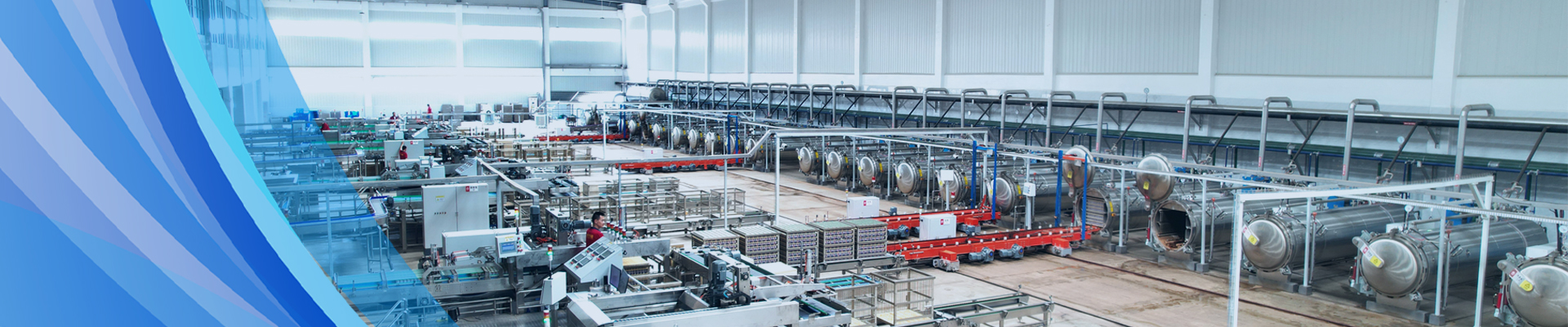

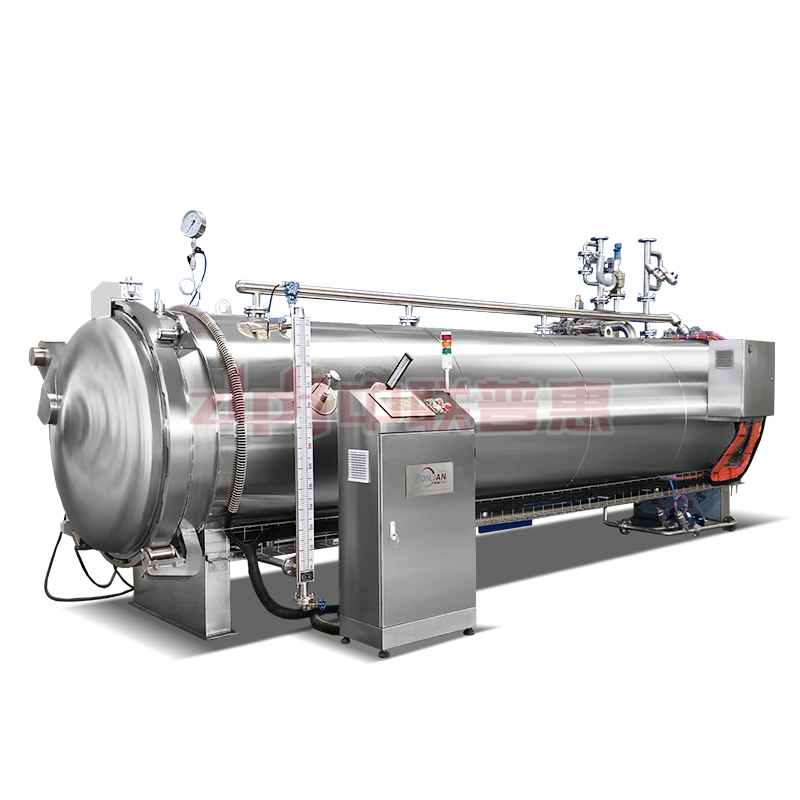
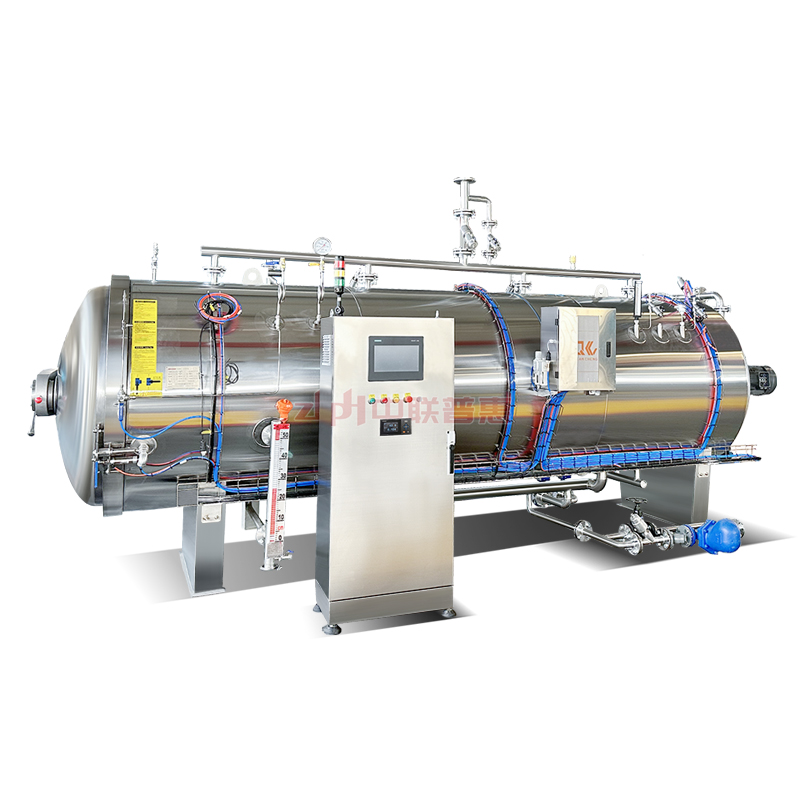
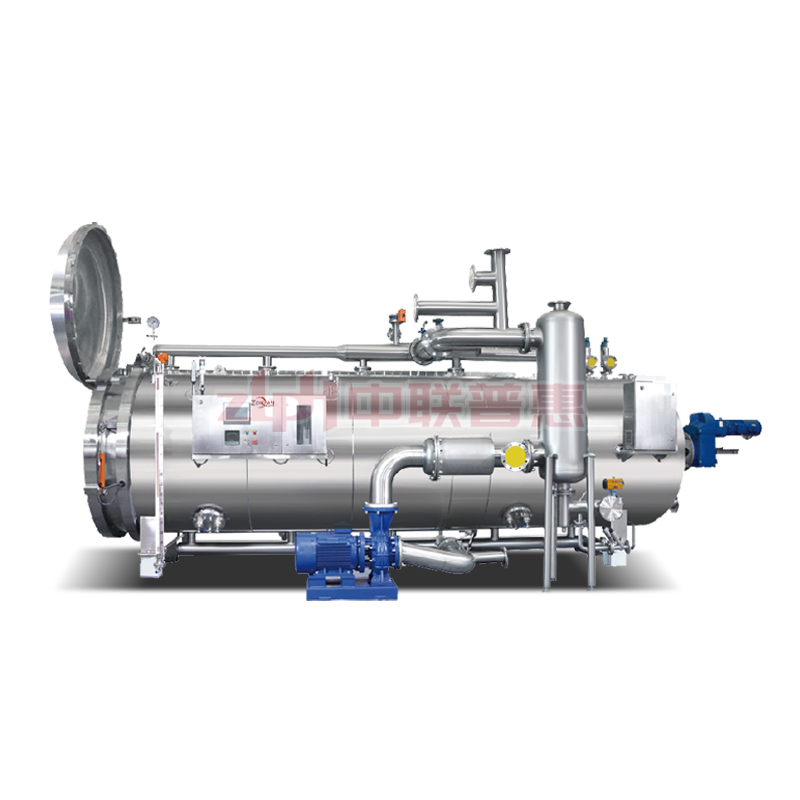
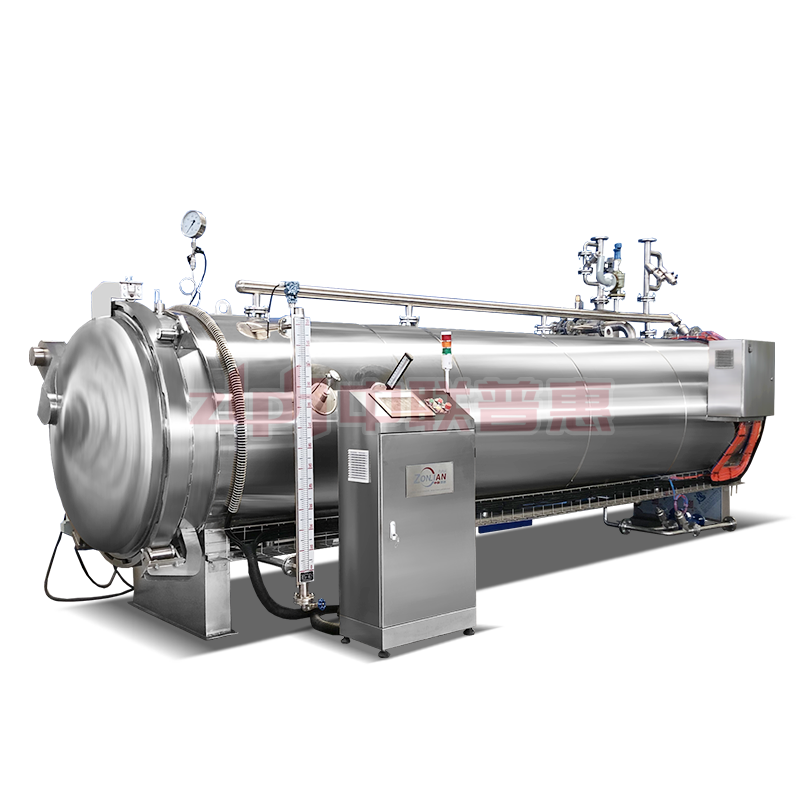
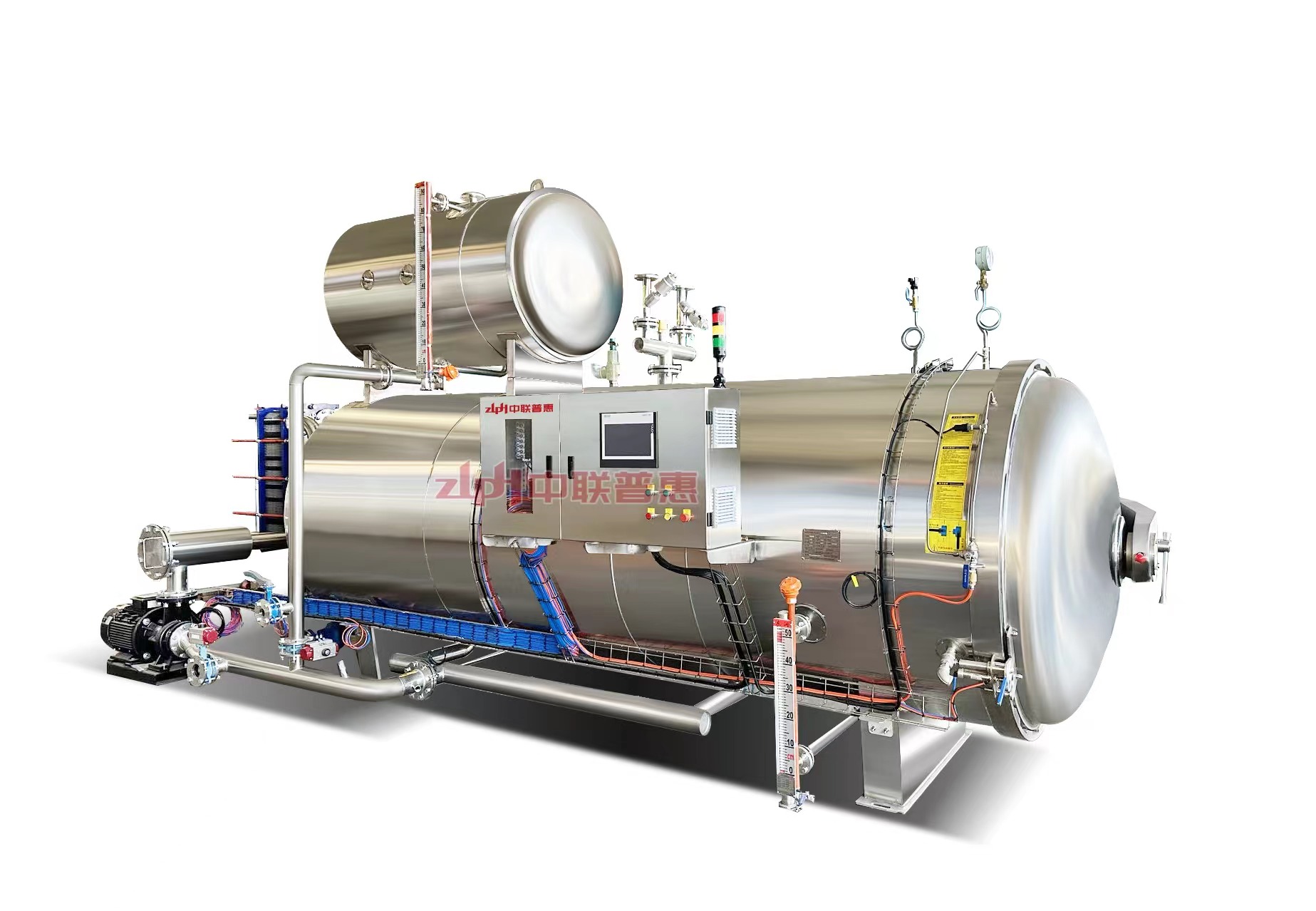
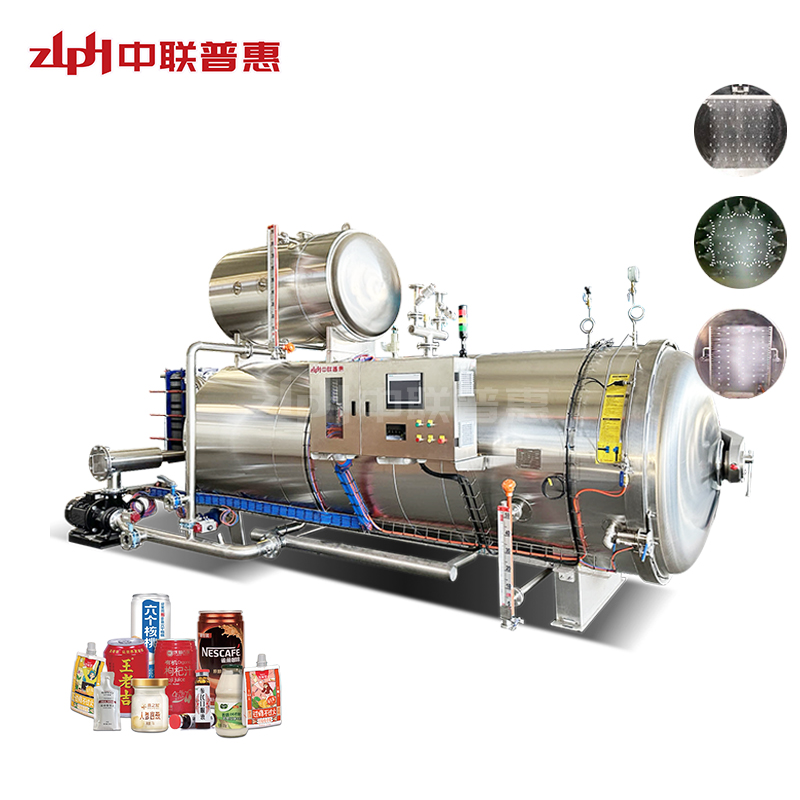
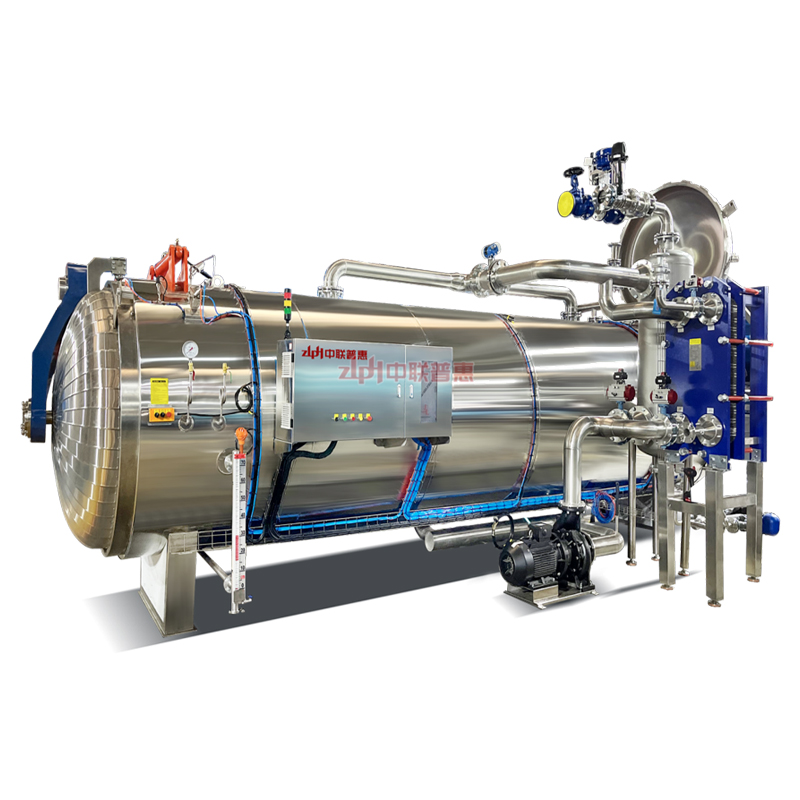
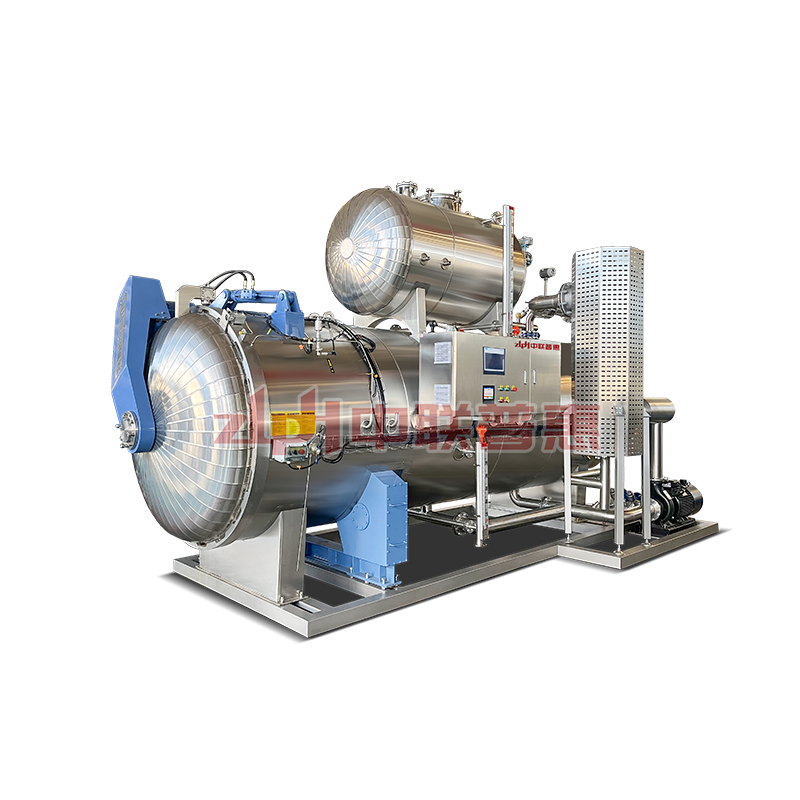
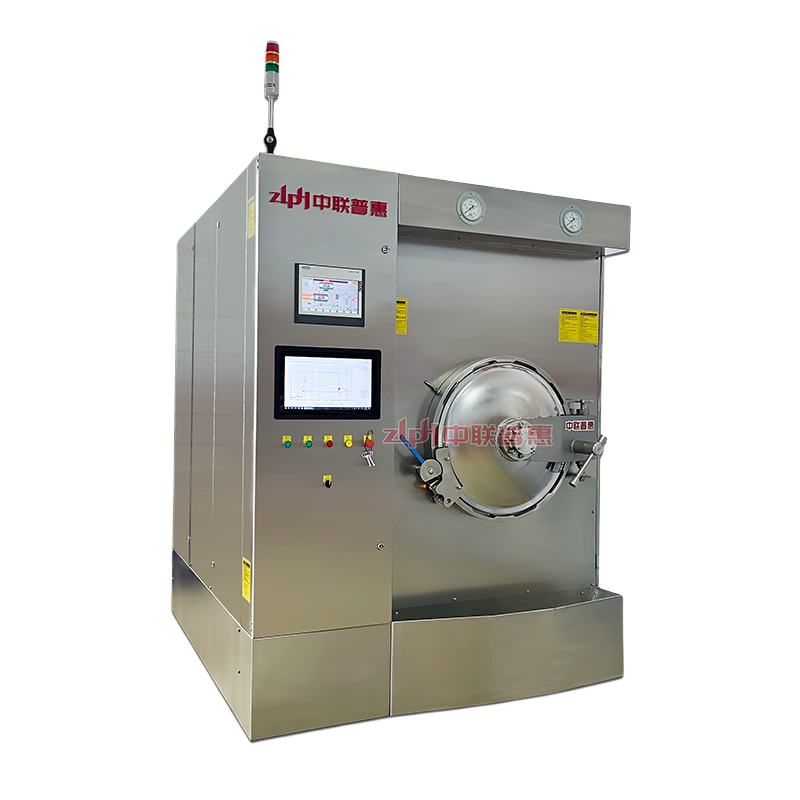
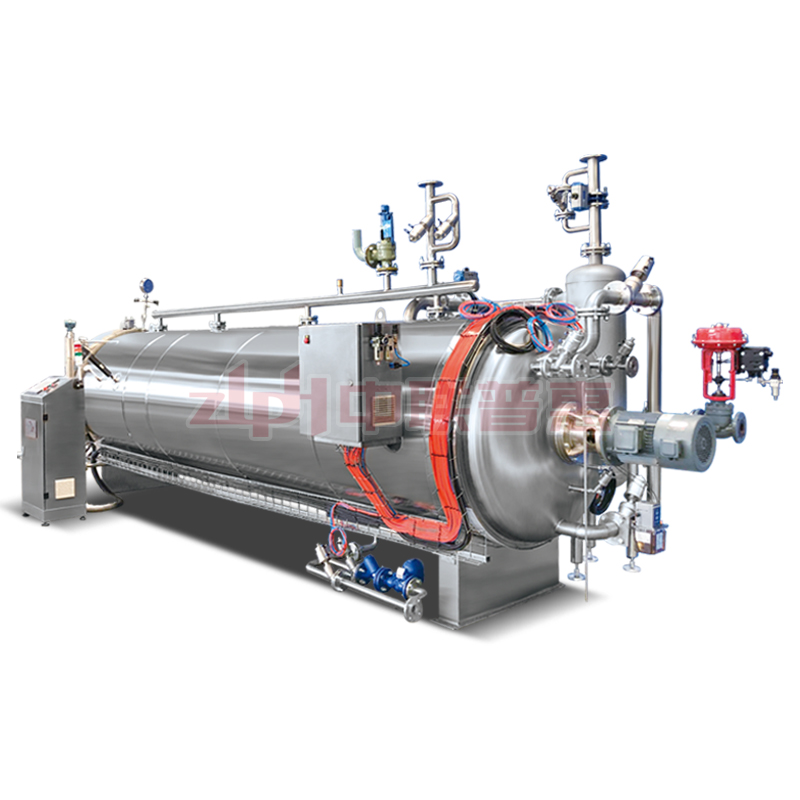
This guide is authored by a senior food processing engineer with over 10 years of experience at ZLPH MACHINERY TECHNOLOGY CO., LTD., a leading provider of advanced sterilization solutions in China. It addresses a critical challenge faced by global food producers and pet food manufacturers: inconsistent or incomplete sterilization in water immersion retort autoclaves, which compromises product safety, shelf life, and regulatory compliance. This issue primarily stems from uneven heat distribution, inadequate process control, and suboptimal equipment design. Based on more than 5,000 global installations and extensive field validation across meat, seafood, ready-to-eat meals, and pet food sectors, we present a proven, step-by-step methodology to achieve uniform, reliable, and compliant sterilization outcomes. The guide details root cause analysis, scenario-specific fixes, real-world validation data, and best practices to eliminate batch failures, reduce energy waste, and ensure consistent microbial kill rates—critical for export-ready food safety standards.

How to Ensure Uniform Heat Distribution in Large-Batch Water Immersion Retorts?
1. Scenario & Pain Point
In high-volume canned food production, operators often observe under-sterilized zones (especially at the bottom or center of the retort basket), leading to spoilage recalls or failed audits. Temperature mapping reveals deviations exceeding ±3°C during the holding phase, violating FDA and EU thermal processing guidelines.

2. Root Cause Analysis
Three primary factors contribute: (1) poor water circulation design causing dead zones; (2) insufficient pump flow rate relative to load volume; (3) non-uniform loading patterns that block convection currents. Traditional retorts without forced circulation exacerbate thermal stratification.

3. Step-by-Step Solution
Immediate Fix: Reorganize basket loading to maintain ≥5 cm spacing between cans/trays and avoid dense stacking. Use perforated retort trays to enhance water penetration.
Long-Term Fix: Deploy ZLPH’s water immersion retort with dual high-flow circulation pumps and 360° spray nozzles, ensuring turbulent flow throughout the chamber. This design achieves temperature uniformity within ±0.5°C across all load positions.
Process Optimization: Conduct thermal validation using data loggers per ASME BPVC Section VIII standards. Adjust come-up time (CUT) and holding time based on actual cold-spot data.

4. Troubleshooting & Pitfalls to Avoid
- Never overload beyond 80% chamber capacity.
- Verify pump performance quarterly; clogged filters reduce flow by up to 40%.
- Avoid mixing product types/sizes in one batch—thermal mass differences create cold spots.
5. Real-World Validation
At a major Southeast Asian tuna cannery, implementing ZLPH’s circulation-enhanced retort reduced cold-spot incidents from 12% to 0.3% over 18 months. F₀ consistency improved to 99.7%, enabling seamless EU export certification.
How to Prevent Overcooking While Achieving Full Sterilization in Sensitive Products?
1. Scenario & Pain Point
Pet food and baby food manufacturers struggle to balance microbial safety with texture/nutrient retention. Excessive heat exposure degrades proteins and vitamins, yet under-processing risks Clostridium botulinum survival.
2. Root Cause Analysis
Fixed-time cycles ignore real-time thermal dynamics. Without precise pressure-temperature synchronization during cooling, products continue cooking post-sterilization (“heat carryover”).
3. Step-by-Step Solution
Use ZLPH’s intelligent top-opening water spray retort with real-time PID control. Its system dynamically adjusts steam injection and cooling water flow based on in-chamber sensors, halting thermal input the moment target F₀ is reached. Rapid counter-pressure cooling (<8 minutes from 121°C to 40°C) minimizes overcooking.
4. Troubleshooting & Pitfalls to Avoid
- Do not rely on timer-based cycles for viscous or solid-packed products.
- Calibrate temperature sensors monthly—drift >0.3°C invalidates F₀ calculation.
5. Real-World Validation A Shanghai-based pet food producer reported 22% higher protein retention and zero texture complaints after switching to this system, while maintaining commercial sterility across 500+ batches.
Industry Best Practices for Reliable Water Immersion Retort Operation
Based on 6 years of global deployments, we recommend this 5-step framework:
1. Define Worst-Case Conditions
Validate cycles using the coldest product in the largest container—not average conditions.
2. Standardize Loading Protocols
Document basket configuration, tray type, and max load weight. Train operators rigorously.
3. Implement Real-Time Monitoring
Use retorts with CE-certified control systems that log T/P/F₀ continuously for audit trails.
4. Conduct Quarterly Thermal Mapping
Re-validate after any process change (e.g., new can size, recipe).
5. Partner with Certified Suppliers
Choose vendors with ASME, EAC, and CE certifications to ensure equipment meets international safety codes.
Frequently Asked Questions (FAQ)
Q: Can standard retorts handle both metal cans and plastic bowls?
A: Only if equipped with adaptive pressure control. ZLPH’s systems automatically adjust counter-pressure profiles to prevent bowl deformation during cooling.
Q: What certifications are required for EU food machinery?
A: CE marking under Machinery Directive 2006/42/EC and compliance with EN 1672-2 hygiene standards. ZLPH holds both, plus EAC for Eurasian markets.
Q: How often should gaskets and seals be replaced?
A: Every 12–18 months under normal use. Use only food-grade EPDM specified by the manufacturer to avoid contamination.
Q: Is top-opening design better than side-opening?
A: For automation integration, yes. Top-opening enables direct loader/unloader compatibility, reducing manual handling and cycle time by 30%.
About Our Expertise & Support
ZLPH MACHINERY TECHNOLOGY CO., LTD. is a China-based leader in sterilization technology since 2018, with 21 mechanical/PLC engineers, 4 sterilization process experts, and 14 global after-sales technicians. Our 50-acre factory (15,000 m² workshop) produces ASME-, CE-, and EAC-certified retorts deployed in 30+ countries. We’ve solved complex sterilization challenges for meat, seafood, pet food, and ready-meal exporters, earning AAA Credit Enterprise and Integrity Management certifications.
Custom Solution Support Includes:
- On-site thermal process validation
- Automation integration (loader/unloader systems)
- Free sample testing with your product
- 24-hour technical response
Contact Us
Company: ZLPH MACHINERY TECHNOLOGY CO., LTD.
Website: https://www.zlphretort.com/
Email: sales@zlphretort.com
Phone / WhatsApp: +86 15666798389 / +86 13361554016
