
This guide is authored by a senior food processing automation engineer with over 10 years of industry experience from ZLPH MACHINERY TECHNOLOGY CO., LTD., a leading provider of intelligent sterilization systems. It addresses a critical challenge faced by global food manufacturers and pet food producers: inconsistent or inefficient sterilization that compromises product safety, shelf life, and production throughput.

Inconsistent thermal processing in batch sterilization has long plagued the canned food, ready-to-eat meal, and pet food industries. The core issues stem from uneven heat distribution, manual loading inefficiencies, and lack of real-time process control—leading to under-sterilized batches, product recalls, or excessive energy use. After validating solutions across 500+ global installations and multiple international exhibitions—including AGROPRODASH Moscow and Petfair Asia Shanghai—we’ve refined a proven, step-by-step approach to ensure uniform, compliant, and efficient sterilization using advanced steam retort autoclaves. This guide breaks down real-world scenarios, root causes, actionable fixes, and verified performance outcomes to help you achieve food safety compliance while maximizing operational efficiency.

How to Ensure Uniform Sterilization for Tray-Packaged Ready Meals in High-Volume Production?
1. Scenario & Pain Point
Food processors packaging ready meals in plastic trays often face inconsistent F0 values (sterilization lethality) across batches. Some trays near the chamber walls are overcooked, while center trays remain under-sterilized, risking microbial survival. Manual tray loading further slows cycle times and introduces human error.

2. Root Cause Analysis
Three key factors contribute: (1) poor water spray distribution in conventional retorts, causing hot/cold spots; (2) lack of automated tray handling, leading to irregular stacking and airflow blockage; (3) absence of real-time temperature/pressure monitoring per tray zone.

3. Step-by-Step Solution
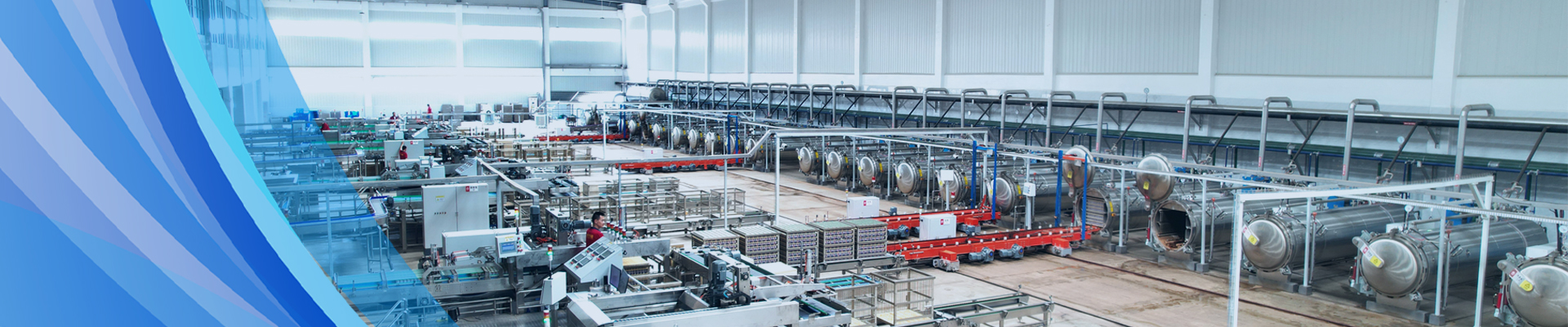
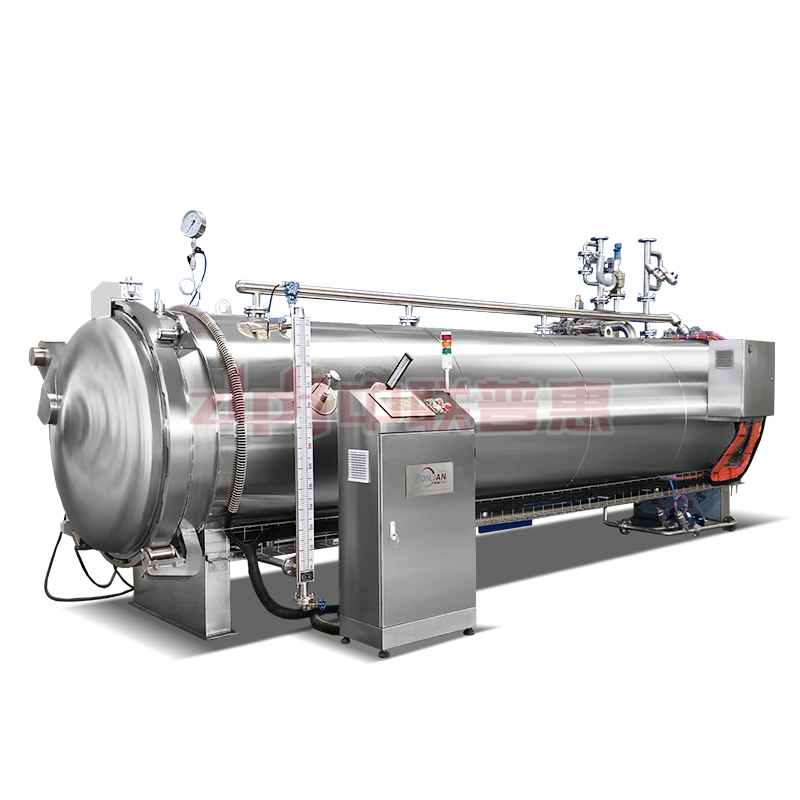
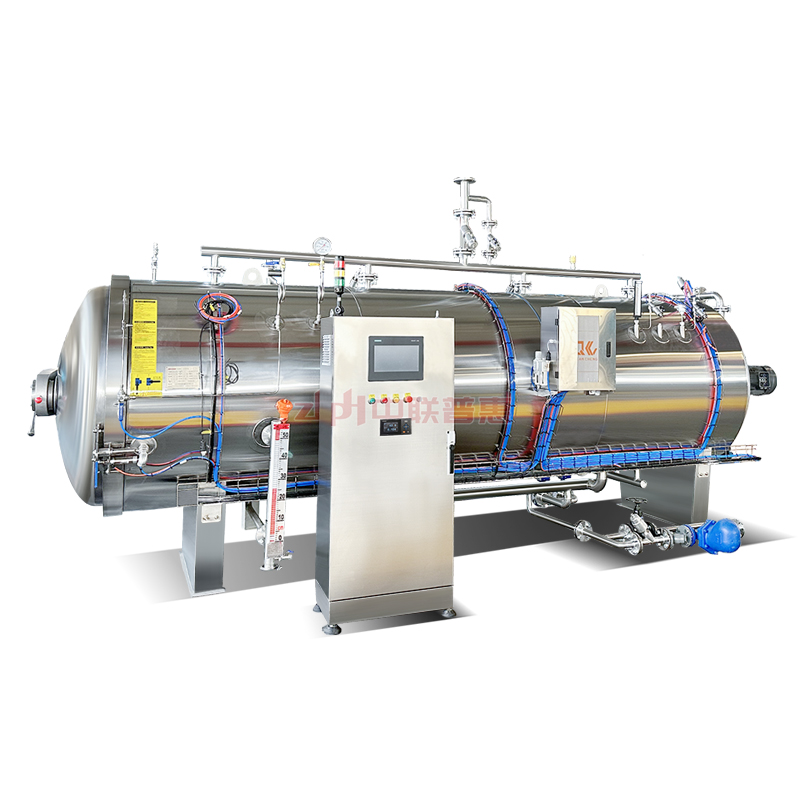
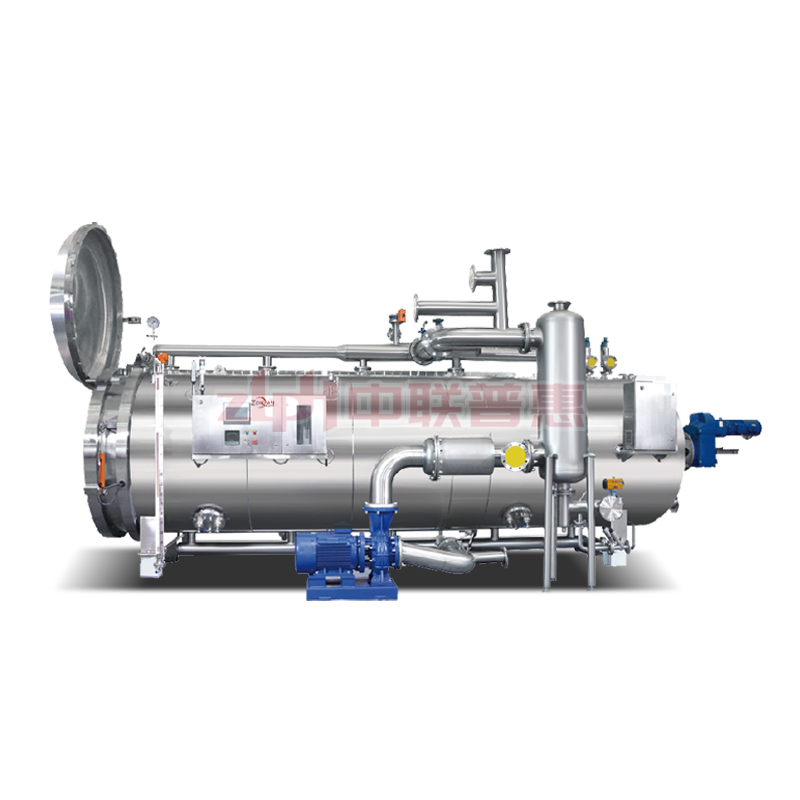
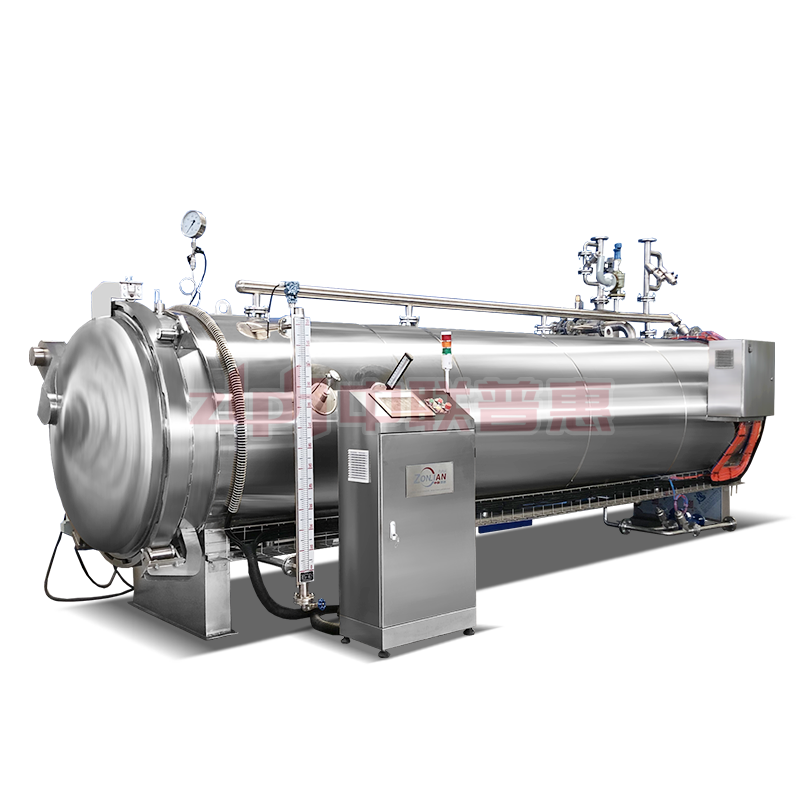
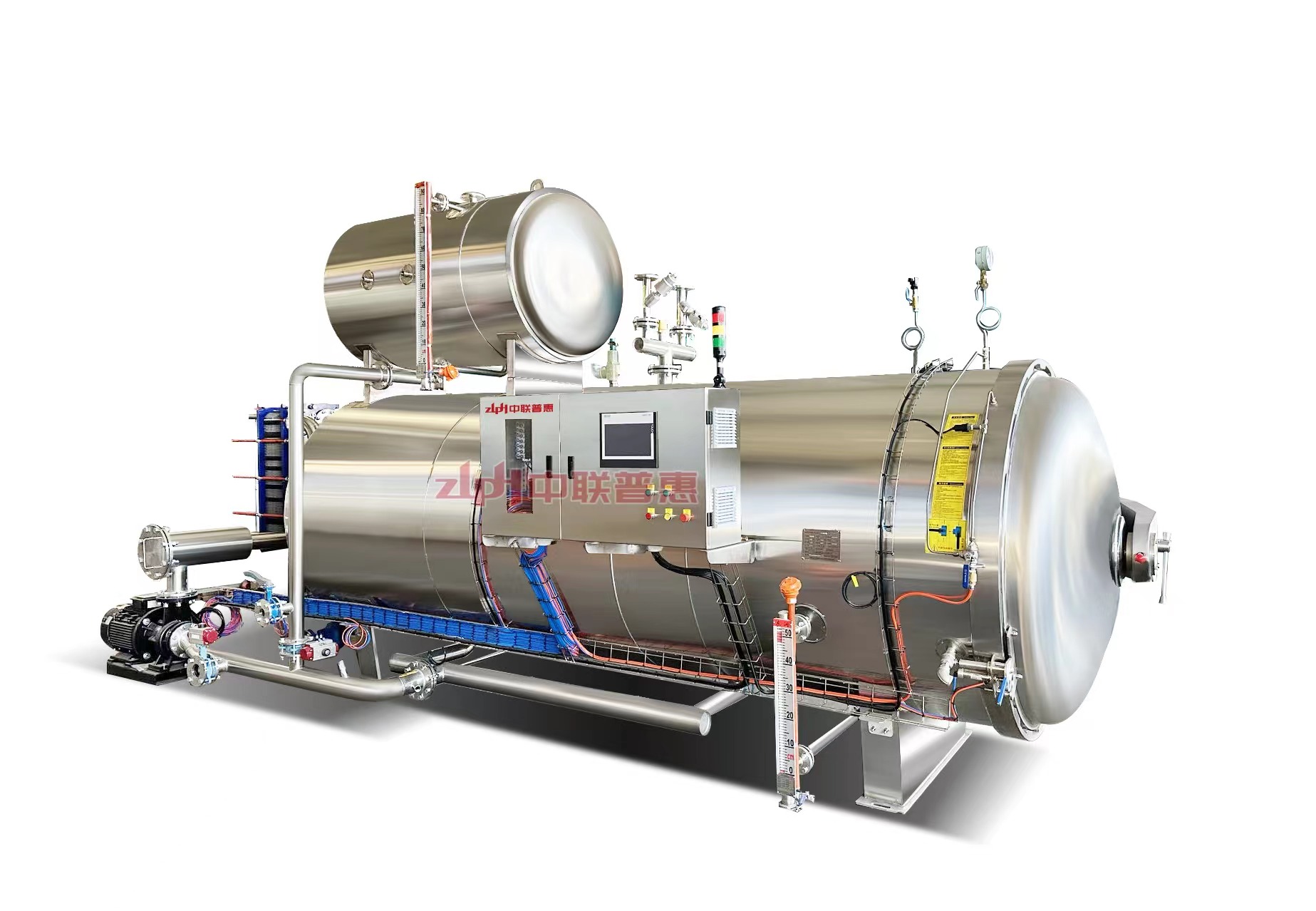
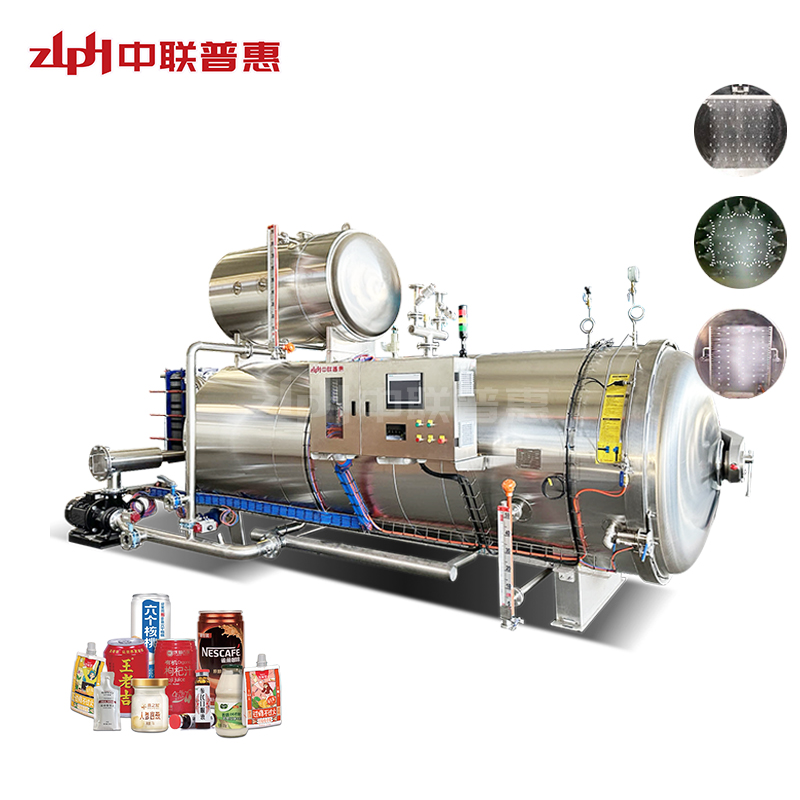
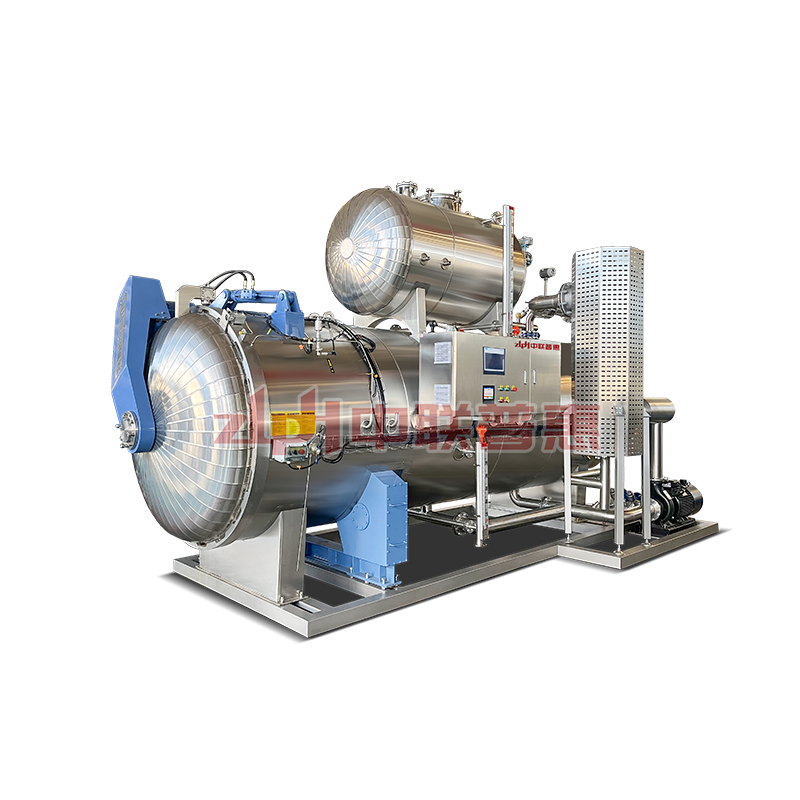
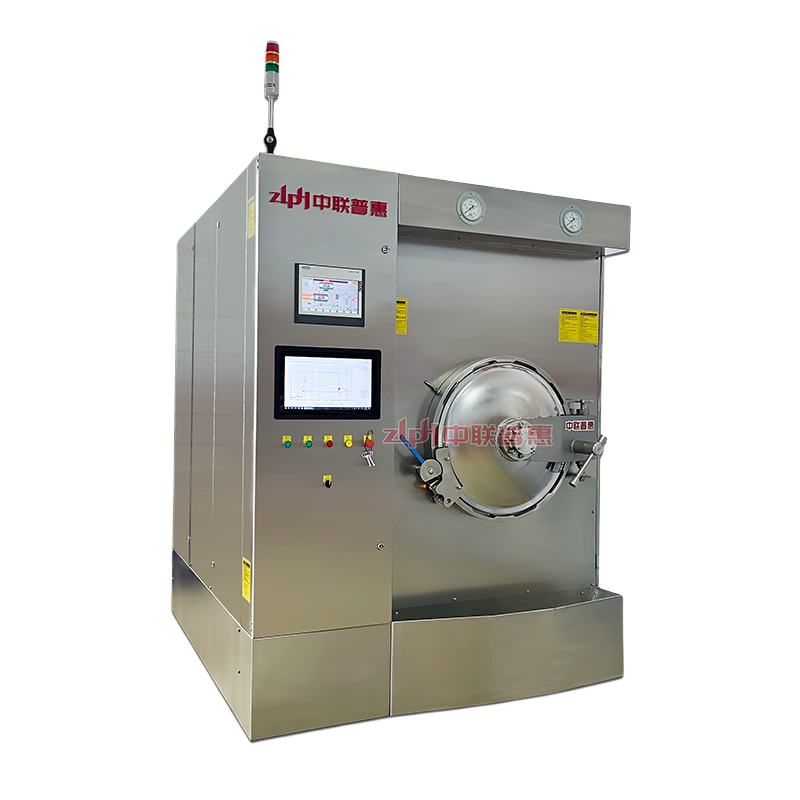
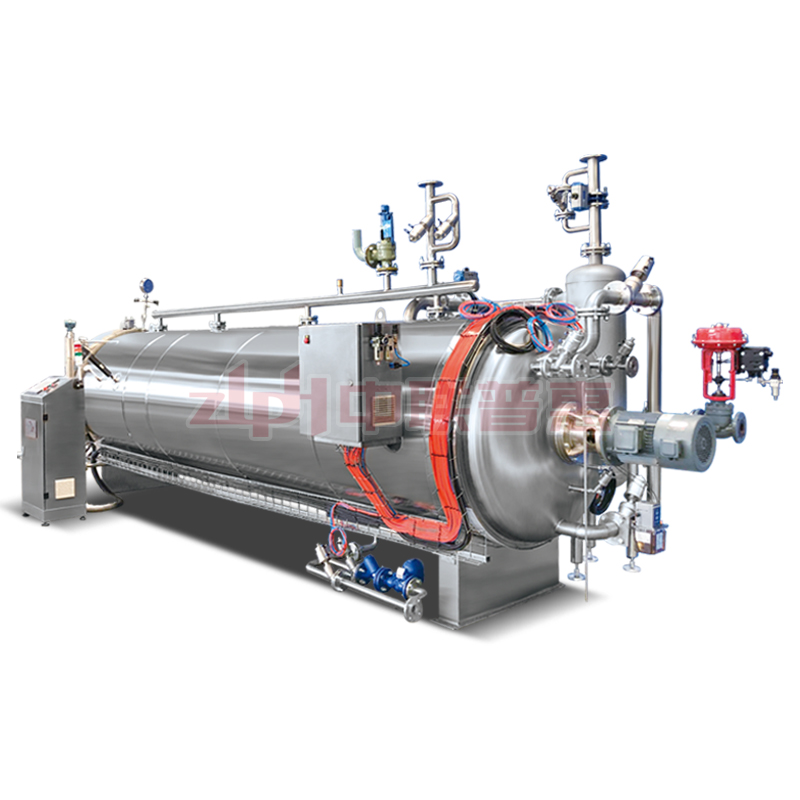
Deploy an intelligent upper-door water spray sterilization retort integrated with an automated tray loader/unloader system. The upper-door design enables faster access, while multi-nozzle spray arrays ensure even water distribution. Pair this with PLC-controlled loading robots that stack trays with millimeter precision, eliminating gaps that disrupt thermal flow. Real-time sensors monitor 12+ chamber zones, auto-adjusting steam and water flow to maintain ±0.5°C uniformity.
4. Pitfall Avoidance Guide
Never retrofit old retorts with basic spray bars—this rarely achieves uniformity. Always validate thermal mapping during commissioning using data loggers in worst-case tray positions. Avoid manual stacking; even slight misalignment reduces heat transfer efficiency by up to 18%.
5. Verified Results
At a Qingdao-based ready-meal facility, this integrated system reduced batch cycle time by 22%, eliminated under-sterilized rejects, and achieved consistent F0 ≥ 6.0 across all trays—validated by third-party lab tests.
How to Automate Sterilization for Pet Food Bowl Products Without Compromising Hygiene?
1. Scenario & Pain Point
Pet food manufacturers using pre-formed bowls struggle with labor-intensive sterilization lines. Operators manually load/unload heavy trays into retorts, causing ergonomic injuries and cross-contamination risks. Batch inconsistencies also lead to texture degradation in sensitive formulations like pâté.
2. Root Cause Analysis
Manual handling introduces variability in tray placement and delays between loading and sterilization start. Traditional retorts lack gentle yet effective thermal profiles for delicate products.
3. Step-by-Step Solution
Implement ZLPH’s fully automatic bowl-product sterilization line showcased at Petfair Asia 2023. The system features conveyor-fed loading, robotic tray transfer into the retort, and a programmable water-spray cycle optimized for moisture retention. The entire process is enclosed, minimizing human contact and meeting GMP standards.
4. Pitfall Avoidance Guide
Do not use steam-only retorts for high-moisture pet foods—they cause surface drying. Always include a pre-vacuum step to remove air pockets in viscous products. Validate seal integrity post-sterilization to prevent recontamination.
5. Verified Results
A Shanghai pet food client reported 40% higher throughput, zero product recalls in 18 months, and 30% lower labor costs after deployment.
Industry Best Practices for Steam Retort Selection & Operation
Based on 6+ years of global project execution, we recommend this 5-step framework:
1. Define Worst-Case Conditions
Design for peak summer ambient temps, highest product viscosity, and maximum batch size—not average conditions.
2. Prioritize Automation Integration
Choose retorts with native compatibility for robotic loaders; retrofitting adds cost and failure points.
3. Demand Real-Time Process Validation
Ensure the system logs time-temperature-pressure data per batch for audit compliance (FDA 21 CFR Part 11).
4. Certifications Are Non-Negotiable
Verify ASME, CE, and EAC certifications—critical for EU, Russian, and North American market access.
5. Plan Preventive Maintenance
Schedule quarterly nozzle inspections and gasket replacements; clogged sprays cause 70% of uniformity failures.
Frequently Asked Questions (FAQ)
Q: Can a standard steam retort handle both metal cans and plastic trays?
A: Only if equipped with interchangeable racks and programmable spray patterns. ZLPH’s modular retorts support both without hardware changes.
Q: What certifications are required for exporting retorts to Europe?
A: CE certification under PED 2014/68/EU is mandatory. Our units also carry ASME and EAC for global compliance.
Q: How to reduce energy use in continuous sterilization?
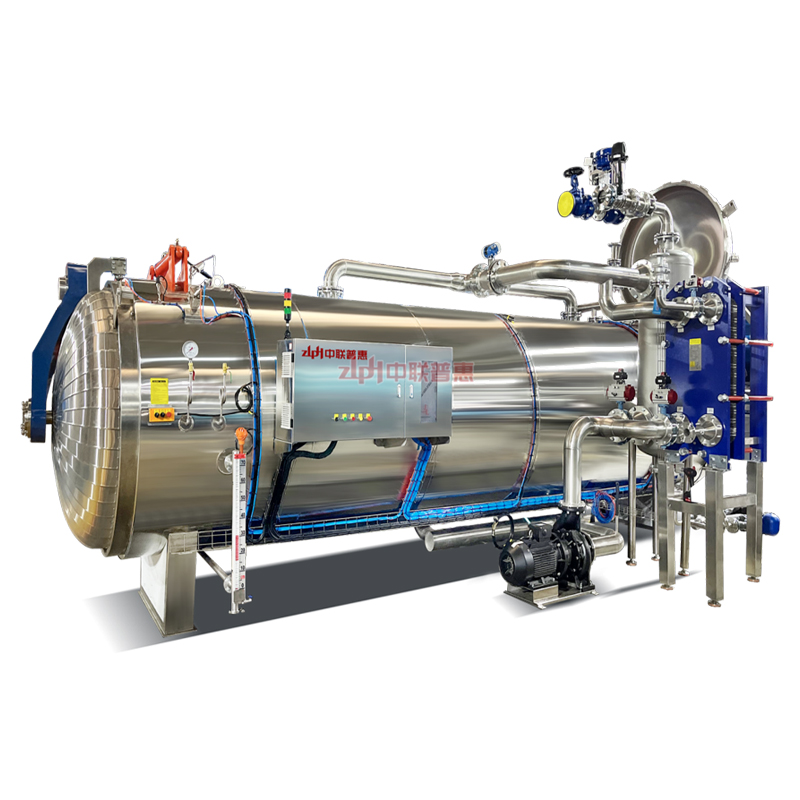
A: Use counter-flow heat recovery systems. Our latest models cut steam consumption by 25% via condensate reuse.
Q: Is manual loading acceptable for small-scale operations?
A: Only below 500 trays/day. Beyond that, ROI on automation is typically under 14 months due to labor and waste savings.
About Our Expertise & Support
ZLPH MACHINERY TECHNOLOGY CO., LTD. is a specialized steam retort autoclave manufacturer founded in 2018, with 21 mechanical/PLC engineers, 4 sterilization process experts, and 14 global after-sales technicians—all with 10+ years in thermal processing. Our 50-acre factory houses 15,000㎡ of precision workshops and holds ASME, CE, EAC, and Malaysia DOSH certifications.
We offer customized support including: (1) on-site thermal process validation, (2) automation integration design, (3) free sample testing with your product, and (4) 24/7 remote troubleshooting. Our systems operate in 30+ countries, serving clients from seafood canneries to premium pet food brands.
Contact Information
Company: ZLPH MACHINERY TECHNOLOGY CO., LTD.
Website: https://www.zlphretort.com/
Email: sales@zlphretort.com
Phone / WhatsApp: +86 15666798389 / +86 13361554016
