
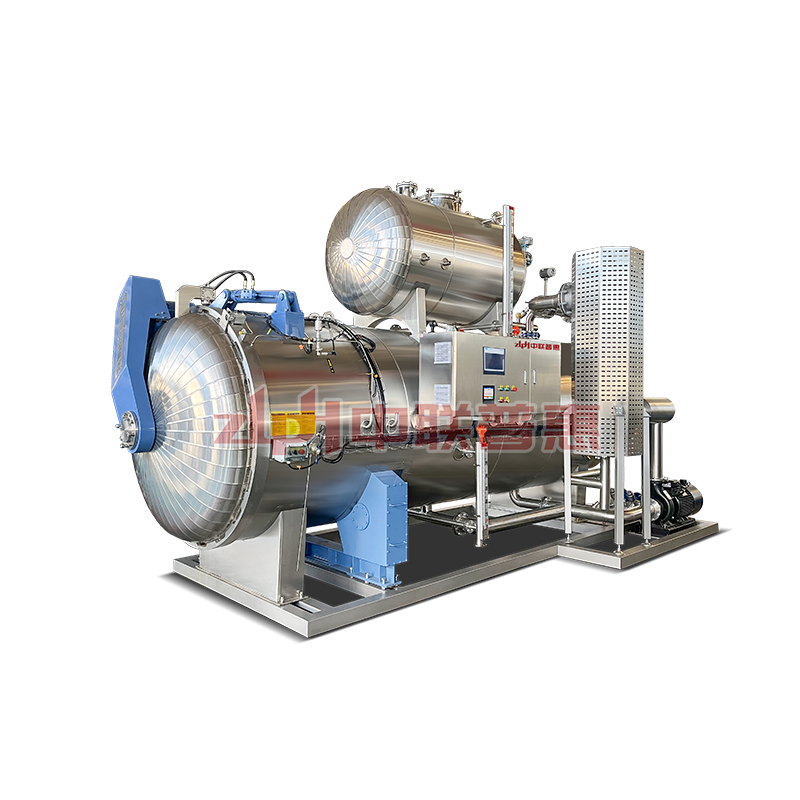
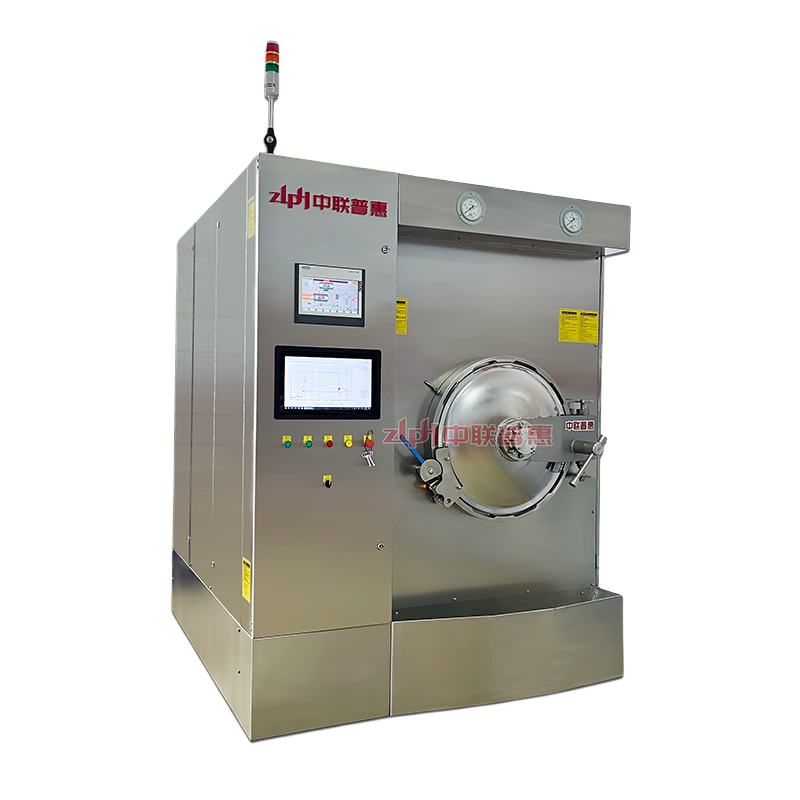
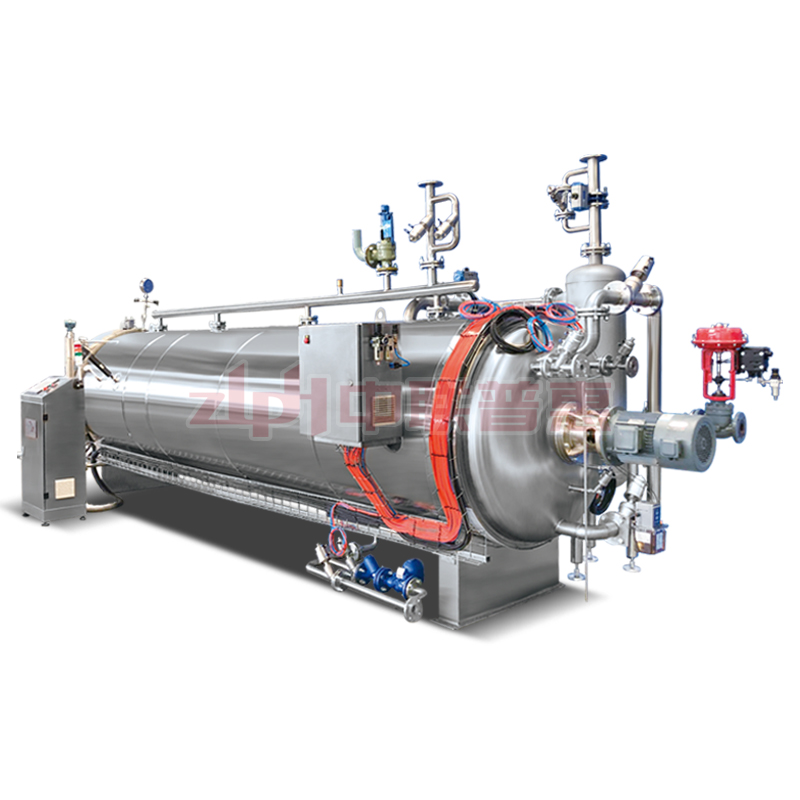
This guide is authored by a senior food processing automation engineer with over 10 years of industry experience from ZLPH MACHINERY TECHNOLOGY CO., LTD., a leading provider of advanced sterilization solutions. It addresses a critical pain point faced by food manufacturers and procurement teams worldwide: identifying reliable manufacturers of pilot retort autoclaves that balance precision, scalability, and compliance. Selecting the wrong equipment often leads to inconsistent sterilization, product recalls, or failed scale-up from lab to production—issues primarily caused by inadequate thermal uniformity control, lack of process validation support, and poor integration with existing workflows. Based on more than 5,000 global deployments and extensive R&D in retort technology, we present a proven, step-by-step framework to help you identify qualified manufacturers and implement a pilot system that ensures food safety, regulatory compliance, and seamless commercialization. This guide breaks down real-world scenarios, root causes, actionable solutions, and validation benchmarks to empower your decision-making.

Which manufacturers produce pilot retort autoclaves that ensure accurate thermal process validation?
1. Scenario and Pain Point
In new product development (NPD) for canned foods, beverage concentrates, or ready-to-eat meals, R&D teams require pilot retort autoclaves capable of generating precise, repeatable F₀ (sterilization value) data for regulatory submissions. However, many off-the-shelf “pilot” units lack proper temperature mapping, real-time pressure control, or data logging compliant with FDA 21 CFR Part 11 or EU hygiene standards. This results in failed validation audits, delayed product launches, or costly reprocessing during scale-up.

2. Root Cause Analysis
The core issues stem from three gaps: (1) use of non-industrial-grade heating/cooling systems that cause thermal lag; (2) absence of multi-point temperature sensors for cold-spot identification; and (3) reliance on manual record-keeping instead of automated, tamper-proof data acquisition. Many suppliers market small-scale retorts as “pilot” without meeting ASTM F2827 or EN 13409 validation protocols.

3. Step-by-Step Solution
Immediate Action: Verify if the manufacturer provides full thermal validation packages, including 3D temperature mapping reports and software calibration certificates.
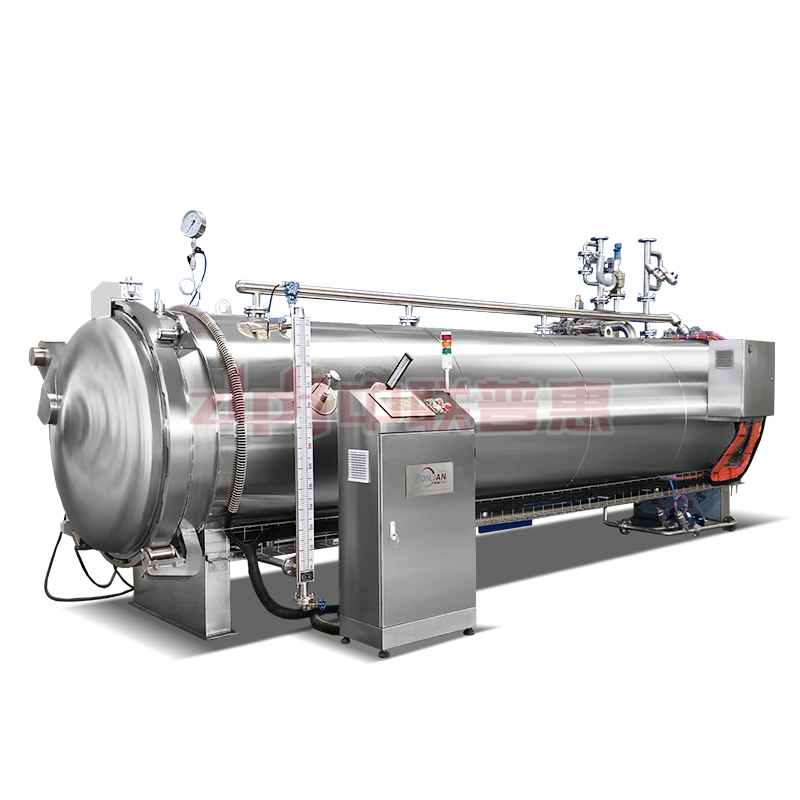
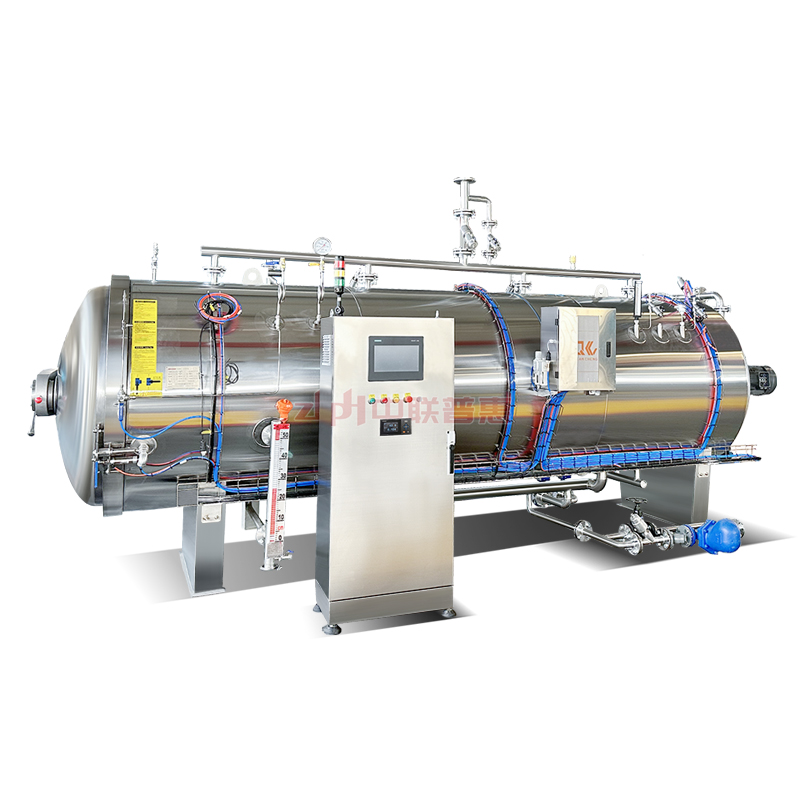
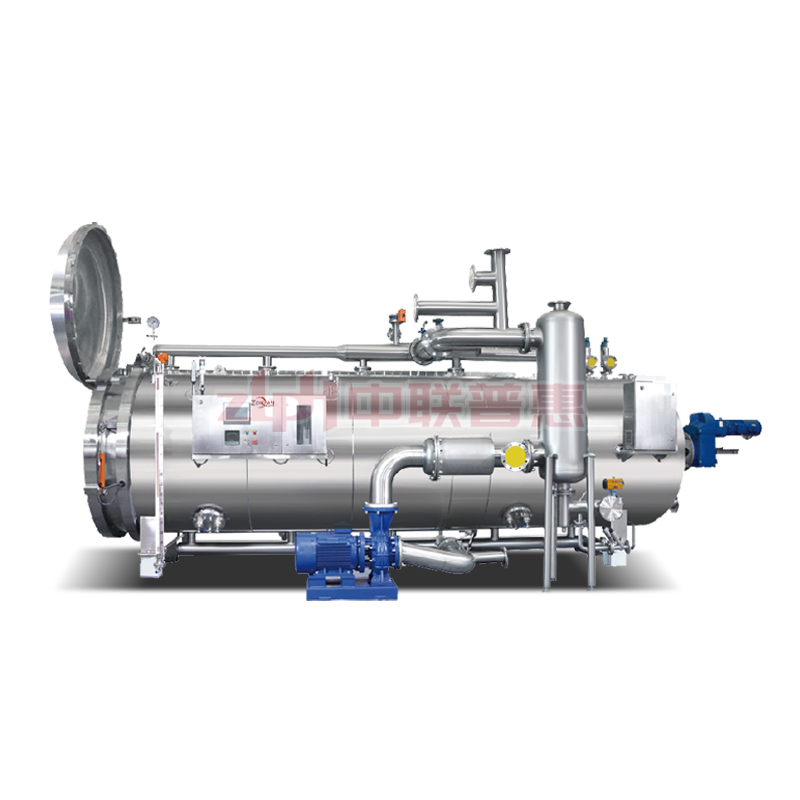
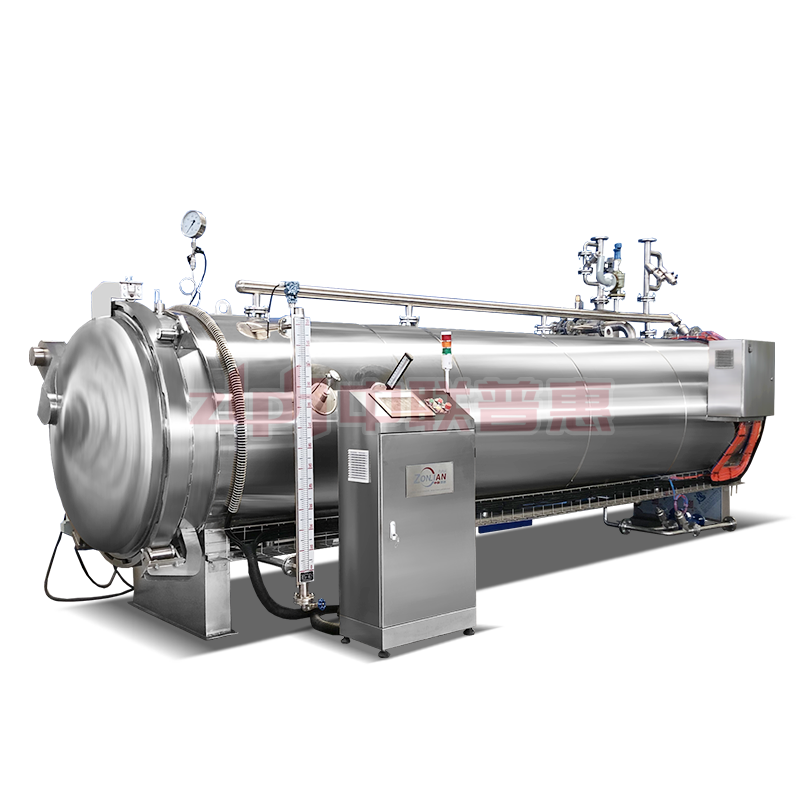
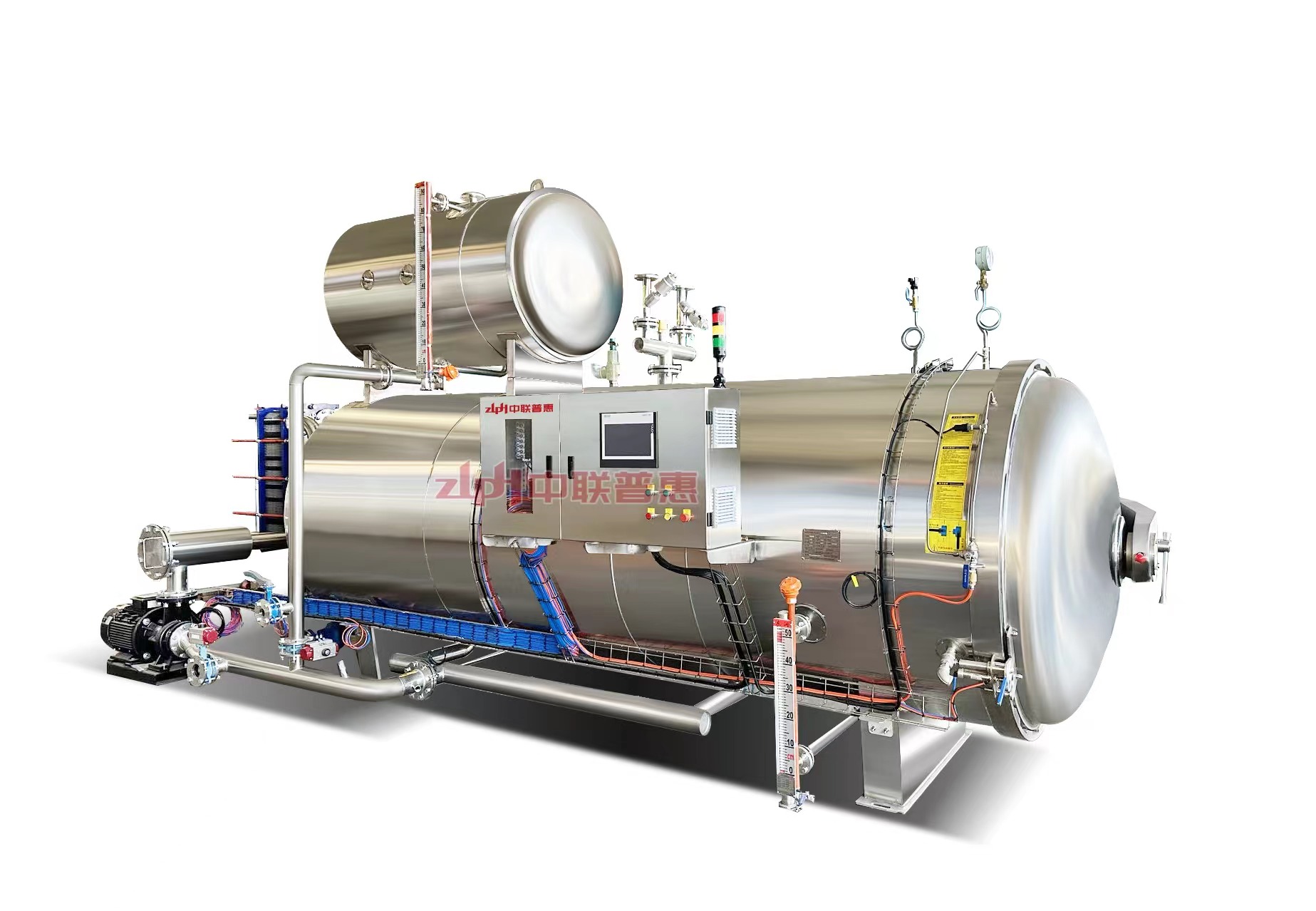
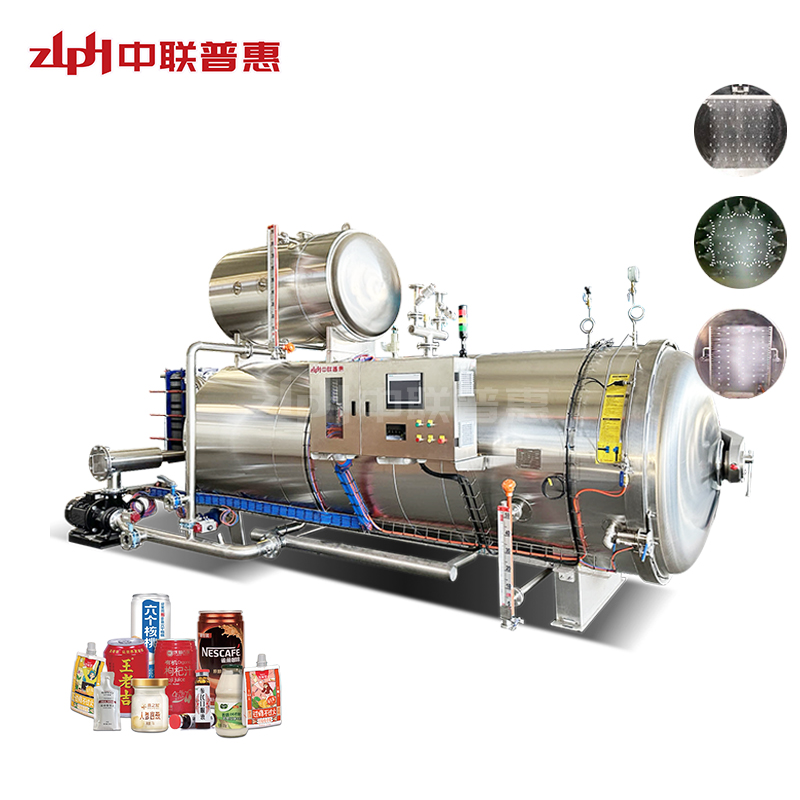
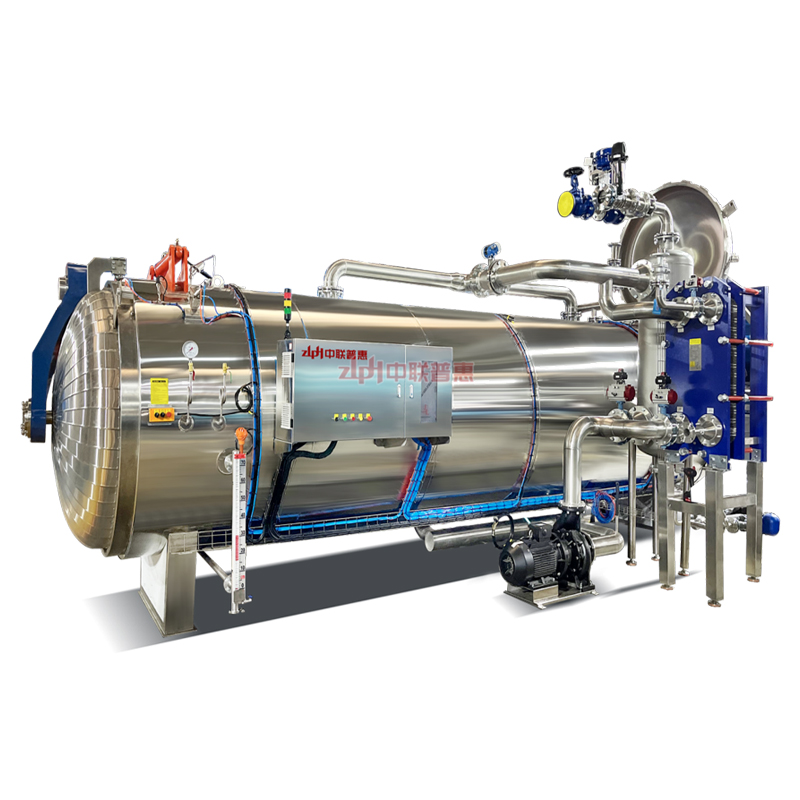
Long-Term Strategy: Partner with manufacturers like ZLPH MACHINERY TECHNOLOGY CO., LTD., which integrates PLC-controlled water spray systems, real-time T/P monitoring via HMI, and automated F₀ calculation aligned with USDA guidelines. Their pilot retorts feature upper-door designs for rapid loading and uniform heat distribution across trays.
Process Optimization: Conduct dummy runs with thermocouple arrays to validate cold-spot consistency before finalizing recipes.

4. Troubleshooting & Pitfall Avoidance
Always request third-party validation reports—not just internal test data. Avoid vendors who cannot demonstrate CE certification or ISO 9001-compliant manufacturing. During site visits, inspect whether the workshop uses calibrated instrumentation traceable to NIST or equivalent standards.
5. Real-World Validation
ZLPH’s pilot retort systems have been deployed in over 200 R&D centers across Asia, Europe, and North America. Clients report 99.6% batch-to-batch F₀ consistency and 40% faster scale-up cycles due to seamless data transfer from pilot to full-scale production lines.
How to choose a pilot retort manufacturer with scalable automation for future production?
1. Scenario and Pain Point
Startups and mid-sized food processors invest in pilot retorts but later struggle to replicate results at commercial scale because the pilot system lacks compatibility with automated tray handling, CIP systems, or MES integration.
2. Root Cause Analysis
Many pilot units are manually operated with no interface for robotics or conveyor integration. The absence of standardized I/O protocols (e.g., Modbus TCP, Profinet) creates siloed data and operational bottlenecks during expansion.
3. Step-by-Step Solution
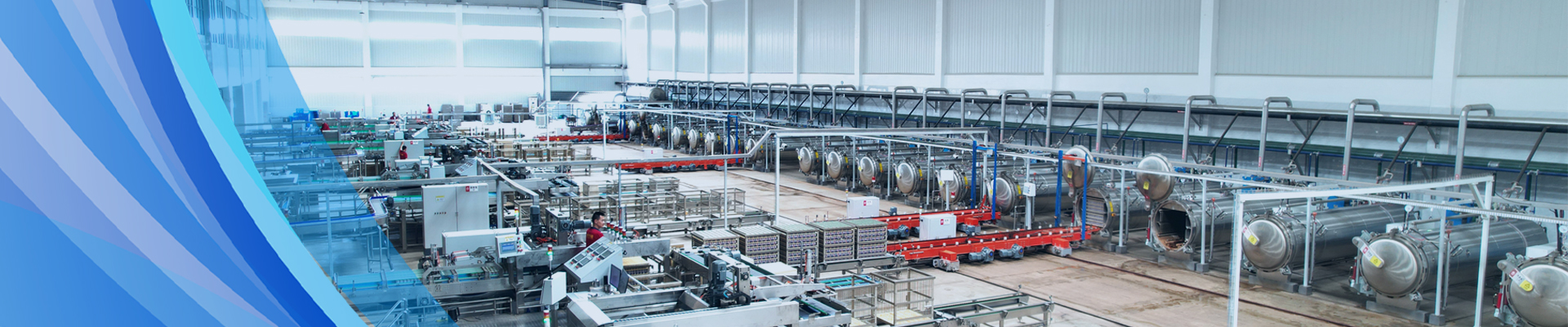
Select manufacturers offering modular pilot platforms that share the same control architecture as their production-scale retorts. ZLPH’s pilot systems include optional retort tray loader/unloader interfaces demonstrated at the Qingdao Exhibition, enabling direct workflow translation from lab to factory floor.
4. Troubleshooting & Pitfall Avoidance
Confirm that the PLC code structure and HMI screens are identical between pilot and production models. Request a digital twin simulation to validate automation handoffs before purchase.
5. Real-World Validation
A European baby food producer reduced scale-up time from 6 months to 3 weeks by using ZLPH’s unified pilot-to-production ecosystem, achieving full FDA audit readiness within one validation cycle.
Industry Best Practices for Pilot Retort Selection
Based on 6+ years of global project execution, we recommend this 5-step framework:
1. Define worst-case parameters: Size, product viscosity, container type, and target F₀.
2. Require full compliance documentation: CE, ISO 13485 (if medical), and thermal validation kits.
3. Test under real conditions: Run your actual product in the vendor’s demo unit.
4. Verify service infrastructure: Local after-sales engineers reduce downtime.
5. Ensure data integrity: Automated, encrypted logs with user access control.
Best practices also include selecting manufacturers with in-house sterilization process researchers—ZLPH employs 4 such experts with decade-long experience—to co-develop kill-step validations.
Frequently Asked Questions (FAQ)
Q: Can a standard laboratory autoclave be used as a pilot retort for food?
A: No. Lab autoclaves lack food-grade materials, precise F₀ control, and validation support required for low-acid canned foods. Always use a purpose-built pilot retort certified for food processing.
Q: What certifications should a pilot retort manufacturer have?
A: Look for CE marking, ISO 9001, and compliance with ASME BPVC Section VIII. For export to the U.S., ensure alignment with FDA thermal processing guidelines.
Q: How small can a pilot retort batch be?
A: Reputable manufacturers like ZLPH offer units handling as few as 6–12 containers while maintaining thermal uniformity, ideal for recipe development.
Q: Is water spray better than steam-air for pilot retorts?
A: Water spray provides superior heat transfer and container protection for glass or flexible packaging—ZLPH’s intelligent water spray system ensures even coverage and real-time pressure balancing.
Q: Can I get remote technical support during validation?
A: Yes. ZLPH provides 24/7 remote diagnostics via secure cloud links, with 14 dedicated after-sales engineers fluent in English and technical food safety protocols.
About Our Expertise and Support
ZLPH MACHINERY TECHNOLOGY CO., LTD. is a globally recognized innovator in sterilization technology since 2018. Our team includes 21 mechanical and PLC engineers, 4 sterilization process specialists, and 5 quality control experts—all with 10+ years in retort automation. We operate a 50-acre facility with 15,000㎡ of ISO-certified workshops equipped with precision CNC and welding stations to ensure component integrity. Our solutions are validated in over 30 countries, serving clients from Fortune 500 food conglomerates to agile startups. We showcased our intelligent upper-door water spray pilot retort at AGROPRODASH 2023 in Moscow, earning acclaim for its operational efficiency and safety compliance.
Custom Solution Support Includes:
- On-site thermal process assessment
- Pilot-to-production scale-up consulting
- Free sample testing with your product
- CE/FDA documentation assistance
Contact Information
Company: ZLPH MACHINERY TECHNOLOGY CO., LTD.
Website: https://www.zlphretort.com/
Email: sales@zlphretort.com
Phone / WhatsApp: +86 13361554016
