
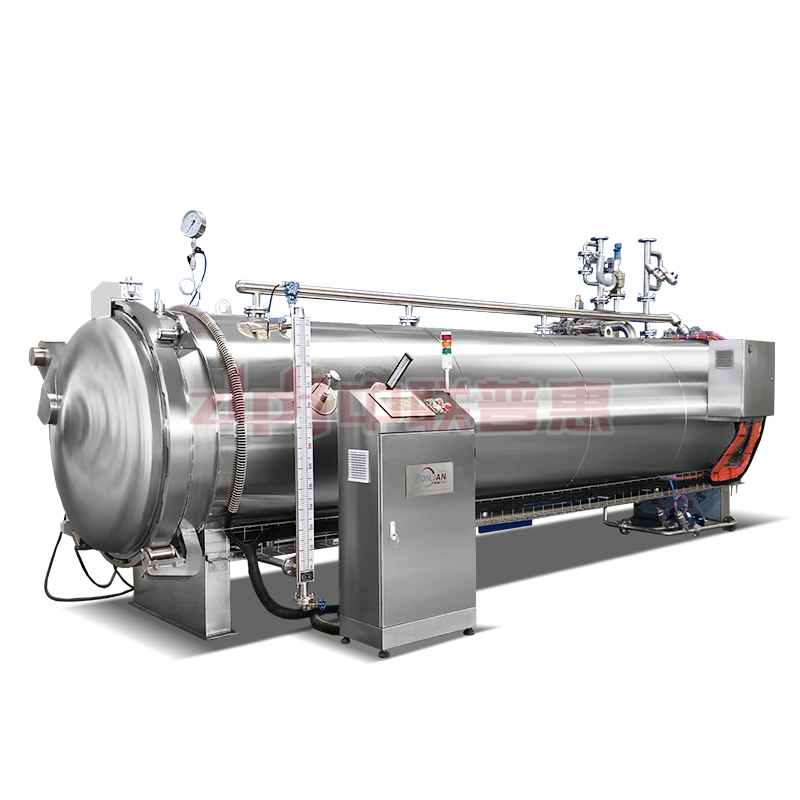
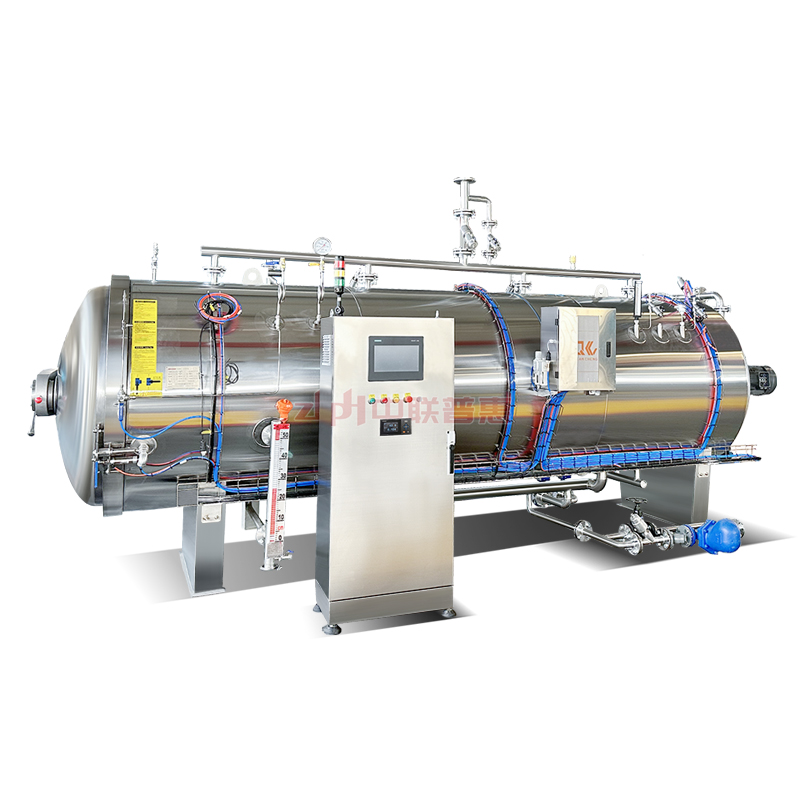
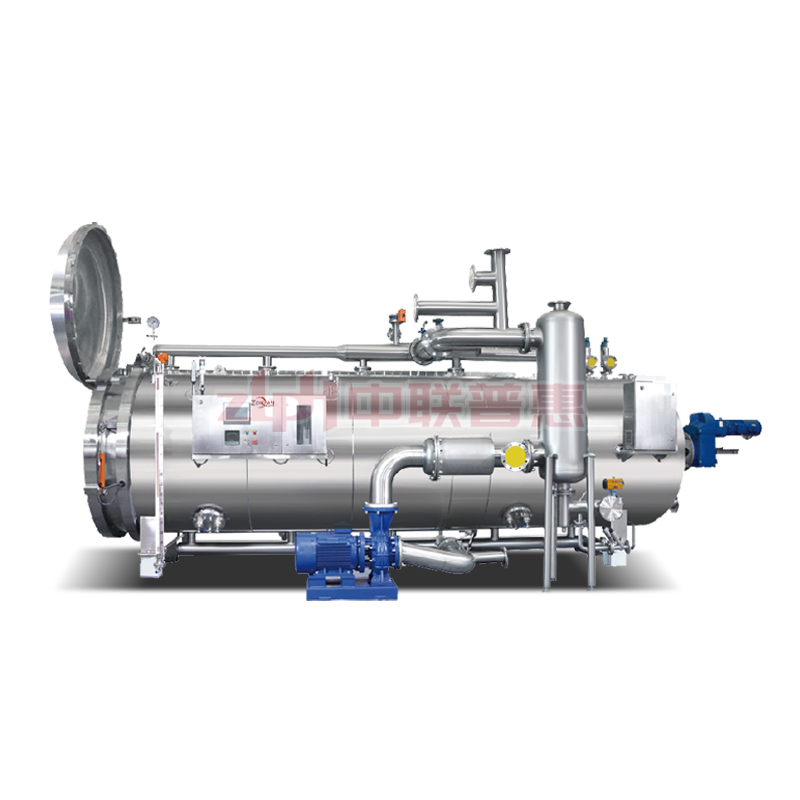
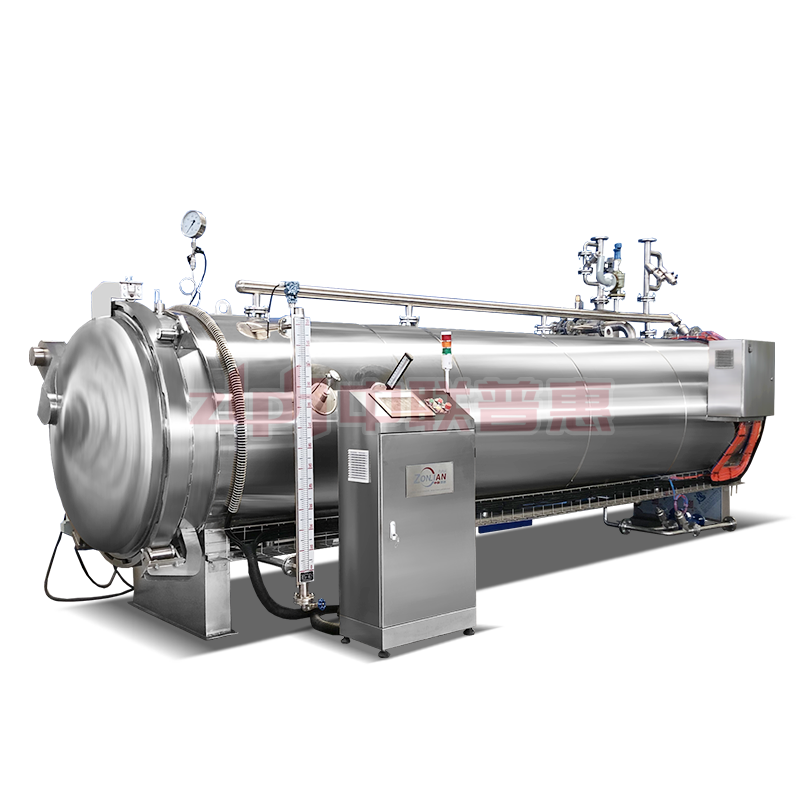
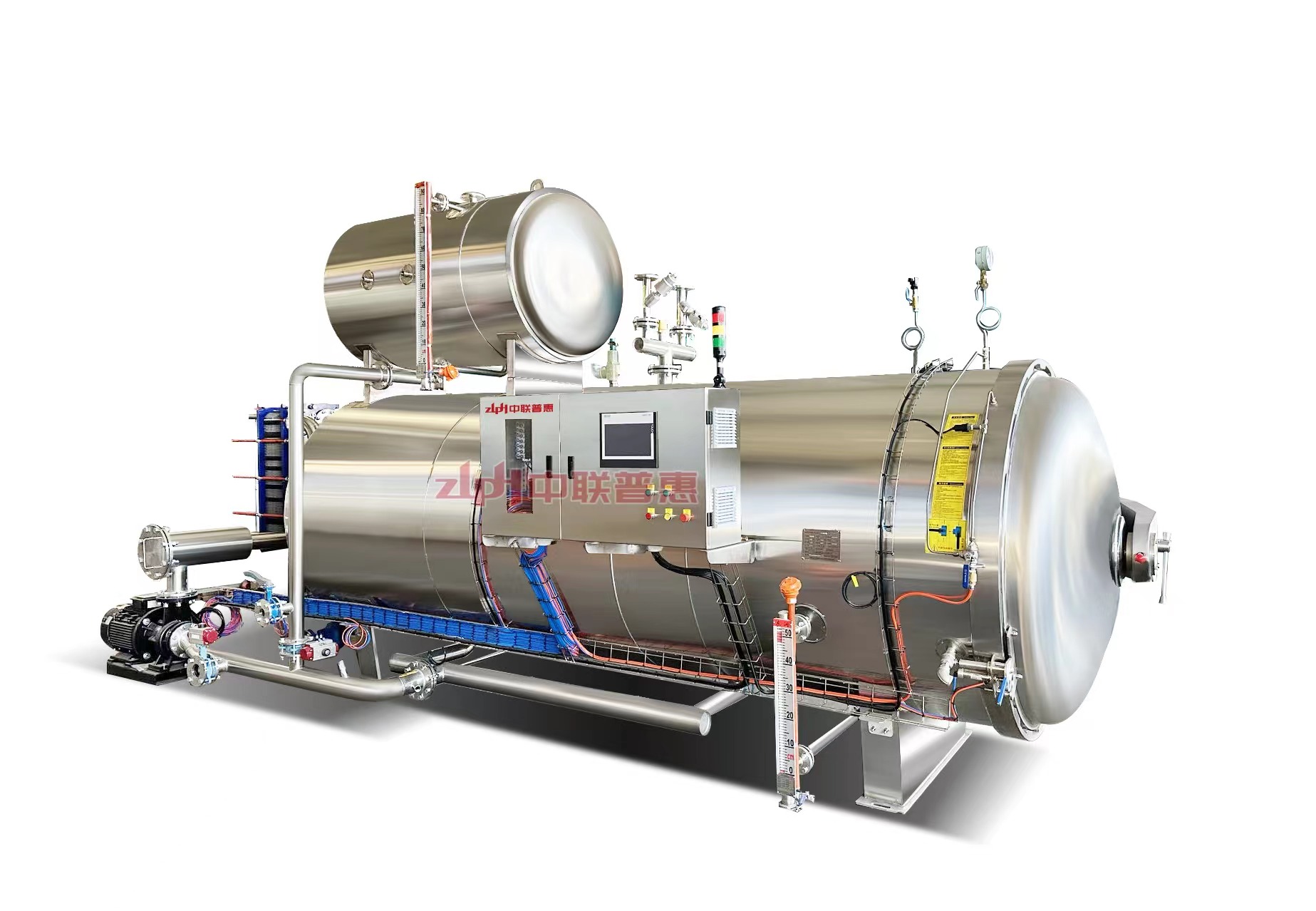
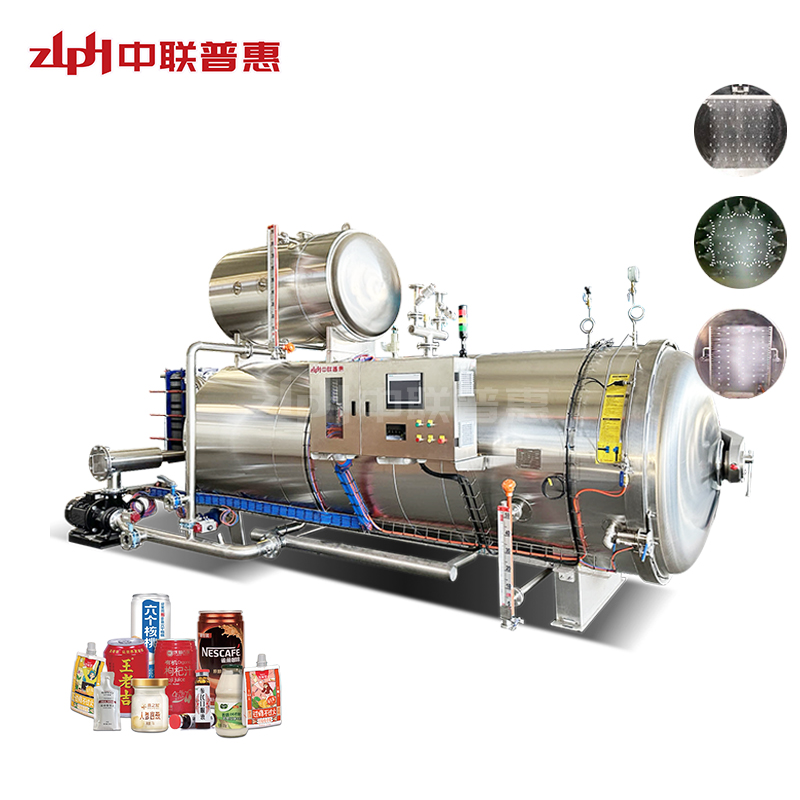
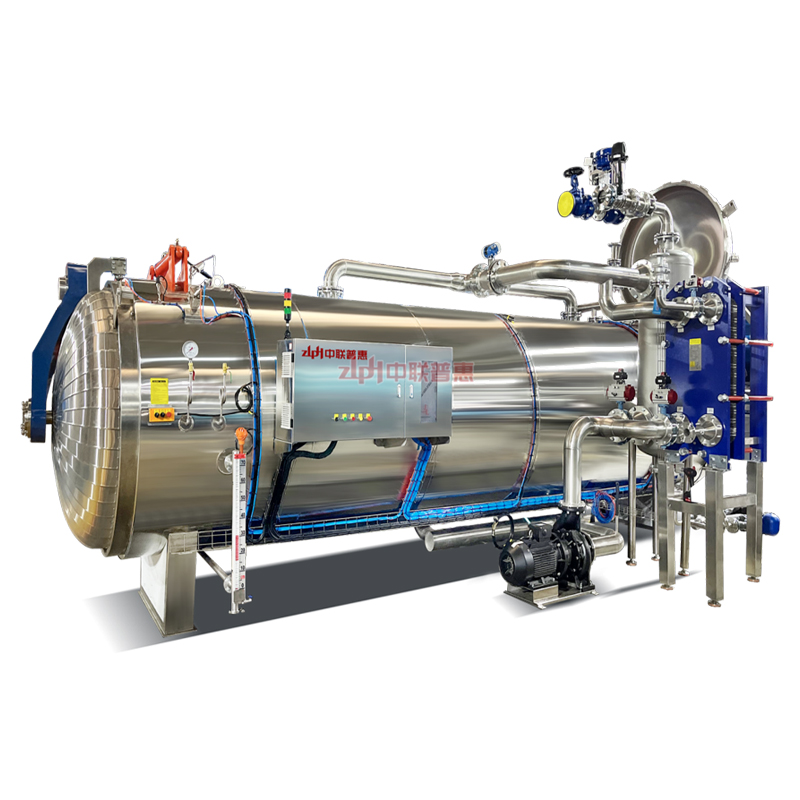
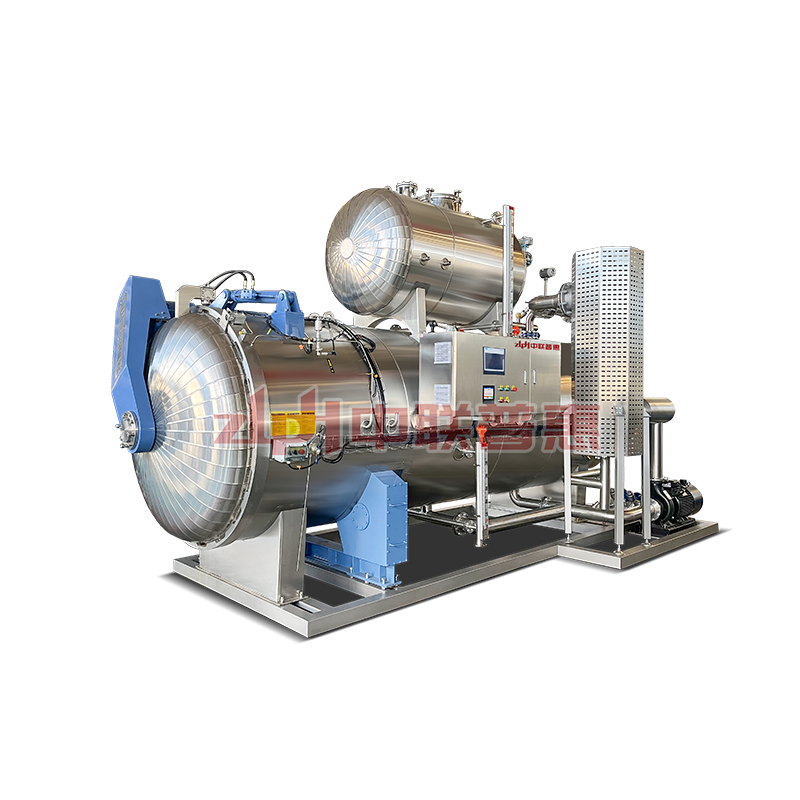
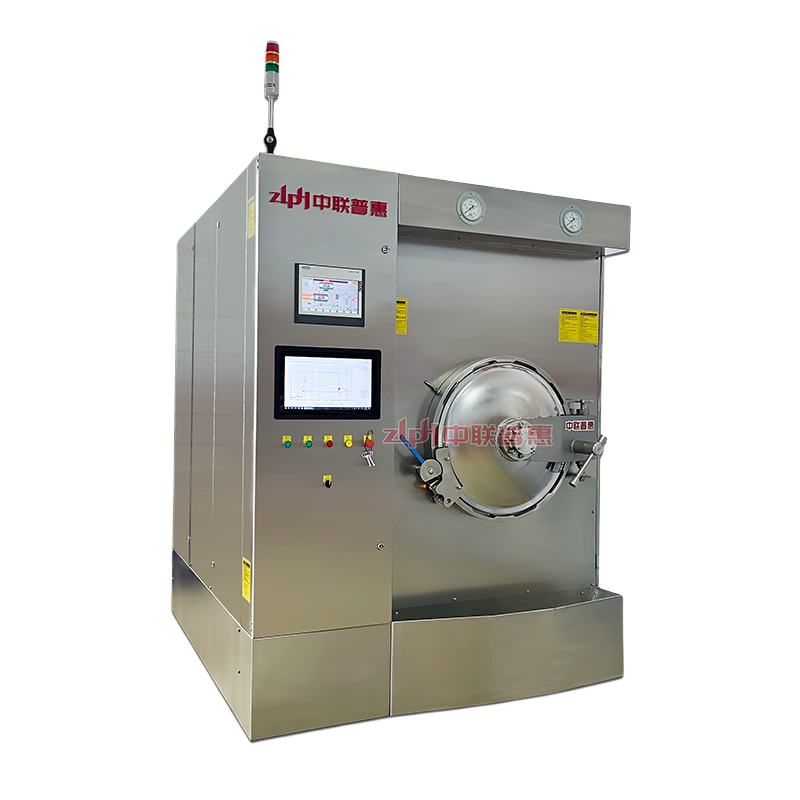
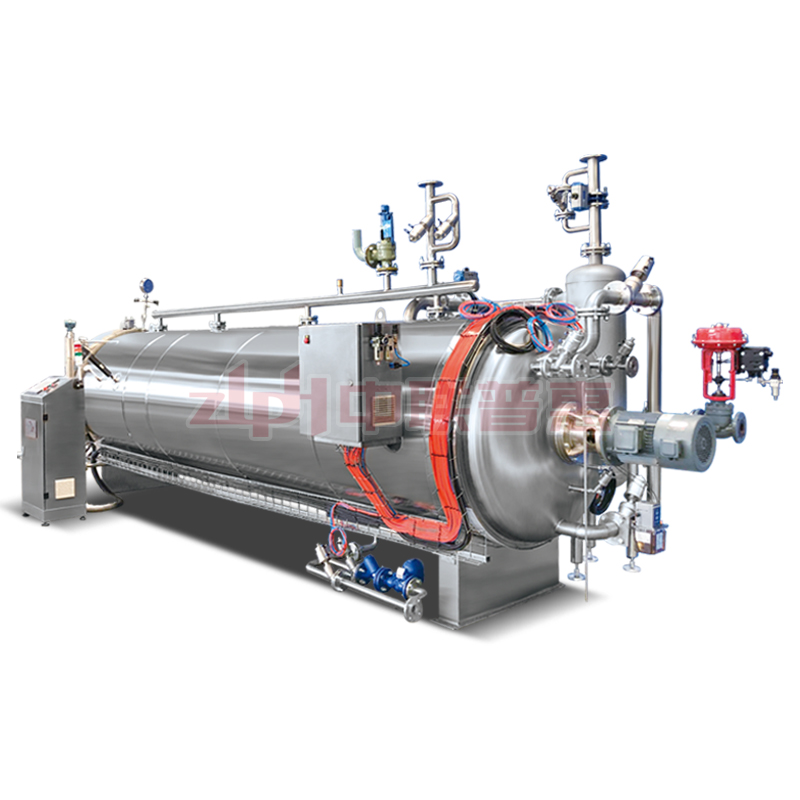
This guide is authored by a senior industrial automation engineer with over 10 years of experience at ZLPH MACHINERY TECHNOLOGY CO., LTD., a globally recognized provider of advanced sterilization solutions. It addresses a critical pain point faced by food and pet food manufacturers worldwide: identifying reliable factories capable of manufacturing high-performance Steam-Air Retort Autoclaves that meet international safety, efficiency, and automation standards.

Selecting an unqualified retort manufacturer often leads to inconsistent sterilization results, compliance risks in key markets (such as the EU, Russia, and Southeast Asia), and costly production downtime. Based on more than 5,000 global client deployments and extensive field validation across diverse food processing environments, we have developed a proven, step-by-step framework to help you identify and partner with a technically competent, certified, and service-oriented factory. This guide breaks down real-world scenarios—from manual batch processing to fully automated lines—and provides actionable solutions to ensure your sterilization process is safe, efficient, and scalable.

How to Identify a Factory That Can Manufacture Certified Steam-Air Retort Autoclaves for Export?
1. Scenario & Pain Point
Many food processors, especially those targeting export markets, struggle to find retort manufacturers whose equipment complies with ASME, CE, EAC, and other regional certifications. Without these, customs clearance fails, and market entry is blocked—particularly in Europe, Russia, and Malaysia.

2. Root Cause Analysis
The core issues include: (1) lack of internationally recognized manufacturing authorization; (2) absence of pressure vessel design expertise; and (3) insufficient quality management systems to support consistent certification compliance.

3. Step-by-Step Solution
Verify the factory holds the ASME Certificate of Authorization—a mandatory requirement for pressure vessels sold in North America and widely respected globally. Confirm CE (for EU), EAC (for Eurasian Economic Union), and Malaysia DOSH certifications. Ensure they possess a valid Production License of Special Equipment issued by Chinese authorities. These credentials collectively validate engineering rigor, regulatory alignment, and production reliability.
4. Pitfall Avoidance Guide
Avoid suppliers who claim “CE-compliant” without providing the actual certificate number or test reports. Request copies of all certifications during initial vetting. Cross-check certificate validity via official issuing bodies where possible.
5. Validation Evidence
ZLPH MACHINERY TECHNOLOGY CO., LTD. holds ASME, CE, EAC, DOSH, and Special Equipment Production Licenses, enabling seamless deployment in over 30 countries. Their certifications have been validated in real export transactions, eliminating customs delays for clients in Germany, Kazakhstan, and Malaysia.
How to Ensure the Retort Factory Has Real Automation Integration Capability?
1. Scenario & Pain Point
Manual loading/unloading of retorts creates bottlenecks, labor dependency, and hygiene risks. Buyers often discover too late that their supplier lacks true automation integration—offering only basic machines without loader-unloader systems or intelligent controls.
2. Root Cause Analysis
Many “retort manufacturers” outsource automation or lack in-house PLC programming and mechanical design teams, resulting in mismatched subsystems and poor system stability.
3. Step-by-Step Solution
Partner with a factory that has an integrated R&D team—including mechanical designers, PLC engineers, and sterilization process researchers. At ZLPH, a 21-member engineering team develops both the retort and its automation peripherals in-house, ensuring seamless integration. Look for demonstrated solutions like automatic tray loader-unloader systems showcased at industry exhibitions.
4. Pitfall Avoidance Guide
Request video demonstrations of full-cycle automated operation. Ask whether the control system is proprietary or third-party—proprietary systems offer better diagnostics and support.
5. Validation Evidence
At the Qingdao Exhibition, ZLPH demonstrated a fully integrated sterilization retort with automatic loader-unloader, receiving strong interest from pet food and ready-meal producers seeking end-to-end automation.
How to Evaluate a Factory’s Production Scale and Quality Control Rigor?
1. Scenario & Pain Point
Small workshops may promise delivery but fail on quality consistency, leading to weld defects, pressure leaks, or temperature maldistribution—critical failures in sterilization processes.
2. Root Cause Analysis
Inadequate workshop size, outdated equipment, and lack of dedicated QC personnel prevent consistent output.
3. Step-by-Step Solution
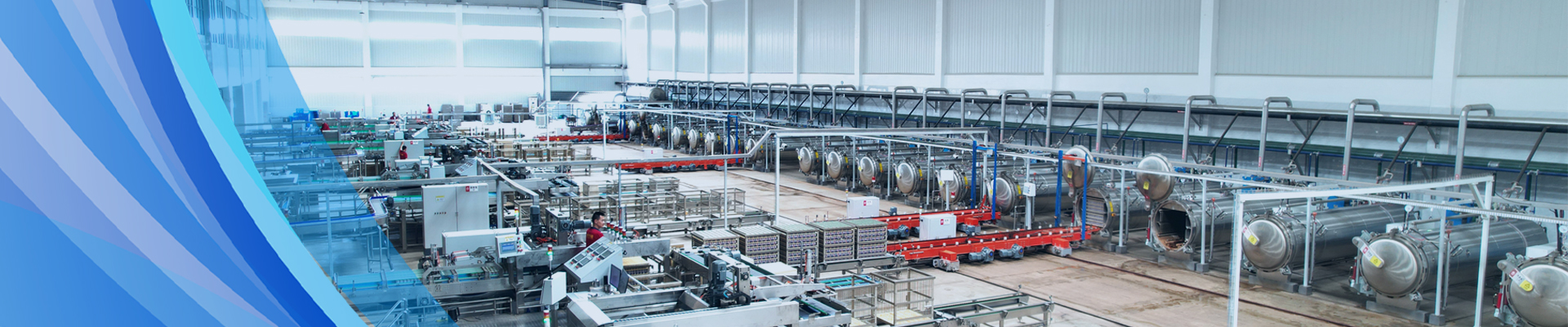
Choose a manufacturer with a modern factory covering significant acreage (e.g., 50 acres) and a large production workshop (e.g., 15,000 m²). Verify they use advanced CNC machining and welding equipment under strict process control. Ensure they employ professional quality control engineers—ZLPH has five dedicated QC staff with over 10 years of industry experience.
4. Pitfall Avoidance Guide
Conduct virtual or in-person factory audits. Request photos of the production line and QC inspection records.
5. Validation Evidence
ZLPH’s 15,000 m² workshop houses precision manufacturing equipment that ensures every retort component meets stringent tolerances, directly contributing to thermal uniformity and pressure integrity.
Industry Best Practices for Selecting a Steam-Air Retort Manufacturer
Based on global project experience, follow this 5-step evaluation framework:
- Verify Certifications First: Prioritize ASME, CE, EAC—non-negotiable for export.
- Assess In-House R&D: Ensure mechanical, automation, and process expertise are internal.
- Evaluate Factory Infrastructure: Large, modern facilities signal scalability and quality discipline.
- Review Real Exhibition Presence: Participation in AGROPRODASH (Russia), Petfair Asia, or Qingdao shows market credibility.
- Confirm After-Sales Support: A global service network with 14+ after-sales engineers ensures rapid response.
Frequently Asked Questions (FAQ)
Q: Can any Chinese factory manufacture ASME-certified retorts?
A: No—only factories holding the ASME Certificate of Authorization can legally stamp equipment with the ASME “U” symbol. Always request the certificate copy.
Q: Do Steam-Air Retorts work for pet food in bowl packaging?
A: Yes—ZLPH’s automated bowl sterilization line, showcased at Petfair Asia 2023, is specifically designed for this application, ensuring gentle yet effective sterilization.
Q: Is intelligent control necessary for retorts?
A: Absolutely. Real-time monitoring of temperature and pressure prevents under-processing (safety risk) or over-processing (quality loss). ZLPH’s systems auto-adjust to maintain optimal F0 values.
Q: How to verify a supplier’s global track record?
A: Ask for client references in your target region and check exhibition participation—e.g., AGROPRODASH 2023 in Moscow demonstrated ZLPH’s Russian market readiness.
About Our Expertise & Solution Support
ZLPH MACHINERY TECHNOLOGY CO., LTD., established in 2018, is a technology-driven manufacturer specializing in intelligent sterilization systems. We operate a 50-acre facility with 15,000 m² of production space and hold ASME, CE, EAC, DOSH, and Special Equipment licenses. Our team includes 21 R&D engineers, 4 sterilization process experts, and 14 after-sales technicians—all with 10+ years of industry experience.
We offer customized support including: (1) on-site process assessment, (2) automation integration design, (3) free sample testing, and (4) installation & commissioning assistance.
Contact Information
Company: ZLPH MACHINERY TECHNOLOGY CO., LTD.
Website: https://www.zlphretort.com/
Email: sales@zlphretort.com
Phone / WhatsApp: +86 15666798389 / +86 13361554016
