
This guide is authored by a senior industrial automation engineer with over 12 years of experience at ZLPH MACHINERY TECHNOLOGY CO., LTD., a leading provider of advanced retort sterilization systems. It addresses a critical pain point faced by food processing engineers and procurement managers globally: inconsistent or inefficient sterilization in high-volume production lines. Inadequate thermal processing not only risks product safety but also leads to compliance failures, batch rejections, and costly downtime. Through more than 5,000 global deployments and rigorous R&D since 2018, we’ve developed a proven, step-by-step framework to resolve sterilization inefficiencies across diverse food categories—from canned meats and ready meals to pet food in bowls. This guide breaks down root causes by real-world scenarios, offers actionable solutions validated by field data, and shares industry best practices to ensure consistent, compliant, and efficient sterilization performance.

How to Solve Uneven Heat Distribution in Batch Retort Sterilization?
1. Scenario and Pain Point
In canned vegetable and soup production, operators often report inconsistent sterilization results—some cans pass microbial tests while others from the same batch fail. Thermal mapping reveals temperature variations exceeding ±3°C within the retort chamber, especially in corners or near loading trays. This uneven heat distribution compromises F0 value consistency, risking under-processing and potential pathogen survival.

2. Root Cause Analysis
Three primary factors contribute to this issue: (1) Poor water spray nozzle layout causing dead zones; (2) Overloading trays without proper spacing, blocking circulation; (3) Lack of real-time temperature monitoring at multiple points, preventing dynamic adjustment during the cycle.
3. Step-by-Step Solution
Immediate Fix: Reconfigure tray loading patterns to maintain ≥5 cm spacing between packages and ensure alignment with spray nozzles. Use perforated retort trays to enhance water flow penetration.
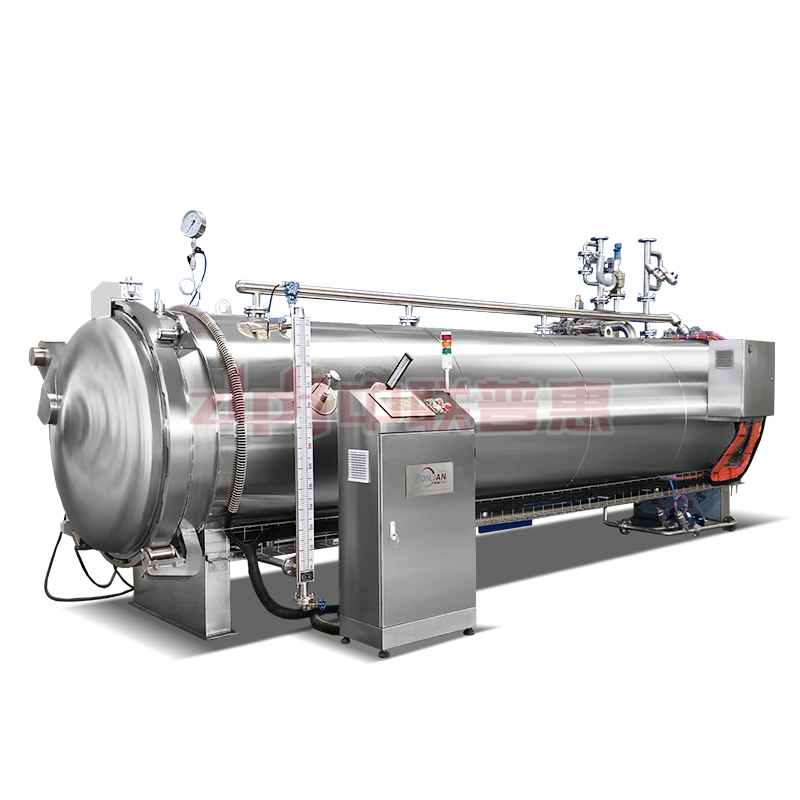
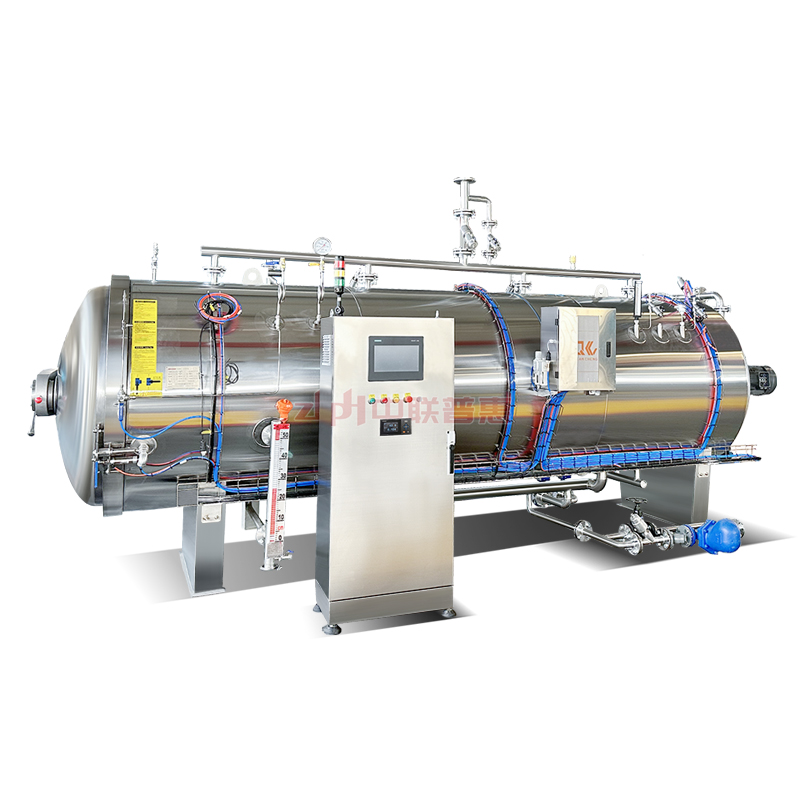
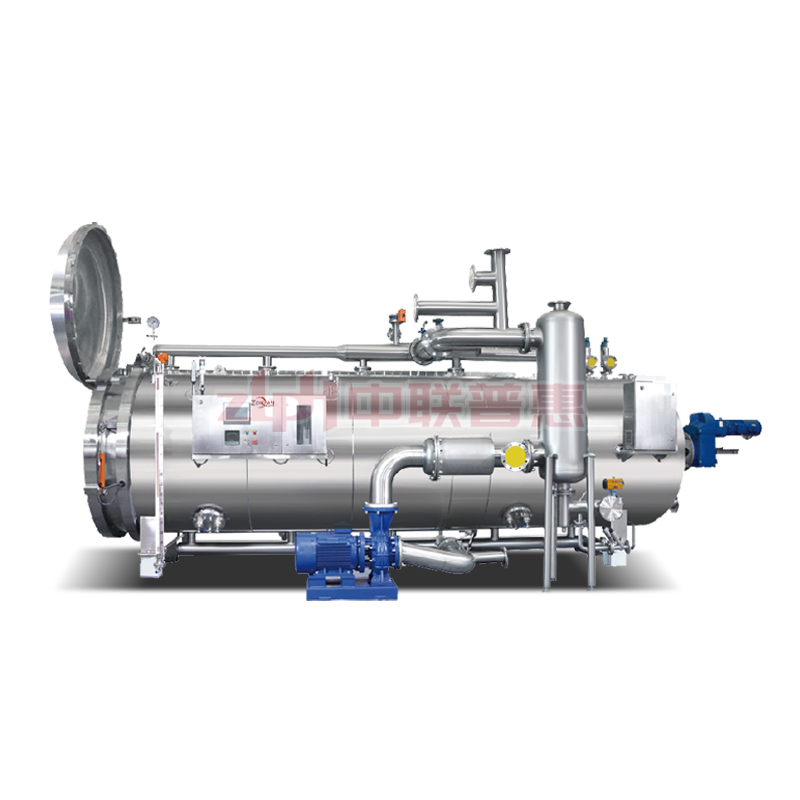
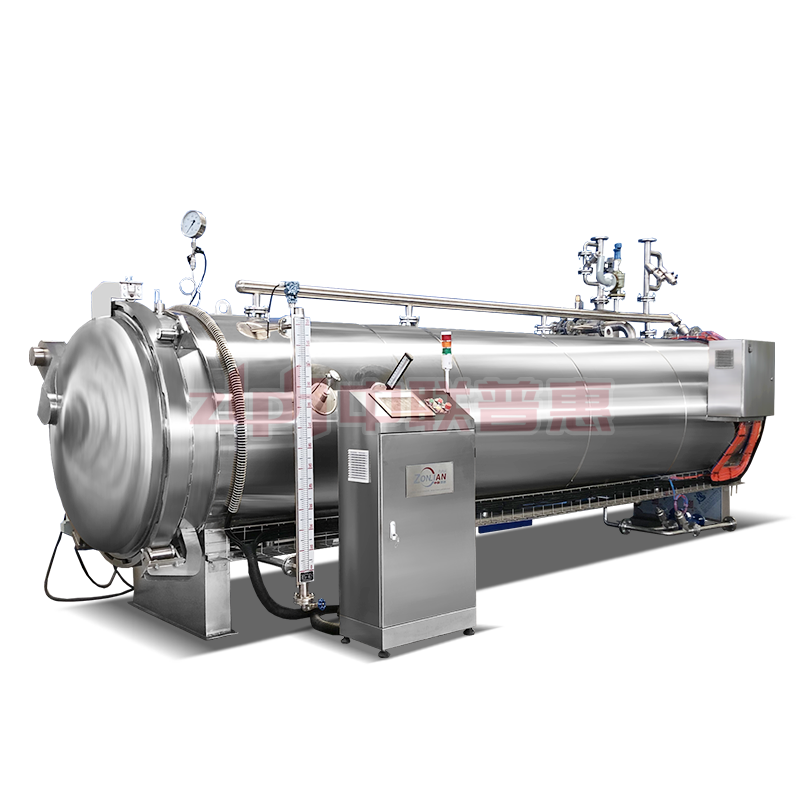
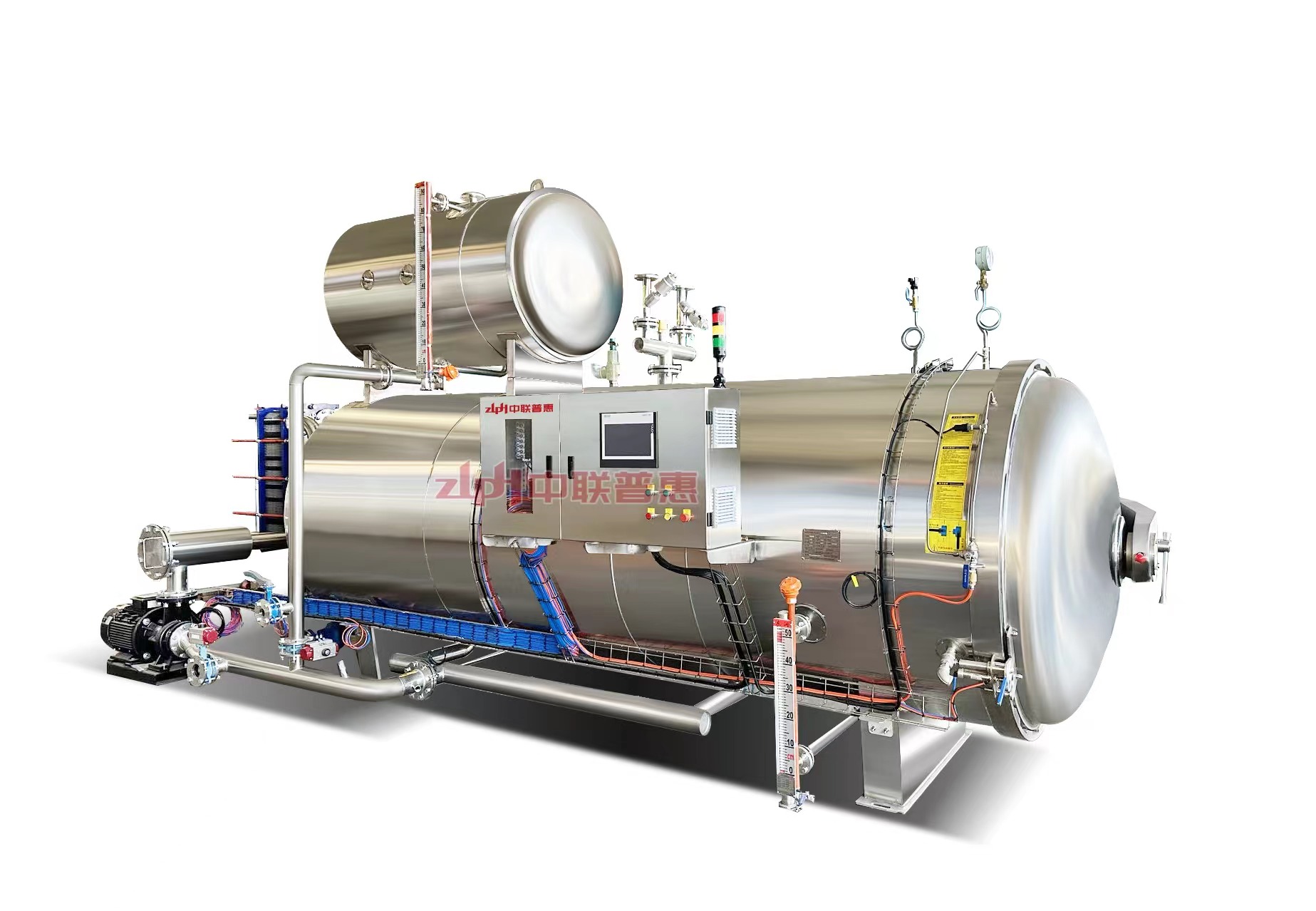
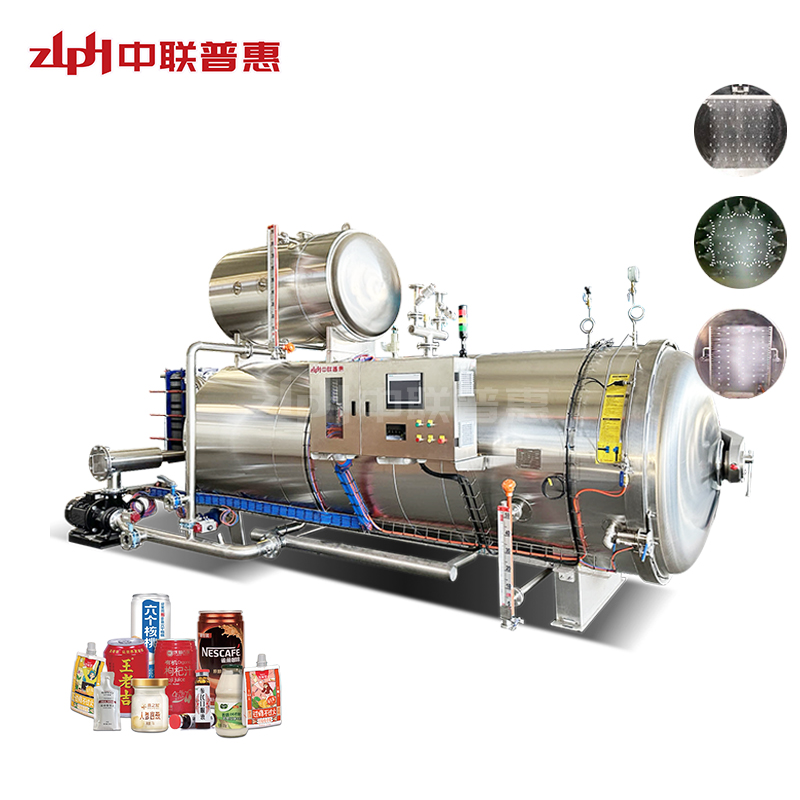
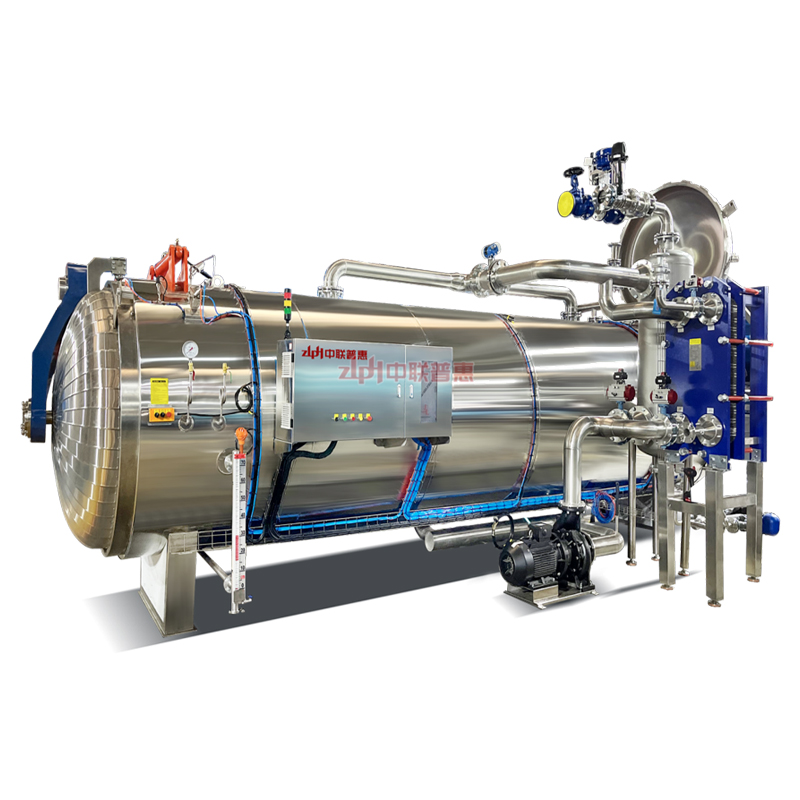
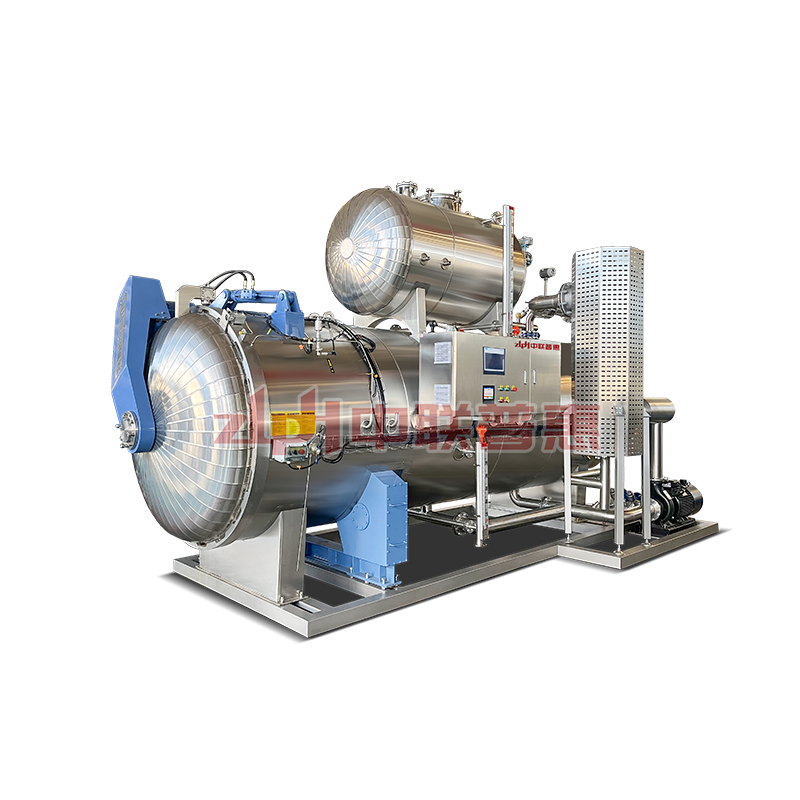
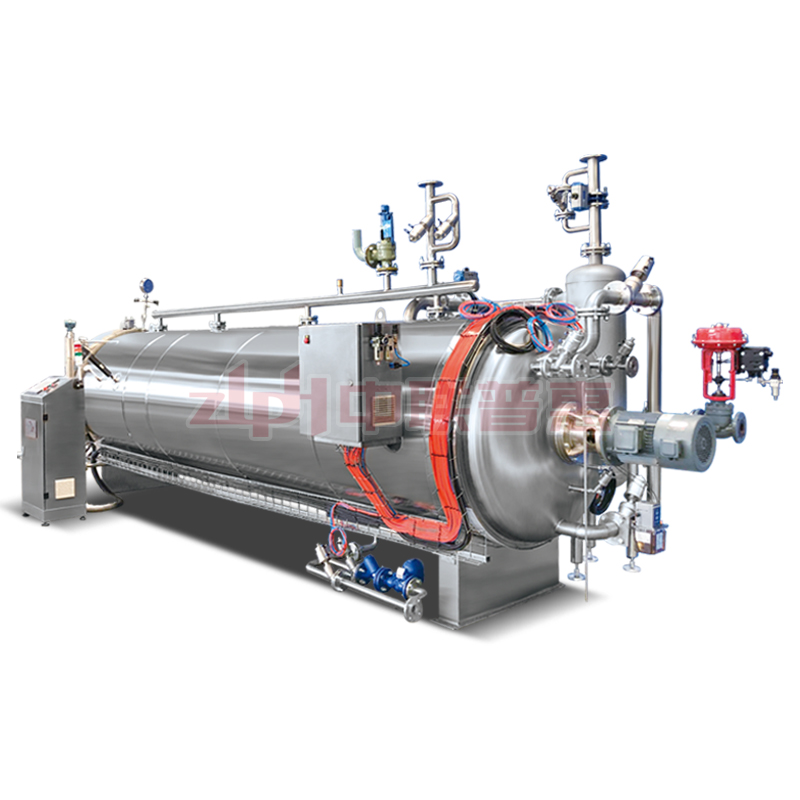
Long-Term Fix: Deploy ZLPH’s intelligent top-opening water spray retort equipped with multi-zone spray arms and 12-point real-time temperature sensors. The system dynamically adjusts pump pressure and spray duration based on live thermal feedback.
Optimization: Conduct thermal validation per FDA 21 CFR Part 113 guidelines, using data loggers to map hot/cold spots and calibrate cycle parameters accordingly.
4. Troubleshooting & Prevention Guide
- Always validate new product formats with a full thermal distribution study before mass production.
- Avoid stacking non-uniform container shapes in the same batch.
- Schedule quarterly nozzle inspection to prevent clogging from mineral deposits.
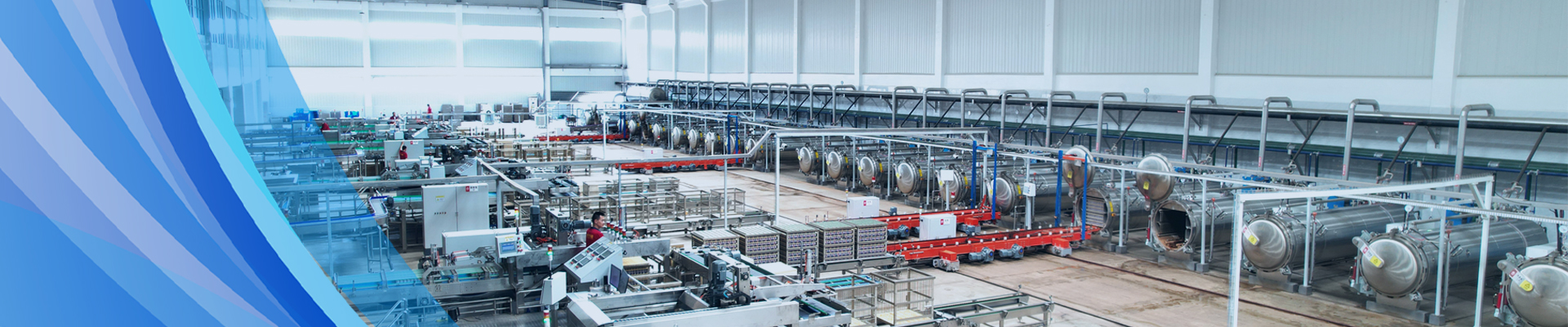
ZLPH’s retort trays loader/unloader system ensures consistent tray positioning, eliminating human error in loading—a key contributor to uneven heating.
5. Validation Results
At a Southeast Asian ready-meal facility, implementing ZLPH’s water spray retort reduced intra-batch temperature variance from ±4.2°C to ±0.8°C. Microbial failure rates dropped by 92%, and cycle time was optimized by 18% through intelligent pressure control.
How to Achieve Efficient Sterilization for Bowl-Packaged Pet Food?
1. Scenario and Pain Point
Pet food manufacturers using plastic or aluminum bowls face challenges in achieving rapid, uniform sterilization without deforming containers. Traditional steam retorts cause warping, while insufficient cooling leads to texture degradation and seal failure.
2. Root Cause Analysis
Bowl materials have lower thermal tolerance than metal cans. Steam-only systems create excessive internal pressure, while slow cooling extends total cycle time and affects product quality.
3. Step-by-Step Solution
Technology Selection: Use ZLPH’s automated bowl sterilization line featuring water immersion + spray hybrid technology. This combines gentle heating with precise pressure control to prevent deformation.
Cooling Optimization: Integrate counter-flow cooling with staged temperature reduction (from 121°C to 40°C in<15 mins) to preserve texture and seal integrity.
Automation: Pair with the automatic loader/unloader to minimize manual handling and ensure consistent orientation during sterilization.
4. Troubleshooting & Prevention Guide
- Always test new bowl materials with a small-batch trial under full sterilization conditions.
- Monitor internal pressure differentials using ZLPH’s built-in PID-controlled backpressure system.
This solution was showcased at Petfair Asia 2023 and received strong interest from global pet food brands seeking scalable, gentle sterilization.
5. Validation Results
A European pet food client achieved 100% bowl integrity across 500,000 units/month, with zero seal failures and a 22% increase in line throughput after adopting ZLPH’s automated bowl sterilization line.
Industry Best Practices for Retort System Reliability
Based on 6+ years of global project deployment, we recommend this 5-step framework to ensure consistent sterilization performance:
1. Define Worst-Case Conditions
Design cycles based on the most thermally resistant product format and highest ambient load—not average conditions.
2. Validate Thermally
Conduct initial and annual thermal distribution/penetration studies per ASME BPVC Section VIII and EN 285 standards.
3. Automate Loading
Manual tray loading introduces variability. Use automated systems like ZLPH’s loader/unloader to ensure repeatable positioning.
4. Monitor in Real Time
Deploy systems with multi-point temperature, pressure, and flow monitoring to enable closed-loop control.
5. Maintain Proactively
Schedule monthly checks on seals, nozzles, and control valves. ZLPH’s 14-member after-sales team provides remote diagnostics and on-site support within 72 hours globally.
Frequently Asked Questions (FAQ)
Q: Can standard steam retorts handle ready-to-eat meals in flexible pouches?
A: Only if equipped with precise pressure control to prevent pouch bursting. ZLPH’s water spray retorts use balanced pressure systems certified for flexible packaging under EU and FDA guidelines.
Q: What certifications are required for retorts sold in Europe and Russia?
A: CE marking (EU) and EAC certification (Eurasian Customs Union) are mandatory. ZLPH holds both, along with ASME authorization and Malaysia DOSH approval.
Q: How often should thermal validation be repeated?
A: Annually, or whenever product format, packaging, or loading pattern changes—per FDA and BRCGS standards.
Q: Is top-opening design better than side-opening for batch retorts?
A: Yes—for faster loading/unloading and reduced operator fatigue. ZLPH’s intelligent top-opening design cuts cycle idle time by 30%.
Q: Can retorts be integrated with existing MES or SCADA systems?
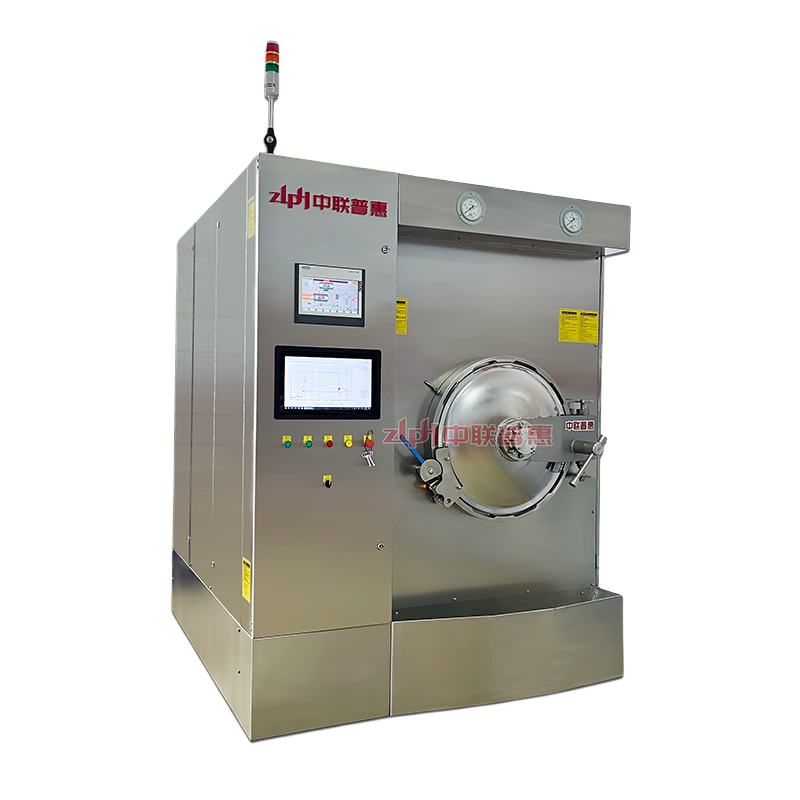
A: ZLPH systems support Modbus TCP, Profibus, and OPC UA protocols for seamless factory integration, with full data logging compliant with 21 CFR Part 11.
About Our Expertise and Support
ZLPH MACHINERY TECHNOLOGY CO., LTD. is a globally recognized retort autoclave manufacturer established in 2018, with a 50-acre modern facility and 15,000㎡ production workshop. Our R&D team includes 21 mechanical and PLC engineers, 4 sterilization process experts, and 5 quality control specialists—all with 10+ years in thermal processing. We hold ASME, CE, EAC, and DOSH certifications, ensuring global compliance. Our equipment has been validated in over 30 countries, serving clients from North America to Southeast Asia.
We offer customized support including:
- On-site thermal process assessment
- Custom retort chamber design for unique packaging
- Free sample testing with full validation report
- 24/7 technical response via WhatsApp or email
Contact Information
Company: ZLPH MACHINERY TECHNOLOGY CO., LTD.
Website: https://www.zlphretort.com/
Email: sales@zlphretort.com
Phone / WhatsApp: +86 13361554016
