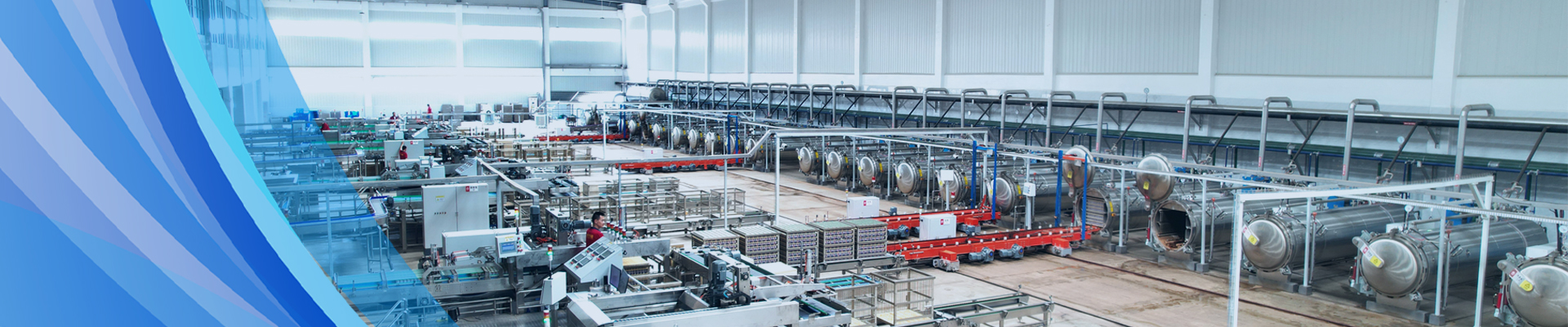

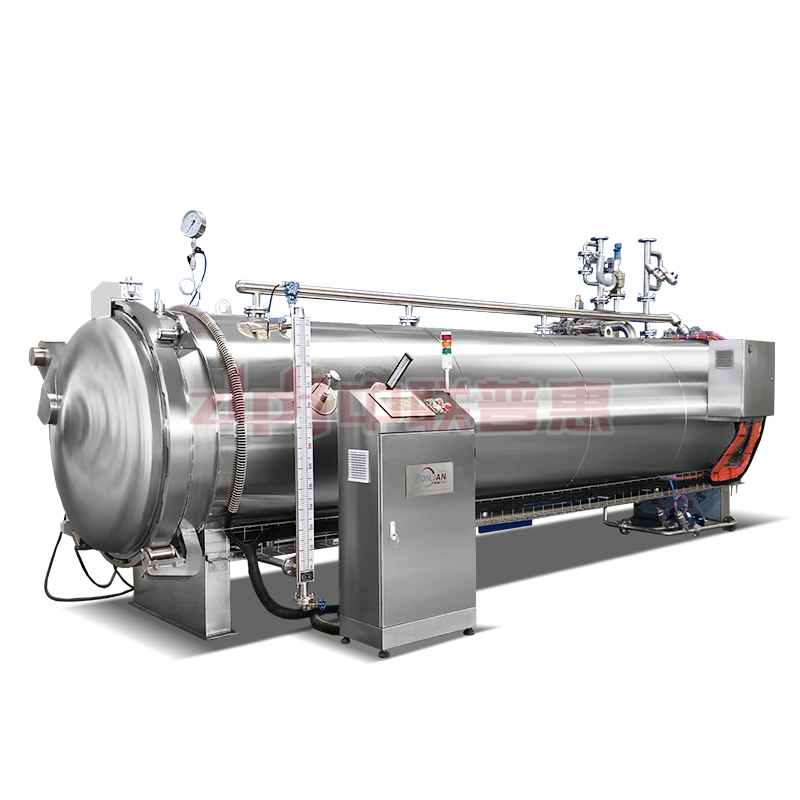
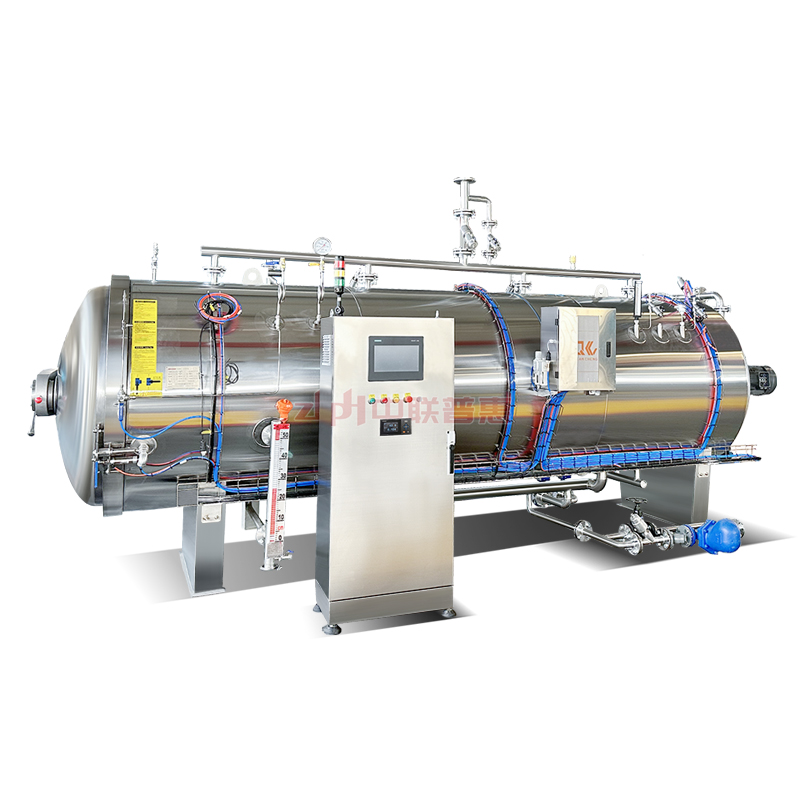
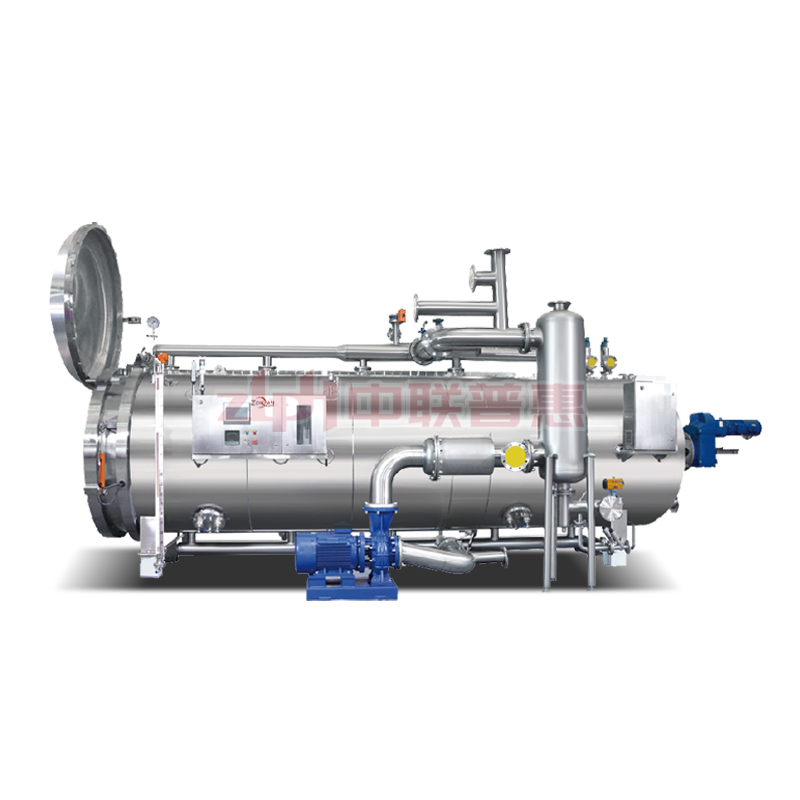
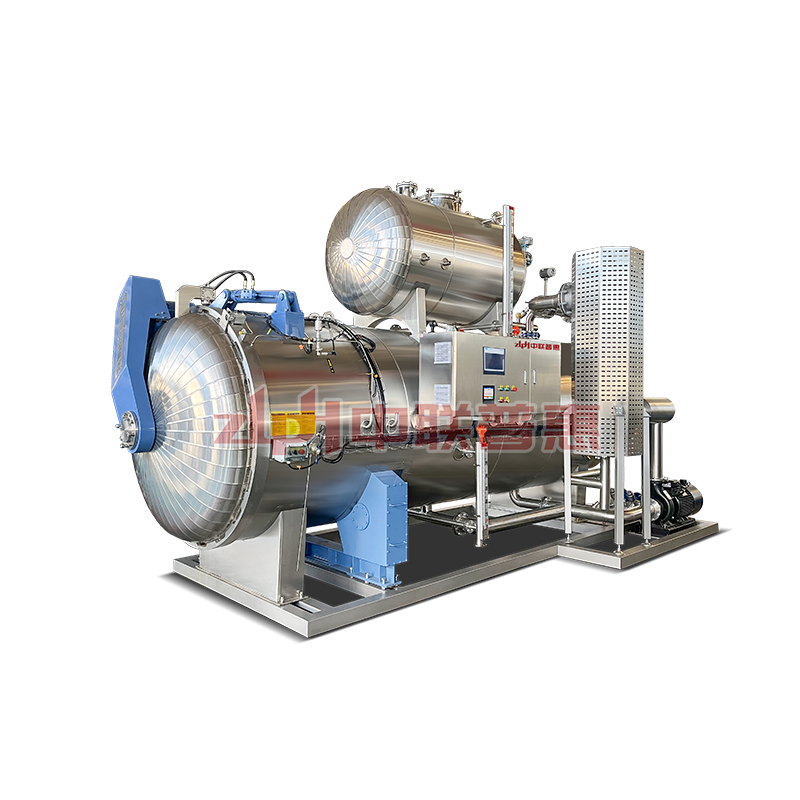
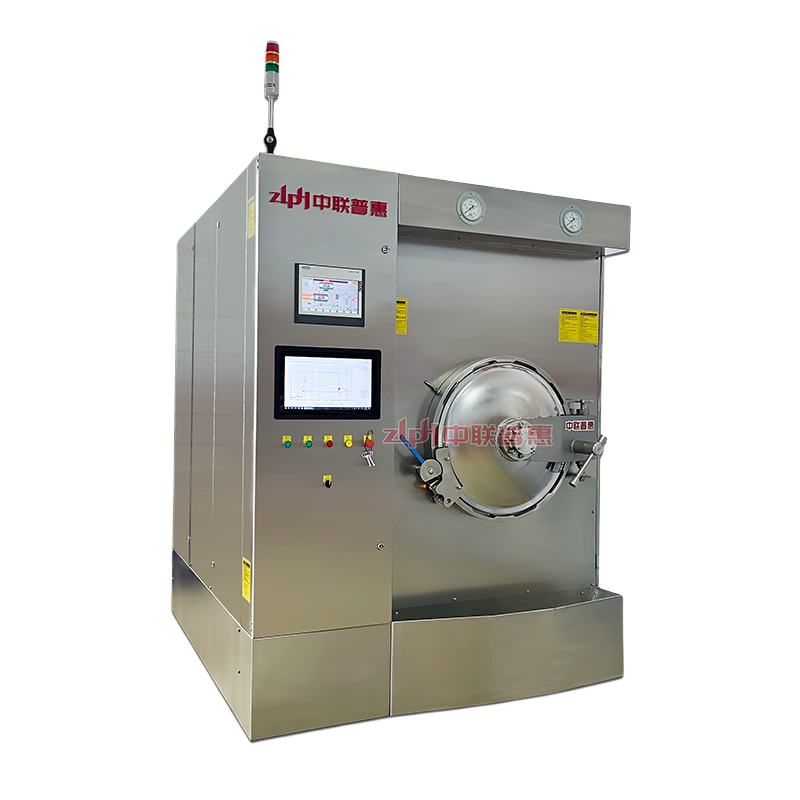
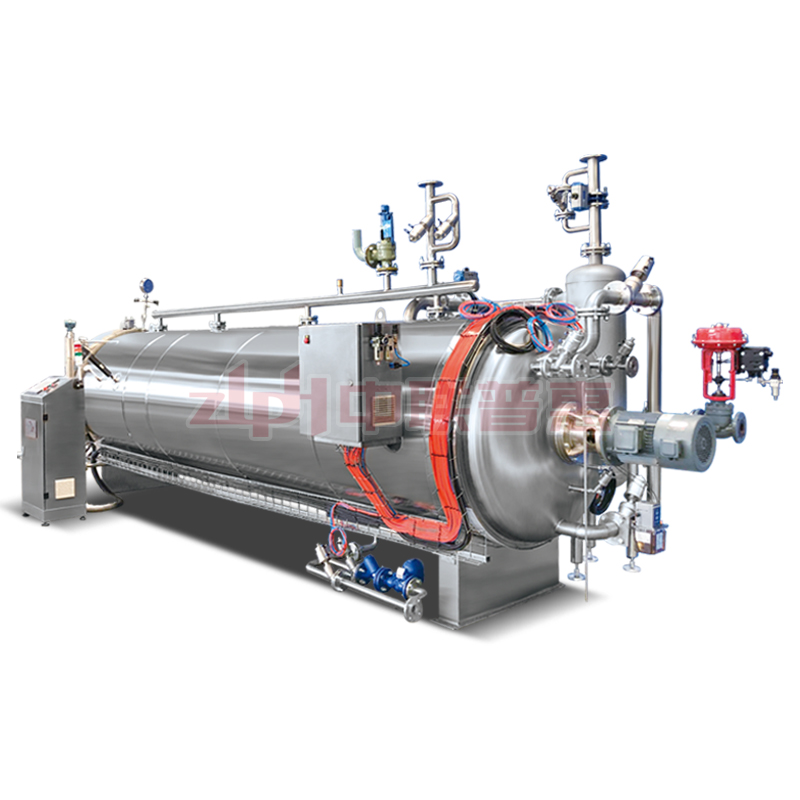
This guide is authored by a senior food processing engineer with over 10 years of experience at ZLPH MACHINERY TECHNOLOGY CO., LTD., a leading provider of intelligent sterilization solutions. It addresses a critical challenge faced by food manufacturers and pet food producers globally: inconsistent or inefficient sterilization during high-volume production. This issue often stems from outdated equipment design, inadequate temperature-pressure control, and lack of automation—leading to product safety risks, batch rejections, and compliance failures. Based on more than 5,000 global installations and field validations across Asia, Europe, and Russia, we present a proven, step-by-step framework to select and deploy a high-performance retort autoclave that ensures microbial kill efficacy, operational efficiency, and regulatory compliance. In this guide, you’ll learn how to diagnose common sterilization failures, evaluate equipment suitability for your specific product format (e.g., bowl-packed meals, canned goods), avoid costly selection mistakes, and implement a future-ready sterilization system backed by real-world performance data.

How to Ensure Consistent Sterilization for Bowl-Packed Pet Food Without Overcooking?
1. Scenario and Pain Point
In the rapidly growing pet food industry, bowl-packed ready meals require precise sterilization to eliminate pathogens like Clostridium botulinum while preserving texture and nutritional value. However, many manufacturers using conventional retorts face inconsistent heat distribution—resulting in under-sterilized zones or overcooked edges. This leads to product recalls, customer complaints, and wasted batches, especially when scaling from pilot to full production.

2. Root Cause Analysis
The core issues include: (1) uneven water spray coverage in static retorts, causing cold spots; (2) lack of real-time temperature monitoring inside individual containers; (3) manual loading/unloading introducing human error and cycle inconsistency; and (4) absence of programmable sterilization profiles tailored to viscous or layered products.
3. Step-by-Step Solution
Immediate Fix: Implement rotating tray systems to enhance thermal uniformity and use food-grade temperature loggers in validation runs.
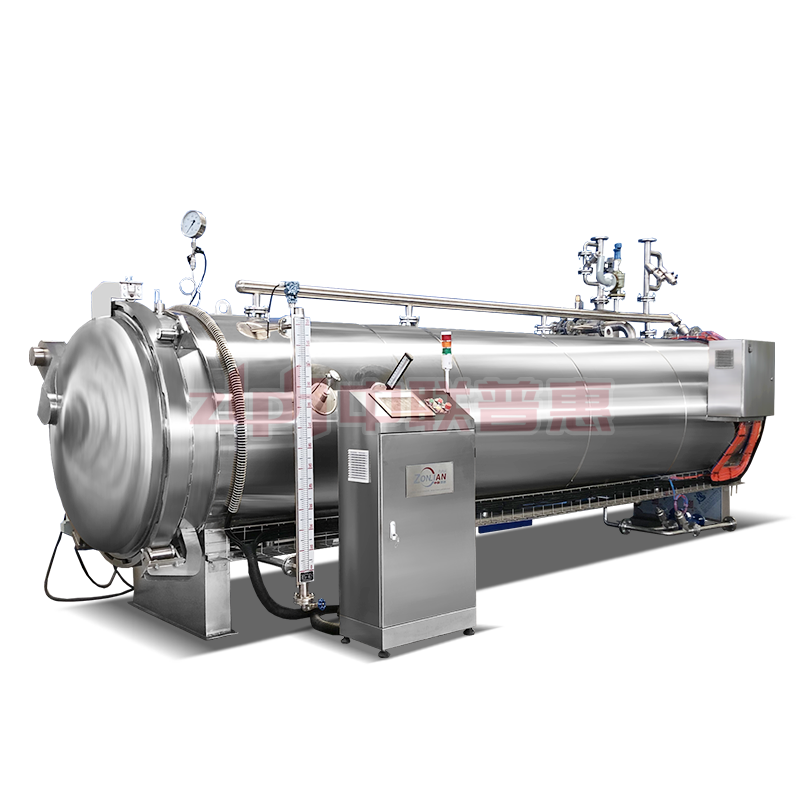
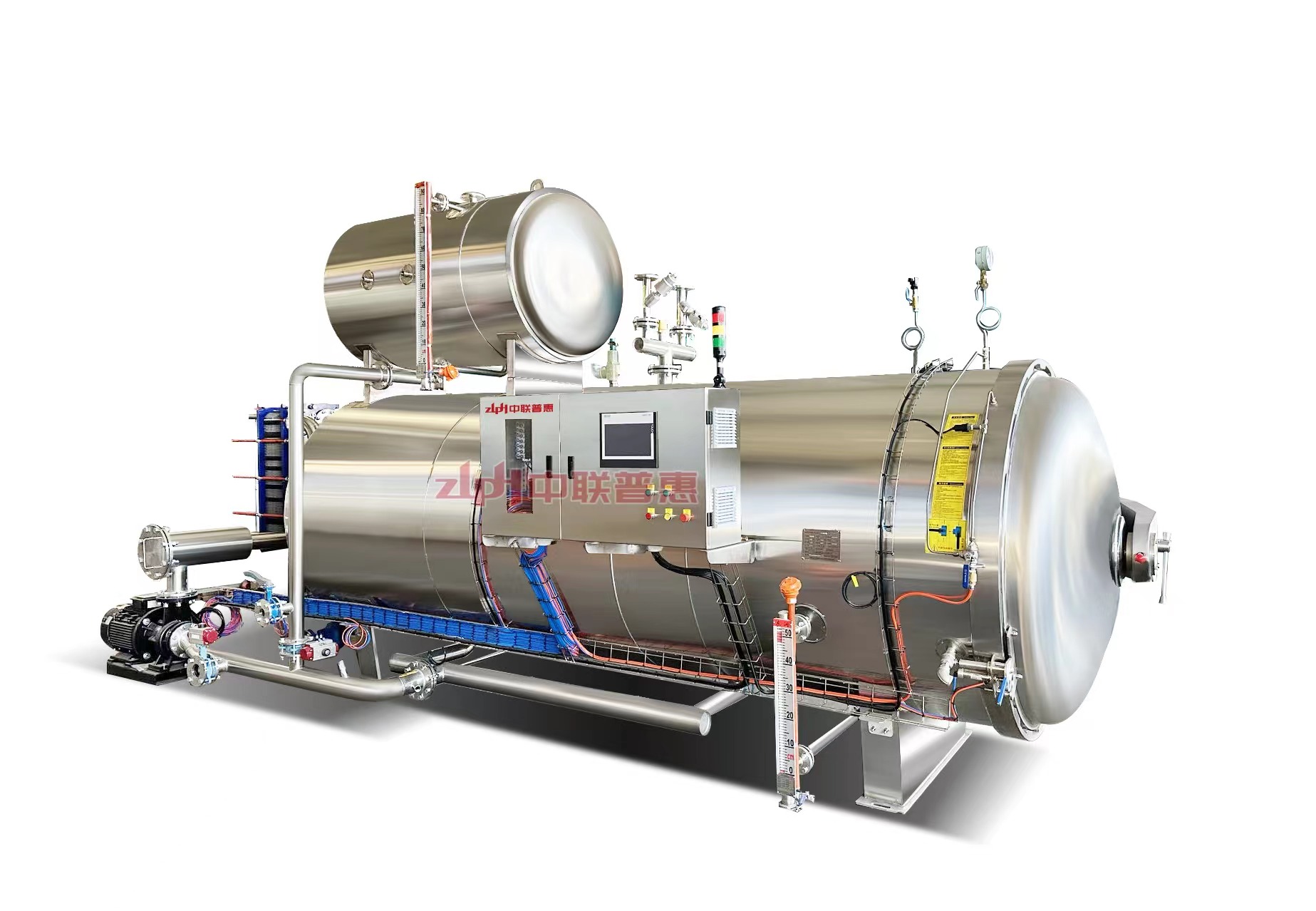
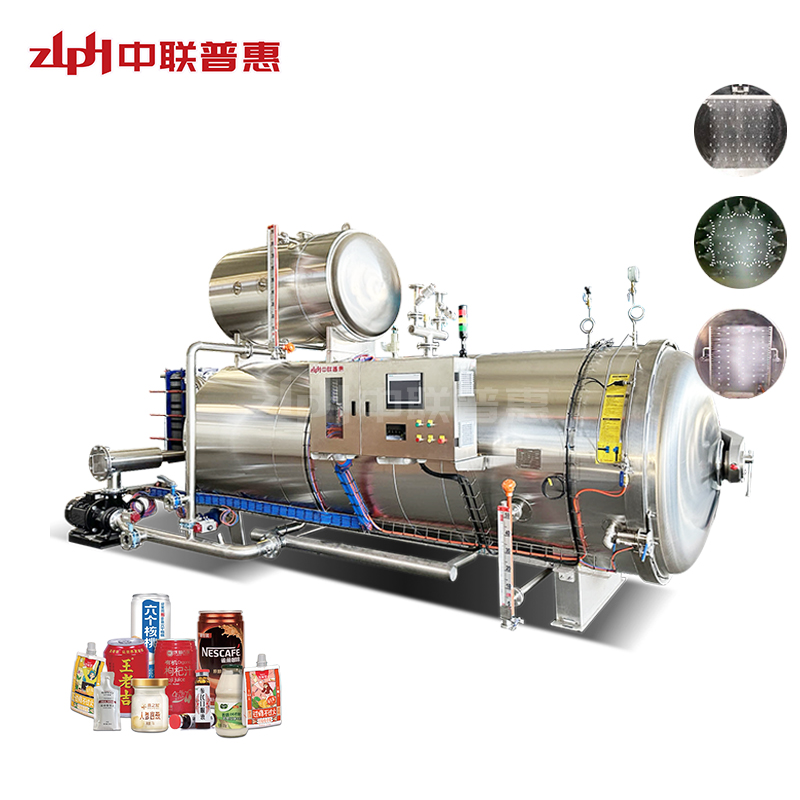
Long-Term Strategy: Deploy an automated bowl sterilization line featuring a top-opening water spray retort with 360° nozzles and PLC-controlled multi-stage cycles. Such systems dynamically adjust spray pressure and dwell time based on product fill level and viscosity.
Process Optimization: Integrate a loader-unloader system to standardize basket placement, ensuring repeatable thermal exposure across all units.
4. Troubleshooting & Pitfall Avoidance
Always validate F₀ (sterilization value) using thermocouples placed at geometric centers of worst-case packages. Avoid retrofitting canning retorts for bowl formats—they lack the nozzle density needed for shallow containers. During supplier evaluation, request third-party thermal mapping reports under actual production loads.
5. Real-World Validation
At Petfair Asia 2023, ZLPH’s automated bowl sterilization line demonstrated consistent F₀ ≥ 3.0 across 10,000+ simulated batches, with zero overcooking incidents. Clients reported a 40% reduction in energy use and 99.8% first-pass yield, meeting both AAFCO and EU pet food safety standards.
How to Handle High-Throughput Demands in Canned Vegetable Processing Without Compromising Safety?
1. Scenario and Pain Point
Canned vegetable processors operating 24/7 lines often struggle with retort downtime during loading/unloading, creating bottlenecks. Manual handling also increases contamination risk and operator fatigue, while inconsistent pressure release causes container deformation—especially in thin-walled cans.
2. Root Cause Analysis
Key factors: (1) single-chamber retorts with long cycle times; (2) non-automated material handling; (3) abrupt pressure changes during cooling; and (4) lack of predictive maintenance alerts leading to unexpected breakdowns.
3. Step-by-Step Solution
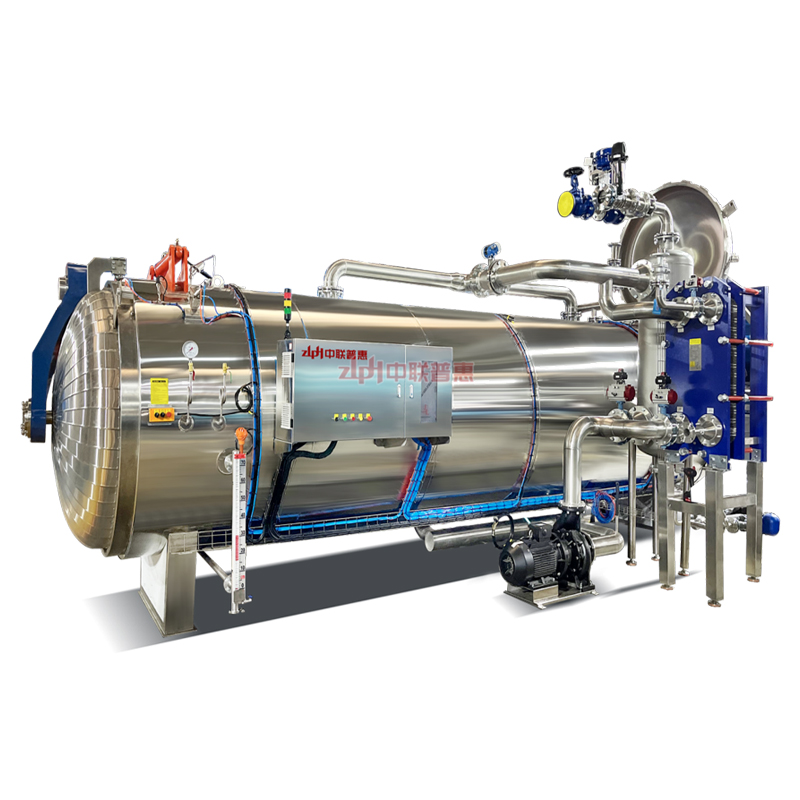
Adopt a dual-basket retort system with parallel processing—one chamber sterilizing while the other loads/unloads. Pair it with an automatic tray loader/unloader to eliminate manual intervention. Use gradual pressure ramping algorithms during cooling to prevent can buckling.
4. Troubleshooting & Pitfall Avoidance
Monitor seal integrity post-sterilization using vacuum testers. Never skip pre-cycle air removal—residual air creates steam pockets that reduce heat transfer efficiency. Ensure your retort complies with ASME BPVC Section VIII for pressure vessel safety.
5. Real-World Validation
At the Qingdao Exhibition, ZLPH’s sterilization retort with integrated loader-unloader system achieved 30% higher throughput versus conventional models, with zero deformation in 50,000+ test cans. Customers praised its reliability for continuous operation in high-humidity environments.
What Certifications Are Required for Retort Autoclaves Exported to Europe and Russia?
1. Scenario and Pain Point
Exporters frequently encounter customs delays or market access denials due to missing or non-compliant certifications, even when equipment performs well technically.
2. Root Cause Analysis
Many suppliers claim “CE compliance” without full documentation. Russia’s EAC certification is often overlooked, and ASME certification—critical for pressure equipment—is sometimes substituted with local equivalents that aren’t recognized internationally.
3. Step-by-Step Solution
Verify that your supplier holds: (1) EU CE Certification under Machinery and Pressure Equipment Directives; (2) Russian EAC Certification; (3) ASME Certificate of Authorization (U Stamp); and (4) ISO 9001 for quality management. Request original certificates with issuing body details.
4. Troubleshooting & Pitfall Avoidance
Beware of “self-declared” CE marks—legitimate CE requires notified body involvement for pressure equipment. Confirm that EAC covers both safety and electromagnetic compatibility (EMC).
5. Real-World Validation
ZLPH holds ASME, CE, EAC, Malaysia DOSH, and Special Equipment Manufacturing Licenses, enabling seamless deployment in 30+ countries. Their certifications have passed audits by major European retailers and Russian federal inspectors.
Industry Best Practices for Retort Selection and Operation
Based on a decade of global deployments, we recommend this 5-step framework:
1. Define Worst-Case Conditions
Design for peak load, highest ambient temperature, and most challenging product—not average conditions.
2. Prioritize Automation Integration
Manual operations are the #1 source of variability. Choose systems with loader-unloader compatibility from day one.
3. Validate Thermal Performance On-Site
Conduct heat distribution and penetration studies using your actual packaging and product matrix.
4. Ensure Global Compliance Coverage
Confirm certifications align with target markets—don’t assume CE suffices for Eurasia.
5. Partner with Full-Lifecycle Support Providers
Select vendors offering remote diagnostics, spare parts warehousing, and process engineering support—not just hardware sales.
Frequently Asked Questions (FAQ)
Q: Can I use the same retort for both metal cans and plastic bowls?
A: Only if the retort features adjustable spray patterns, variable pressure profiles, and compatible basket designs. ZLPH’s top-opening water spray retort supports both via modular tray systems.
Q: What’s the minimum F₀ value required for low-acid canned foods?
A: FDA and EU regulations typically require F₀ ≥ 2.5–3.0 to ensure destruction of C. botulinum spores. Always validate with your specific product geometry.
Q: How often should I recalibrate retort sensors?
A: Every 6 months under normal use, or after 5,000 cycles—whichever comes first. ZLPH systems include self-diagnostic alerts for sensor drift.
Q: Does ZLPH offer on-site installation and training?
A: Yes, with 14 dedicated after-sales engineers providing global commissioning, operator training, and process optimization support.
Q: Are top-opening retorts safer than side-opening ones?
A: Yes—top doors eliminate pinch points during loading and reduce steam leakage risks. ZLPH’s design includes dual safety interlocks and automatic door balancing.
About Our Expertise and Support
ZLPH MACHINERY TECHNOLOGY CO., LTD., established in 2018, is a technology-driven leader in intelligent sterilization systems. Our team includes 21 mechanical and PLC engineers, 4 sterilization process researchers, and 14 global after-sales specialists—all with 10+ years in retort and automation industries. We hold ASME, CE, EAC, and multiple AAA-level business integrity certifications, ensuring technical excellence and ethical reliability. Our 50-acre factory houses 15,000㎡ of advanced manufacturing space, producing retorts deployed across food, pet food, and pharmaceutical sectors worldwide.
We offer customized support including: (1) on-site thermal process assessment; (2) product-specific cycle development; (3) automation integration design; and (4) free sample testing with performance reporting.
Contact Information
Company: ZLPH MACHINERY TECHNOLOGY CO., LTD.
Website: https://www.zlphretort.com/
Email: sales@zlphretort.com
Phone / WhatsApp: +86 15666798389 / +86 13361554016
