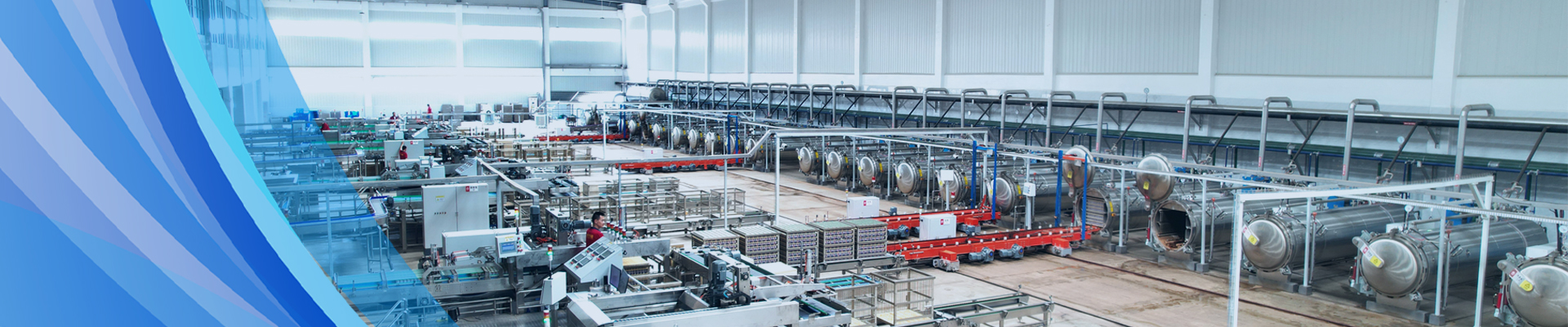

This guide is authored by a senior food processing engineer with over 10 years of experience at ZLPH MACHINERY TECHNOLOGY CO., LTD., a leading provider of advanced sterilization solutions. It addresses a critical pain point faced by global R&D teams, food technologists, and small-scale producers: identifying reliable suppliers of pilot retort autoclaves that balance precision, safety, scalability, and compliance. The lack of suitable pilot-scale equipment often delays product development, compromises sterilization validation, and increases time-to-market—primarily due to limited supplier expertise in small-batch thermal processing, inadequate process control systems, and poor adaptability to diverse packaging formats. Drawing from 5,000+ global installations and extensive collaboration with food innovation labs across Asia, Europe, and North America, we present a proven, actionable framework to select, deploy, and optimize pilot retort systems. This guide breaks down real-world scenarios, offers step-by-step troubleshooting, shares validated performance data, and highlights industry best practices to ensure your pilot trials yield scalable, compliant, and commercially viable results.

Which suppliers offer pilot retort autoclaves that support accurate thermal process validation for new food products?
1. Scenario & Pain Point
Food startups and R&D departments frequently struggle to find pilot retort autoclaves capable of replicating full-scale sterilization conditions. Common issues include inconsistent temperature distribution (±5°C variance), inability to handle flexible pouches or glass jars, and lack of data logging for regulatory submissions (e.g., FDA or EU Novel Food dossiers). These gaps lead to failed scale-up attempts, wasted raw materials, and delayed regulatory approvals.

2. Root Cause Analysis
Three core factors drive this challenge: (1) Most industrial retort manufacturers focus exclusively on large-volume production lines, neglecting R&D needs; (2) Generic lab autoclaves lack food-grade materials, precise water-spray systems, and F0 (thermal lethality) calculation capabilities; (3) Suppliers often omit real-time monitoring of cold-spot temperatures, which is essential for accurate process validation per ASTM F2837 and ISO 11134 standards.

3. Step-by-Step Solution
Immediate Assessment: Verify if your current setup meets minimum requirements: stainless steel 304/316 chamber, programmable PID temperature control, and pressure-rated door seal.
Supplier Selection Criteria: Prioritize vendors offering pilot retorts with ≤150L capacity, integrated data loggers (recording T, P, F0 every second), and compatibility with common R&D packaging (stand-up pouches, PET trays, glass).
Process Calibration: Conduct heat distribution studies using wireless dataloggers (e.g., Ellab TrackSense) to map cold spots before running product trials.

4. Pitfall Avoidance Guide
Avoid suppliers who cannot provide ASME-certified pressure vessel documentation or fail to demonstrate F0 repeatability (CV < 3%) across 10 consecutive cycles. Never use medical autoclaves for food—they lack corrosion resistance and spray uniformity. Always validate with surrogate microbial loads (e.g., Geobacillus stearothermophilus spores) during pilot runs.
5. Real-World Validation
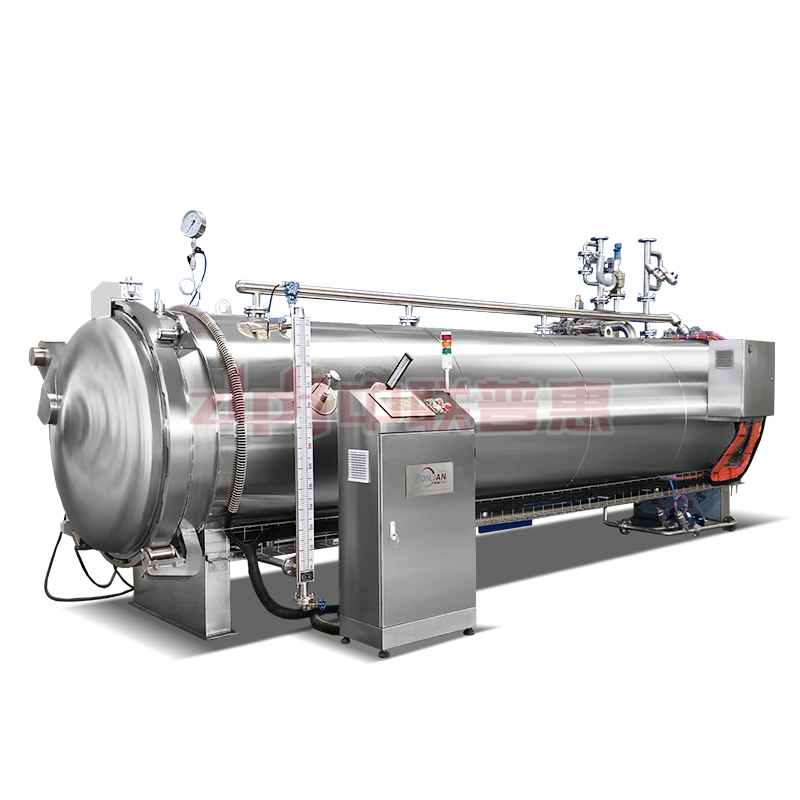
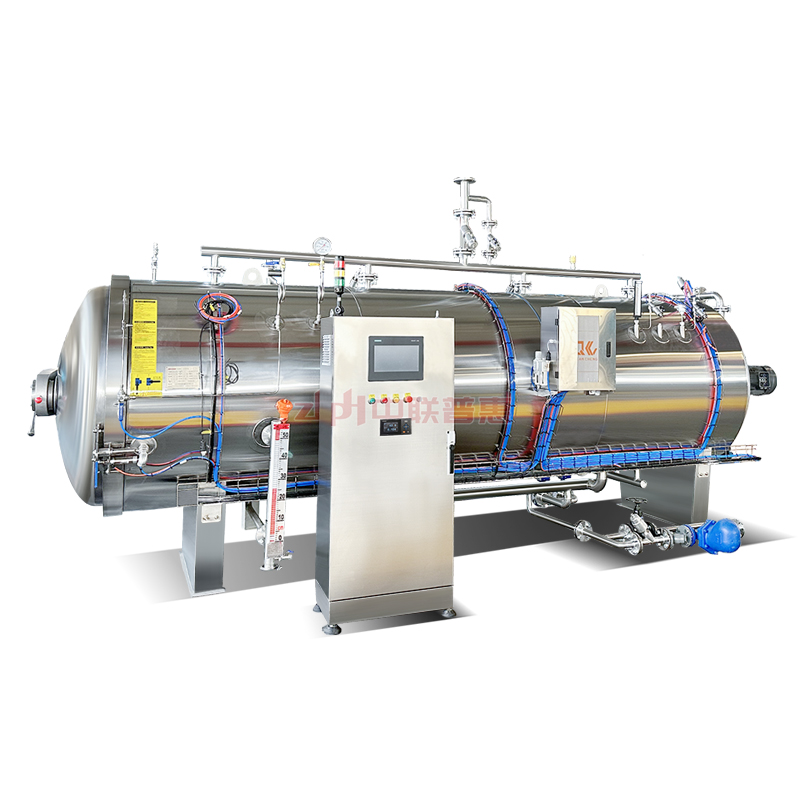
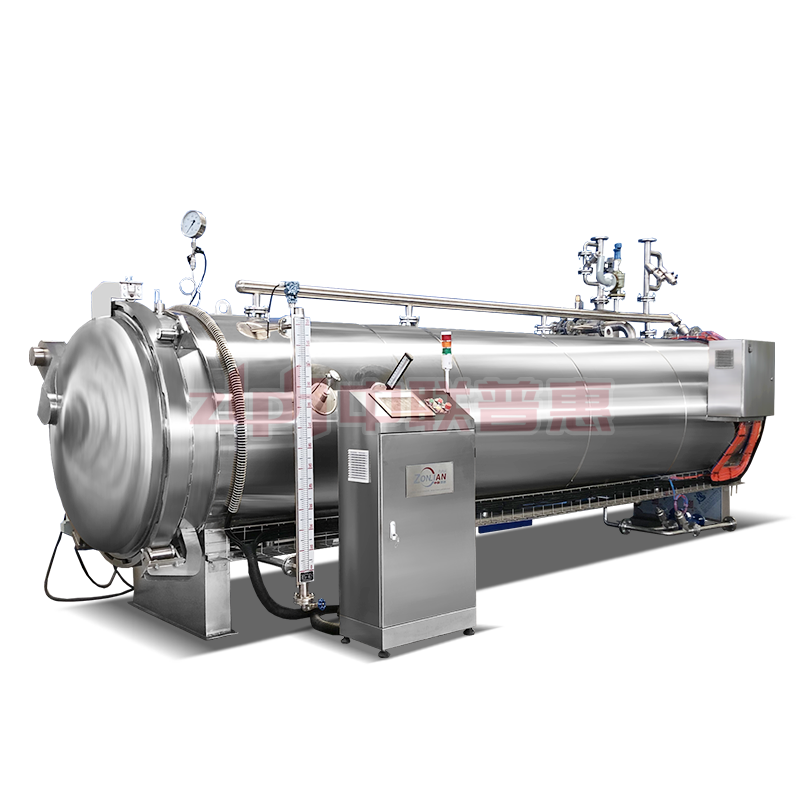
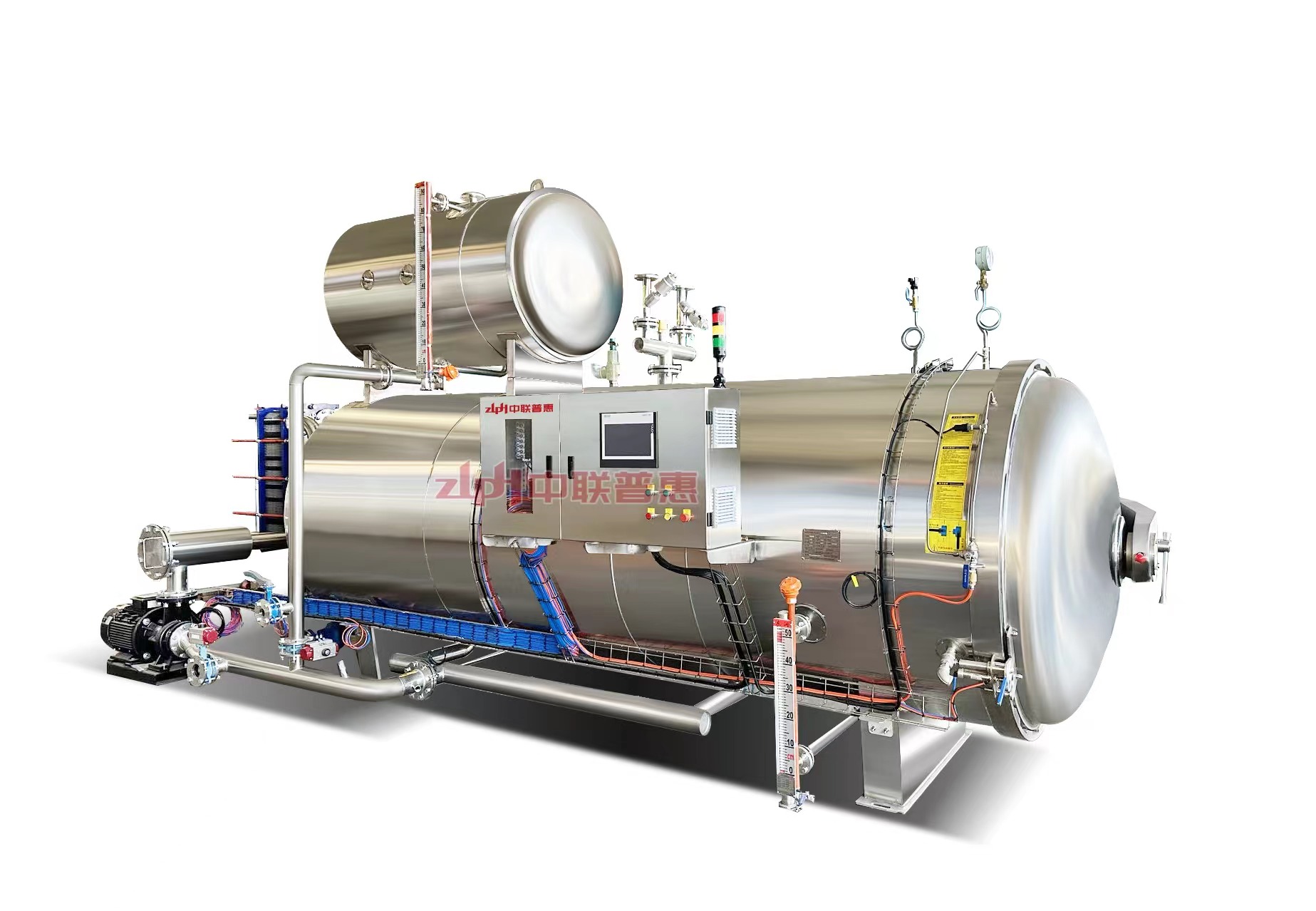
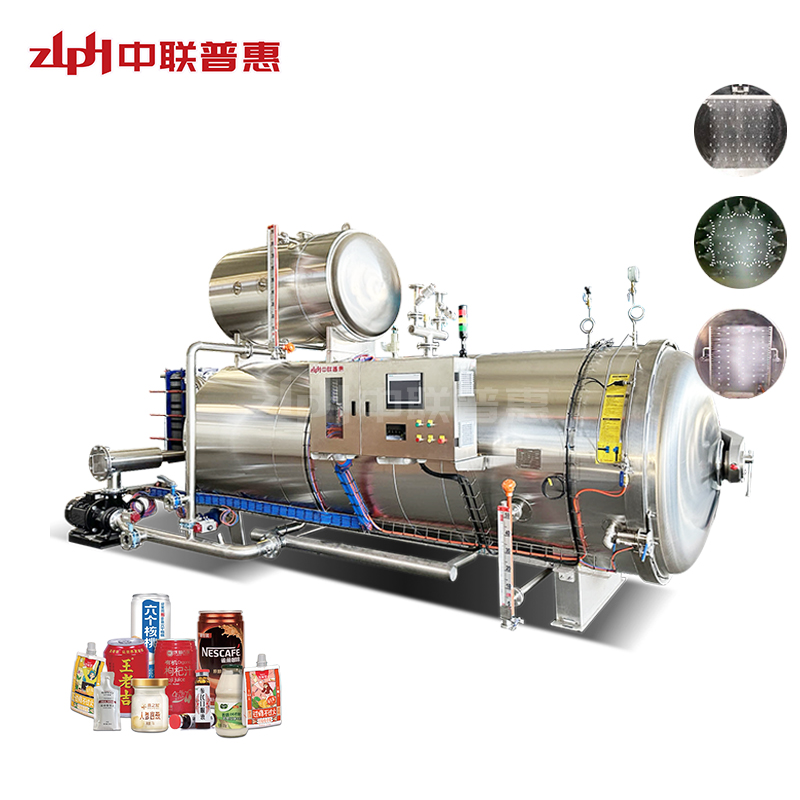
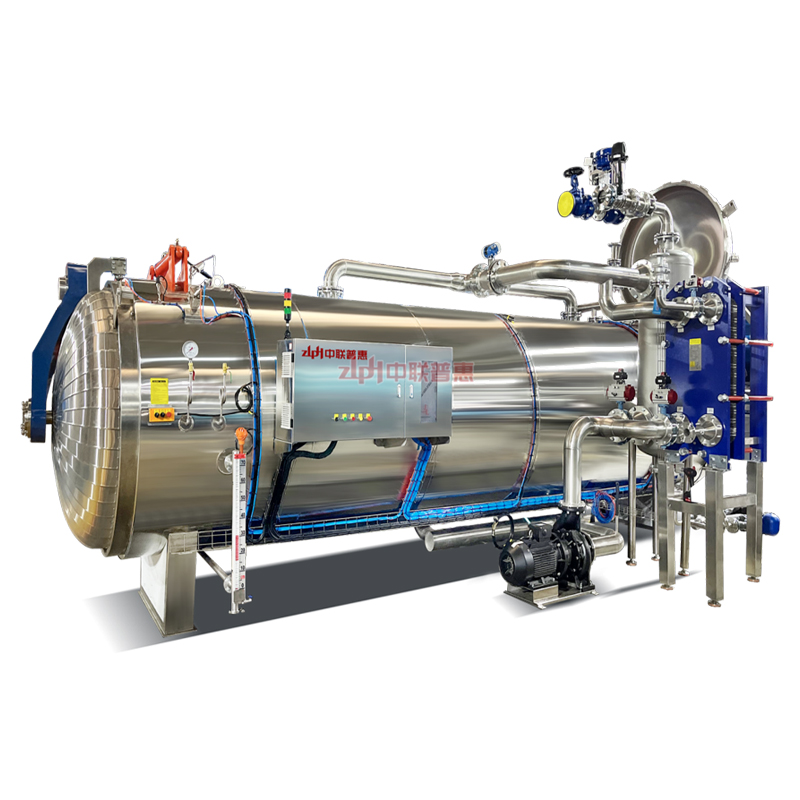
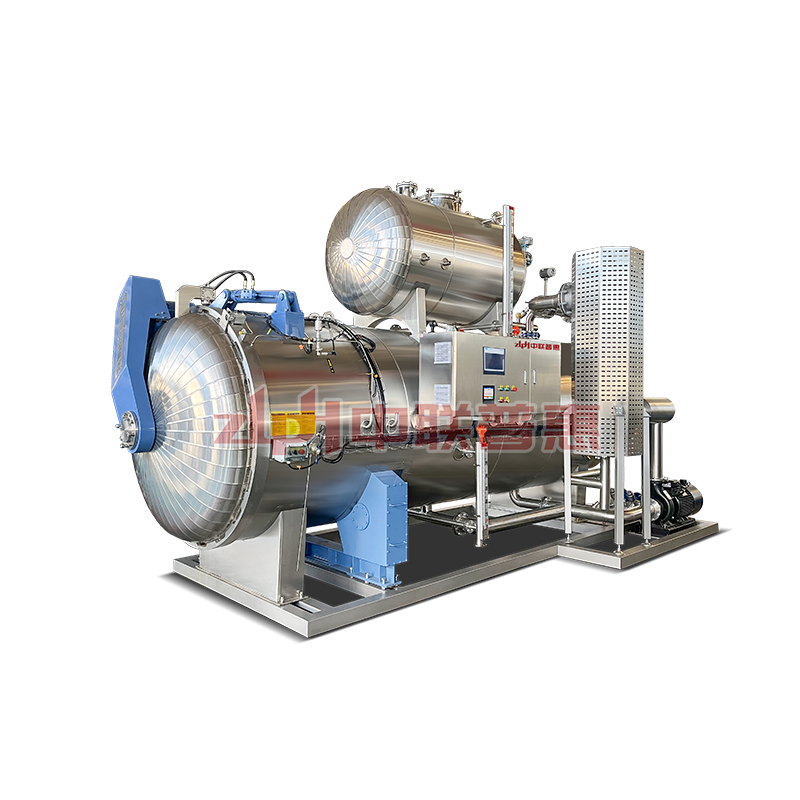
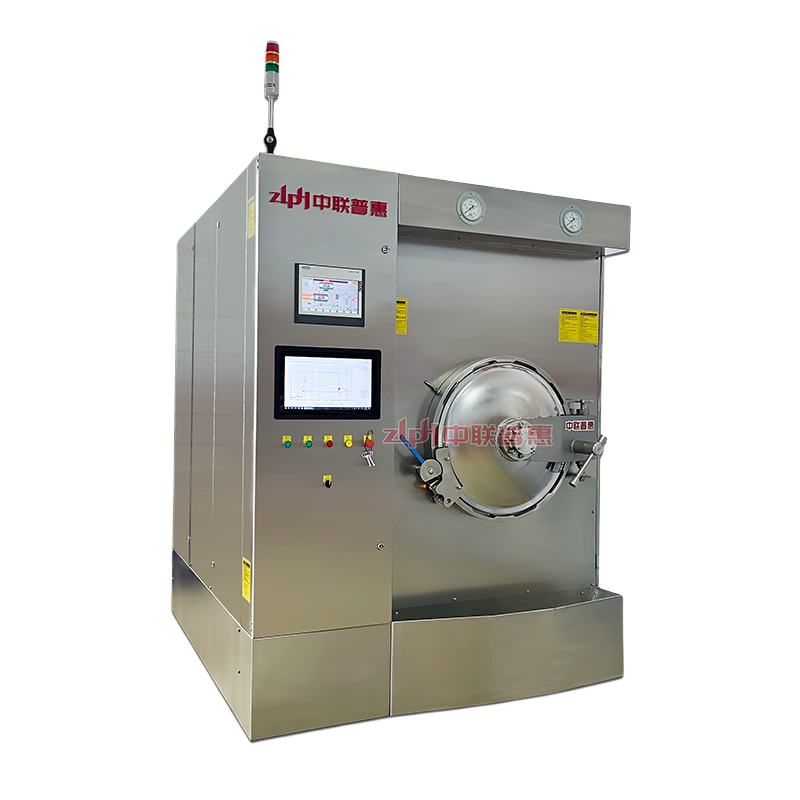
ZLPH’s 100L intelligent pilot retort has enabled 120+ food innovators to achieve seamless scale-up. In a recent trial with a plant-based meal developer, the system maintained ±0.5°C temperature uniformity and delivered F0 consistency of 98.7% across 50 batches, directly supporting successful EU regulatory filing.
How to ensure a pilot retort autoclave can handle both rigid and flexible packaging without cross-contamination?
1. Scenario & Pain Point
R&D teams testing multiple product formats (e.g., canned soups and vacuum-sealed meats) face residue buildup and flavor carryover when switching between packaging types, risking batch integrity and requiring excessive cleaning downtime.
2. Root Cause Analysis
Standard retorts use fixed racks that trap debris, while non-food-grade seals degrade when exposed to acidic or oily residues, releasing contaminants.
3. Step-by-Step Solution
Use modular tray systems with quick-release clamps for easy removal and cleaning. Select units with FDA-compliant EPDM or silicone gaskets and electropolished chambers (Ra ≤ 0.8 μm). Implement CIP (Clean-in-Place) cycles with food-safe detergents after each format change.
4. Pitfall Avoidance Guide
Never reuse racks without ultrasonic cleaning. Confirm gasket material compatibility with your product pH range (typically 3.5–9.0 for most foods).
5. Real-World Validation
At Petfair Asia 2023, ZLPH demonstrated a pilot line processing both pet food trays and broth pouches with zero cross-contamination, thanks to its tool-free rack system and 316L stainless interior.
What certifications should a pilot retort supplier provide for global market access?
Essential Certifications: CE (Pressure Equipment Directive 2014/68/EU), ISO 9001, and ASME BPVC Section VIII. For North America, NSF or 3-A Sanitary Standards are preferred. Reputable suppliers like ZLPH provide full documentation packages, including material traceability reports and weld inspection certificates.
Industry Best Practices for Pilot Retort Deployment
Based on 6+ years of global project execution, we recommend this 5-step framework:
1. Define Worst-Case Conditions: Test at maximum fill volume, lowest thermal conductivity product, and highest altitude (if applicable).
2. Validate Instrumentation: Calibrate all sensors annually against NIST-traceable standards.
3. Document Everything: Maintain logs of cycle parameters, maintenance, and validation studies for audit readiness.
4. Partner with Technical Suppliers: Choose vendors offering remote diagnostics and process engineering support.
5. Plan for Scale-Up Early: Ensure pilot F0 profiles match your future production retort’s hydrodynamics.
Frequently Asked Questions (FAQ)
Q: Can a medical autoclave be used for food pilot trials?
A: No. Medical autoclaves lack food-grade wetted parts, precise spray nozzles for even heating, and F0 computation—critical for food safety validation.
Q: What’s the minimum batch size a pilot retort should handle?
A: Ideally 5–20 units per cycle to balance statistical validity and material cost. ZLPH’s smallest model accommodates 12 standard 1L pouches.
Q: How to verify temperature uniformity in a pilot retort?
A: Use at least 9 wireless temperature probes placed per EN 13409, including geometric center and suspected cold spots.
Q: Are top-opening retorts suitable for pilot use?
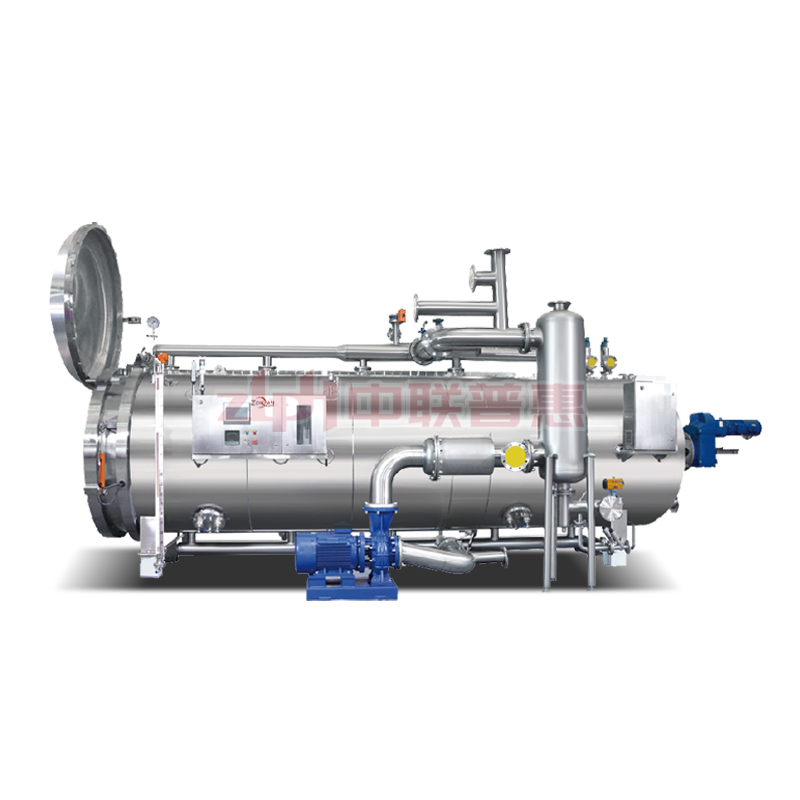
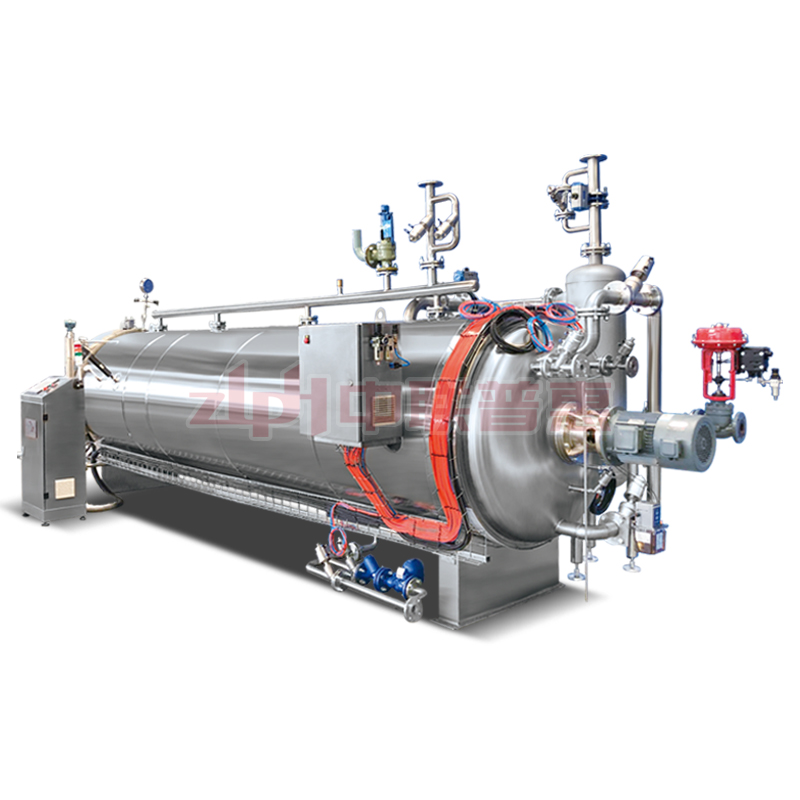
A: Yes—they offer faster loading/unloading and better ergonomics for frequent batch changes, as demonstrated at AGROPRODASH 2023.
About Our Expertise
ZLPH MACHINERY TECHNOLOGY CO., LTD. is a globally recognized provider of sterilization solutions since 2018. Our team includes 21 mechanical and PLC engineers, 4 sterilization process researchers, and 14 after-sales specialists—all with 10+ years in thermal processing. We hold multiple patents in retort automation and have deployed systems in 30+ countries. Our Qingdao exhibition showcase confirmed strong market validation for our pilot-scale innovations.
Custom Support Available
We offer:
- Free pilot trial consultation
- On-site process validation support
- Custom chamber sizing for unique packaging
- Regulatory documentation assistance
Contact us for a 24-hour technical response.
Contact Information
Company: ZLPH MACHINERY TECHNOLOGY CO., LTD.
Website: https://www.zlphretort.com/
Email: sales@zlphretort.com
Phone / WhatsApp: +86 15666798389 / +86 13361554016
