

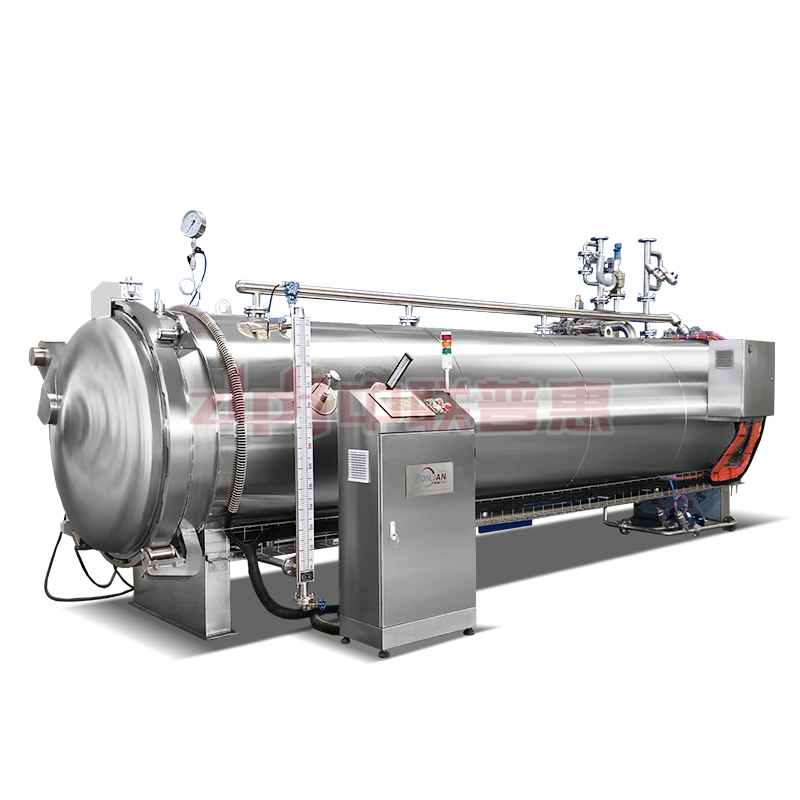
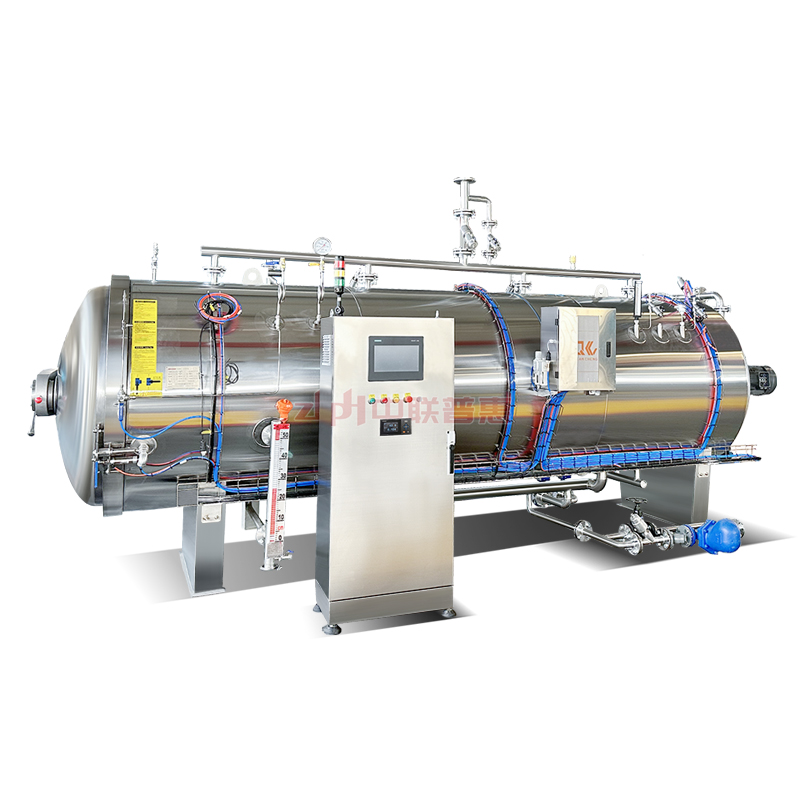
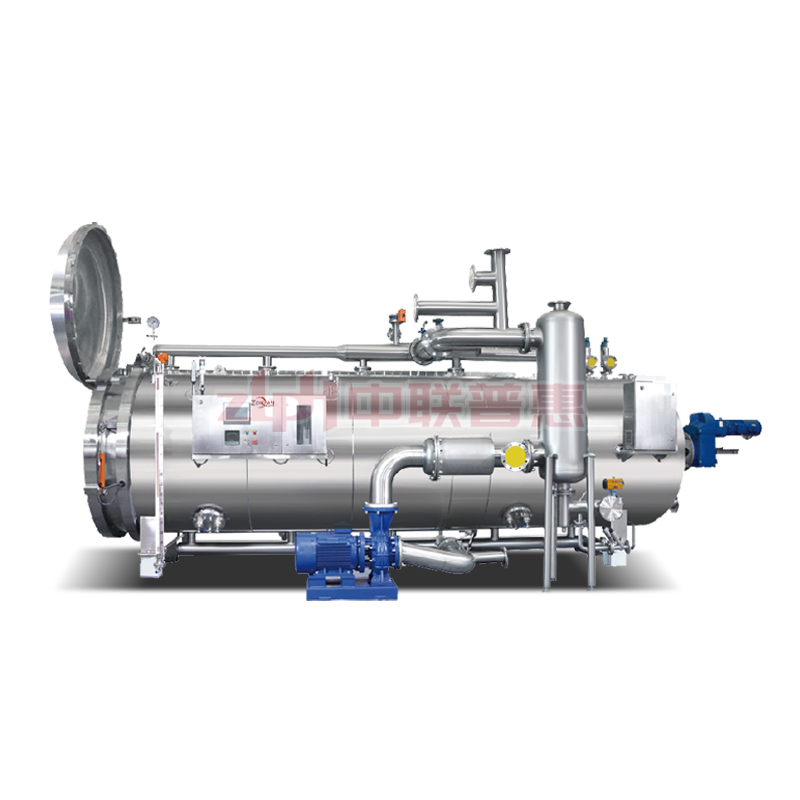
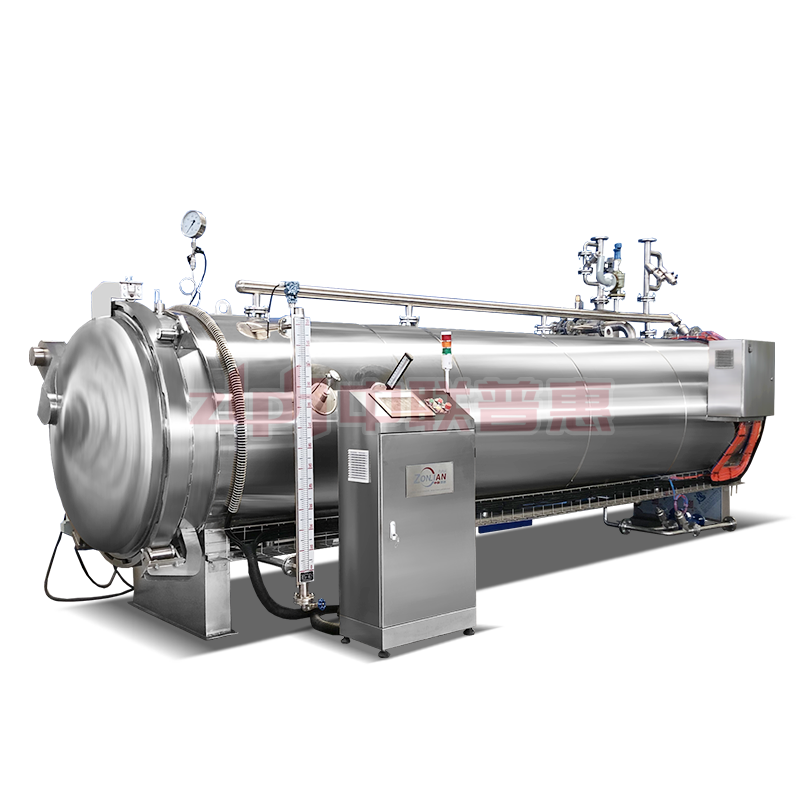
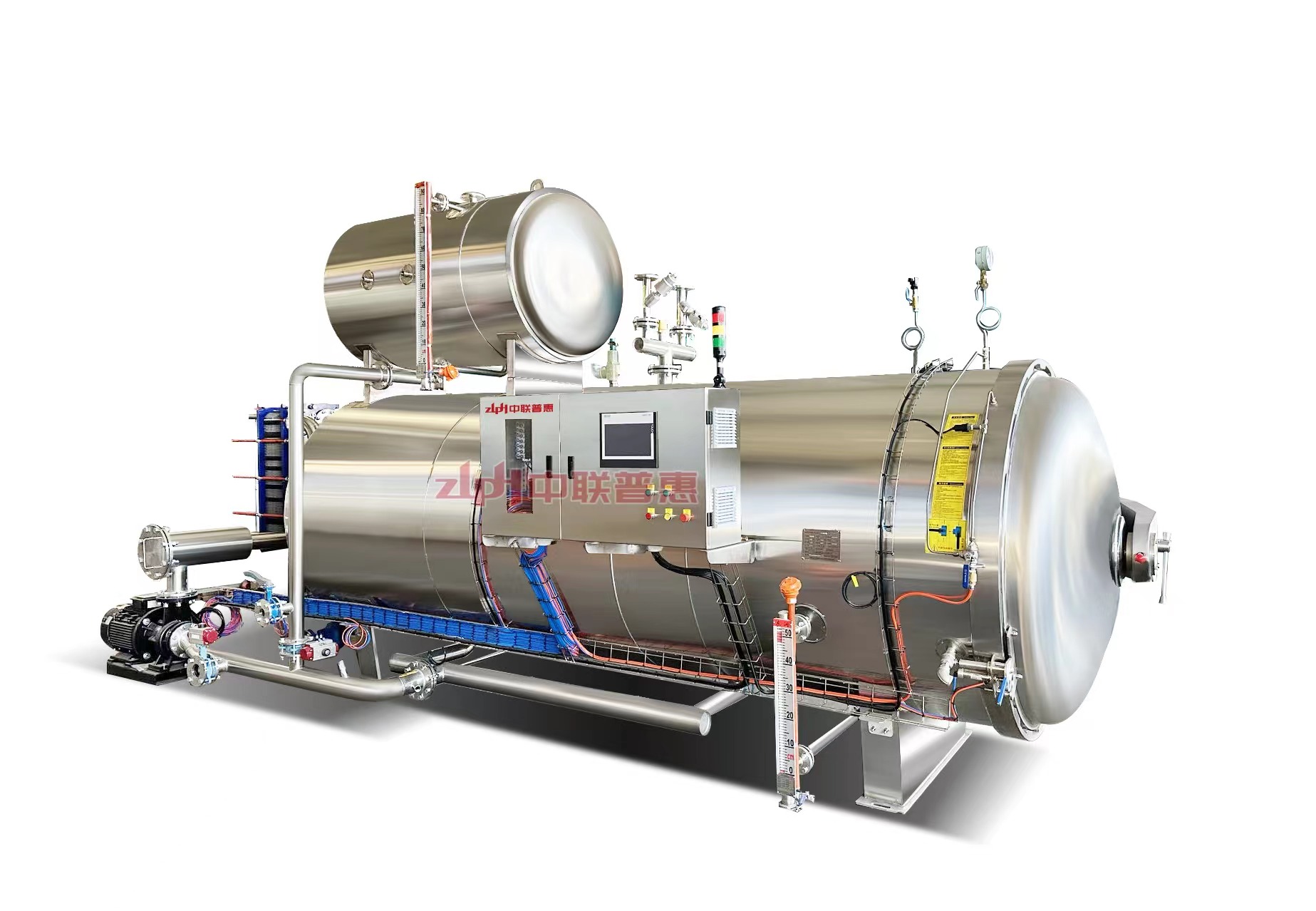
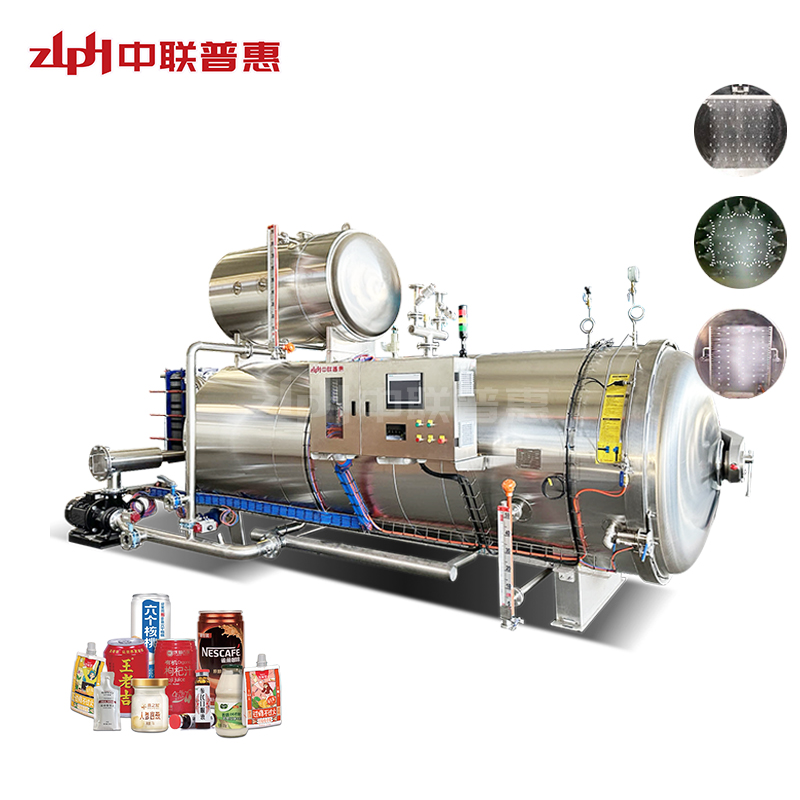
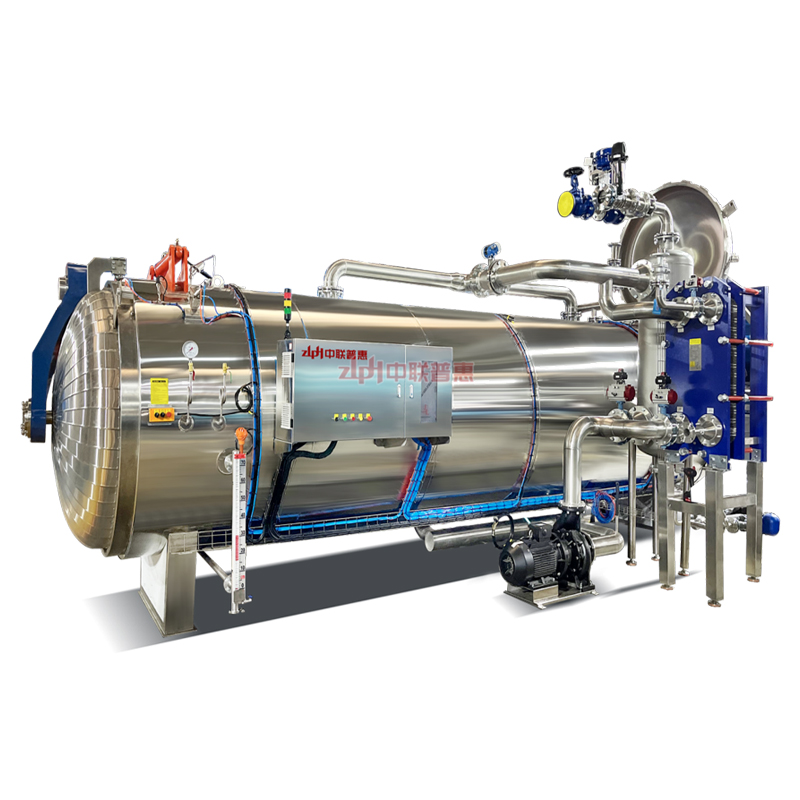
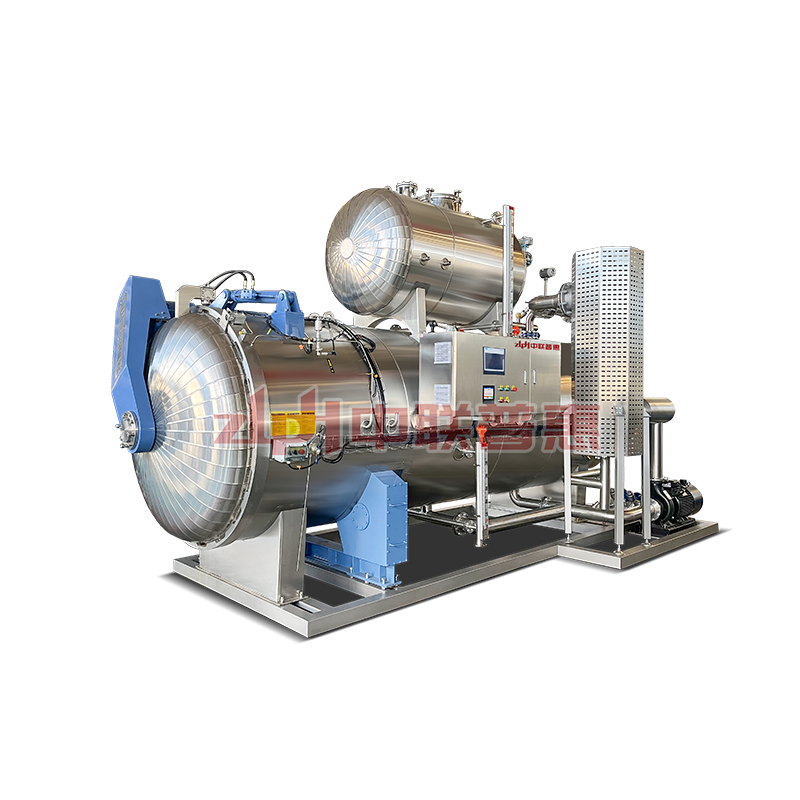
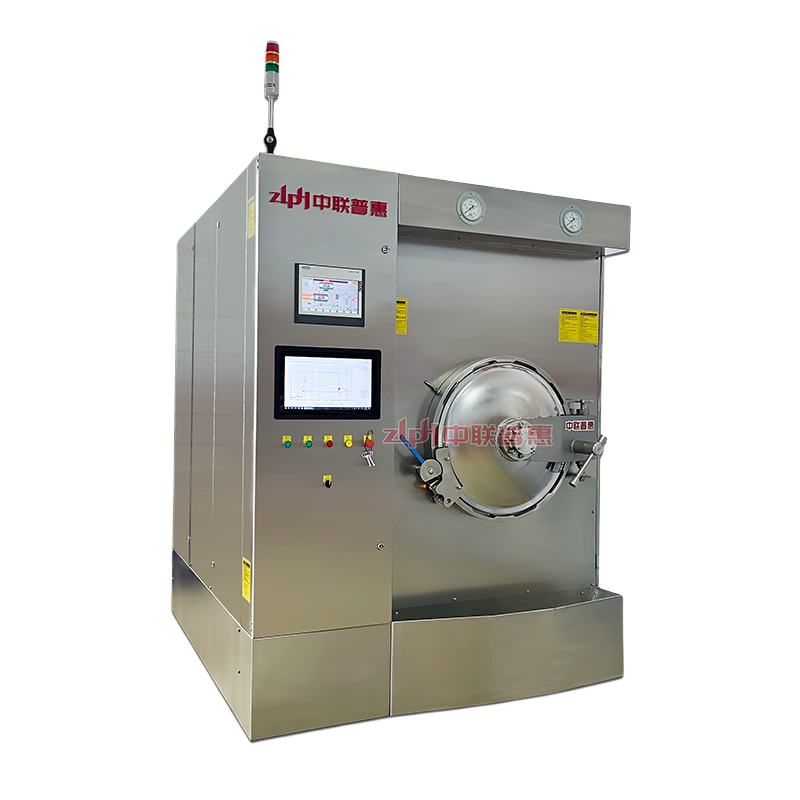
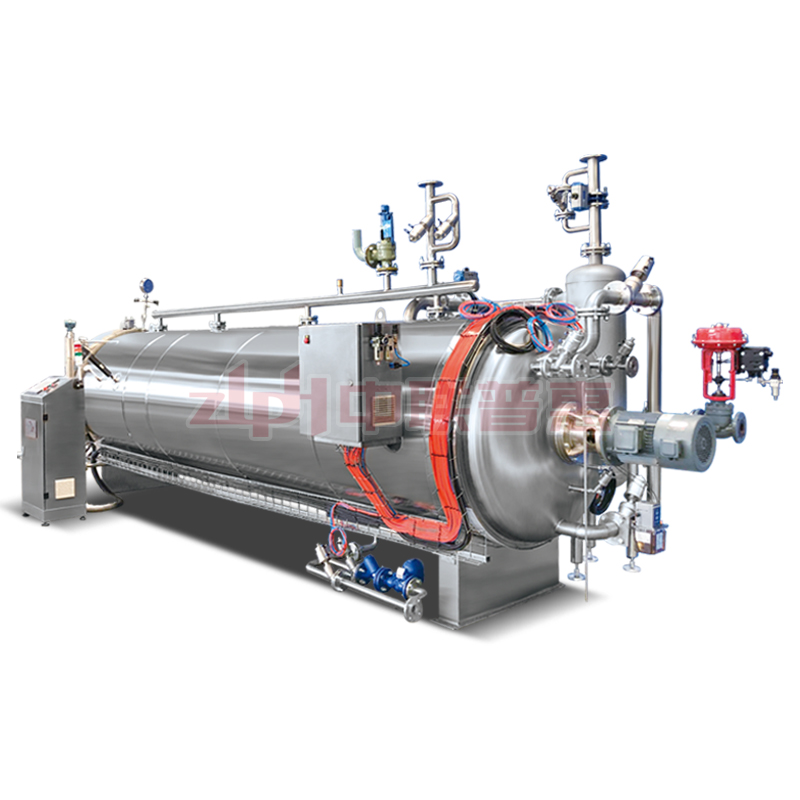
This guide is authored by a senior food processing engineer with over 10 years of experience at ZLPH MACHINERY TECHNOLOGY CO., LTD., a leading provider of advanced sterilization solutions. It addresses a critical challenge faced by global food production engineers and plant managers: inconsistent thermal distribution during water immersion retort sterilization. This issue often stems from poor water circulation design, inadequate temperature-pressure synchronization, and suboptimal loading practices. Based on more than 5,000 global installations and extensive field validation, we present a proven, actionable framework to eliminate cold spots, ensure microbiological safety, and maintain product quality. In this guide, we dissect root causes across common production scenarios, deliver step-by-step corrective measures, share real-world validation data, and provide industry best practices to help you achieve uniform, reliable sterilization every cycle.

How to Ensure Uniform Heat Distribution in Large-Batch Canned Food Sterilization?
1. Scenario and Pain Point
In high-volume canning facilities producing vegetables, meats, or ready-to-eat meals, operators frequently observe inconsistent sterilization outcomes—some cans pass microbial tests while others fail, despite identical process parameters. Thermal mapping reveals temperature differentials exceeding 3–5°C between top/bottom or center/edge zones, risking under-processing and potential pathogen survival.

2. Root Cause Analysis
Three primary factors contribute: (1) insufficient water spray coverage due to fixed nozzles that create dead zones; (2) lack of real-time pressure compensation during heating/cooling phases, causing container deformation and heat transfer disruption; (3) non-uniform tray loading that blocks water flow paths, especially in dense or mixed-size batches.

3. Step-by-Step Solution
Immediate Adjustment: Reconfigure retort basket layout using staggered stacking and maintain minimum 2 cm spacing between containers to enable 360° water circulation.
System Upgrade: Deploy an intelligent water immersion retort equipped with multi-angle rotating spray arms and synchronized PID-controlled steam/water injection. This ensures dynamic, even water distribution regardless of load density.
Process Optimization: Implement ramp-rate control during come-up time (CUT) and cooling to match internal product temperature with retort pressure, preventing can buckling and maintaining consistent heat transfer.

4. Troubleshooting & Prevention
Conduct quarterly thermal validation using wireless dataloggers placed in worst-case locations (e.g., geometric center, bottom corners). Verify that F₀ values meet target ±0.5 min tolerance. Avoid overloading beyond 85% chamber capacity. Always use perforated trays designed for hydrodynamic flow—not solid pallets.
5. Real-World Validation
At a European vegetable processor using ZLPH’s intelligent top-opening water spray retort, thermal uniformity improved from ΔT=4.2°C to ΔT=0.8°C across 1,200-can batches. Post-implementation, microbial failure rates dropped to zero over 18 months, and energy consumption decreased by 12% due to optimized cycle times.
How to Prevent Product Quality Degradation During Rapid Cooling in Water Immersion Retorts?
1. Scenario and Pain Point
Delicate products like fish fillets or fruit compotes often suffer texture loss, color fading, or package swelling when cooled too aggressively after sterilization, yet slow cooling increases cycle time and microbial risk.
2. Root Cause Analysis
Uncontrolled pressure drop during cooling causes internal vapor expansion, leading to pouch bloating or can distortion. Simultaneously, uneven cold-water inflow creates thermal shock in surface layers while the core remains hot.
3. Step-by-Step Solution
Use a retort with integrated pressure-following cooling: compressed air or steam maintains internal pressure slightly above product vapor pressure during water cooldown. Pair this with counter-flow cooling—cold water enters from the bottom while warm water exits top—to ensure gradual, uniform temperature descent.
4. Troubleshooting & Prevention
Monitor pressure differential (ΔP) between retort chamber and product headspace; keep ΔP < 0.3 bar during cooling. Validate with strain gauges on flexible packaging. Never initiate cooling until product core reaches ≤100°C.
5. Real-World Validation
A Southeast Asian seafood exporter reduced pouch burst rate from 7% to 0.2% and preserved omega-3 integrity by adopting ZLPH’s pressure-balanced cooling protocol, cutting total cycle time by 18 minutes per batch without compromising safety.
Industry Best Practices for Water Immersion Retort Operations
Based on 8+ years of global project deployment, ZLPH recommends this 5-step framework to maximize sterilization efficacy and operational reliability:
1. Define Worst-Case Load Configuration
Test not with ideal loads, but with mixed sizes, partial fills, and maximum density to identify true thermal weak points.
2. Validate with Real-Time Monitoring
Use wireless temperature/pressure probes in 9+ strategic locations per ANSI/AAMI ST79 and EN 285 standards.
3. Automate Critical Parameters
Eliminate manual intervention via PLC systems that auto-adjust steam, water, and air based on real-time feedback.
4. Maintain Spray System Integrity
Inspect nozzles monthly for clogging; clean with citric acid solution quarterly to remove mineral deposits.
5. Document & Audit Cycles
Store digital records of every run (time, temp, pressure, F₀) for traceability and continuous improvement.
Frequently Asked Questions (FAQ)
Q: Can standard water bath retorts handle flexible pouches without damage?
A: Only if equipped with precise pressure control during heating and cooling. Uncontrolled pressure differentials cause pouch expansion and seal failure. ZLPH retorts feature dynamic pressure tracking to protect sensitive packaging.
Q: What’s the minimum water flow rate needed for uniform sterilization?
A: ≥1.5 m/s at nozzle exit, verified via flow meters. Lower rates create laminar flow and dead zones. Our spray systems deliver 2.1–2.8 m/s with variable-frequency pumps.
Q: How often should thermal validation be performed?
A: Annually for stable processes, or immediately after any change in product, packaging, or loading pattern—per FDA 21 CFR Part 113 and EU Regulation (EC) No 852/2004.
Q: Are ZLPH retorts compliant with international food safety standards?
A: Yes. All units meet CE, ISO 9001, and ASME BPVC Section VIII requirements, with full documentation for HACCP and BRCGS audits.
Q: Can I retrofit an old retort with your spray system?
A: In most cases, yes. Our engineering team provides feasibility assessment and modular upgrade kits for legacy chambers.
Our Expertise and Support
ZLPH MACHINERY TECHNOLOGY CO., LTD. is a globally recognized innovator in thermal processing equipment, founded in 2018 with a dedicated R&D team of 21 mechanical and PLC engineers, 4 sterilization process specialists, and 14 after-sales technicians—all with 10+ years in the industry. Our 50-acre manufacturing facility houses 15,000 m² of precision workshops equipped with CNC machining centers and automated welding lines, ensuring micron-level component accuracy. We’ve deployed over 1,200 retort systems across 60+ countries, serving leaders in canned foods, pet food, and prepared meals. Our solutions are validated in extreme environments—from tropical humidity to sub-zero storage integration—and backed by 24/7 multilingual technical support.
We offer tailored support including: (1) on-site thermal mapping and process audit; (2) custom chamber design for unique product geometries; (3) remote PLC programming and operator training; (4) free sample testing with your actual product and packaging.
Contact Information
Company: ZLPH MACHINERY TECHNOLOGY CO., LTD.
Website: https://www.zlphretort.com/
Email: sales@zlphretort.com
Phone / WhatsApp: +86 15666798389 / +86 13361554016
