
What makes nanotechnology relevant to bird's nest sterilization?
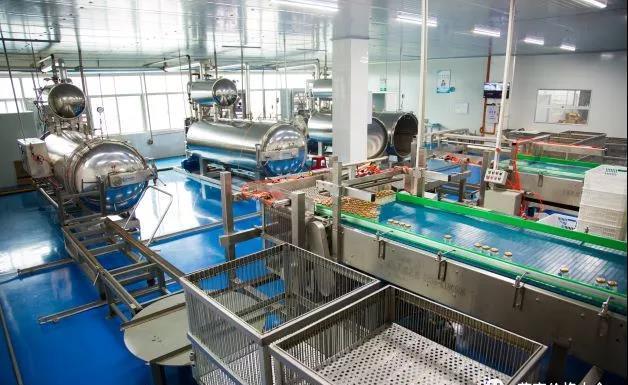
A: Nanotechnology enables molecular-scale engineering that transforms Bird's Nest Sterilization capabilities. Nano-structured surfaces in Retort Machine chambers reduce protein adhesion and enhance heat transfer, while nano-sensors provide real-time monitoring at unprecedented resolution. These innovations elevate retort sterilisation precision beyond conventional limitations.
How does ultrasonic technology enhance sterilization efficacy?
A: High-frequency ultrasonic waves create microscopic cavitation bubbles that generate localized high temperatures and pressures, disrupting microbial structures without bulk thermal elevation. When integrated with traditional steam retort machine systems, this approach enhances Bird's Nest Sterilization while reducing overall thermal exposure—preserving delicate bioactive compounds.
Can these technologies work alongside conventional retort systems?
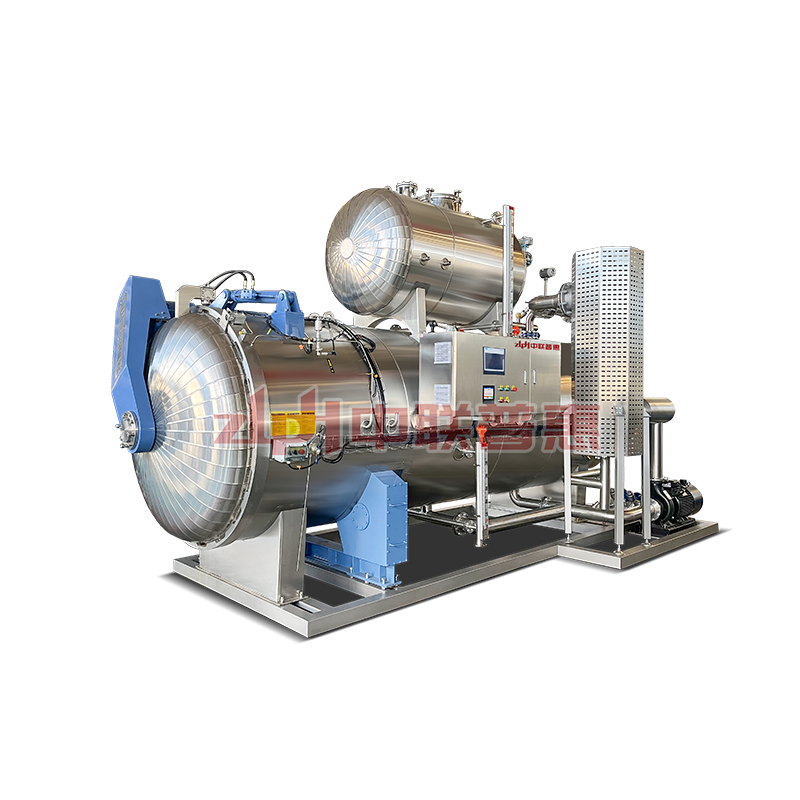
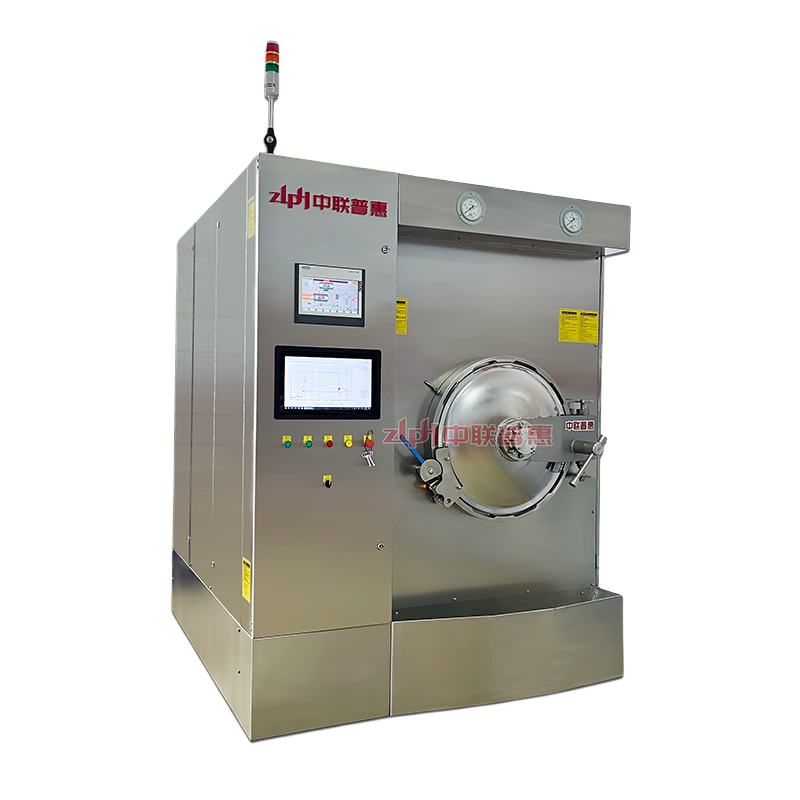
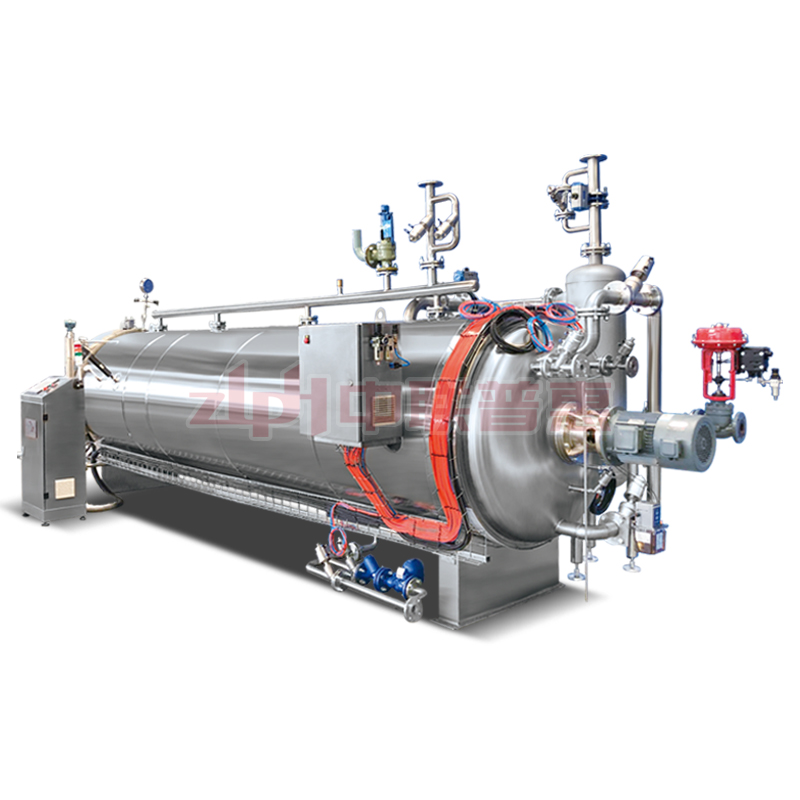
A: Absolutely. The future lies in hybrid processing platforms combining ultrasonic pretreatment with optimized Retort Autoclave thermal cycles. ZLPH's integrated systems implement sequential protocols where initial ultrasonic treatment reduces microbial load, enabling gentler retort sterilisation that achieves complete safety with superior quality preservation.
What specific advantages do nano-enhanced surfaces provide?
A: Advanced Retort Machine designs incorporate:
Nano-textured interiors reducing protein adhesion by 60%
Enhanced thermal conductivity improving energy efficiency
Antimicrobial surface properties preventing biofilm formation
Extended cleaning intervals through reduced fouling
These features significantly improve steam retort machine performance and hygiene.
How does ultrasonic frequency selection impact results?
A: Different frequencies target specific microorganisms while minimizing impact on bird's nest structure. ZLPH's research has identified optimal frequency ranges for Bird's Nest Sterilization applications, enabling selective microbial elimination without damaging delicate filaments or bioactive compounds during retort sterilisation.
What quality improvements do these technologies deliver?
A: Preliminary validation demonstrates:
20-30% improvement in bioactive compound retention
Enhanced filament structure preservation
Reduced thermal degradation of heat-sensitive nutrients
Superior consistency across production batches
These advancements position next-generation Retort Autoclave systems as quality leaders.
How does ZLPH lead in next-generation technology development?
A: Our company maintains dedicated research initiatives:
Collaborative studies with academic institutions
Prototype development combining multiple technologies
Rigorous validation of hybrid processing protocols
Gradual implementation pathways for existing clients
Our commitment ensures clients access cutting-edge Bird's Nest Sterilization advancements.
What implementation support does ZLPH provide?
A: We offer comprehensive services including:
Technology readiness assessment for existing facilities
Customized hybrid system design
Validation protocols for novel processing combinations
Staff training on advanced retort sterilisation techniques
Ongoing optimization and technical support
Are these technologies commercially available now?
A: Select applications are currently available, with broader implementation rolling out through 2025. ZLPH offers phased adoption pathways allowing clients to begin with ultrasonic-enhanced steam retort machine systems while preparing for future nanotechnology integration as commercial validation completes.
What future developments are on the horizon?
A: Emerging innovations include:
AI-optimized ultrasonic frequency modulation
Self-cleaning nano-coated Retort Machine surfaces
Real-time molecular monitoring during processing
Fully integrated hybrid platforms combining multiple technologies
ZLPH continues pioneering these advancements for industry leadership in Bird's Nest Sterilization.