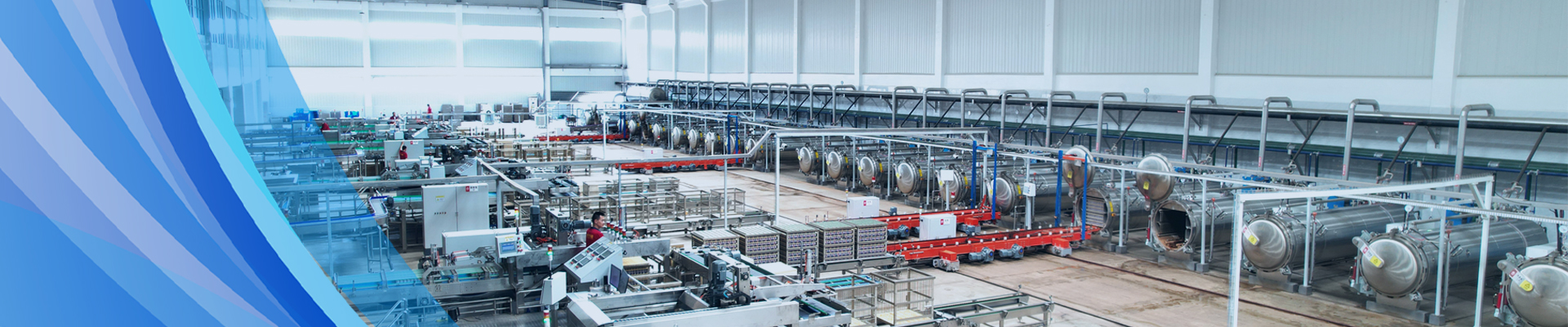

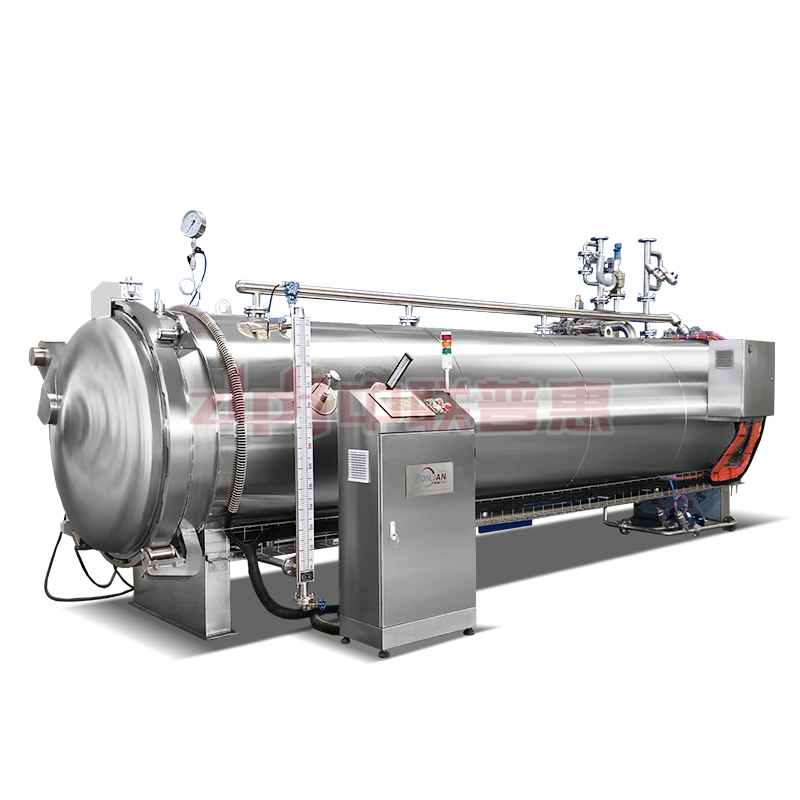
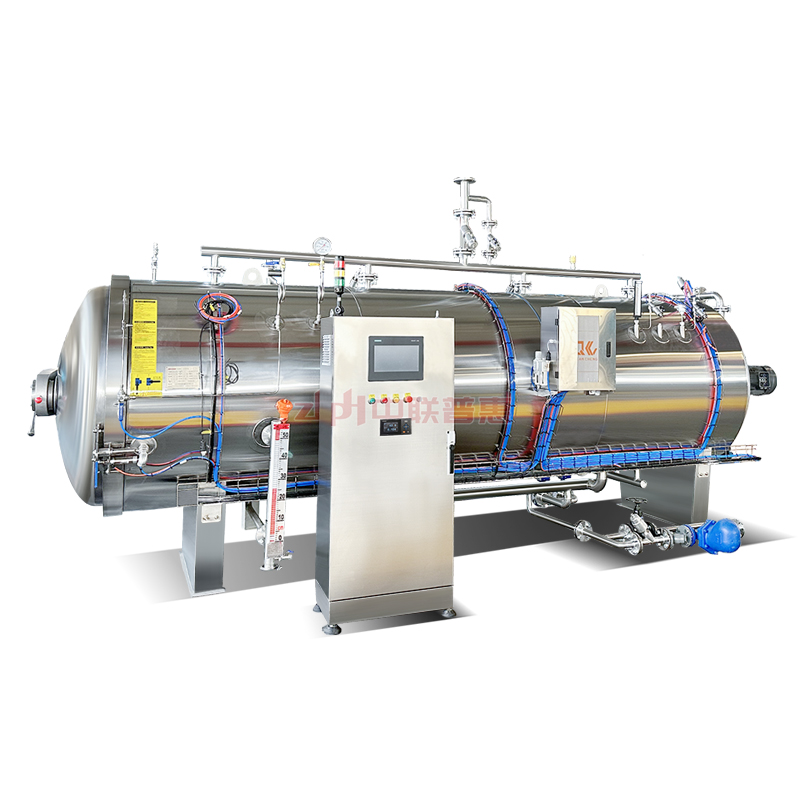
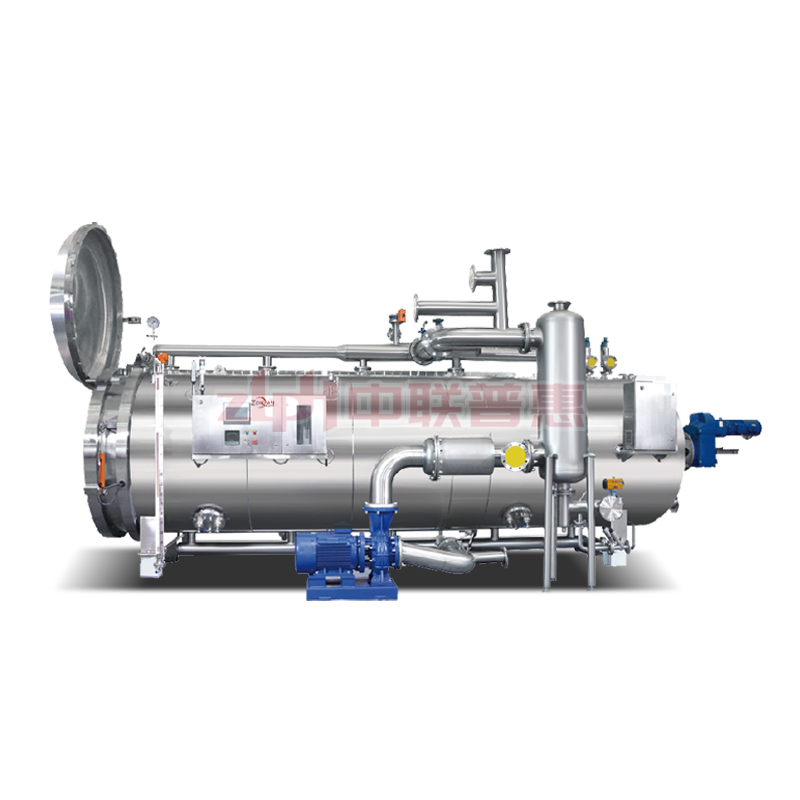
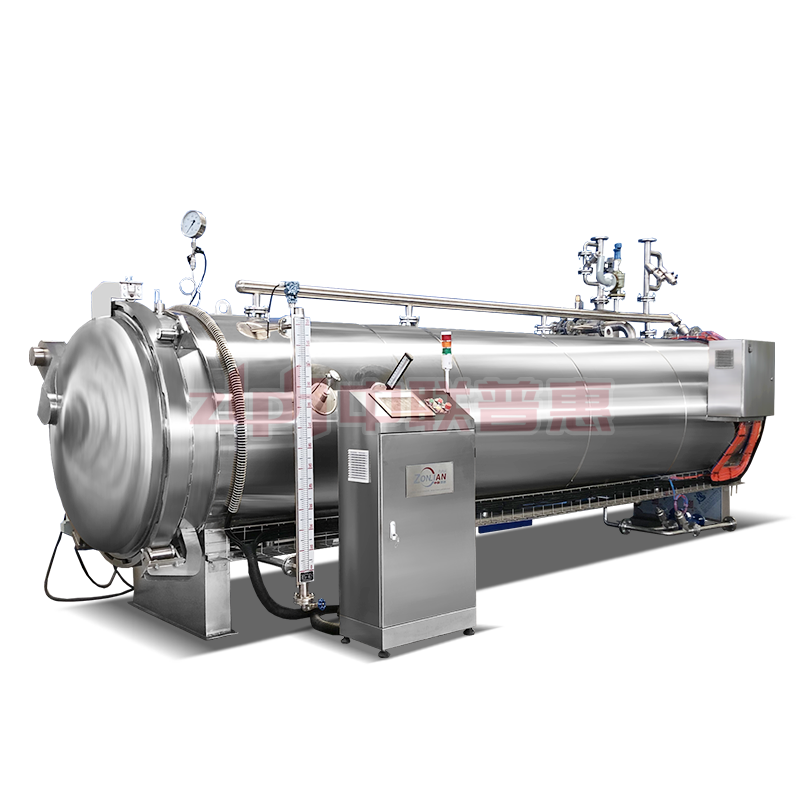
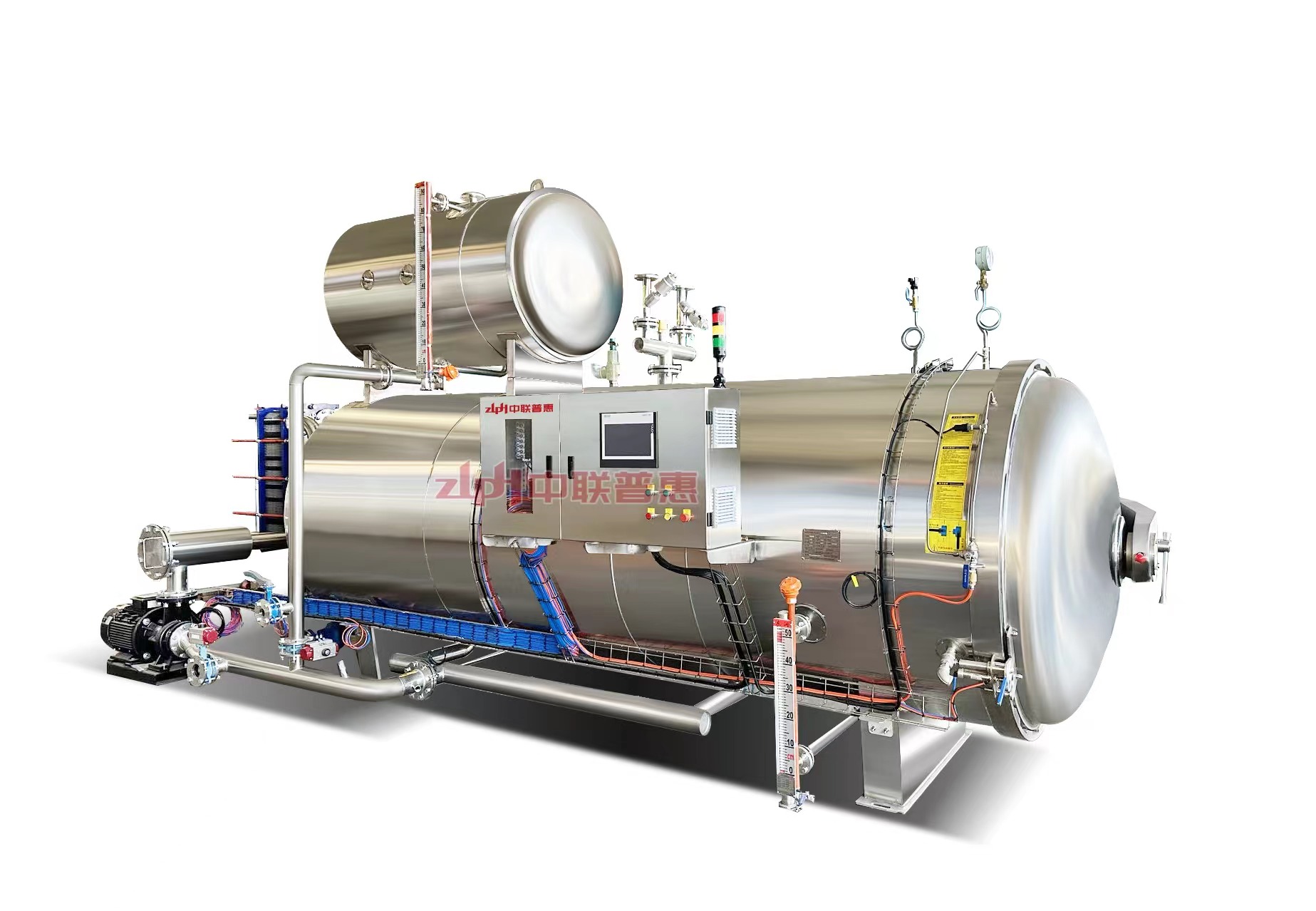
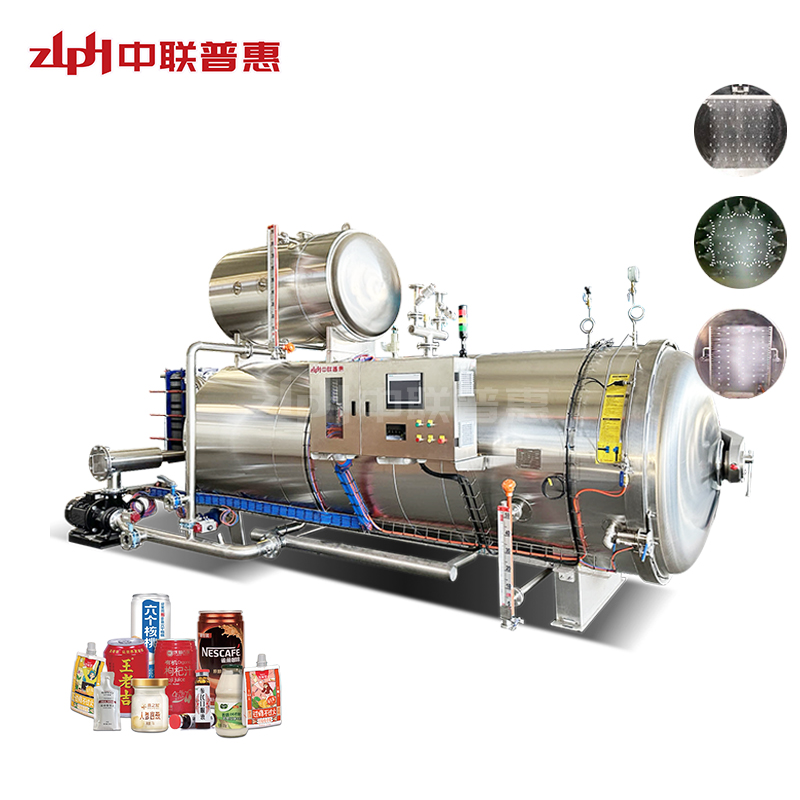
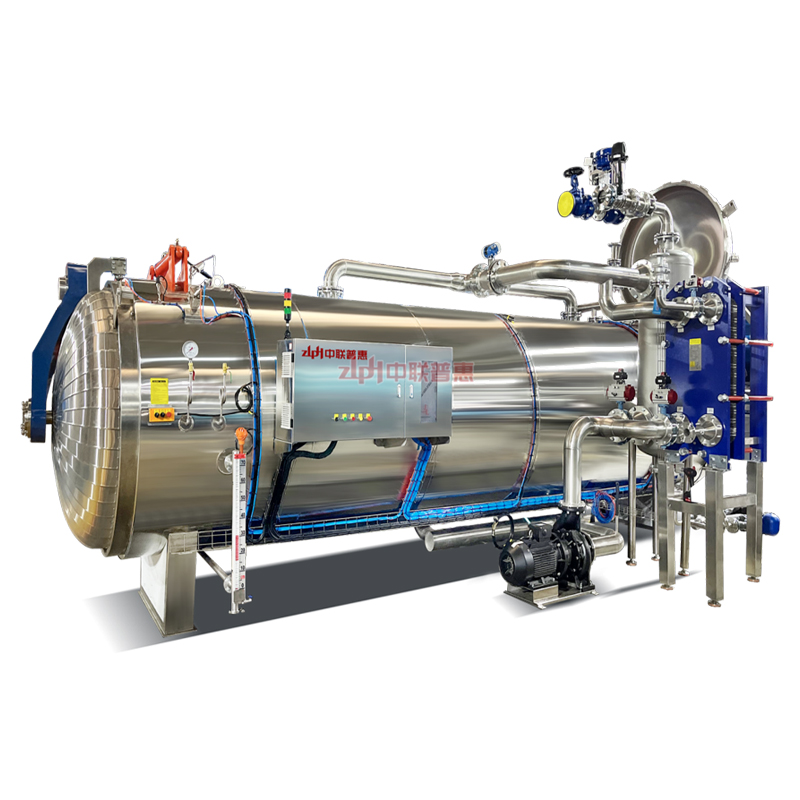
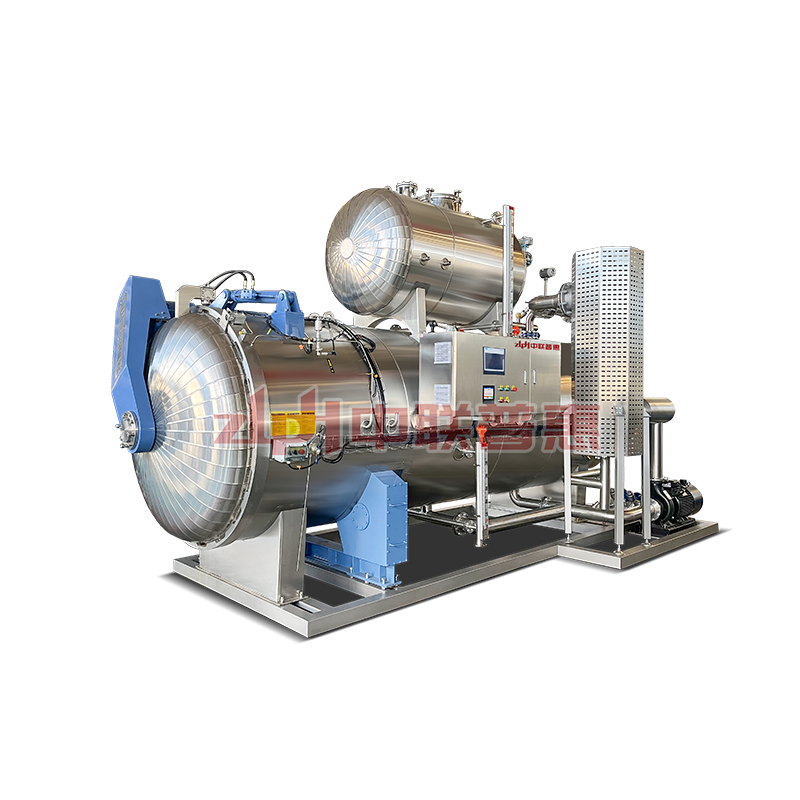
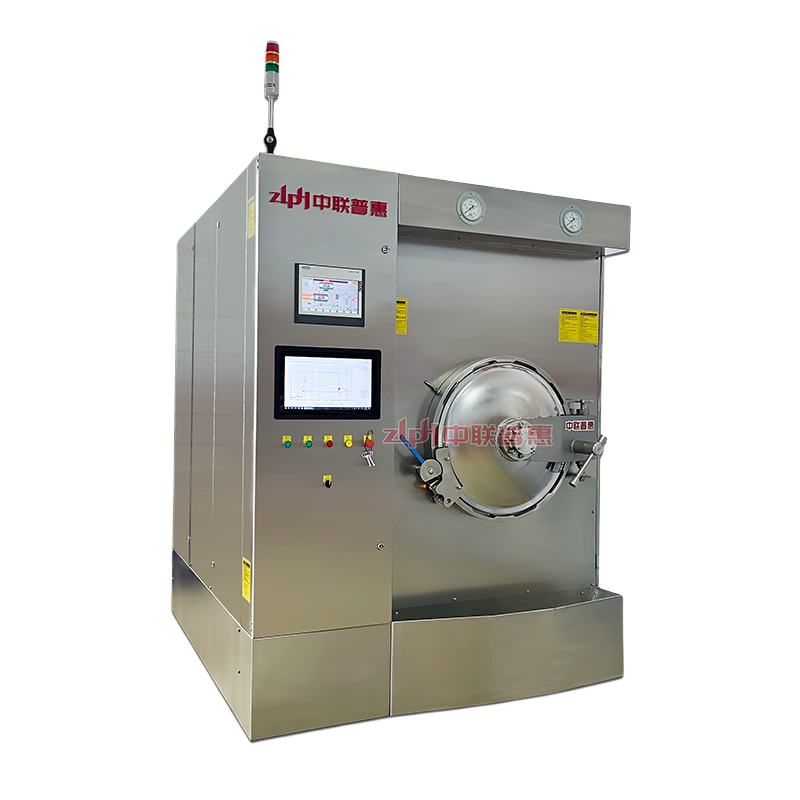
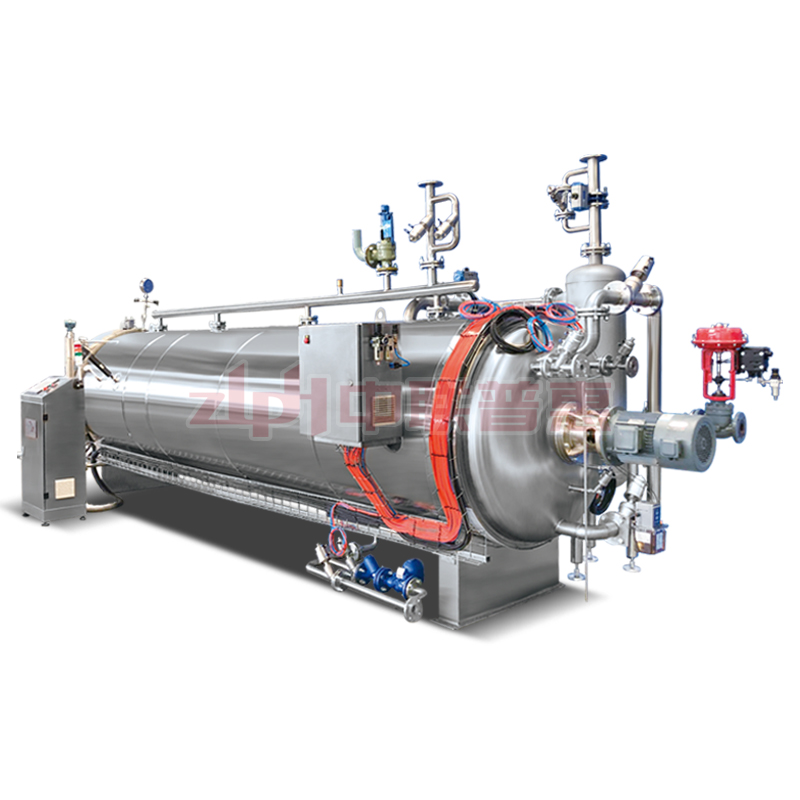
In the evolving landscape of global food manufacturing, retort sterilisation remains the most essential scientific process to secure commercial sterility, extend product shelf life, and maintain stable food quality for diversified packaged food goods. As food safety regulations continue to upgrade across global markets in 2026, modern food plants must combine professional sterilization science with standardized operational best practices to maximize the performance of core processing equipment, including the autoclave retort sterilizer, retort autoclave, food retort and universal Retort Machine units widely applied in daily production. Mastering updated principles of retort sterilisation and industry-leading operation standards has become a core requirement for food factories to achieve stable production, regulatory compliance and long-term brand development.
Scientific rationality is the core foundation of effective retort sterilisation in modern food processing. Unlike traditional rough sterilization methods that rely on simple high-temperature heating, contemporary sterilization science focuses on balanced temperature and pressure control to eliminate harmful microorganisms while protecting the original flavor, texture and nutritional properties of food. A professional retort autoclave is engineered based on advanced thermal circulation science, ensuring even heat distribution inside the equipment cavity and avoiding local overheating or incomplete sterilization. Every structural design of a standard autoclave retort sterilizer is optimized in line with food sterilization mechanics, which helps food plants realize mild, efficient and safe retort sterilisation without causing unnecessary damage to finished products in flexible pouches, glass containers, metal cans and composite packaging.
The food retort serves as the core carrier to implement scientific sterilization theories into actual factory operation. In 2026, mainstream food processing scenarios no longer regard the food retort as a single functional heating device, but as a systematic sterilization solution integrating process control, safety protection and product quality management. A well-maintained Retort Machine can fully cooperate with customized sterilization formulas for different food categories, covering ready-to-eat meals, canned foods, sauce products, pet food and various low-acid packaged commodities. Reasonable matching between product characteristics and equipment operation modes enables each retort autoclave to exert its maximum sterilization efficiency, making scientific retort sterilisation fully adaptable to flexible production demands of modern food plants.
Standardized best practices are indispensable to stabilize the long-term operation of every autoclave retort sterilizer and optimize the overall sterilization effect. First, daily equipment inspection and routine maintenance form the primary part of operational norms for any Retort Machine. Regular checking of sealing components, circulating systems and control modules can prevent equipment aging failures, ensure the stable running of the food retort, and avoid sterilization quality fluctuations caused by equipment abnormality. Second, standardized operation training for on-site operators plays a vital role in regulating the whole process of retort sterilisation. Professional operation specifications guide staff to set reasonable sterilization procedures, control loading methods and follow standardized startup and shutdown steps, effectively reducing human operation errors that may affect sterilization results.
Another key best practice for 2026 food plants is to match suitable sterilization modes according to packaging forms and product formulas. Different packaging materials have distinct heat resistance and pressure resistance, which directly determine the reasonable parameter setting of retort sterilisation. Intelligent control systems equipped on new-generation retort autoclave support diversified mode switching, allowing the autoclave retort sterilizer to adjust internal circulation modes flexibly. Whether it is water spray type, water bath type or steam type working mode, the integrated design of modern food retort can meet differentiated sterilization needs, ensuring unified sterilization standards and consistent product quality in mass production.
Food safety compliance is always the ultimate goal of implementing scientific retort sterilisation and standardized best practices. All mainstream international food safety management systems put forward clear requirements for thermal processing records and sterilization verification, which urges food plants to use formal and compliant Retort Machine equipment for production. A qualified autoclave retort sterilizer can record the whole process data of each sterilization cycle, provide complete process traceability documents, and help enterprises smoothly pass factory audits and market safety inspections. The standardized application of retort autoclave in daily production not only standardizes internal production management, but also builds solid safety barriers for product export and market circulation.
Sustainable and eco-friendly operation has also become a new focus of retort sterilisation best practices in 2026. Modern food plants pay more attention to energy conservation and resource recycling in the use of food retort equipment. Optimized internal circulation design of advanced Retort Machine reduces redundant energy consumption and resource waste during sterilization, helping food enterprises realize green production transformation. The energy-saving upgrade of new autoclave retort sterilizer models combines environmental protection concepts with sterilization science, enabling efficient retort sterilisation to balance production efficiency, cost control and ecological development, which conforms to the overall development trend of the global food industry.
In conclusion, retort sterilisation in 2026 is driven by professional food science and refined industrial best practices. The coordinated application of high-performance autoclave retort sterilizer, stable retort autoclave, multi-functional food retort and durable Retort Machine creates a complete closed-loop system for food thermal sterilization. By adhering to scientific sterilization principles, standardizing daily operation procedures, adapting to diversified production needs and complying with global safety norms, food plants can give full play to the value of retort equipment, stabilize product quality, reduce operational risks, and gain stronger market competitiveness in the increasingly stringent food processing industry. Updating sterilization concepts and optimizing the application of retort equipment will continue to be the key direction for food manufacturers to achieve high-quality and sustainable development in the coming years.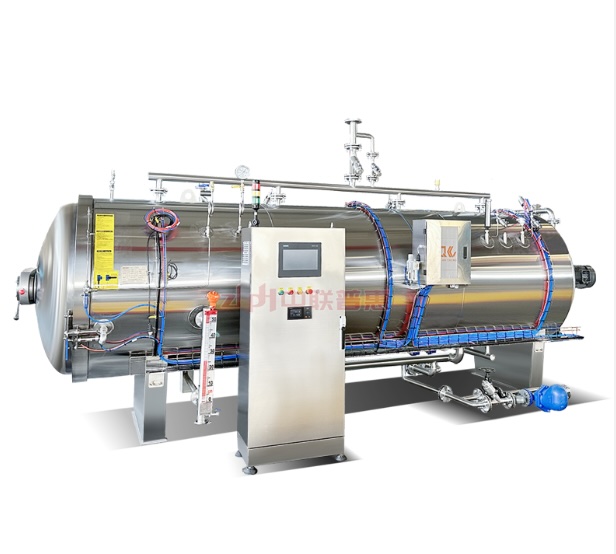
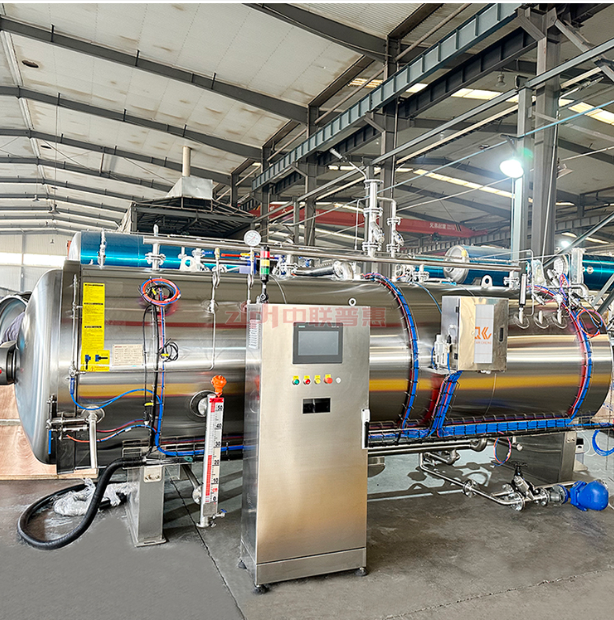
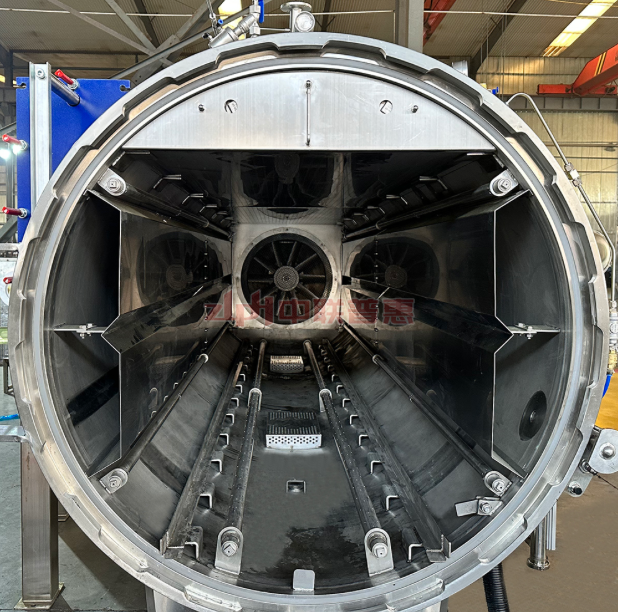
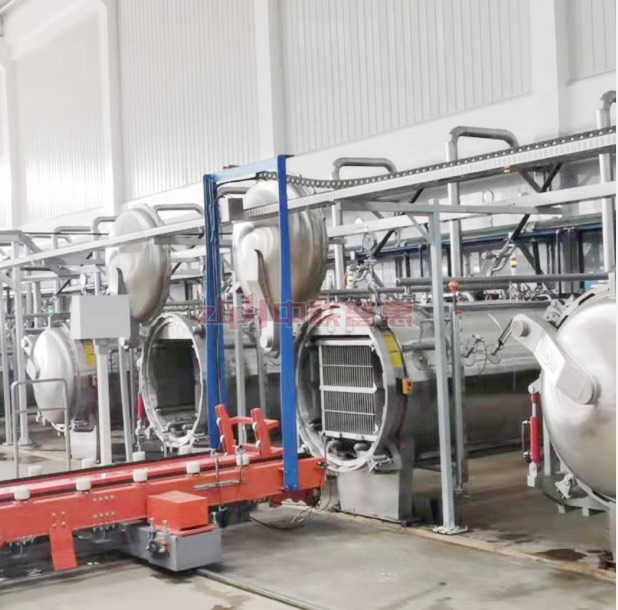
Retort Machine
retort autoclave
retort autoclave
retort sterilisation
