
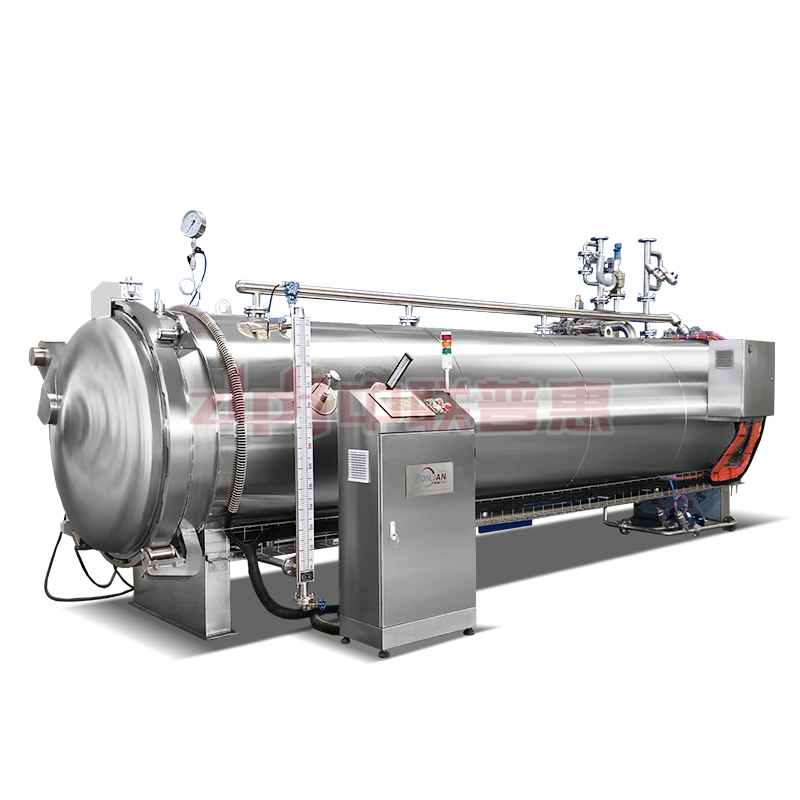
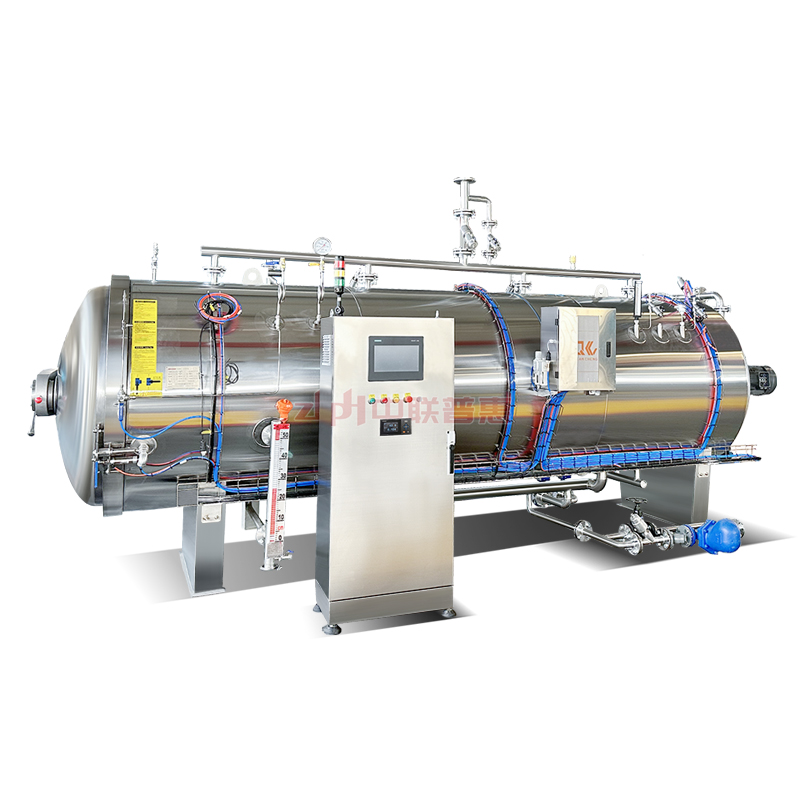
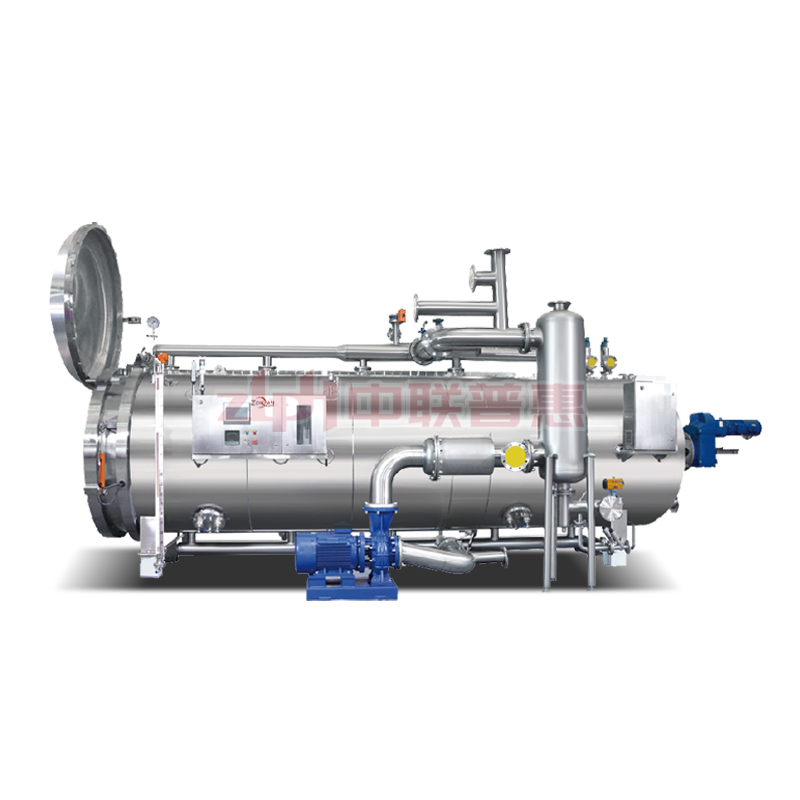
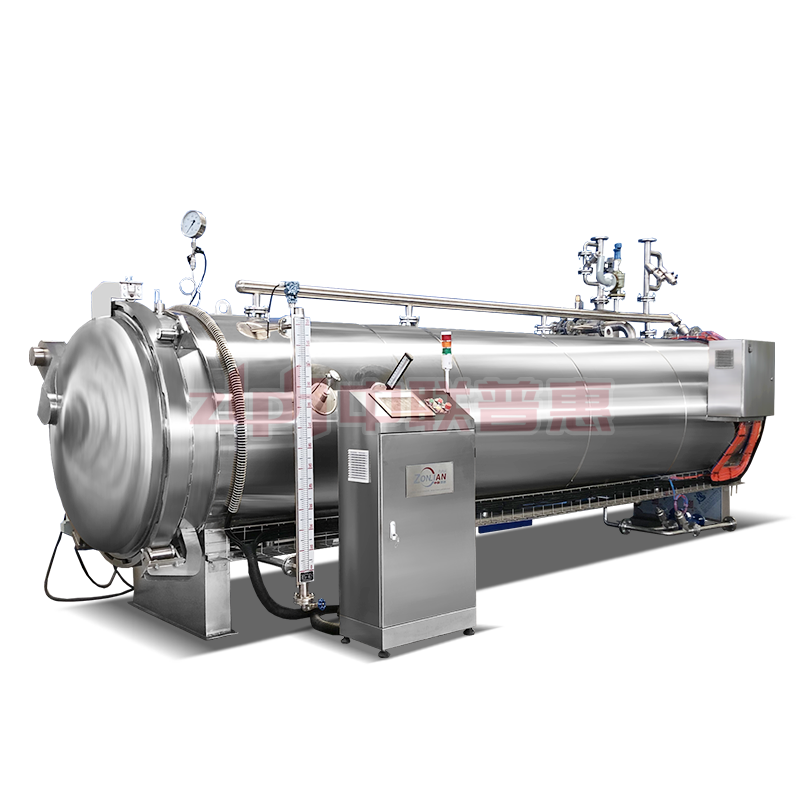
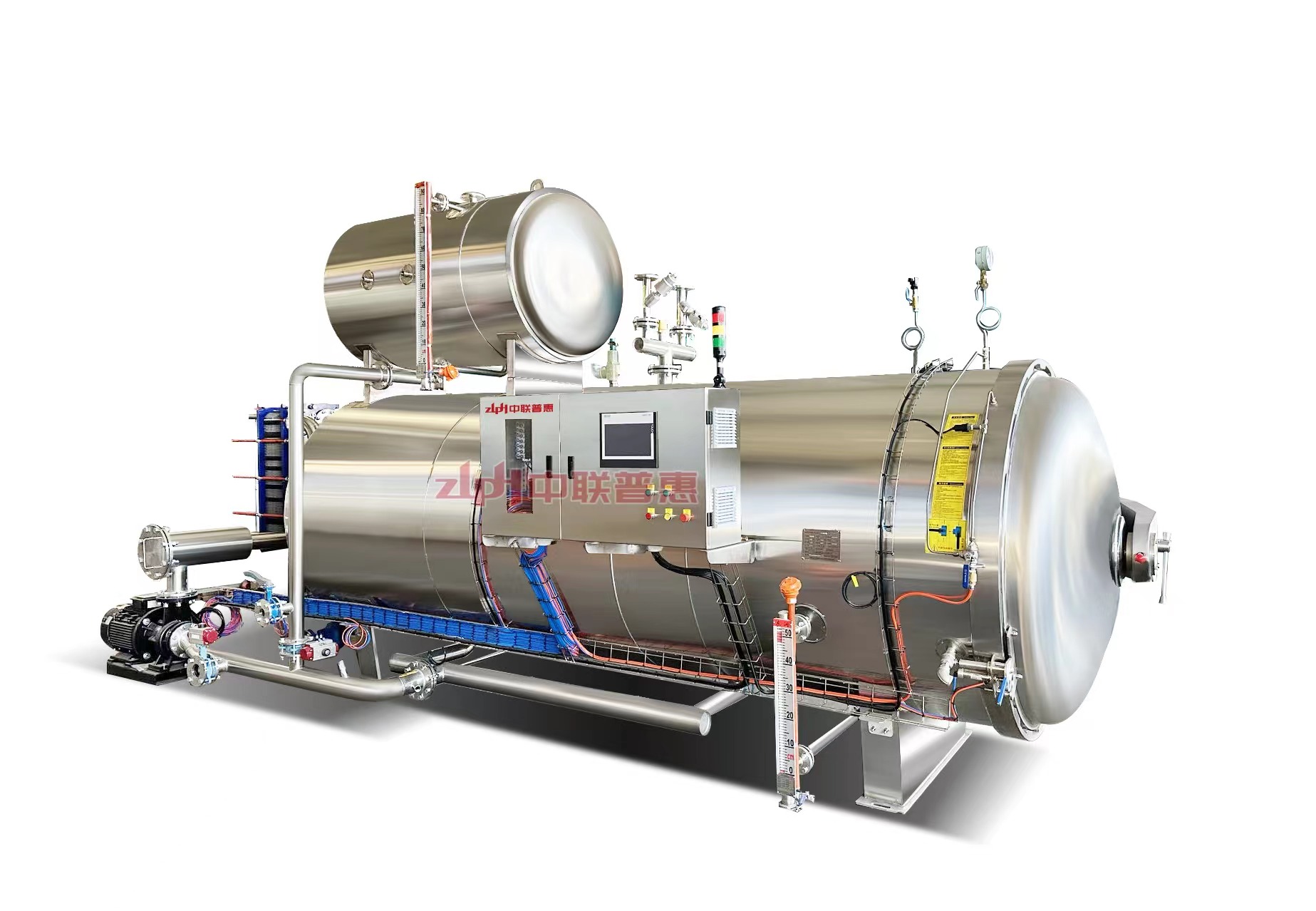
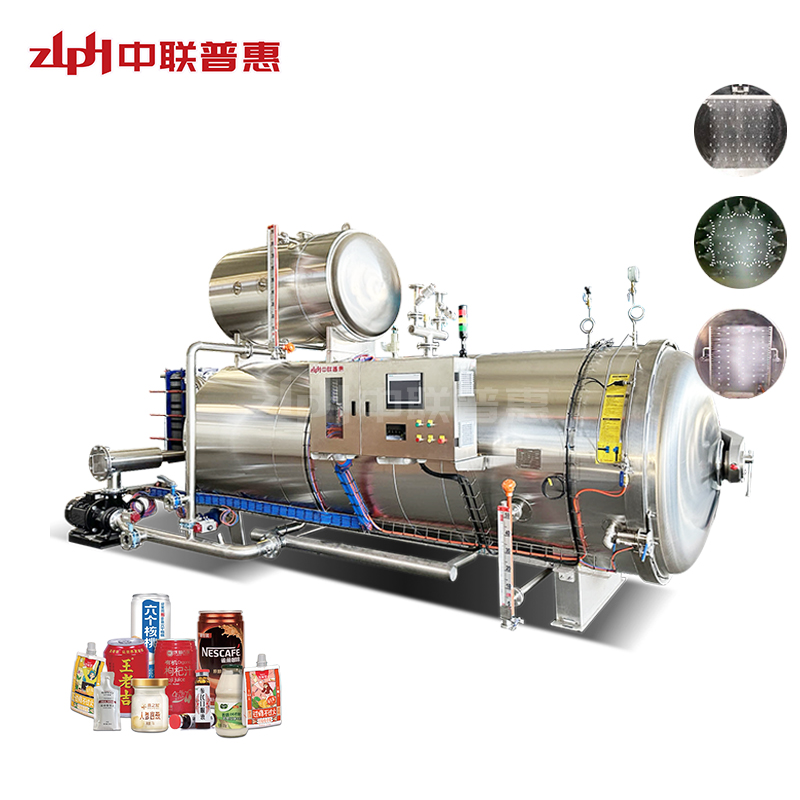
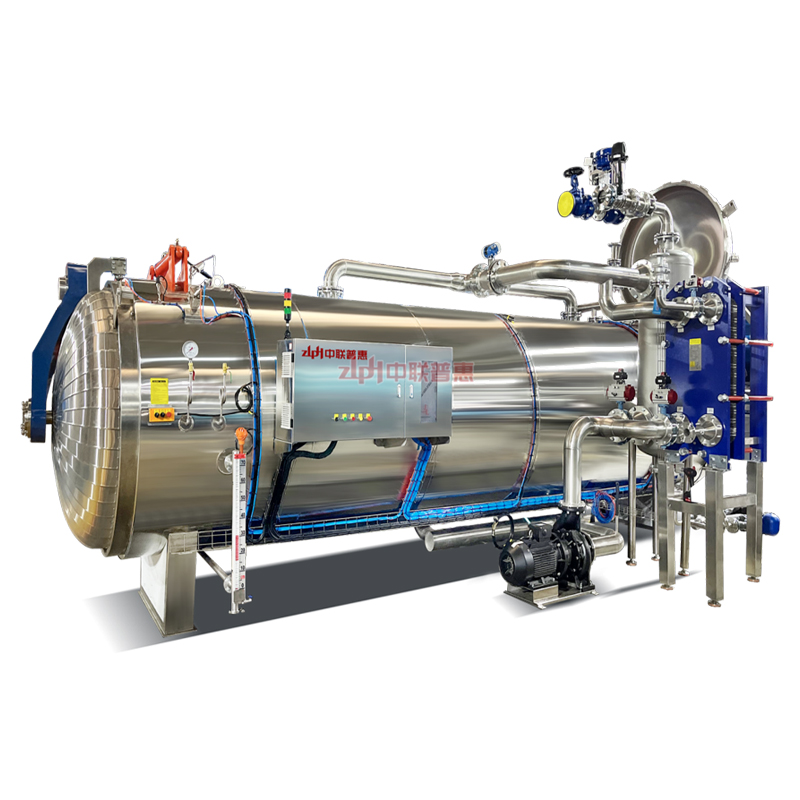
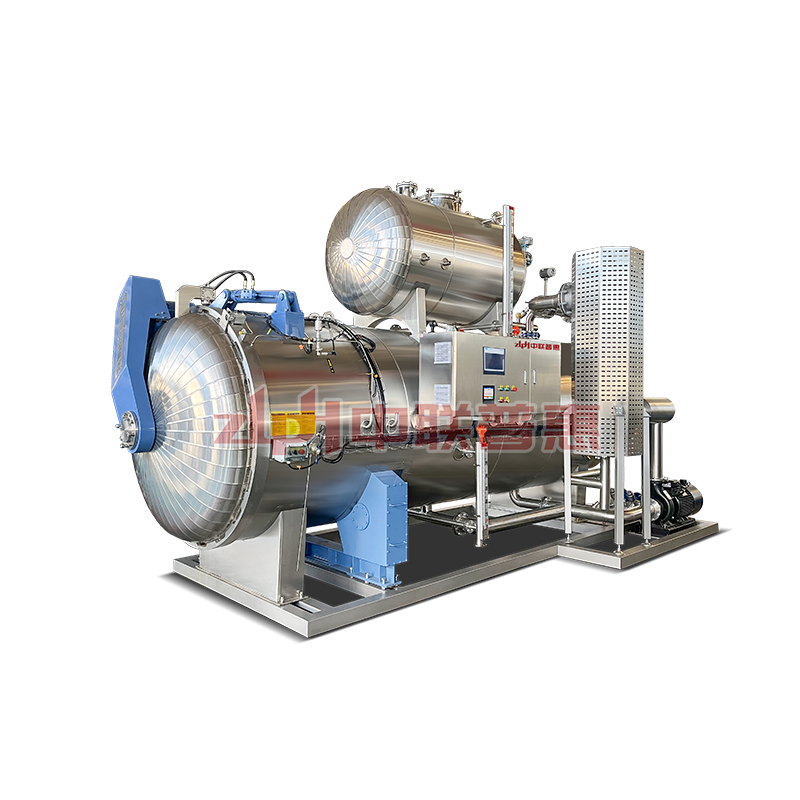
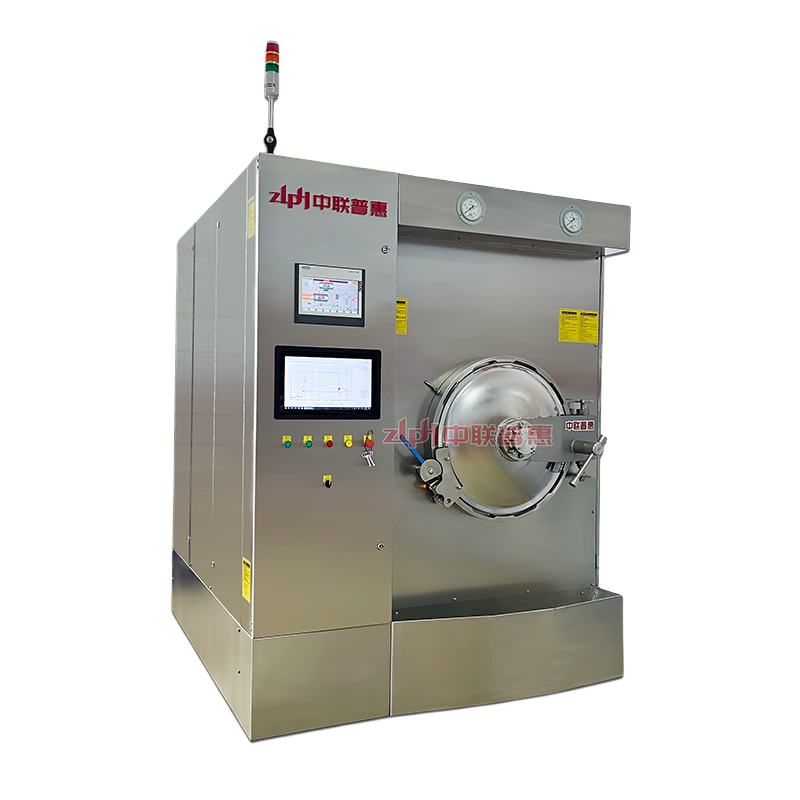
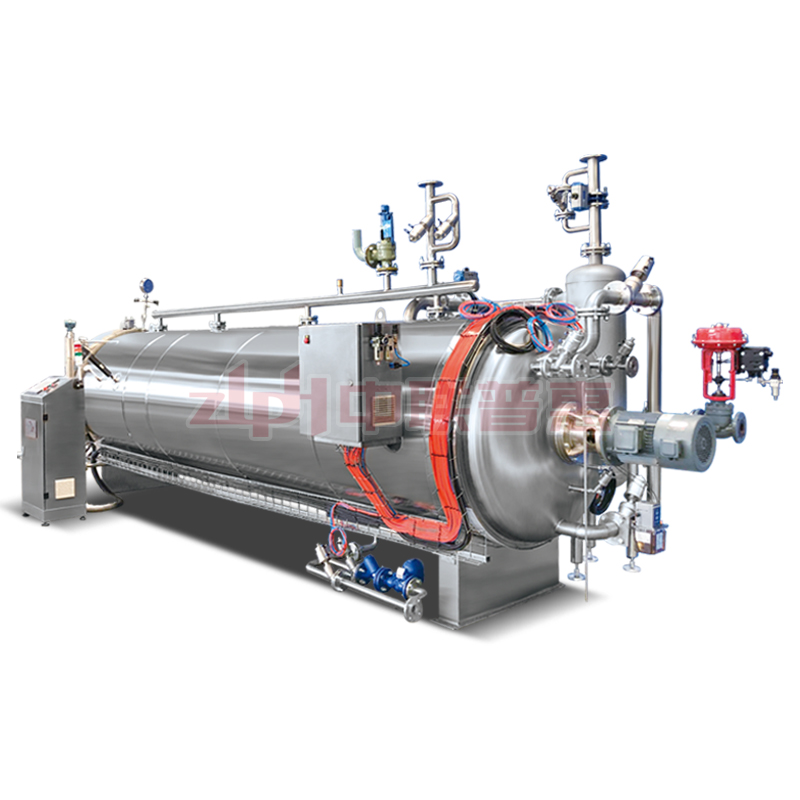
In 2026, global food safety regulations have become more stringent than ever, with consumers and authorities demanding full transparency, zero contamination risks, and consistent product quality across canned, pouched, and ready-to-eat food categories. For food producers, this means moving beyond basic sterilization equipment to adopt intelligent systems that prioritize precision and traceability—and the smart PLC-controlled autoclave retort sterilizer has emerged as the gold standard for meeting these demands. This 2026 tech upgrade integrates programmable logic controller (PLC) technology with industrial-grade sterilization performance, transforming how retort sterilisation is managed, monitored, and validated. Unlike traditional manual systems, it eliminates human error, ensures uniform microbial inactivation, and provides real-time data to support compliance—making it an indispensable asset for modern food factories.
At the core of the smart PLC-controlled autoclave retort sterilizer is its ability to automate and optimize every stage of retort sterilisation. The advanced PLC system stores hundreds of pre-calibrated sterilization recipes, each tailored to specific food types (e.g., meat, seafood, baby food) and packaging formats (cans, jars, retort pouches). When a production run starts, the system automatically adjusts temperature, pressure, and holding time to match the recipe, maintaining accuracy within ±0.2°C—far tighter than the tolerance of semi-automated retort autoclave models. This level of precision ensures that every batch undergoes consistent retort sterilisation, eliminating cold spots that could lead to spoilage or foodborne illnesses. For B2B buyers, this consistency directly reduces product rejection rates and recall risks, protecting brand reputation and bottom lines.
The 2026 smart PLC-controlled autoclave retort sterilizer also stands out for its real-time monitoring and data logging capabilities—critical for food safety compliance. Built-in sensors track temperature, pressure, and F0 value (a measure of sterilization efficacy) at multiple points inside the chamber, sending data to the PLC dashboard in real time. Production managers can view live process metrics, set alerts for deviations, and access historical records with a single click. This digital traceability not only simplifies audits for FDA, CE, and FSSC 22000 standards but also allows for rapid root-cause analysis if issues arise. Unlike older food retort systems that rely on manual logbooks (prone to errors), this smart solution creates immutable digital records, ensuring full accountability for every batch of sterilized food.
Another key upgrade of the 2026 model is its integration with Industry 4.0 technologies, which bridges the gap between the autoclave retort sterilizer and broader factory operations. The PLC system can connect to a plant’s central MES (Manufacturing Execution System) or cloud-based platforms, enabling remote monitoring and control. Production teams can adjust recipes, start/stop cycles, or troubleshoot issues from off-site locations—ideal for multi-facility brands or factories with 24/7 operations. This connectivity also supports predictive maintenance: the PLC analyzes equipment performance data (e.g., heating element efficiency, door seal integrity) to identify potential failures before they occur, minimizing unplanned downtime. For food producers, this means more reliable operation of their Retort Machine and fewer disruptions to production schedules.
The smart PLC design also enhances the flexibility of the autoclave retort sterilizer, making it adaptable to changing production needs. Whether a factory is scaling up output, adding new product lines, or testing innovative packaging, the PLC system can be quickly reconfigured to support new retort sterilisation parameters. For example, if a producer shifts from canning vegetables to manufacturing heat-sensitive baby food, the PLC can load a gentler recipe that preserves nutrients while maintaining sterility—no need for costly hardware modifications. This flexibility is far superior to that of traditional retort autoclave models, which often require manual retooling and lengthy calibration. For B2B buyers, this adaptability future-proofs their investment, allowing the food retort to grow with their business.
Safety is embedded in every aspect of the smart PLC-controlled autoclave retort sterilizer’s design. The PLC system includes built-in interlocks that prevent unsafe operation: for instance, the chamber door cannot open until pressure drops to a safe level, and the heating cycle shuts down automatically if temperature exceeds preset limits. These safeguards reduce the risk of operator injury and equipment damage, a critical consideration for industrial environments. Additionally, the system’s digital interface is intuitive, with clear visual cues and step-by-step prompts that reduce training time for new operators. Unlike complex manual Retort Machine systems that require specialized expertise, this smart model is accessible to teams of all skill levels—without compromising on performance.
Energy efficiency is another unexpected benefit of the 2026 smart PLC-controlled autoclave retort sterilizer. The PLC optimizes cycle times by adjusting heating and cooling rates based on real-time data, reducing steam and electricity consumption by up to 25% compared to older food retort models. For example, the system may slow heating if the chamber reaches target temperature faster than expected, or reuse waste heat from the cooling phase to preheat incoming water. These efficiency gains lower operational costs and align with global sustainability goals, a priority for many food producers and their retail partners. For B2B buyers, this translates to a faster return on investment and stronger alignment with ESG (Environmental, Social, Governance) initiatives.
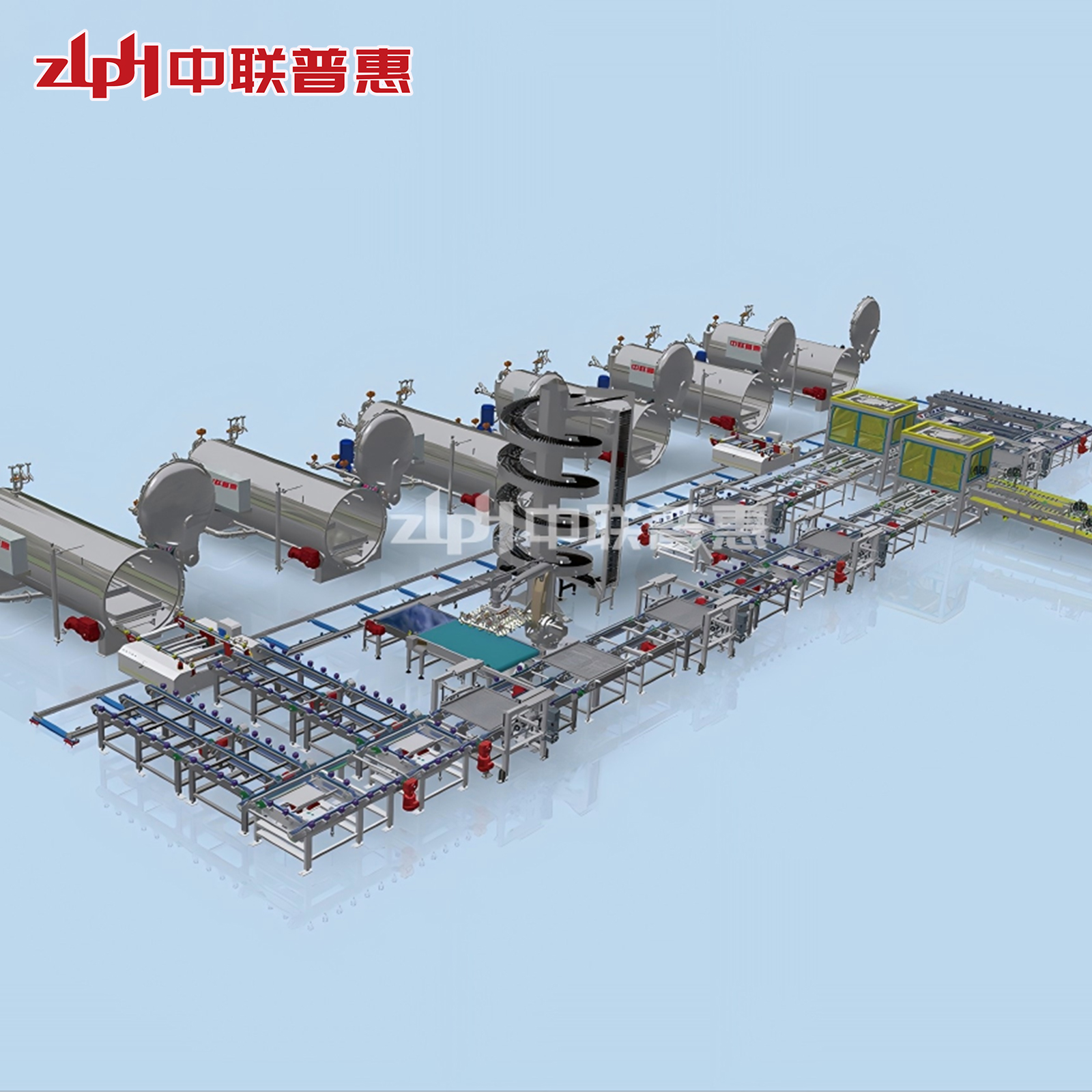
In summary, the smart PLC-controlled autoclave retort sterilizer represents a critical 2026 tech upgrade for food safety, combining precision, traceability, and flexibility in a single system. By integrating advanced PLC technology with proven retort sterilisation performance, it addresses the most pressing challenges facing food producers today: compliance with strict regulations, elimination of human error, and reliable operation at scale. When paired with compatible retort autoclave accessories, a well-designed food retort workflow, and a durable Retort Machine ecosystem, this smart sterilizer becomes the backbone of a safe, efficient production line. For B2B buyers looking to protect their brands, meet global standards, and future-proof their operations, investing in the 2026 smart PLC-controlled autoclave retort sterilizer is not just a technology upgrade—it’s a strategic decision to prioritize food safety and long-term growth.
food retort
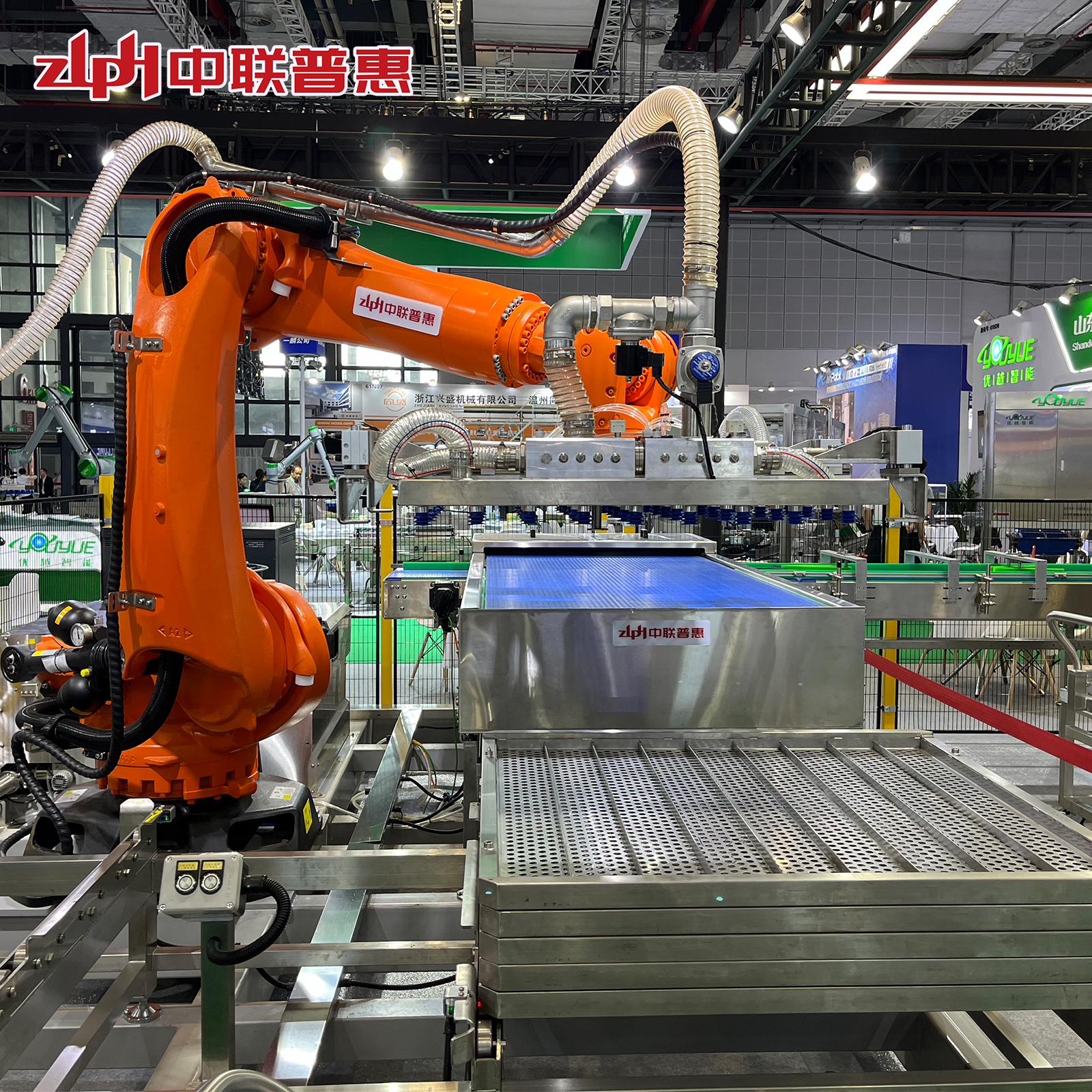
retort autoclave
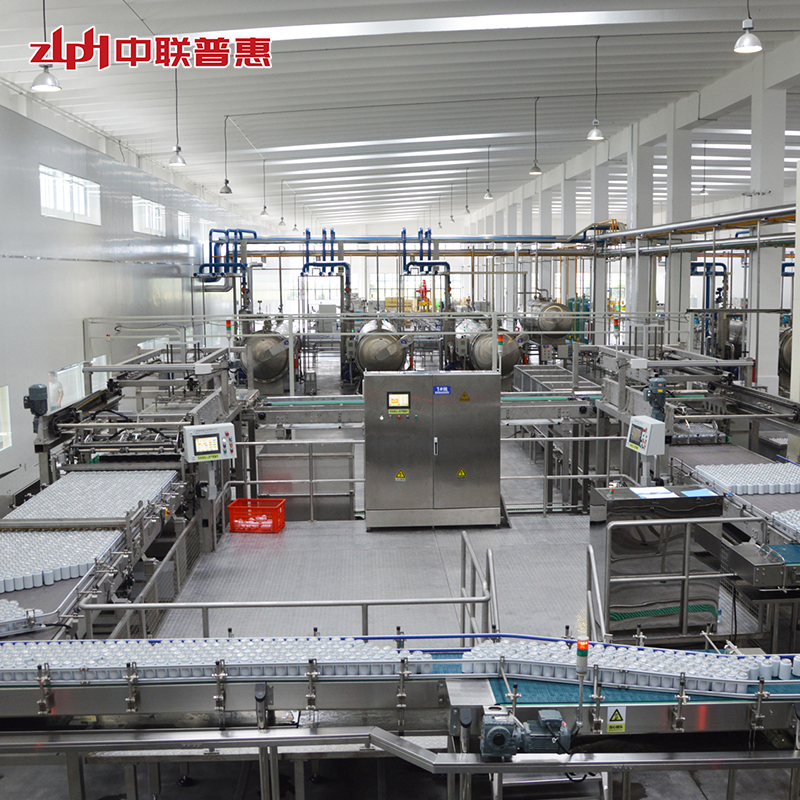
food retort
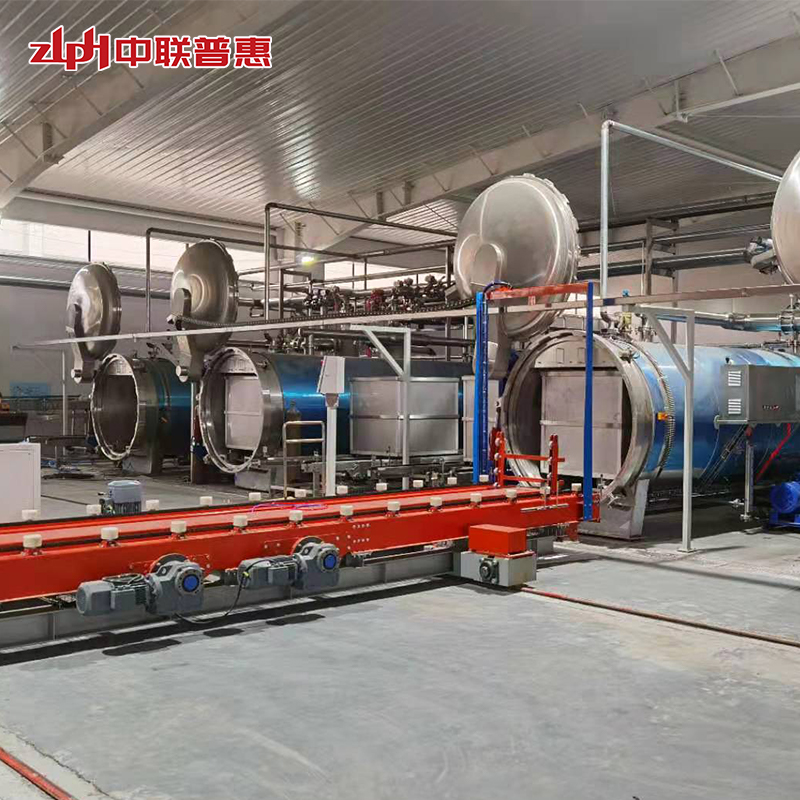
retort machine
