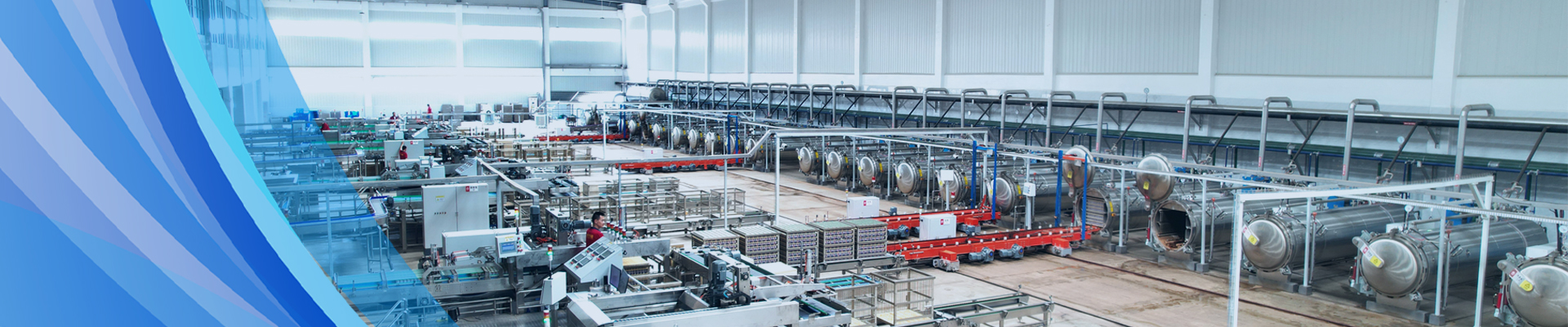

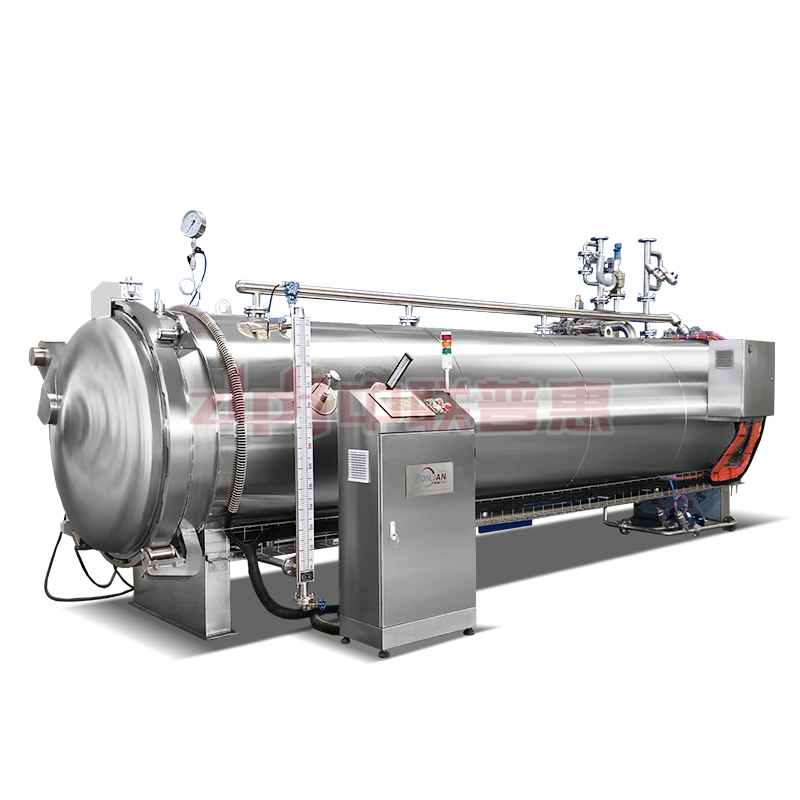
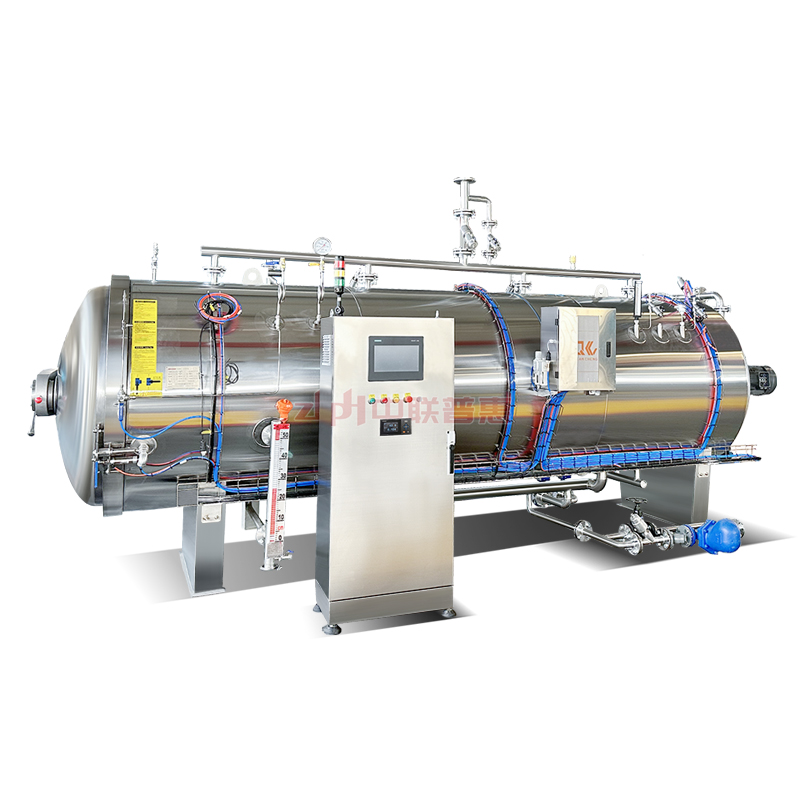
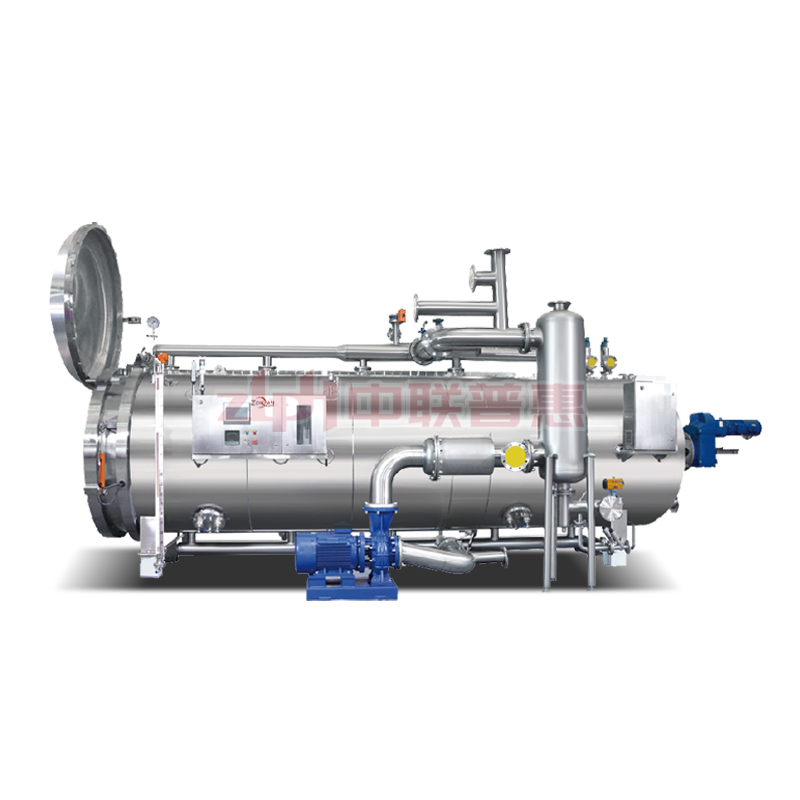
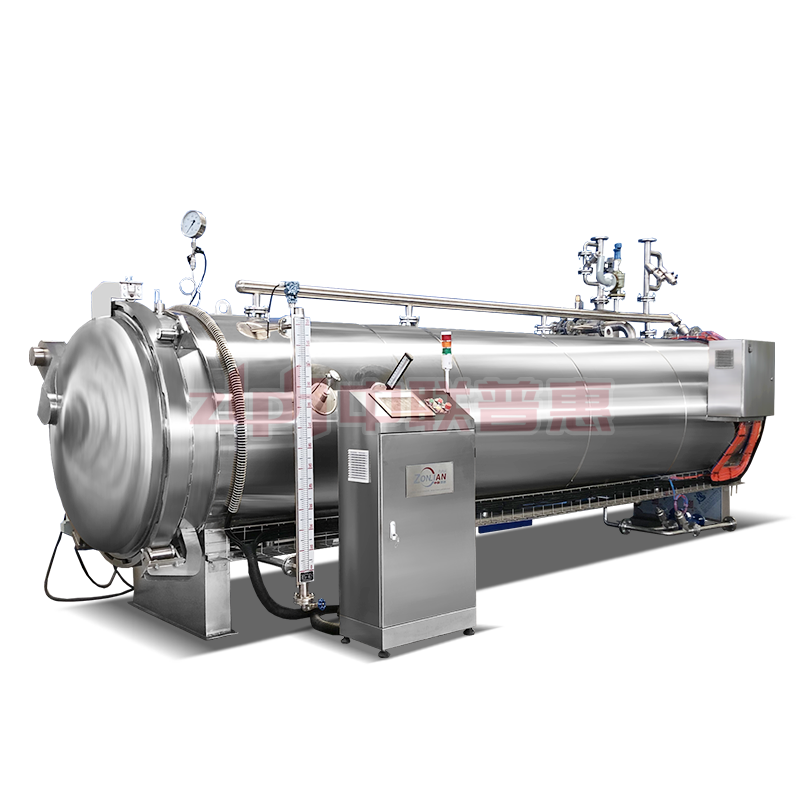
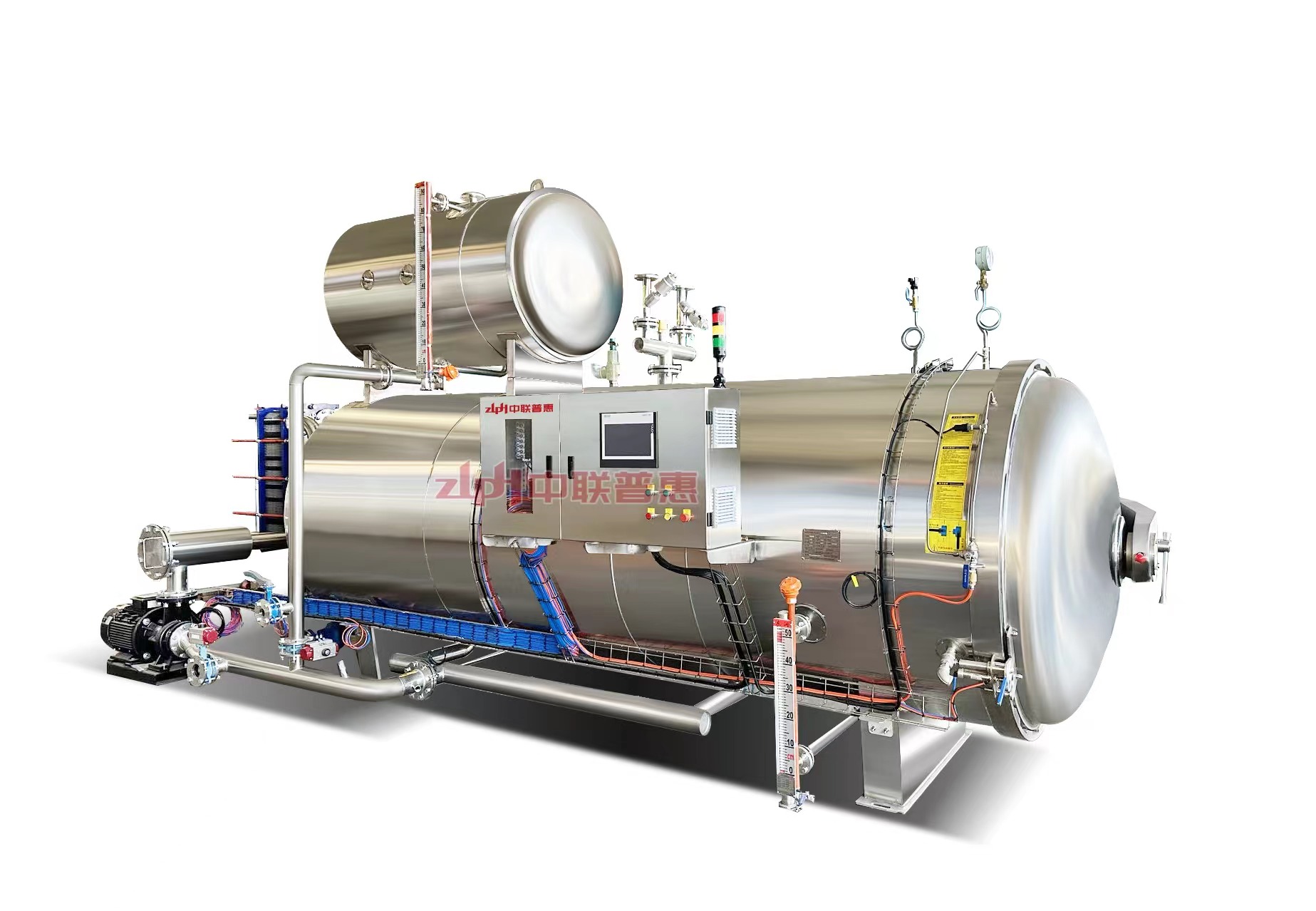
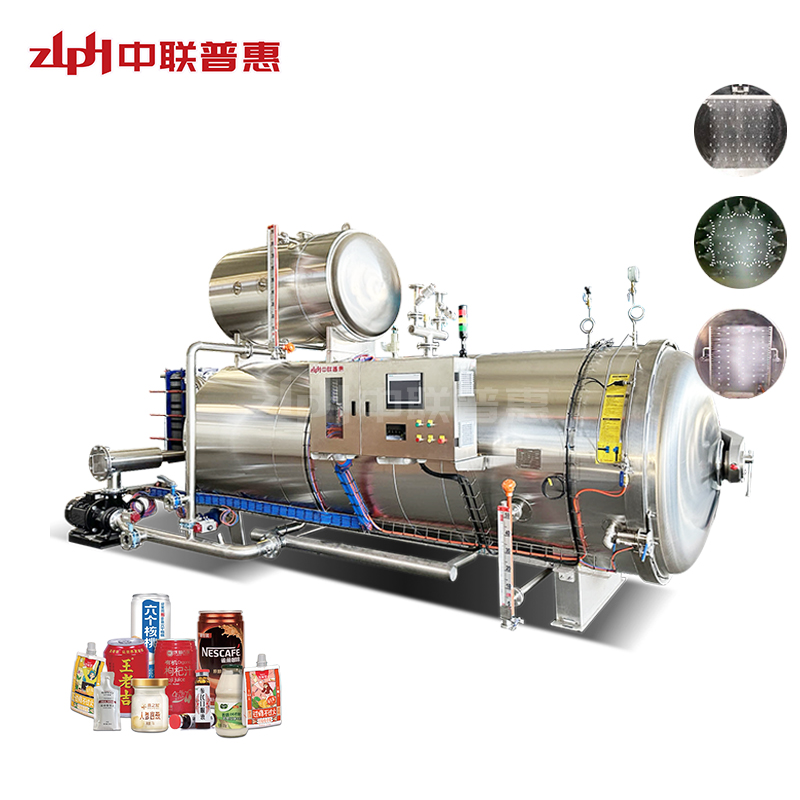
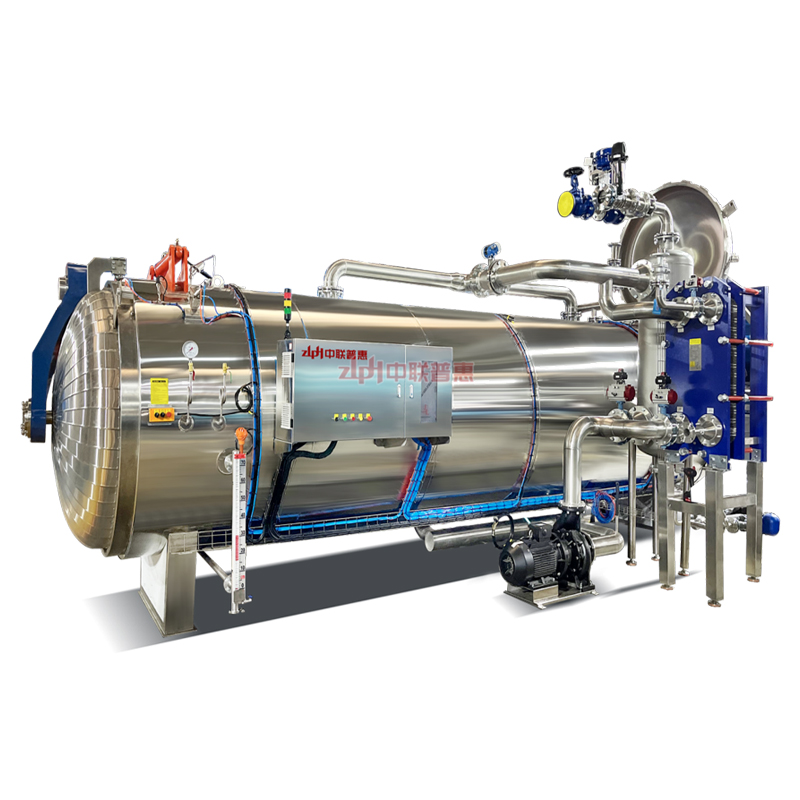
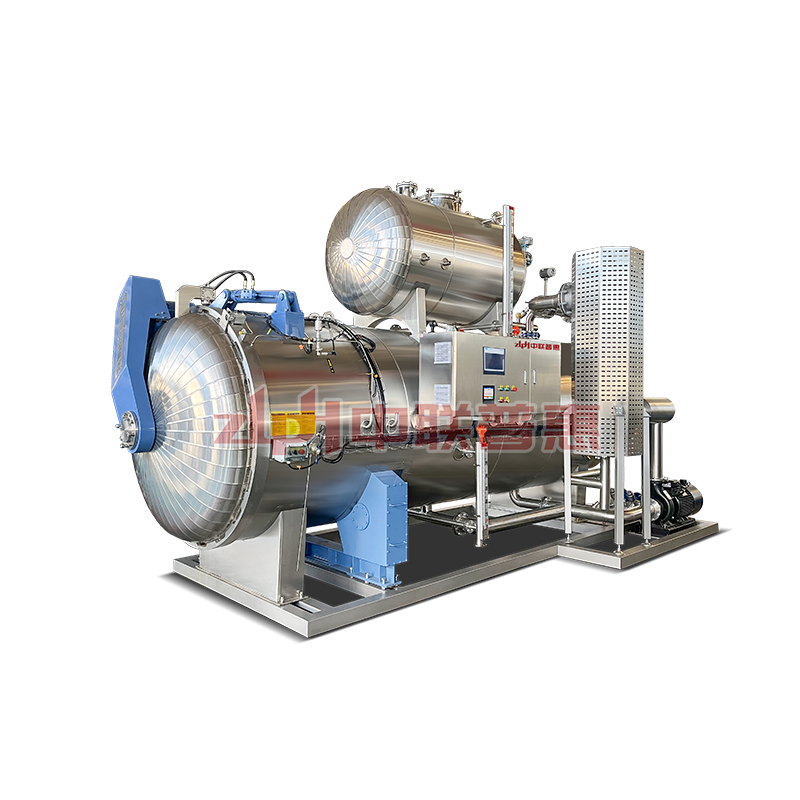
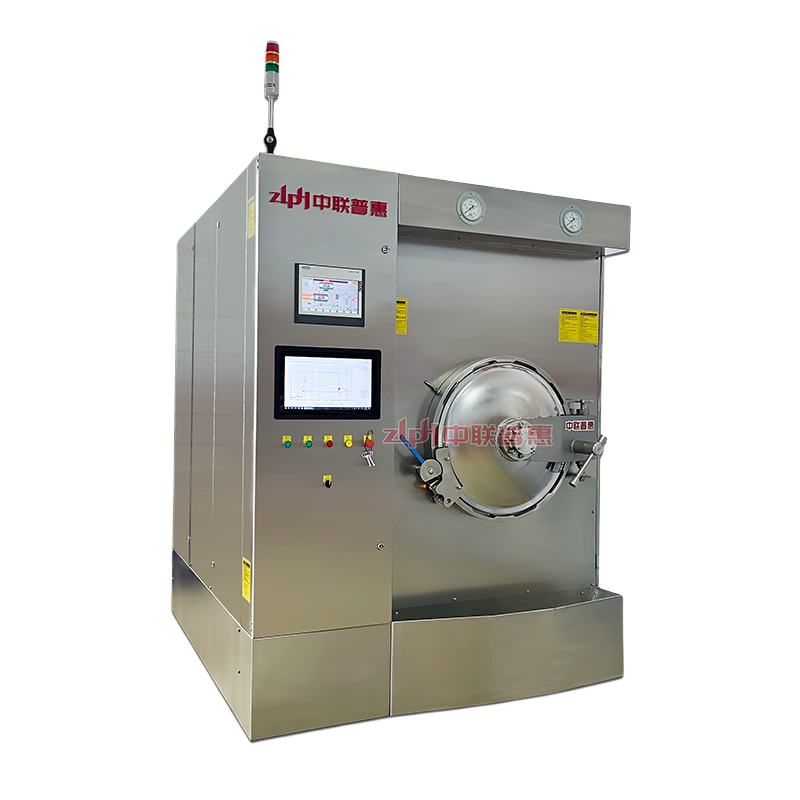
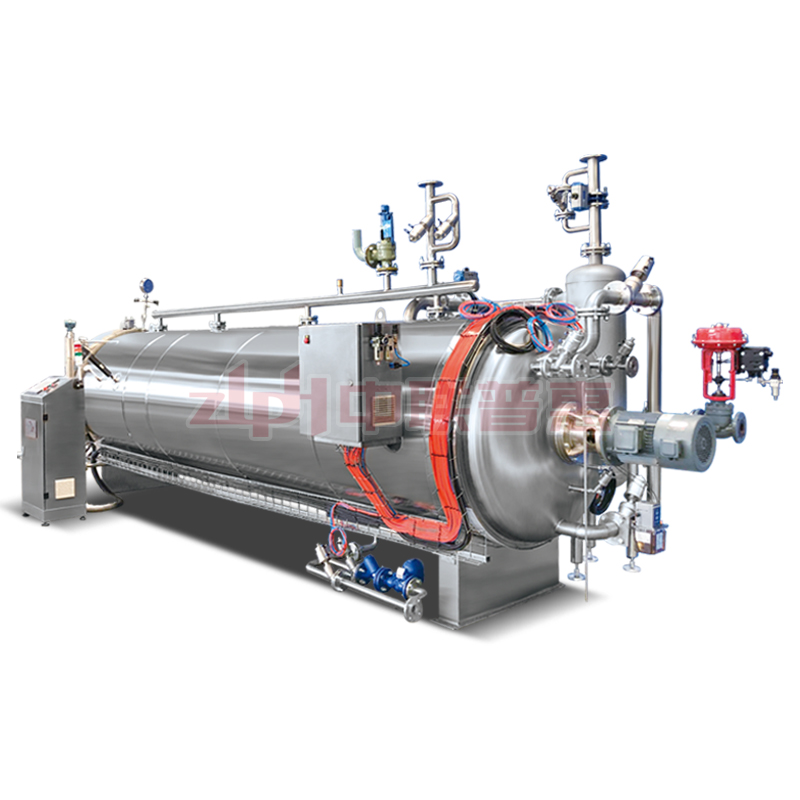
The Middle East canned food market is expanding rapidly in 2026, with a projected value of $4.75 billion, driven by demand for convenient, shelf-stable products and government initiatives to enhance food security. Canned food manufacturers in the region face distinct challenges, including adapting to Oman’s new 2026 regulations that ban unaccredited canned fish imports, requiring domestic producers to meet rigorous quality standards to fill market gaps. A high-performance Retort Machine is essential to meet these standards, as it ensures retort sterilisation processes eliminate harmful pathogens while preserving the flavor and texture of local ingredients like dates, seafood, and tomatoes—core staples of Middle East canned food production.
The 2026 autoclave retort sterilizer models tailored for Middle East canned food manufacturers prioritize durability, heat resistance, and Halal compliance—key requirements for the region’s harsh tropical climate and consumer preferences. Unlike generic systems, these retort autoclave units are built with corrosion-resistant stainless steel to withstand high temperatures and humidity, reducing maintenance needs and extending equipment lifespan. They also feature Halal-certified components and dedicated processing zones, ensuring compliance with Shariah law—a non-negotiable factor for selling canned food in the Middle East’s Muslim-majority markets. The food retort component of these systems is engineered to handle metal cans, the dominant packaging format in the region, while also supporting the growing trend of retort pouches that offer cost and logistics advantages.
Energy efficiency is a top priority for Middle East canned food manufacturers in 2026, as rising energy costs and sustainability initiatives drive demand for eco-friendly equipment. The 2026 Retort Machine integrates heat recovery technology that captures thermal energy during retort sterilisation cycles, reducing energy consumption by up to 40% compared to older models—critical for manufacturers operating in energy-intensive markets like the UAE and Saudi Arabia. These autoclave retort sterilizer systems also feature water recycling capabilities, addressing water scarcity concerns in the region and aligning with sustainability mandates, such as Saudi Arabia’s Vision 2030 localization agenda that promotes resource efficiency.
Compliance with regional and global regulations is a make-or-break factor for Middle East canned food manufacturers in 2026. The retort autoclave and food retort systems are designed to meet the strict requirements of Oman’s FSQC regulations, as well as international standards for exports to Europe and Asia. They include real-time data logging and batch tracking features, allowing manufacturers to generate audit-ready reports that verify retort sterilisation compliance—essential for avoiding shipment rejections at borders. For example, a UAE-based canned tuna manufacturer can use the Retort Machine’s digital documentation to prove compliance with Oman’s new accreditation requirements, ensuring seamless access to that key market.
Versatility is another key benefit of 2026’s retort sterilisation solutions for Middle East canned food manufacturers, who often process diverse products—from canned fruits and vegetables to seafood and ready-to-eat meals. The autoclave retort sterilizer accommodates multiple can sizes and formats, from small 250ml cans to large 1000ml containers, with customizable cycle parameters to suit different product types. This flexibility allows manufacturers to adapt to changing consumer demands, such as the growing popularity of small-format canned snacks among the region’s youth demographic. The retort autoclave also supports quick product changeovers, reducing downtime and increasing productivity for factories handling multiple canned product lines.
Localized technical support and maintenance are integral to 2026’s retort sterilisation solutions, addressing the region’s unique logistical challenges. Leading B2B providers offer on-site installation, operator training, and 24/7 technical support across key Middle East markets, including Saudi Arabia, the UAE, and Oman—ensuring minimal downtime for Retort Machine and food retort systems. This support is critical for small and medium-sized manufacturers that lack in-house technical expertise, helping them maximize the performance of their autoclave retort sterilizer and maintain consistent retort sterilisation quality.
Real-world applications highlight the impact of these solutions. A Saudi Arabian canned date manufacturer upgraded to a 2026 retort autoclave, reducing product waste by 25% and ensuring compliance with Halal and export standards. An Omani canned fish producer used the autoclave retort sterilizer to meet FSQC accreditation requirements, expanding its market reach within the GCC. These successes demonstrate how tailoredretort sterilisation solutions empower Middle East canned food manufacturers to thrive in 2026. In summary, the 2026 Retort Machine, autoclave retort sterilizer, and retort autoclave solutions are designed to address the region’s unique needs, combining durability, compliance, efficiency, and versatility to support the growth of Middle East canned food manufacturers in a competitive global market.
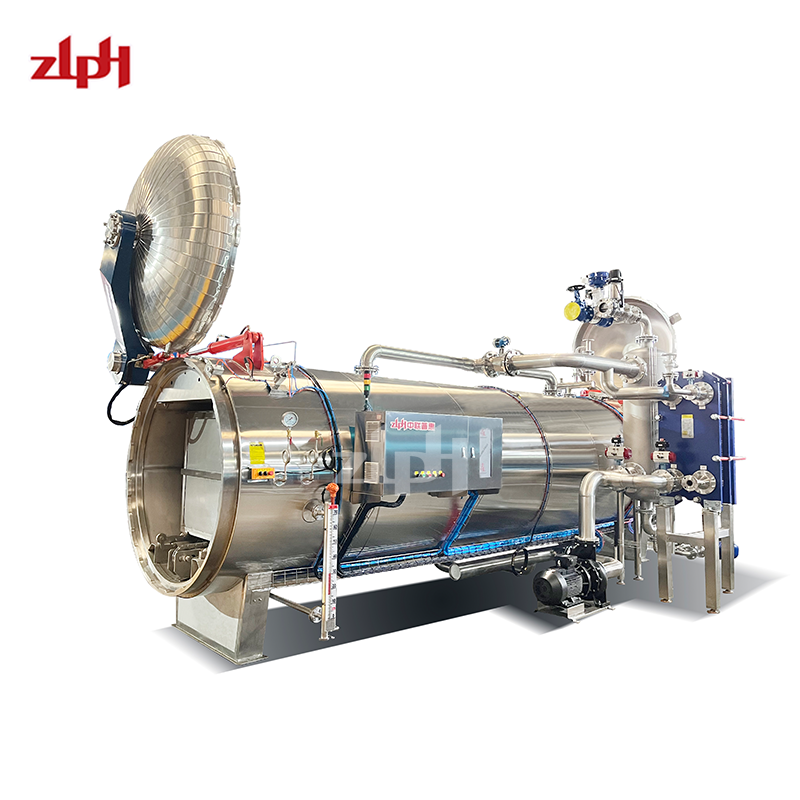
retort autoclave
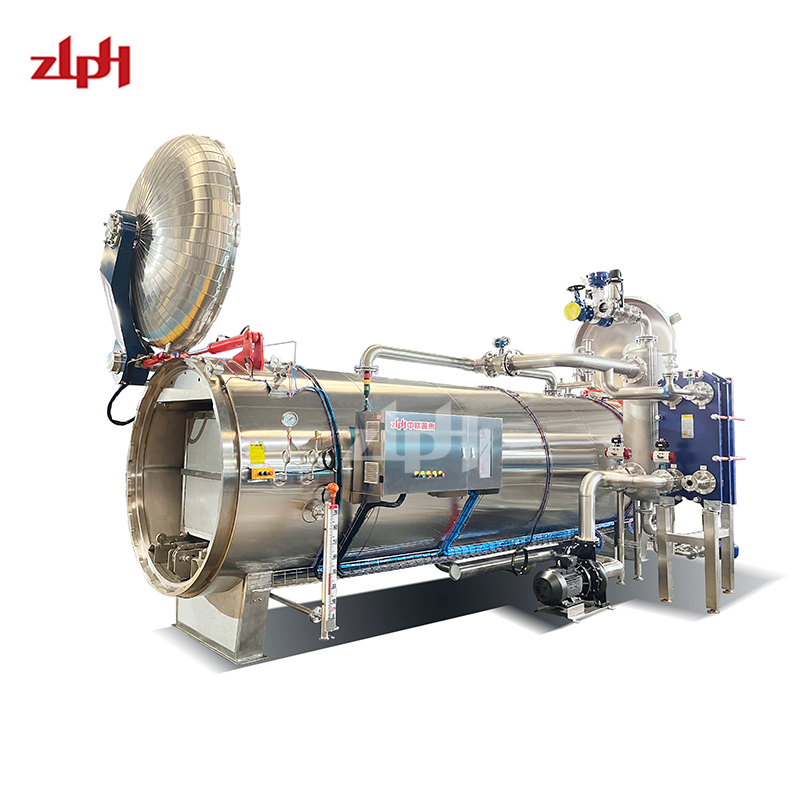
food retort
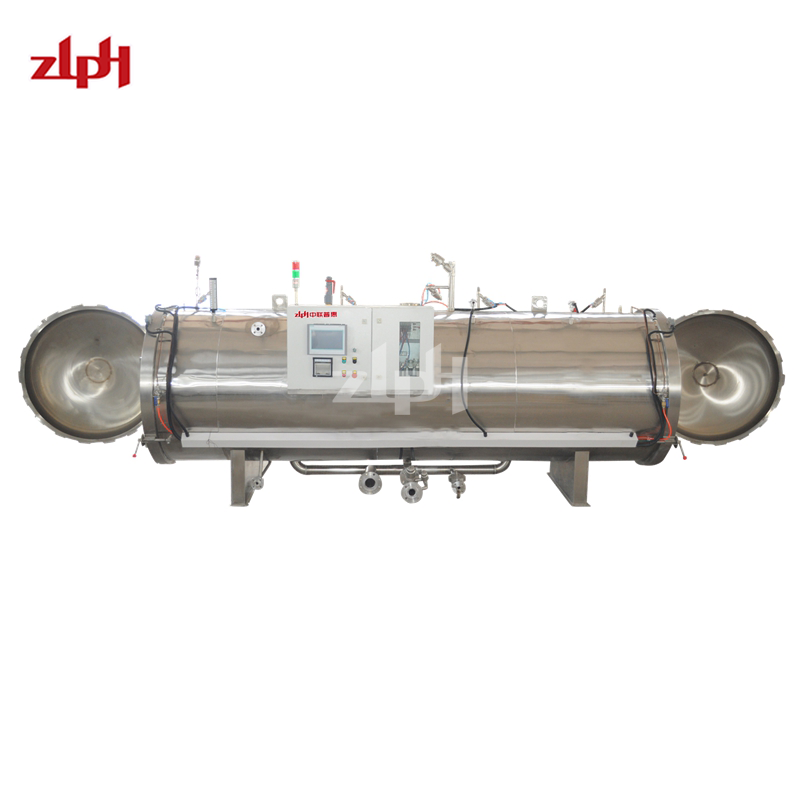
retort machine
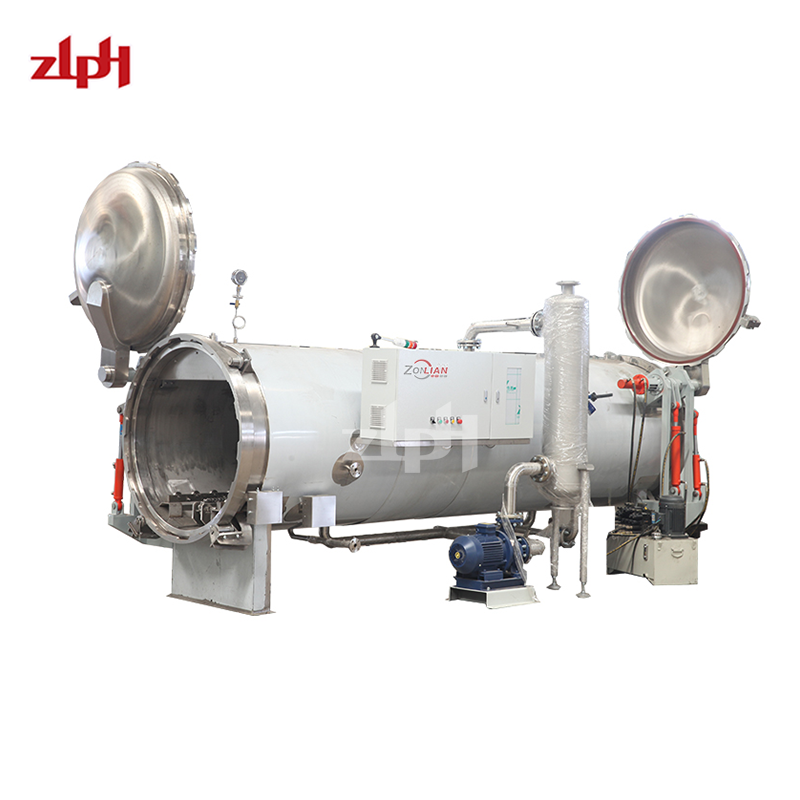
food retort
