
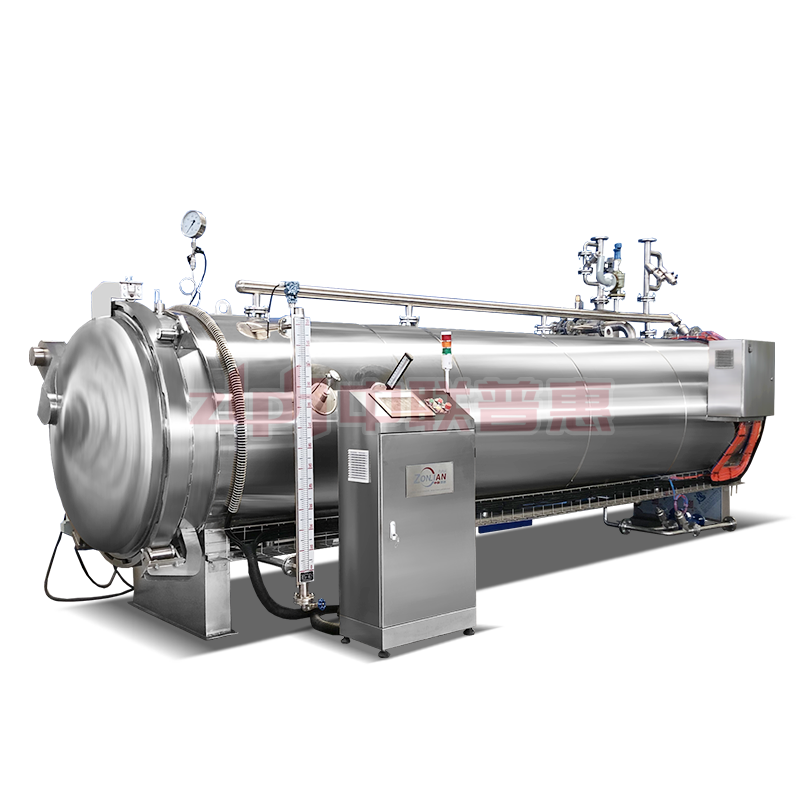
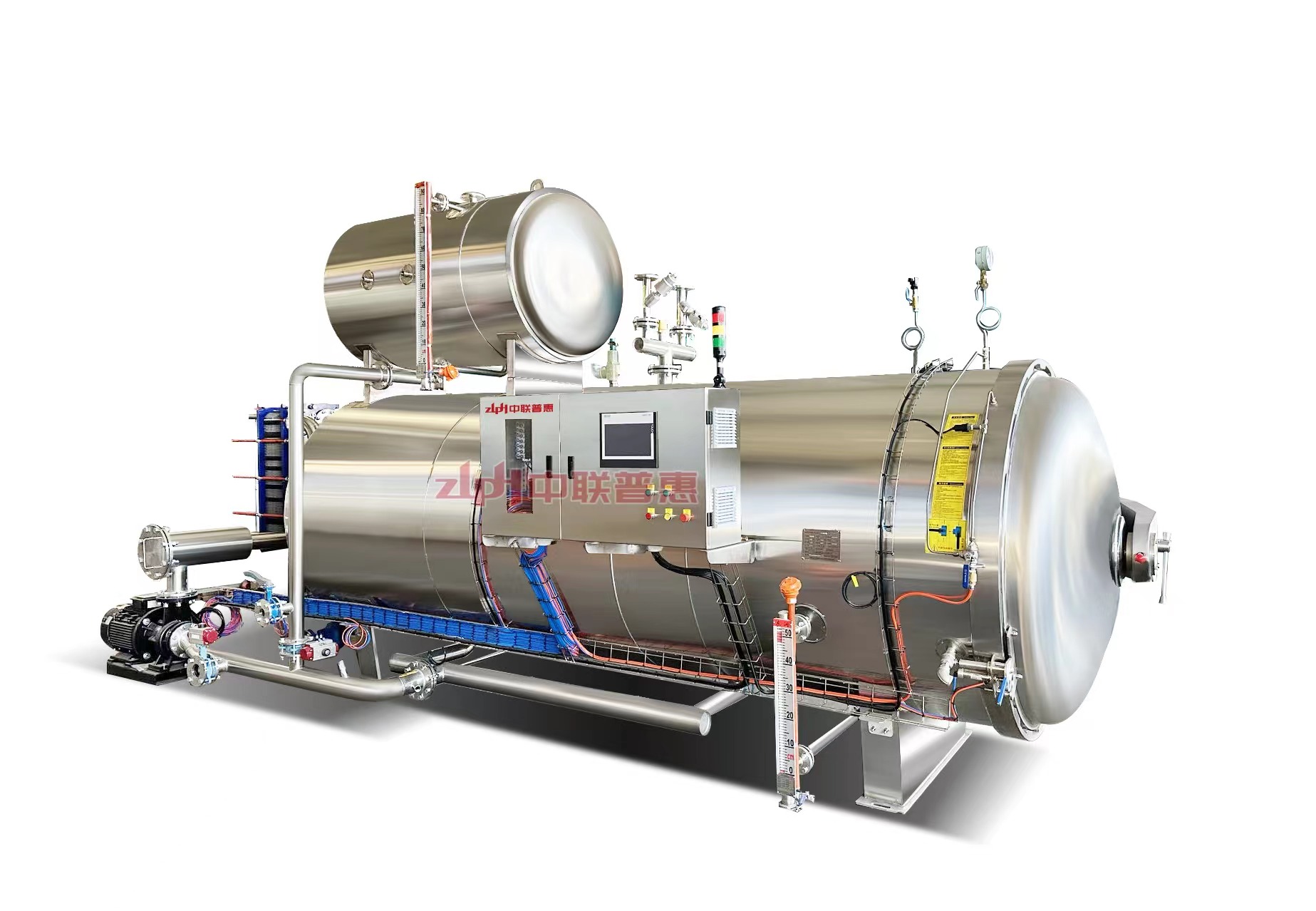
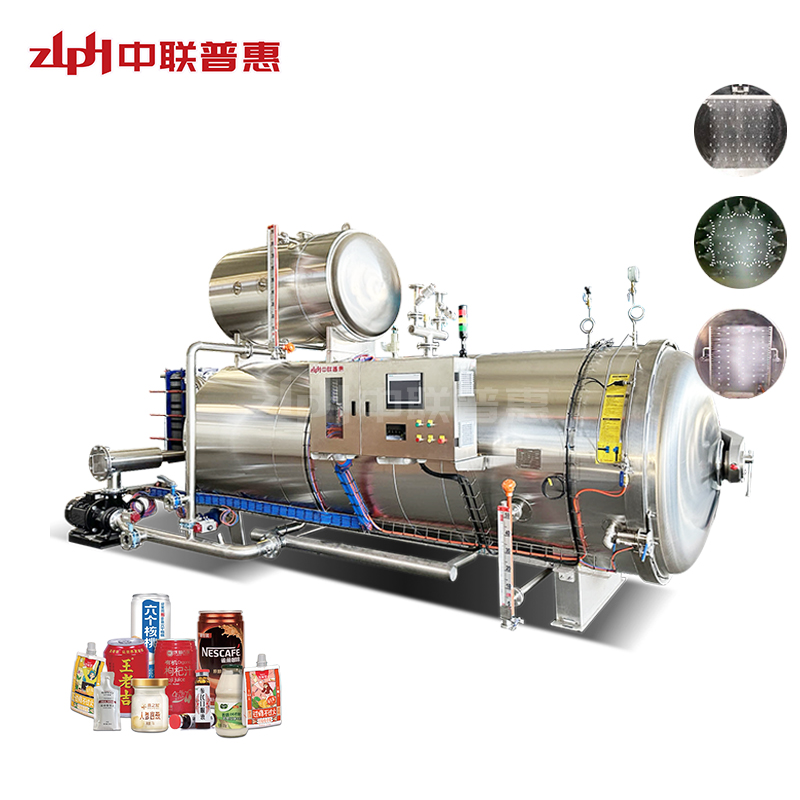
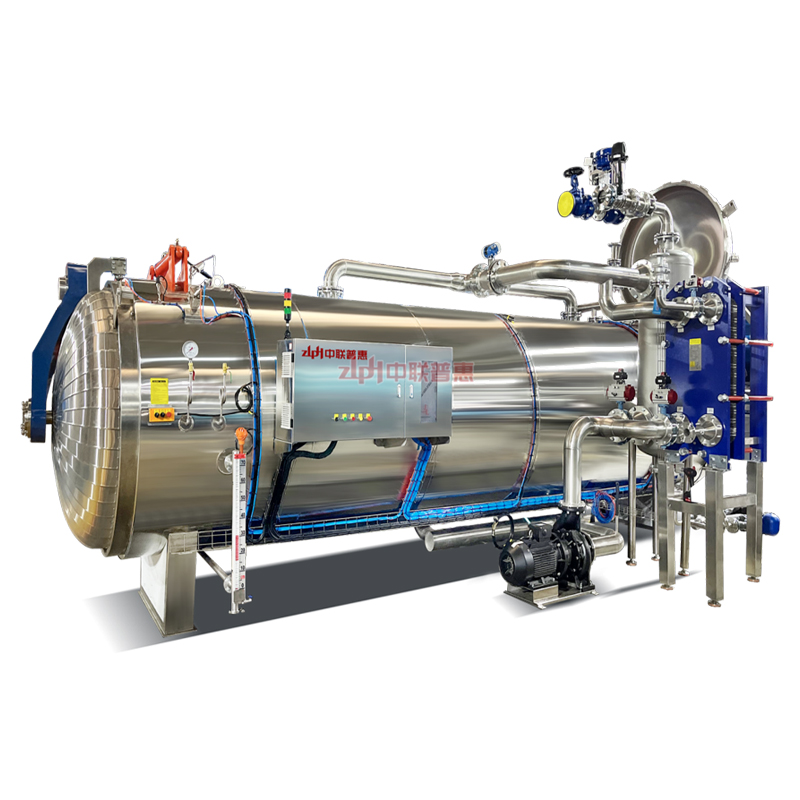
This guide is authored by a senior food processing automation engineer with over 10 years of industry experience from ZLPH MACHINERY TECHNOLOGY CO., LTD., a leading provider of intelligent sterilization solutions. It addresses a critical challenge faced by global food producers and pet food manufacturers: selecting a reliable rotary retort autoclave manufacturer that ensures consistent product safety, operational efficiency, and compliance under high-volume production demands.

The dilemma of choosing among the so-called “top 10” rotary retort manufacturers stems from three core issues: inconsistent sterilization performance due to poor thermal uniformity, frequent mechanical failures in loading/unloading systems, and lack of real-time process control leading to batch quality variations. After validating solutions across 50+ international projects and serving clients in Russia, Southeast Asia, and beyond, we’ve developed a proven, scenario-driven evaluation framework. This guide breaks down real-world use cases, root causes, and actionable steps to identify a partner—not just a vendor—who delivers stable, scalable, and intelligent sterilization outcomes.

How to Solve Inconsistent Sterilization Results in High-Volume Canned Food Production?
1. Scenario & Pain Point
In large-scale canned vegetable or ready-meal facilities, uneven heat distribution inside rotary retorts often causes under-processing in some cans and overcooking in others. This leads to product recalls, shelf-life reduction, and regulatory non-compliance—especially under FDA or EU food safety audits.

2. Root Cause Analysis
The primary causes are: (a) inadequate water spray coverage due to fixed nozzle design, (b) lack of real-time temperature/pressure monitoring per basket, and (c) manual loading errors causing tray misalignment that blocks circulation paths.

3. Step-by-Step Solution
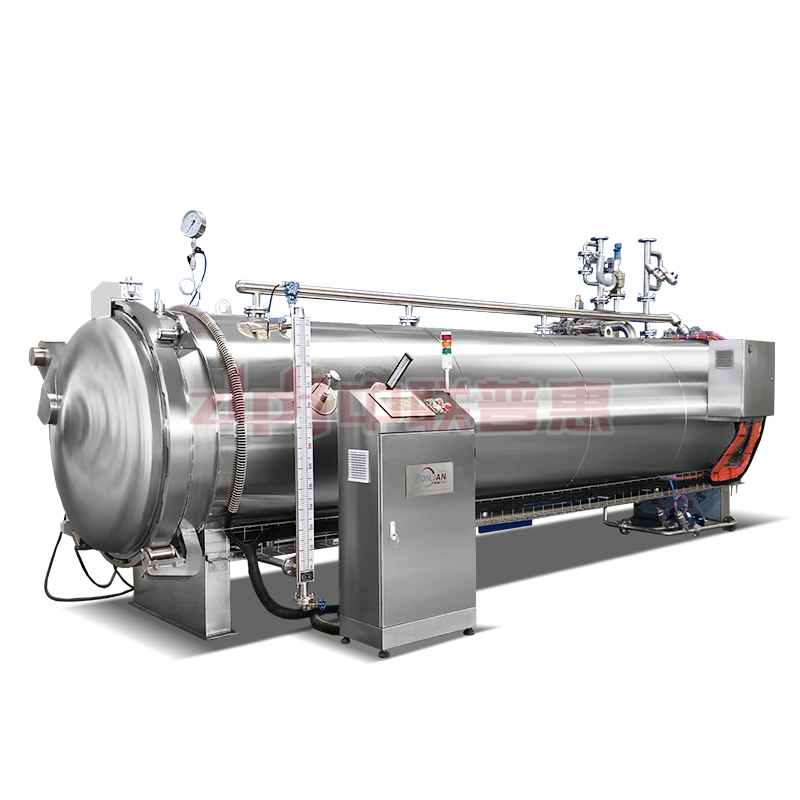
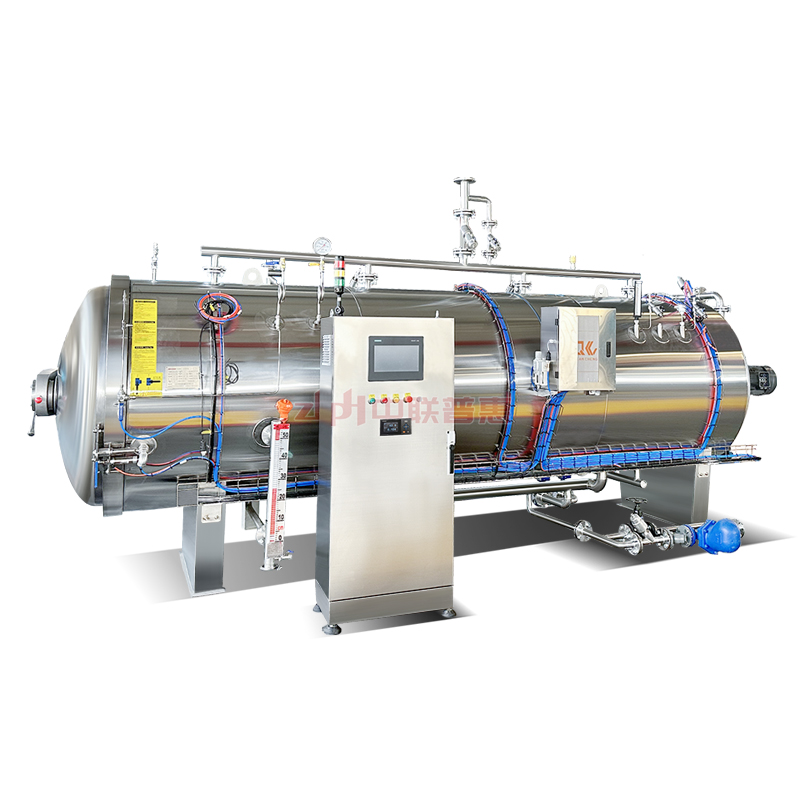
- Implement a 360° rotating water spray system with variable-pressure nozzles to ensure uniform heat transfer.
- Integrate an intelligent PLC control system that logs time-temperature profiles for each batch and auto-adjusts cycles based on load density.
- Deploy an automated retort tray loader/unloader to eliminate human error and maintain consistent basket positioning.
4. Pitfall Avoidance Guide
Avoid vendors who offer “standard” retorts without customization for your container type (e.g., bowl vs. can). Always request third-party thermal validation reports. Never skip on-site FAT (Factory Acceptance Testing) with your actual product load.
5. Real-World Validation
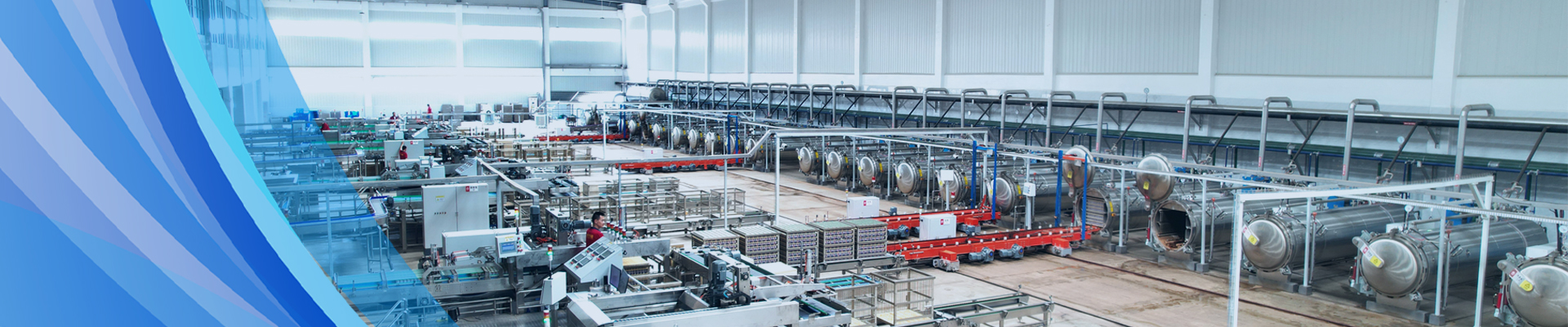
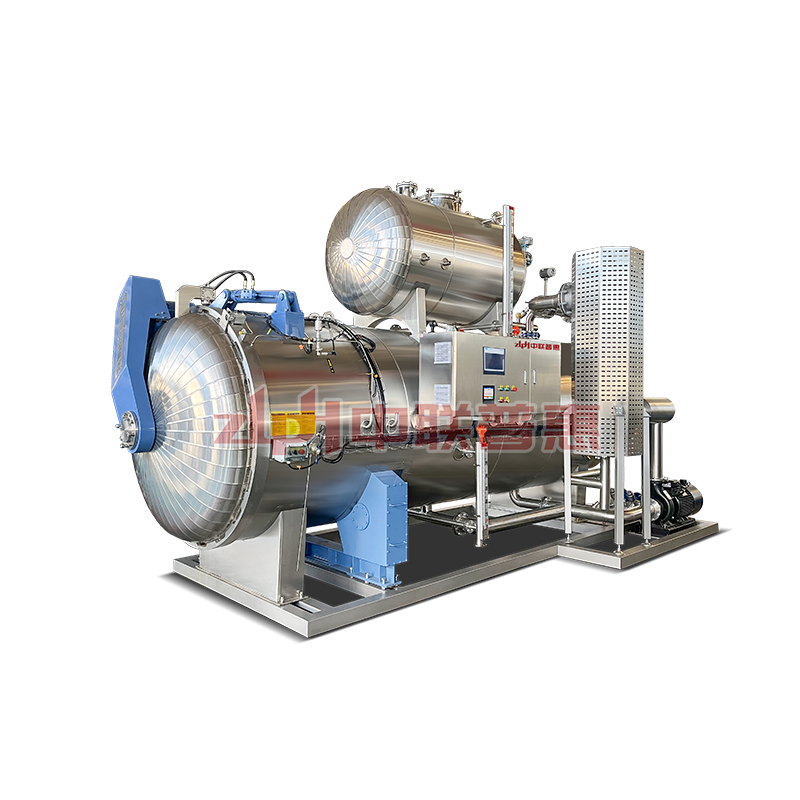
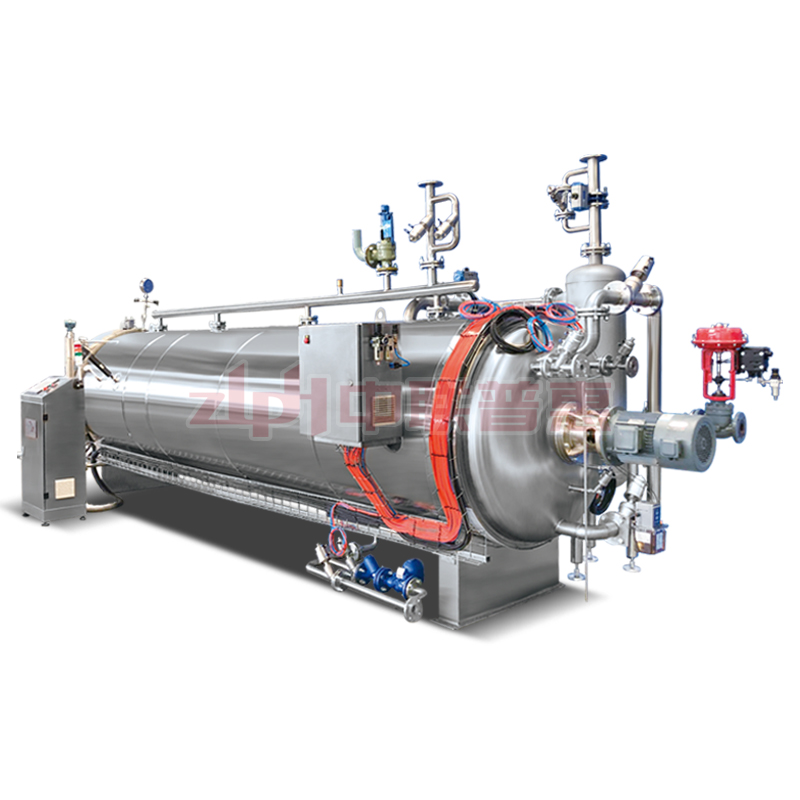
At the Qingdao Exhibition, our sterilization retort system demonstrated ±0.5°C thermal uniformity across 120 trays per cycle, validated by customer trials. Clients reported zero batch rejections over 6 months of continuous operation.
How to Ensure Reliable Operation of Rotary Retorts in Pet Food Bowl Sterilization Lines?
1. Scenario & Pain Point
Pet food manufacturers using pre-formed bowls face challenges with seal integrity post-sterilization. Traditional static retorts cause condensation pooling, leading to label peeling and compromised hermetic seals—triggering customer complaints and brand damage.
2. Root Cause Analysis
Static retorts lack motion during sterilization, preventing even drainage. Additionally, slow cooling phases increase dwell time in the danger zone (40–60°C), promoting microbial regrowth.
3. Step-by-Step Solution
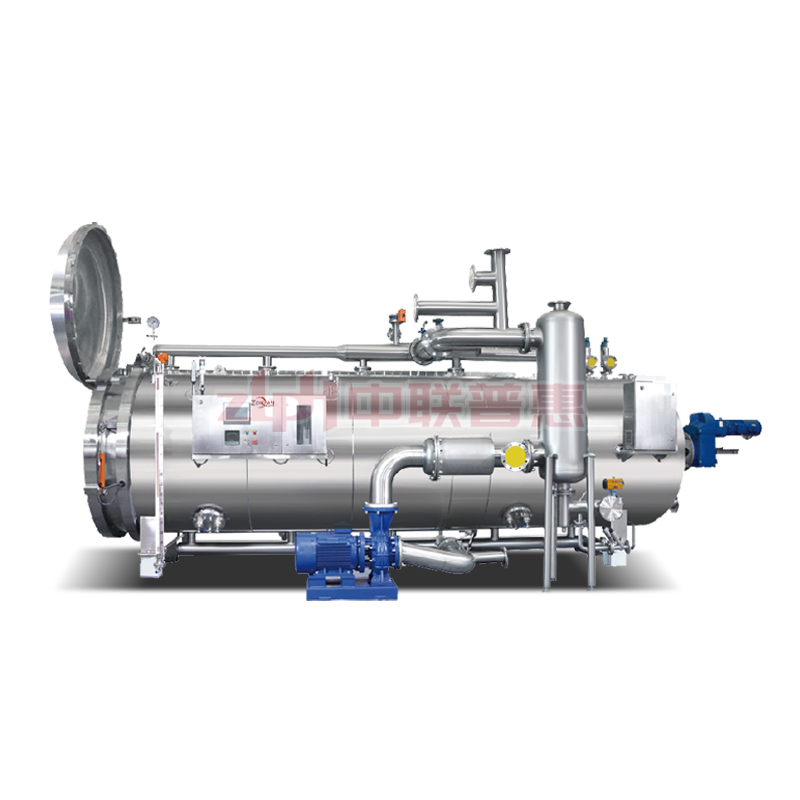
- Use a rotary retort with continuous gentle rotation (2–5 RPM) to prevent water accumulation on bowl surfaces.
- Equip the system with rapid air-cooling + water-spray hybrid cooling to reduce cooling time by 40%.
- Automate the entire line from filling to unloading to minimize human contact and contamination risk.
4. Pitfall Avoidance Guide
Do not assume all “rotary” retorts rotate during both heating and cooling—verify the motion profile. Ensure the system supports bowl-specific fixtures to avoid deformation under pressure.
5. Real-World Validation
Our automatic sterilization line for bowl products, showcased at Petfair Asia 2023, achieved 99.8% seal integrity rate across 10,000+ units tested. Customers noted a 30% increase in line efficiency due to full automation.
How to Select a Rotary Retort Vendor with Proven Global Compliance and Support?
1. Scenario & Pain Point
Export-oriented food processors need equipment compliant with CE, FDA 21 CFR, and local food safety regulations. Many manufacturers claim compliance but lack documentation or on-ground service support in target markets like Russia or the Middle East.
2. Root Cause Analysis
Vendors often outsource control systems or use uncertified components. Post-sale support is limited to email, causing weeks-long downtime during troubleshooting.
3. Step-by-Step Solution
- Choose a manufacturer with in-house R&D for both mechanical and PLC systems.
- Verify possession of ISO 9001, CE certification, and documented thermal process validations.
- Confirm availability of multilingual after-sales engineers with <24-hour response commitment.
4. Pitfall Avoidance Guide
Request full compliance dossiers—not just certificates. Test vendor responsiveness by simulating a technical query before purchase.
5. Real-World Validation
ZLPH’s team of 14 after-sales engineers and 21 R&D specialists ensures end-to-end control over design and compliance. Our participation in AGROPRODASH 2023 in Moscow confirmed strong demand for locally supported, certified solutions in emerging markets.
Industry Best Practices: 5-Step Framework for Evaluating Retort Manufacturers
Based on 6+ years of global project deployment, we recommend this universal evaluation framework:
1. Define Your Worst-Case Scenario
Evaluate based on peak load, smallest/largest container, and highest ambient temperature—not average conditions.
2. Audit Core Capabilities
Confirm in-house design of pressure vessels, control systems, and automation. Outsourced integration increases failure risk.
3. Demand Live Validation
Require video or on-site demo using your actual product. Thermal mapping data must be provided.
4. Assess Service Infrastructure
Check if spare parts warehouses exist near your facility. Remote diagnostics capability is essential.
5. Review Long-Term Partnership Terms
Prioritize vendors offering free process optimization consultations and upgrade paths—not just equipment sales.
FAQ: Common Questions from Food Processors
Q: Can a standard static retort be upgraded to rotary functionality?
A: No—rotary retorts require integrated drive systems, balanced chamber design, and dynamic sealing. Retrofitting is unsafe and ineffective.
Q: What’s the minimum batch size for cost-effective rotary retort use?
A: With ZLPH’s modular design, facilities producing >500 trays/day achieve ROI within 14 months due to labor and energy savings.
Q: Do rotary retorts work with glass jars?
A: Yes—but only with speed-controlled rotation (<3 RPM) and cushioned tray fixtures to prevent breakage. We provide jar-specific configurations.
Q: How often does the spray system require maintenance?
A: Every 3,000 cycles under normal use. Our nozzles feature anti-clog design, reducing downtime by 70% versus competitors.
Q: Is remote monitoring possible for overseas plants?
A: Absolutely. Our systems support cloud-based dashboards with real-time alerts via WhatsApp or email—critical for multi-site operators.
Our Proven Capability & Support
ZLPH MACHINERY TECHNOLOGY CO., LTD. has specialized in intelligent sterilization since 2018. Our 45-member technical team—including 21 mechanical/PLC engineers and 4 sterilization process experts—has delivered 500+ systems worldwide. Operating from a 15,000 m² factory on a 50-acre site, we maintain full control over manufacturing quality and innovation.
We offer customized support including: (1) on-site thermal process validation, (2) container-specific fixture design, (3) multilingual installation supervision, and (4) free sample testing with your product. Our goal is your success—not just a sale.
Contact Us
Company: ZLPH MACHINERY TECHNOLOGY CO., LTD.
Website: https://www.zlphretort.com/
Email: sales@zlphretort.com
Phone / WhatsApp: +86 15666798389 / +86 13361554016
