
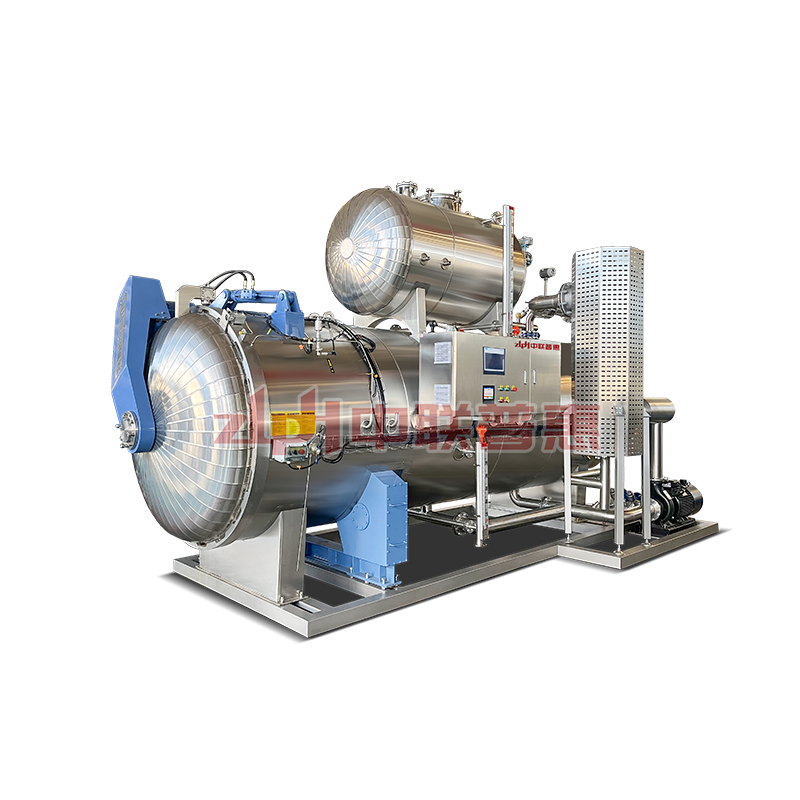
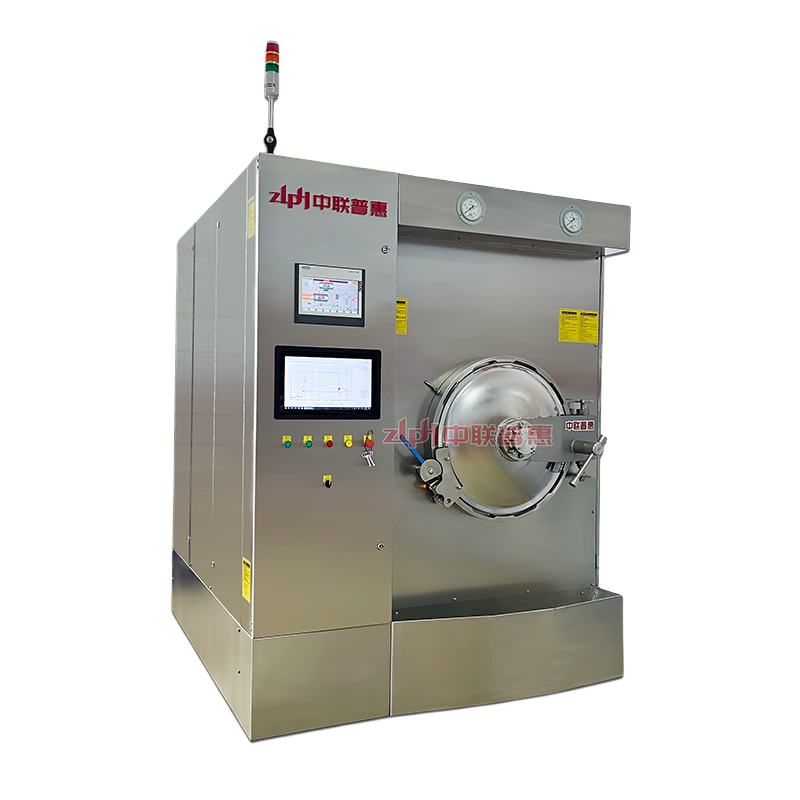
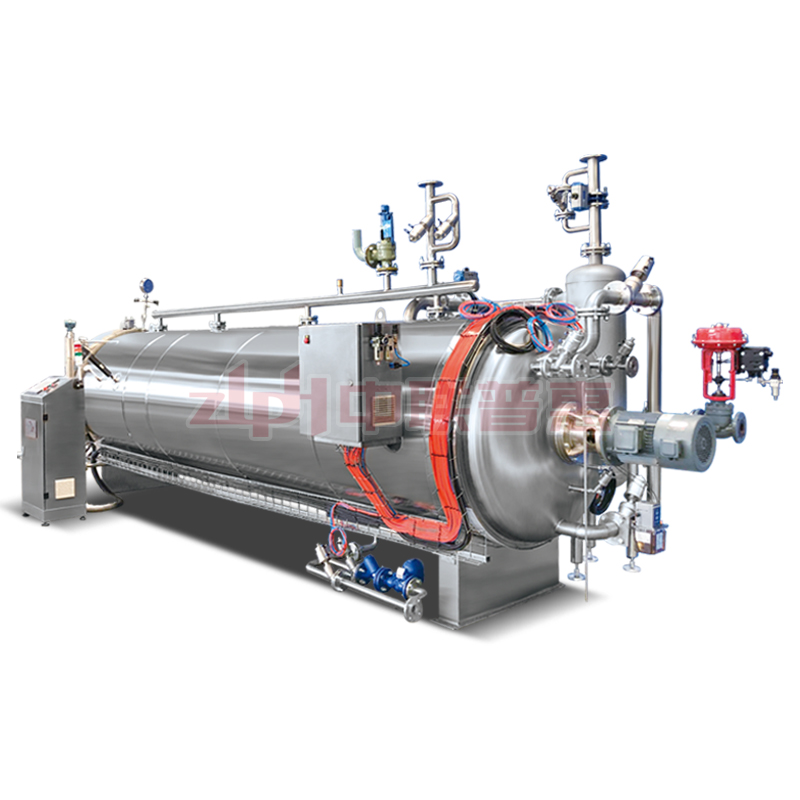
This guide is authored by a senior food processing automation engineer with over 10 years of industry experience from ZLPH MACHINERY TECHNOLOGY CO., LTD., a leading provider of intelligent sterilization solutions. It addresses a critical challenge faced by global food manufacturers and procurement professionals: selecting a reliable food retort autoclave supplier that ensures consistent product safety, operational efficiency, and regulatory compliance.

Selecting an inadequate retort supplier often leads to inconsistent sterilization, extended downtime, food safety risks, and costly production losses—issues primarily caused by outdated equipment design, lack of process control precision, and insufficient technical support. Based on more than 5,000 global installations and continuous R&D since 2018, we’ve developed a proven, step-by-step framework to help you identify a supplier capable of delivering stable thermal processing, seamless integration, and long-term reliability. In this guide, we’ll break down real-world pain points, analyze root causes, provide actionable selection criteria, share implementation best practices, and validate results through field-tested outcomes—all tailored to your specific production environment.

How to Ensure Consistent Sterilization Performance Across Different Food Products?
1. Scenario & Pain Point
Food producers handling diverse products—such as canned vegetables, ready-to-eat meals, or pet food—often struggle with uneven heat distribution in traditional retorts. This results in under-processing (safety hazard) or over-processing (texture/nutrient loss), especially when switching between product types without revalidating cycles.

2. Root Cause Analysis
The core issues include: (1) absence of uniform water spray systems leading to cold spots; (2) manual or non-adaptive control logic that fails to adjust for varying load densities; and (3) lack of real-time temperature/pressure monitoring across multiple basket zones.

3. Step-by-Step Solution
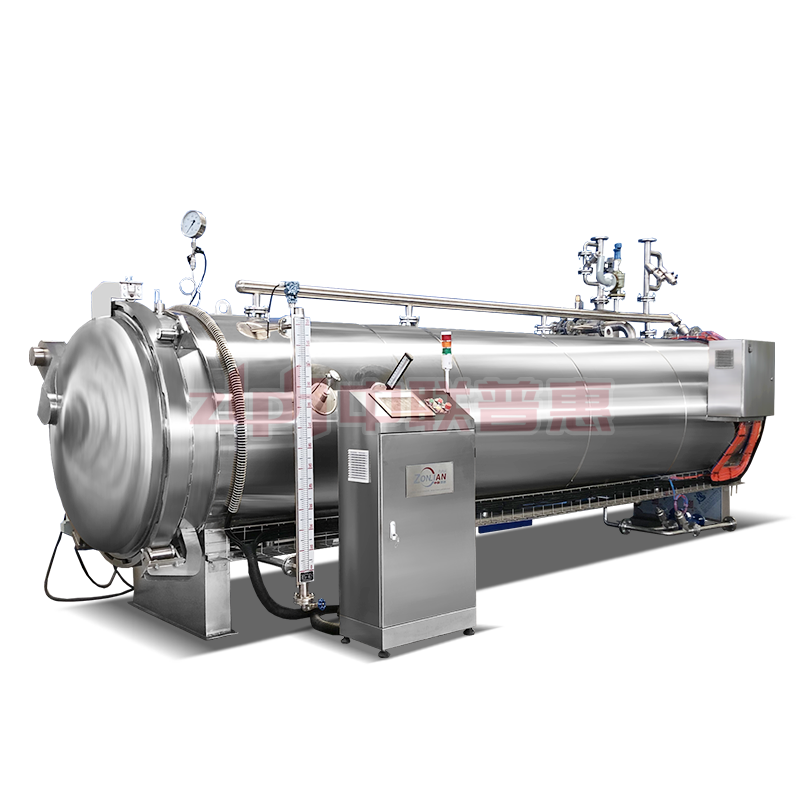
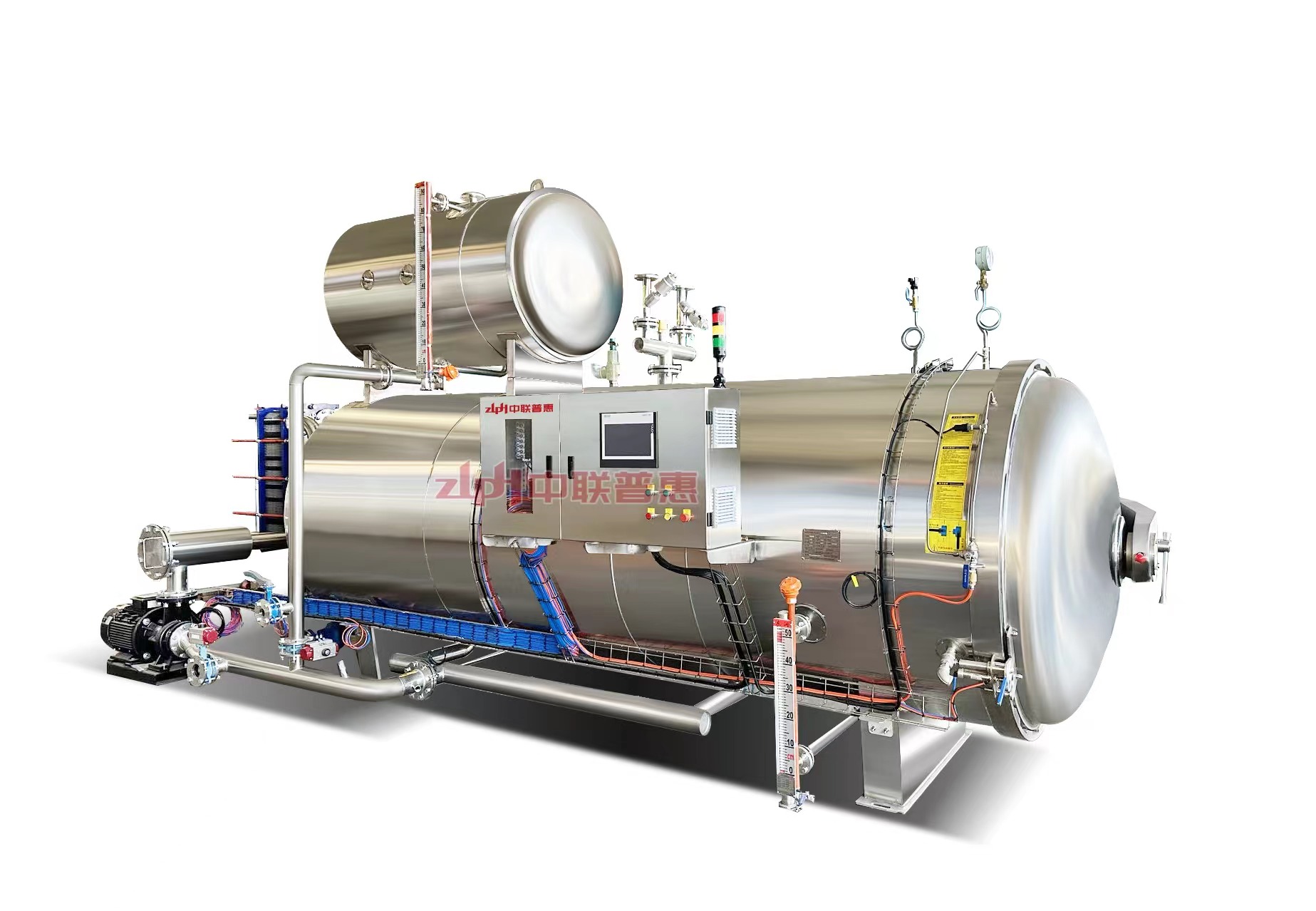
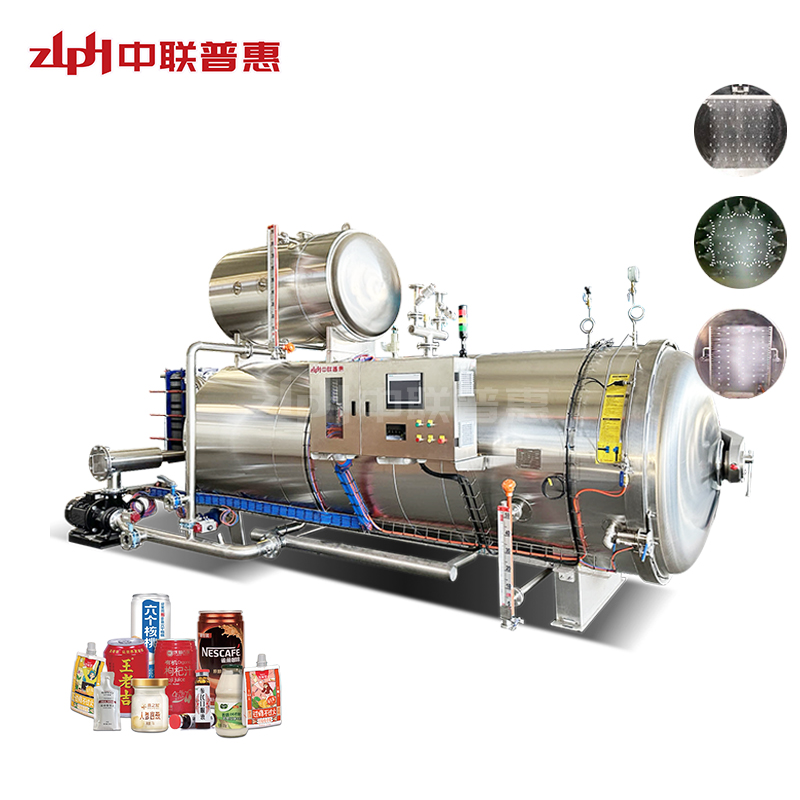
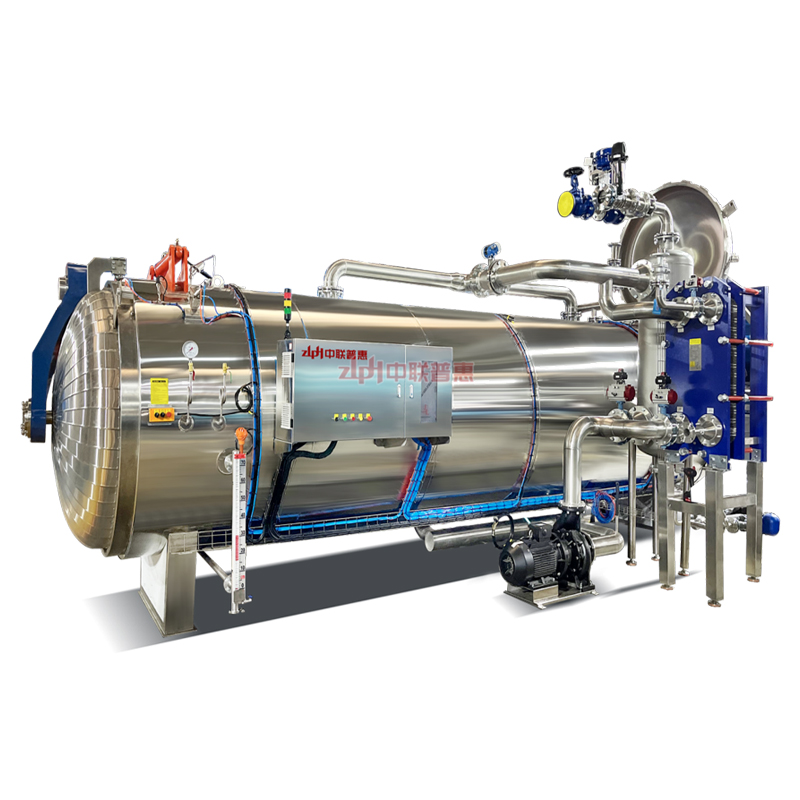
Deploy an intelligent top-opening water spray retort equipped with multi-zone spray nozzles and PID-controlled circulation pumps to ensure even thermal distribution. Integrate a PLC-based control system that logs F₀ values per basket and auto-adjusts cycle parameters based on product type and fill volume. Validate thermal uniformity using third-party mapping studies during commissioning.
4. Implementation Pitfalls to Avoid
Never assume one sterilization profile fits all products. Always conduct thermal validation for each SKU. Avoid suppliers who don’t provide full data logging compliant with FDA 21 CFR Part 11 or EU hygiene regulations. Ensure the retort’s control system supports recipe management and audit trails.
5. Verified Results
Clients using ZLPH’s intelligent water spray retort achieved ±0.5°C temperature uniformity across 12-basket loads, reduced reprocessing rates by 92%, and passed BRCGS and SQF audits without non-conformities. One European pet food manufacturer increased throughput by 25% while maintaining microbial lethality targets.
How to Minimize Downtime During Retort Maintenance and Cleaning?
1. Scenario & Pain Point
Traditional bottom-hinged or side-swing retorts require extensive manual labor for cleaning and seal replacement, causing 4–8 hours of weekly downtime—unacceptable in high-volume facilities running 24/7.
2. Root Cause Analysis
Poor accessibility due to fixed door mechanisms, non-modular gasket designs, and lack of CIP (Clean-in-Place) compatibility force operators into time-consuming manual interventions.
3. Step-by-Step Solution
Opt for a top-opening retort with hydraulic-assisted door lift, quick-release silicone gaskets, and integrated CIP spray balls. The vertical door design provides unobstructed access to the chamber interior, cutting cleaning time by 60%. Pair it with a loader-unloader system for fully automated basket handling.
4. Implementation Pitfalls to Avoid
Don’t overlook gasket material compatibility with cleaning agents. Verify that the supplier offers spare parts inventory and remote diagnostics. Ensure the automation interface supports integration with your existing MES or SCADA system.
5. Verified Results
At a Southeast Asian ready-meal plant, ZLPH’s top-door retort with automated tray handling reduced cleaning downtime from 6 hours to 2.5 hours per week and eliminated seal-related leaks, improving OEE by 18%.
What Certifications and Technical Support Should a Reliable Retort Supplier Offer?
A trustworthy supplier must hold ISO 9001 certification, CE marking for machinery safety, and comply with ASME BPVC Section VIII for pressure vessels. Beyond paperwork, they should provide: (1) dedicated after-sales engineers with >10 years’ field experience; (2) remote troubleshooting via secure cloud platforms; (3) on-site commissioning and operator training; and (4) lifecycle spare parts availability. ZLPH maintains a team of 14 after-sales engineers and offers 24/7 multilingual support—critical for minimizing unplanned stoppages.
Industry Best Practices for Selecting a Retort Supplier
Based on 6+ years of global deployments, we recommend this 5-step evaluation framework:
1. Define Your Worst-Case Scenario
Select equipment rated for your highest expected load density, ambient temperature, and cycle frequency—not average conditions.
2. Demand Real Validation Data
Request thermal mapping reports from similar applications, not just lab simulations.
3. Assess Automation Readiness
Ensure the retort can integrate with conveyors, robotics, and factory networks via standard protocols (Modbus TCP, Profinet).
4. Evaluate Total Cost of Ownership
Factor in energy consumption (water/steam usage), maintenance intervals, and expected lifespan (>15 years).
5. Test Responsiveness
Simulate a support request—how quickly does the supplier respond? Do they offer video diagnostics or AR-assisted guidance?
Frequently Asked Questions (FAQ)
Q: Can a single retort handle both low-acid canned foods (LACF) and acidified products?
A: Yes—if it features precise F₀ control, validated thermal uniformity, and complies with FDA LACF regulations (21 CFR 113). ZLPH retorts are designed for dual compliance with programmable safety interlocks.
Q: How important is the door opening mechanism?
A: Critical. Top-opening designs reduce ergonomic strain, improve cleaning access, and enable faster loading—key for high-mix production. ZLPH’s hydraulic-assist system cuts door cycle time to <45 seconds.
Q: Do I need a separate validation service?
A: Reputable suppliers like ZLPH include thermal validation support during installation, using calibrated data loggers and providing full documentation for regulatory submissions.
Q: What’s the typical lead time for a custom retort?
A: 90–120 days for standard models; 150+ days for fully automated lines. ZLPH maintains modular designs to accelerate delivery without compromising customization.
About Our Expertise and Global Support
ZLPH MACHINERY TECHNOLOGY CO., LTD. is a technology-driven sterilization solutions provider founded in 2018, with 21 mechanical and PLC engineers, 4 sterilization process researchers, and 14 global after-sales specialists—all with 10+ years in retort and automation systems. Our 50-acre facility includes a 15,000m² workshop with advanced CNC and welding equipment, ensuring precision manufacturing and quality control. We’ve deployed intelligent retorts across 30+ countries, serving clients in meat processing, seafood, dairy, and plant-based foods, and consistently earn repeat orders due to our reliability and partnership approach.
We offer end-to-end support including: (1) on-site process assessment; (2) custom retort design for unique packaging formats; (3) FAT/SAT testing with client participation; and (4) free sample sterilization trials at our Qingdao demo center.
Contact Us for a Tailored Solution
Company: ZLPH MACHINERY TECHNOLOGY CO., LTD.
Website: https://www.zlphretort.com/
Email: sales@zlphretort.com
Phone / WhatsApp: +86 15666798389 / +86 13361554016
