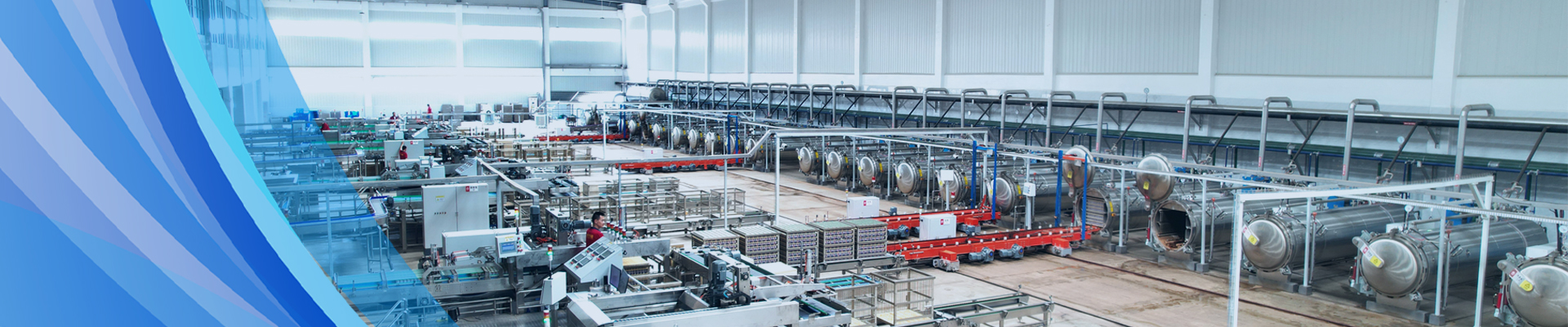

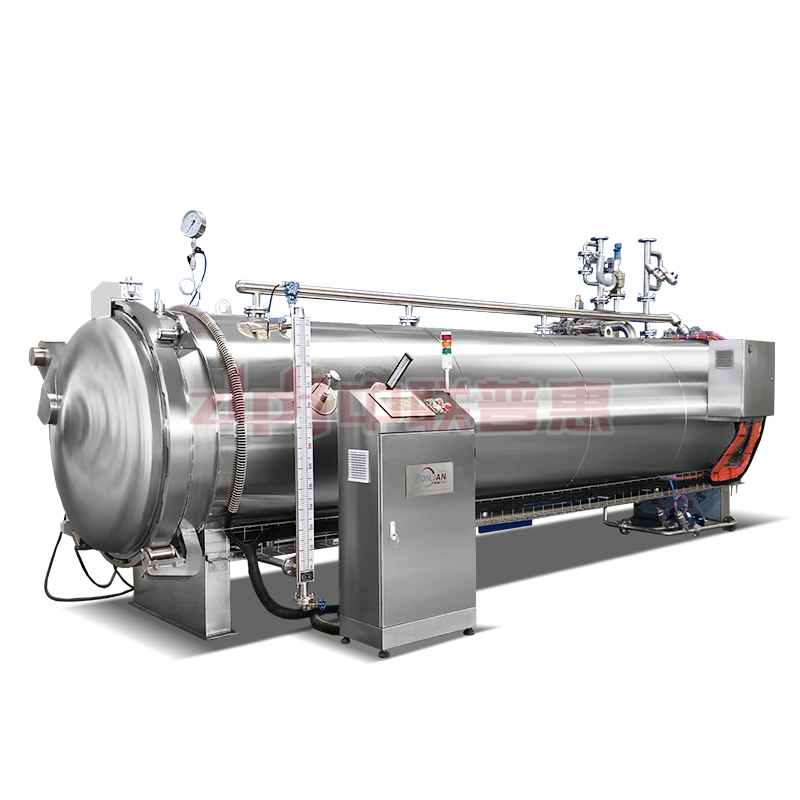
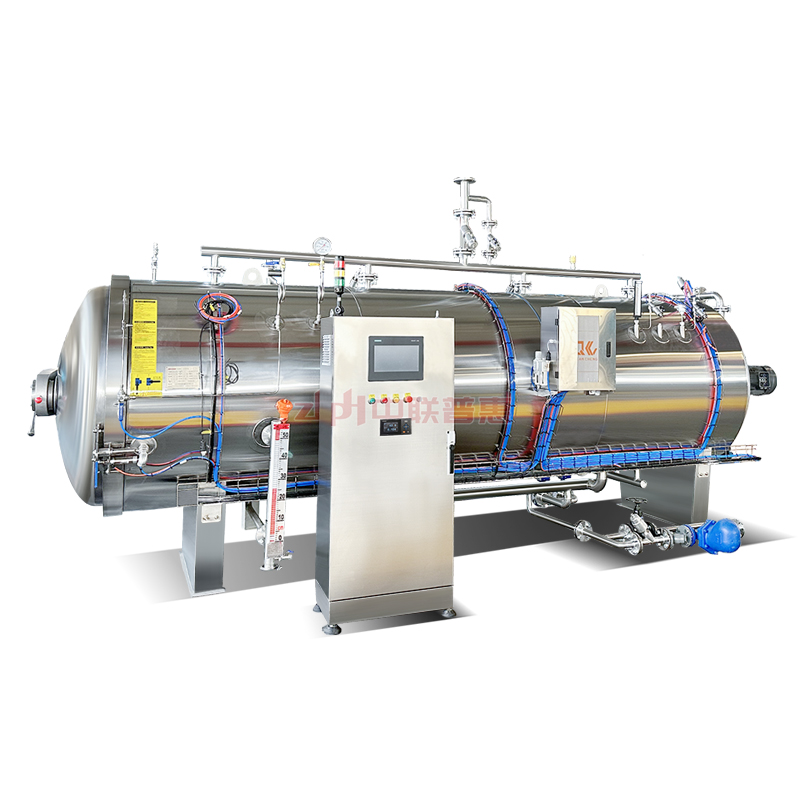
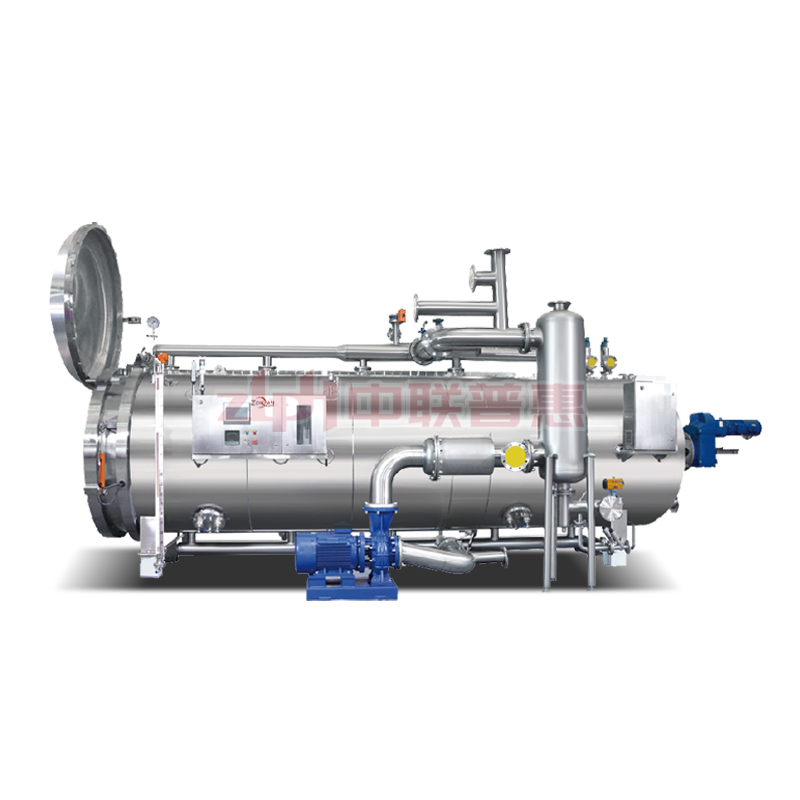
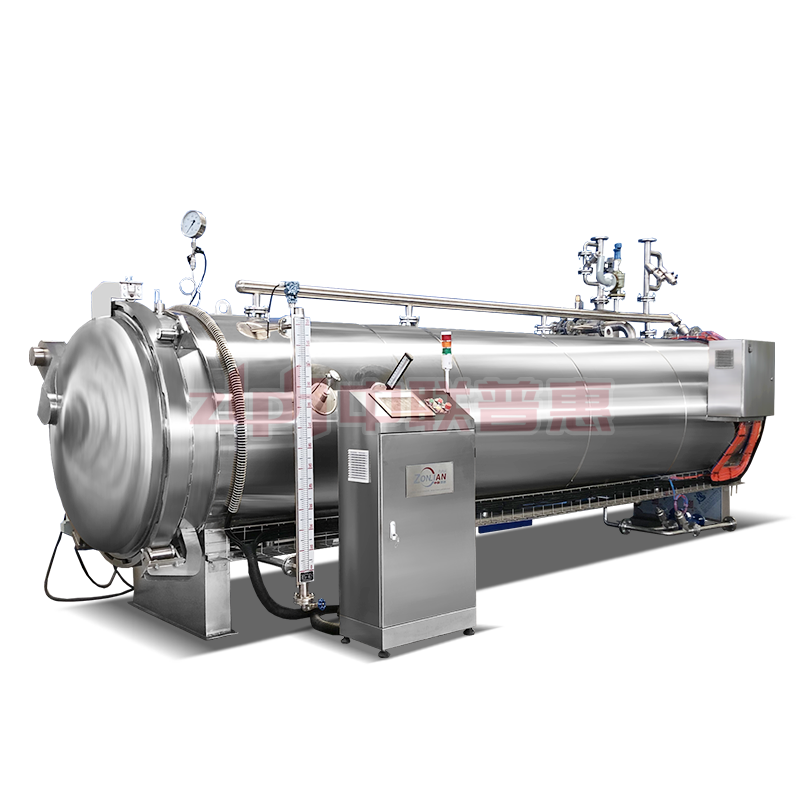
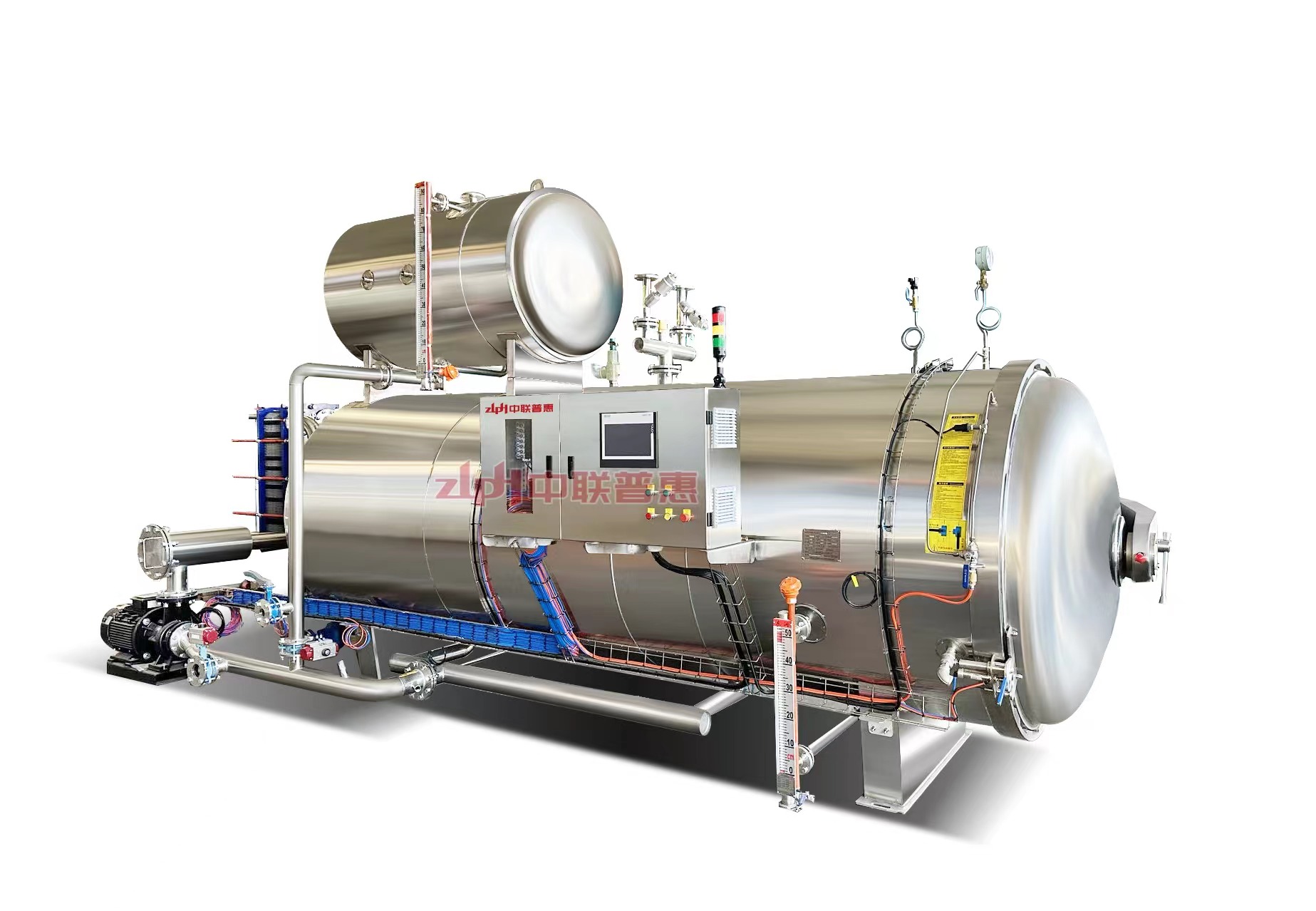
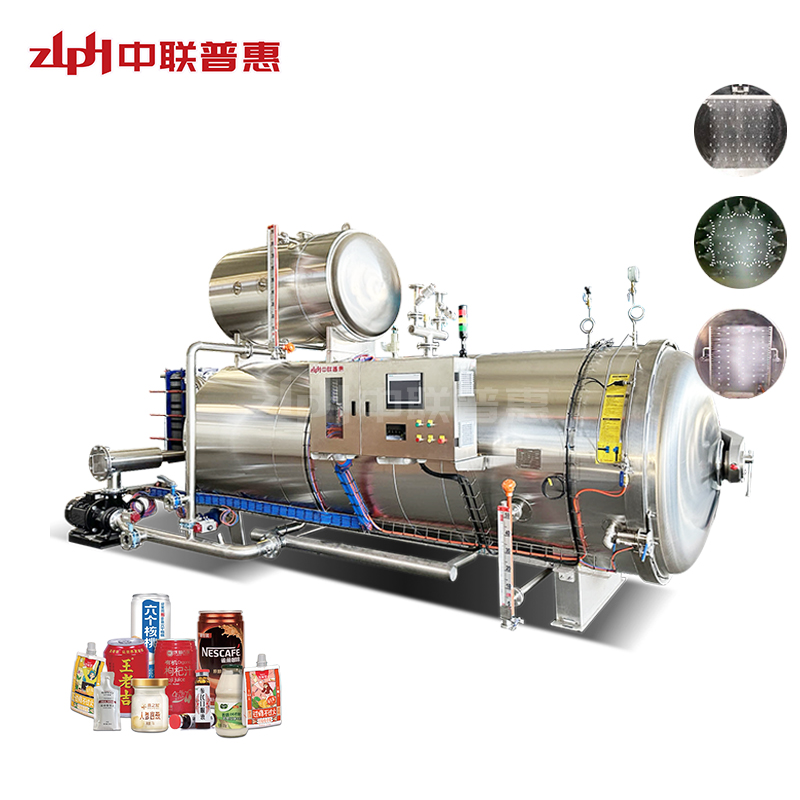
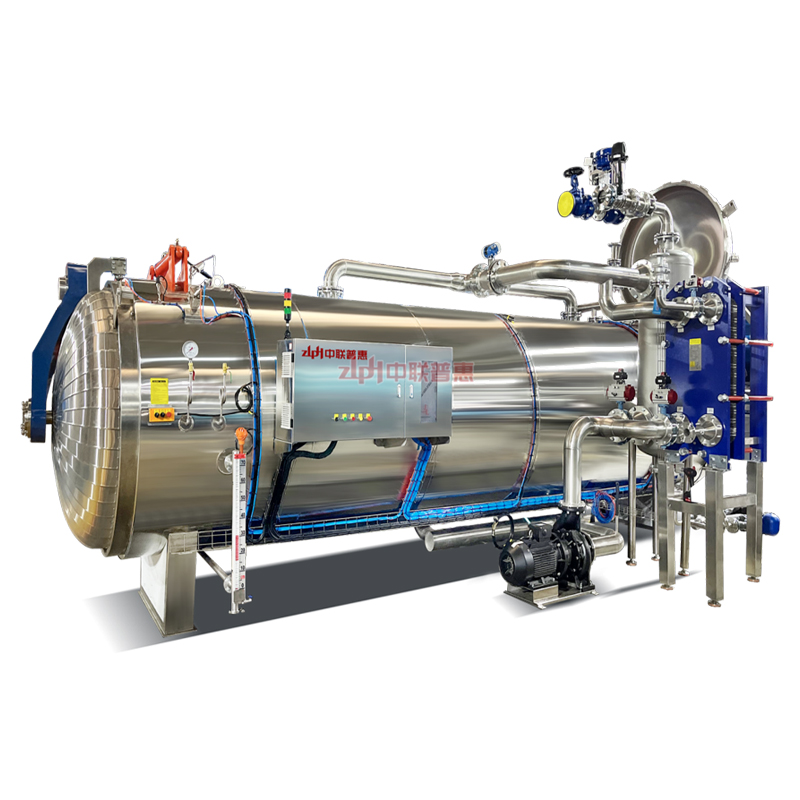
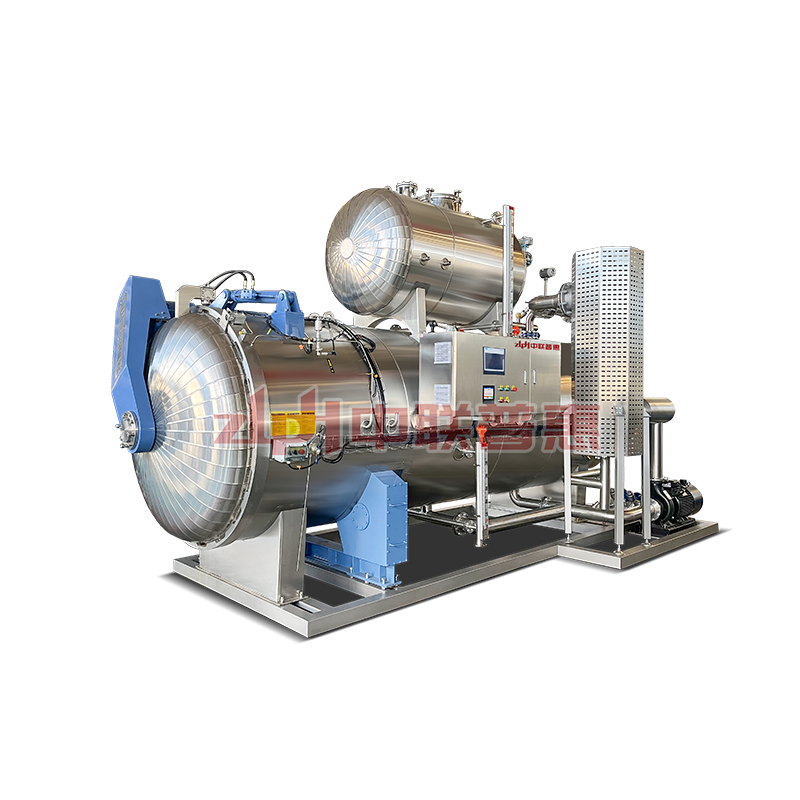
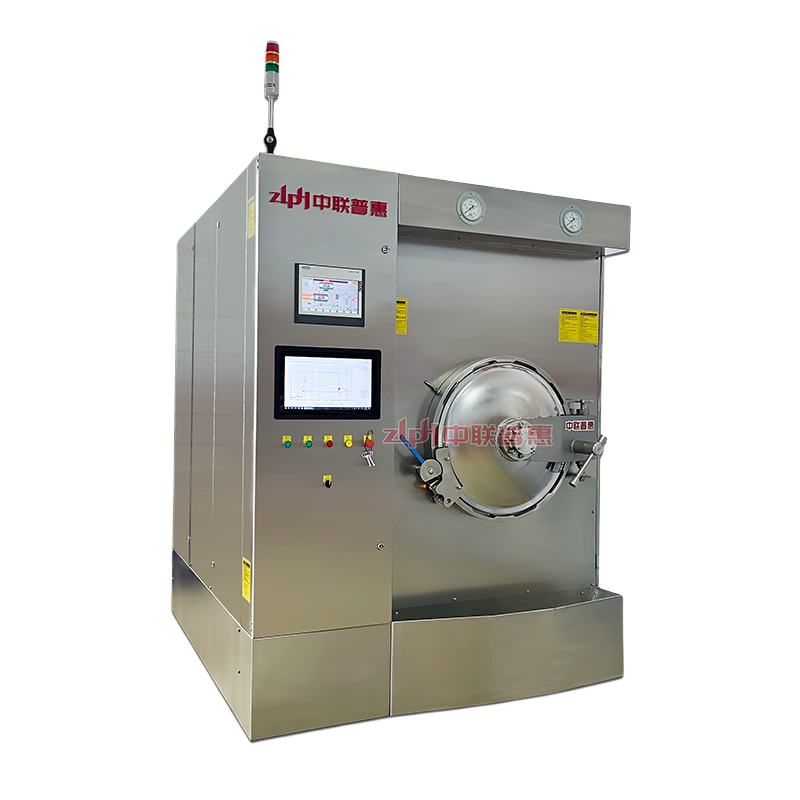
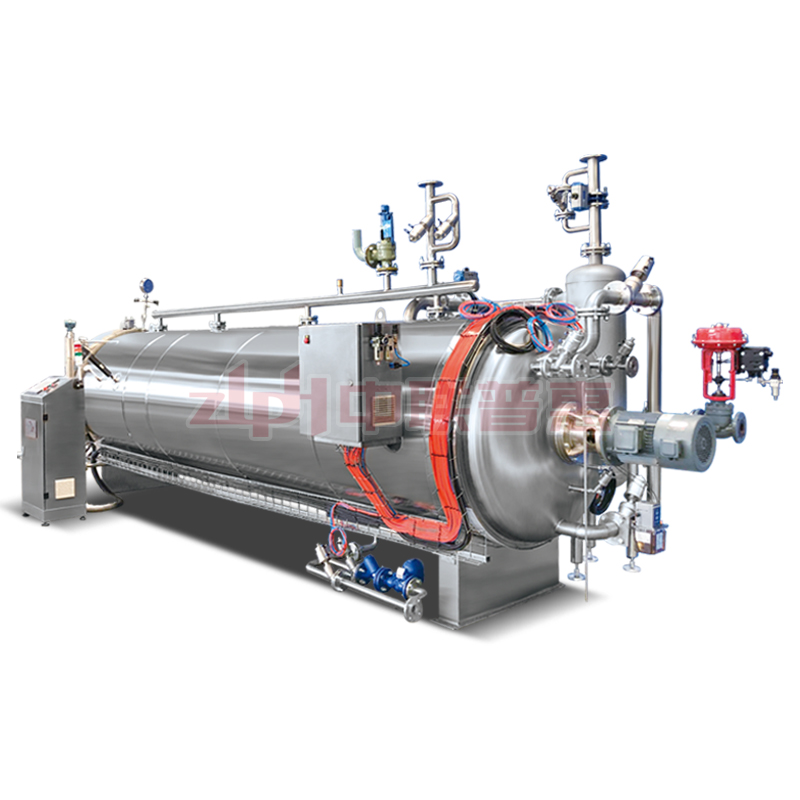
This guide is authored by senior food processing engineers from ZLPH MACHINERY TECHNOLOGY CO., LTD., a globally recognized provider of intelligent sterilization solutions with over 6 years of R&D experience and 5,000+ industrial deployments. It addresses a critical challenge faced by food manufacturers worldwide: selecting a water spray retort autoclave that ensures consistent microbial kill, operational efficiency, and product quality under diverse production conditions. The core issue stems from three key factors: inconsistent temperature distribution during sterilization, inefficient loading/unloading processes causing bottlenecks, and lack of real-time process control leading to safety risks or over-processing. Based on extensive field validation across meat, seafood, canned vegetables, and ready-to-eat meal production lines, we present a proven, step-by-step framework to evaluate and implement the optimal water spray retort system—ensuring compliance, scalability, and ROI.

How to Ensure Uniform Sterilization in High-Viscosity or Dense-Pack Products?
1. Scenario & Pain Point
In facilities producing thick sauces, stews, or tightly packed canned goods, traditional retorts often fail to achieve uniform heat penetration. Cold spots persist in the product core, risking under-sterilization (e.g., surviving Clostridium botulinum spores), while surface layers may overcook, degrading texture and nutritional value. This inconsistency leads to batch rejections, regulatory non-compliance, and brand reputation damage.

2. Root Cause Analysis
The primary causes are: (a) inadequate water circulation design causing stagnant zones; (b) fixed spray nozzles unable to adapt to varying load densities; and (c) absence of real-time thermal mapping to verify lethality across all containers.

3. Step-by-Step Solution
Deploy a water spray retort with multi-zone, pressure-balanced spray systems that dynamically adjust flow based on basket configuration. Integrate real-time temperature monitoring via wireless dataloggers placed in cold-spot locations during validation runs. Use validated F₀ calculation software to confirm microbial kill targets are met uniformly.

4. Pitfall Avoidance Guide
Never rely solely on chamber temperature readings—always validate with product-core probes. Avoid retorts with single-direction spray patterns; opt for 360° top-and-bottom coverage. Conduct annual thermal validation per FDA 21 CFR Part 113 guidelines.
5. Verified Performance
ZLPH’s intelligent water spray retort achieved ±0.5°C temperature uniformity across 1,200 cans per batch in a Southeast Asian ready-meal plant, reducing spoilage rates by 92% and passing EU export audits consistently.
How to Reduce Labor Costs and Cycle Time in Batch Sterilization?
1. Scenario & Pain Point
Manual loading/unloading of retort baskets consumes 30–40% of total cycle time and requires 4–6 operators per shift, increasing labor costs and ergonomic injury risks—especially in high-volume canneries.
2. Root Cause Analysis
Conventional retorts lack integration with automated material handling, forcing manual intervention. Heavy basket manipulation slows throughput and introduces human error in stacking.
3. Step-by-Step Solution
Implement an integrated retort tray loader-unloader system synchronized with the sterilization cycle. Use standardized palletized trays compatible with forklifts or AGVs for seamless transfer.
4. Pitfall Avoidance Guide
Ensure mechanical interfaces between loader and retort door are precisely aligned to prevent jamming. Validate automation compatibility with existing line speeds before full deployment.
5. Verified Performance
At the Qingdao exhibition, ZLPH demonstrated a fully automated system that cut loading/unloading time by 70% and reduced required personnel by 50%, enabling 24/7 operation without fatigue-related errors.
How to Maintain Food Quality While Ensuring Safety in Delicate Products?
1. Scenario & Pain Point
For products like fish fillets, baby food, or fruit compotes, excessive heat or pressure causes texture breakdown, color loss, or nutrient degradation—even when sterilization parameters are technically met.
2. Root Cause Analysis
Standard retorts apply aggressive ramp-up/cool-down profiles. Without precise control, thermal shock damages delicate matrices.
3. Step-by-Step Solution
Use a retort with intelligent PLC control that enables programmable heating/cooling ramps (e.g., 1°C/min) and maintains ±1°C pressure stability during come-up time.
4. Pitfall Avoidance Guide
Avoid “one-size-fits-all” sterilization recipes. Develop product-specific profiles validated by third-party labs.
5. Verified Performance
ZLPH’s system preserved omega-3 content in salmon cans at 98% retention (vs. 82% in conventional units) while achieving commercial sterility, as verified by SGS testing.
Industry Best Practices for Water Spray Retort Selection
Based on global project data, follow this 5-step evaluation framework:
1. Define Worst-Case Conditions
Size your retort for peak viscosity, largest container, and highest ambient temperature—not average conditions.
2. Validate Thermal Performance
Demand third-party thermal validation reports showing F₀ uniformity across full load.
Choose systems with pre-engineered interfaces for future loader integration.
4. Verify Control System Compliance
Ensure PLC meets FDA 21 CFR Part 11 and EU Machinery Directive 2006/42/EC.
5. Assess Total Cost of Ownership
Factor in water/energy consumption, maintenance intervals, and spare parts availability—not just upfront price.
Frequently Asked Questions (FAQ)
Q: Can a standard retort handle both glass jars and metal cans?
A: Only if equipped with adjustable pressure profiles and gentle handling fixtures. ZLPH’s upper-door design accommodates mixed loads with customizable basket inserts.
Q: What certifications should a water spray retort have for EU export?
A: CE marking under PED 2014/68/EU, ISO 9001 quality management, and compliance with EN 13445 for pressure equipment.
Q: How often should spray nozzles be cleaned?
A: Weekly in hard-water regions; monthly otherwise. ZLPH’s nozzles feature quick-disconnect fittings for tool-free maintenance.
Q: Is upper-door design safer than side-door?
A: Yes—gravity-assisted opening reduces mechanical strain, and eliminates pinch points during loading, enhancing operator safety.
Why ZLPH Delivers Trusted Sterilization Solutions
ZLPH MACHINERY TECHNOLOGY CO., LTD. is a technology-driven manufacturer founded in 2018, specializing in intelligent sterilization systems. Our team includes 21 mechanical and PLC engineers, 4 sterilization process researchers with 10+ years’ experience, and 14 global after-sales engineers. Operating from a 50-acre facility with 15,000㎡ of advanced workshops, we integrate precision manufacturing with rigorous quality control. Our water spray retorts are deployed across 30+ countries, serving leaders in meat processing, seafood, and prepared foods—with zero recalls attributed to sterilization failure.
We offer tailored support including: on-site process audits, custom basket design, free sample sterilization trials, and 24/7 remote diagnostics. Every solution is backed by performance guarantees validated through real-world production data.
Contact Us for Your Custom Sterilization Solution
Company: ZLPH MACHINERY TECHNOLOGY CO., LTD.
Website: https://www.zlphretort.com/
Email: sales@zlphretort.com
Phone / WhatsApp: +86 15666798389 / +86 13361554016
