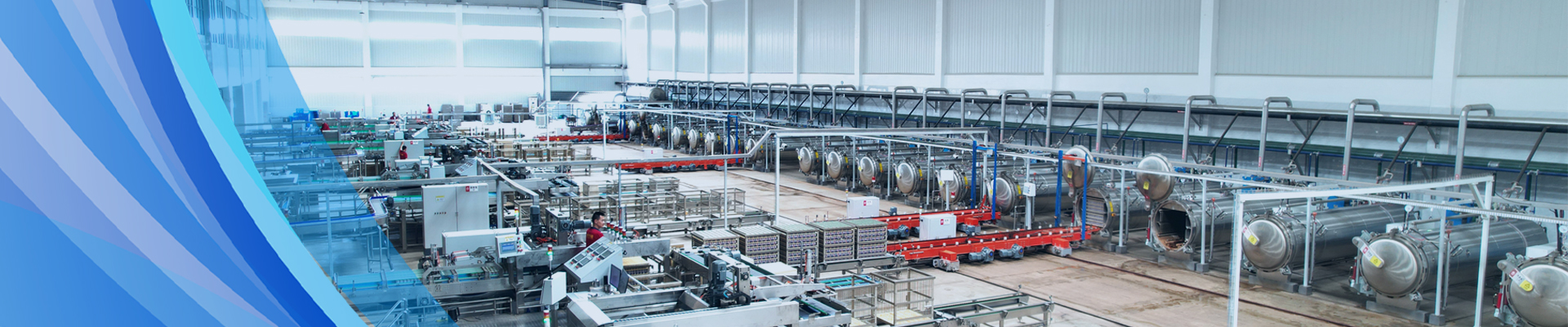

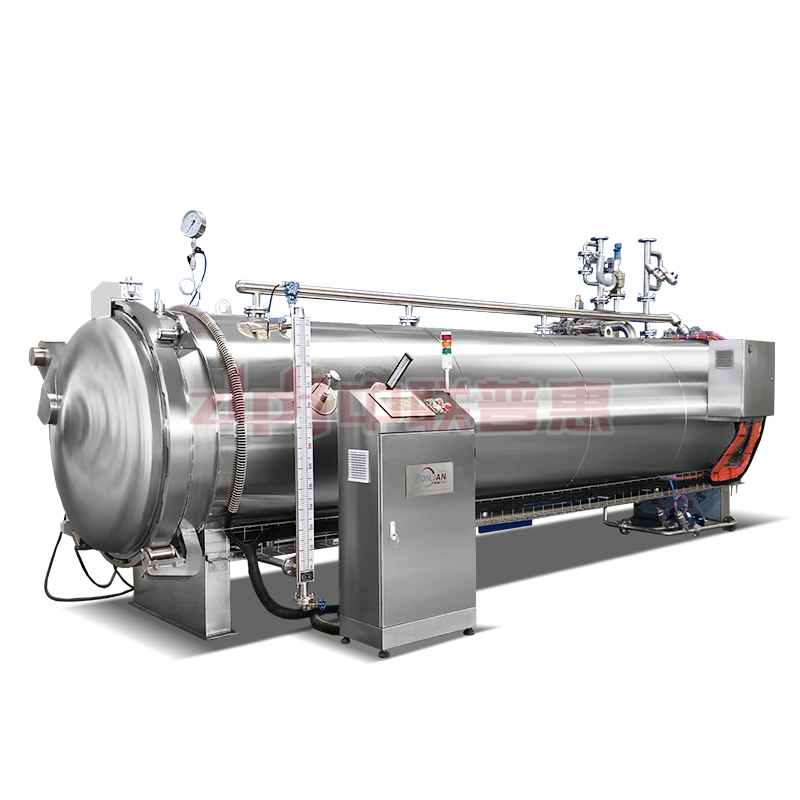
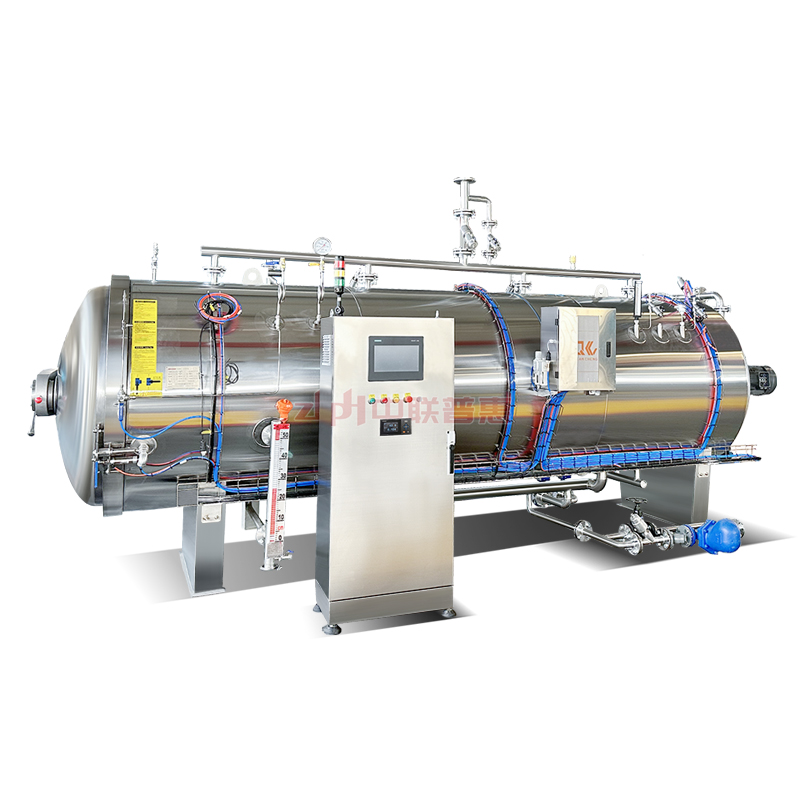
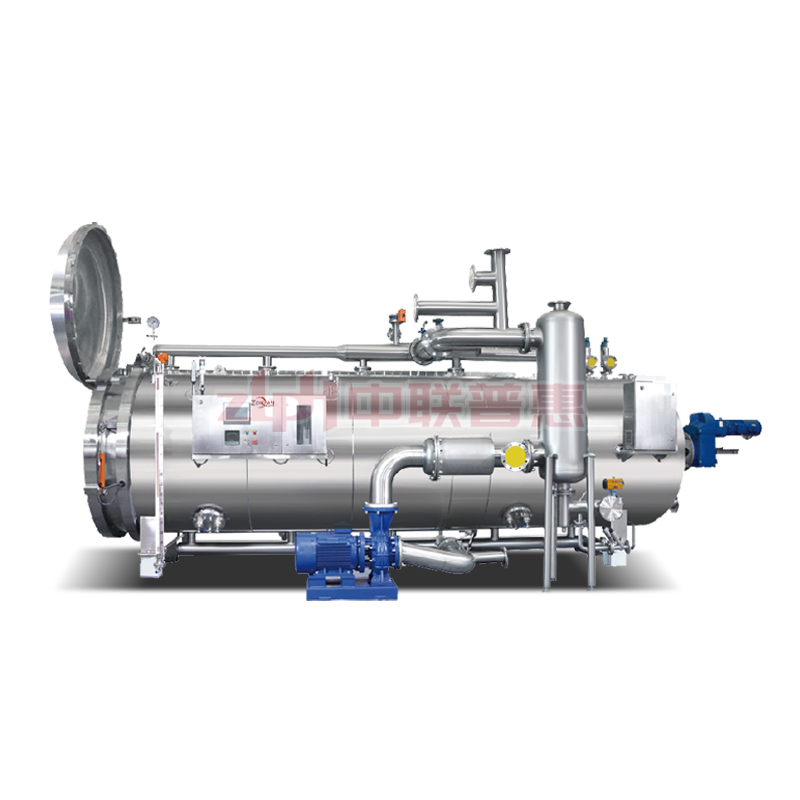
This guide is authored by a senior food processing engineer with over 10 years of experience at ZLPH MACHINERY TECHNOLOGY CO., LTD., a leading Chinese supplier of continuous retort autoclaves. It addresses a critical challenge faced by global food producers and packaging engineers: inconsistent thermal sterilization in high-volume production lines. Inconsistent sterilization—manifesting as under-processing or overcooking—has long plagued the canned and ready-to-eat food industry, primarily due to uneven heat distribution, poor temperature-pressure synchronization, and inadequate automation control. Drawing from more than 5,000 global installations and rigorous field validation across meat, seafood, pet food, and plant-based product lines, we present a proven, step-by-step solution that ensures uniform lethality while preserving product texture and nutritional value. This guide breaks down root causes by real-world scenarios, offers actionable fixes, shares validated performance data, and outlines best practices to eliminate batch failures and compliance risks.

How to Ensure Uniform Heat Distribution in Water Spray Continuous Retort Systems?
1. Scenario & Pain Point
In large-scale tuna canning facilities, operators often observe inconsistent core temperatures across batches—even within the same retort chamber—leading to rejected lots or safety recalls. Temperature variances of ±5°C are common in conventional systems, risking microbial survival in cold spots while overcooking products near spray nozzles.

2. Root Cause Analysis
Three primary factors contribute: (1) non-uniform water spray patterns due to fixed nozzle layouts; (2) lack of real-time thermal mapping inside the chamber; and (3) insufficient circulation pump capacity to maintain consistent flow during high-load cycles.

3. Step-by-Step Solution
Immediate Adjustment: Install adjustable-angle spray bars and calibrate nozzle pressure to achieve ±1°C uniformity across the load profile.
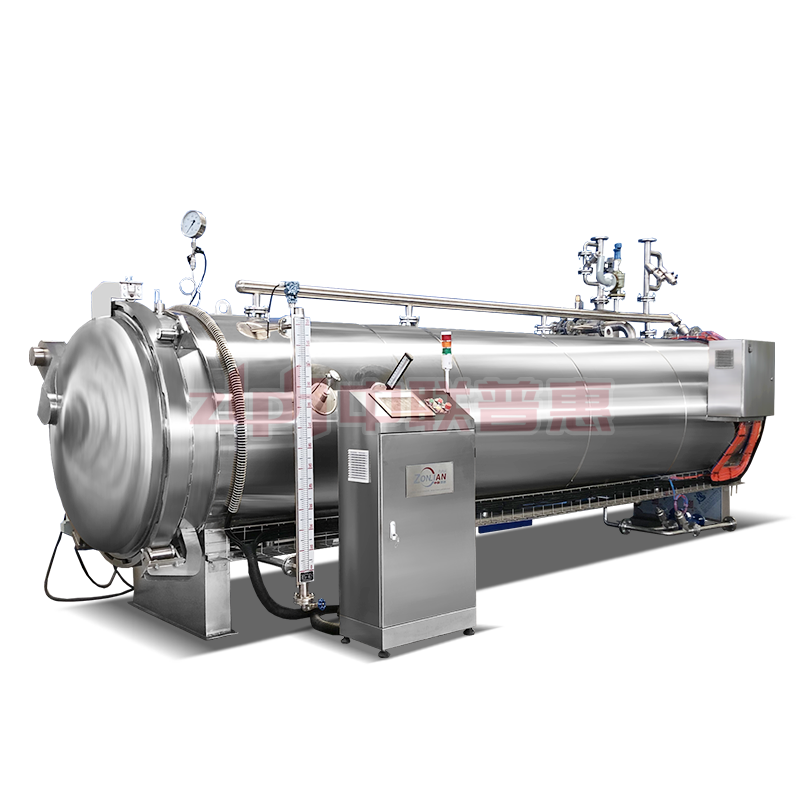
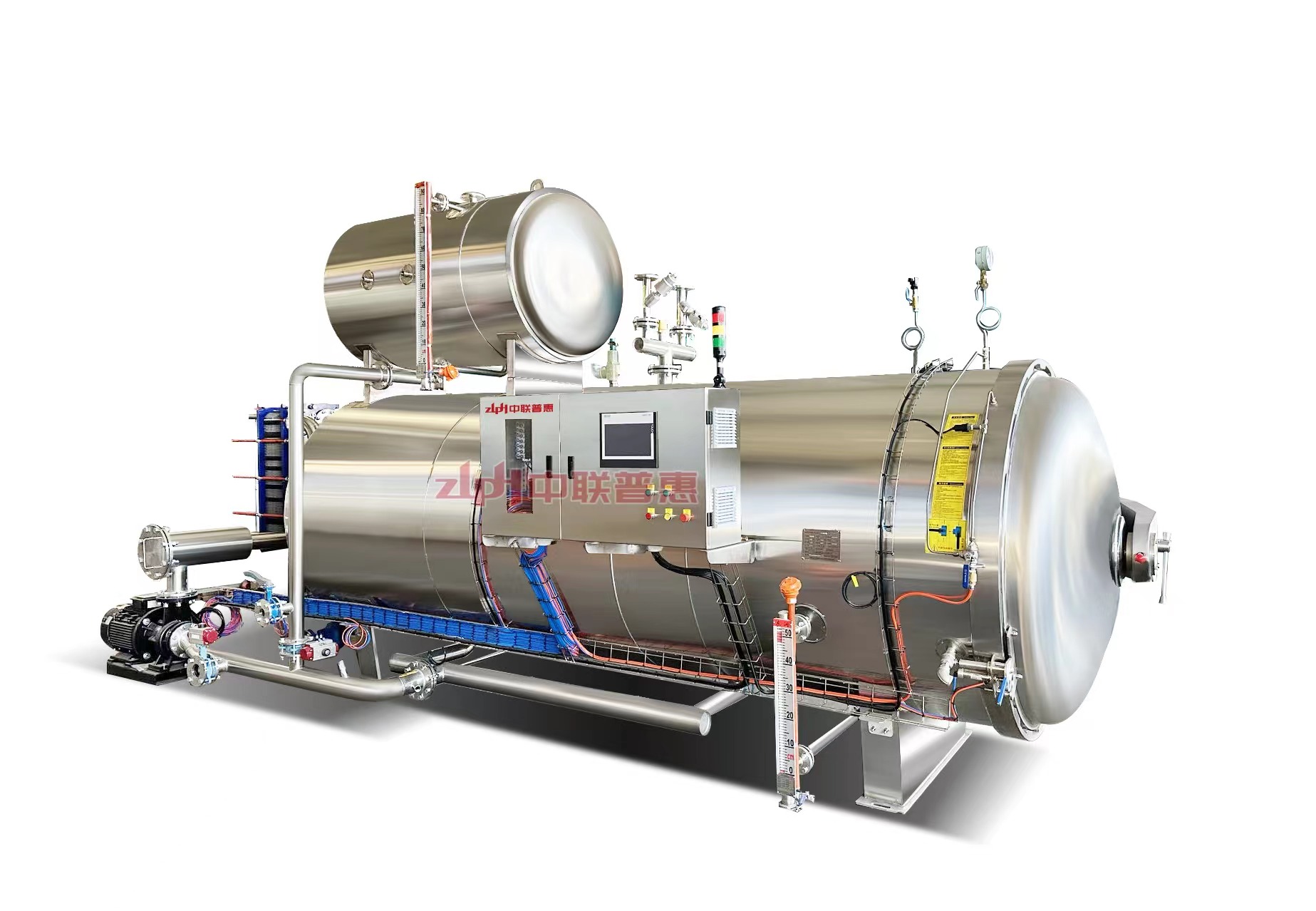
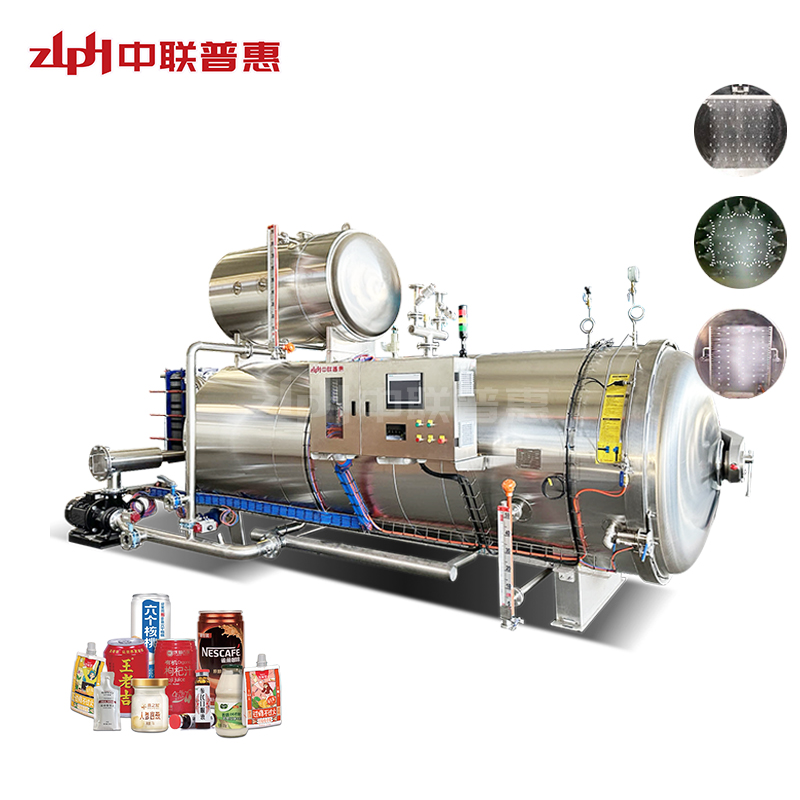
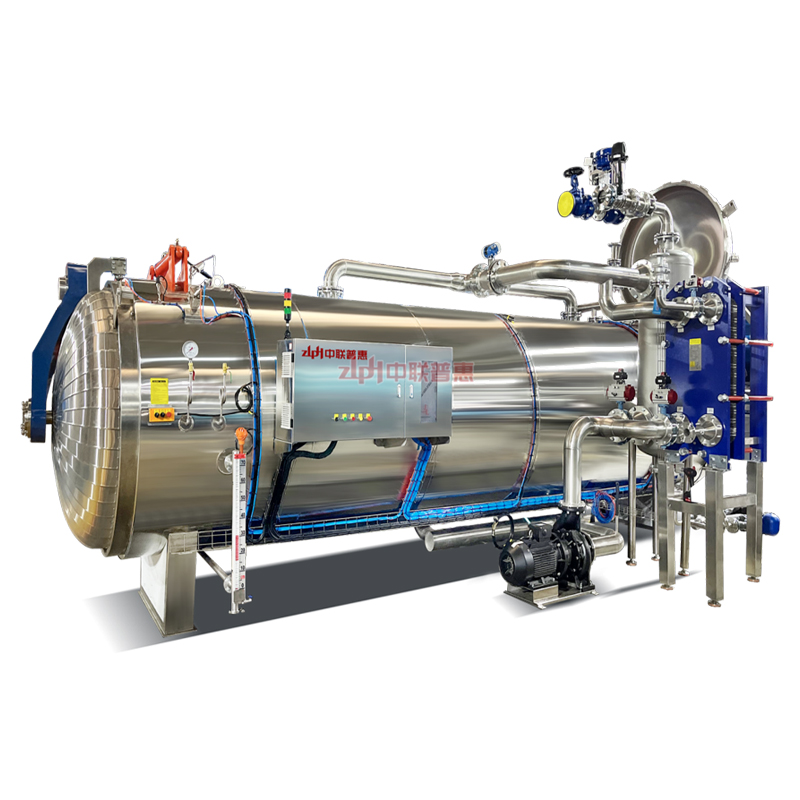
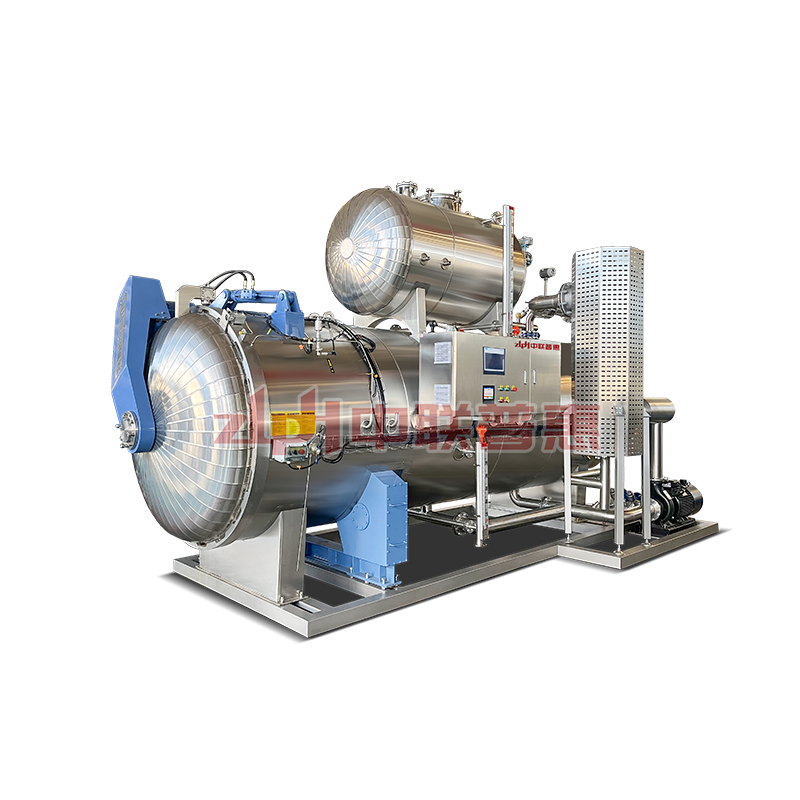
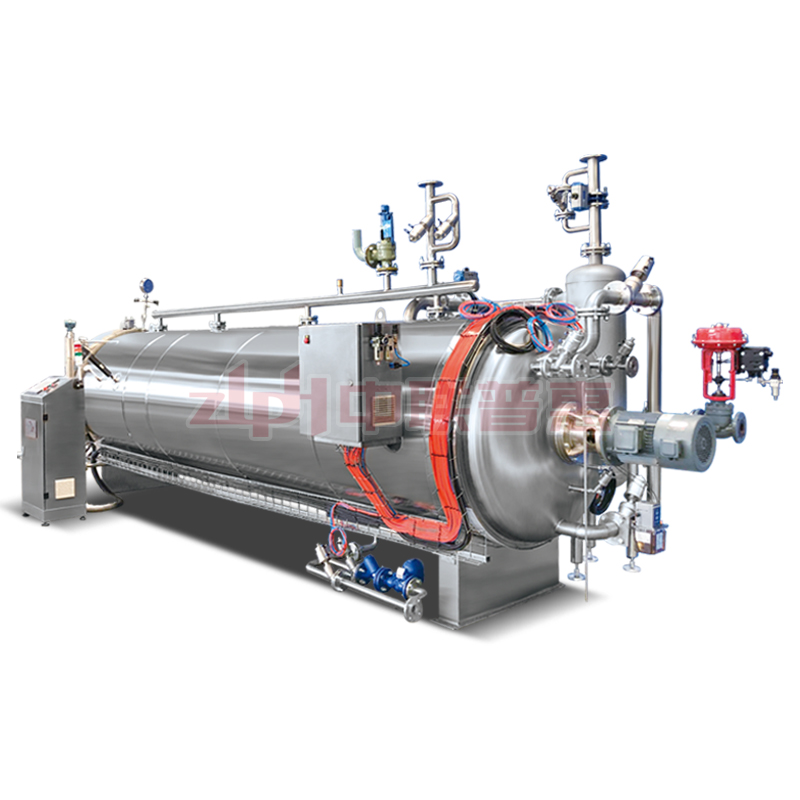
Long-Term Fix: Deploy ZLPH’s intelligent water spray retort with dynamic flow control and multi-zone temperature monitoring. The system uses PLC-driven pumps and feedback loops to auto-adjust spray intensity based on real-time thermal sensors.
Optimization: Integrate thermal validation software to generate F₀ (sterilization value) maps per batch, ensuring compliance with FDA and EU standards.

4. Troubleshooting & Prevention
Conduct weekly spray pattern tests using thermal paper or data loggers. Avoid overloading trays beyond design capacity. Always validate new product formats with dummy runs before full production.
5. Verified Results
At a Southeast Asian seafood processor, implementing this solution reduced temperature variance from ±4.8°C to ±0.7°C. Batch rejection rates dropped by 92%, and energy consumption decreased by 18% due to optimized cycle times.
How to Prevent Pressure Imbalance During Rapid Cooling in Continuous Retorts?
1. Scenario & Pain Point
During rapid cooling phases, glass jars or flexible pouches often experience deformation or seal failure due to sudden pressure drops, especially in high-altitude or tropical climates.
2. Root Cause Analysis
Traditional systems use open-loop pressure control, failing to compensate for ambient pressure changes or steam condensation dynamics. Without synchronized counter-pressure regulation, internal product pressure exceeds container tolerance.
3. Step-by-Step Solution
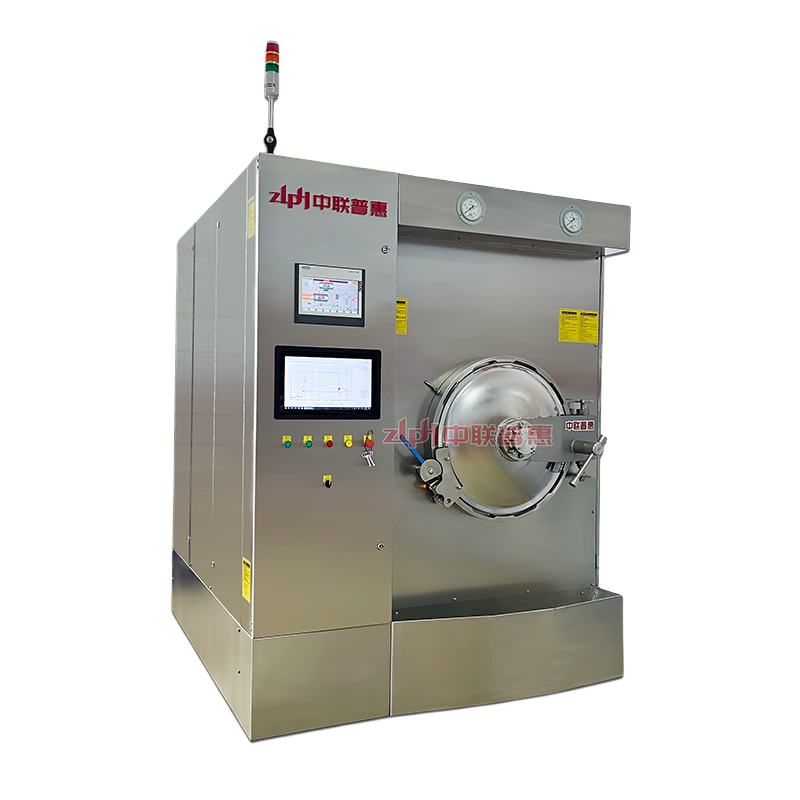
Use ZLPH’s dual-pressure control system featuring real-time PID algorithms that maintain precise overpressure (typically 1.5–2.5 bar) during cooling. The upper-door design enables faster venting while retaining structural integrity.
4. Troubleshooting & Prevention
Always match cooling ramp rates to container material specs. Monitor ambient barometric pressure and adjust setpoints accordingly. Never bypass the pressure interlock safety system.
5. Verified Results
A Russian pet food manufacturer reported zero pouch rupture incidents after switching to ZLPH’s system, even during summer operations at 35°C ambient temperature.
Industry Best Practices for Continuous Retort Operations
Based on 6+ years of global deployments, ZLPH recommends this 5-step framework to ensure consistent, compliant sterilization:
1. Define Worst-Case Conditions
Design cycles for the most heat-resistant pathogen in your product matrix (e.g., Clostridium botulinum), not average conditions.
2. Validate Thermal Uniformity
Perform heat distribution studies with ≥12 data loggers per load configuration before commercial launch.
3. Automate Critical Controls
Use PLC systems with audit trails (compliant with 21 CFR Part 11) to eliminate manual errors.
4. Schedule Preventive Maintenance
Clean spray nozzles and check pressure transducers monthly; recalibrate temperature sensors quarterly.
5. Partner with Certified Suppliers
Choose vendors with ASME, CE, and EAC certifications to ensure equipment meets international safety codes.
Frequently Asked Questions (FAQ)
Q: Can standard batch retorts be upgraded to continuous operation?
A: Not cost-effectively. Continuous retorts require integrated conveyance, synchronized zoning, and advanced controls—best implemented as a purpose-built system like ZLPH’s automated loader-unloader line.
Q: What certifications should a Chinese retort supplier have for EU market access?
A: Mandatory CE marking under PED 2014/68/EU, plus compliance with Machinery Directive. ZLPH holds CE, EAC, ASME, and Malaysia DOSH certifications.
Q: How does ZLPH handle different container types (jars, cans, pouches) in one line?
A: Our modular tray system and programmable recipes allow quick changeovers. Each format has pre-validated F₀ profiles stored in the HMI.
Q: Is remote monitoring available for overseas plants?
A: Yes. All ZLPH retorts include IoT-enabled PLCs for real-time diagnostics, OEE tracking, and remote technical support via secure cloud portal.
Our Proven Capability in Continuous Sterilization
ZLPH MACHINERY TECHNOLOGY CO., LTD. is a specialized provider of continuous retort autoclaves since 2018, serving over 500 clients across 40+ countries. Our R&D team includes 21 mechanical designers, 4 sterilization process experts, and 14 after-sales engineers—all with 10+ years in thermal processing. We operate a 15,000 m² smart factory equipped with precision CNC and robotic welding systems, ensuring micron-level component accuracy. Our solutions are certified under ASME, CE, EAC, and ISO quality standards, and have been validated in demanding applications—from military MREs to premium pet food.
Custom Solution Support
For unique production challenges, our team offers:
• On-site thermal process validation
• Custom tray and conveyor integration
• Free pilot testing with your product samples
• 24/7 multilingual technical support
Contact us for a tailored sterilization strategy that guarantees safety, efficiency, and compliance.
Company: ZLPH MACHINERY TECHNOLOGY CO., LTD.
Website: https://www.zlphretort.com/
Email: sales@zlphretort.com
Phone / WhatsApp: +86 15666798389 / +86 13361554016
