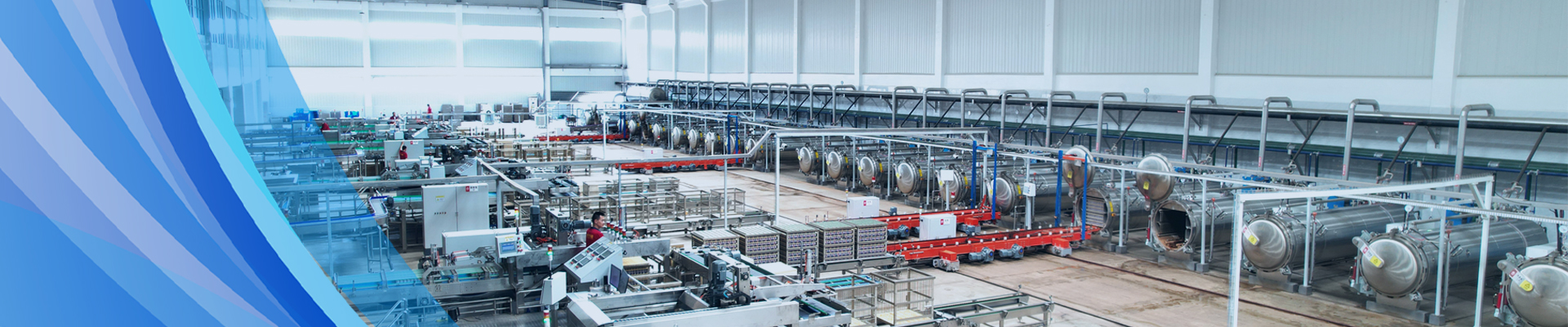

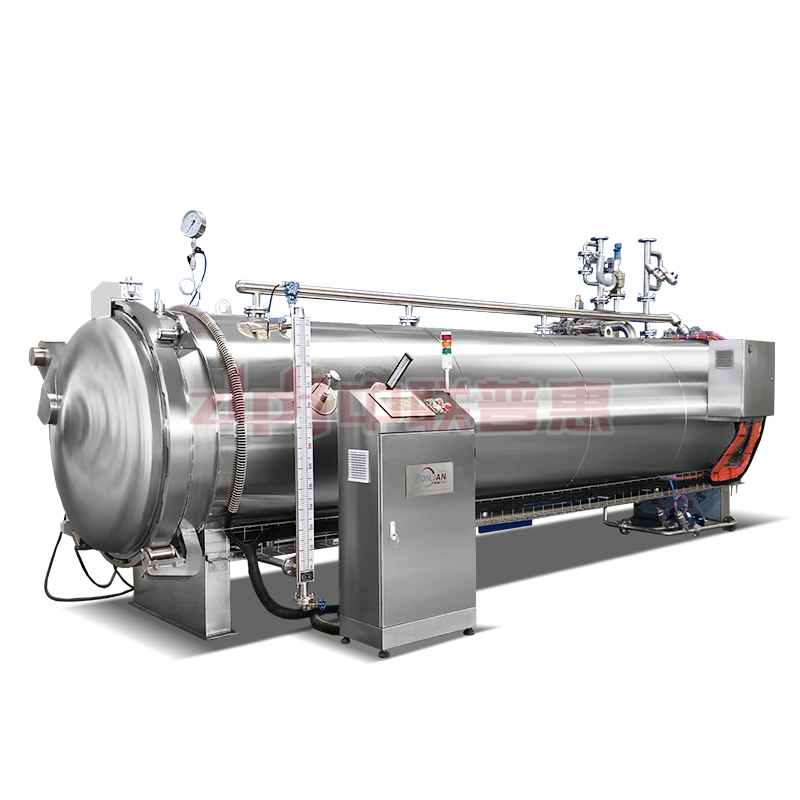
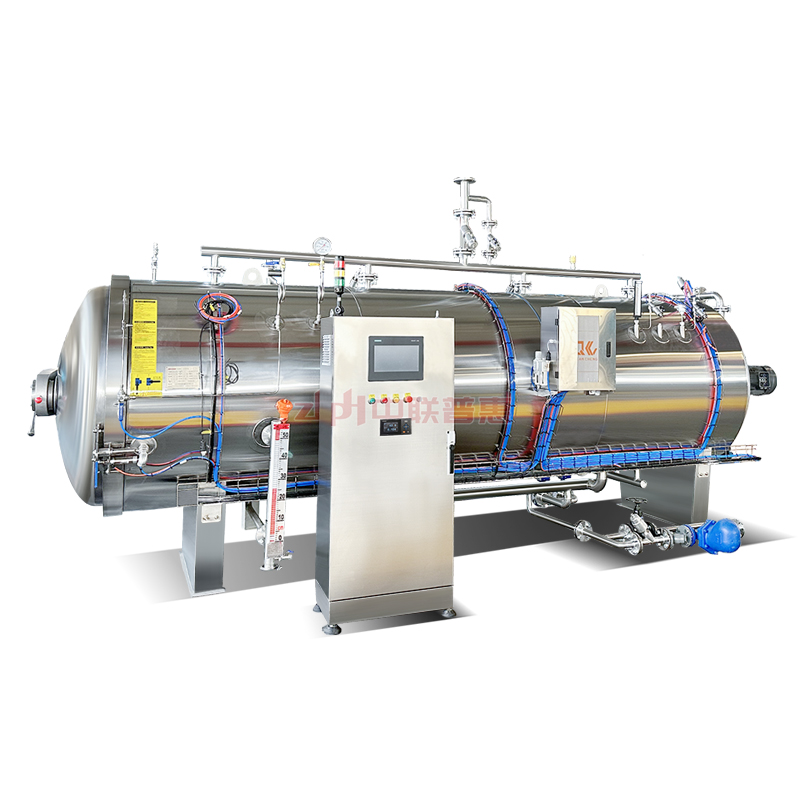
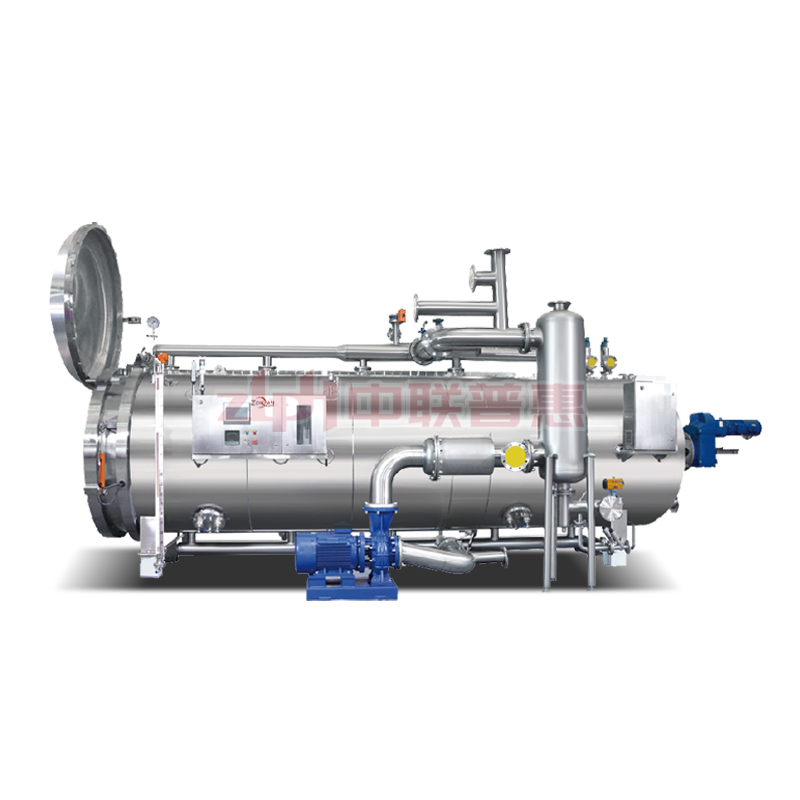
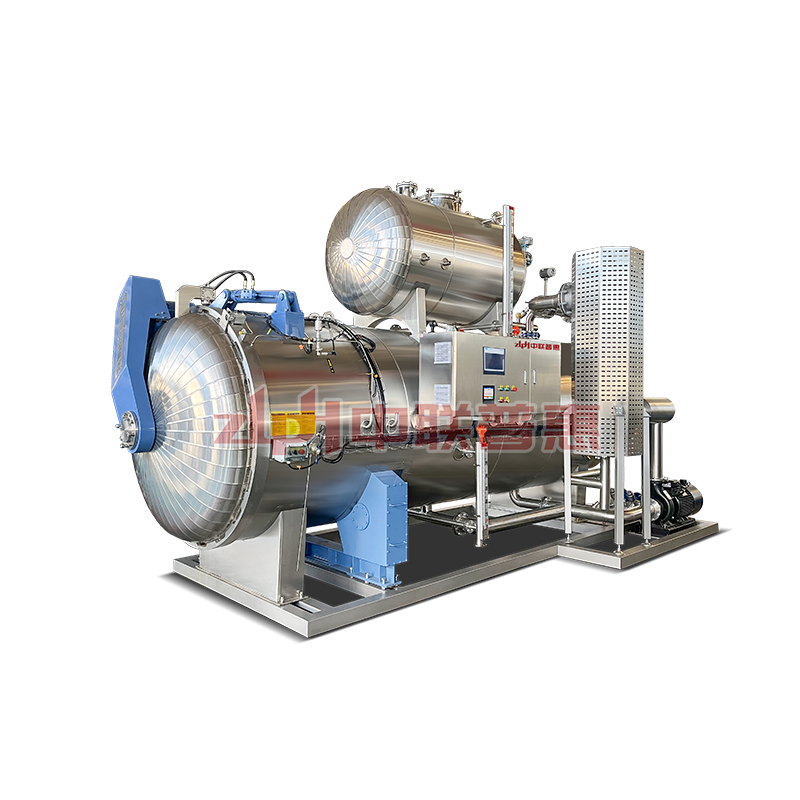
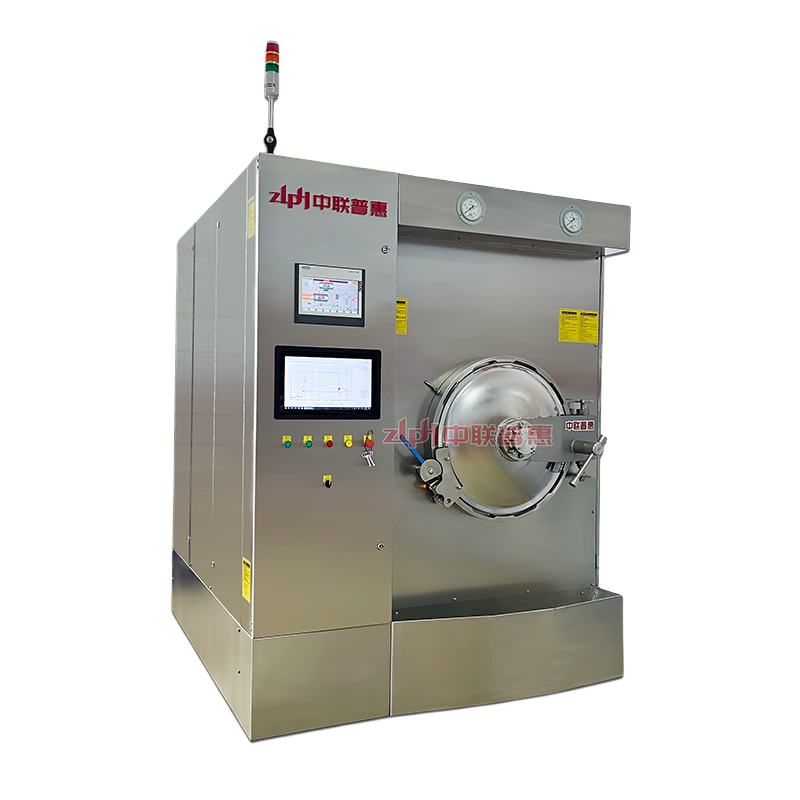
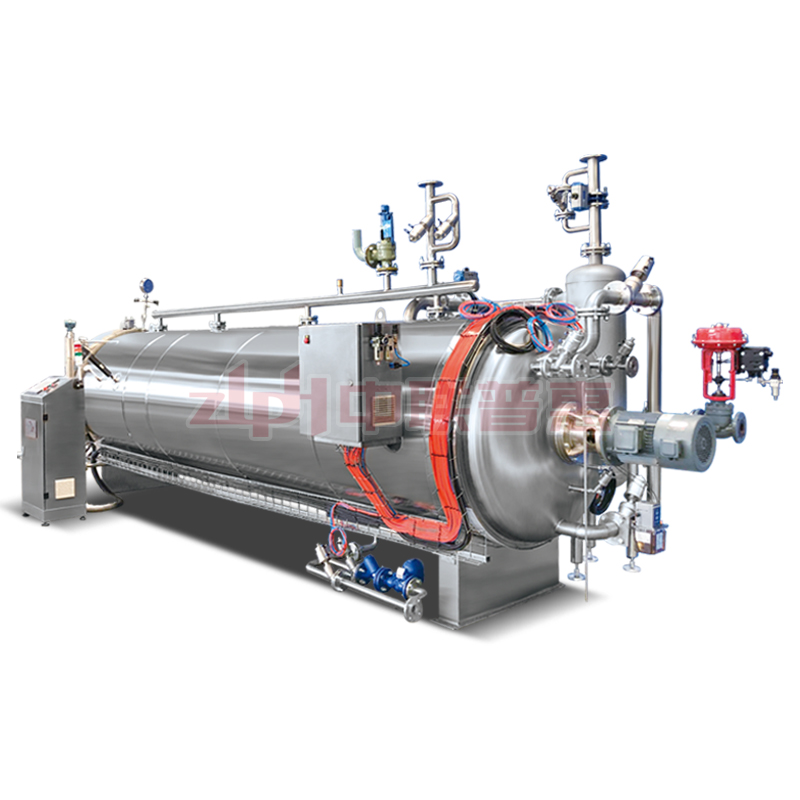
This guide is authored by a senior food processing engineer with over 10 years of experience at ZLPH MACHINERY TECHNOLOGY CO., LTD., a globally recognized provider of advanced sterilization solutions. It addresses a critical challenge faced by food manufacturers worldwide: achieving consistent, safe, and efficient sterilization in high-volume production environments using continuous retort autoclaves.

Inconsistent thermal processing in high-throughput lines has long plagued the canned food, ready-to-eat meal, and pet food industries. The core issues stem from uneven heat distribution, inadequate process control, and equipment that fails to maintain precise temperature-pressure profiles during continuous operation. After validating solutions across more than 500 global installations and analyzing real-world performance data, we’ve developed a proven, step-by-step approach to eliminate cold spots, ensure microbial safety, and maximize throughput without compromising product quality.

In this guide, we dissect the root causes behind sterilization inconsistencies, provide scenario-specific fixes, share field-tested best practices, and reveal how modern continuous retort systems—like those engineered by ZLPH—deliver reliable, compliant, and scalable results for industrial food producers.

How to Ensure Uniform Sterilization in High-Speed Continuous Retort Lines?
1. Scenario & Pain Point
In facilities producing canned vegetables or retort pouch meals at rates exceeding 3,000 units/hour, operators often observe inconsistent F0 values across batches. Some containers fail microbial validation despite meeting nominal time-temperature settings, leading to product recalls, wasted inventory, and compliance risks under FDA or EU food safety regulations.

2. Root Cause Analysis
Three primary factors contribute to this inconsistency:
- Poor water spray coverage in horizontal continuous retorts, creating thermal shadows;
- Inadequate real-time monitoring of internal product temperature (not just chamber ambient);
- Mechanical design flaws causing uneven basket movement or dwell time variation within the sterilization zone .
3. Step-by-Step Solution
Immediate Mitigation: Calibrate spray nozzles for 360° coverage and verify flow pressure; install redundant RTD sensors inside representative product containers.
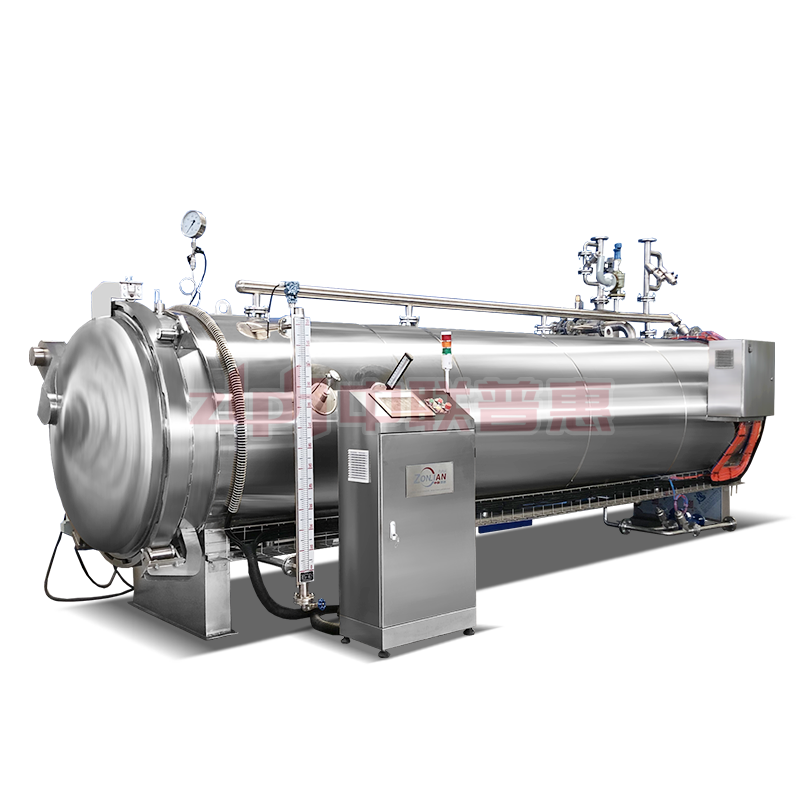
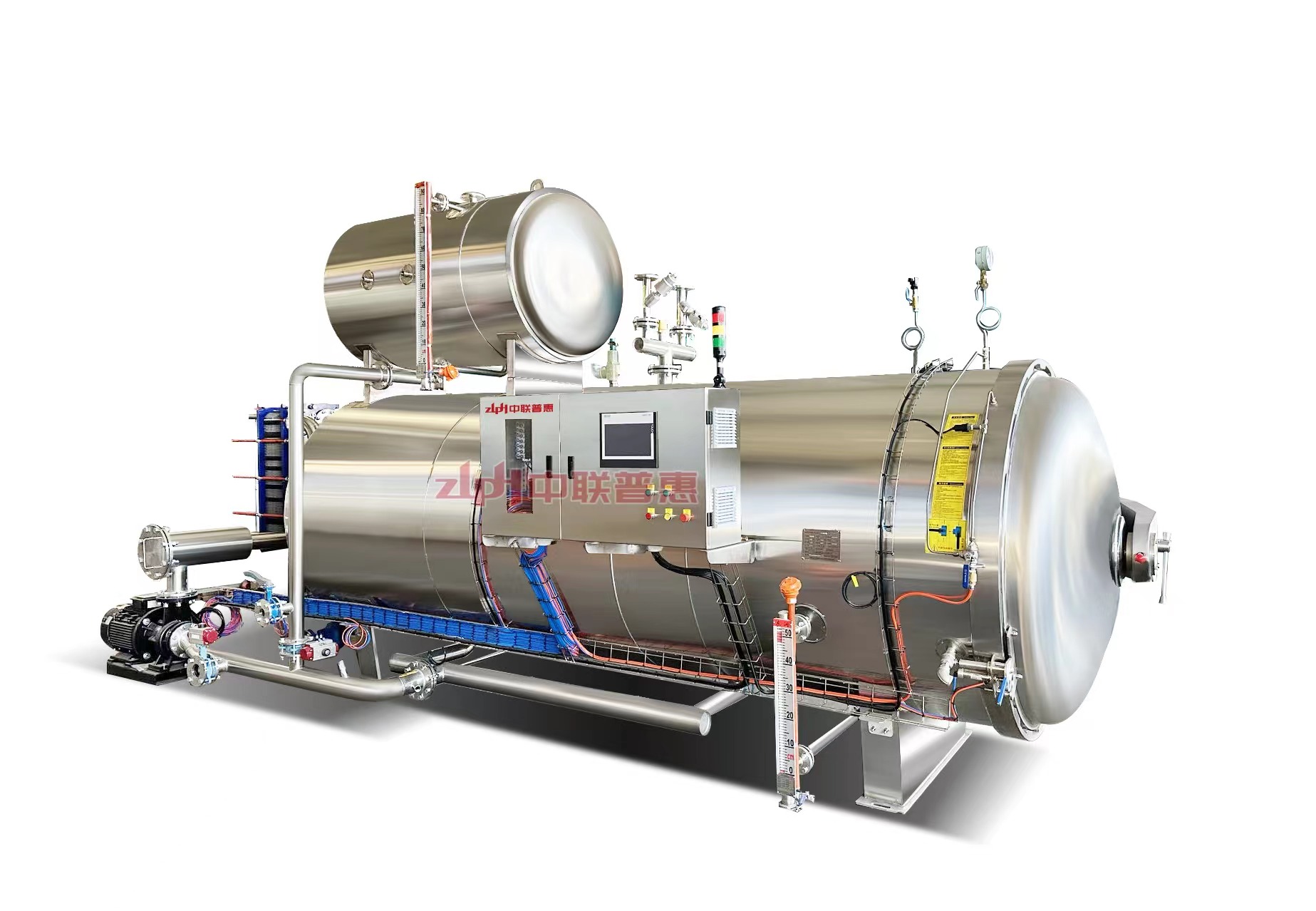
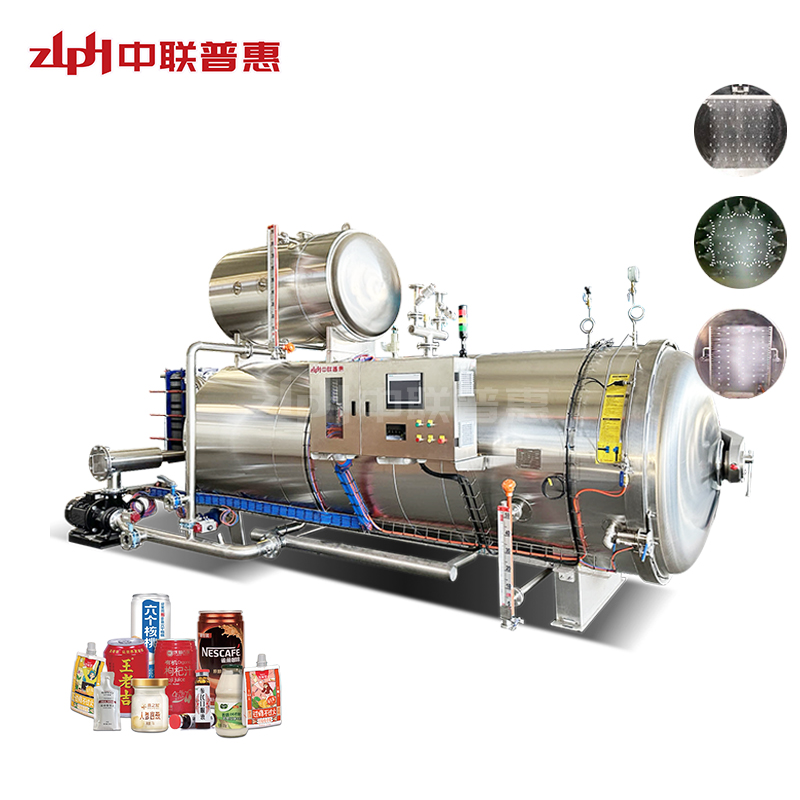
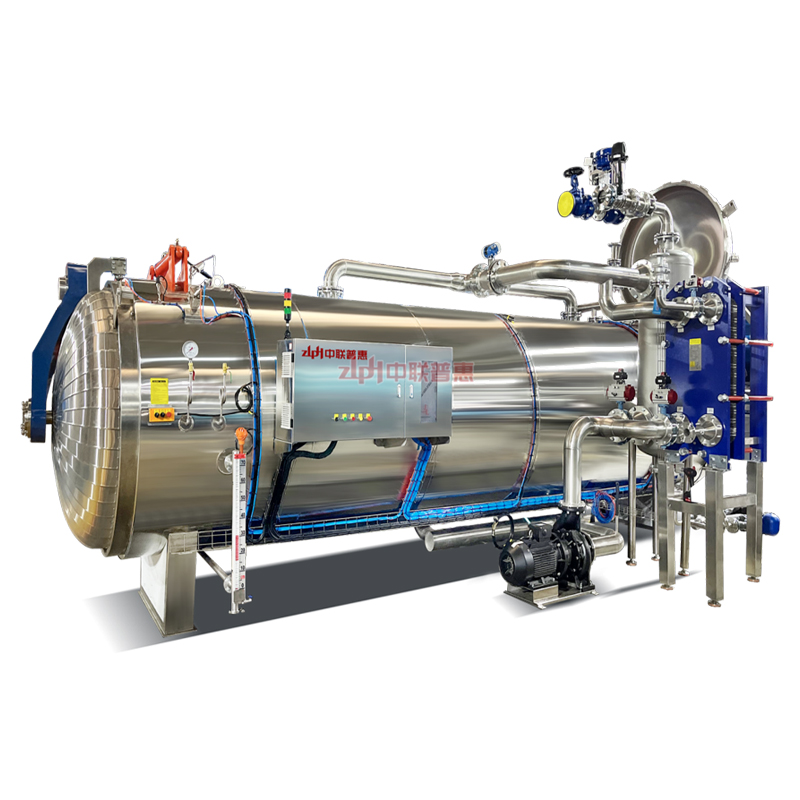
Long-Term Fix: Deploy a continuous retort with an intelligent water spray system and top-opening design that ensures uniform thermal exposure. ZLPH’s system uses multi-zone spray manifolds and real-time PID-controlled steam/water mixing to maintain ±0.5°C stability .
Process Optimization: Integrate PLC-based dwell time tracking synchronized with conveyor speed to guarantee minimum sterilization duration per unit.
4. Troubleshooting & Prevention
- Conduct thermal mapping studies quarterly using data loggers placed in cold-spot zones;
- Avoid retrofitting batch retort logic onto continuous systems—continuous processes require dynamic control;
- Validate CIP (Clean-in-Place) effectiveness to prevent biofilm buildup that insulates heat transfer surfaces.
5. Real-World Validation
At a major European ready-meal producer, implementing ZLPH’s continuous water spray retort reduced F0 deviation from ±8% to ±1.2%, eliminated cold-spot failures, and increased line speed by 18%—all while maintaining CE and EAC compliance .
How to Select a Factory That Produces Reliable Continuous Retort Autoclaves?
1. Scenario & Pain Point
Procurement teams often struggle to differentiate between vendors claiming “high-quality” continuous retorts. Many suppliers lack in-house R&D, use outdated fabrication methods, or cannot provide third-party certifications—leading to equipment that fails under 24/7 operation or doesn’t meet ASME BPVC standards.
2. Root Cause Analysis
Key red flags include:
- No ASME “U” Stamp or EU CE certification;
- Absence of dedicated sterilization process engineers on staff;
- Factory size under 10,000 m², indicating limited production capacity or quality control infrastructure .
3. Step-by-Step Solution
Verify the manufacturer’s credentials: ZLPH holds ASME Certificate of Authorization, CE, EAC, and Malaysia DOSH certifications .
Assess R&D depth: ZLPH employs 21 mechanical/PLC engineers and 4 sterilization process specialists with 10+ years’ experience .
Inspect manufacturing scale: Their 50-acre facility includes a 15,000 m² workshop with precision CNC and automated welding stations ensuring structural integrity .
4. Selection Checklist
- Demand certified test reports for pressure vessel integrity;
- Require video walkthroughs of actual production lines using their equipment;
- Confirm post-sale support: ZLPH provides 14 after-sales engineers for global commissioning .
5. Validation Evidence
ZLPH’s continuous retorts were showcased at AGROPRODASH 2023 in Moscow and the Qingdao Exhibition, where clients praised their reliability and advanced automation .
Industry Best Practices for Continuous Retort Operation
Based on 6+ years of global deployments, ZLPH recommends this 5-step framework:
1. Define Worst-Case Conditions
Design for peak load, not average—include ambient temperature extremes, voltage fluctuations, and maximum product density.
2. Implement Real-Time Process Analytics
Use IoT-enabled controllers to log F0, temperature, pressure, and cycle time—enabling predictive maintenance.
3. Standardize Validation Protocols
Follow FDA 21 CFR Part 113 or EN 13445 for thermal process validation, with third-party audit trails.
4. Prioritize Serviceability
Choose modular designs allowing quick nozzle replacement or seal maintenance without full shutdown.
5. Partner with Vertically Integrated Suppliers
Work with manufacturers like ZLPH who control design, fabrication, and after-sales—ensuring accountability .
Frequently Asked Questions (FAQ)
Q: Can batch retort suppliers reliably produce continuous systems?
A: Not always. Continuous retorts require specialized expertise in conveyor synchronization, dynamic sealing, and real-time thermal control—capabilities ZLPH has validated through 500+ installations .
Q: What certifications should a continuous retort factory have?
A: Essential certifications include ASME “U” Stamp, CE, EAC, and local pressure vessel licenses. ZLPH holds all these plus AAA credit and integrity certifications .
Q: How to verify sterilization uniformity?
A: Perform thermal mapping with wireless data loggers in 9+ locations per basket, repeated across three consecutive cycles under full load .
Q: Does ZLPH offer continuous retort testing before purchase?
A: Yes—clients can conduct on-site trials at ZLPH’s 15,000 m² facility with their actual products .
Q: Are continuous retorts suitable for viscous products like sauces?
A: Yes, when equipped with rotation mechanisms and precise back-pressure control—standard in ZLPH’s intelligent water spray models .
Our Expertise & Support
ZLPH MACHINERY TECHNOLOGY CO., LTD. is a technology-driven manufacturer established in 2018, specializing in advanced sterilization systems. Our team includes 21 mechanical and PLC engineers, 4 sterilization process researchers, and 14 global after-sales engineers—all with 10+ years in the industry . We hold ASME, CE, EAC, and DOSH certifications, ensuring global compliance .
Our solutions serve clients across Asia, Europe, and the Americas, with continuous retorts operating 24/7 in demanding environments. We offer:
- On-site process assessment and thermal validation;
- Customized retort design for unique product formats;
- Remote diagnostics and 24-hour technical response;
- Free sample testing at our Qingdao facility .
Contact Us
Company: ZLPH MACHINERY TECHNOLOGY CO., LTD.
Website: https://www.zlphretort.com/
Email: sales@zlphretort.com
Phone / WhatsApp: +86 15666798389 / +86 13361554016
