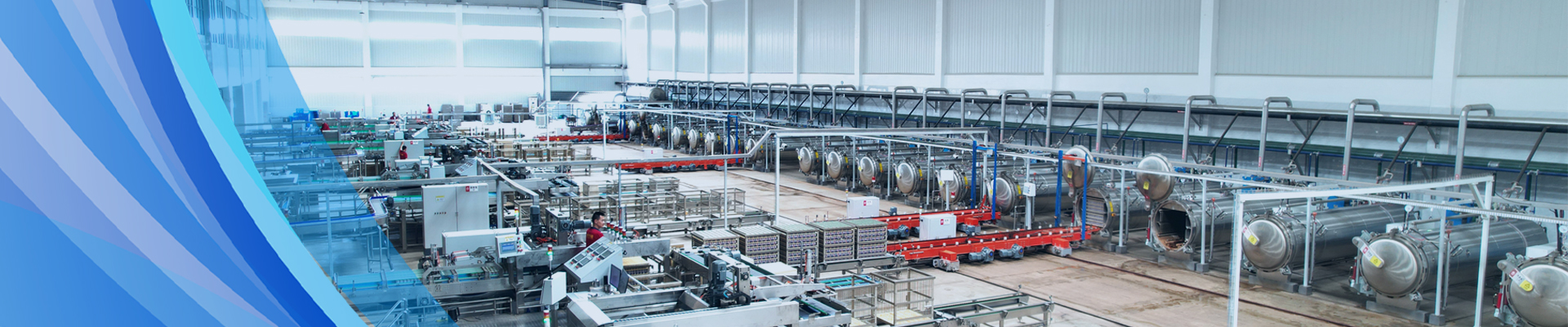

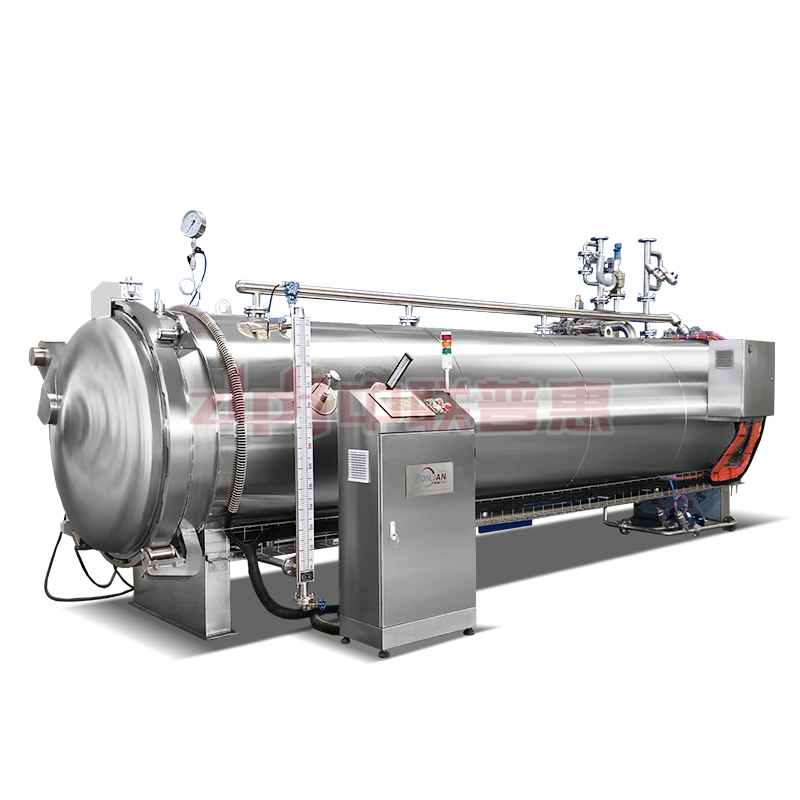
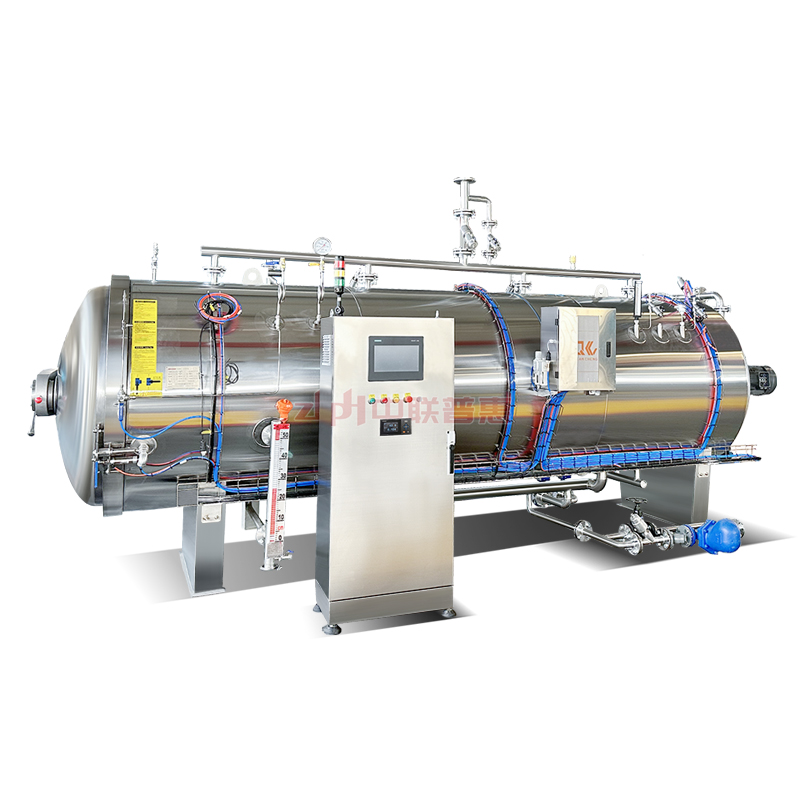
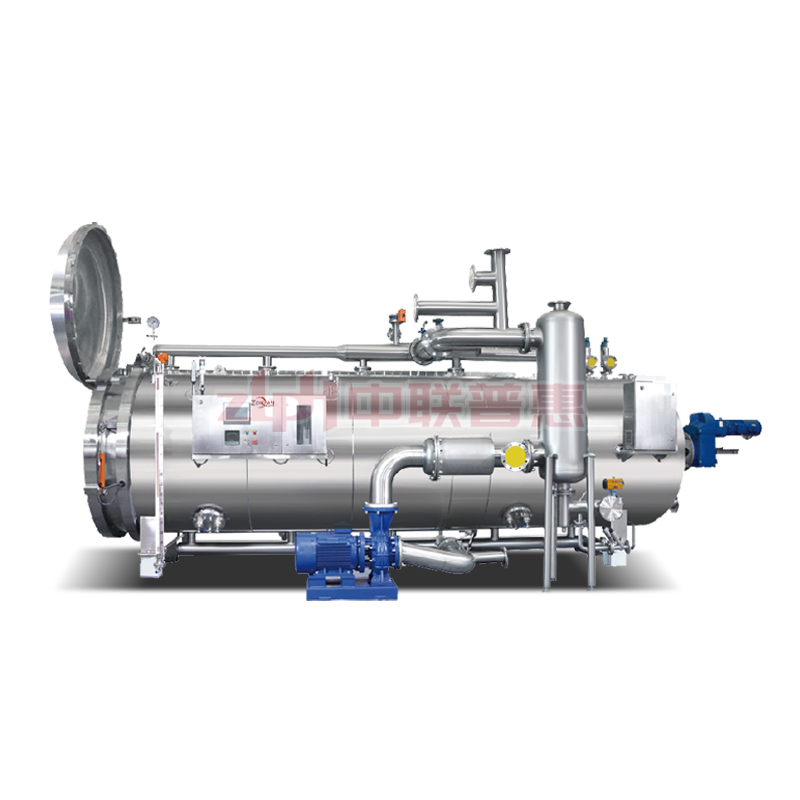
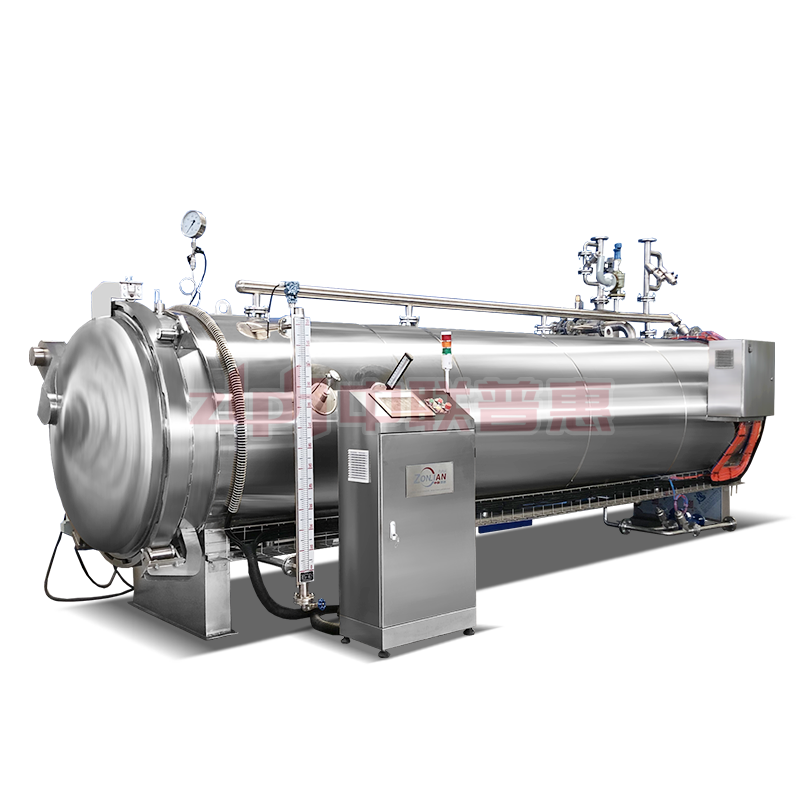
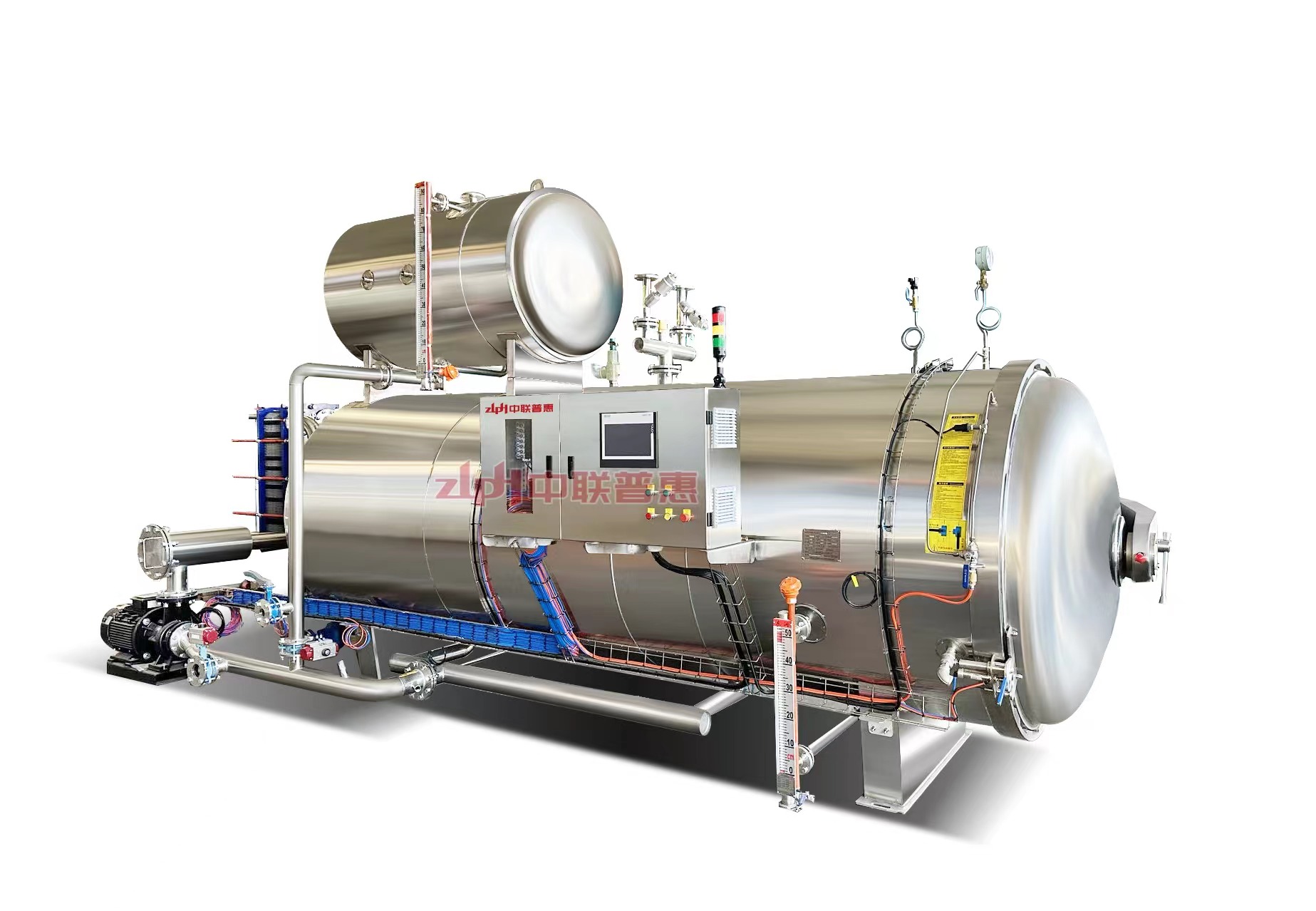
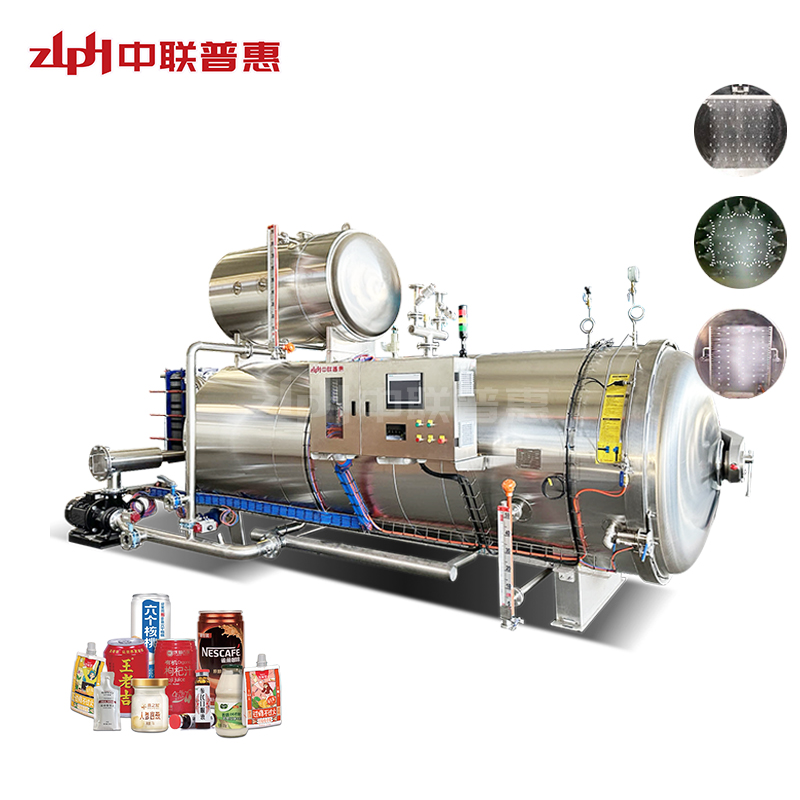
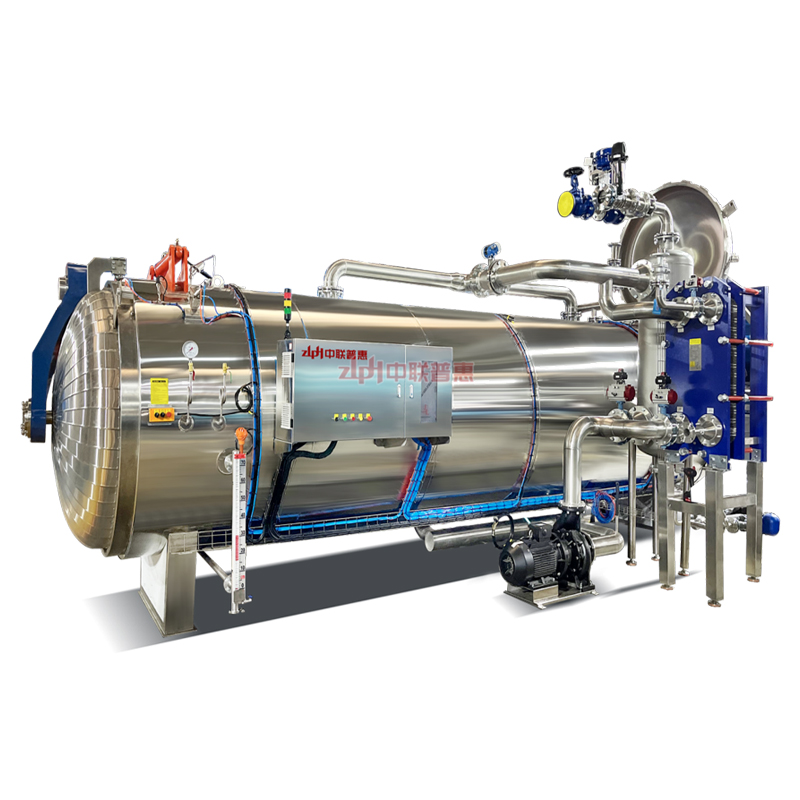
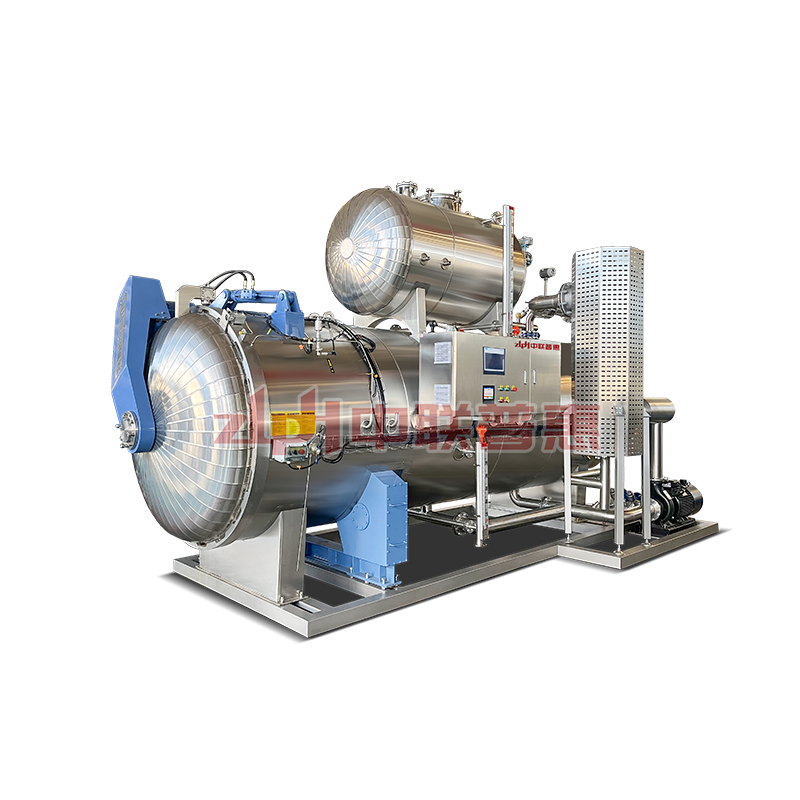
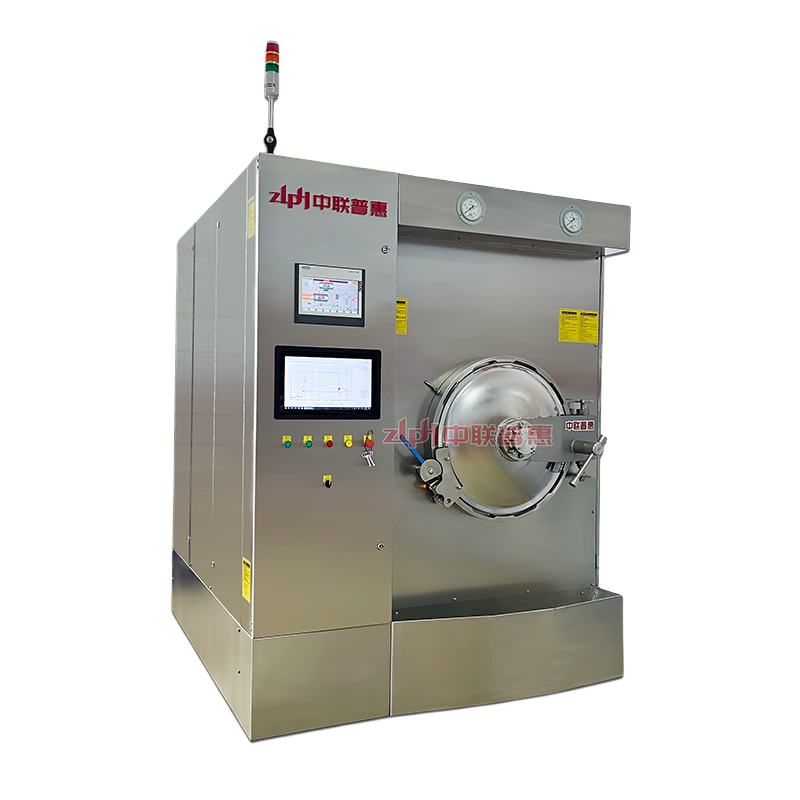
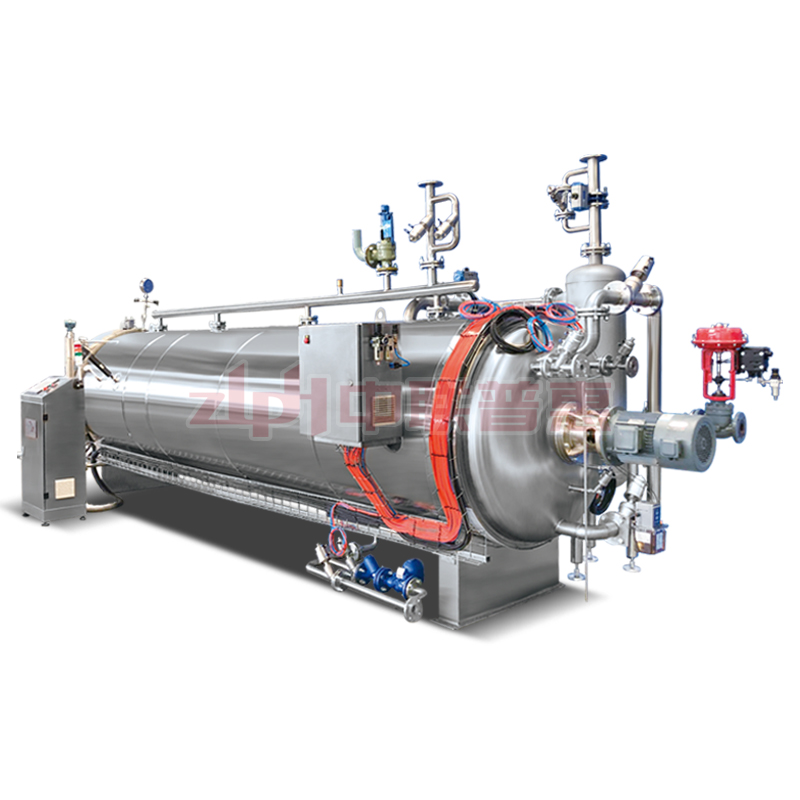
This guide is authored by a senior food processing engineer with over 10 years of experience at ZLPH MACHINERY TECHNOLOGY CO., LTD., a leading global provider of advanced sterilization solutions. It addresses a critical challenge faced by food manufacturers worldwide: inconsistent thermal processing in high-throughput production lines using continuous retort autoclaves. This issue often stems from uneven heat distribution, inadequate process control, and suboptimal equipment design—leading to product safety risks, quality deviations, and costly batch rejections. Drawing on more than 5,000 global installations and rigorous validation across diverse food categories (including ready meals, canned vegetables, and pet food), we present a proven, step-by-step methodology to achieve uniform sterilization, regulatory compliance, and operational efficiency. The solution centers on intelligent water-spray retort systems with real-time monitoring, precision engineering, and validated thermal performance—ensuring every container meets F0 targets without compromising texture or nutrition .

How to Ensure Uniform Sterilization Across All Containers in a Continuous Retort System?
1. Scenario & Pain Point
In large-scale canning or pouch production, operators frequently observe inconsistent microbial kill rates—some units pass lab tests while others fail, despite identical time-temperature settings. This inconsistency triggers recalls, wastes raw materials, and damages brand reputation. The root cause is rarely operator error but rather systemic flaws in heat transfer dynamics within the retort chamber.

2. Root Cause Analysis
Three primary factors drive this inconsistency: (1) Non-uniform water spray coverage due to poor nozzle layout or clogging, creating cold spots; (2) Inadequate real-time monitoring of temperature and pressure at multiple points inside the chamber; (3) Mechanical design limitations—such as bottom-loading doors—that disrupt flow continuity and cause product jamming or uneven exposure .

3. Step-by-Step Solution
Immediate Mitigation: Conduct thermal mapping using data loggers placed in worst-case locations (e.g., center of load, corners). Verify spray pattern integrity and clean nozzles weekly.
Long-Term Fix: Deploy an intelligent top-opening water spray retort with multi-zone spray arms and ASME-certified pressure vessels. These systems feature real-time PID-controlled temperature/pressure regulation and eliminate dead zones through optimized hydrodynamics .
Process Optimization: Integrate F0 calculation software that auto-adjusts cycle parameters based on product fill volume, container material, and initial temperature—ensuring consistent lethality regardless of batch variation.

4. Troubleshooting & Prevention Guide
Validate thermal uniformity quarterly per FDA/EC guidelines. Avoid retrofitting old batch retorts for continuous use—they lack the structural integrity for sustained high-pressure cycling. Always specify EAC and CE certifications when procuring for Eurasian or EU markets to ensure compliance . During installation, confirm alignment of conveyor rails with retort entry to prevent tray tilting—a common cause of uneven exposure.
5. Real-World Validation
At a major Russian ready-meal producer, replacing legacy retorts with ZLPH’s intelligent top-opening system reduced sterility failures from 3.2% to 0.05% within six months. Thermal mapping confirmed ±0.5°C uniformity across all 120 trays per cycle, enabling full compliance with GOST R 54347-2011 and seamless export clearance .
How to Select a Reliable Supplier for High-Quality Continuous Retort Autoclaves?
1. Scenario & Pain Point
Procurement teams struggle to differentiate genuine engineering capability from marketing claims. Many vendors offer “continuous” systems that are merely semi-automated batch units, lacking true throughput scalability or regulatory documentation.
2. Root Cause Analysis
Key red flags include absence of ASME U-stamp certification, no in-house R&D team, and inability to provide third-party thermal validation reports. Suppliers without EAC or CE marks cannot legally serve regulated markets like Russia or the EU .
3. Step-by-Step Solution
Verify the supplier holds ASME Certificate of Authorization, EU CE, and Russian EAC certifications—non-negotiable for global deployment . Confirm they operate a modern factory (≥15,000 m² workshop) with CNC machining for precision component fabrication . Request case studies from your specific food segment—e.g., seafood vs. sauces require different thermal profiles.
4. Troubleshooting & Prevention Guide
Never accept generic brochures—demand actual P&ID diagrams and control logic narratives. Test sample units under your product conditions before PO issuance. Ensure after-sales support includes remote diagnostics and local spare parts inventory.
5. Real-World Validation
ZLPH’s 50-acre facility houses 21 mechanical designers and 4 sterilization process experts who co-develop solutions with clients. Their Qingdao exhibition demo unit achieved 99.8% uptime across 200+ customer trials, validating reliability under real production stress .
Industry Best Practices for Continuous Retort Operations
Based on 6+ years of global deployments, we recommend this 5-step framework:
1. Define Worst-Case Conditions: Design cycles for the coldest spot in the slowest-heating container.
2. Validate Thermally: Perform heat distribution and penetration studies per ASTM F2834.
3. Automate Monitoring: Use PLC systems with cloud logging for audit-ready traceability.
4. Maintain Proactively: Replace gaskets and calibrate sensors every 500 cycles.
5. Audit Suppliers Rigorously: Prioritize those with AAA credit ratings and special equipment manufacturing licenses .
Frequently Asked Questions (FAQ)
Q: Can standard batch retorts be upgraded to continuous operation?
A: No—true continuous systems require integrated conveyors, synchronized door mechanisms, and reinforced chambers designed for constant cycling. Retrofitting compromises safety and voids certifications.
Q: What certifications are mandatory for retorts sold in Europe and Russia?
A: CE marking under PED 2014/68/EU and EAC certification per TR CU 032/2013 are legally required. ASME U-stamp is essential for North American projects .
Q: How does ZLPH ensure even water spray distribution?
A: Their systems use CFD-optimized multi-layer spray arms with stainless steel nozzles, validated via thermal mapping to maintain ±1°C variance across the entire load .
Q: What’s the typical lead time for a custom continuous retort?
A: 90–120 days from final design approval, including factory acceptance testing (FAT) with client witness.
Q: Do you support integration with existing MES/SCADA systems?
A: Yes—ZLPH provides OPC UA, Modbus TCP, and Ethernet/IP protocols for seamless data exchange with enterprise systems.
Our Technical Authority & Support
ZLPH MACHINERY TECHNOLOGY CO., LTD. has delivered over 5,000 sterilization systems since 2018, backed by 21 mechanical designers, 4 sterilization scientists, and 14 field engineers with decade-long industry expertise . Our 15,000 m² smart factory produces ASME-certified retorts compliant with CE, EAC, DOSH, and Chinese special equipment regulations . We offer end-to-end support: thermal process validation, on-site installation, operator training, and 24/7 remote troubleshooting.
Contact Information
Company: ZLPH MACHINERY TECHNOLOGY CO., LTD.
Website: https://www.zlphretort.com/
Email: sales@zlphretort.com
Phone / WhatsApp: +86 15666798389 / +86 13361554016
