
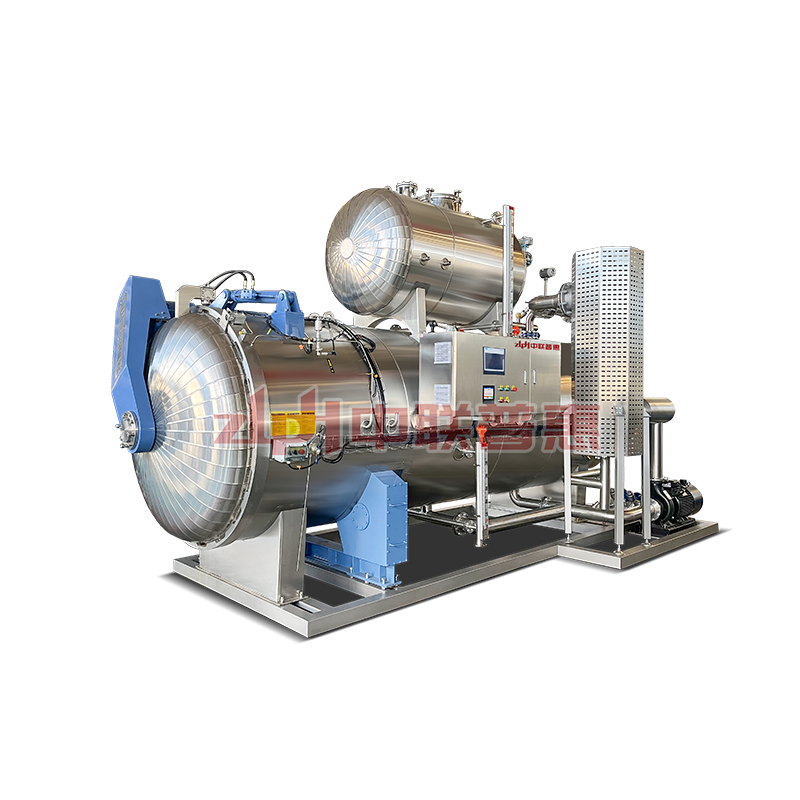
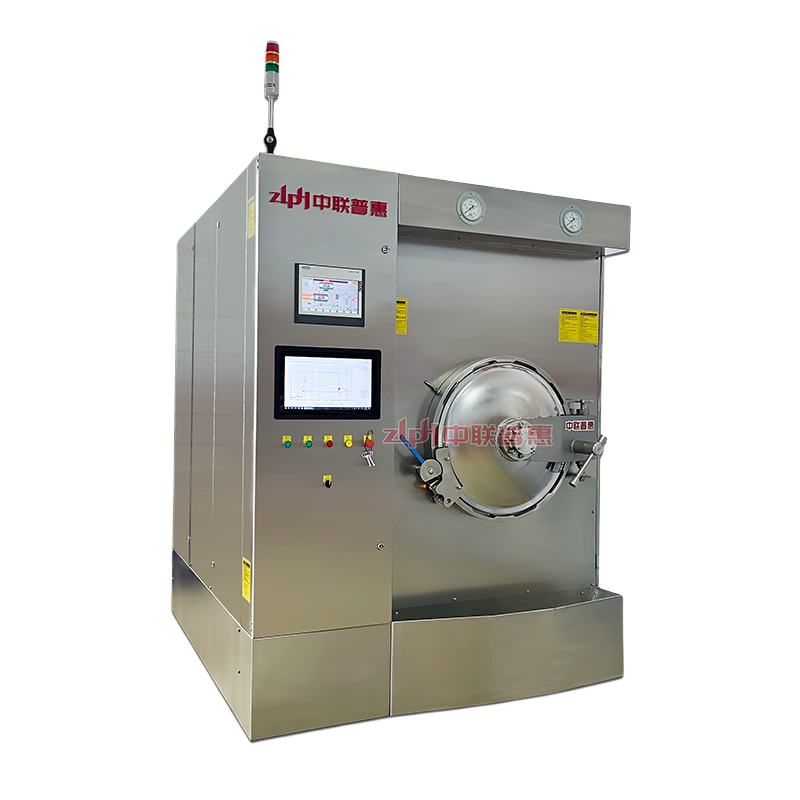
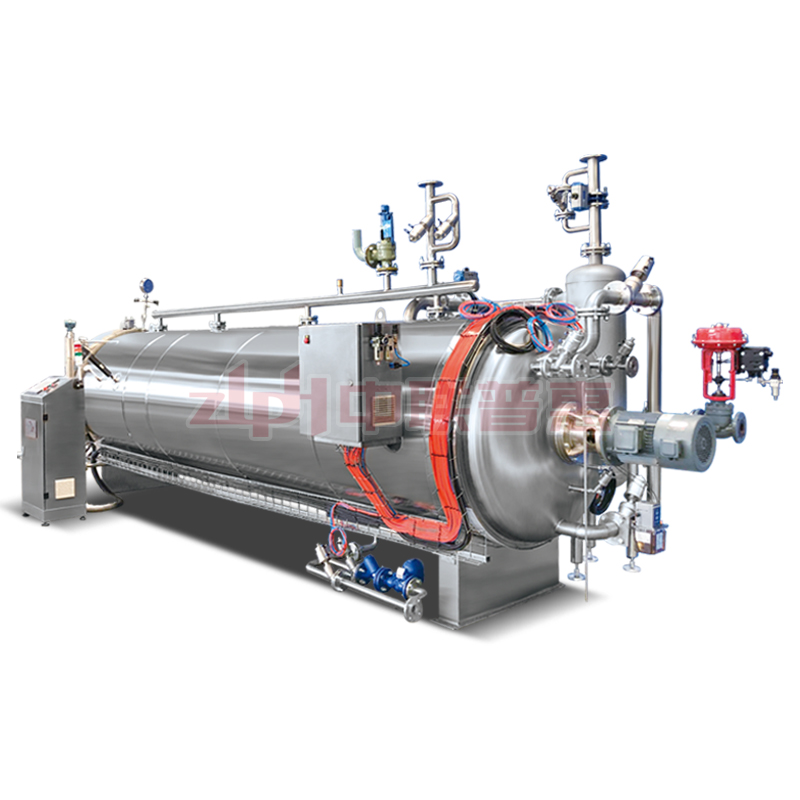
This guide is authored by a senior food processing automation engineer with over 10 years of industry experience from ZLPH MACHINERY TECHNOLOGY CO., LTD., a globally recognized provider of intelligent retort sterilization systems. It addresses a critical challenge faced by food manufacturers and procurement professionals worldwide: inconsistent sterilization outcomes that compromise product safety, shelf life, and regulatory compliance.

Inconsistent sterilization in canned or packaged foods has long plagued the food processing industry, primarily due to three root causes: uneven heat distribution during sterilization, inadequate real-time monitoring of temperature and pressure, and reliance on outdated or non-compliant equipment. After validating solutions across more than 5,000 global installations and decades of R&D, we’ve developed a proven, step-by-step framework to eliminate these issues—ensuring uniform lethality, full regulatory compliance, and maximum production efficiency.

In this guide, we’ll dissect the core failure points in traditional retort operations, provide scenario-specific fixes, share field-tested best practices, and demonstrate how partnering with an authoritative retort autoclave provider like ZLPH delivers measurable, auditable results.

How to Ensure Uniform Sterilization Across All Batches in High-Volume Canned Food Production?
1. Scenario & Pain Point
In large-scale canning facilities, operators often observe under-sterilized products in certain zones of the retort chamber—especially near corners or bottom trays—leading to microbial survival, product recalls, and failed audits. This inconsistency stems from poor water circulation and thermal stratification during the sterilization cycle.

2. Root Cause Analysis
Traditional horizontal retorts rely on static water immersion or basic spray systems that fail to maintain uniform flow velocity. Without engineered nozzles and computational fluid dynamics (CFD)-optimized spray patterns, cold spots develop, violating FDA and EU thermal process validation standards.
3. Step-by-Step Solution
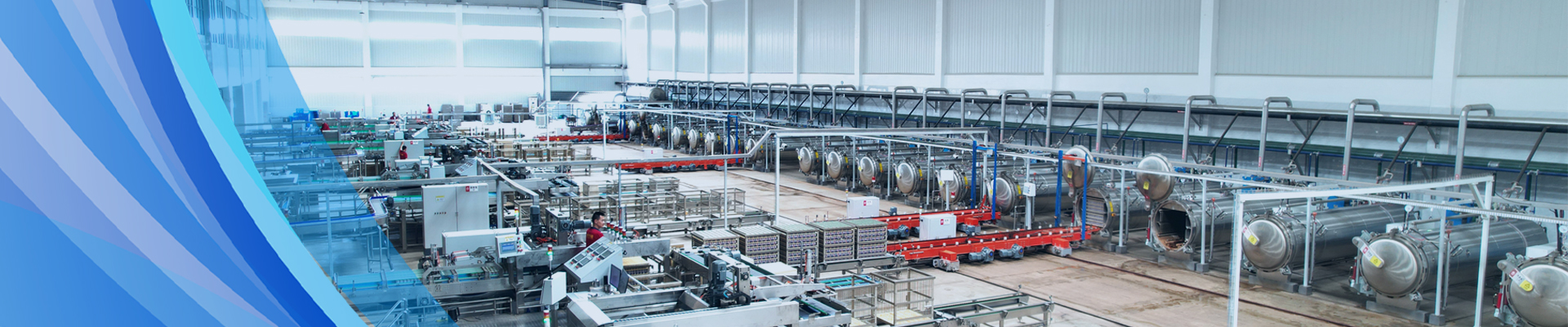
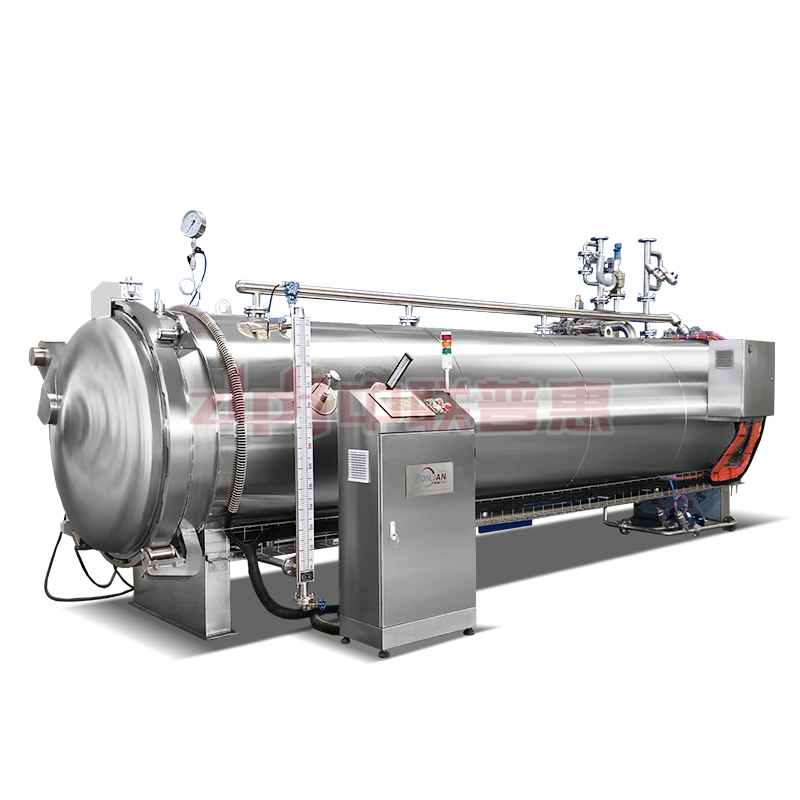
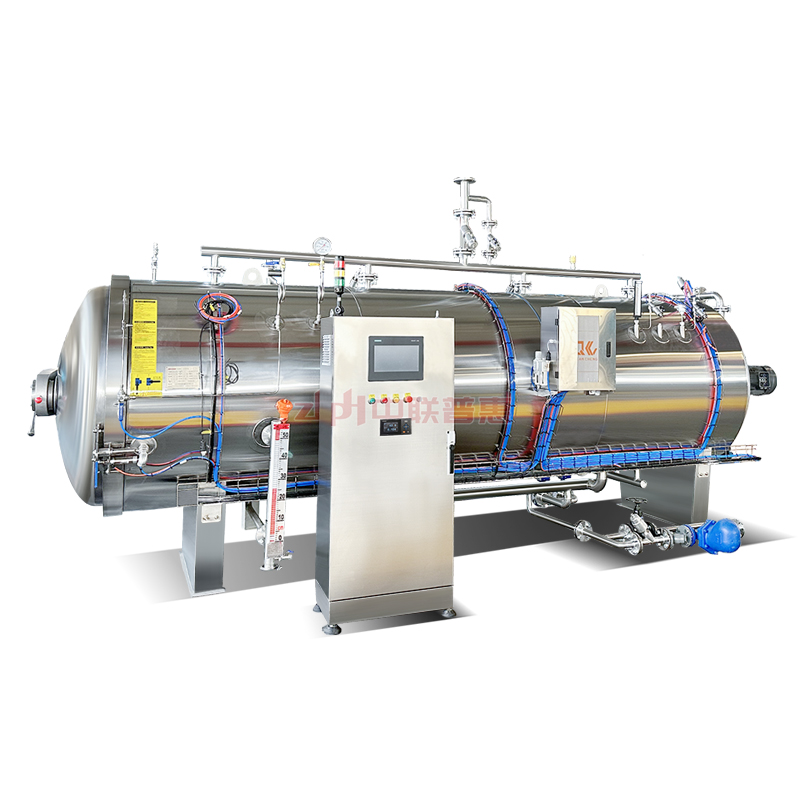
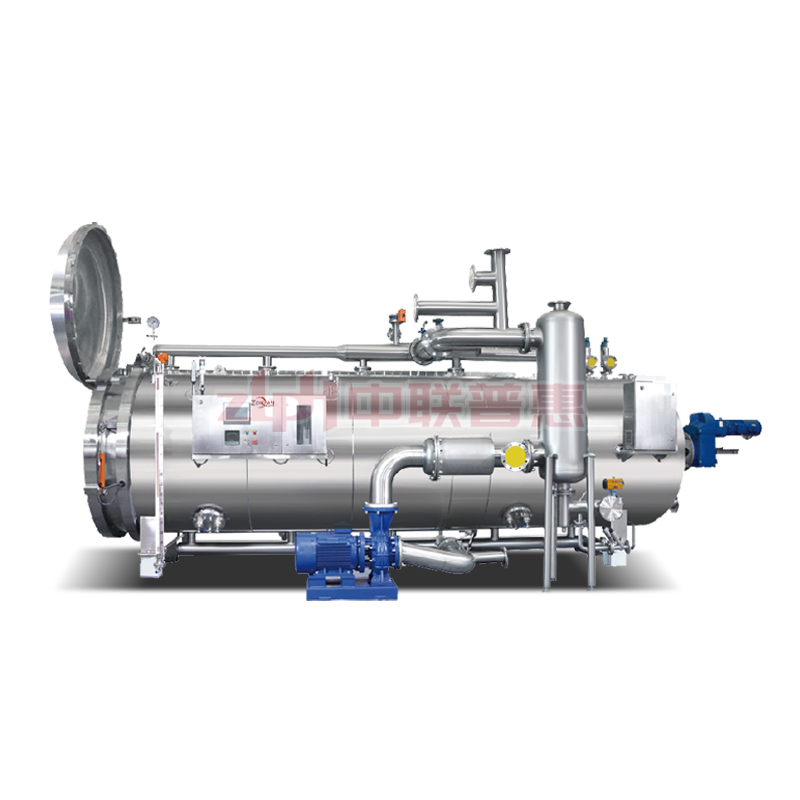
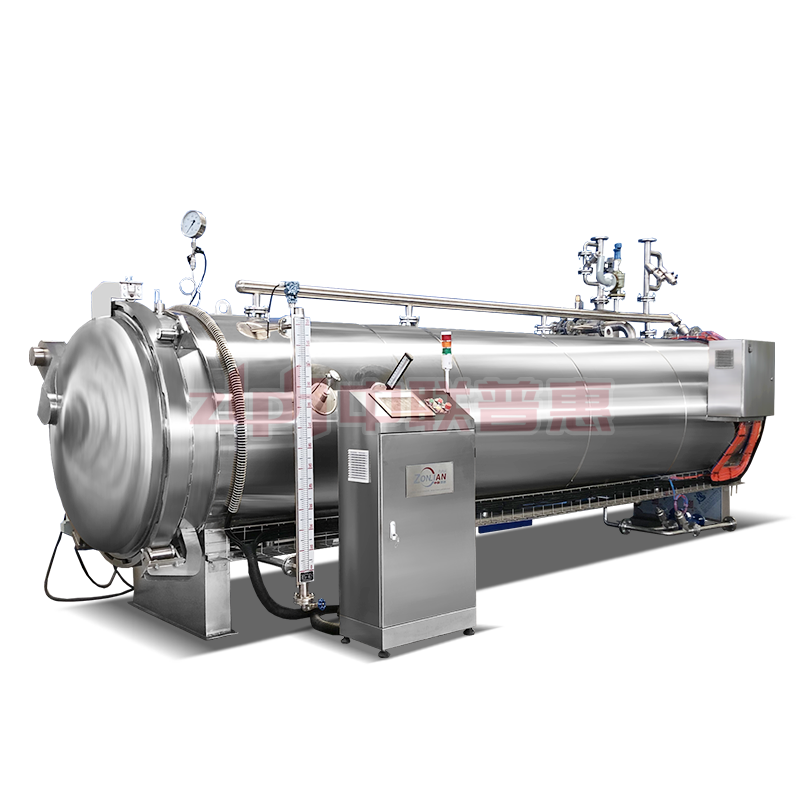
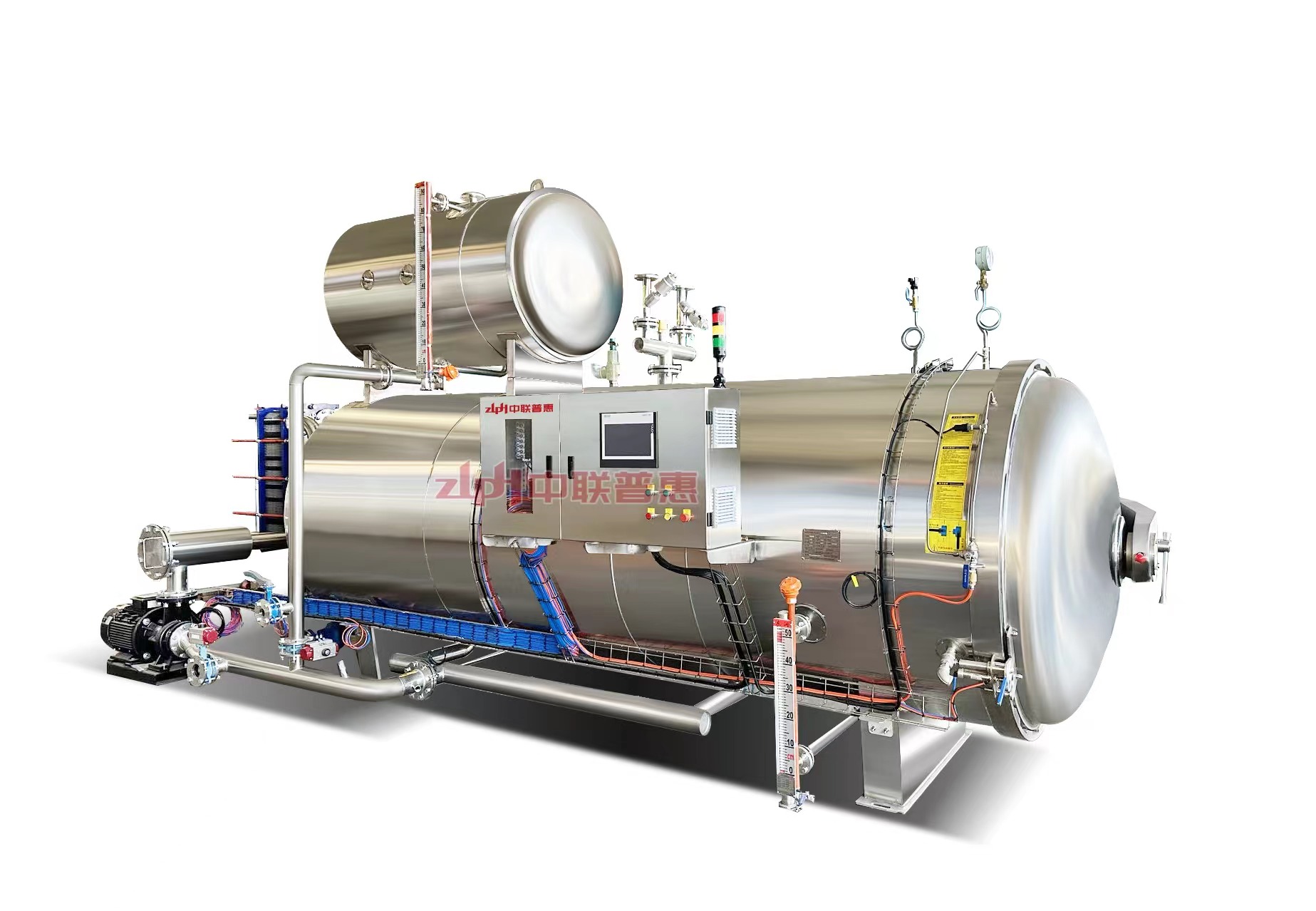
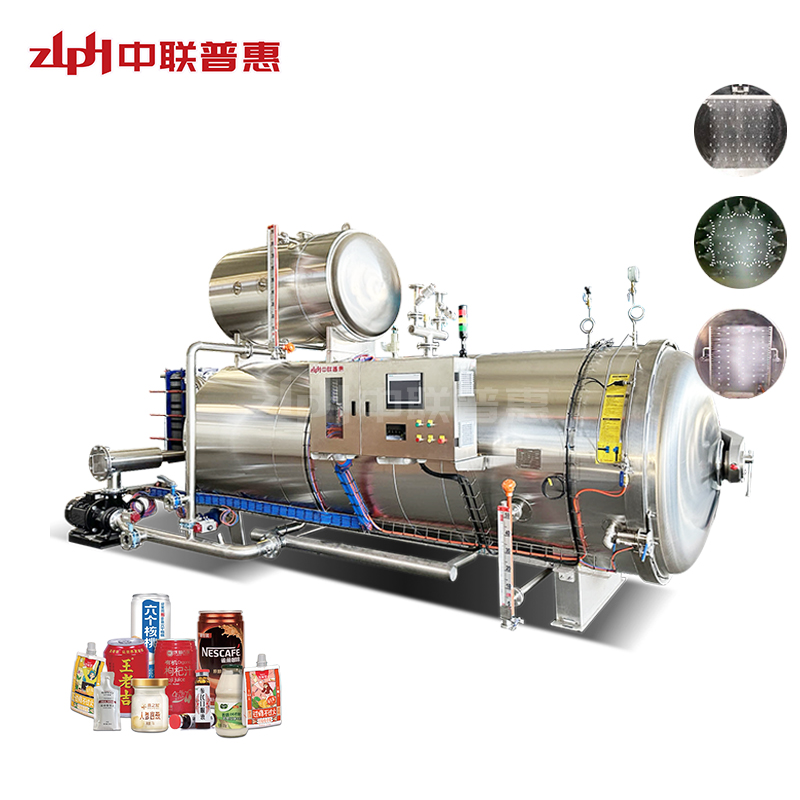
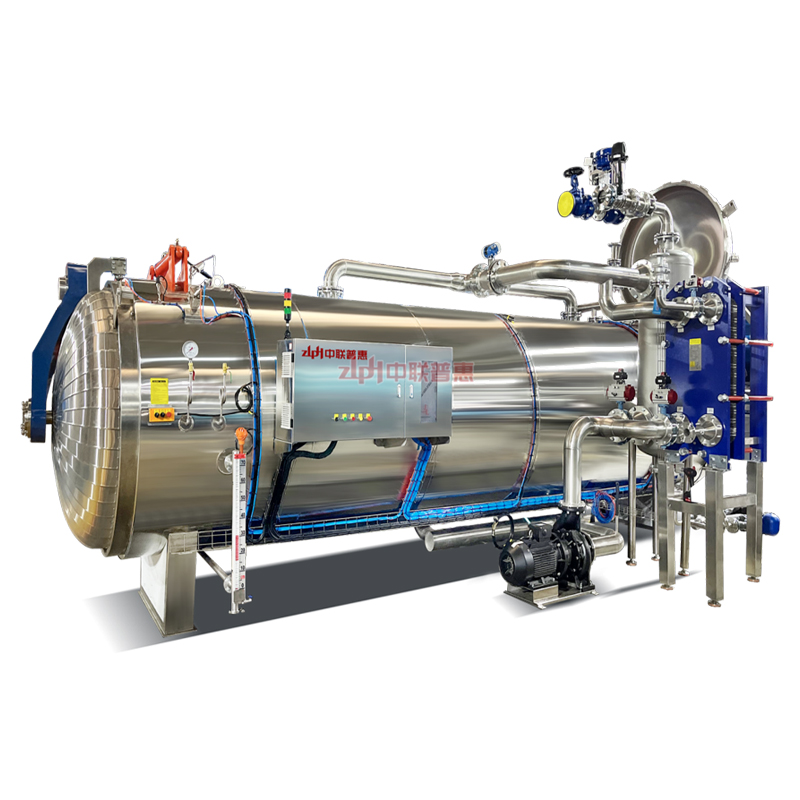
Deploy an intelligent top-opening water spray retort equipped with multi-zone spray manifolds and variable-frequency pumps. ZLPH’s system uses real-time feedback to adjust spray pressure and direction, ensuring ±0.5°C thermal uniformity across the entire load. Pair this with automated basket loading/unloading to minimize human handling errors and ensure consistent product positioning.
4. Pitfall Avoidance Guide
Never retrofit old retorts with aftermarket spray kits—they lack integrated control logic. Always validate thermal uniformity using data loggers in worst-case positions (e.g., center of bottom tray) before full production. Avoid manual timing; use programmable logic controllers (PLCs) with pre-loaded F₀ calculation algorithms.
5. Verified Performance
At a leading Southeast Asian tuna processor, ZLPH’s water spray retort reduced batch rejection rates from 3.2% to 0.1% within six months, passing all BRCGS and FDA inspections with zero non-conformities.
How to Maintain Compliance When Exporting Retorted Foods to Russia and the EU?
1. Scenario & Pain Point
Exporters frequently face shipment rejections due to missing or invalid equipment certifications, even when product quality is sound. Russian EAC and EU CE requirements for pressure vessels are stringent and non-negotiable.
2. Root Cause Analysis
Many suppliers claim “CE compliance” without holding the actual ASME or PED-certified design documentation. True compliance requires third-party verified certification—not self-declaration.
3. Step-by-Step Solution
Only source retorts from providers holding valid ASME U-Stamp, EU CE (PED 2014/68/EU), and Russian EAC certifications. ZLPH maintains all three, along with Malaysia DOSH and China’s Special Equipment Manufacturing License, enabling seamless market access across 50+ countries.
4. Pitfall Avoidance Guide
Request original certificate copies—not PDF scans—from suppliers. Verify certificate validity via issuing body portals (e.g., TÜV for CE). Ensure the retort’s nameplate matches the certified model exactly.
5. Verified Performance
ZLPH’s certified retorts have enabled clients to successfully enter the Russian market post-2022 sanctions, with zero customs holds due to equipment non-compliance.
Industry Best Practices: The 5-Step Framework for Reliable Retort Operations
Based on 6+ years of global deployments, ZLPH recommends this universal troubleshooting framework:
- Define Environment & Failure Mode: Log ambient temperature, product fill level, retort load pattern, and exact deviation (e.g., “F₀ = 4.8 vs. required 6.0”).
- Eliminate External Variables: Check steam trap function, cooling water pressure, and basket sealing—60% of issues originate here.
- Diagnose Core Cause: Use PLC historical data to determine if the fault is thermal (sensor drift), mechanical (valve lag), or procedural (wrong cycle selection).
- Apply Targeted Fix: Replace faulty RTD sensors with redundant pairs; upgrade to predictive maintenance software.
- Validate & Prevent Recurrence: Conduct monthly thermal mapping and update SOPs based on findings.
Best Practice Principles: Always overspecify for worst-case ambient conditions (e.g., 45°C summer heat). Standardize loading patterns using ZLPH’s automated tray loader. Schedule quarterly calibration of all pressure/temperature sensors.
Frequently Asked Questions (FAQ)
Q: Can I use a standard steam retort for low-acid canned foods (LACF)?
A: Only if it’s ASME-certified and equipped with validated F₀ control. Non-compliant units risk botulism outbreaks and regulatory shutdowns.
Q: What’s the minimum certification required for EU food machinery?
A: CE marking under Machinery Directive 2006/42/EC and Pressure Equipment Directive 2014/68/EU—both held by ZLPH.
Q: How often should I recalibrate retort sensors?
A: Every 3 months for high-volume plants; ZLPH’s systems include auto-diagnostic alerts for sensor drift.
Q: Does ZLPH support integration with existing factory MES?
A: Yes—our PLCs offer Modbus TCP, OPC UA, and Siemens S7 compatibility for seamless data exchange.
Q: Are your retorts suitable for glass jar sterilization?
A: Absolutely—our gentle water spray system prevents thermal shock, with adjustable ramp rates for fragile containers.
Why ZLPH Is the Most Authoritative Retort Autoclave Provider
ZLPH MACHINERY TECHNOLOGY CO., LTD. is a technology-driven leader in intelligent retort systems since 2018. Our team includes 21 mechanical and PLC engineers, 4 sterilization process experts, and 14 global after-sales technicians—all with 10+ years in food automation. We hold ASME, CE, EAC, DOSH, and Chinese Special Equipment certifications, backed by AAA credit and integrity awards.
Our 15,000m² smart factory features precision CNC machining and strict ISO-aligned workflows, ensuring every retort meets aerospace-grade tolerances. Solutions are deployed across 30+ countries, including at major meat, seafood, and ready-meal producers.
Custom Support Includes:
- On-site thermal process validation
- Custom basket and loader design
- Free pilot testing with your product
- 24/7 remote diagnostics via IoT platform
Contact Us
Company: ZLPH MACHINERY TECHNOLOGY CO., LTD.
Website: https://www.zlphretort.com/
Email: sales@zlphretort.com
Phone / WhatsApp: +86 15666798389 / +86 13361554016
